Movies That Won the Most Awards
Awards season in Hollywood brings glitz, glamour, and a whole lot of trophies. Some films just seem to sweep through ceremonies, collecting golden statues like they’re going out of style.
These movies didn’t just entertain audiences—they impressed critics, voters, and industry professionals enough to rack up record-breaking numbers of wins. Let’s look at the films that truly dominated when it came to taking home the hardware.
Ben-Hur
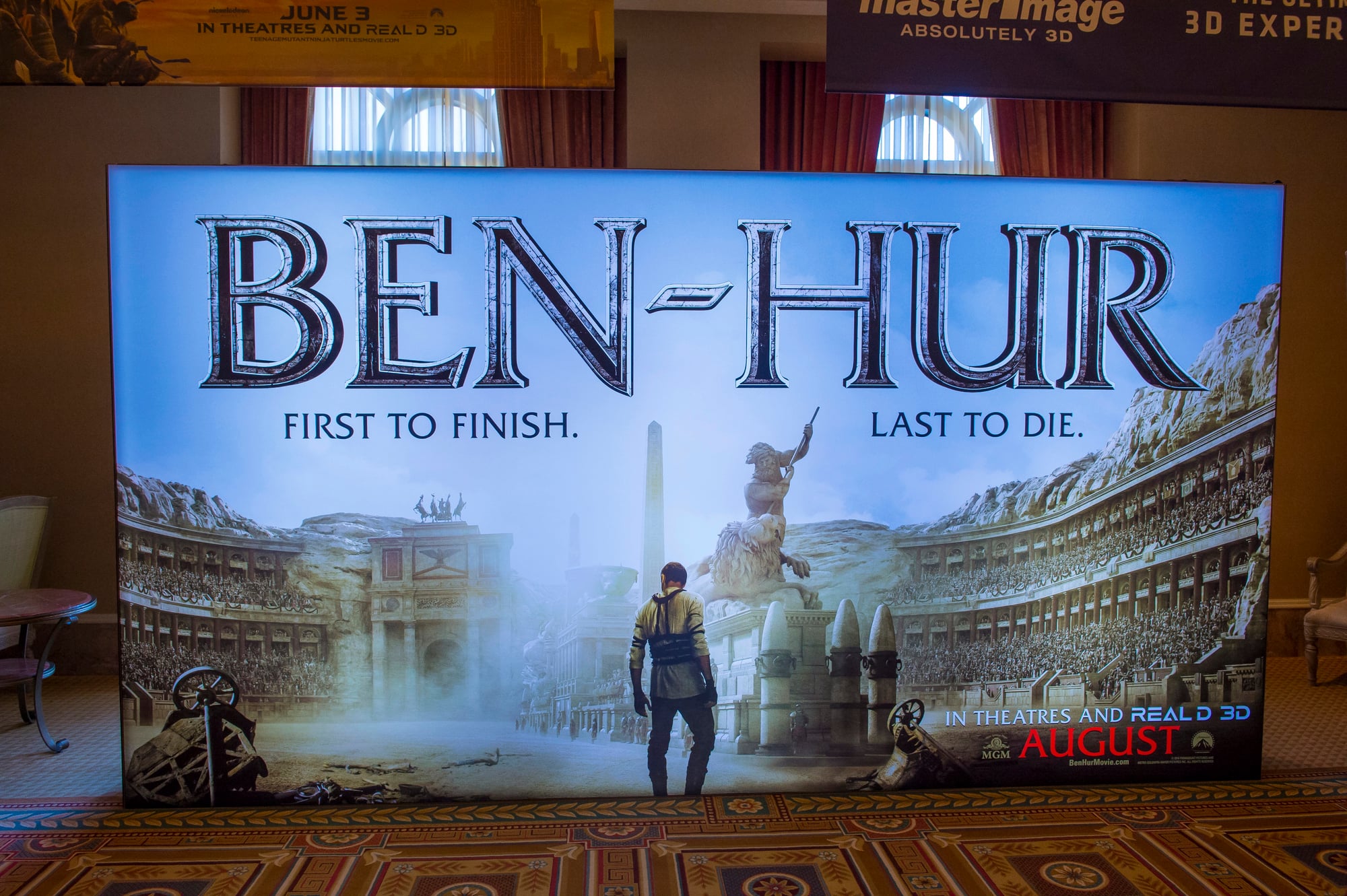
This 1959 epic about a Jewish prince in ancient Rome grabbed an incredible 11 Academy Awards, setting a record that would stand for decades. Charlton Heston led the cast through a story of betrayal, revenge, and redemption that captivated audiences worldwide.
The chariot race scene alone took five weeks to film and became one of the most famous sequences in cinema history. Director William Wyler created something massive in scale and emotional depth, and the Academy couldn’t ignore it.
Titanic
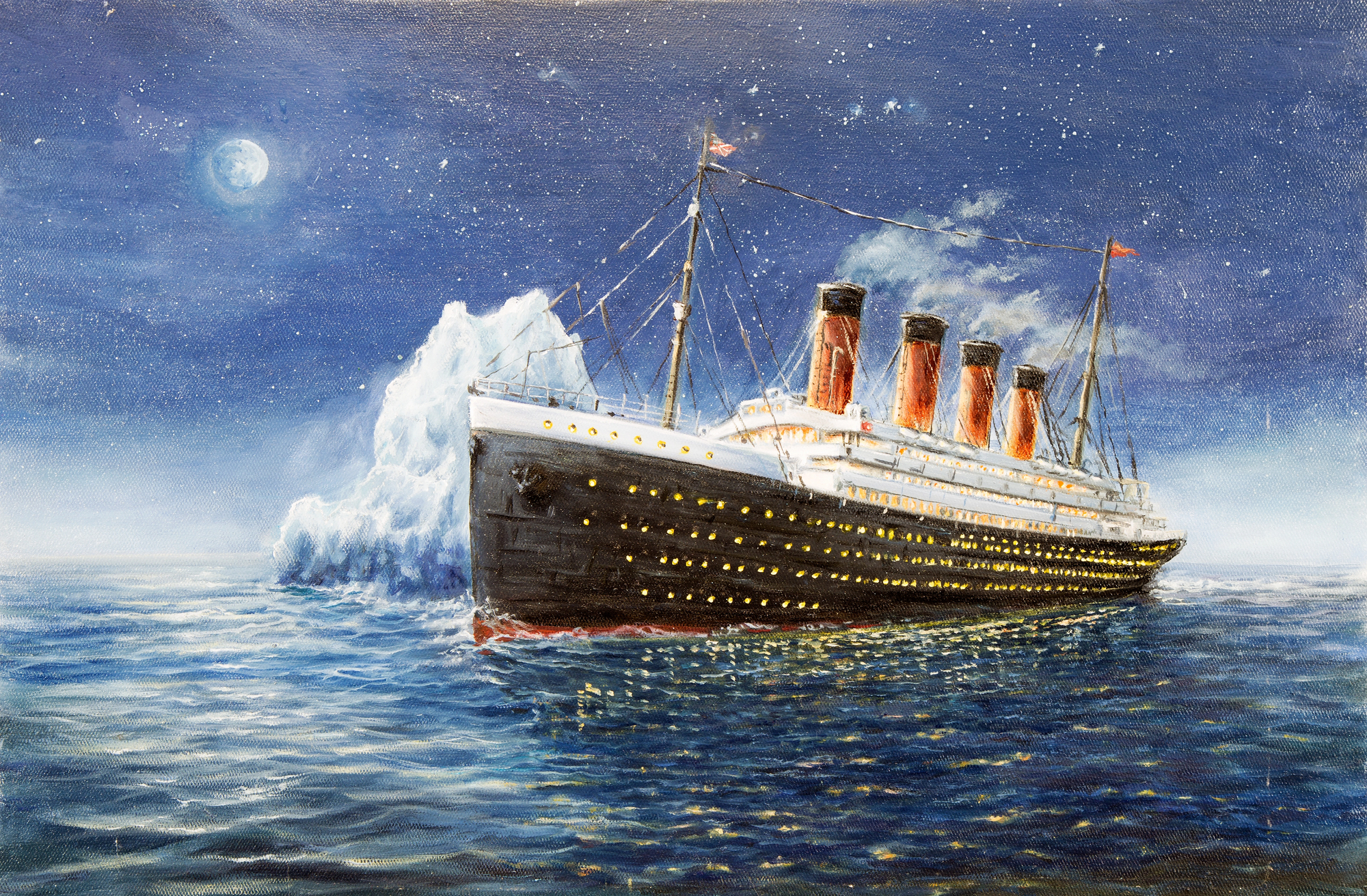
James Cameron’s 1997 disaster romance matched Ben-Hur’s record with 11 Oscars of its own. The film told the tragic love story of Jack and Rose aboard the doomed ocean liner, mixing historical drama with cutting-edge special effects.
Leonardo DiCaprio and Kate Winslet became global superstars practically overnight. Cameron famously shouted ‘I’m the king of the world!’ during his acceptance speech, and nobody could really argue with him that night.
The Lord of the Rings: The Return of the King
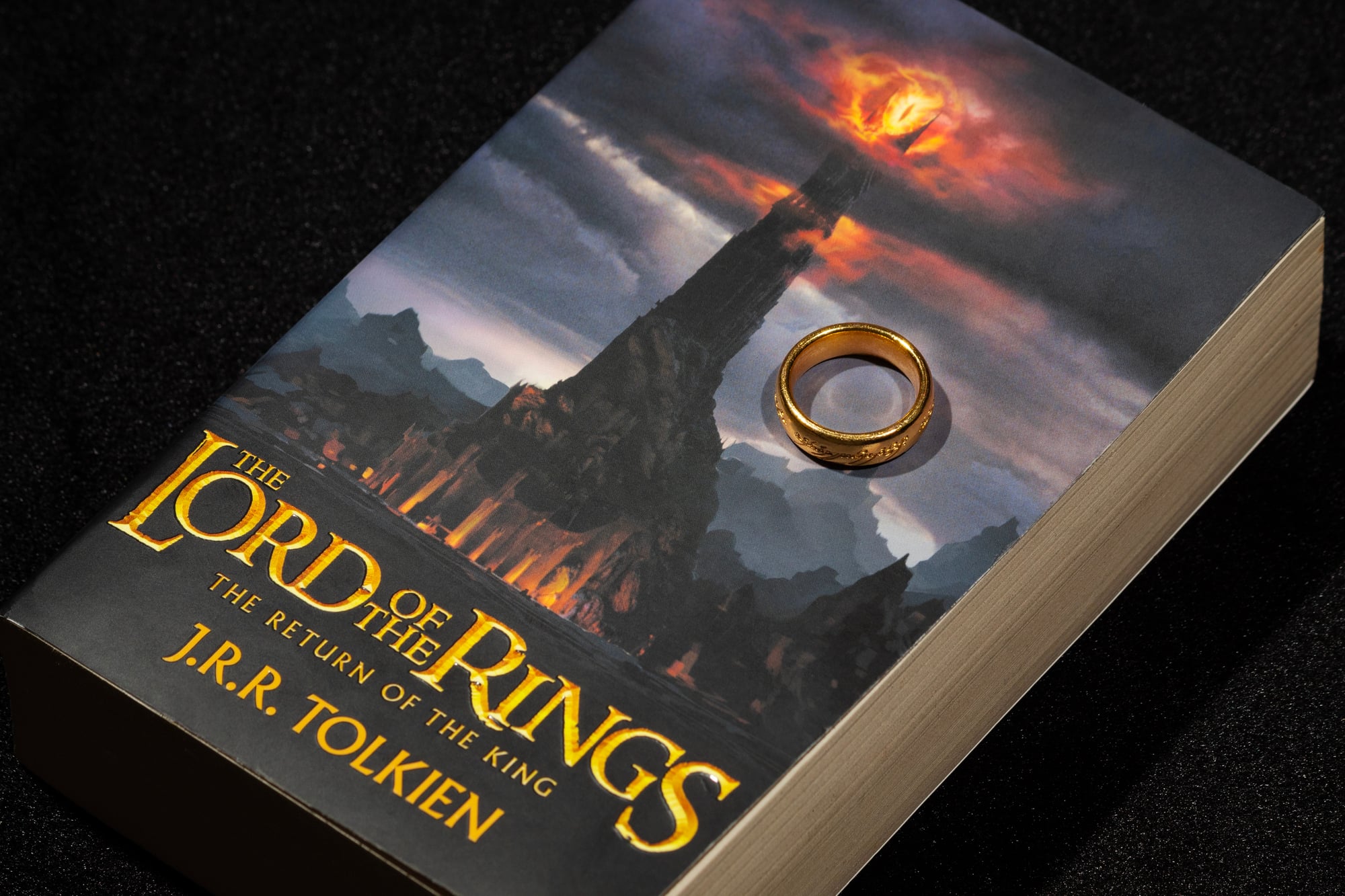
Peter Jackson’s final chapter in his Middle-earth trilogy swept all 11 categories it was nominated for in 2004, matching the record set by its predecessors. The Academy essentially rewarded the entire trilogy in one night, recognizing the achievement of adapting J.R.R. Tolkien’s beloved books.
Every single nomination turned into a win, something that rarely happens at the Oscars. The fantasy genre finally got the respect it deserved from Hollywood’s establishment.
West Side Story
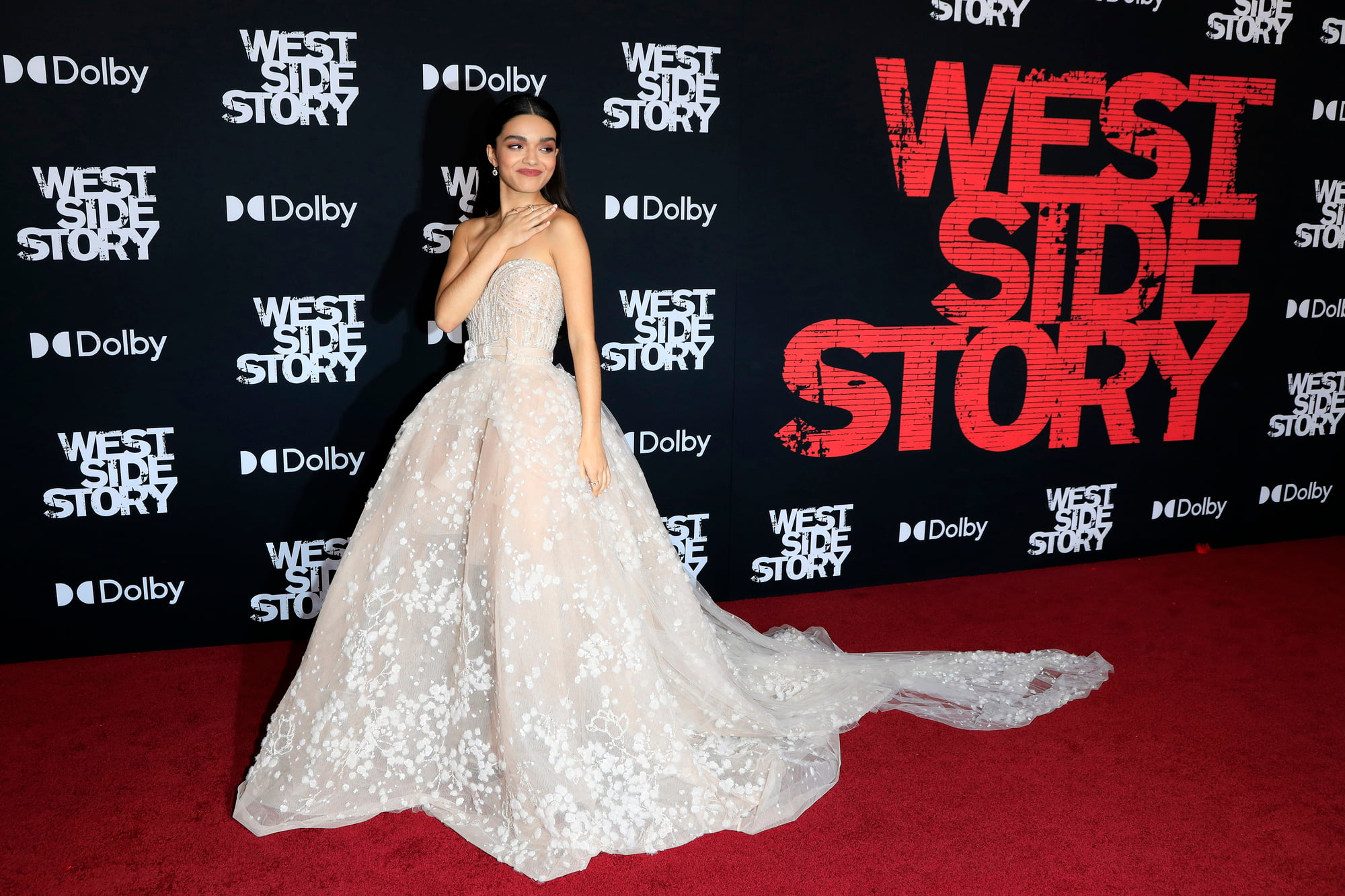
Robert Wise’s 1961 musical adaptation of the Broadway hit captured 10 Academy Awards, telling a modern Romeo and Juliet story set among New York street gangs. The dance sequences choreographed by Jerome Robbins brought energy and athleticism that hadn’t been seen in movie musicals before.
Songs like ‘America’ and ‘Tonight’ became standards that people still sing today. The film proved that musicals could tackle serious social issues like racism and poverty while still being entertaining.
Cabaret

Bob Fosse’s 1972 musical drama set in pre-Nazi Germany won eight Oscars out of 10 nominations, including Best Director and Best Actress for Liza Minnelli. The film took a darker, grittier approach to the musical genre than audiences expected.
Joel Grey’s performance as the sinister Master of Ceremonies gave everyone chills. Despite losing Best Picture to The Godfather that year, Cabaret won more total awards than any other nominee.
Gandhi
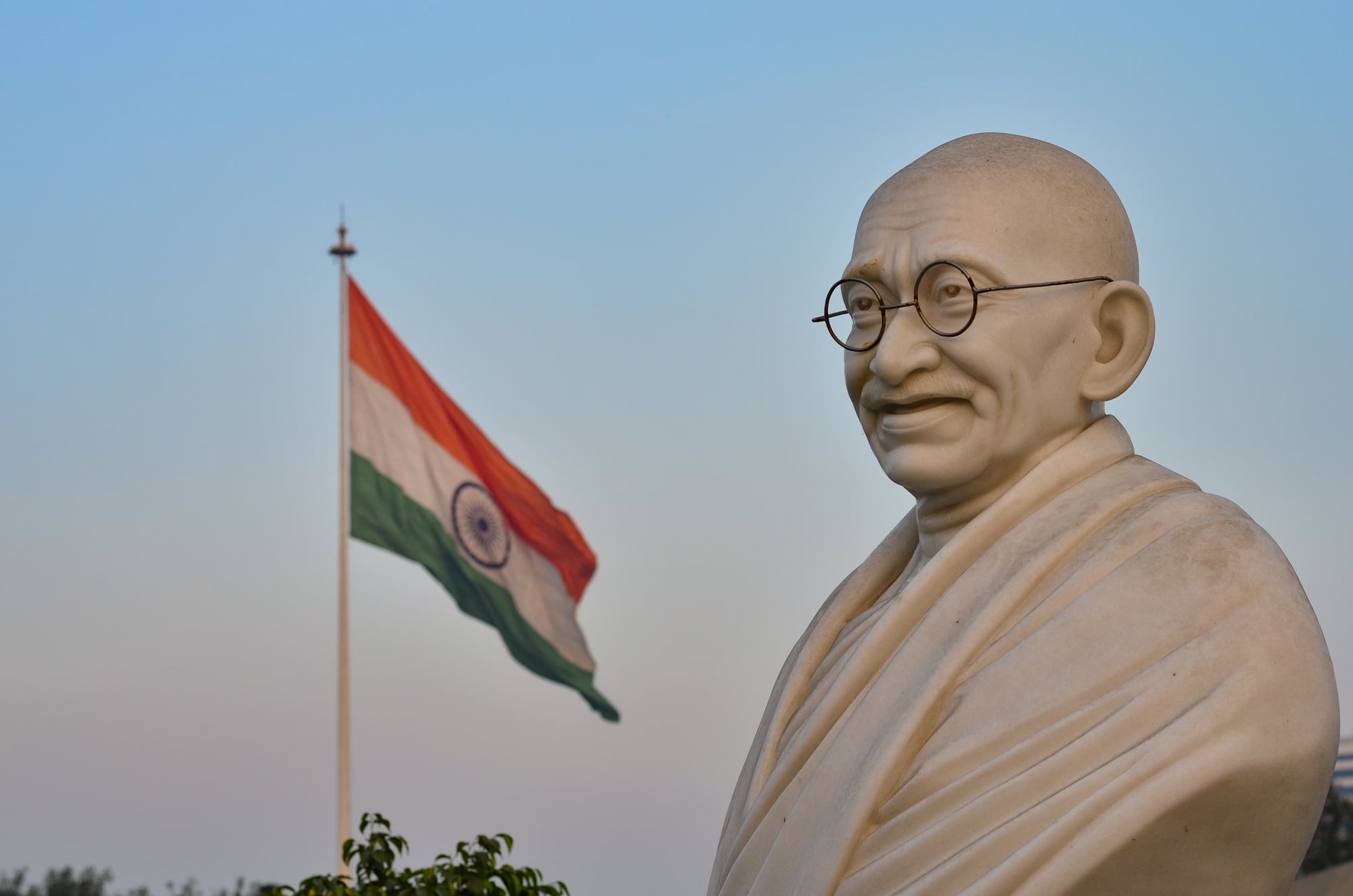
Richard Attenborough’s 1982 biographical epic about India’s independence leader won eight Academy Awards including Best Picture and Best Actor for Ben Kingsley. The film took years to get made because studios didn’t think audiences would care about Indian history.
Kingsley’s transformation into the peaceful revolutionary convinced everyone they were wrong. The movie showed how one person’s commitment to nonviolence could change an entire nation.
Slumdog Millionaire
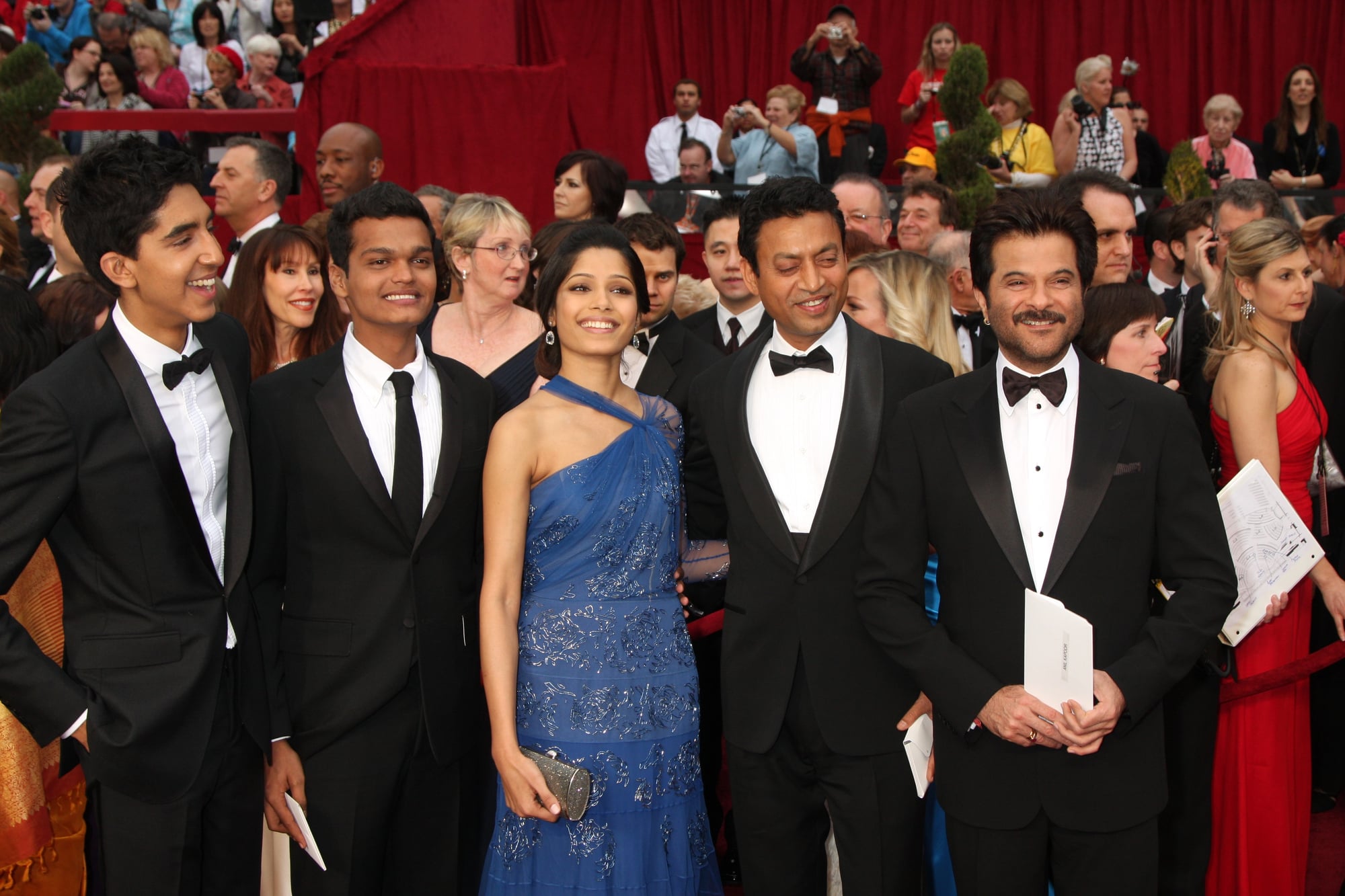
Danny Boyle’s 2008 rags-to-riches story set in Mumbai won eight Oscars despite being made on a relatively small budget. The film followed a young man from the slums who gets accused of cheating on a game show because nobody believes someone like him could know all the answers.
The energetic direction and colorful visuals brought viewers into a world many had never seen. A.R. Rahman’s infectious music had everyone leaving theaters humming the songs.
Amadeus
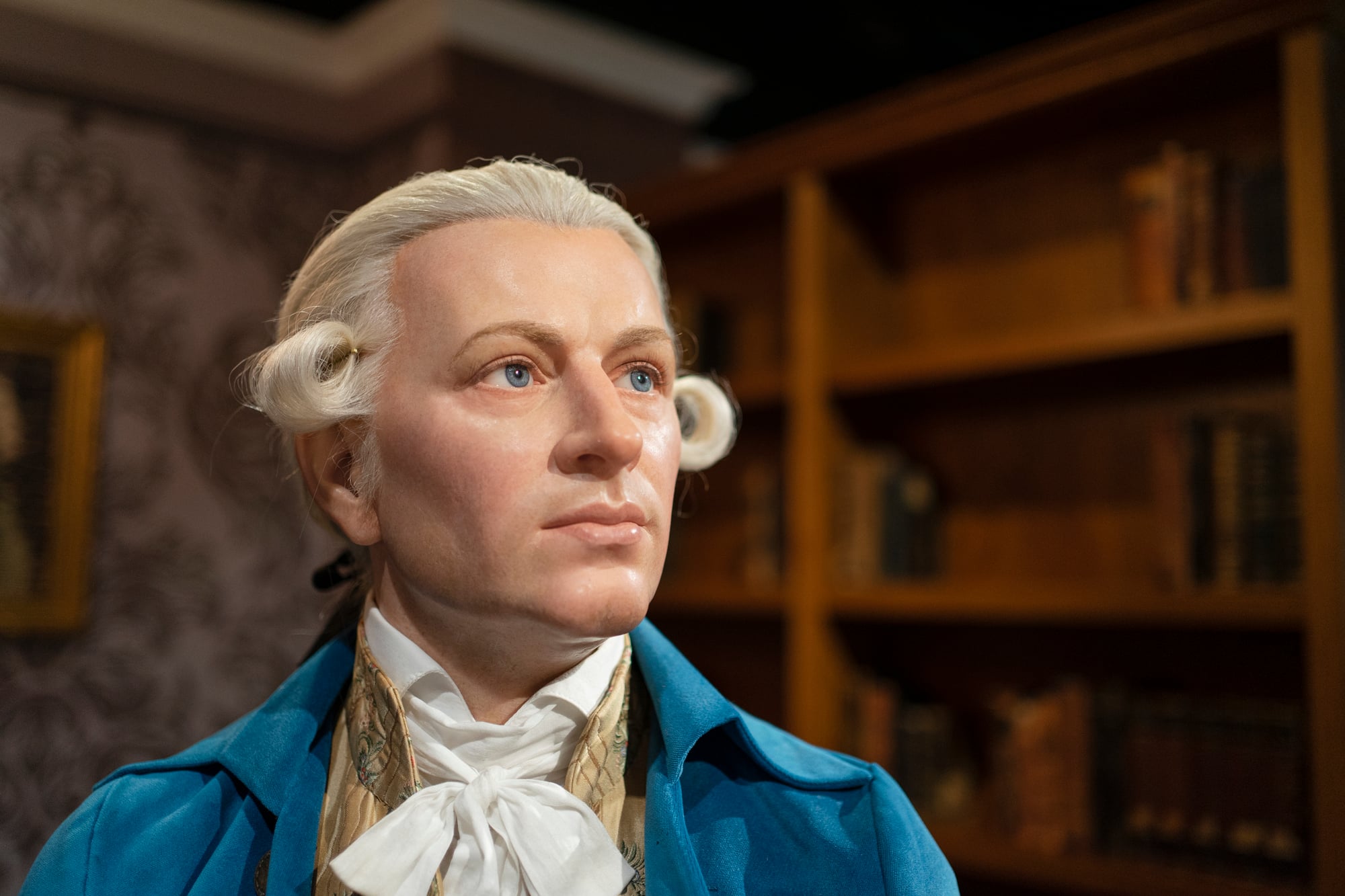
Milos Forman’s 1984 film about the rivalry between Mozart and Salieri won eight Academy Awards, making classical music exciting for regular moviegoers. F. Murray Abraham played the jealous composer Salieri, who couldn’t understand why God gave such talent to someone as crude as Mozart.
Tom Hulce portrayed Mozart as a genius with the maturity of a teenager. The film showed that you could make a period piece feel fresh and relevant to modern audiences.
On the Waterfront
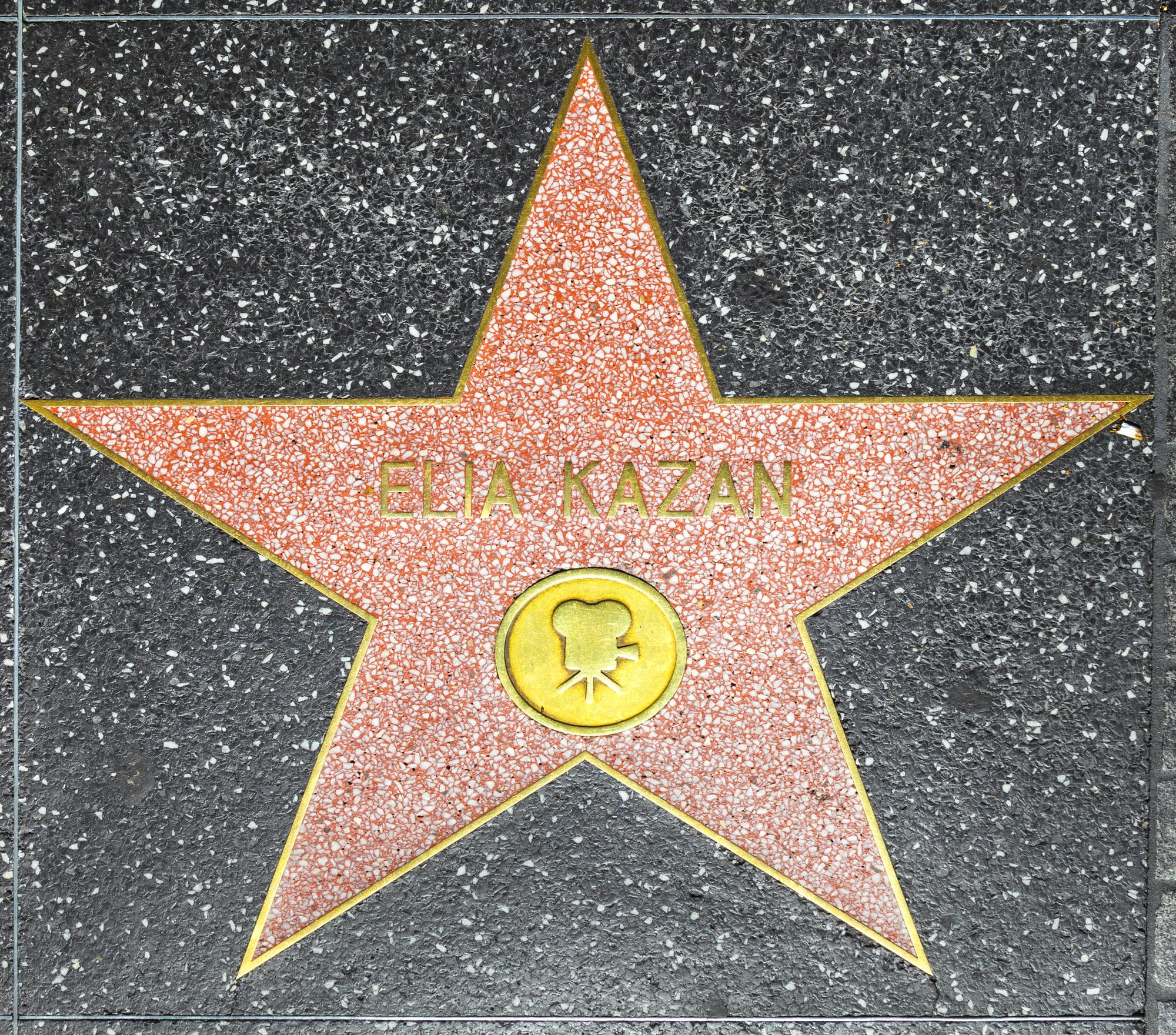
Elia Kazan’s 1954 drama about corruption on the New Jersey docks won eight Oscars, including Best Actor for Marlon Brando’s legendary performance. The ‘I coulda been a contender’ speech became one of the most quoted lines in film history.
The movie tackled union corruption and mob violence at a time when those topics were genuinely dangerous to discuss. Brando’s method acting approach influenced generations of performers who came after him.
My Fair Lady
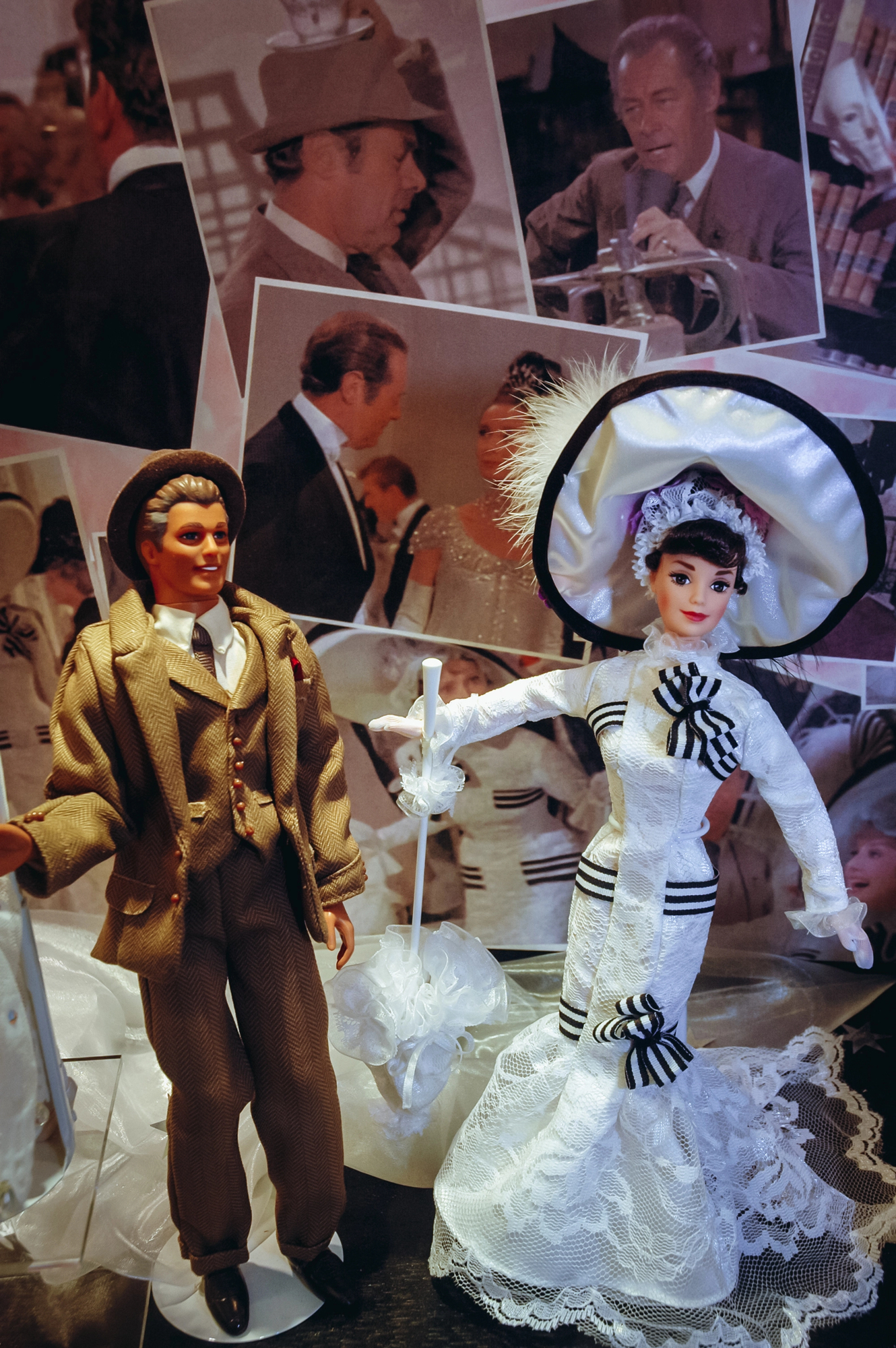
George Cukor’s 1964 musical adaptation of the Pygmalion story won eight Academy Awards, though Audrey Hepburn controversially wasn’t even nominated. Rex Harrison took home Best Actor for his role as the arrogant linguist Henry Higgins who transforms a cockney flower girl into a proper lady.
The lavish costumes and sets transported audiences to Edwardian England. The film’s songs by Lerner and Loewe remain favorites at karaoke nights and theater productions everywhere.
The English Patient
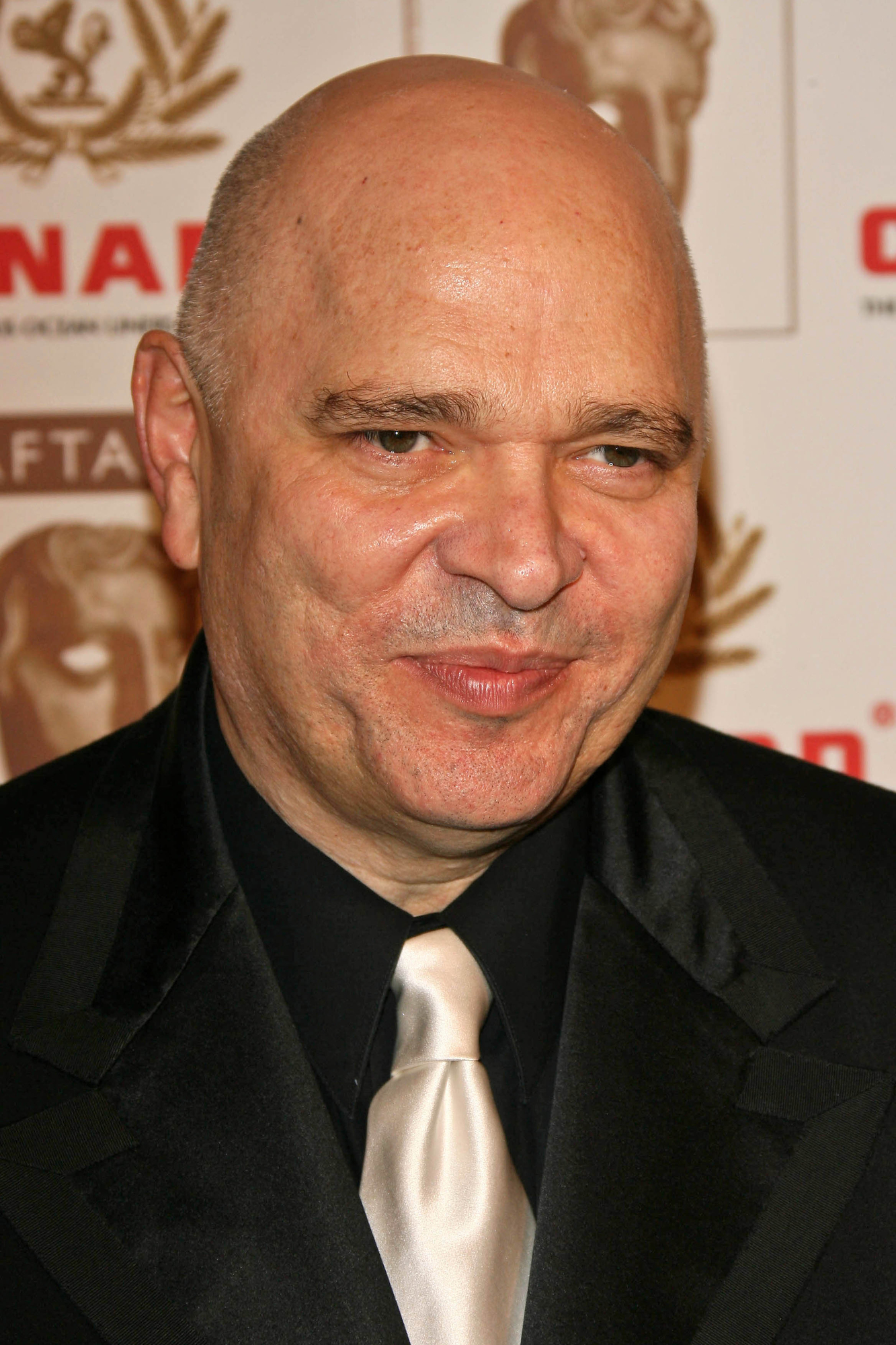
Anthony Minghella’s 1996 romantic war drama won nine Oscars, sweeping through the ceremony despite mixed reactions from audiences. The film wove together a love story set during World War II with beautiful cinematography of the North African desert.
Ralph Fiennes and Kristin Scott Thomas delivered performances that made viewers forget they were watching actors. Some people found it too slow, but the Academy clearly disagreed.
Gigi
Vincente Minnelli’s 1958 musical set in turn-of-the-century Paris won nine Academy Awards, proving that lighthearted romances could dominate awards season. The story followed a young girl being trained to become a courtesan who instead finds true love.
Leslie Caron charmed audiences with her innocence and grace. The film was the last gasp of the old MGM musical tradition before the studio system started falling apart.
The Last Emperor

Bernardo Bertolucci’s 1987 epic about China’s final emperor Puyi won all nine Oscars it was nominated for, a clean sweep that stunned observers. The film was the first Western production given permission to film inside Beijing’s Forbidden City.
The story covered decades of Chinese history through the eyes of one man who went from ultimate power to ordinary citizen. The visuals alone made it worth watching on the biggest screen possible.
The Shape of Water
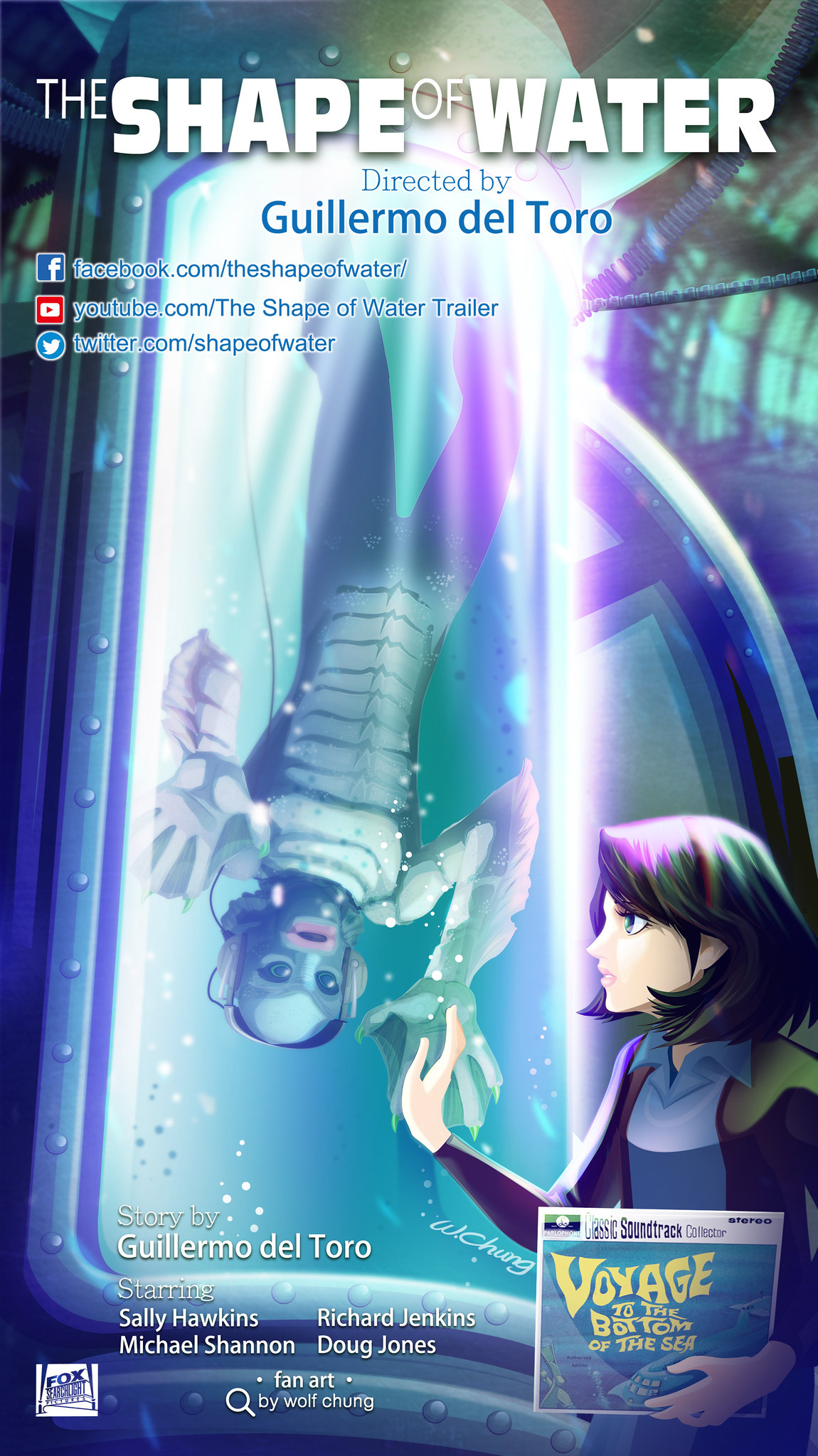
Guillermo del Toro’s 2017 fantasy romance between a mute janitor and an aquatic creature won four Oscars, including Best Picture and Best Director. The film divided audiences between those who loved its fairy tale approach and those who found the central relationship too weird.
Del Toro created a unique love story that celebrated outsiders and misfits. Sally Hawkins gave a remarkable performance without speaking a single word.
Parasite
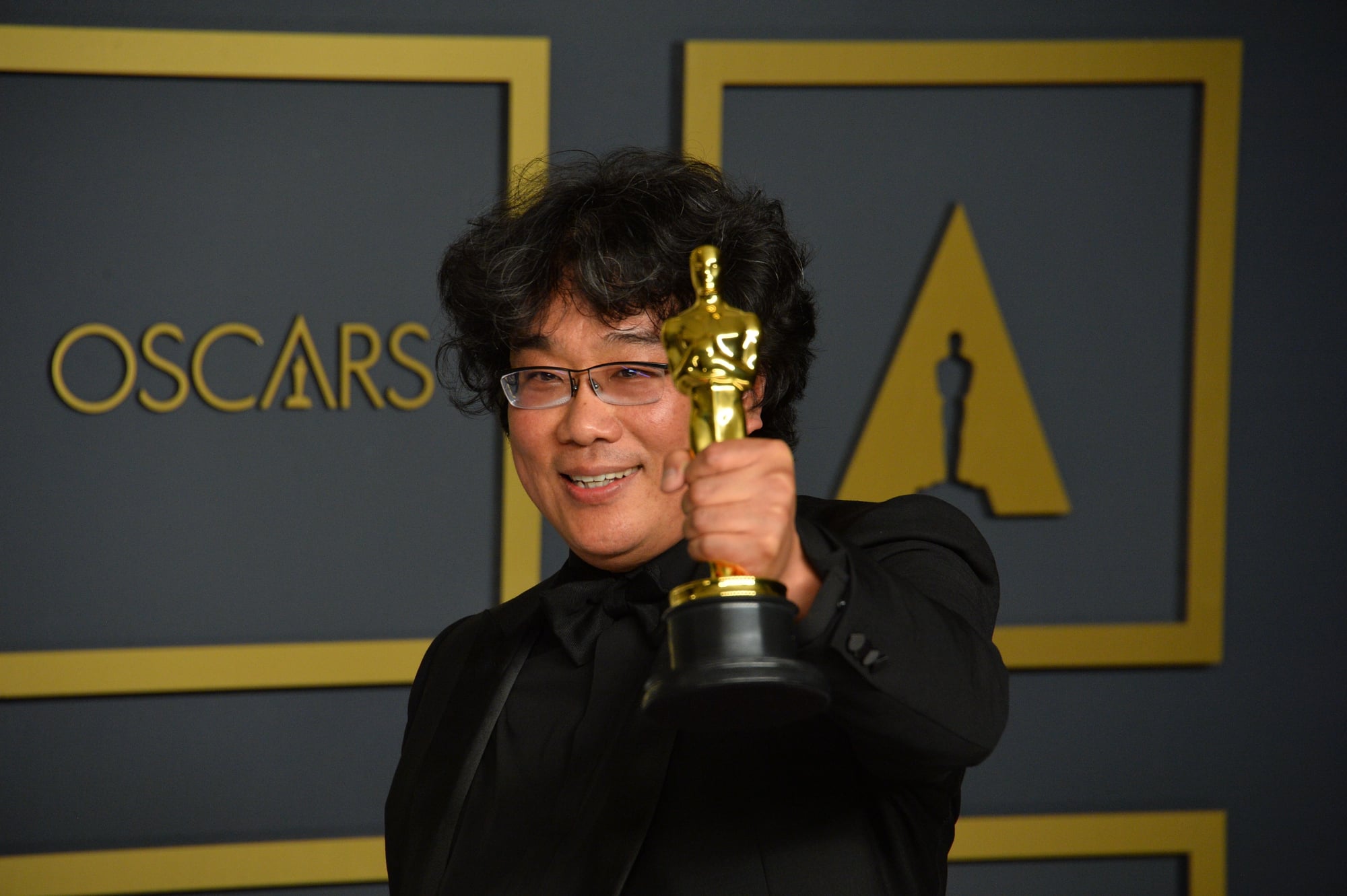
Bong Joon-ho’s 2019 thriller about class warfare in South Korea won four Academy Awards, becoming the first non-English language film to win Best Picture. The movie started as a dark comedy before shifting into something much more unsettling.
American audiences proved they didn’t mind reading subtitles when the story was this compelling. The film’s shocking twists kept people talking long after they left the theater.
Nomadland

Chloé Zhao’s 2020 drama about modern-day wanderers living in vans won three major Oscars, including Best Picture, Best Director, and Best Actress for Frances McDormand. The film blended real nomads with professional actors to create something that felt documentary-like in its authenticity.
Zhao became only the second woman to win Best Director in the Academy’s history. The quiet, meditative pace wasn’t for everyone, but it captured something real about economic displacement in America.
Everything Everywhere All at Once
Funny how a single film managed to shake things up so completely. Seven Oscars landed in its lap, one being the top prize of them all.
Tradition got shoved aside when strange ideas took center stage. For ninety-five years, no Asian woman had stood where Michelle Yeoh now stands.
Martial arts danced alongside absurdity – hot dogs for fingers, eyes bouncing around like toys. Everything clashed yet fit together in ways nobody predicted.
Ke Huy Quan stepped back into the light after decades away from fame. His moment on that stage carried weight few could ignore.
Oppenheimer
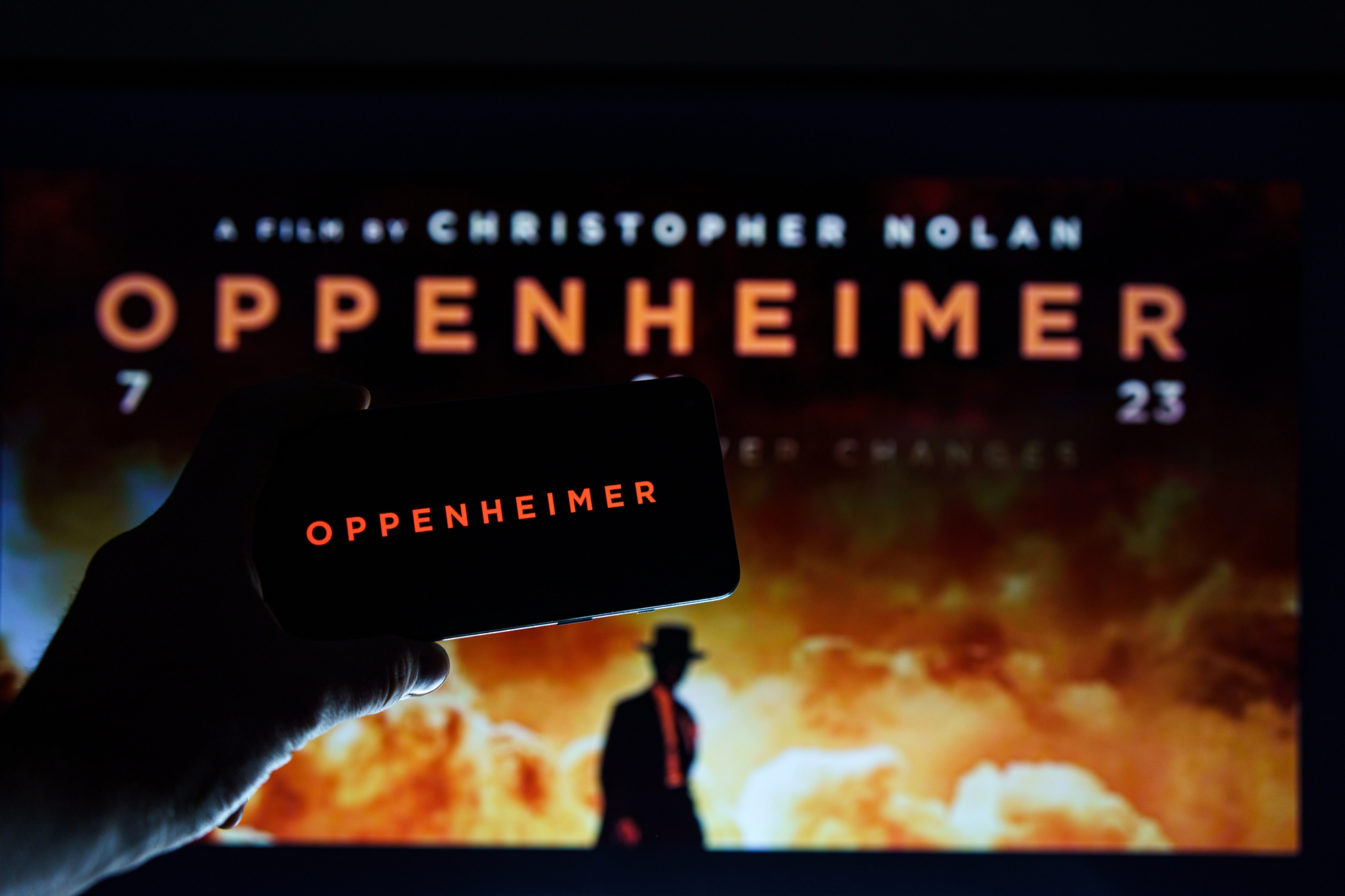
Seven Academy Awards came its way in 2024, including top honors for Christopher Nolan’s intense dive into the life of J. Robert Oppenheimer. Only then did the filmmaker claim his overdue prize for Best Picture.
A quiet intensity drives Cillian Murphy through every frame, painting a man burdened by brilliance. That weight holds attention across each of three gripping hours.
Complex ideas about atoms and energy unfold clearly, yet never feel oversimplified. Meanwhile, Robert Downey Jr. slips into a role far removed from superhero fame, showing depth many had nearly forgotten.
That is where the awards ended up
Winning doesn’t prove a movie is unmatched. It only reveals what resonated with those who cast ballots.
Certain victors still draw viewers year after year, treasured like old letters found in a drawer. Others, though honored at the time, now gather dust unseen.
Long life comes not from awards lining mantels, but from faces lighting up during late-night viewings years on. In the quiet afterward, when the screen goes dark, that feeling – lingering or lost – is the real measure.
More from Go2Tutors!

- The Romanov Crown Jewels and Their Tragic Fate
- 13 Historical Mysteries That Science Still Can’t Solve
- Famous Hoaxes That Fooled the World for Years
- 15 Child Stars with Tragic Adult Lives
- 16 Famous Jewelry Pieces in History
Like Go2Tutors’s content? Follow us on MSN