Movies With The Largest Casts
Hollywood loves a spectacle, and sometimes that means packing the screen with as many faces as possible. Some films take this to an extreme level, bringing together hundreds or even thousands of actors to tell a single story.
These productions become massive undertakings that require incredible coordination, enormous budgets, and a director brave enough to manage what essentially becomes a small city of performers. So let’s dive into some of the biggest ensemble pieces ever put on film.
These movies didn’t just gather a few A-listers for a quick cameo scene.
Gandhi
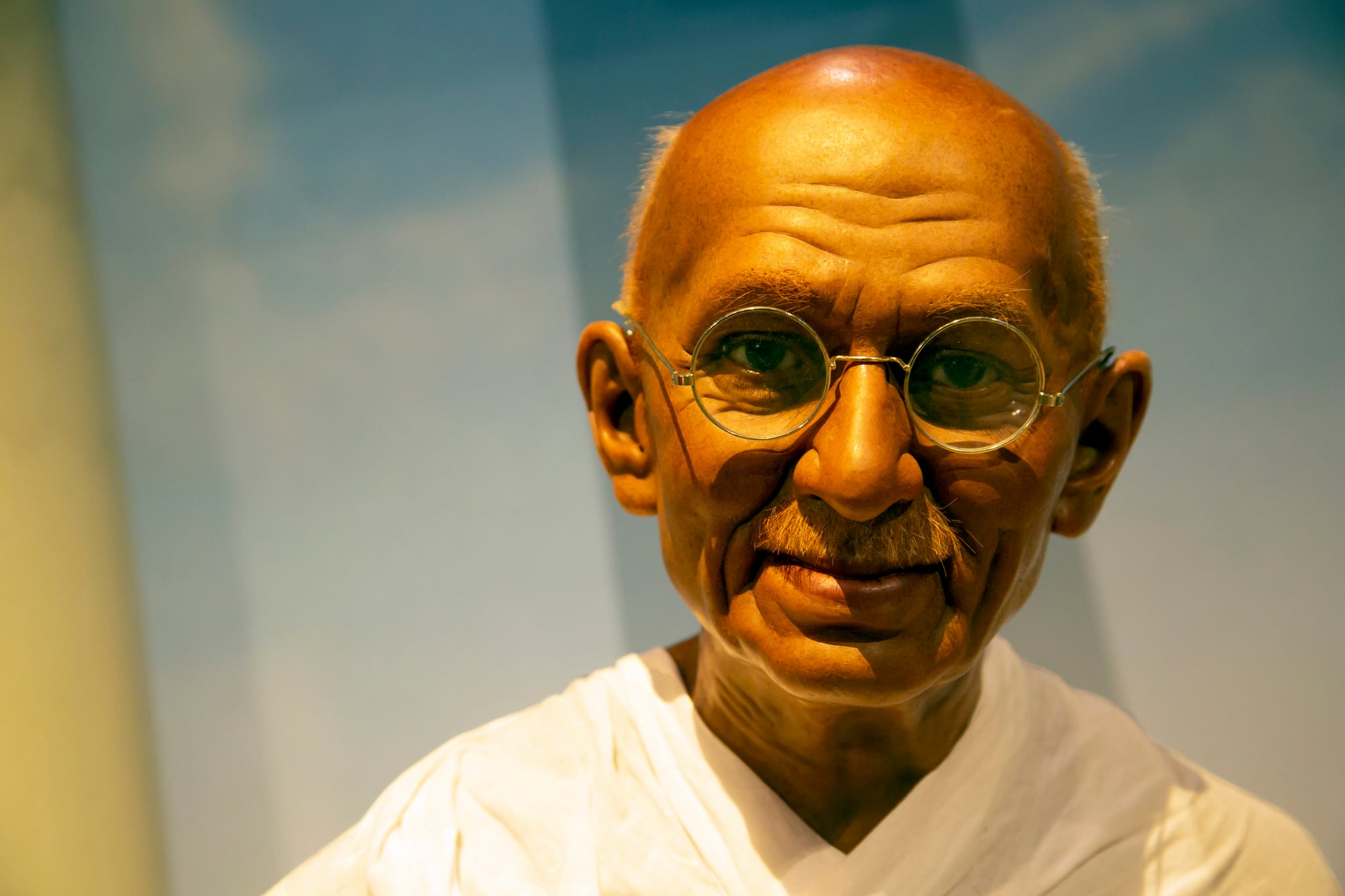
Richard Attenborough’s 1982 epic about India’s independence leader brought together over 300,000 people for a single funeral scene. That scene alone required 11 days to film and became one of the most ambitious shots in cinema history.
The production hired so many extras that the Indian government actually helped coordinate the massive crowd, and the film won eight Academy Awards including Best Picture. Ben Kingsley played the title role, but the real star was the sheer scale of humanity on screen.
Around the World in 80 Days

The 1956 version of this adventure story featured 68,894 people in its cast, making it one of the most populated films ever made. Producer Mike Todd wanted authenticity for every location, so he filmed in actual countries around the globe and hired locals wherever possible.
The movie included 46 speaking roles and cameos from stars like Frank Sinatra, Marlene Dietrich, and Buster Keaton. It took home five Oscars and set a standard for how big a movie could actually get.
War and Peace

Soviet director Sergei Bondarchuk spent six years making this adaptation of Tolstoy’s novel, and he wasn’t messing around with the scale. The 1966 film employed 120,000 Soviet soldiers as extras for the battle scenes.
Bondarchuk wanted to capture the full scope of Napoleon’s invasion of Russia, and he had the resources of the entire Soviet military at his disposal. The final product ran over seven hours long and remains the most expensive film ever made when adjusted for inflation.
Metropolis
Fritz Lang’s 1927 science fiction masterpiece used 37,000 people to bring his vision of a futuristic city to life. The German production took nearly two years to complete and almost bankrupted the studio that made it.
Lang built massive sets and filled them with workers, dancers, and actors to create the illusion of a teeming urban landscape. The film lost money initially but became one of the most influential movies ever made, inspiring everything from Blade Runner to modern architecture.
Ben-Hur

The 1959 chariot race that everyone remembers took 10,000 extras and months of preparation to pull off safely. William Wyler directed this Roman epic with a determination to make everything feel real and overwhelming.
The film hired locals in Italy where it shot most of its scenes, and the production became the largest employer in Rome for over a year. Charlton Heston led the cast, but the supporting players numbered in the thousands, and the movie won 11 Academy Awards.
The Lord of the Rings Trilogy
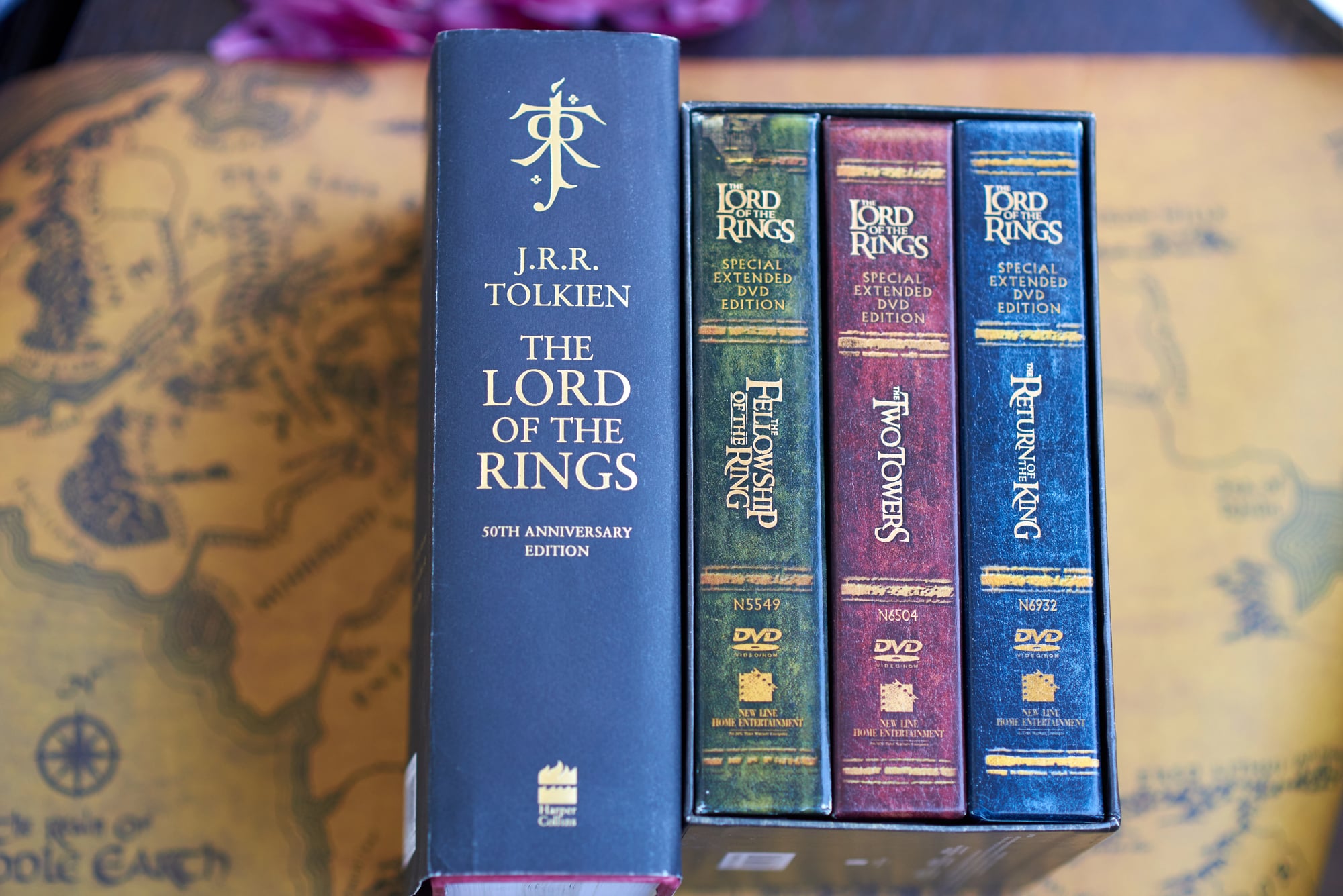
Peter Jackson’s three films employed thousands of actors, extras, and digital performers to populate Middle-earth. The production ran for years in New Zealand and became the biggest filmmaking endeavor the country had ever seen.
Jackson used a combination of real extras and computer-generated armies to create battles that looked like they involved tens of thousands of fighters. The trilogy won 17 Oscars total and changed how Hollywood thought about epic storytelling.
Cleopatra

The 1963 production starring Elizabeth Taylor nearly destroyed 20th Century Fox with its costs and delays. Director Joseph L. Mankiewicz hired 10,000 extras just for the scenes showing Cleopatra’s arrival in Rome.
The film went so over budget that it became the most expensive movie ever made at that time, and it took years for the studio to recover financially. Taylor became the first actress to earn a million dollars for a single role, and the cast around her filled entire city blocks.
Exodus

Otto Preminger’s 1960 film about the founding of Israel brought together 25,000 people for scenes depicting refugee camps and military operations. The production shot in Israel and Cyprus, hiring locals to play the displaced persons seeking a homeland.
Paul Newman starred as the lead, but the real weight of the film came from the crowds of faces showing the human cost of conflict. Preminger wanted authenticity, and he got it by filling the frame with real people instead of relying on tricks.
Spartacus

Stanley Kubrick directed 10,500 extras in the battle scenes for this 1960 epic about a Roman slave revolt. Kirk Douglas produced and starred in the film, which became famous for its massive fight sequences and political undertones.
The production hired Spanish soldiers to play the Roman legions, and the scale of the conflicts on screen remains impressive even today. Kubrick was only 31 when he made the film, and he managed the huge cast with a precision that became his trademark.
The Longest Day
This 1962 war film about D-Day featured the biggest international cast ever assembled up to that point. The production hired 23,000 extras to recreate the Normandy invasion and shot in multiple countries with different directors handling different sections.
The film included 42 major stars from America, Britain, France, and Germany, all speaking their native languages. Darryl F. Zanuck produced the movie as a tribute to the soldiers who fought, and he spared no expense in making it as realistic as possible.
Dances with Wolves
Kevin Costner’s 1990 Western employed 3,500 members of various Native American tribes to tell the story authentically. The production spent months working with Lakota consultants to get the language and customs right.
Costner insisted on using real Native American actors instead of hiring anyone who happened to be available, and the care showed in the final product. The film won seven Academy Awards including Best Picture and helped change how Hollywood portrayed indigenous peoples.
Titanic
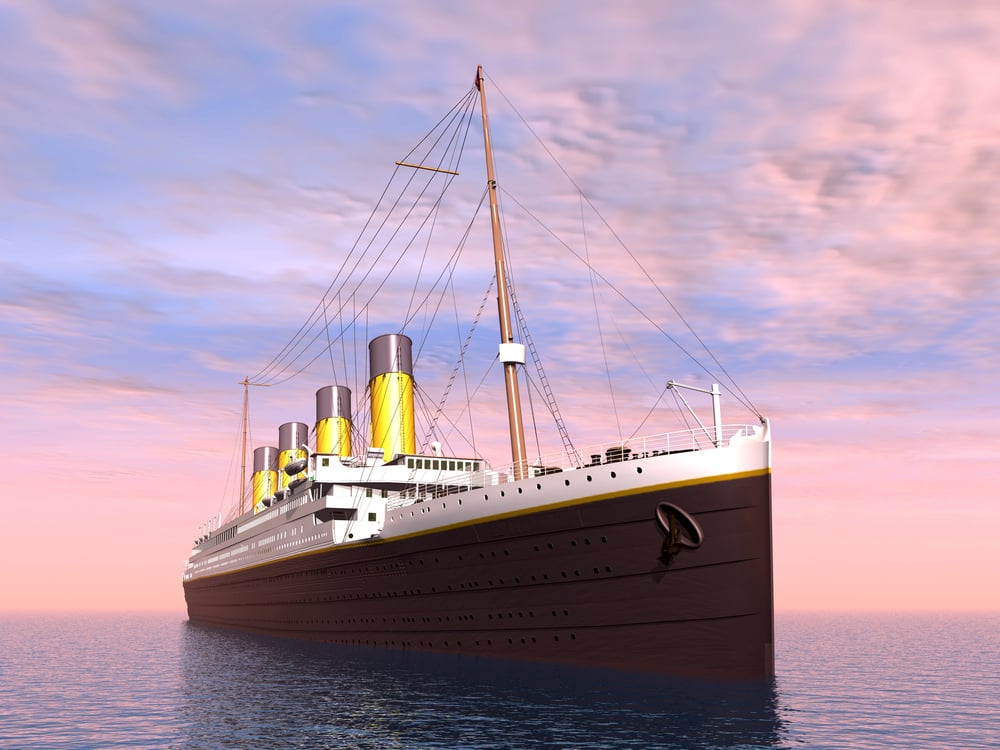
James Cameron’s 1997 disaster romance used 2,400 extras to fill the doomed ship with passengers from every class. The production built a nearly full-scale replica of the Titanic and hired people to populate every deck and corridor.
Cameron wanted the ship to feel lived-in and real, so he cast hundreds of background players with specific characters and backstories. The movie became the highest-grossing film of all time when it came out and showed that practical effects with real people still mattered even in the digital age.
A Bridge Too Far
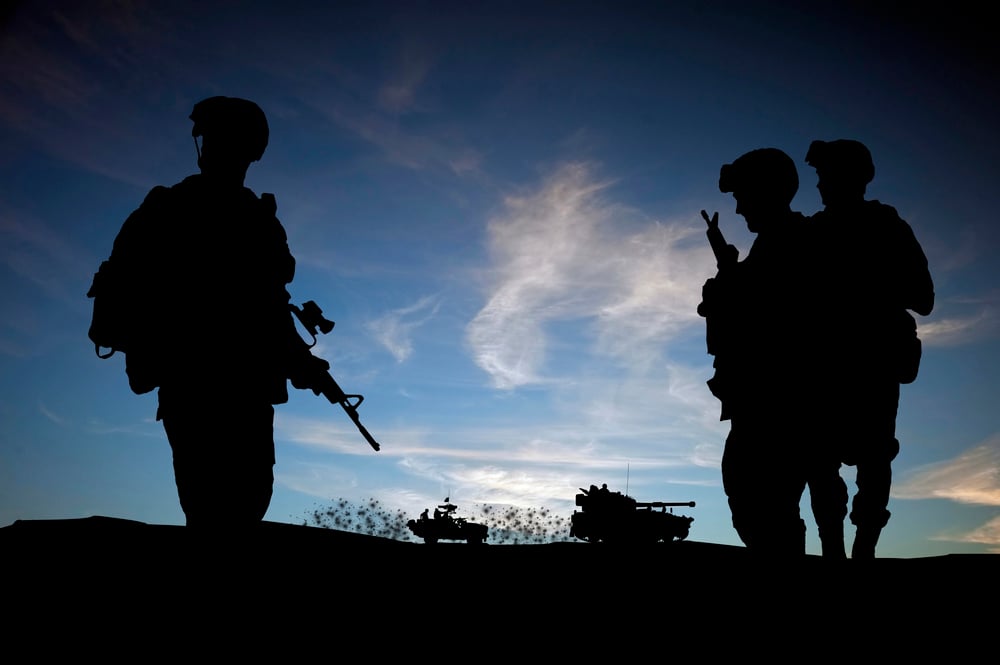
Richard Attenborough returned to massive war films in 1977 with this story of Operation Market Garden. The production employed 12,000 soldiers and airmen from multiple European countries to recreate the failed Allied invasion.
The cast included an absurd number of famous actors, from Sean Connery to Anthony Hopkins to Gene Hackman. Attenborough coordinated real tanks, planes, and paratroopers to make the battle scenes as authentic as possible, and the scale remains stunning.
The Fall of the Roman Empire
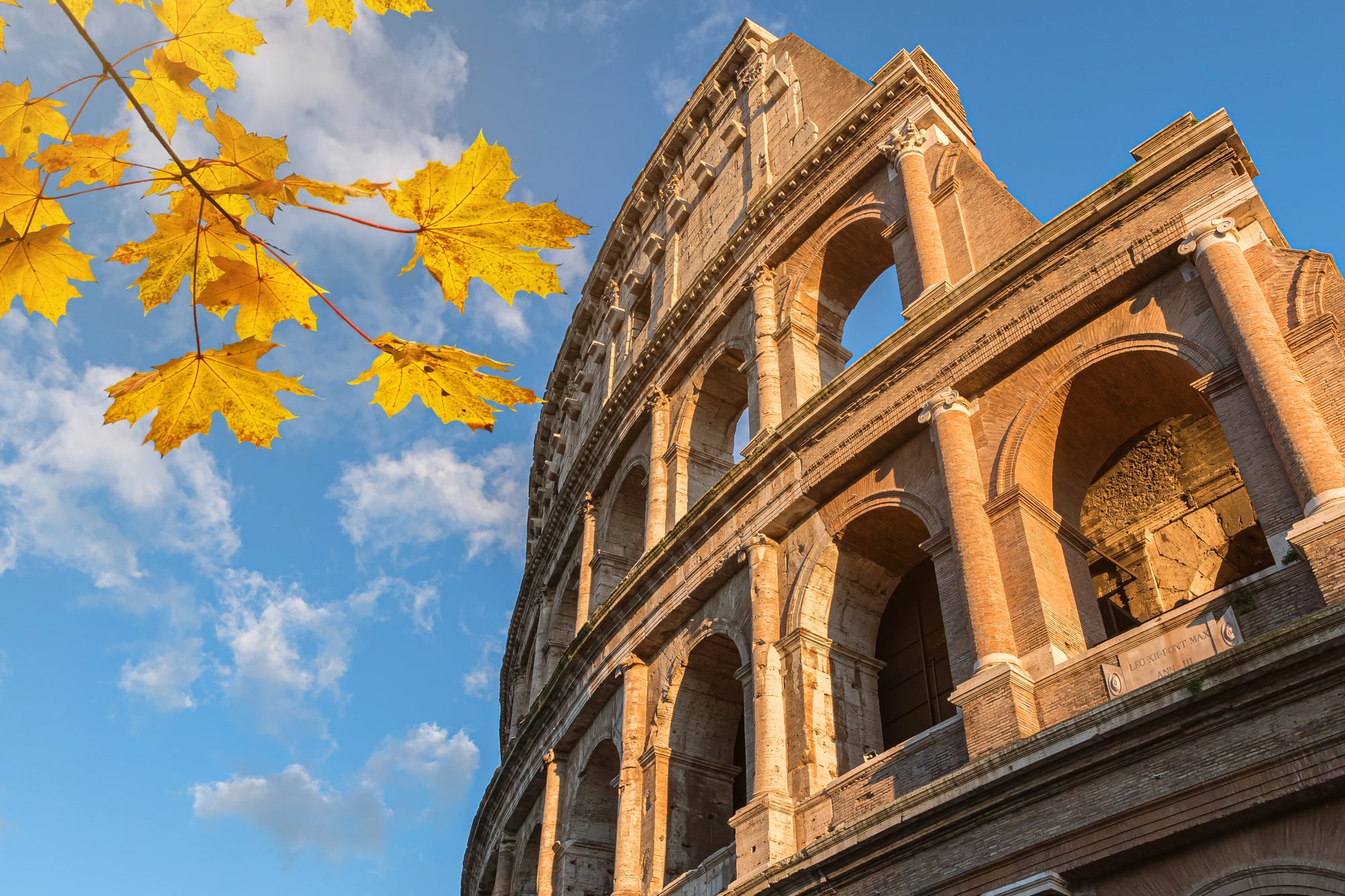
This 1964 epic used 10,000 extras to show the decline of ancient Rome under increasingly weak emperors. Director Anthony Mann built enormous sets in Spain and filled them with soldiers, citizens, and slaves to capture the grandeur and corruption of the empire.
The film flopped at the box office and nearly ended the career of producer Samuel Bronston, but the sheer ambition of the production deserves recognition. Sophia Loren and Alec Guinness led a cast that numbered in the thousands.
How the West Was Won
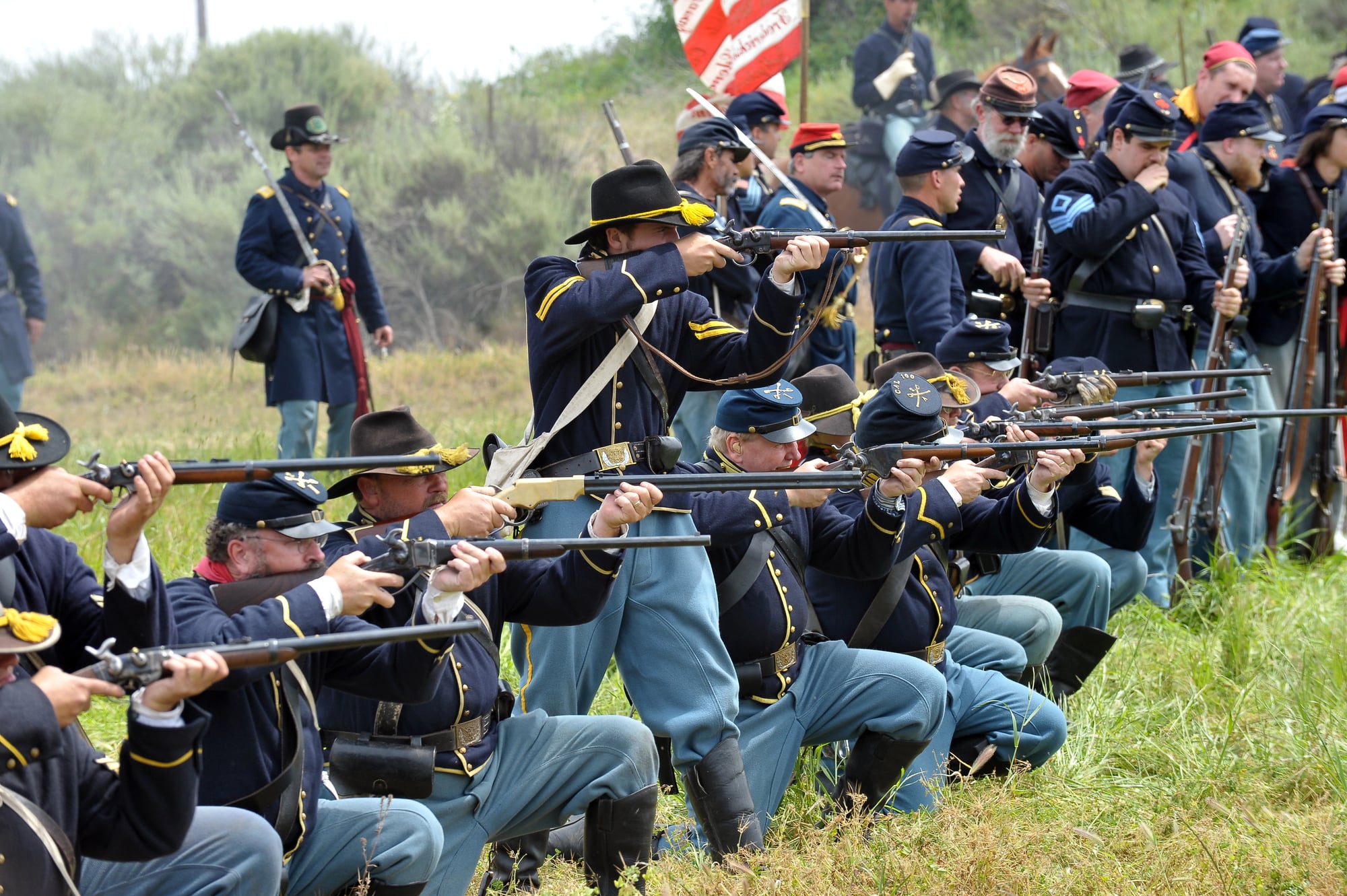
This 1962 Western followed multiple generations of one family across decades of American expansion. The production used 12,000 extras to show cattle drives, Civil War battles, and railroad construction across the frontier.
Three directors worked on different segments, and the film premiered in Cinerama, a super-wide format that made the huge crowd scenes even more overwhelming. The movie won three Oscars and became one of the last great Old Hollywood epics before the industry changed completely.
Malcolm X
Thousands showed up for Spike Lee’s 1992 film, filling the screen with a massive re-creation of Malcolm X’s life-changing journey to Mecca. Real worshippers joined filming in Saudi Arabia and Egypt, where cameras rolled during genuine moments of faith.
Cooperation with local leaders allowed shooting amid one of Islam’s most sacred observances – handled without intrusion. Though Denzel Washington led the cast, it was the crowd – the vast mix of faces, nations, beliefs – that carried those pivotal scenes.
Not actors playing parts, but people living truth, shaped the moment.
Waterloo

Fifteen thousand Soviet troops filled the frame when Sergei Bondarchuk set out to film Napoleon’s last stand in 1970. Shooting took place across Ukraine, where armies moved with a precision rarely seen now.
Each extra wore uniforms stitched true to the era, then drilled like real Napoleonic footmen – muskets, formations, everything old-school. Rod Steiger stepped into the emperor’s boots, though the spotlight belonged to the battlefield itself.
Horses galloped at full tilt, cannons roared on cue – the clash felt raw, because it mostly was.
Vikings and Visionaries

Big cast films weren’t simply about spectacle. Instead of relying on technology, they reached for truth by gathering masses of real people.
What you see isn’t pixels – just bodies standing together under one sky. Nowadays, screens fake the crowd noise with algorithms and shortcuts.
Still, a wave of faces stretching into the distance carries weight machines struggle to copy. Back then, effort didn’t scare crews away from messy, sprawling shoots.
Generations later, those choices make some scenes feel alive while others fade like outdated code. Real presence leaves marks digital tools tend to miss, no matter how sharp they get.
More from Go2Tutors!

- The Romanov Crown Jewels and Their Tragic Fate
- 13 Historical Mysteries That Science Still Can’t Solve
- Famous Hoaxes That Fooled the World for Years
- 15 Child Stars with Tragic Adult Lives
- 16 Famous Jewelry Pieces in History
Like Go2Tutors’s content? Follow us on MSN.