Musicians Who Acted in Serious Movies
There’s something fascinating about watching a famous singer step away from the microphone and into a dramatic role on the big screen. It takes real courage to leave behind what made them famous and try something completely different.
Some musicians have surprised everyone by showing they can deliver powerful performances that make audiences forget they ever held a guitar or stood on a concert stage. Let’s look at some of the most memorable times musicians proved they could act just as well as they could perform.
David Bowie in The Man Who Fell to Earth
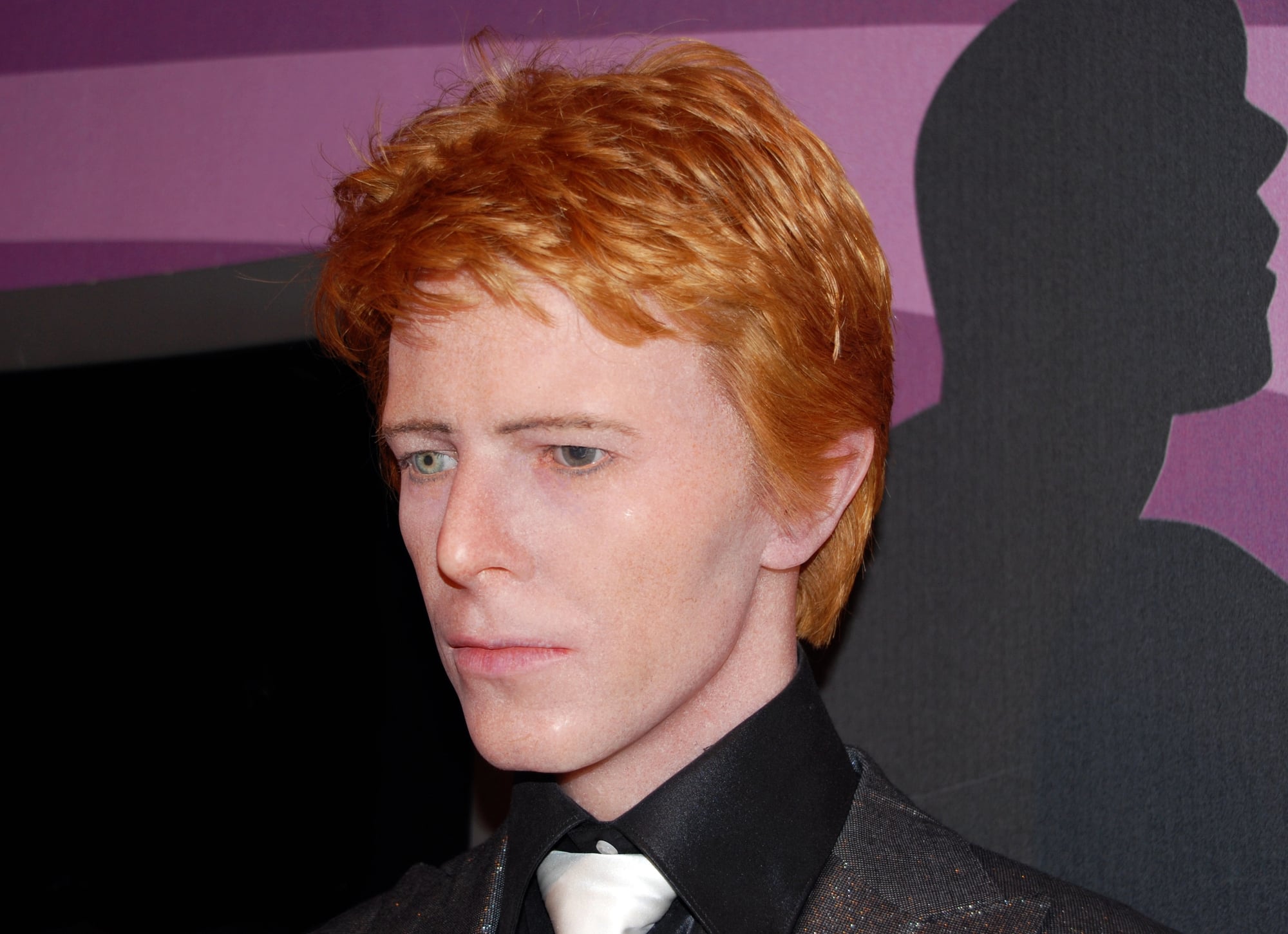
David Bowie took on the role of an alien visiting Earth in this 1976 film, and his performance felt unsettlingly perfect. The character’s otherworldly presence matched Bowie’s own enigmatic persona, but he brought genuine vulnerability to the part.
His portrayal of loneliness and disconnection from humanity wasn’t just good for a musician trying to act. It was genuinely compelling cinema that showed he understood the craft of acting on a deep level.
Cher in Moonstruck

Cher won an Academy Award for her role as a widowed bookkeeper who falls in love with her fiancé’s brother in this 1987 romantic drama. She brought warmth and authenticity to a character dealing with complicated family dynamics and unexpected feelings.
The performance required subtle emotional work, and Cher delivered every scene with the kind of nuance that typically comes from trained actors with decades of experience. Her win wasn’t a fluke or a sympathy vote from the Academy.
Ice Cube in Boyz n the Hood
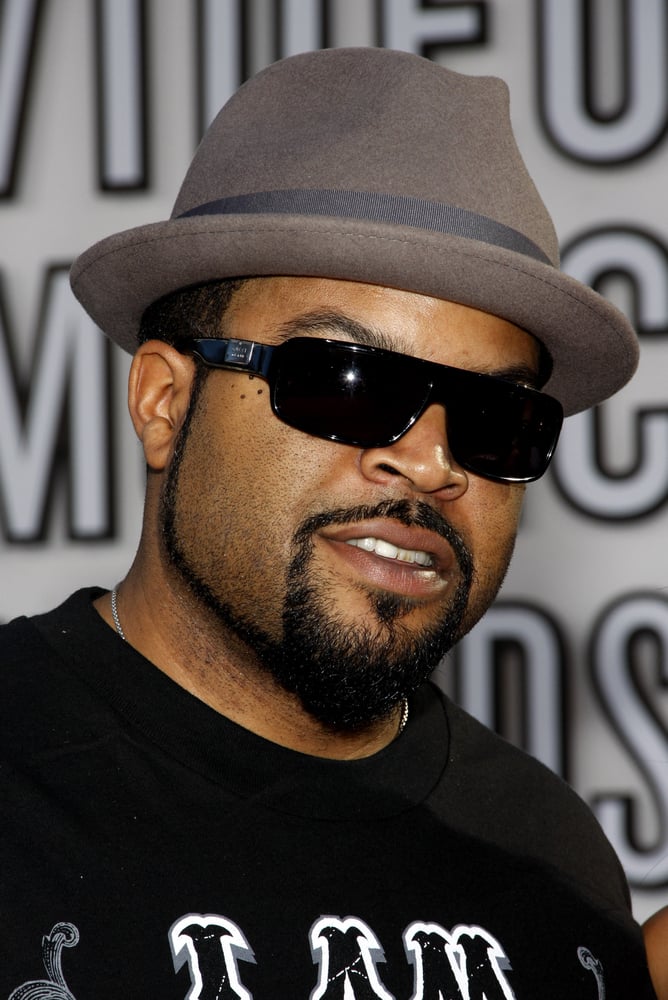
John Singleton cast Ice Cube in this 1991 drama about life in South Central Los Angeles, and the rapper brought raw intensity to the role of Doughboy. His performance captured the frustration and pain of a young man trapped by circumstances and struggling to survive in a violent neighborhood.
Ice Cube made the character feel like a real person rather than a stereotype, and his work helped make the film one of the most important examinations of urban life in American cinema.
Madonna in Evita
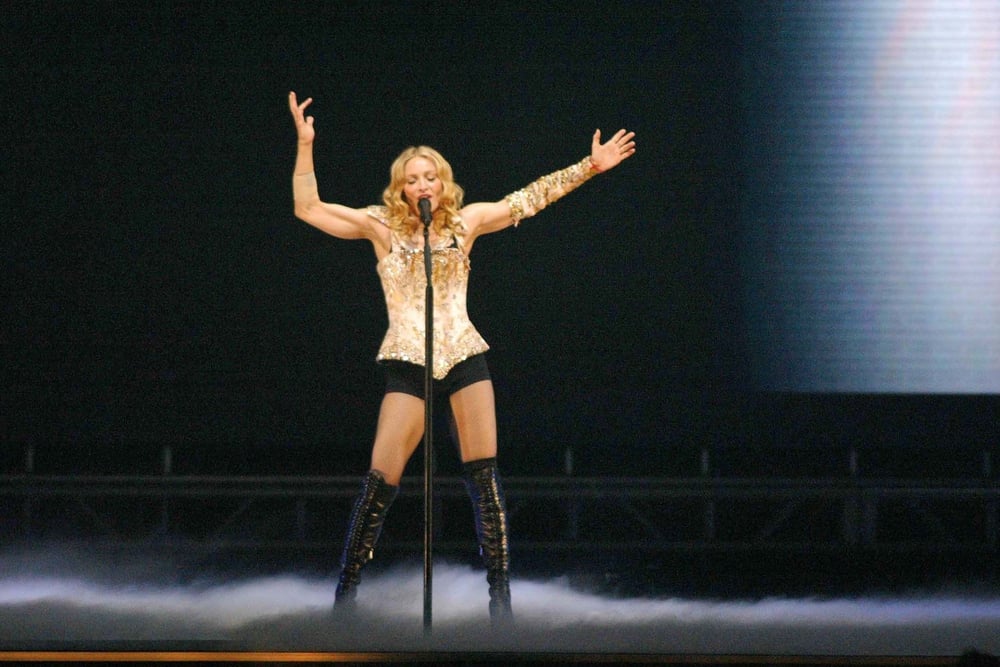
Madonna fought hard to get the title role in this 1996 musical drama about Eva Perón, and she proved her critics wrong with a committed performance. She sang beautifully and brought emotional depth to the story of an ambitious woman who rose from poverty to become Argentina’s first lady.
The role required her to age convincingly across several decades and convey complex political maneuvering through song and expression. Her performance earned her a Golden Globe Award and showed she could handle demanding material.
Mark Wahlberg in The Fighter
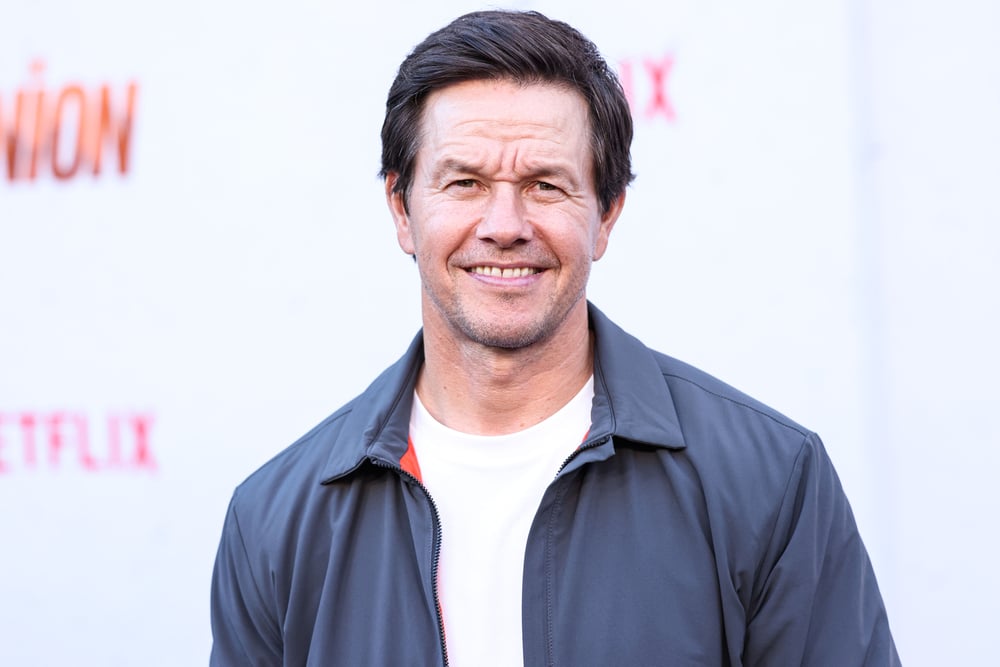
Before his music career, Wahlberg was Marky Mark, but by 2010 he had established himself as a serious actor with this role as boxer Micky Ward. He trained intensively to look and move like a real fighter, and his performance captured the quiet determination of a man overshadowed by his more charismatic brother.
Wahlberg brought vulnerability and strength to the character, earning an Academy Award nomination. The film required him to hold his own against Christian Bale’s showier performance, and he managed it with understated confidence.
Will Smith in The Pursuit of Happyness
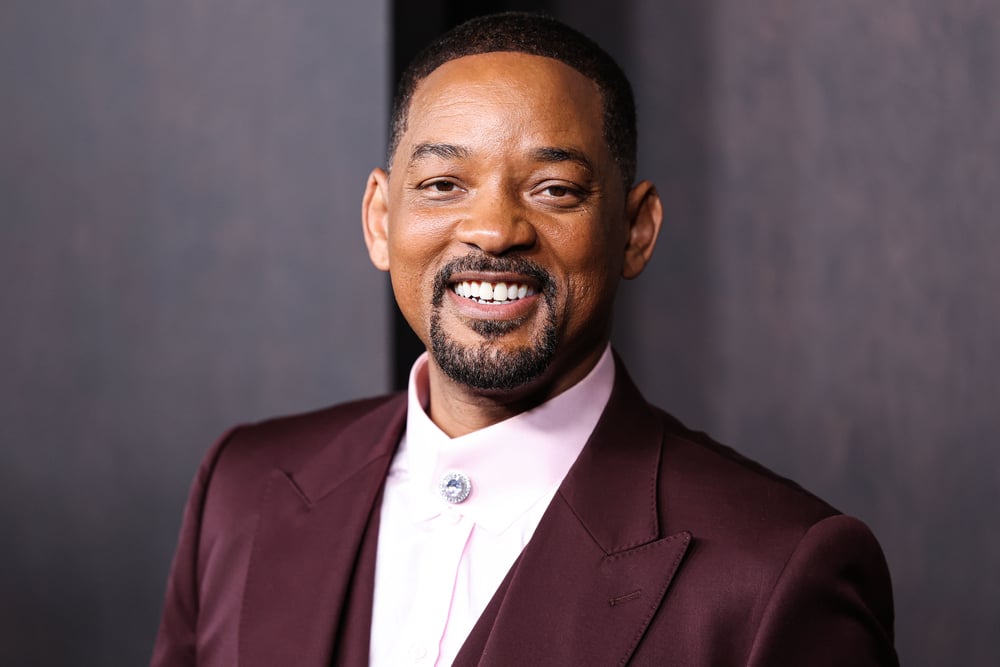
Smith had already proven himself in action films, but this 2006 drama showed he could handle emotionally devastating material with grace. He played Chris Gardner, a homeless man struggling to provide for his son while completing an unpaid internship.
The performance required Smith to show a man at his absolute lowest point without making the character pathetic or losing the audience’s sympathy. His work in the film earned him an Academy Award nomination and remains one of his most powerful performances.
Jared Leto in Dallas Buyers Club
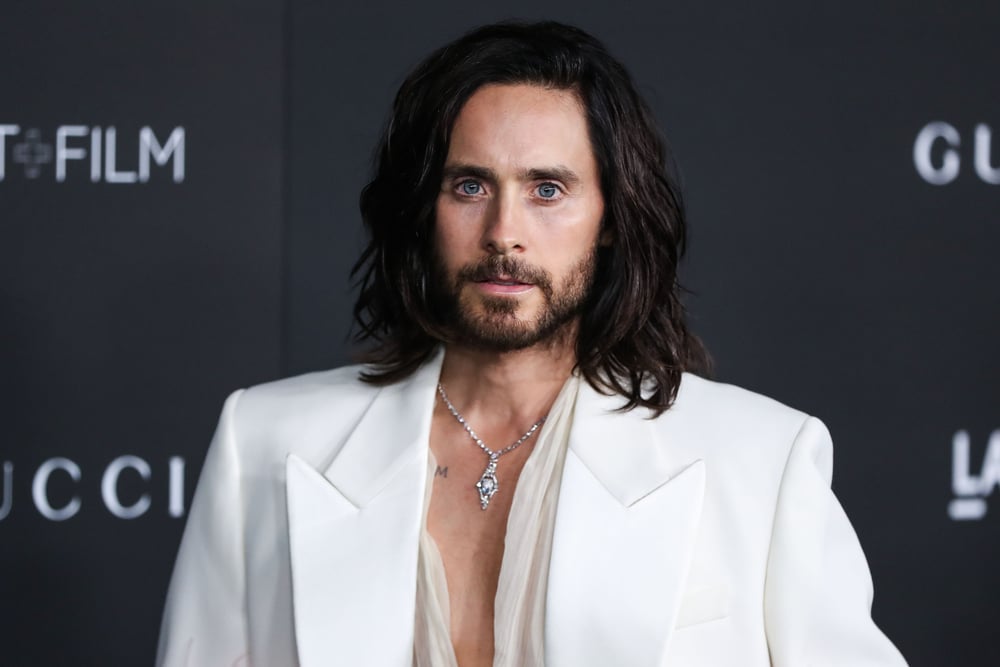
Leto won an Academy Award for his portrayal of Rayon, a transgender woman with AIDS in 1980s Texas. The performance required immense physical transformation and emotional sensitivity to portray a marginalized person with dignity and humanity.
Leto brought humor and heartbreak to the role, creating a character who felt fully realized rather than defined solely by suffering. His work helped elevate the entire film and showed he had grown tremendously as an actor since his days fronting Thirty Seconds to Mars.
Lady Gaga in A Star Is Born
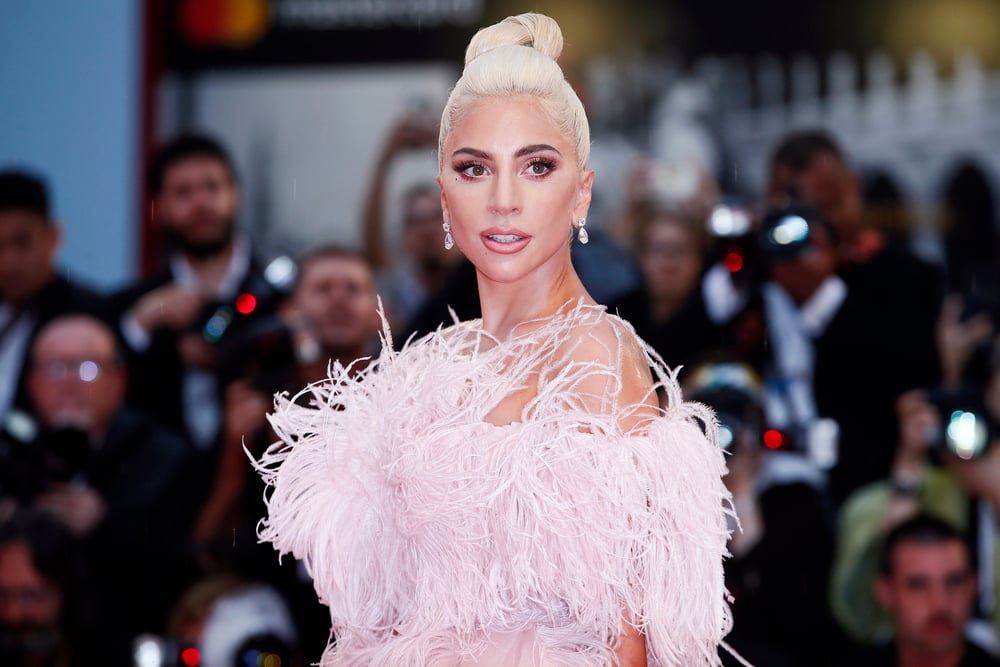
Gaga stunned audiences and critics with her performance as Ally, a struggling artist who finds fame while her mentor descends into addiction. She brought genuine vulnerability to the role and created chemistry with Bradley Cooper that felt authentic and heartbreaking.
The performance required her to portray someone discovering confidence while watching someone she loves fall apart. Her work earned her an Academy Award nomination and proved she had genuine dramatic talent beyond her musical abilities.
Eminem in 8 Mile
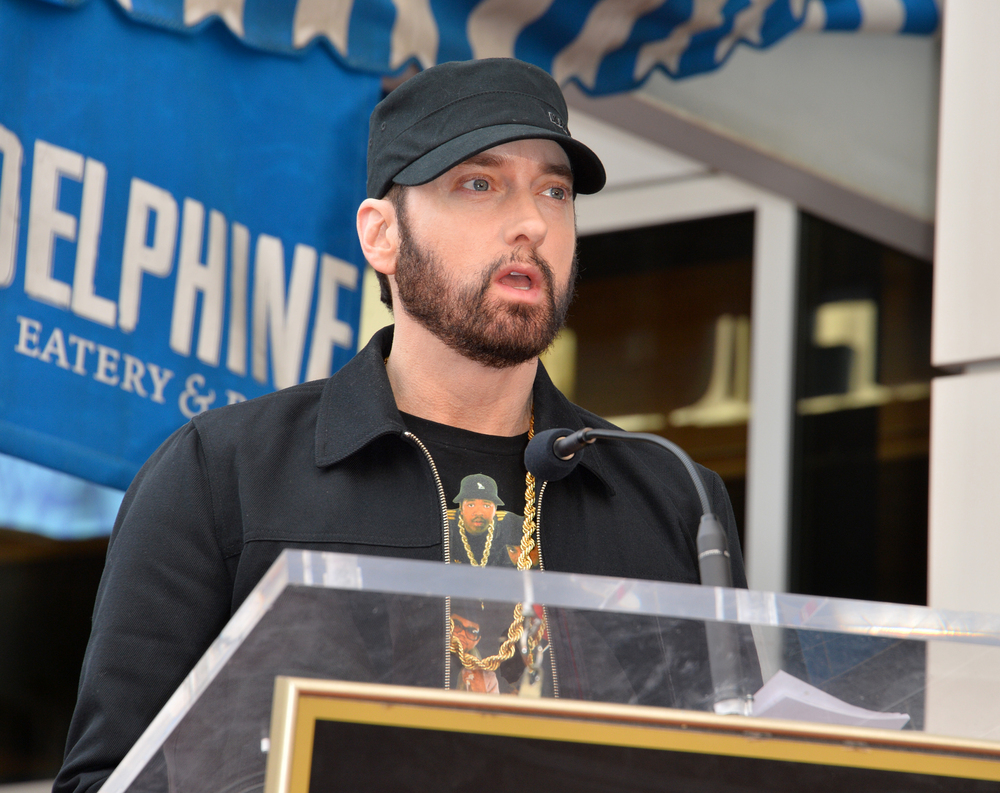
Eminem played a fictionalized version of himself in this 2002 drama about a young rapper trying to make it in Detroit. The film required him to show vulnerability and insecurity beneath the tough exterior, and he delivered scenes with emotional honesty that surprised critics.
His performance felt natural rather than forced, and he held the screen against trained actors like Kim Basinger. The film worked because Eminem understood the emotional reality of the story and brought that understanding to every scene.
Justin Timberlake in The Social Network
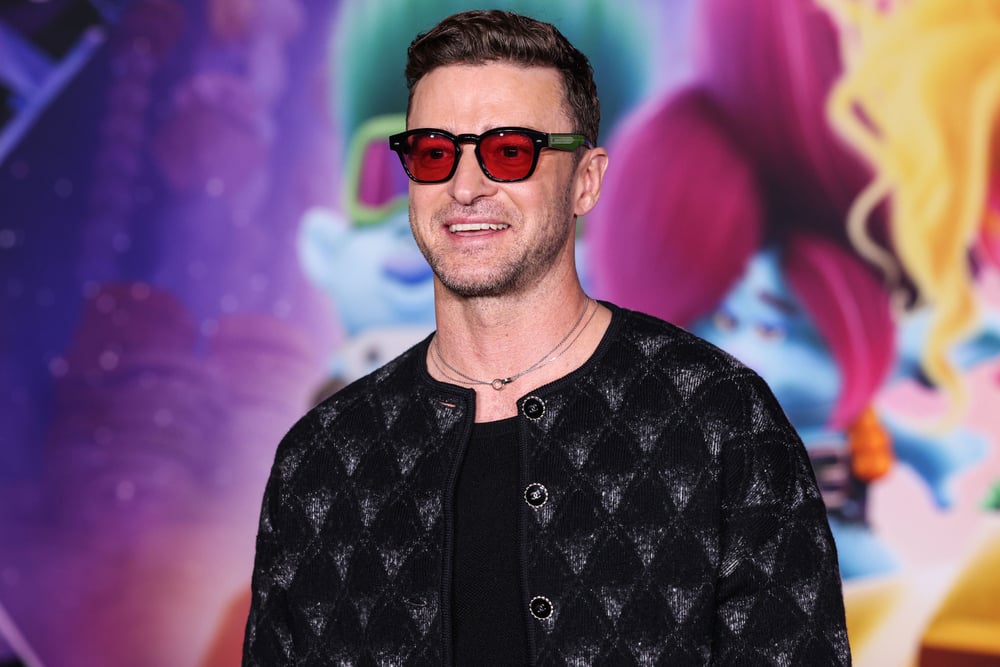
Timberlake played Napster founder Sean Parker in David Fincher’s 2010 drama about the founding of Facebook. He brought charisma and menace to the role of a tech entrepreneur who brings both opportunity and chaos into Mark Zuckerberg’s life.
The performance required him to deliver Aaron Sorkin’s rapid-fire dialogue with precision while making Parker feel like a real person rather than a caricature. Timberlake proved he could handle sophisticated material and hold his own in an ensemble of talented actors.
Frank Sinatra in From Here to Eternity
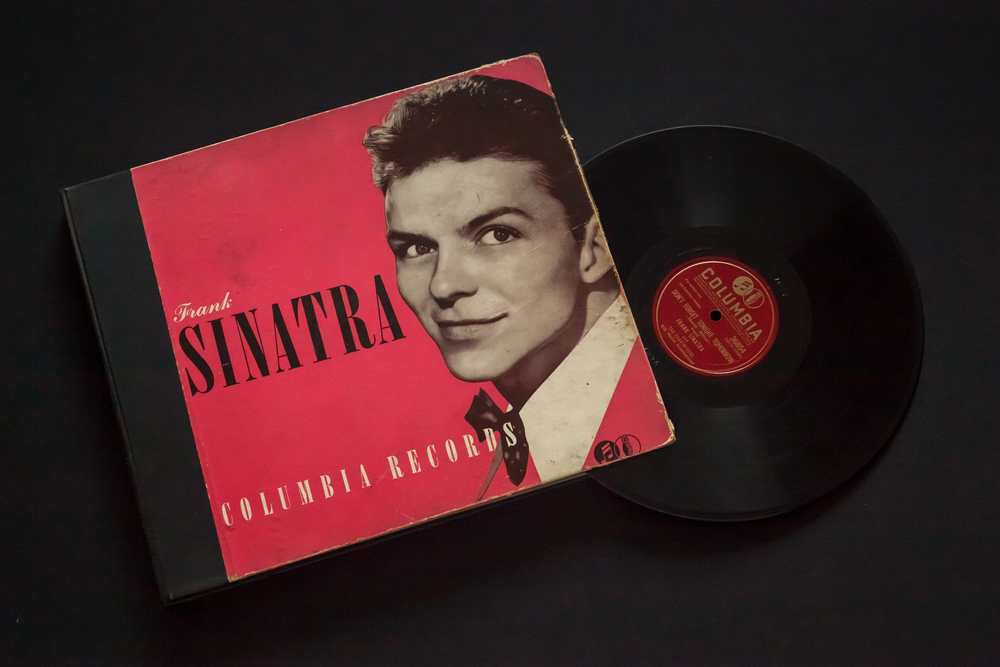
Sinatra won an Academy Award for his role as Private Maggio in this 1953 war drama, essentially reviving his career after several difficult years. He brought genuine pathos to the character of a scrappy soldier who refuses to be broken by an abusive superior.
The performance required him to show both toughness and vulnerability, and his death scene remains one of the most moving moments in 1950s cinema. Sinatra proved that his talent extended far beyond singing and helped establish him as a serious actor.
Queen Latifah in Chicago

Queen Latifah earned an Academy Award nomination for her role as Matron Mama Morton in this 2002 musical. She brought commanding presence and sly humor to the character of a corrupt prison warden who runs her cellblock like a business.
Her performance worked because she understood how to make the character both entertaining and believably cynical. Latifah held her own against Renée Zellweger and Catherine Zeta-Jones, proving she belonged in major Hollywood productions.
Tom Waits in Rumble Fish
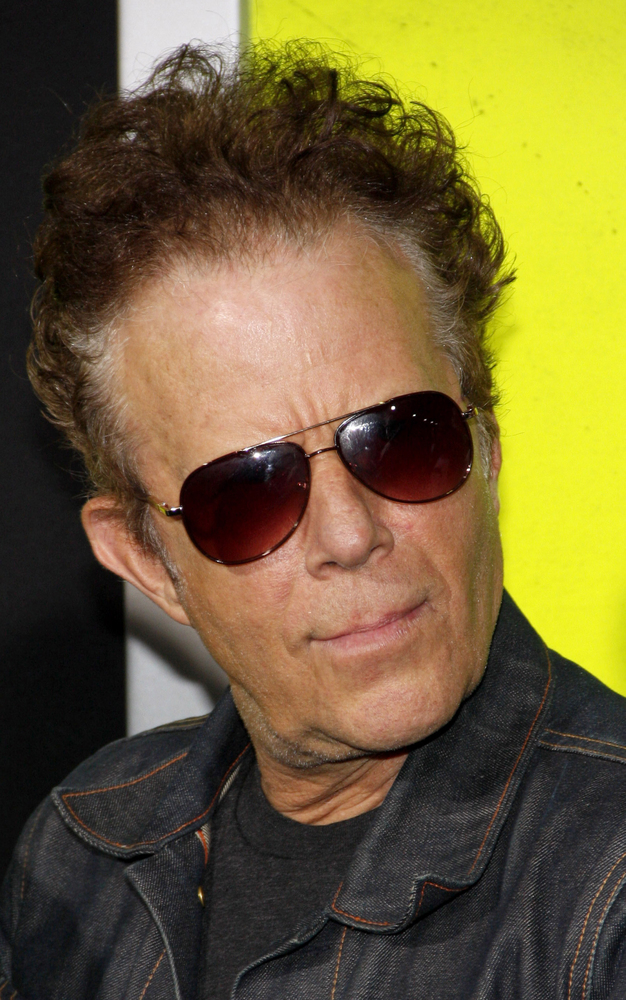
Waits played Benny, a philosophical barfly in Francis Ford Coppola’s 1983 drama about alienated youth. His weathered appearance and distinctive voice brought authenticity to scenes where his character dispensed hard-won wisdom to younger men.
The performance felt lived-in rather than acted, and Waits brought the same artistic sensibility to his acting that he brought to his music. His work in the film showed that musicians who truly understand storytelling can translate that skill to the screen.
Björk in Dancer in the Dark
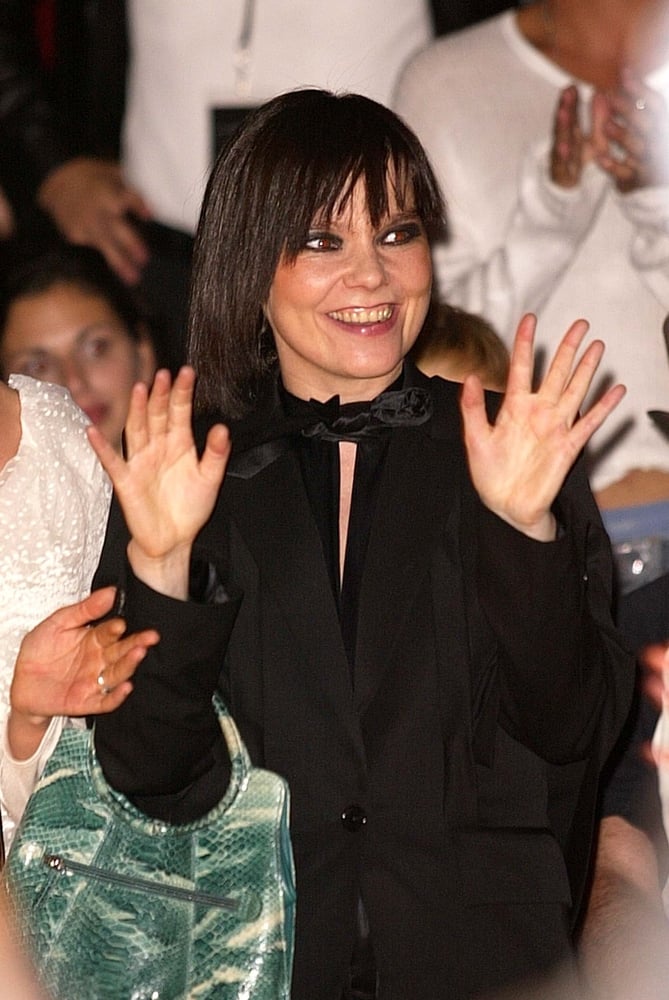
Björk gave a devastating performance as Selma, a Czech immigrant going blind while working in an American factory in this 2000 Lars von Trier film. She won the Best Actress award at Cannes for her portrayal of a woman who escapes into musical fantasies while her real life crumbles around her.
The role required immense emotional vulnerability, and Björk brought such raw intensity to the performance that it felt almost unbearable to watch at times. Her work proved that experimental artists can create powerful dramatic performances when they fully commit to the material.
Harry Styles stars in Dunkirk
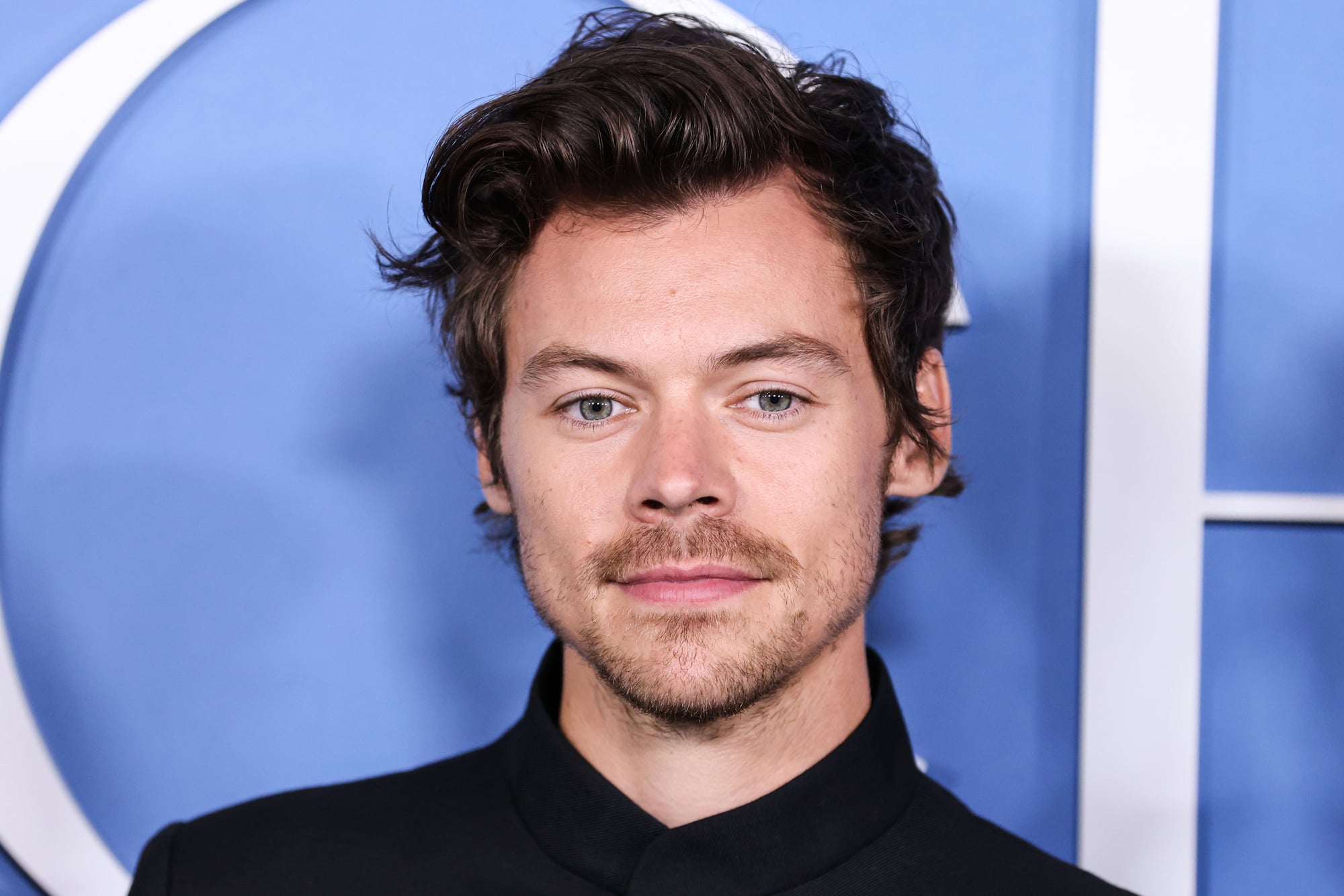
A figure emerged in Christopher Nolan’s 2017 war movie, cast as a British soldier stranded on the shore amid retreat chaos. Though surrounded by seasoned performers, he didn’t falter or feel out of place despite fame from music.
Silence shaped much of his part, yet tension showed clearly through posture and glance. Instead of standing out, he blended, becoming one thread in a larger fabric. That quiet strength suggested talent crosses fields – if given space, not spotlight.
Ludacris in Crash
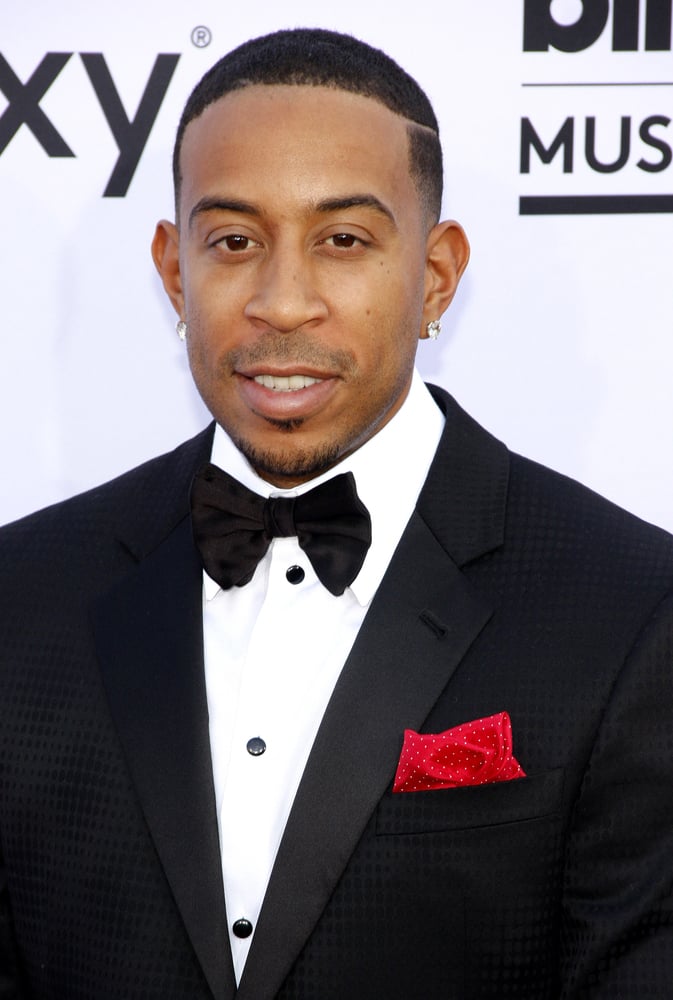
Crash found its edge when Ludacris stepped into the role of Anthony, a man quick to justify stealing cars using sharp arguments about race and power. Out came a performance layered with smarts and simmering fury, yet never losing sight of the flaws in what Anthony claimed to believe.
Instead of turning him into a mouthpiece, the actor gave depth – revealing cracks in logic, pride, and fear. That mix kept the story grounded, even as it tackled heavy themes head on.
By threading real emotion through big ideas, he made tension feel personal, not forced. When silence replaced sound, performance took over.
Not until the last note faded did movement claim the space. Only then did bodies speak louder than instruments ever could
Not every stage fits just one art form. When some musicians stepped into acting, they discovered fresh paths to share tales and reach people – paths their songs never reached alone.
For others, coming back to melody felt different after testing another craft, like seeing home through new eyes. A few standout moments on screen showed how depth hides beneath the surface of known talents. Risking the familiar sometimes builds legacies nobody saw coming.
More from Go2Tutors!

- The Romanov Crown Jewels and Their Tragic Fate
- 13 Historical Mysteries That Science Still Can’t Solve
- Famous Hoaxes That Fooled the World for Years
- 15 Child Stars with Tragic Adult Lives
- 16 Famous Jewelry Pieces in History
Like Go2Tutors’s content? Follow us on MSN.



