Musicians Who Played Homemade Instruments
What gets remembered in songs and records is skill, breakthroughs, loud stages – yet some turning points started with things that looked nothing like guitars or drums. Before shops sold kits, before videos taught chords, people made do.
They used what lay around: broken planks, twisted wire, old bottles, junkyard finds. Curiosity shaped noise into notes, one stubborn try after another.
Not toys for show, these creations sang real feelings, worked when needed, carried voices no factory could copy. It’s the way the gear changed the sound that gives these tales their pull.
Not built by machines, each piece acts a little different every time. Because of those odd behaviors, timing shifts, notes bend, playing adjusts – musicians respond instead of control.
Often, responding like that led to tones warmer, closer, stuck in your mind easier than slick tracks made behind glass walls. Take a step into worlds where music grew from whatever was at hand.
In some places, crafting instruments at home wasn’t just practical – it shaped the sound itself. These aren’t stories of backup plans.
The tools made in kitchens, fields, workshops became central to how people played. From porches to festivals, handmade gear carried rhythm and meaning.
What emerged wasn’t imitation. It stood on its own, raw and real.
Tradition didn’t wait for factories. Music began with ingenuity, one improvised piece at a time.
Muddy Waters
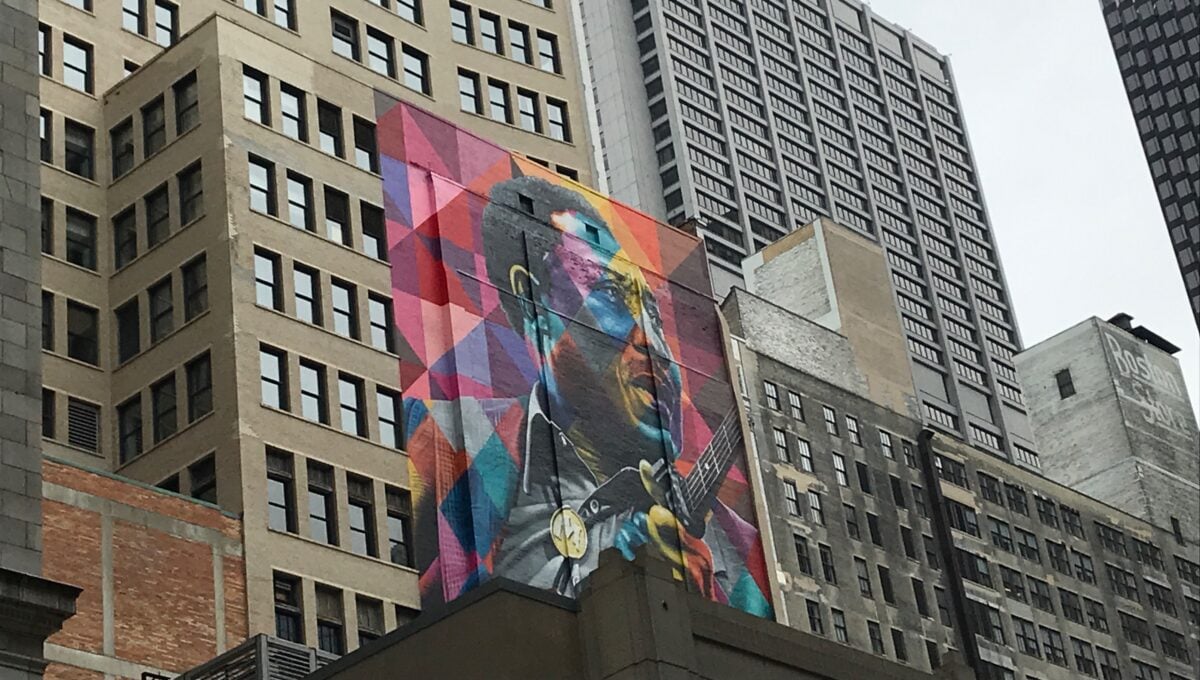
Few things came easy when Muddy Waters was young, so he built his first instrument out of whatever he could find. A bit of wire stretched over makeshift parts gave him a way to make music well before real gear showed up.
That raw noise it made – uneven, alive – echoed how openly he’d eventually sing about life. Back then, things stuck.
Once fame came along with nicer gear, Waters still played rough around the edges. Those do-it-yourself days didn’t fade – they shaped how he heard music, leaning into emotion instead of clean execution.
Starting from scraps stayed with him, long after the tools improved.
Bo Diddley

Bo Diddley’s relationship with unconventional instruments was as much about performance as sound. His famously box-shaped guitars, some built or heavily customized, challenged the traditional idea of what a guitar should look like.
They were designed for movement, rhythm, and presence rather than tradition. These instruments supported his percussive playing style, turning the guitar into a rhythmic engine.
The visual impact also mattered. Diddley understood that music was physical, and his handmade-inspired designs reinforced that connection between sound and motion.
Seasick Steve

Seasick Steve built an entire musical identity around instruments assembled from everyday materials. Single-string setups, rough wooden bodies, and simple amplification defined his sound.
These creations weren’t gimmicks; they were practical tools that delivered a gritty, commanding tone. The appeal lies in their honesty.
Steve’s instruments look like what they are, and they sound like it too. There’s no attempt to smooth the edges, which makes the music feel grounded and unfiltered.
The homemade nature becomes part of the story listeners hear in every note.
Jack White
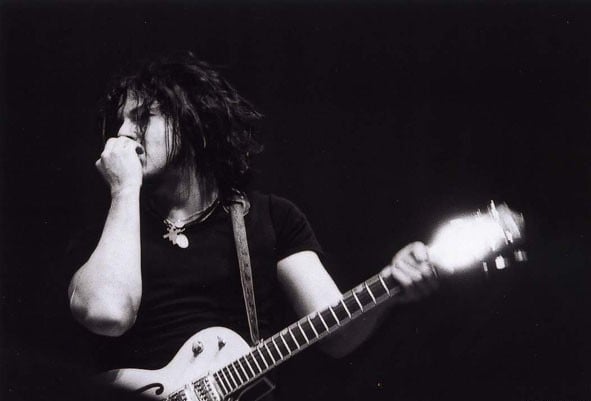
Jack White has long argued that limitations fuel creativity, and his approach to instruments reflects that belief. Early in his career, he favored handmade or minimally constructed gear, intentionally avoiding high-end equipment.
The goal was not nostalgia, but urgency. By stripping instruments down to their essentials, White created unpredictable tones that influenced his songwriting.
The imperfections demanded attention and spontaneity. Rather than controlling the instrument completely, he worked with its flaws, allowing accidents to shape the music.
The Jug Band Tradition
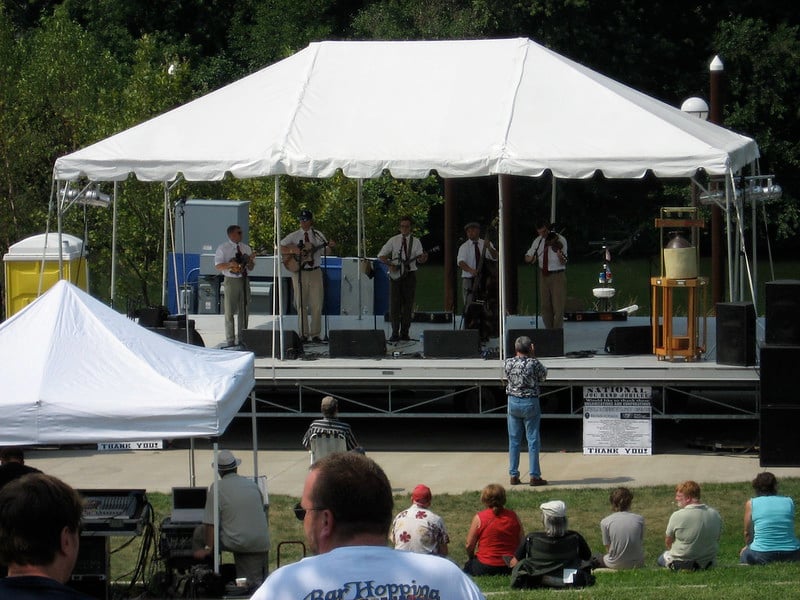
Jug bands emerged from communities where access to traditional instruments was limited. Instead of silence, musicians turned household items into sound-makers. Glass jugs provided bass tones, washboards became percussion, and makeshift string instruments filled out melodies.
This approach wasn’t temporary or improvised in spirit, even if the tools were. Jug bands developed distinct styles, rhythms, and repertoires.
Their music emphasized community and participation, proving that structure and joy could emerge from the simplest materials.
Frank Zappa

Frank Zappa’s curiosity extended beyond composition into the physical creation and alteration of sound-producing tools. While known for technical complexity, he frequently experimented with modified instruments and custom-built devices to achieve specific textures.
For Zappa, homemade elements were part of a larger refusal to accept musical boundaries. He treated instruments as malleable objects rather than fixed traditions.
By reshaping the tools, he expanded what music itself could sound like.
Einstürzende Neubauten

This German experimental group built an entire sonic world using industrial materials. Metal beams, pipes, and construction debris were assembled into instruments capable of producing rhythm and texture.
Many of these tools were built by the band themselves. The result was confrontational and immersive.
These instruments challenged listeners’ expectations, blurring the line between noise and composition. Their work demonstrated that homemade instruments could redefine not just sound, but the emotional space music occupies.
Daniel Johnston

Daniel Johnston’s recordings often featured instruments that were either homemade or heavily improvised. His approach prioritized emotional expression over technical precision.
The simplicity of his tools matched the vulnerability of his songwriting. In this context, the homemade quality amplified sincerity.
The uneven tones and lo-fi textures felt inseparable from the feelings being expressed. Rather than distracting, the roughness drew listeners closer.
The Diddley Bow Tradition

The diddley bow, a single-string instrument mounted on a board or wall, has deep roots in African American musical history. Often built from wire and simple wood, it required minimal materials but offered expressive possibilities.
Many blues musicians began on the diddley bow before moving to guitars. It taught rhythm, pitch control, and improvisation.
This tradition shows how homemade instruments functioned as both creative outlets and educational tools.
Street Musicians and Found Sound
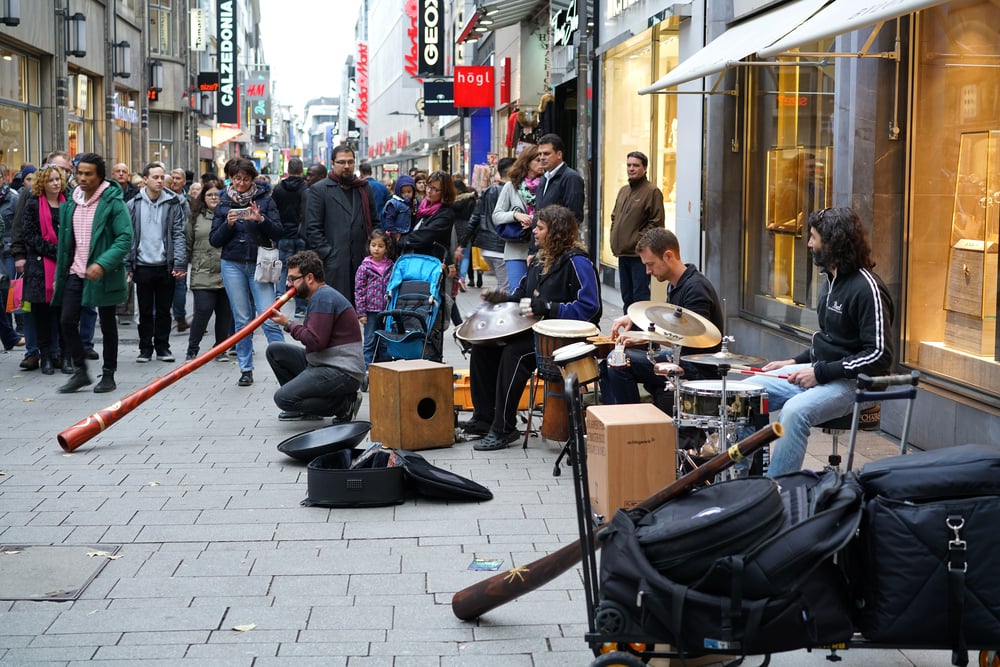
Across cities worldwide, street musicians have long relied on homemade instruments. Buckets become drums, metal scraps become melodic surfaces, and modified string setups fill public spaces with sound.
These musicians adapt constantly to the environment and materials. Their creativity highlights a universal truth.
Music doesn’t depend on ownership or status. It thrives wherever curiosity and rhythm meet, often in the most unexpected places.
How Homemade Instruments Shape Technique
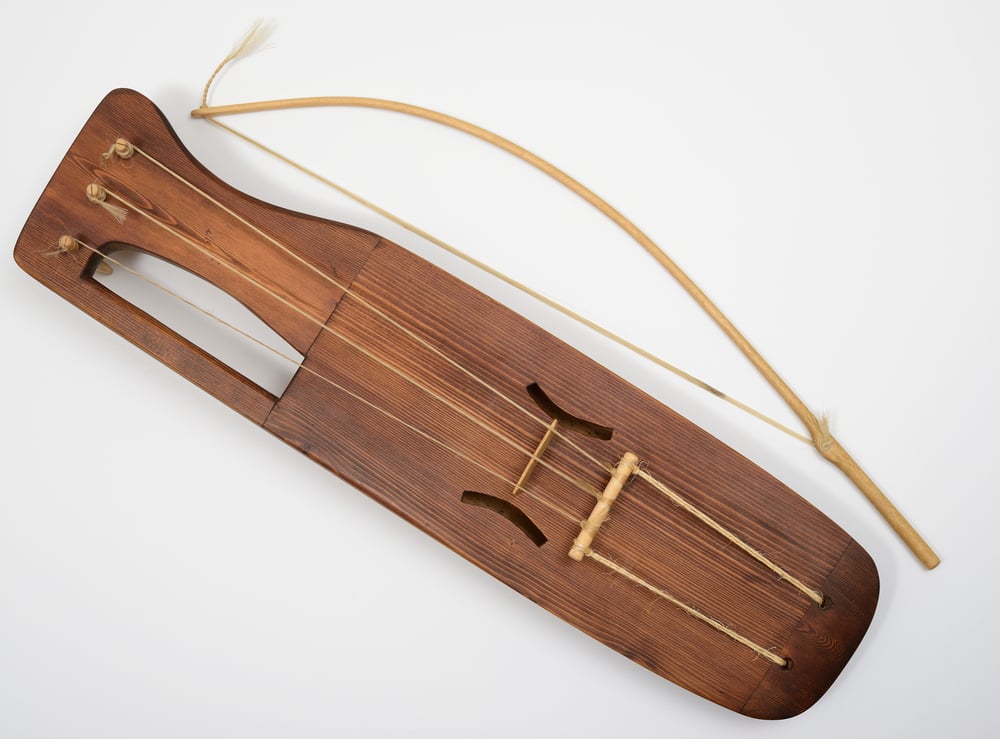
Playing a handmade instrument requires a different mindset. Tuning may shift, resonance may change with temperature, and volume may behave unpredictably.
Musicians learn to listen closely and respond rather than impose control. This relationship fosters adaptability.
Technique becomes fluid, shaped by the instrument’s personality. Over time, the tool influences phrasing, rhythm, and dynamics, becoming a collaborator rather than a neutral object.
Imperfection as Identity
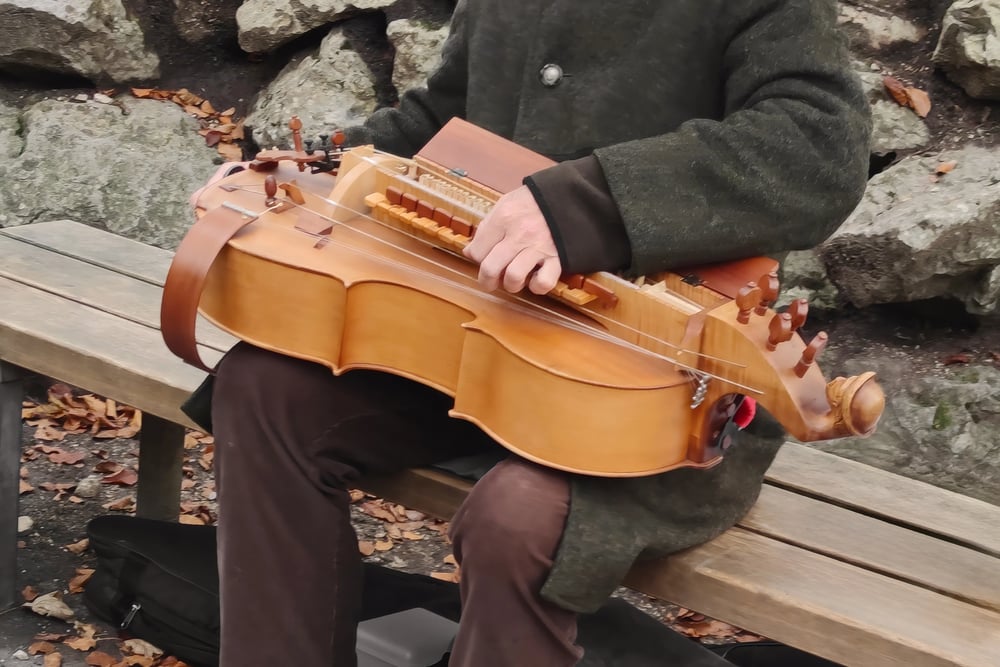
Commercial instruments aim for consistency. Homemade instruments do the opposite.
Their irregularities become signatures, making the music instantly recognizable. What might seem like flaws often turn into defining traits.
Listeners respond to this authenticity. The sound feels lived-in, personal, and grounded.
It reminds audiences that music is a human act, not a mechanical one.
Creativity Born from Constraint
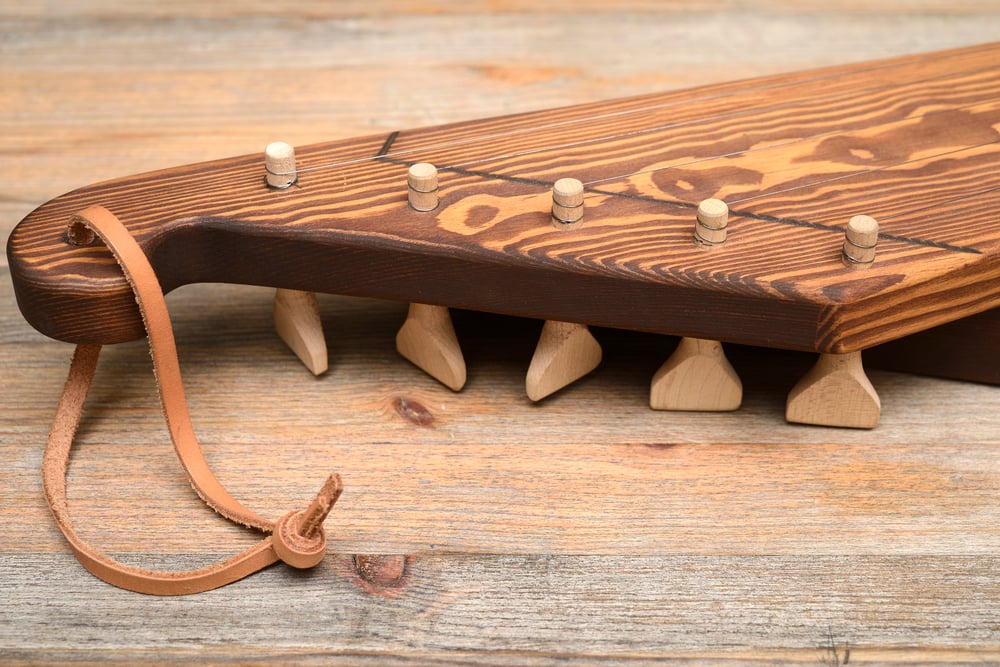
Out of need, plenty of players picked up hand-built gear – yet what came next shaped more than just sound. When options shrank, ideas stretched in strange directions.
Missing blueprints forced new ways of playing to grow around each odd shape and wire twist. Out of this came something fresh – hard to copy.
Side by side, the tool and the player changed, shaping a voice tied deeply to where it began.
Why It Still Resonates

Out here, where screens never sleep, someone taps a tin can like a drum. It hums because they wanted it to, not because it had to be flawless.
A broomstick becomes something musical when hands believe in trying. Wires strung on wood sing if someone listens closely enough.
What matters is showing up with questions instead of answers. Noise turns into meaning when effort shapes it.
Not everything loud needs approval. Out of silence, noise finds a way – through basement tapes, sidewalk shows, broken gear.
What sticks around isn’t polished; it’s raw, sparked by need, shaped by hands without permission.
More from Go2Tutors!

- 16 Historical Figures Who Were Nothing Like You Think
- 12 Things Sold in the 80s That Are Now Illegal
- 15 VHS Tapes That Could Be Worth Thousands
- 17 Historical “What Ifs” That Would Have Changed Everything
- 18 TV Shows That Vanished Without a Finale
Like Go2Tutors’s content? Follow us on MSN.