The Spiciest Food Items from Around the Globe
There’s something almost primal about the way heat hits your tongue—that immediate shock, the desperate reach for water, the strange compulsion to take another bite despite the fire spreading across your palate. Spicy food doesn’t just feed you; it challenges you, dares you, sometimes outright defeats you.
Around the world, different cultures have perfected their own particular brands of culinary torture, each with its own personality and pain threshold.
Carolina Reaper Peppers
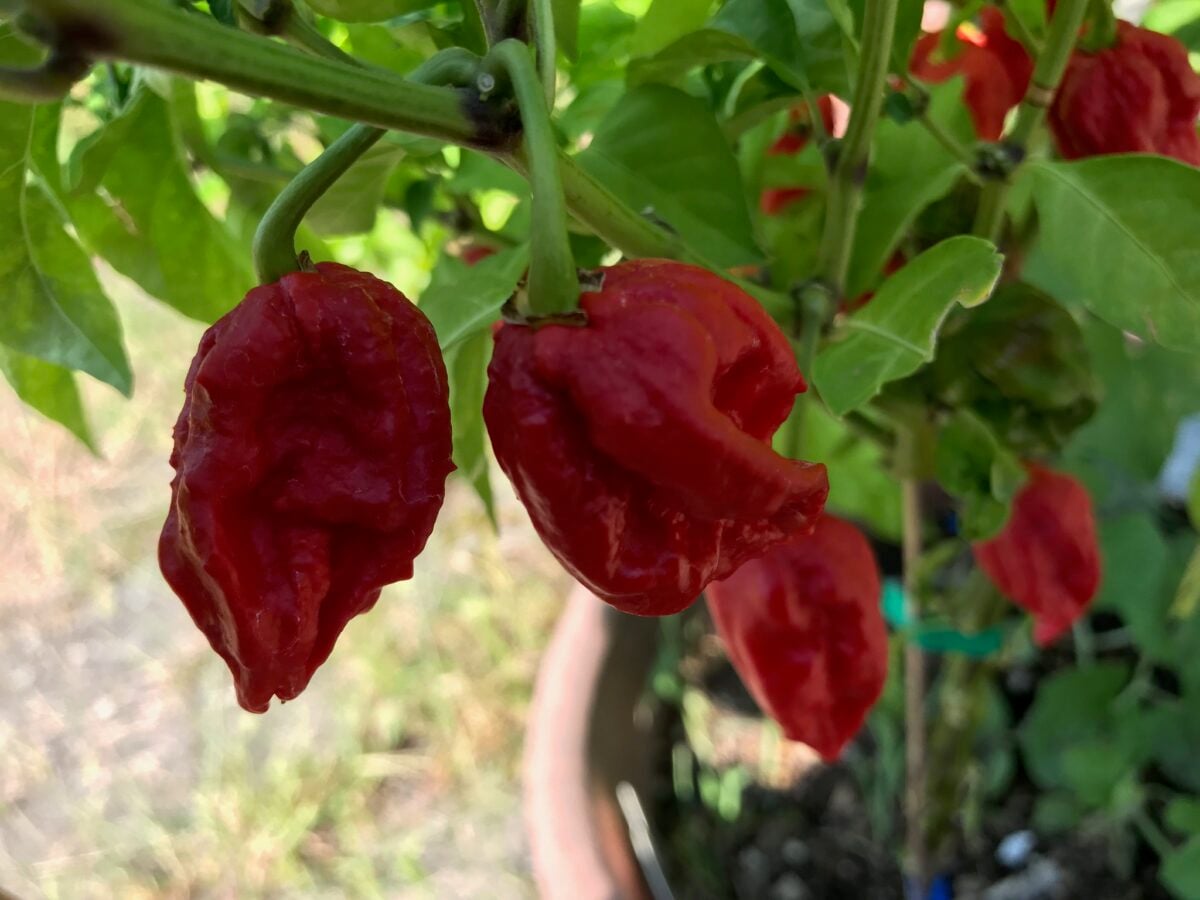
The Carolina Reaper doesn’t mess around. At 2.2 million Scoville units, it’s officially the chilliest pepper on the planet.
One bite will remind you why evolution gave mammals the ability to feel pain. Most people can’t finish a whole one.
The smart ones don’t try.
Thai Bird’s Eye Chilies
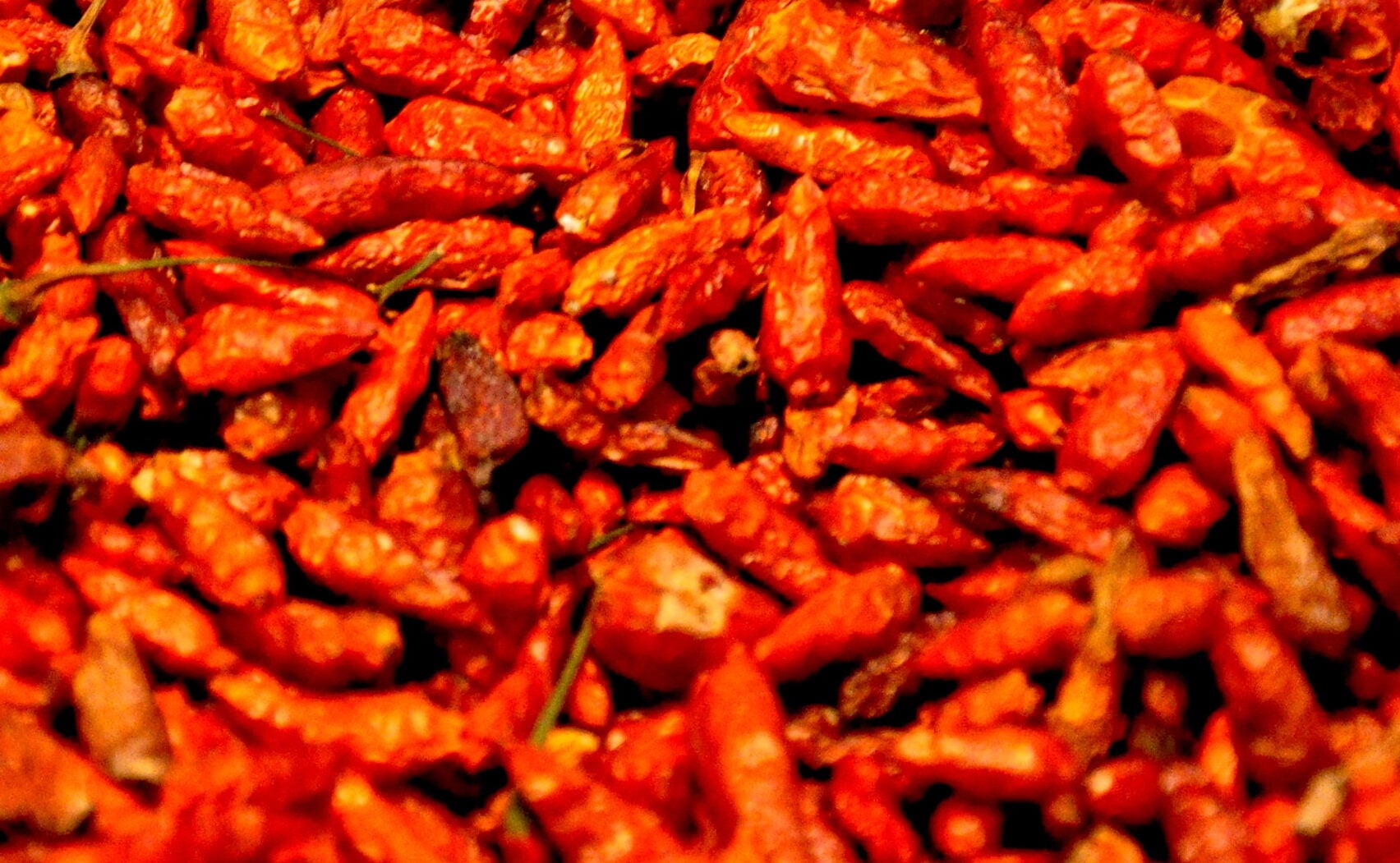
These tiny peppers (which locals call prik kee noo, literally “mouse dropping chilies”—charming) pack around 100,000 Scoville units into something smaller than your pinkie nail. And yet, they’re the backbone of authentic Thai cooking, the reason pad thai tastes nothing like what you get at most American restaurants, and the thing that separates tourists from locals at Bangkok street stalls.
What’s particularly cruel about bird’s eye chilies is how they sneak up on you—the first bite tastes almost sweet, floral even, before the heat crashes over you like a wave you never saw coming. But here’s the thing (and this is where it gets interesting): once you build up a tolerance, you start to crave that specific burn, the way it makes coconut milk taste richer and lime juice pop brighter.
So you keep going back, asking for “Thai spicy” instead of “American spicy,” which is basically restaurant code for “do you actually want to taste the chilies, or are you just pretending?” The funny part is watching people discover the difference—there’s this moment of panic, then resignation, then (for some) a kind of grudging respect.
Sichuan Peppercorns
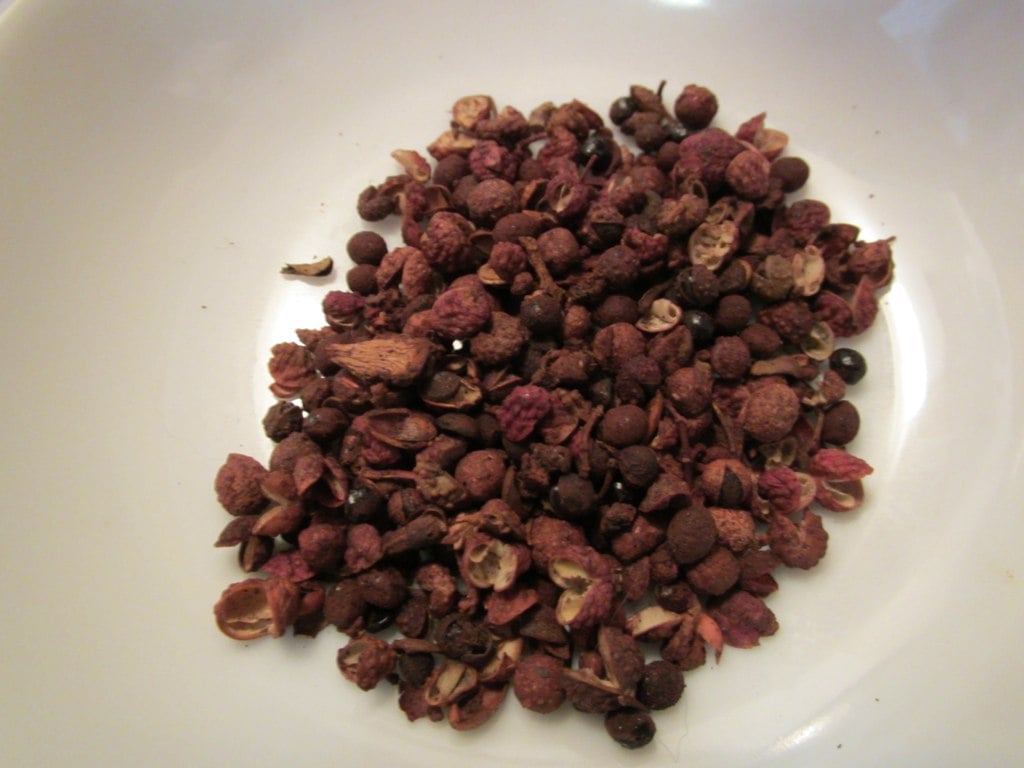
There’s something almost theatrical about the way Sichuan peppercorns work—they don’t just burn, they numb your entire mouth into a tingling, buzzing surrender. It’s less like eating spice and more like having your tongue gently electrocuted by a particularly creative chef.
The Chinese have a word for this sensation: “ma,” which translates roughly to “numbing,” though that hardly captures the full-body experience of eating authentic mapo tofu or dan dan noodles properly loaded with these little pink weapons. You’ll find yourself touching your lips with the back of your hand, wondering if they’re still there.
They are, technically, but they’ve temporarily relocated to some alternate dimension where sensation works differently. And somehow, through this fog of pleasant confusion, the other flavors in the dish—garlic, ginger, fermented black beans—become more vivid, more present.
It’s counterintuitive, the way numbness can actually heighten taste rather than diminish it.
Scotch Bonnets
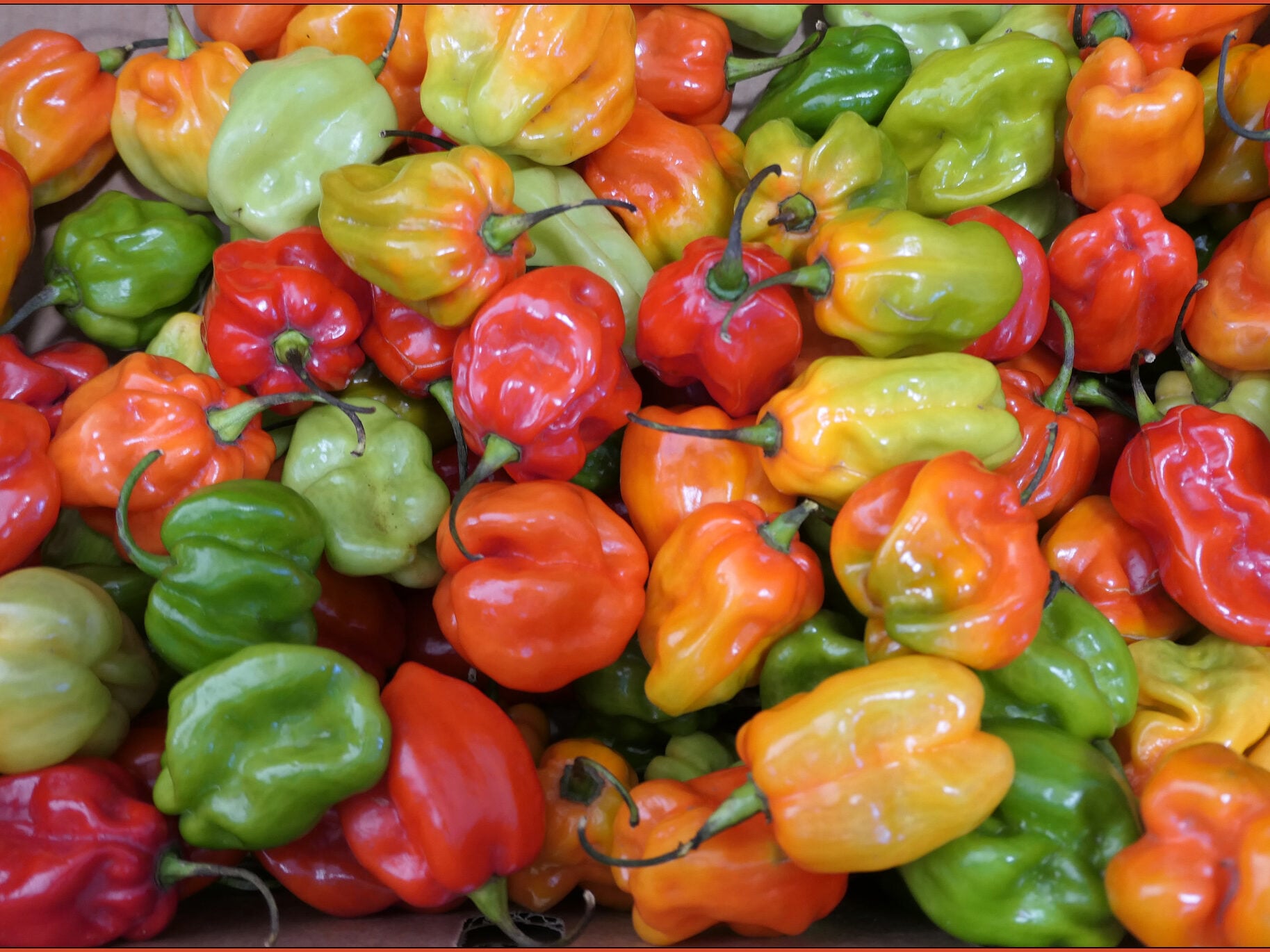
Scotch bonnets are the Caribbean’s answer to anyone who thinks tropical food should be mild. These peppers bring serious heat—around 350,000 Scoville units—but they also bring something else: a fruity, almost floral complexity that makes them indispensable in jerk seasoning and pepper sauces across Jamaica, Trinidad, and beyond.
The best jerk chicken doesn’t just burn; it builds layers of flavor that reveal themselves as your tolerance adjusts to the heat. Sweet, smoky, fiery, with hints of citrus and allspice weaving through the fire. Which is exactly why tourist versions of jerk seasoning taste so disappointing—they dial down the Scotch bonnets and lose the entire point.
Ghost Peppers
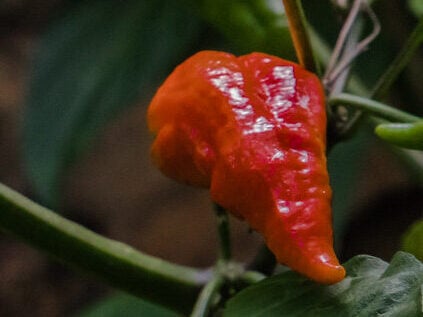
Ghost peppers earned their name honestly. At over one million Scoville units, they’ll make you feel like you’ve briefly left your body and are watching yourself suffer from somewhere safely outside the experience.
In India’s northeastern states, where these peppers originated, they’re used sparingly—a tiny piece added to curry, or dried and ground into powder. The locals aren’t trying to prove anything. They’re just making lunch.
The internet, predictably, turned ghost peppers into a dare food. YouTube is littered with videos of people eating whole ones, which misses the point entirely.
Ghost peppers aren’t meant to be eaten whole any more than vanilla extract is meant to be drunk straight from the bottle.
Wasabi
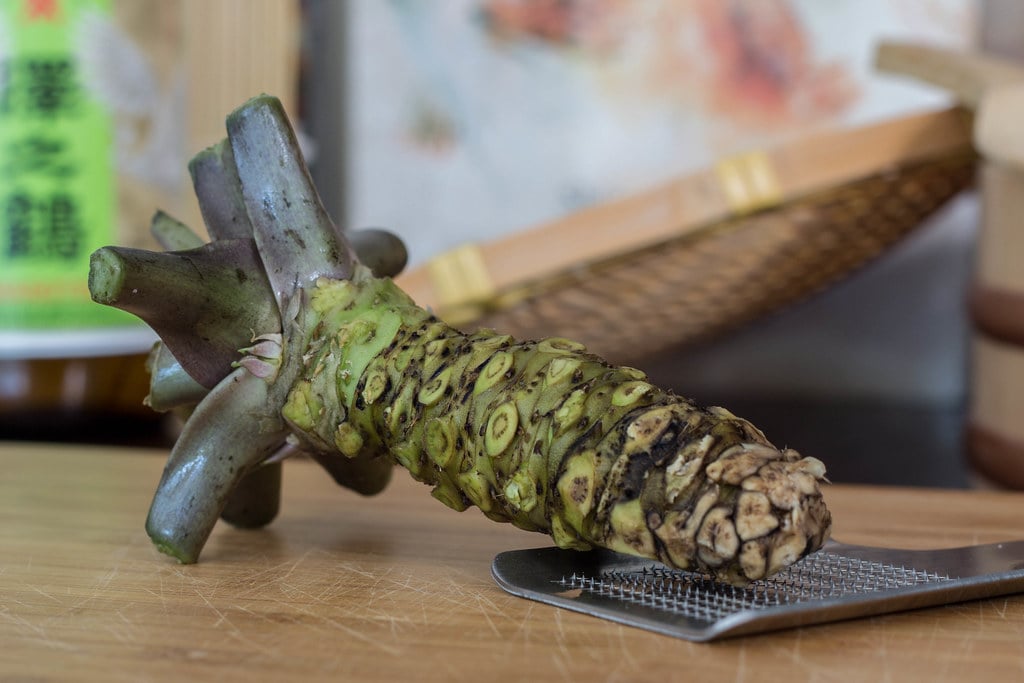
Real wasabi—not the green-tinted horseradish paste most of us know—delivers heat in an entirely different register than chili peppers. (The fake stuff, to be fair, is a decent approximation, though it lacks the complexity and the price tag of freshly grated wasaberoot, which can cost more per pound than good beef.)
The heat from authentic wasabi hits fast and sharp, shooting straight up into your sinuses before dissipating just as quickly, leaving behind a clean, almost sweet finish that actually enhances the fish rather than overwhelming it. But here’s what makes wasabi particularly interesting: it’s not just the heat, it’s the timing—the way it builds and fades creates this perfect little window where the flavors of whatever you’re eating (usually something delicate, like sashimi) become more pronounced rather than masked.
And that’s the real art of it, the thing that separates genuine wasabi from its imitators: the heat serves the food instead of competing with it. Traditional sushi chefs grate wasabi fresh for each order, and it starts losing potency within fifteen minutes.
So what most people think of as “wasabi heat” is actually just the opening act.
Habaneros
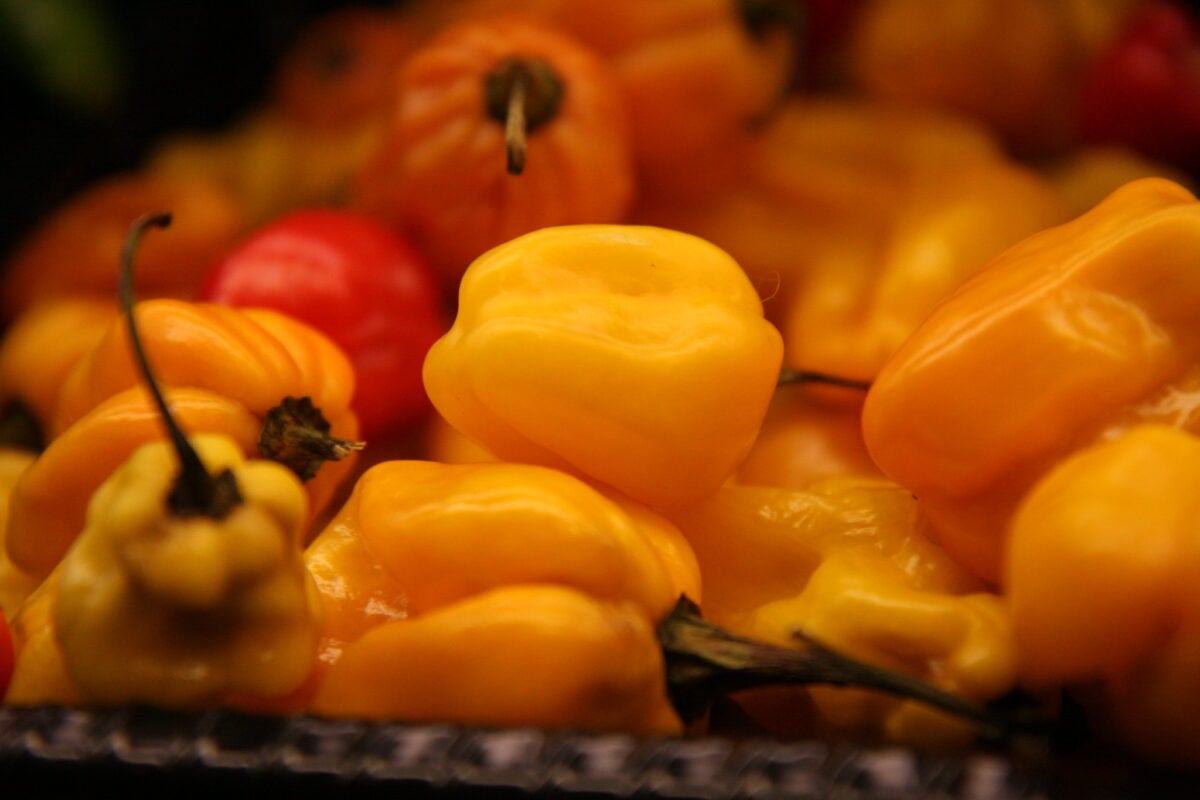
Habaneros walk this interesting line between heat and flavor that makes them more versatile than their reputation suggests. Sure, they pack around 350,000 Scoville units, but they also bring this bright, citrusy sweetness that works beautifully in fruit salsas and hot sauces where you want complexity, not just fire.
The orange ones are most common, but habaneros come in chocolate brown, bright red, even pale yellow varieties, each with slightly different flavor profiles. Chocolate habaneros have an earthy, almost smoky undertone.
Red ones tend to be fruitier. Yellow ones are often the chilliest.
Most people approach habaneros like they’re handling explosives, which isn’t entirely wrong. But used thoughtfully—seeds removed, finely minced, balanced with sweet ingredients—they add depth to dishes that milder peppers just can’t match.
Korean Gochugaru
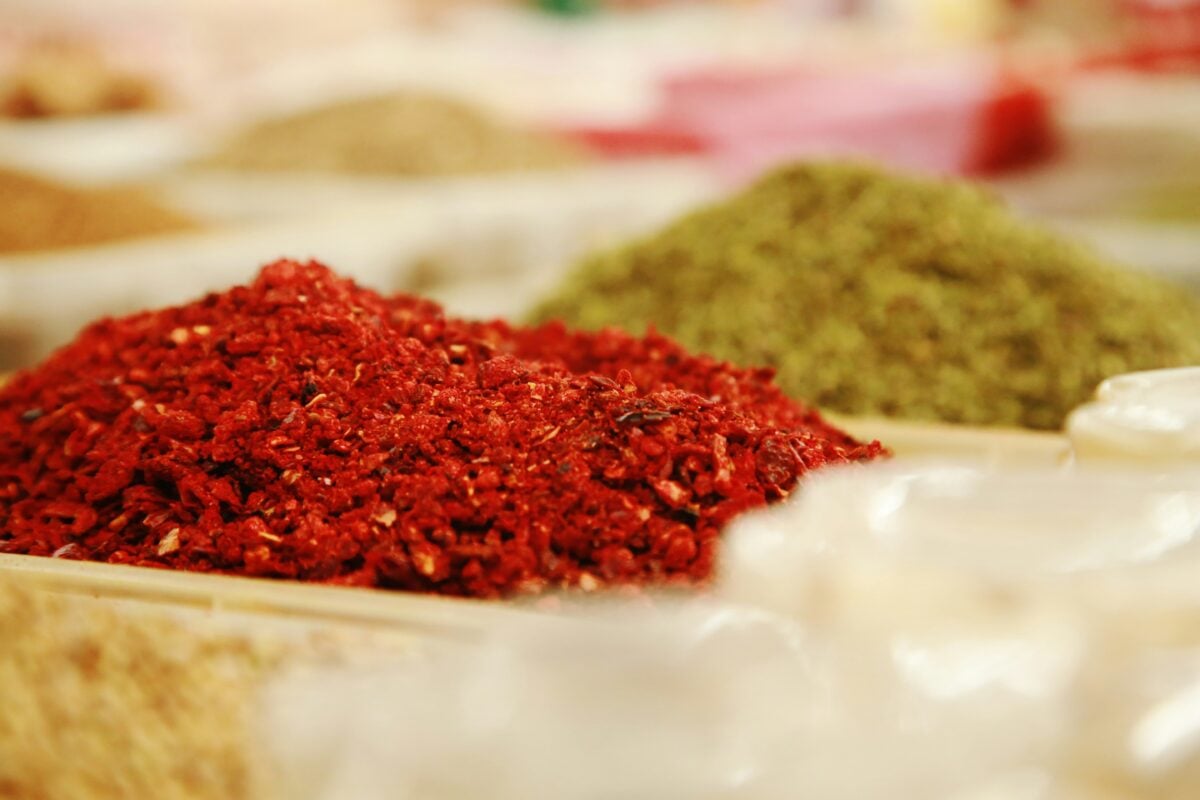
Gochugaru isn’t technically a single food item—it’s dried, crushed Korean red peppers—but it’s the foundation of so much Korean heat that it deserves recognition. This is what gives kimchi its kick, bulgogi its depth, and Korean fried chicken its addictive quality.
What makes gochugaru different from generic red pepper flakes is the pepper variety and how it’s processed. Korean red peppers are sun-dried, which concentrates their flavor while maintaining a moderate heat level.
The result is complex, slightly sweet, with a heat that builds gradually rather than hitting you immediately. Good gochugaru has this beautiful deep red color and a texture that’s somewhere between powder and flakes.
Cheap versions look pale and taste one-dimensional. The difference matters more than you’d expect.
Jalapeños en Escabeche
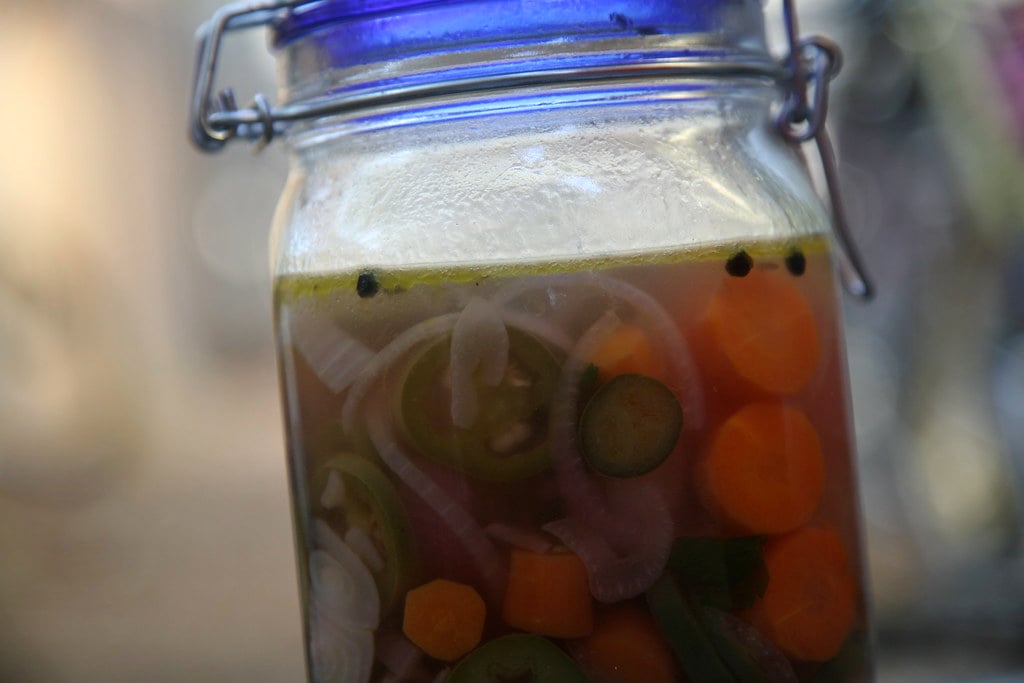
Pickled jalapeños might seem tame compared to some entries on this list, but they represent something important: the idea that heat doesn’t have to be punishment. These peppers—jalapeños pickled with onions, carrots, and a vinegary brine—provide a bright, tangy heat that enhances rather than dominates.
They’re ubiquitous in Mexican restaurants for good reason. The acidity cuts through rich foods like carnitas or cheese-heavy dishes, while the moderate heat wakes up your palate without overwhelming it.
The vegetables in the mix add sweetness and crunch. Properly made jalapeños en escabeche strike this perfect balance where you can eat them generously without regretting it later.
Which is more difficult to achieve than it sounds.
Pequin Peppers
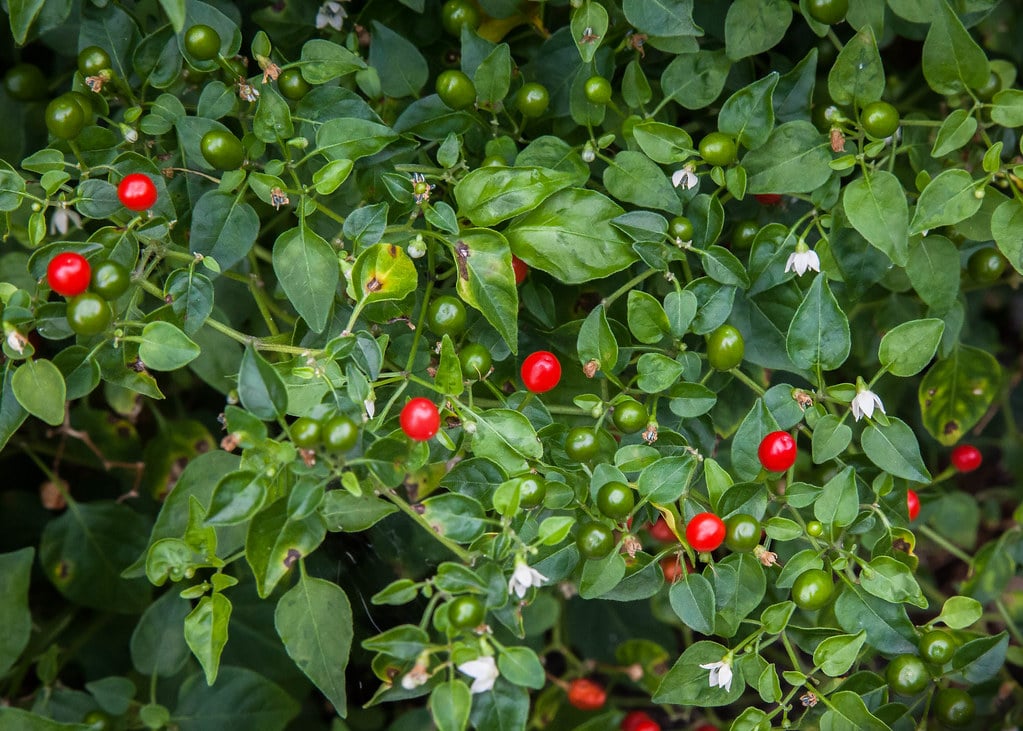
Pequin peppers are tiny—about the size of a peppercorn—but they pack around 100,000 Scoville units into each little orb. In Mexico, they’re often called “chile mosquito” because they’re small, plentiful, and deliver a surprisingly sharp bite. What’s interesting about pequins is how the heat develops: there’s an initial fruity sweetness, then a building burn that peaks and fades relatively quickly.
They’re perfect for hot sauces where you want heat without lingering fire, or for dishes where you need to add spice without changing the texture significantly. They grow wild throughout much of Mexico and the southwestern United States.
Many people harvest them from roadside bushes, though you should probably know what you’re looking for before trying that approach.
Indian Green Chilies
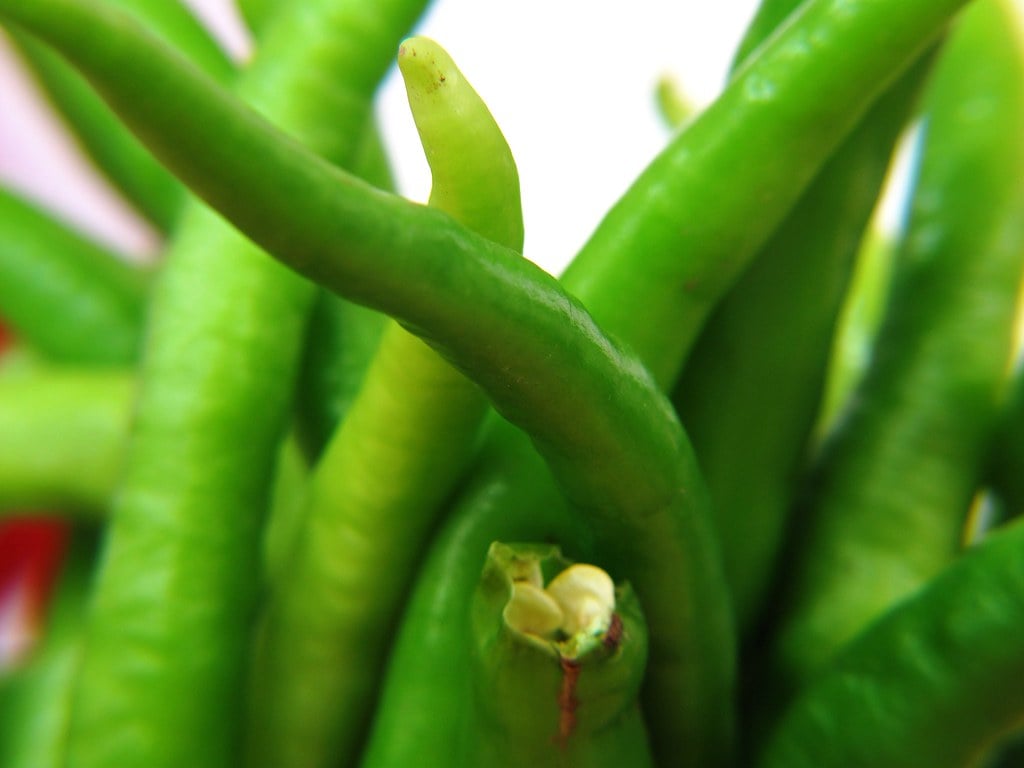
Indian green chilies—particularly the varieties used in South Indian cooking—bring a bright, vegetal heat that’s completely different from the earthy fire of dried red peppers. These are the chilies that make sambar burn, that turn coconut chutney from mild to memorable, that separate authentic Indian restaurants from the mild versions catering to sensitive palates.
The heat varies dramatically depending on the specific variety and where they’re grown. Serrano peppers are a decent substitute in American kitchens, but they lack the particular flavor profile that makes South Indian food taste right.
There’s a brightness to authentic Indian green chilies, a freshness that complements the complex spice blends rather than competing with them. Many Indian dishes rely on the difference between fresh green chilies and dried red ones—they’re not interchangeable, any more than fresh herbs and dried ones are interchangeable in other cuisines.
Harissa
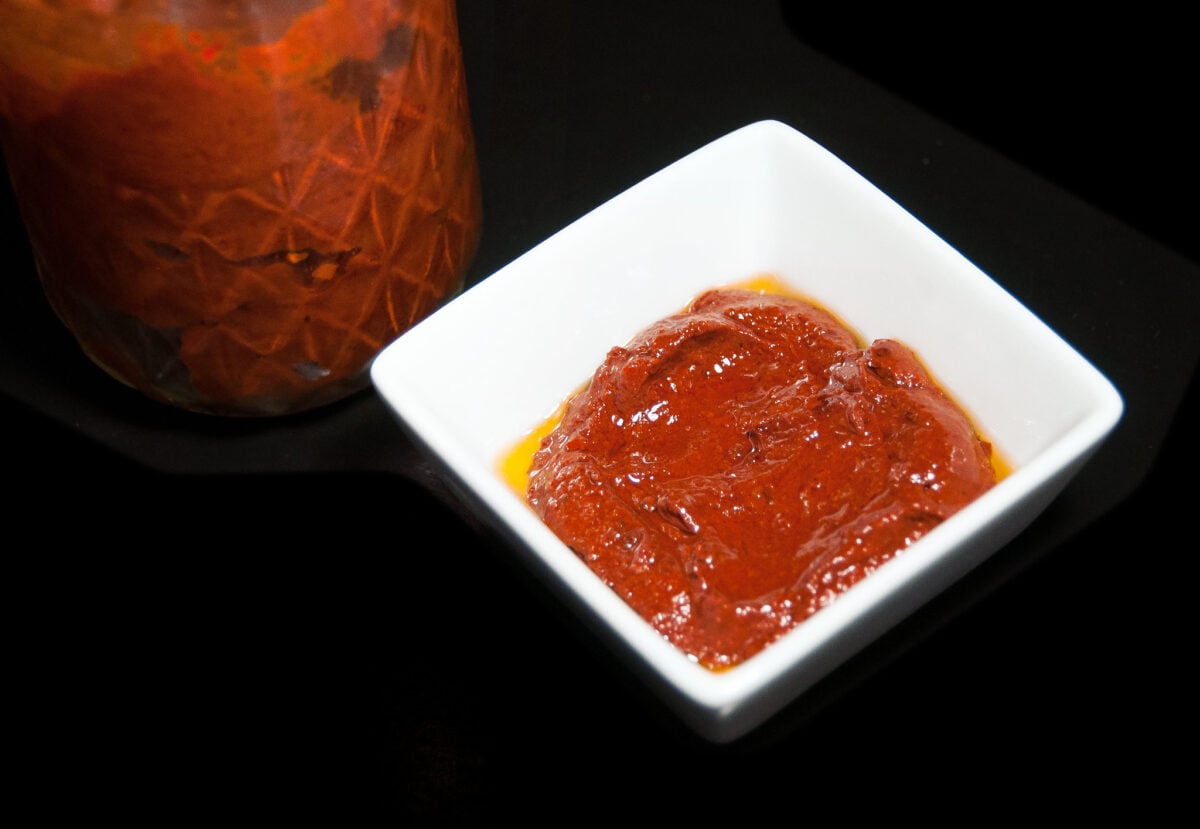
Harissa is North Africa’s gift to people who want their heat complex and their spice blends sophisticated. This paste—made from hot chilies, garlic, caraway, coriander, and other spices—delivers heat that builds in layers rather than hitting all at once.
Good harissa balances fire with flavor in a way that makes it useful as both a condiment and a cooking ingredient. You can stir it into stews, spread it on bread, mix it with olive oil for a dipping sauce, or use it as a marinade for grilled meats.
The heat level varies dramatically between brands and homemade versions. Some are mild enough to use generously; others require careful measuring. Reading the ingredient list usually gives you a decent idea of what you’re getting into—the more types of chilies listed, the more likely it is to surprise you.
Cayenne Pepper
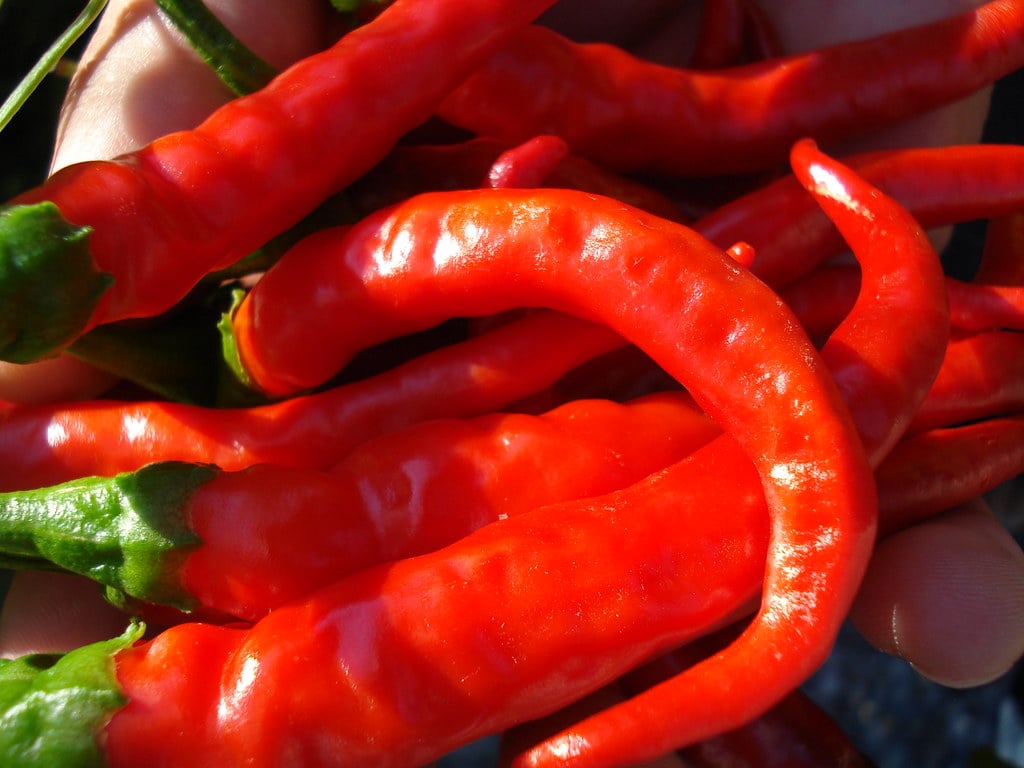
Cayenne pepper might be the most underestimated item on this list precisely because it’s so common. Every grocery store carries it, most spice racks include it, and plenty of people dismiss it as basic.
But good cayenne—the kind that’s actually made from cayenne chilies rather than generic hot pepper powder—brings a clean, bright heat that enhances rather than overwhelms. The problem is that much of the cayenne pepper sold in grocery stores is stale, having sat in warehouses and on shelves for months or years.
Fresh cayenne has this vibrant red color and a heat that builds gradually, with subtle fruity undertones. Old cayenne tastes like dust that happens to burn. Real cayenne pepper is what makes proper buffalo sauce work, what gives Creole dishes their backbone, and what separates authentic hot sauce from the vinegary imitations that dominate supermarket shelves.
When the Fire Fades
The strange thing about chasing heat is how it changes your relationship with flavor itself. What starts as a dare—how much can you handle?—eventually becomes something more nuanced.
You begin to notice the difference between one-dimensional burn and complex heat, between peppers that punish and ones that enhance. The best spicy foods don’t just make you sweat; they make everything else taste more vivid, more alive.
Maybe that’s why people keep pushing their limits, why pepper growers keep breeding hotter varieties, why restaurants keep adding “ghost pepper” and “reaper” challenges to their menus. It’s not really about the pain—it’s about that moment when the heat clears and the world tastes bigger than it did before.
More from Go2Tutors!

- The Romanov Crown Jewels and Their Tragic Fate
- 13 Historical Mysteries That Science Still Can’t Solve
- Famous Hoaxes That Fooled the World for Years
- 15 Child Stars with Tragic Adult Lives
- 16 Famous Jewelry Pieces in History
Like Go2Tutors’s content? Follow us on MSN.