Myths About Vikings That Turn Out to Be True
Pop culture gets Vikings wrong in spectacular ways. Horned helmets? Never happened.
Filthy barbarians? Complete fiction. But while Hollywood and history books have distorted plenty of facts about these Norse seafarers, they occasionally stumbled onto truths that seemed too wild to believe.
Some stories dismissed as exaggeration or legend turn out to have solid archaeological backing. The reality of Viking life contains enough confirmed strangeness that you don’t need to invent myths.
They Really Did Reach America Before Columbus

This one sounded like wishful thinking for decades. Viking sagas told stories about a place called Vinland, somewhere west of Greenland, where grapes grew wild and timber stood tall.
Most historians wrote it off as fantasy until 1960, when Norwegian explorers discovered an actual Viking settlement at L’Anse aux Meadows in Newfoundland. The settlement dates to around 1000 AD, nearly 500 years before Columbus sailed.
The site contained Norse-style buildings identical to structures in Greenland and Iceland. Archaeologists found Viking tools, including a bronze pin and iron nails.
Recent analysis of wood samples from Greenland shows Vikings imported timber from North America throughout their entire settlement period, not just during one brief visit. They were making regular trips across the Atlantic.
Vikings Were Obsessively Clean

Medieval English monks complained about Vikings stealing their women. The reason? Vikings bathed too much.
This seems backward given how we imagine unwashed barbarians, but archaeological evidence backs up the monks’ grumbling. Saturday in Old Norse was “laugardagr,” literally “washing day.”
Vikings bathed weekly when most Europeans bathed once or twice a year. They combed their hair daily.
They changed clothes regularly. They carried grooming kits containing tweezers, ear cleaners, nail tools, and ornate combs made from bone or antler.
These grooming tools show up in nearly every Viking burial site, suggesting personal hygiene mattered across all social classes. One English chronicler, John of Wallingford, wrote that Vikings “combed their hair every day, bathed every Saturday, and changed their clothes often,” making them dangerously attractive to English noblewomen.
The clean, well-groomed Norsemen had an unfair advantage over unwashed Anglo-Saxon husbands.
They Made Soap Strong Enough to Bleach Hair

Vikings didn’t just wash with water. They manufactured soap from lye and animal fat, creating a cleaning agent so powerful they used it to bleach their hair.
Blond hair held high value in Viking society, so brunettes and redheads lightened their locks using this harsh soap. The soap worked well enough for bathing and laundry.
Archaeological finds show soap-making was common across Viking settlements. They understood the chemistry well enough to control the soap’s strength for different purposes.
The same substance that cleaned their bodies doubled as hair bleach when used at full strength.
Vikings Explored Russia and Founded Kiev
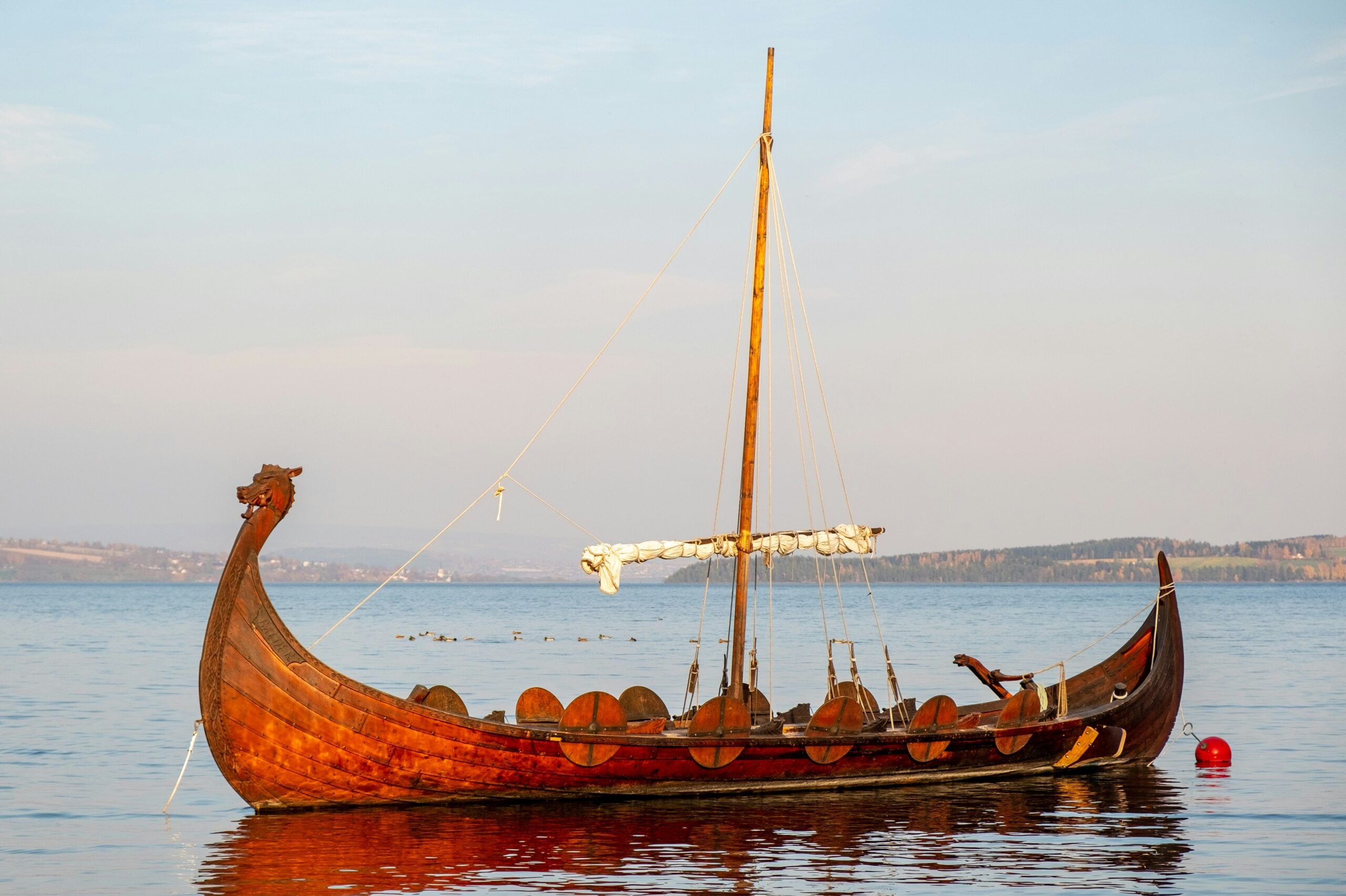
The standard Viking narrative focuses on raids in England, Ireland, and France. But Swedish Vikings traveled east across the Baltic Sea and deep into Russia.
They established trade routes along Russian rivers, reaching as far as Baghdad. The word “Russia” itself comes from “Rus,” derived from the Old Norse word meaning “to row.”
Vikings founded the state of Kievan Rus in 882 AD. They didn’t just raid Russia.
They settled there, traded there, and integrated with local populations. Archaeological evidence shows more Viking activity in the east than in the west, contradicting the popular image of Vikings as primarily western raiders.
They Had Surprisingly Good Teeth
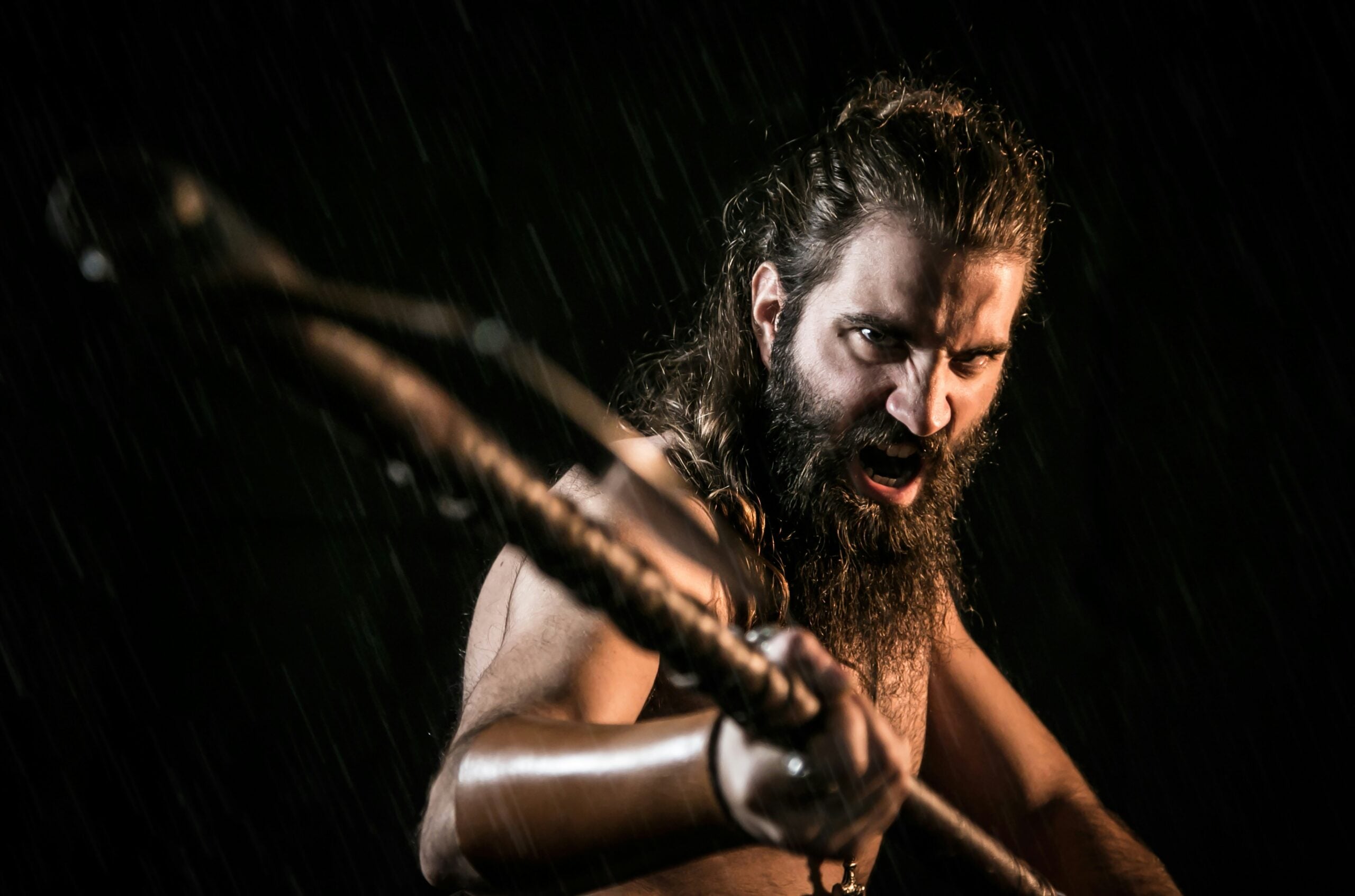
Viking skeletons show dental health that rivals modern standards. Despite having no toothbrushes or dentists, Vikings maintained relatively cavity-free teeth.
Their low-sugar diet helped, limited mostly to honey and fruit. But they also actively cleaned their teeth.
Archaeological evidence shows Vikings used toothpicks and cleaned their mouths regularly. Arabic traveler Ibn Fadlan, who encountered Vikings in the 10th century, noted their teeth-cleaning practices, though he found their shared washing bowl unsanitary.
The Vikings had figured out that oral hygiene mattered, even if their methods differed from modern practices.
They Were Skilled Craftsmen and Traders

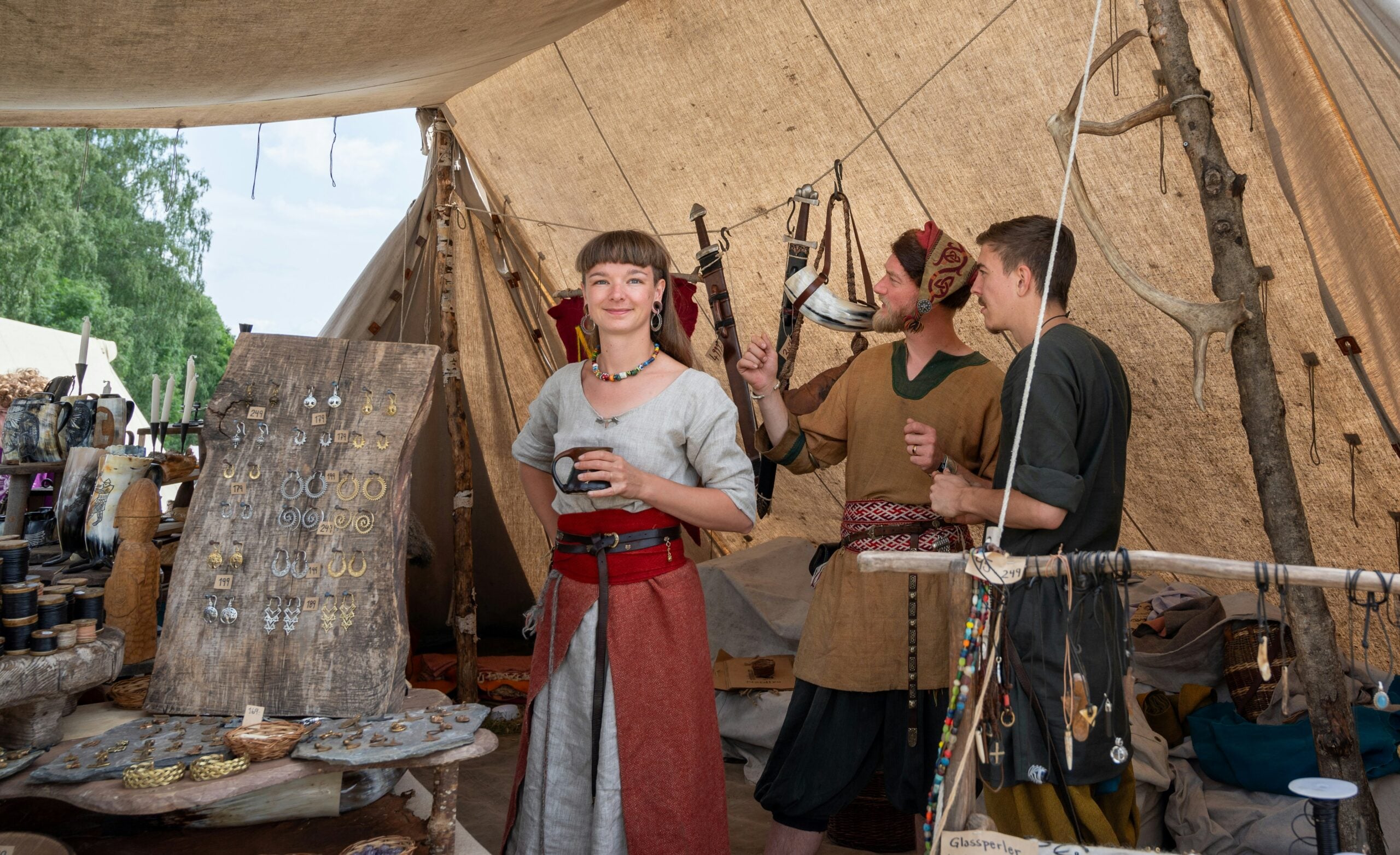
The image of Vikings as nothing but warriors falls apart when you examine what they actually did. Most Vikings spent their time farming, building, and trading.
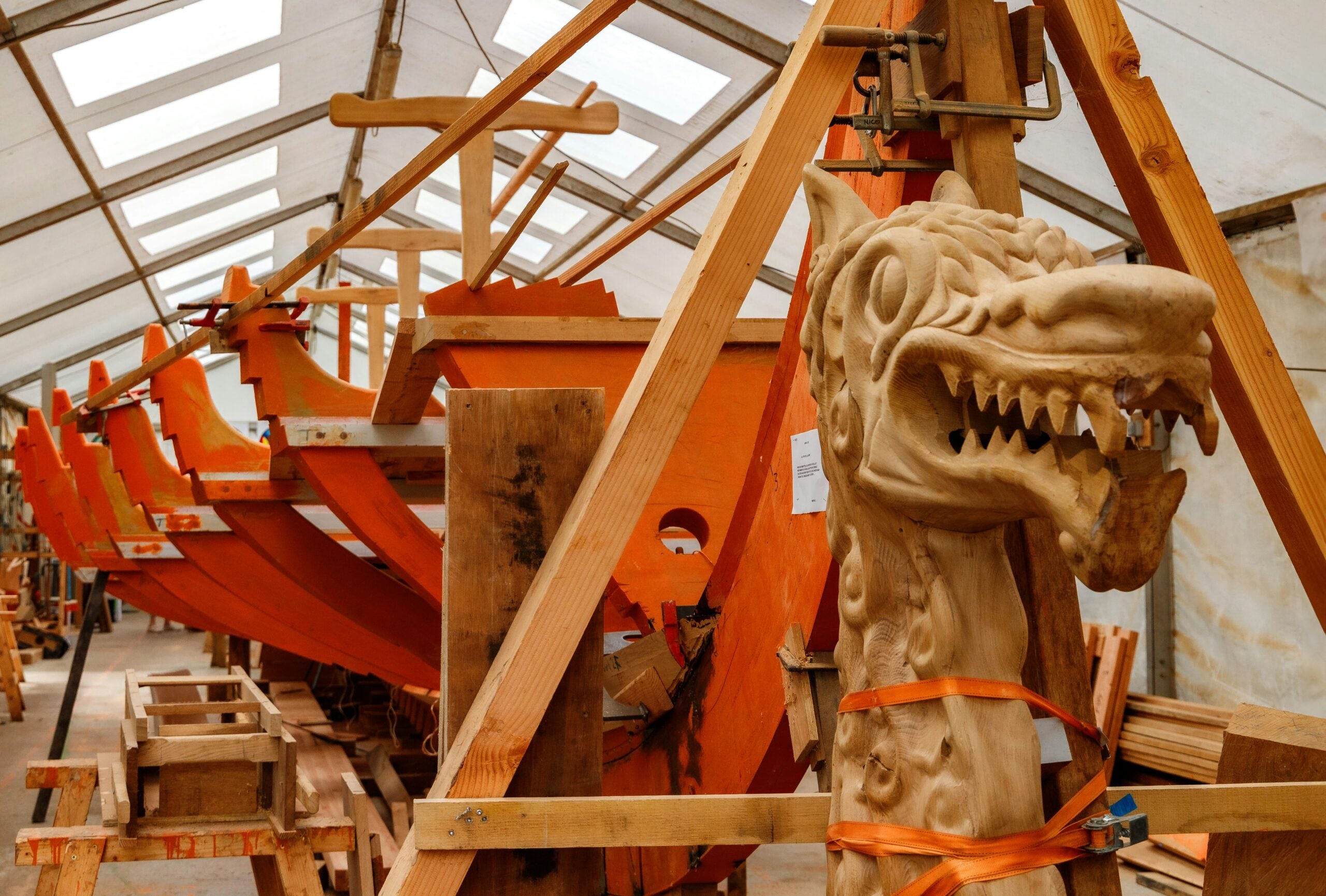
They were expert shipbuilders whose vessels could navigate both deep oceans and shallow rivers. They built longhouses with sophisticated heating systems and turf roofs designed to retain warmth.
The carved figureheads on longship prows were created by highly paid sculptors. Vikings worked as skilled blacksmiths, carpenters, and metalworkers.
Trading was as important as raiding, if not more so. They established trade routes connecting Scandinavia to the Middle East, exchanging furs, amber, and slaves for silver, silk, and spices.
Women Sometimes Fought as Warriors
The idea of shield-maidens seemed like pure mythology until archaeologists found women buried with weapons. The discovery of a high-status Viking warrior grave in Birka, Sweden initially assumed to contain a male warrior, was proven through DNA analysis to belong to a woman.
She was buried with a sword, an axe, a spear, arrows, and gaming pieces suggesting strategic military planning. This doesn’t mean Viking society was egalitarian or that female warriors were common.
Most women managed farms and households. But over three centuries of Viking history, some women clearly participated in warfare.
The archaeological evidence confirms what the sagas hinted at: shield-maidens weren’t entirely fictional.
They Brought Cats on Ships

Vikings kept cats as both pets and pest control. Clothing made from cat pelts was fashionable among Viking warriors.
Ships needed cats to control rodent populations on long voyages. Cat remains show up in Viking archaeological sites across their trading networks.
The Vikings helped spread domestic cats throughout northern Europe. When they settled new territories, cats came along.
These weren’t decorative pets. They served practical purposes on farms and ships, but Vikings clearly valued them enough to include them in their expansion.
They Played Board Games

Vikings enjoyed strategic games, particularly a chess-like game called Hnefatafl. Gaming pieces show up frequently in high-status burials, suggesting these games held cultural importance beyond mere entertainment.
The pieces were often beautifully carved from walrus ivory or whale bone. Hnefatafl involved asymmetric warfare, with one player defending a king while the other player attacked.
The strategic complexity rivaled chess. Vikings took their gaming seriously enough that skilled players earned respect.
One warrior grave contained elaborate gaming pieces alongside weapons, indicating the deceased’s reputation as both a fighter and a strategist.
They Skied for Recreation
Vikings had a god of sking named Ullr. They used skis for practical winter transportation but also for recreation and sport.
Skiing competitions and demonstrations of skill were part of Viking culture. Archaeological finds include ancient skis and written accounts describe skiing prowess as a valued ability.
The mountains and snow of Scandinavia made skiing a natural fit, but Vikings elevated it beyond simple transportation. They raced, they showed off tricks, and they incorporated skiing into their cultural identity.
Modern skiing owes its roots to these Norse enthusiasts.
They Practiced Surprisingly Advanced Medicine

Viking medical practices were more sophisticated than you’d expect. Archaeological evidence shows they performed amputations, set broken bones, and even conducted some forms of surgery.
They used plants and herbs for medicinal purposes, with knowledge passed down through generations. One Arabic account describes a Viking medical treatment involving cauterization.
While crude by modern standards, Vikings understood infection risks and attempted to prevent them. Their survival rates from injuries tell us they had practical knowledge of wound care.
They weren’t just tough. They had medical knowledge that kept wounded warriors alive.
Viking Ships Really Were Engineering Marvels
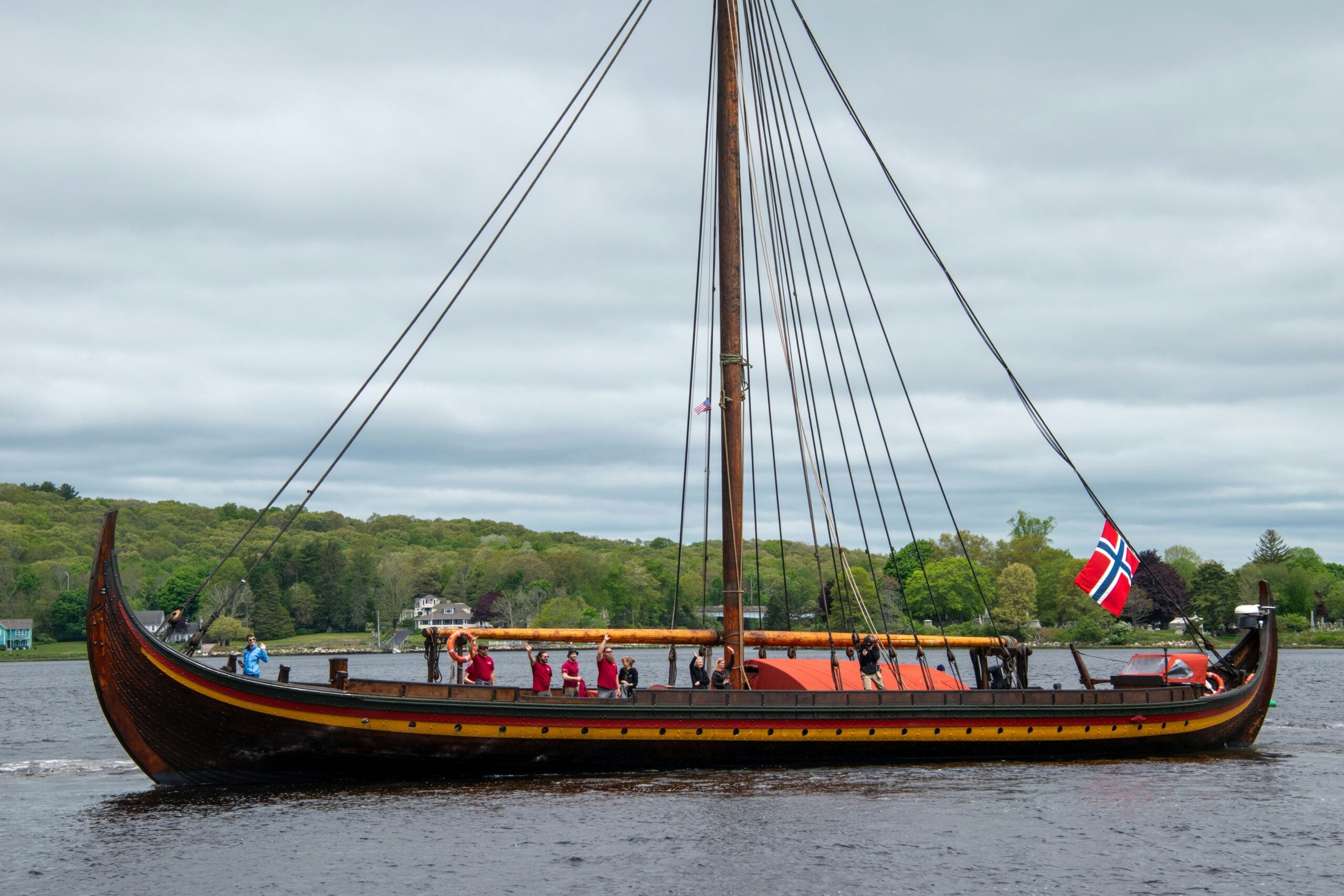
The reputation of Viking longships as superior vessels is completely justified. These ships could sail in just three feet of water, allowing Vikings to navigate rivers deep into continents.
The same ships could cross oceans. They were fast, flexible, and could be beached and launched quickly.
When the Legends Turn Out to Be Less Strange Than Reality
The Vikings we imagine from popular culture bear little resemblance to historical Vikings. The myths we invented about them obscure genuinely interesting truths.
They weren’t savage barbarians who never bathed. They were traders and craftsmen who happened to also be effective raiders.
They didn’t wear horned helmets, but they did reach America centuries before Columbus. They didn’t just pillage.
They built legal systems, played strategic games, cared obsessively about personal grooming, and helped shape the modern world in ways we still don’t fully appreciate. The real Vikings were strange enough without embellishment.
More from Go2Tutors!

- The Romanov Crown Jewels and Their Tragic Fate
- 13 Historical Mysteries That Science Still Can’t Solve
- Famous Hoaxes That Fooled the World for Years
- 15 Child Stars with Tragic Adult Lives
- 16 Famous Jewelry Pieces in History
Like Go2Tutors’s content? Follow us on MSN.