Near-Miss Asteroids That Passed by Earth
There’s something quietly unsettling about the fact that space rocks the size of city blocks occasionally slip past Earth without anyone noticing until they’re already gone. Not in the distant past — recently.
Some of these objects were only spotted hours before their closest approach, which is either a testament to how vast space is or a reminder of how genuinely unprepared humanity sometimes is. Either way, the catalog of near-misses is long, specific, and worth knowing about.
2023 BU
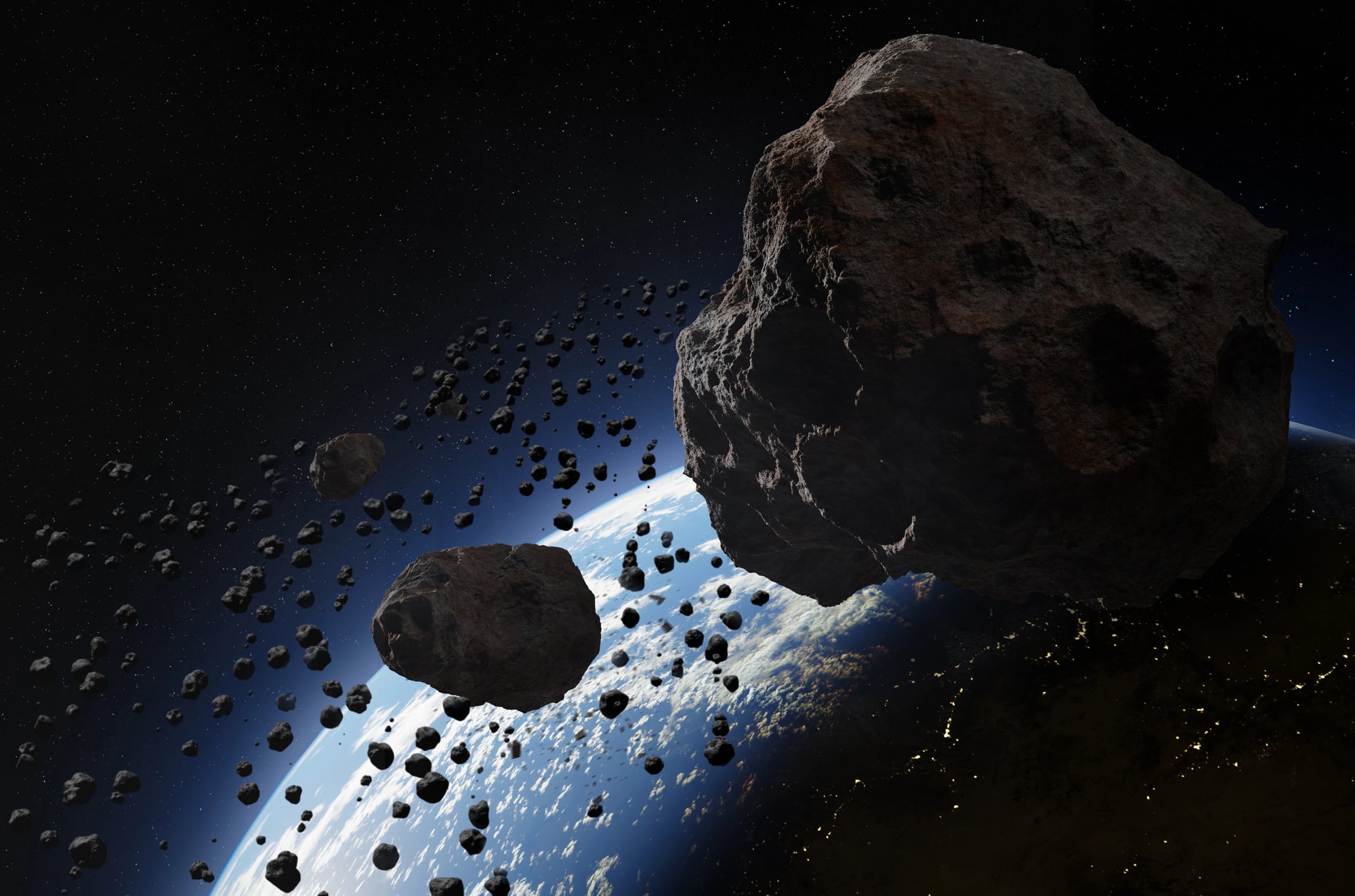
This one came embarrassingly close. On January 26, 2023, a small asteroid roughly 11 to 28 feet wide passed just 2,200 miles above Earth’s surface — closer than many weather satellites orbit.
It was discovered only four days before the flyby, which is not a lot of lead time for anything.
2019 OK
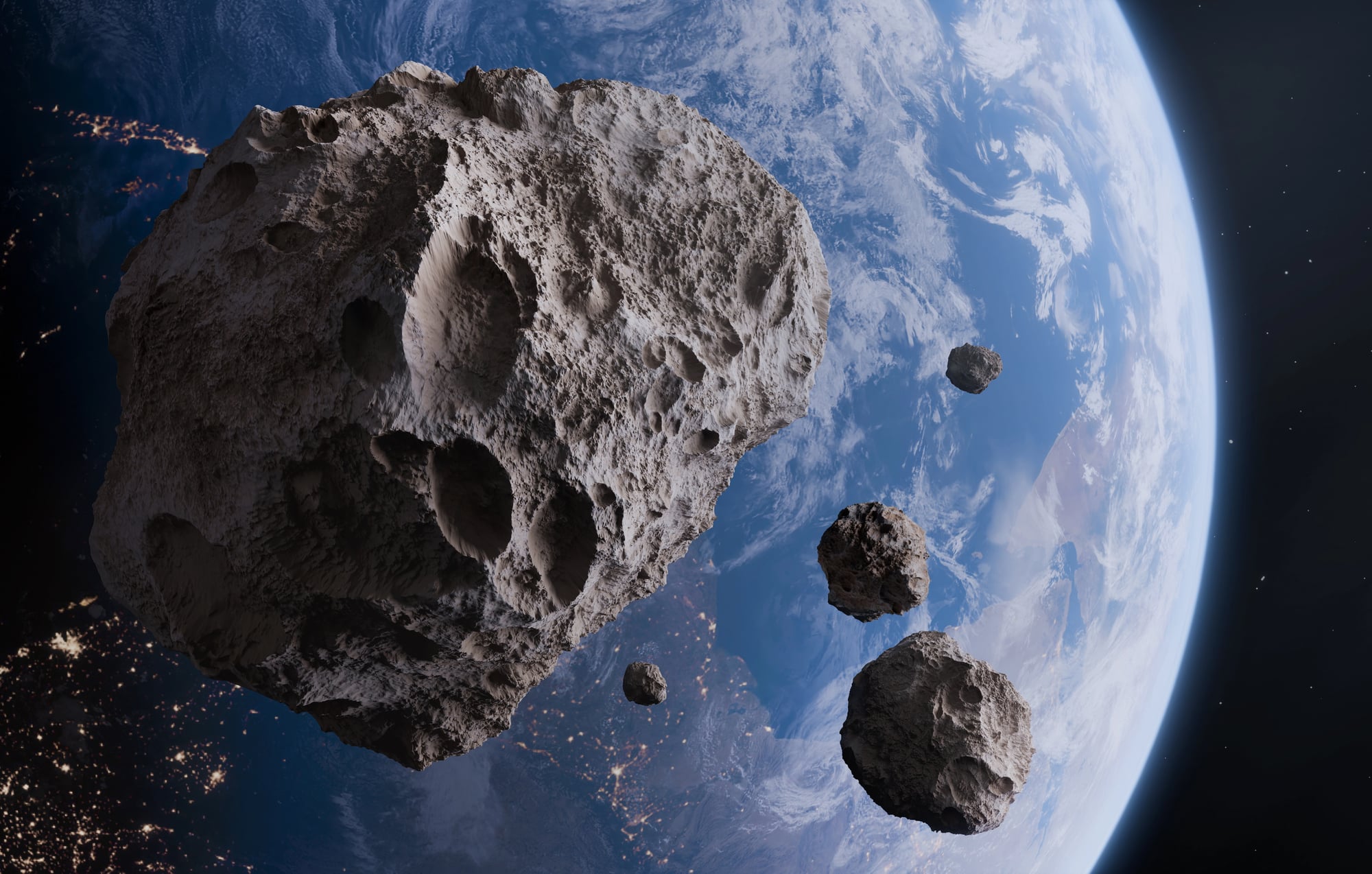
The astronomy community did not cover itself in glory with 2019 OK. This asteroid — somewhere between 187 and 426 feet wide, large enough to flatten a city — passed within roughly 45,000 miles of Earth and wasn’t detected until the day before it arrived.
So it flew by, and then everyone found out about it.
Apophis
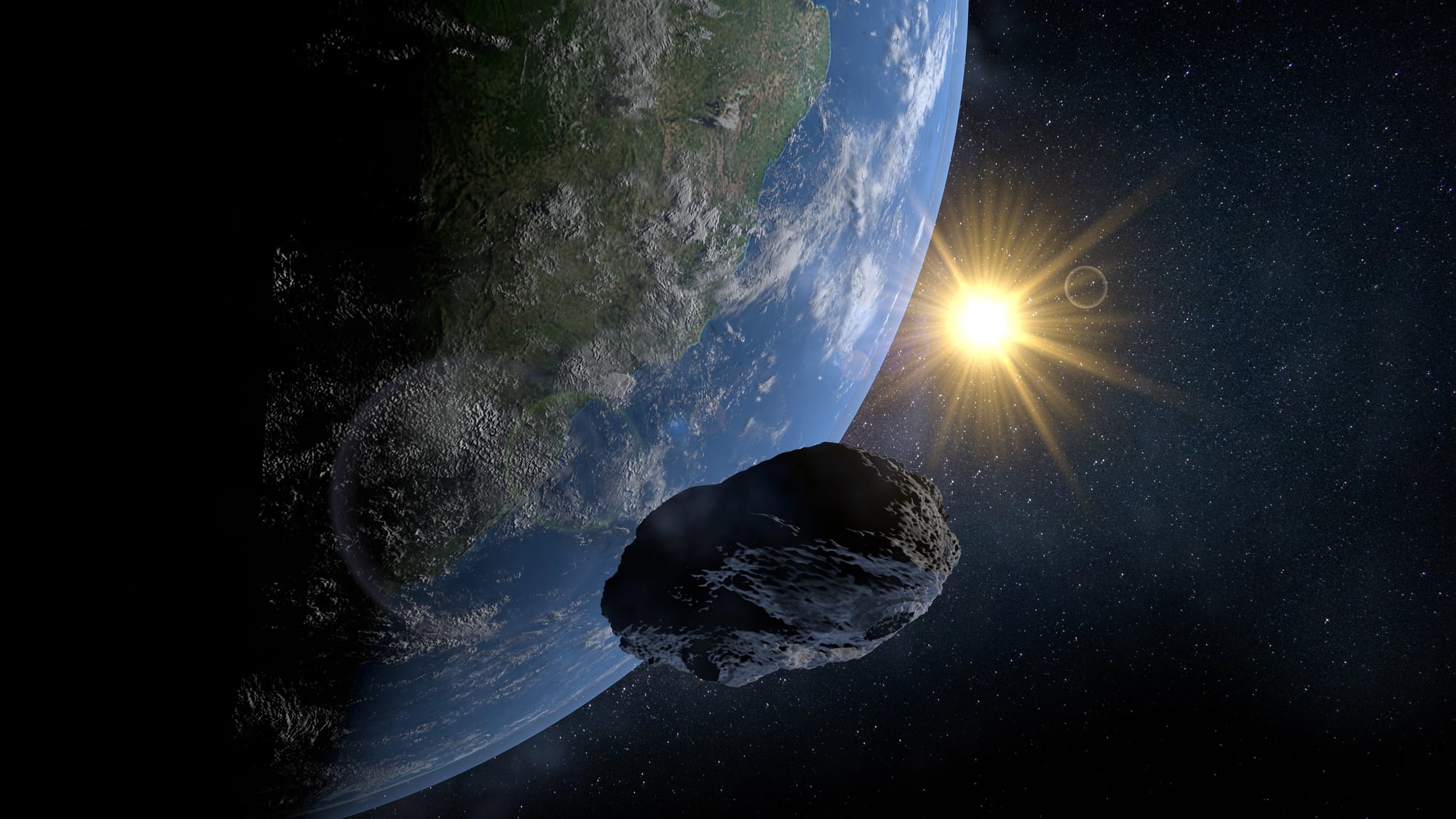
Apophis is the asteroid that briefly gave scientists a genuine scare, and to be fair, a 2.7% chance of impact when it was first calculated in 2004 is the kind of number that makes people set down their coffee. The rock is about 1,100 feet wide — large enough to cause regional devastation on impact — and it will pass within roughly 19,000 miles of Earth in 2029, closer than some satellites.
And yet, updated calculations have since ruled out impact for the foreseeable future, which is something of a relief.
2020 QG
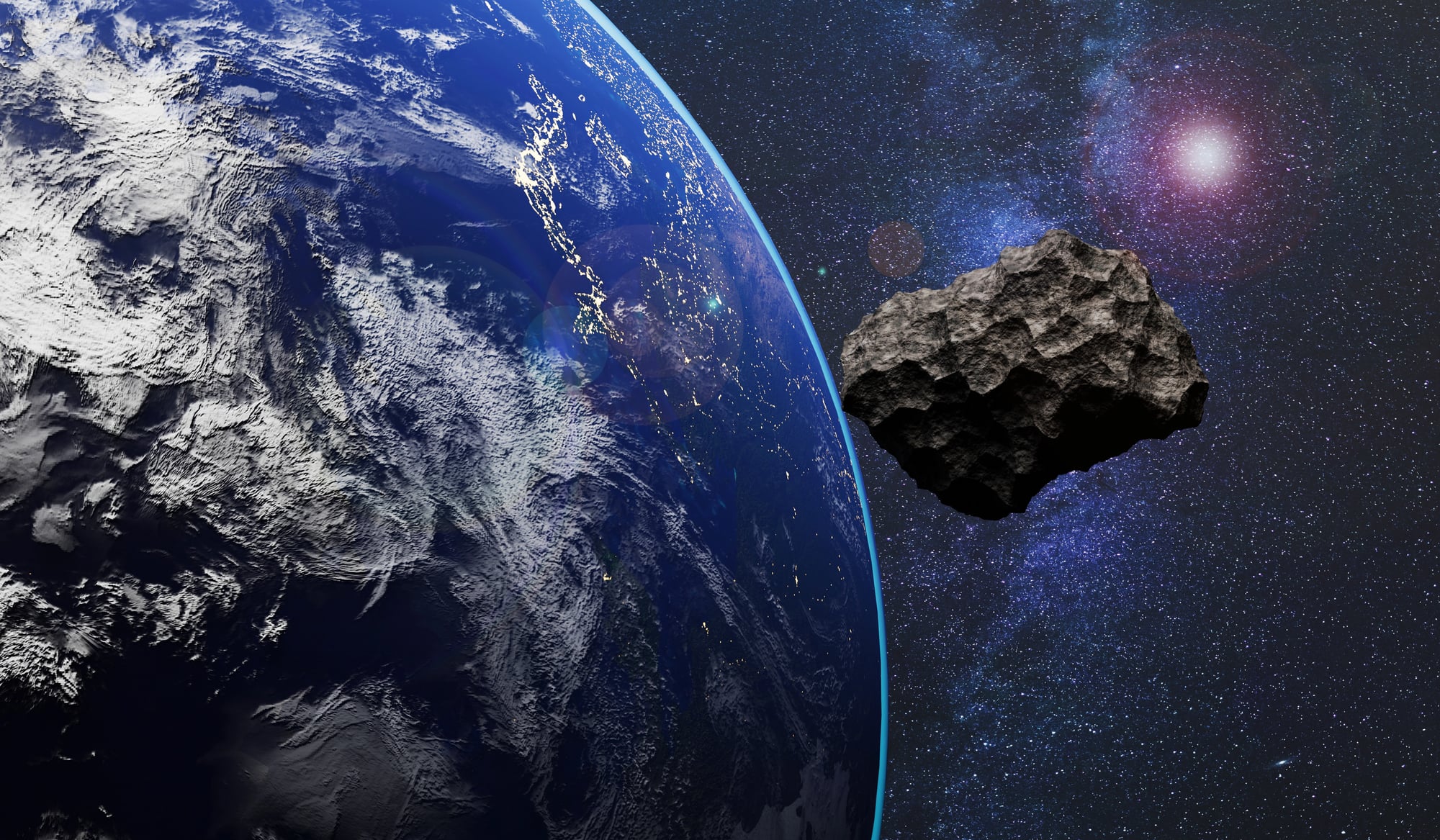
There’s something almost theatrical about an asteroid that passes closer to Earth than the International Space Station and nobody notices in real time. 2020 QG, a small object between 10 and 20 feet wide, flew by at roughly 1,830 miles above Earth’s surface in August 2020 — the closest known flyby of a non-impacting asteroid at the time.
It was only spotted afterward, once the data was reviewed.
1908 Tunguska Object
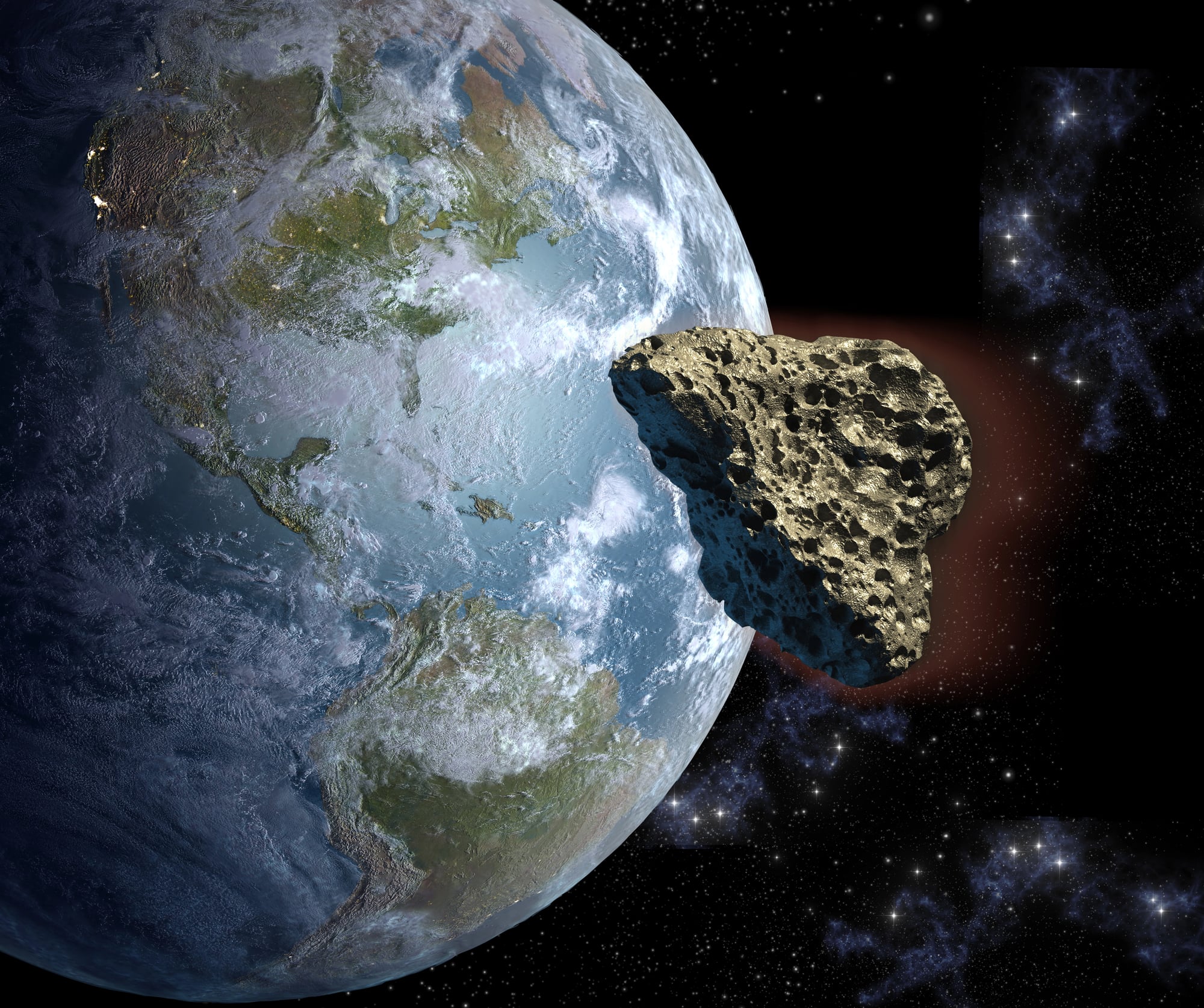
The Tunguska event is what happens when an asteroid doesn’t quite miss. An object estimated between 160 and 620 feet wide detonated in the atmosphere above a remote stretch of Siberia in June 1908, flattening approximately 830 square miles of forest and releasing energy roughly equivalent to 600-900 Hiroshima-scale nuclear detonations.
No crater was ever found — the object disintegrated before impact — but the scale of destruction it left behind corrects any assumption that “small” asteroids are harmless.
2004 FH
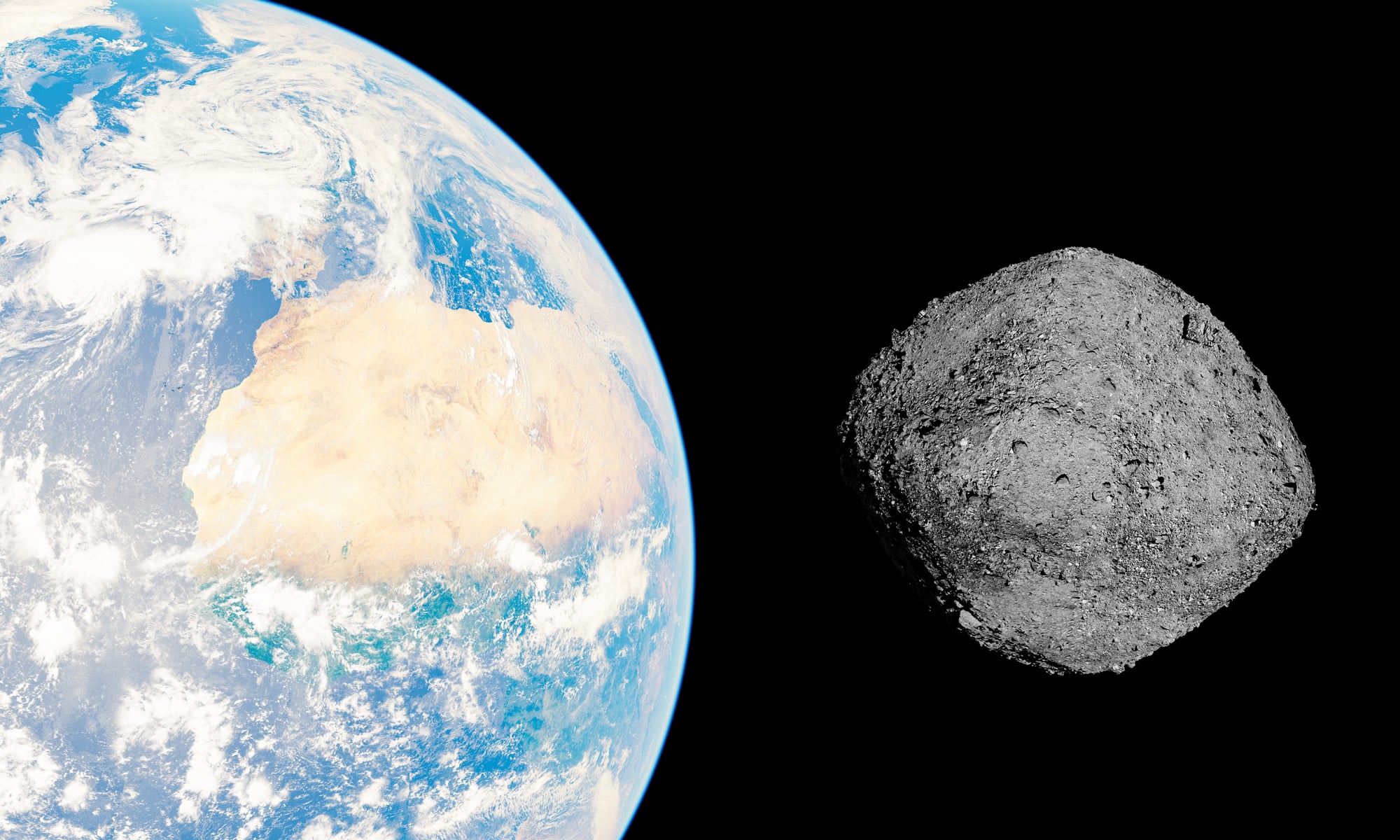
2004 FH passed Earth at a distance of about 26,500 miles — close enough to be considered a near-miss by any reasonable standard, and close enough that it was actually visible through binoculars from the ground. It’s about 100 feet wide, which puts it squarely in the “not extinction-level but still extremely bad” category.
The gap between “visible through binoculars” and “heading directly toward us” is narrower than most people are comfortable thinking about.
2012 TC4
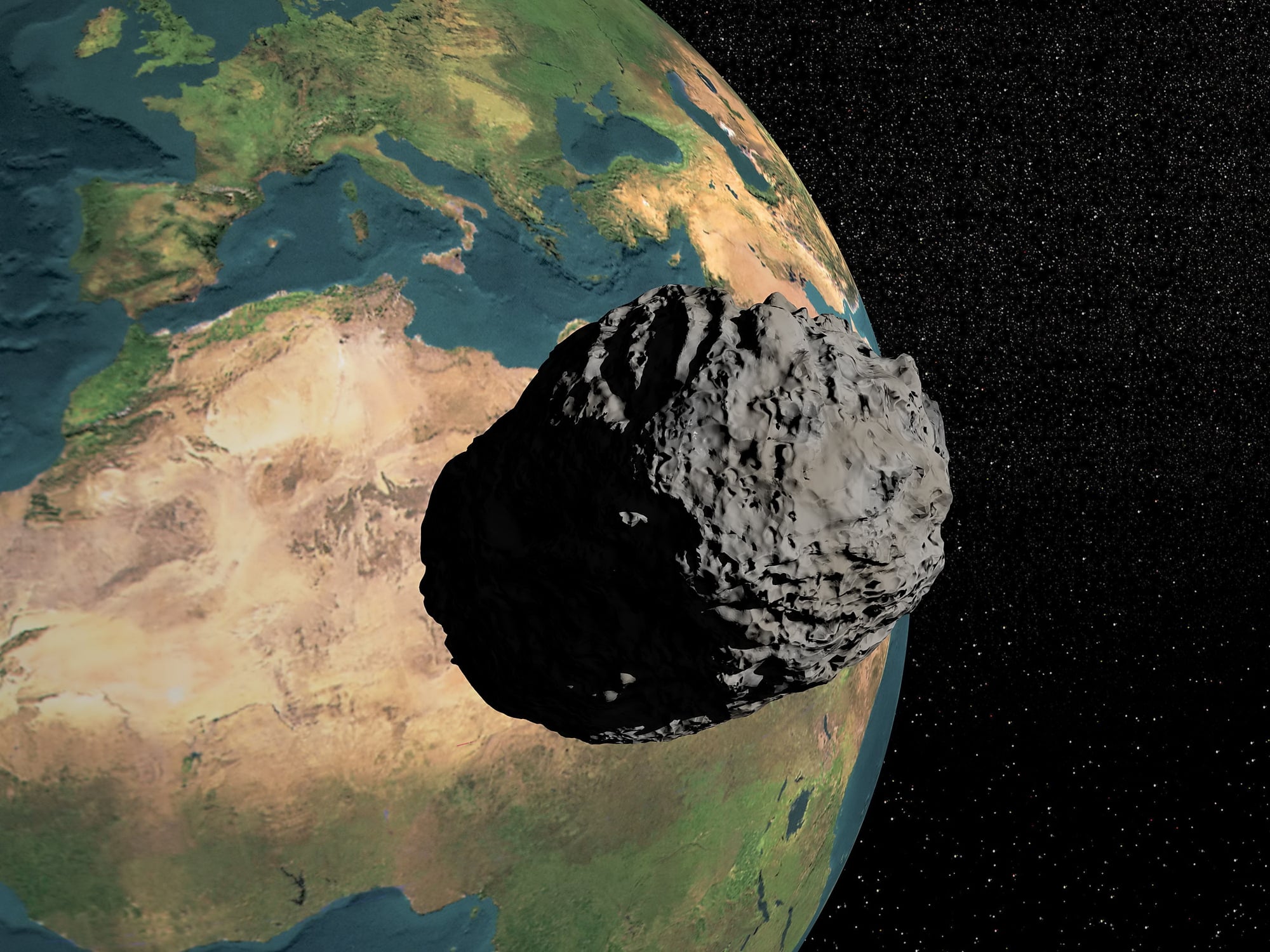
2012 TC4 is the asteroid that scientists deliberately used as a practice run for planetary defense systems, which is both reassuring and quietly telling. The object, estimated between 39 and 88 feet wide, passed Earth in October 2017 at around 26,000 miles — and astronomers coordinated a global observation campaign to track and study it in real time.
It returned to public attention as a test of whether humanity’s detection network was actually up to the task.
2002 MN
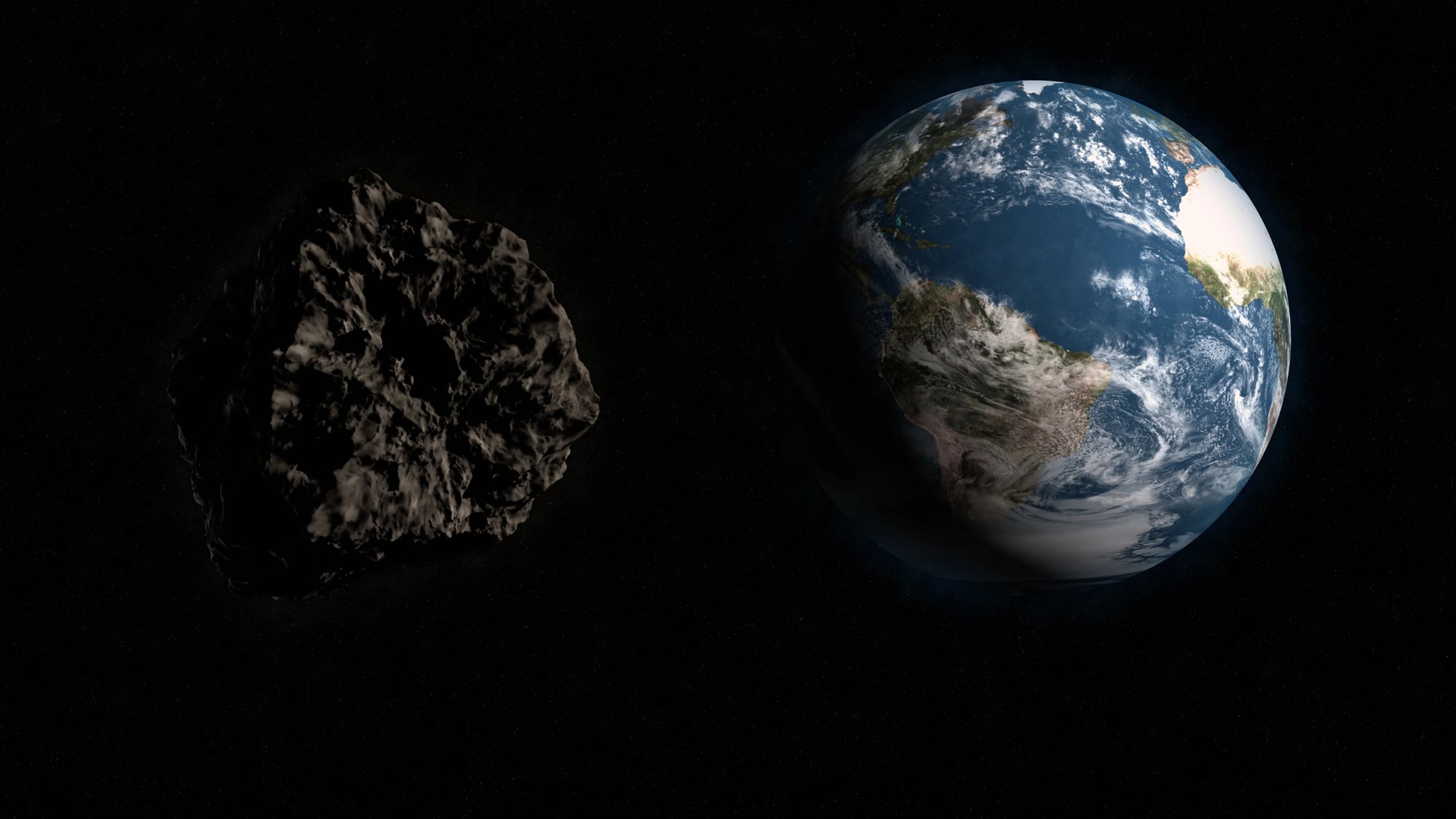
2002 MN was discovered three days after it passed Earth. That detail should land with some weight: an object roughly 330 feet wide — large enough to obliterate a metropolitan area — came within 75,000 miles of the planet and nobody knew about it until it was already receding into deep space.
Detection systems have improved significantly since 2002, but this one is a stubborn reminder of how long the blind spots lasted.
2011 MD
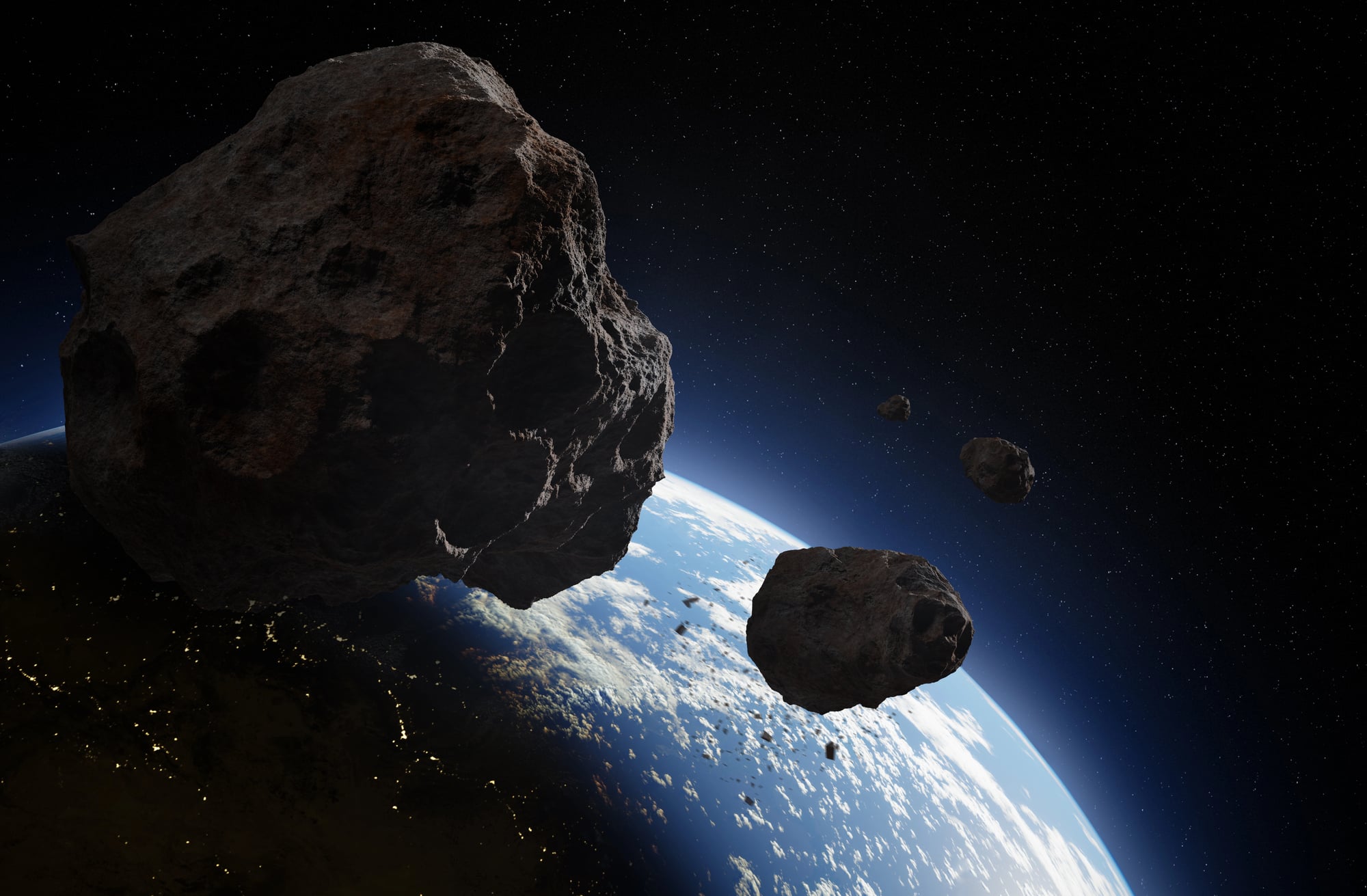
2011 MD is an asteroid that slipped through a gap between Earth and its own satellites. The object — between 18 and 46 feet wide — passed within 7,500 miles of Earth in June 2011, threading a path below the orbits of geosynchronous satellites and above where low-Earth-orbit spacecraft operate.
It was discovered only six days before the flyby, which left essentially no time for anything other than observation.
2023 DZ2
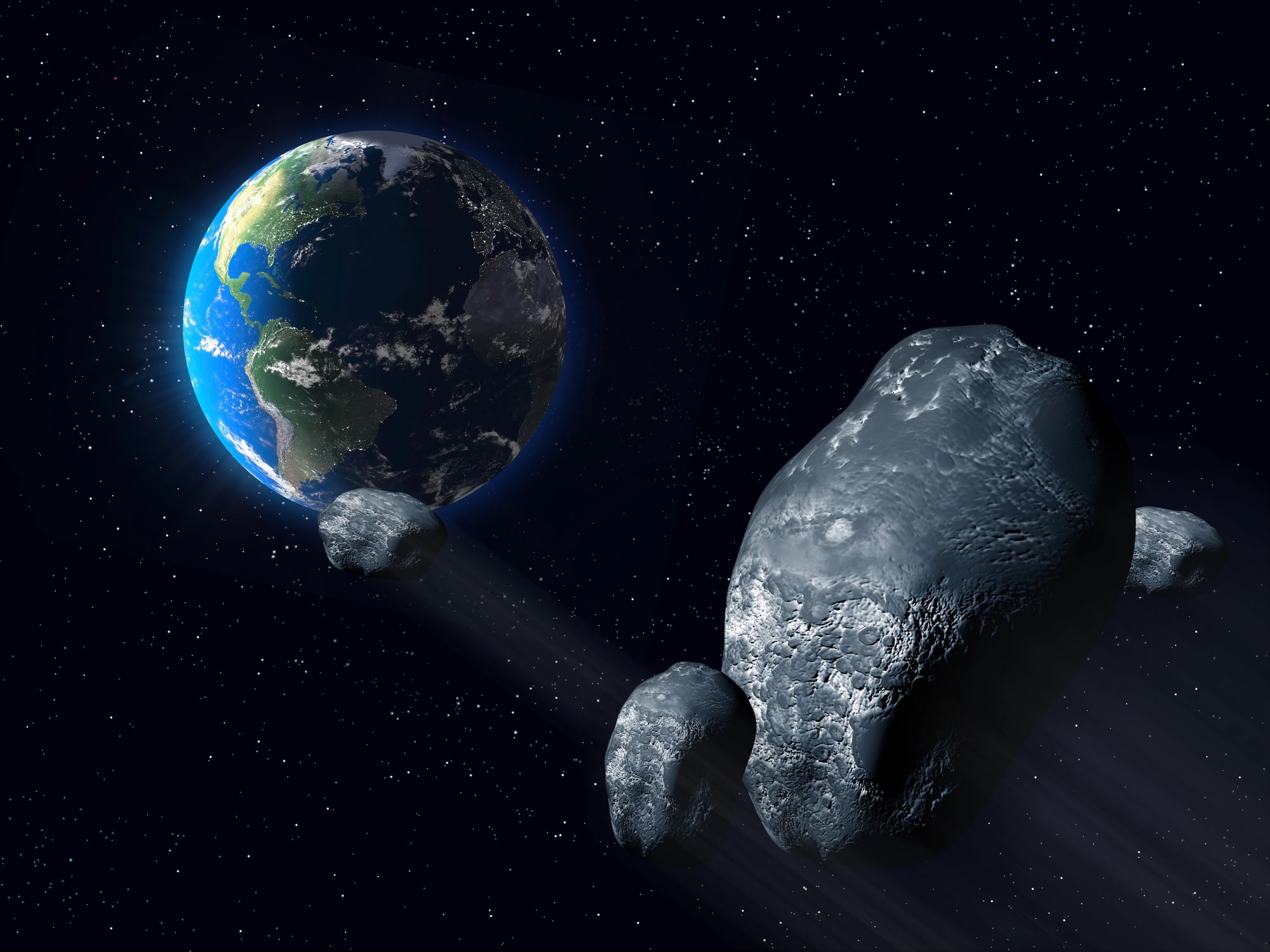
2023 DZ2 arrived with enough advance notice that amateur astronomers were able to watch it in real time through backyard telescopes, which has a certain strange charm to it. The asteroid — roughly 130 to 300 feet wide — passed at around 107,000 miles from Earth in March 2023.
What made it notable beyond the close approach was that scientists used the flyby to study its composition, turning what could have been alarming into something useful.
1989 FC (4581 Asclepius)
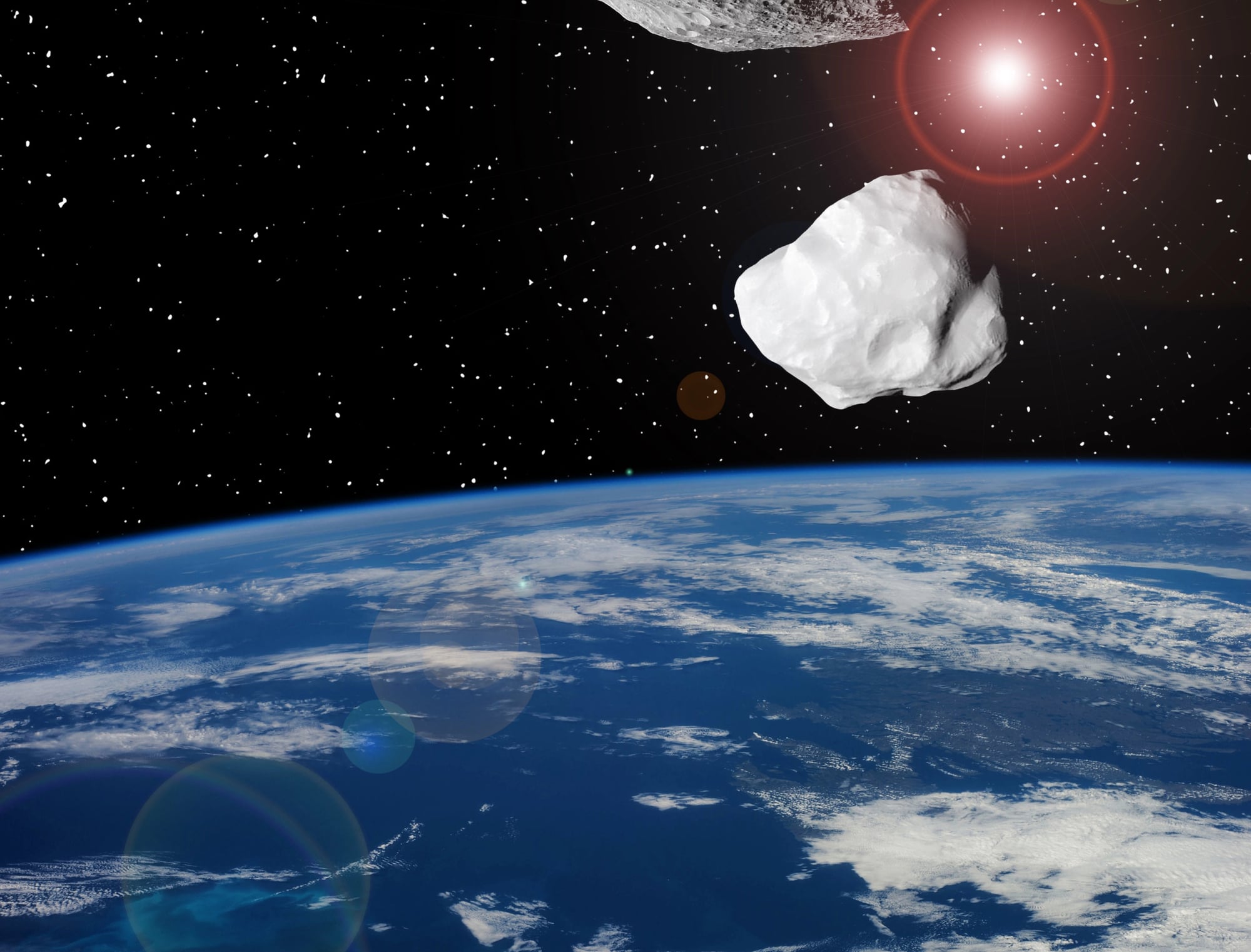
1989 FC passed within 430,000 miles of Earth — which sounds comfortable until you consider that it crossed the exact point in Earth’s orbit that our planet had occupied only six hours earlier. If the timing had shifted by six hours in either direction, this object — roughly 1,000 feet wide — would have struck Earth with the force of a large nuclear arsenal.
Six hours is not a wide margin. Go figure.
2022 EB5
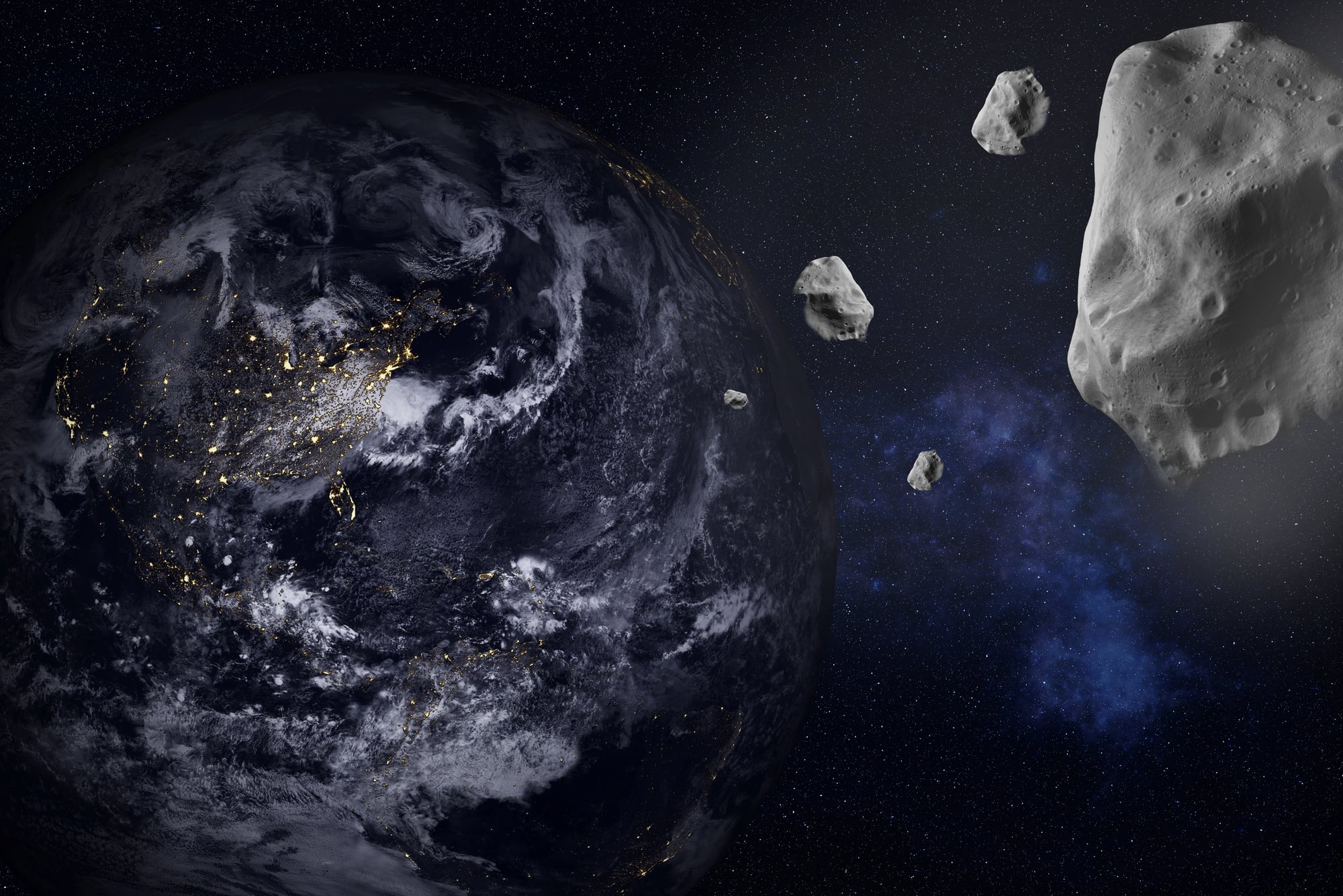
2022 EB5 is notable not because it passed close but because it was actually tracked before impact — a rare achievement. The small asteroid, about 6 feet wide, was spotted roughly two hours before it entered Earth’s atmosphere over the Norwegian Sea in March 2022 and disintegrated harmlessly.
It became only the fifth asteroid ever predicted before impact, which says something about how rarely detection happens fast enough to matter.
3122 Florence
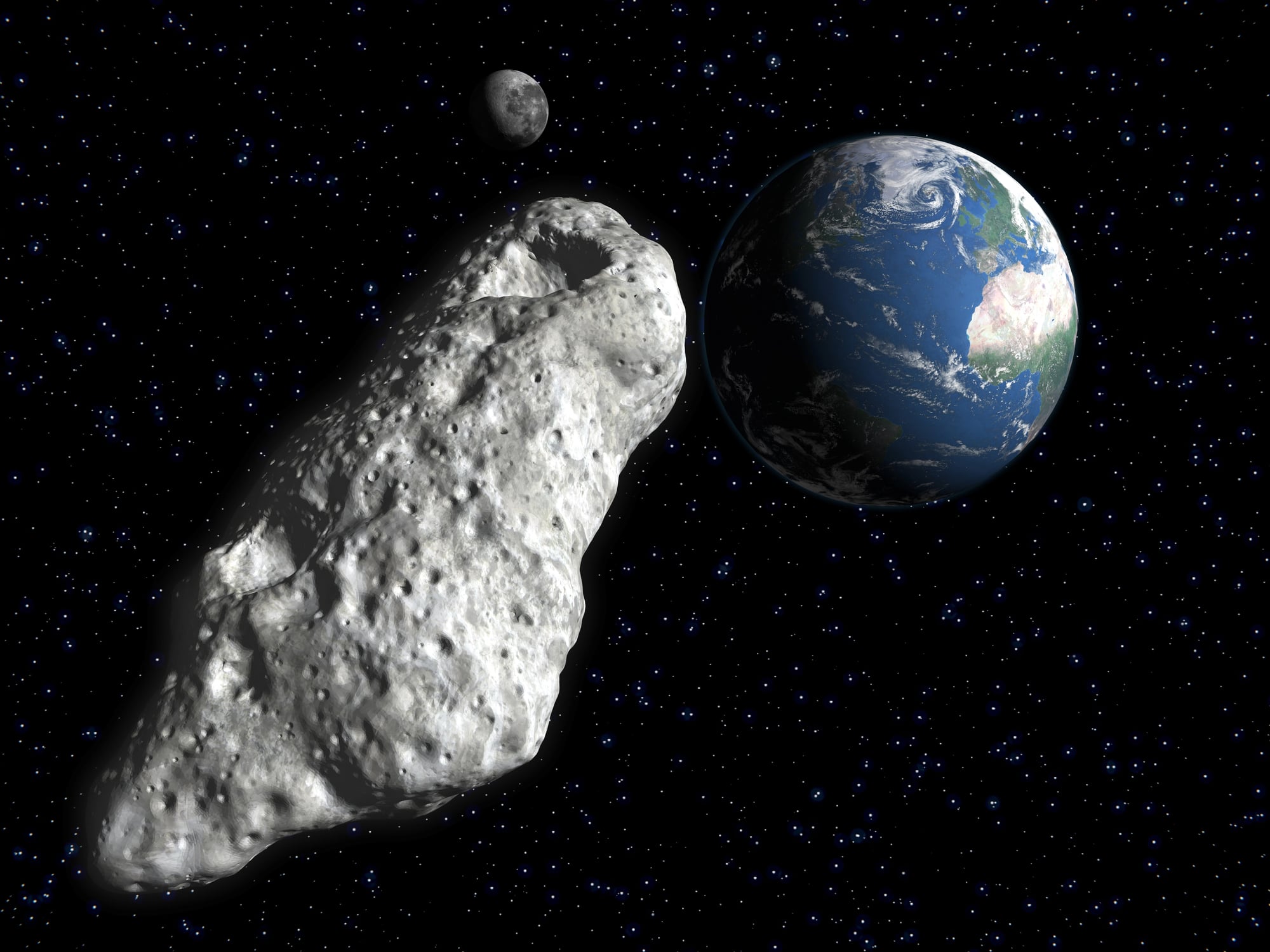
Florence is the largest asteroid to pass this close to Earth since NASA began tracking near-Earth objects. The rock is about 2.8 miles wide — genuinely enormous by near-Earth asteroid standards — and it passed Earth in September 2017 at a distance of about 4.4 million miles.
That sounds like a comfortable buffer, but for an object of Florence’s size, it qualifies as a close approach, and radar imaging during the flyby revealed it has two small moons of its own.
2008 TC3
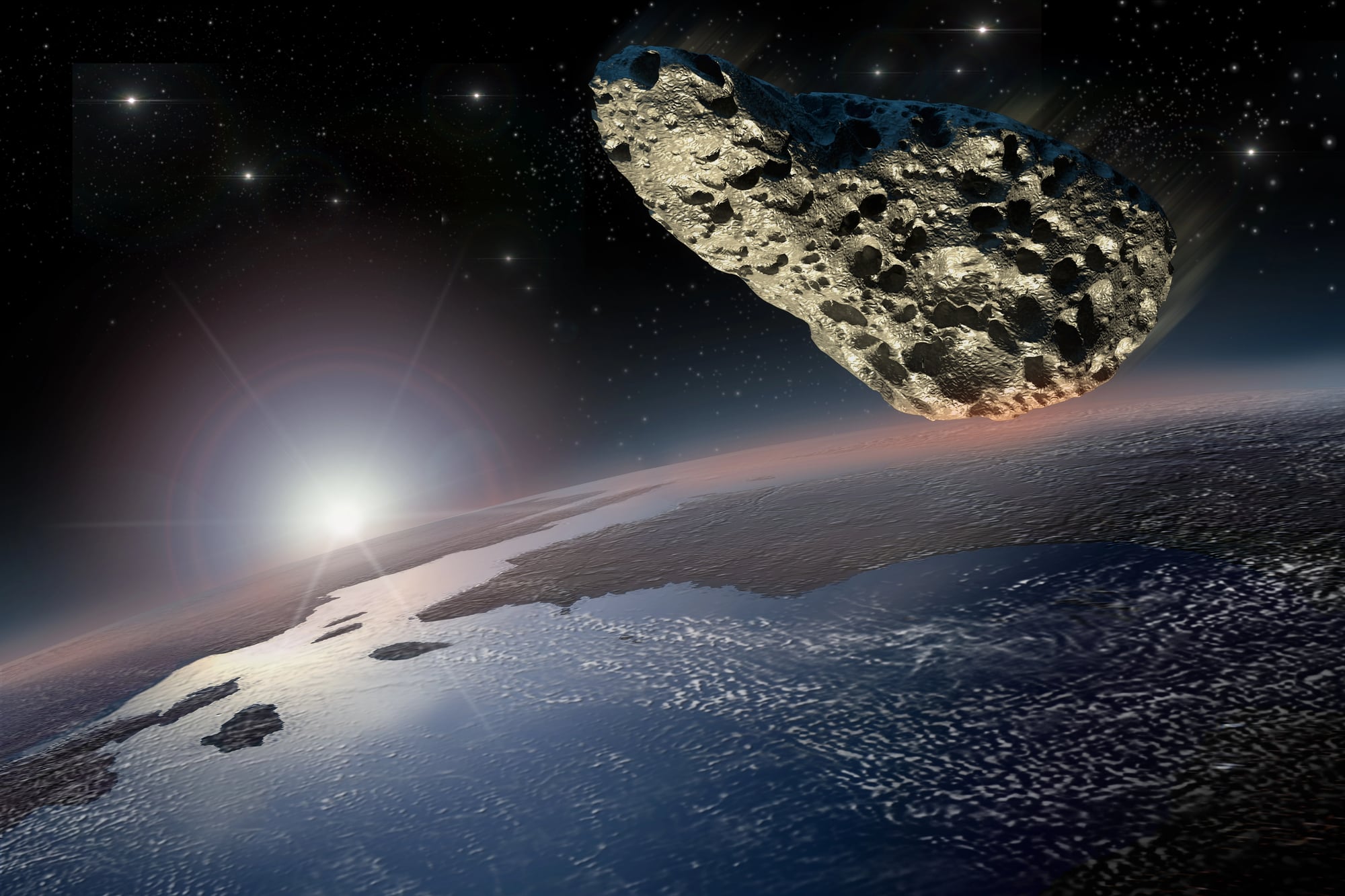
2008 TC3 is one of the most scientifically interesting near-miss cases precisely because it wasn’t a miss. The asteroid — about 13 feet wide — was detected 19 hours before it struck the atmosphere over Sudan in October 2008, making it the first time an impacting asteroid was predicted before arrival.
Meteorite fragments were recovered from the Nubian Desert, and the material turned out to be an unusual type not commonly found in existing collections. A short lead time, it turns out, is still enough to learn something.
2021 UA1
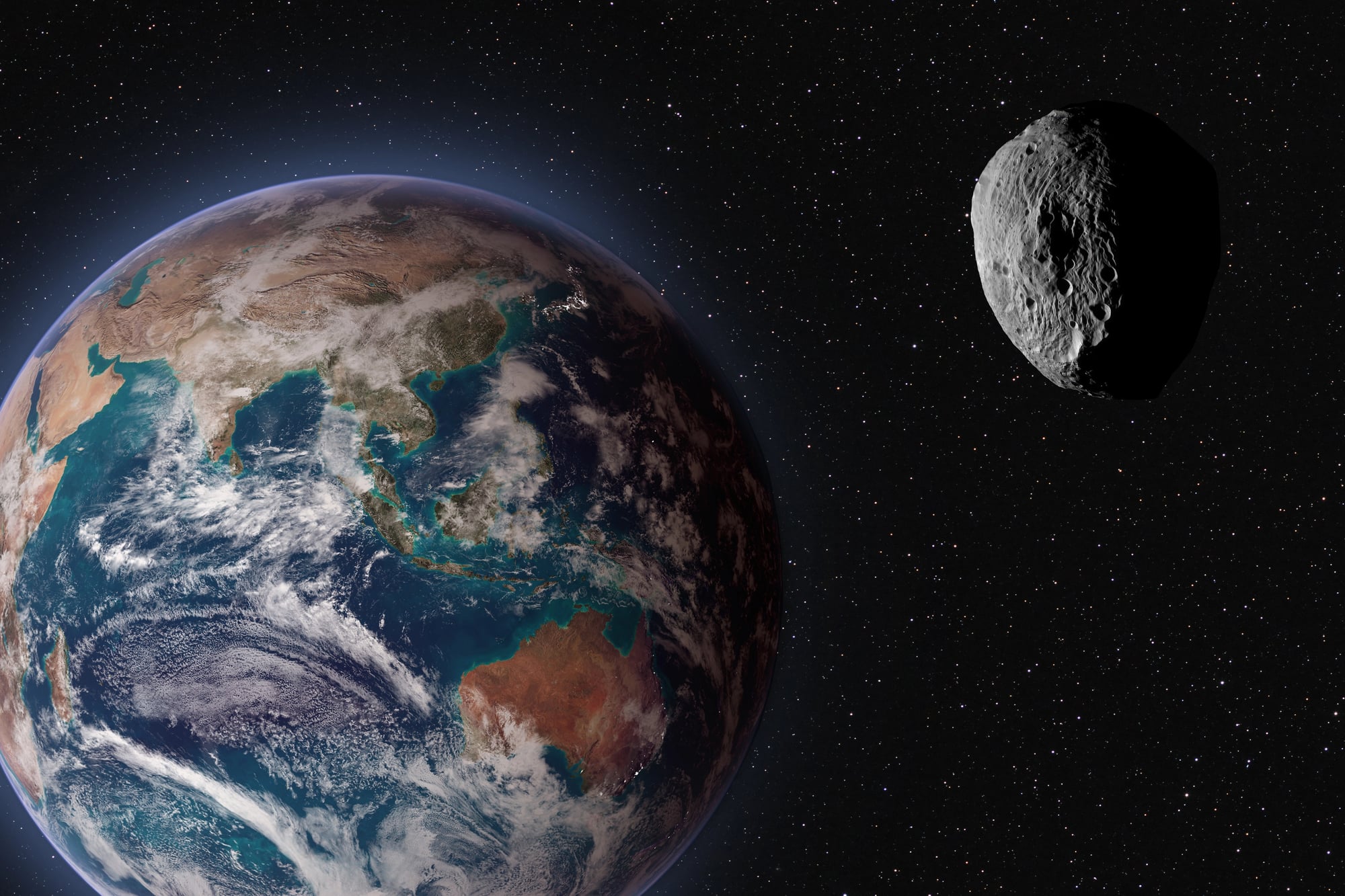
2021 UA1 holds a record nobody was rooting for: it passed closer to Earth than any asteroid ever detected without impacting. The object — estimated between 4 and 8 feet wide — skimmed by at roughly 1,600 miles above Antarctica in October 2021, which is well below the orbit of most satellites.
And like several of the others on this list, it was only spotted after the fact, once orbital data was reviewed and traced backward.
The Silence Between Close Calls
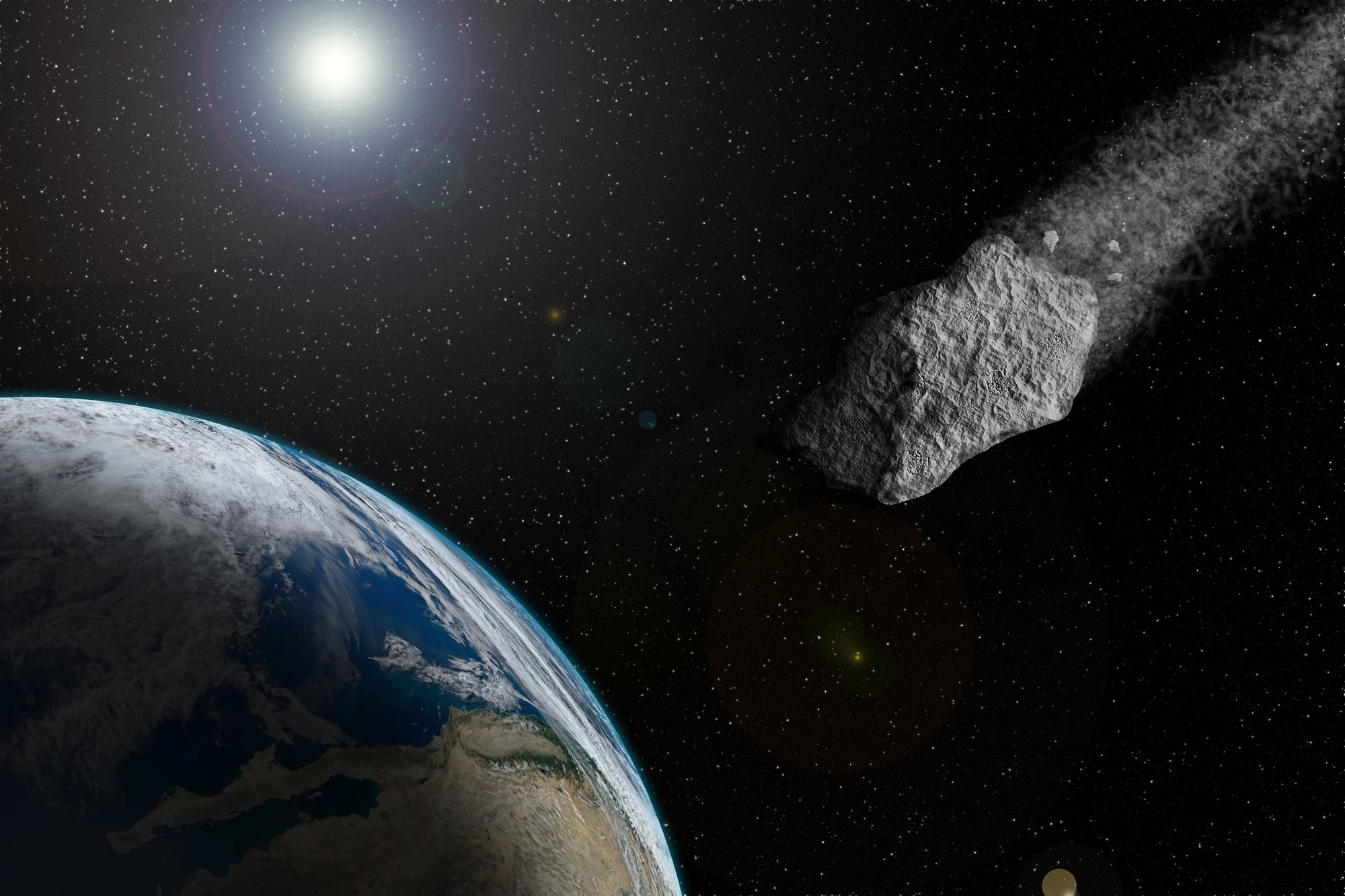
What makes this catalog genuinely unnerving isn’t any single flyby — it’s the pattern underneath all of them, the stubborn gap between how close these objects come and how late they tend to be spotted. Space is indifferent to detection schedules, and rocks don’t wait for telescope coverage to improve before taking their trajectories.
The good news, to the extent there is any, is that planetary defense has become a serious scientific discipline — NASA’s DART mission in 2022 actually altered an asteroid’s orbit on purpose, which is something humanity had never managed before. So there’s progress.
The rocks, for now, keep coming.
More from Go2Tutors!

- The Romanov Crown Jewels and Their Tragic Fate
- 13 Historical Mysteries That Science Still Can’t Solve
- Famous Hoaxes That Fooled the World for Years
- 15 Child Stars with Tragic Adult Lives
- 16 Famous Jewelry Pieces in History
Like Go2Tutors’s content? Follow us on MSN.