Neighborhood Sounds That Disappeared When the ’90S Ended
There’s a particular kind of silence that follows an era. Not the comfortable kind — the kind you only notice once the noise is gone and you realize you hadn’t appreciated it while it was there. The 1990s had a specific acoustic fingerprint: a collection of sounds so ordinary at the time that nobody thought to mourn them.
Then the decade ended, technology accelerated, and neighborhoods got quieter in all the wrong ways. Some of these sounds vanished overnight. Others faded so gradually you didn’t catch their exit. Either way, they’re gone — and the neighborhoods they came from feel different without them.
The Dial-Up Modem Screech
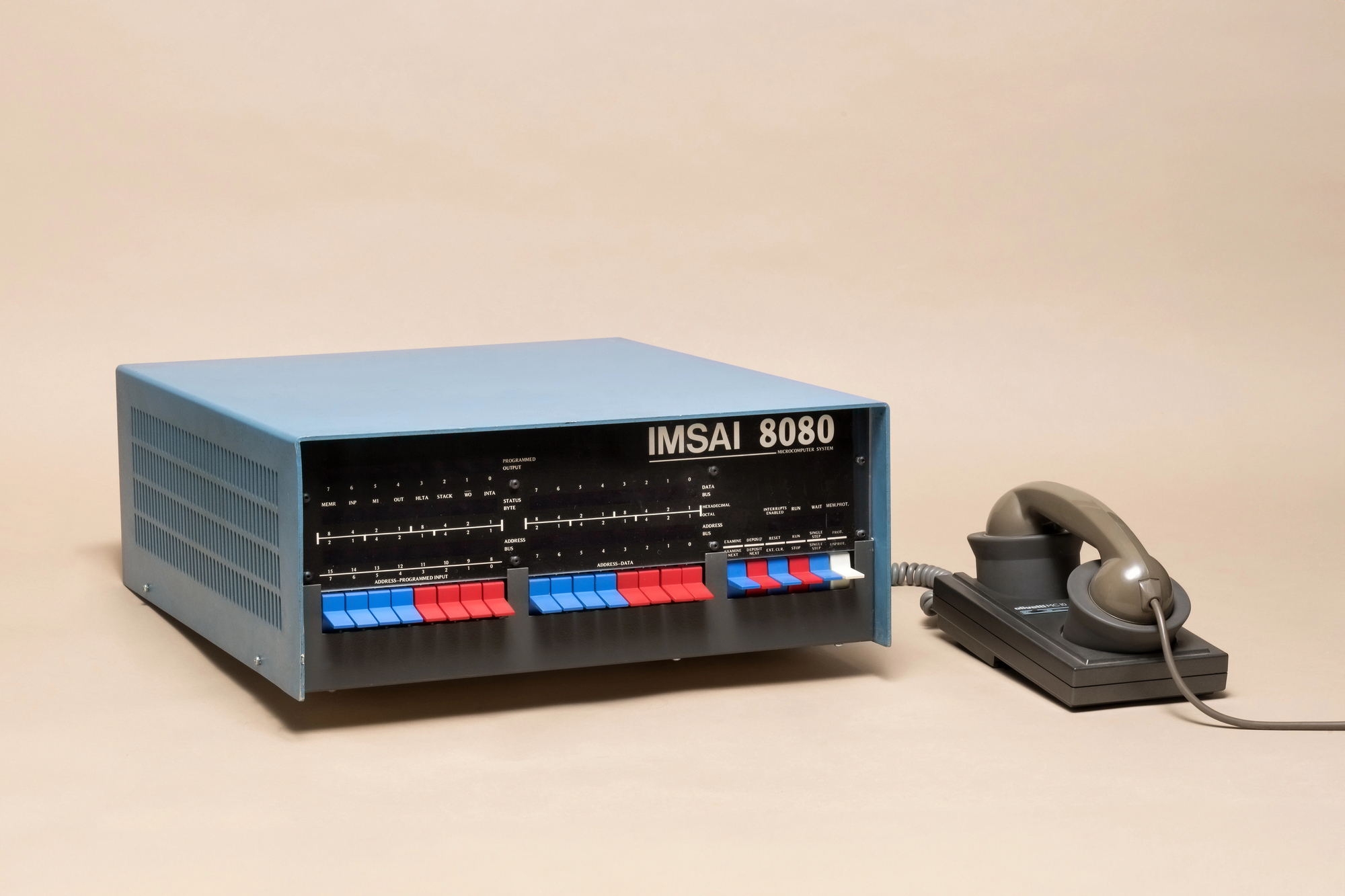
It sounded like two machines arguing in a language nobody taught them. That sequence of tones — the handshake, the static burst, the negotiation — came from every house on the block at some point, usually late in the evening when parents weren’t watching the phone bill closely.
Broadband killed it quickly, and quietly, sometime around 2001, which is saying something for a sound that was never quiet.
The Ice Cream Truck Jingle
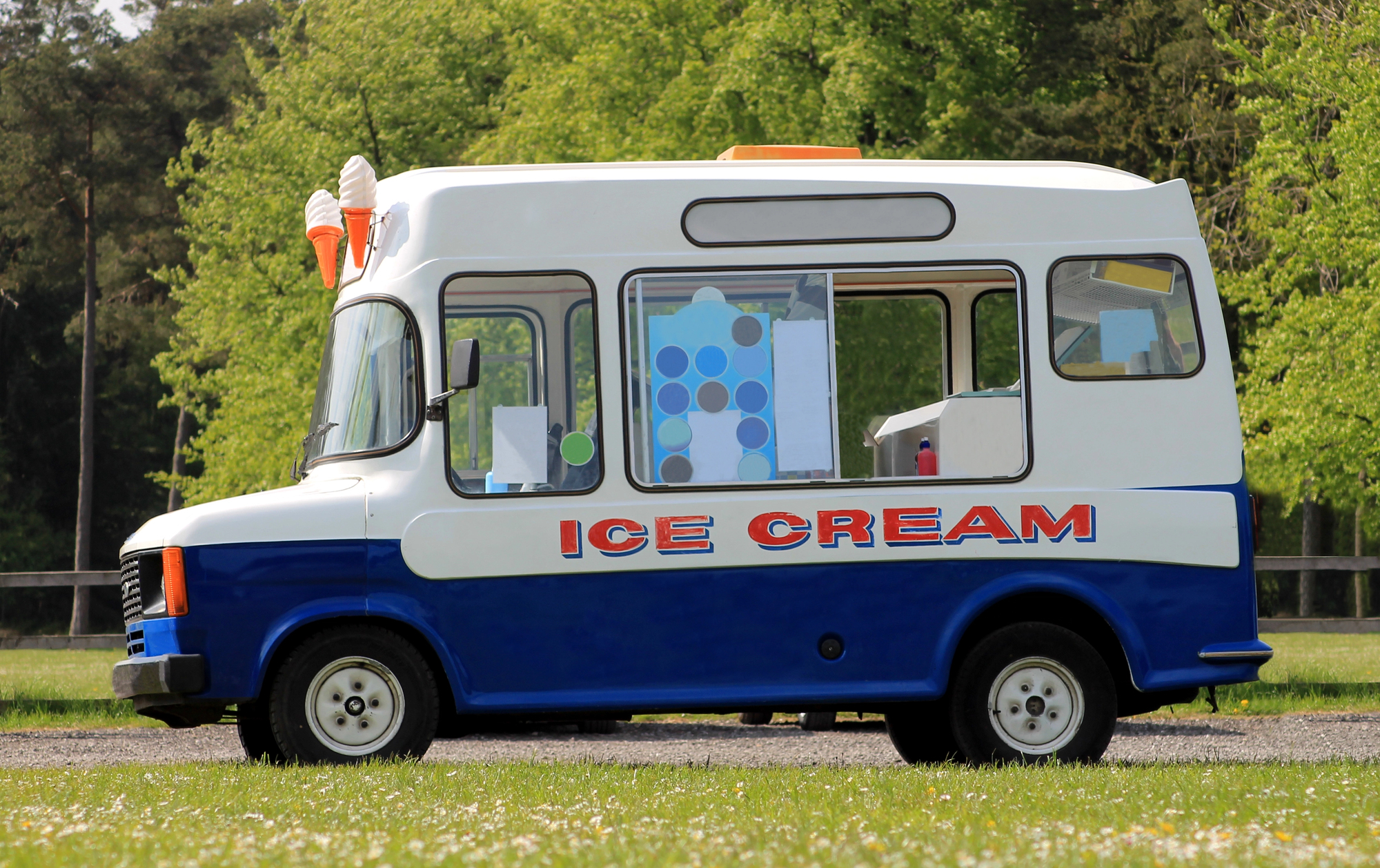
The ice cream truck was a neighborhood alarm clock nobody set. That looping melody — usually a tinny, slightly off-tempo rendition of “The Entertainer” or “Turkey in the Straw” — carried three or four blocks in every direction, which was exactly enough time to find a dollar and make it to the curb.
Trucks still exist in some cities, but the density of their routes in the ’90s gave suburban summers a particular sonic texture that’s genuinely hard to recreate.
Saturday Morning Cartoon Static

Before cable boxes and on-demand streaming, Saturday mornings had a sound: the low hiss of a television warming up, followed by the distinct audio quality of VHF broadcast — slightly compressed, slightly thin, with commercials that were louder than the programming. It was a ritual with a soundtrack.
And when the cartoon block ended and the infomercials started, the static shift told you the morning was officially over.
The Lawn Mower Chorus

Lawn mowing was a weekend institution in the 1990s, and neighborhoods had an unspoken choreography — one person started, and within the hour, four or five more had followed. Gas-powered push mowers from that era had a particular pitch: high and buzzing at idle, dropping lower under load, the engine complaining slightly on every uphill patch.
It wasn’t quiet, but it was communal in a way that battery-powered mowers, for all their courtesy, simply aren’t.
Rewind Machines At The Video Store
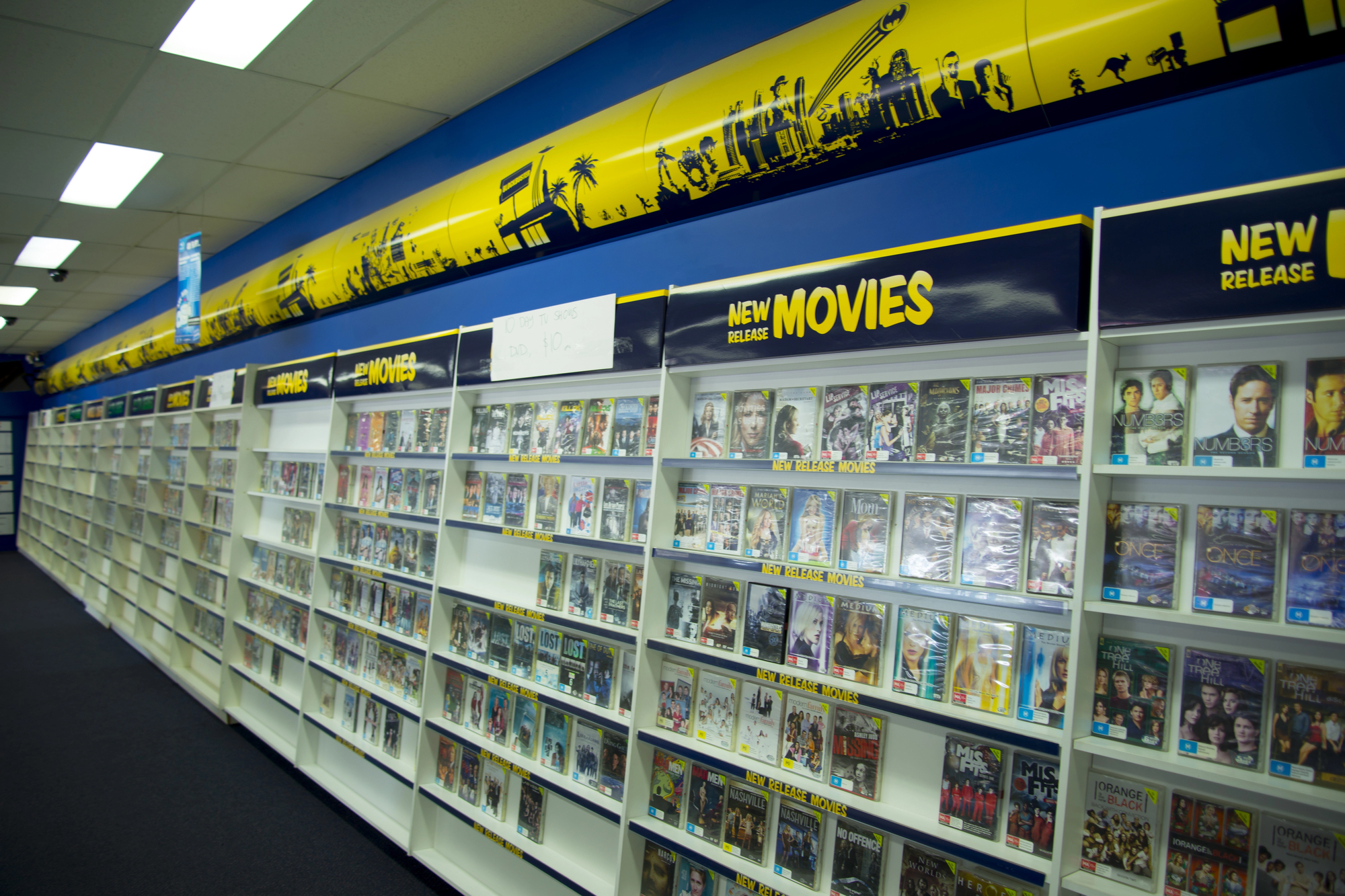
The video rental store had its own ambient sound ecosystem. Underneath the hum of fluorescent lights and the shuffle of VHS cases, there was always a rewind machine — or four — running somewhere behind the counter, that mechanical whirring-and-clicking sound of tape spooling back at speed, occasionally interrupted by the thunk of a completed rewind and the clerk reaching for the next one.
Be Kind, Rewind wasn’t just a slogan; it was a constant background percussion.
Answering Machine Beeps
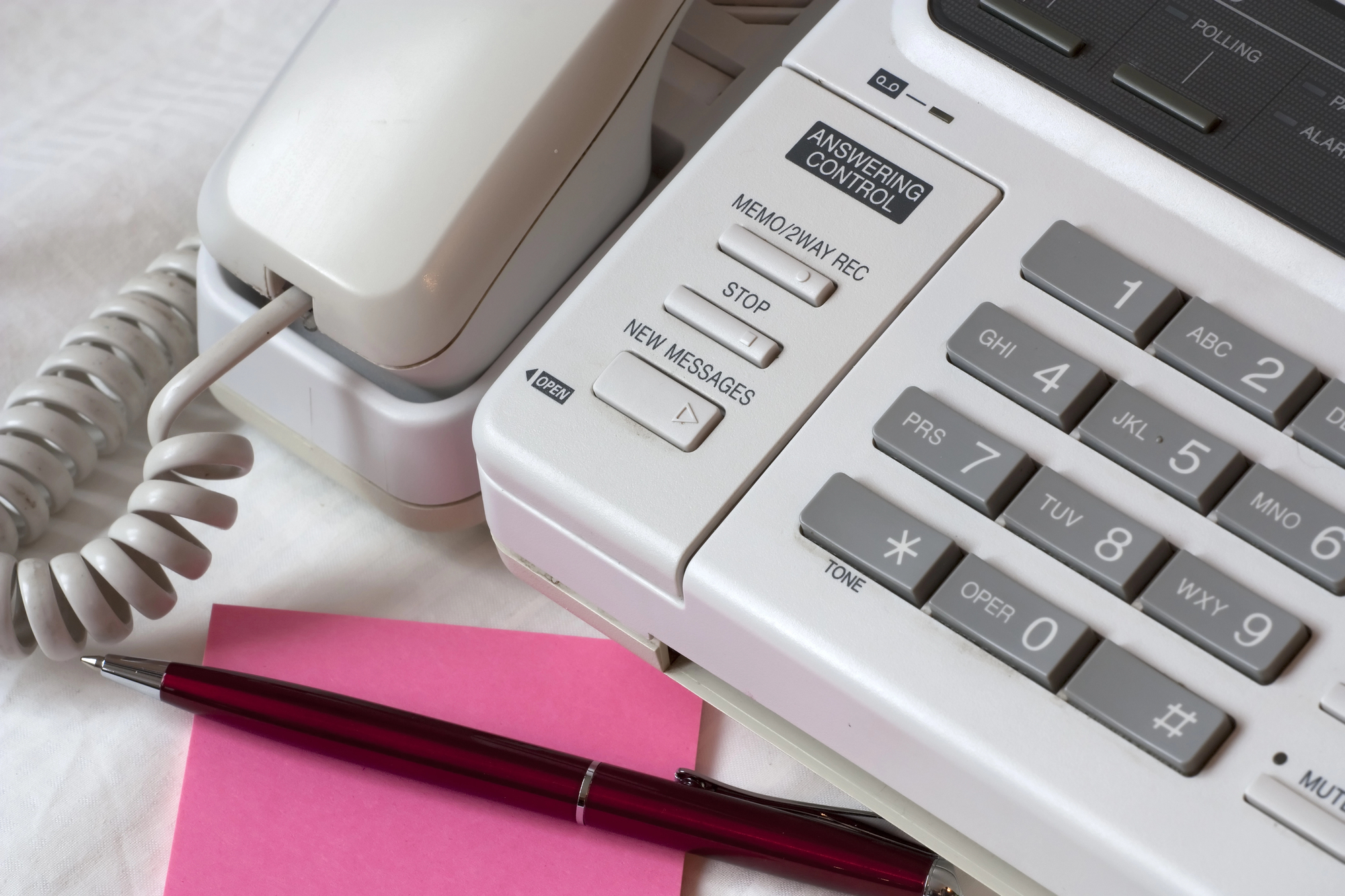
The answering machine beep had genuine cultural weight. Long, single tone — then silence — then whatever the caller had decided to say into an empty room while imagining your face.
Screening calls meant sitting near the machine and listening in real time, which gave the device a strange intimacy: the whole household heard everything, and everybody in earshot had an opinion. Voicemail digitized the process and stripped out that living-room theater entirely.
The Telephone Busy Signal

The busy signal is one of the most completely vanished sounds of the modern era. That rapid double-beep — repeating, unapologetic, telling you to try again later — required patience the current decade simply doesn’t have tolerance for.
Call waiting helped, but households with one phone line and a teenager who discovered the internet produced busy signals that lasted hours. Neighbors knew. The sound carried through walls when windows were open.
Kids Playing Outside Until Dark

This one isn’t a single sound — it’s a layer of them. Basketballs on asphalt. Jump rope slapping pavement. The percussion of a dozen kids on bikes navigating a cul-de-sac. Screen doors banging as someone ran inside for water.
The particular echoing quality of children’s voices in the hour before dinner, when the light goes amber and the sound seems to carry farther than it should. Neighborhoods used to generate this noise automatically, the way weather generates wind.
The Nightly News Theme
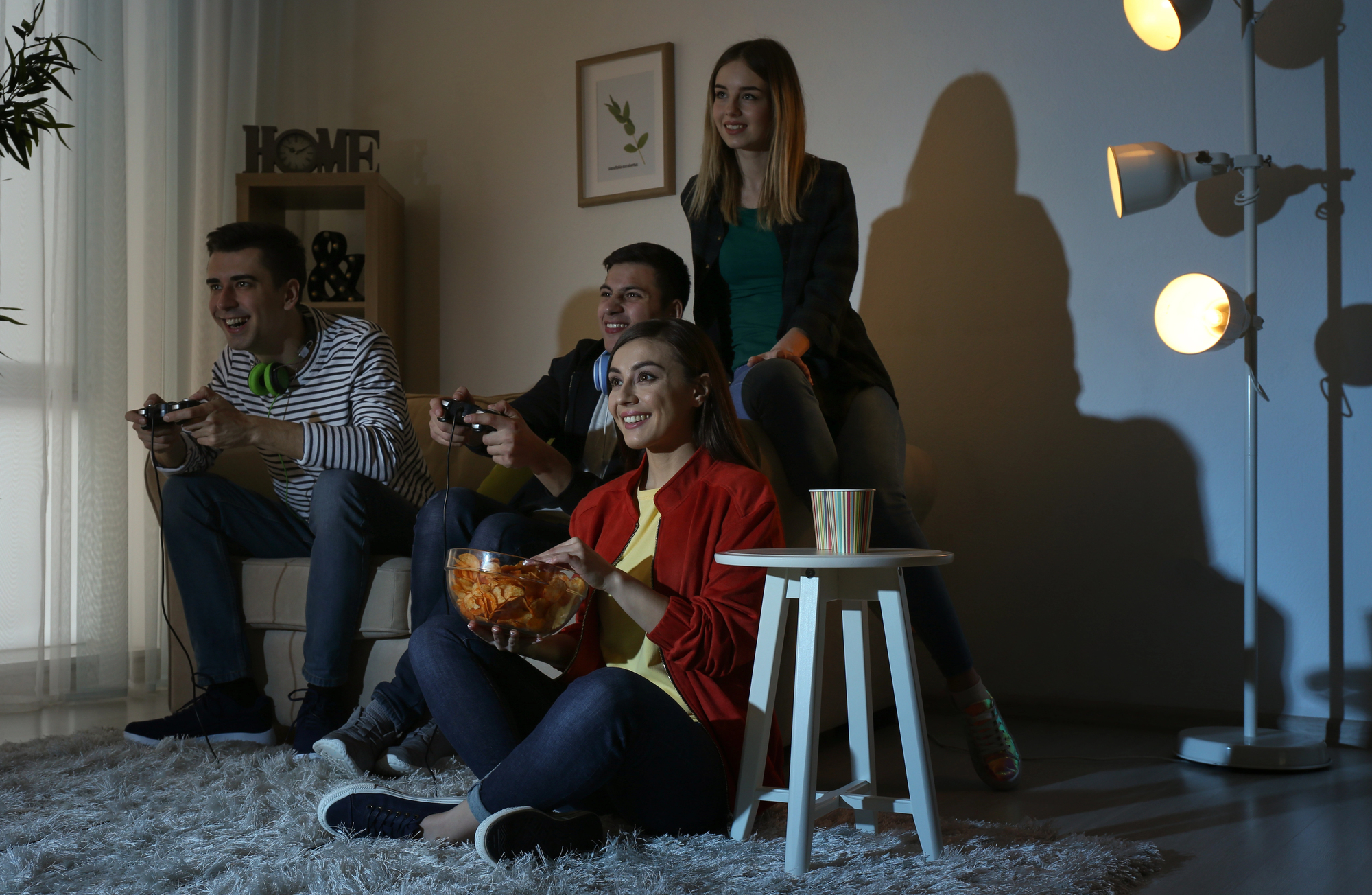
At six o’clock and again at ten, the same brass-and-timpani theme music emanated from living rooms up and down most streets in America. It wasn’t identical from house to house — ABC, NBC, CBS, and local affiliates each had their own variation — but the genre was unmistakable.
The sound was a neighborhood clock. When you heard it through an open window in summer, you knew exactly what time it was without looking.
Church Bells On Sunday Morning
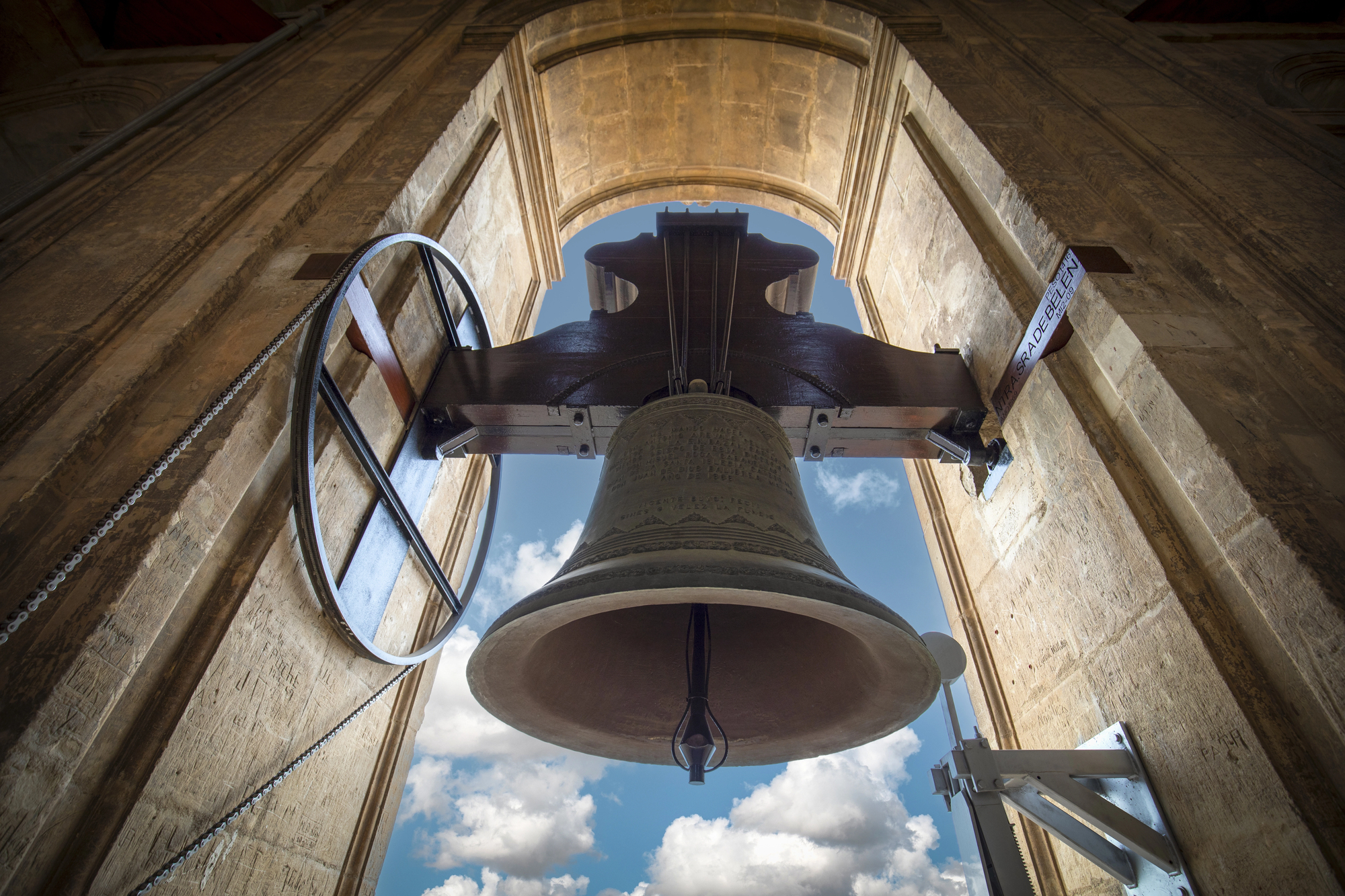
Church bells didn’t vanish in 2000, exactly, but their role in neighborhood acoustics changed — because the neighborhoods around them changed. Dense residential blocks gave way to car-dependent suburbs where a church might sit miles from the nearest house.
The bells still ring in older city neighborhoods, but the experience of lying in bed on a Sunday morning and hearing them drift through a cracked window, across actual foot-traffic streets, is largely specific to a certain density of living that the ’90s still had enough of.
Sprinklers At 5 A.M.
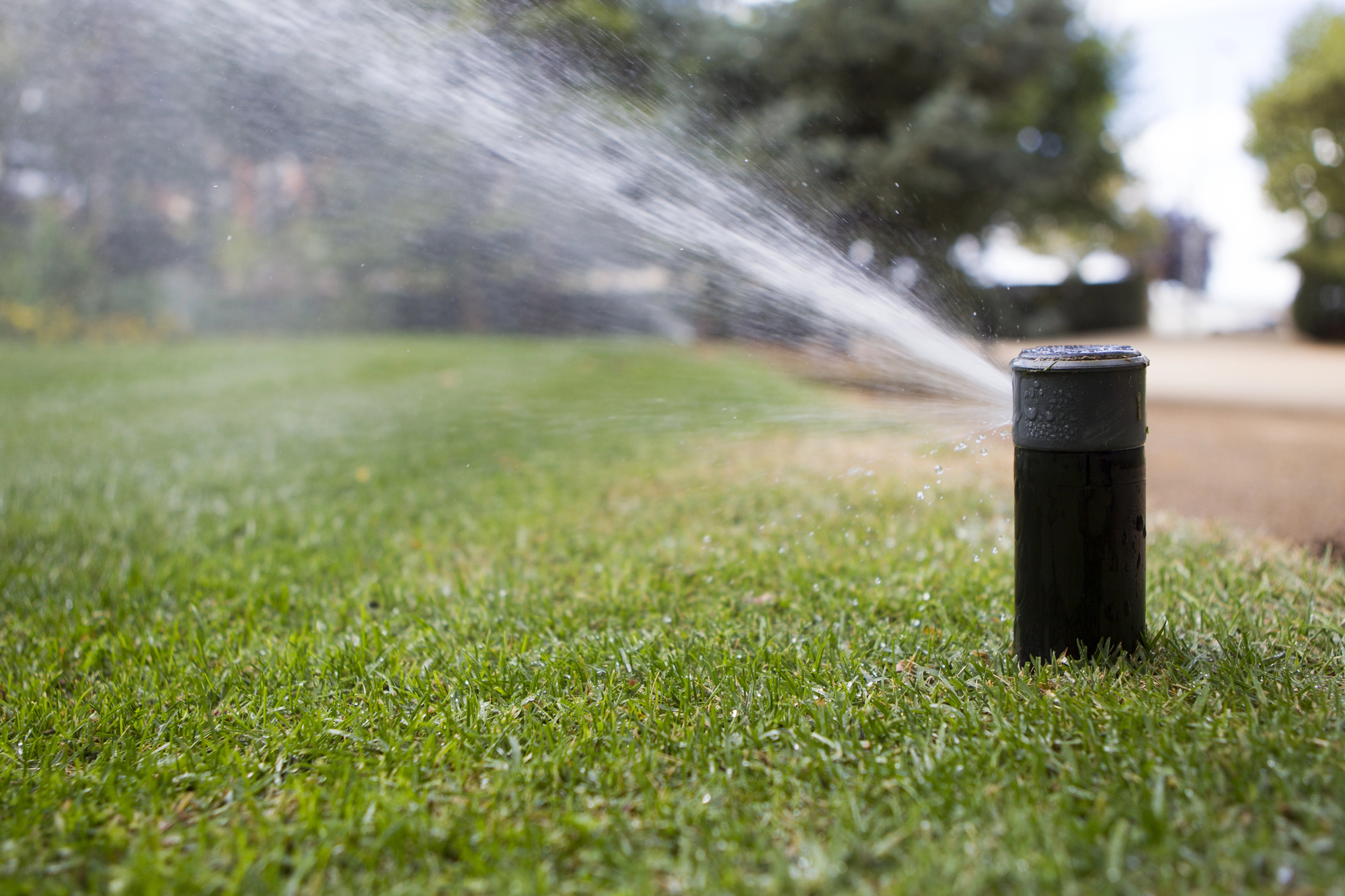
Mechanical irrigation timers from that era had a specific startup sequence: a pressurized hiss, then the tick-tick-tick of the rotating head finding its rhythm, then the sustained shushing of water on grass. They ran in the pre-dawn hours because that’s when water was cheapest and evaporation was lowest, and in dense neighborhoods they overlapped — one yard triggering its cycle while another was finishing, so the sound moved down the block like a wave.
Drip systems replaced most of them. Drip systems make no sound worth noticing.
Pagers Going Off In Public
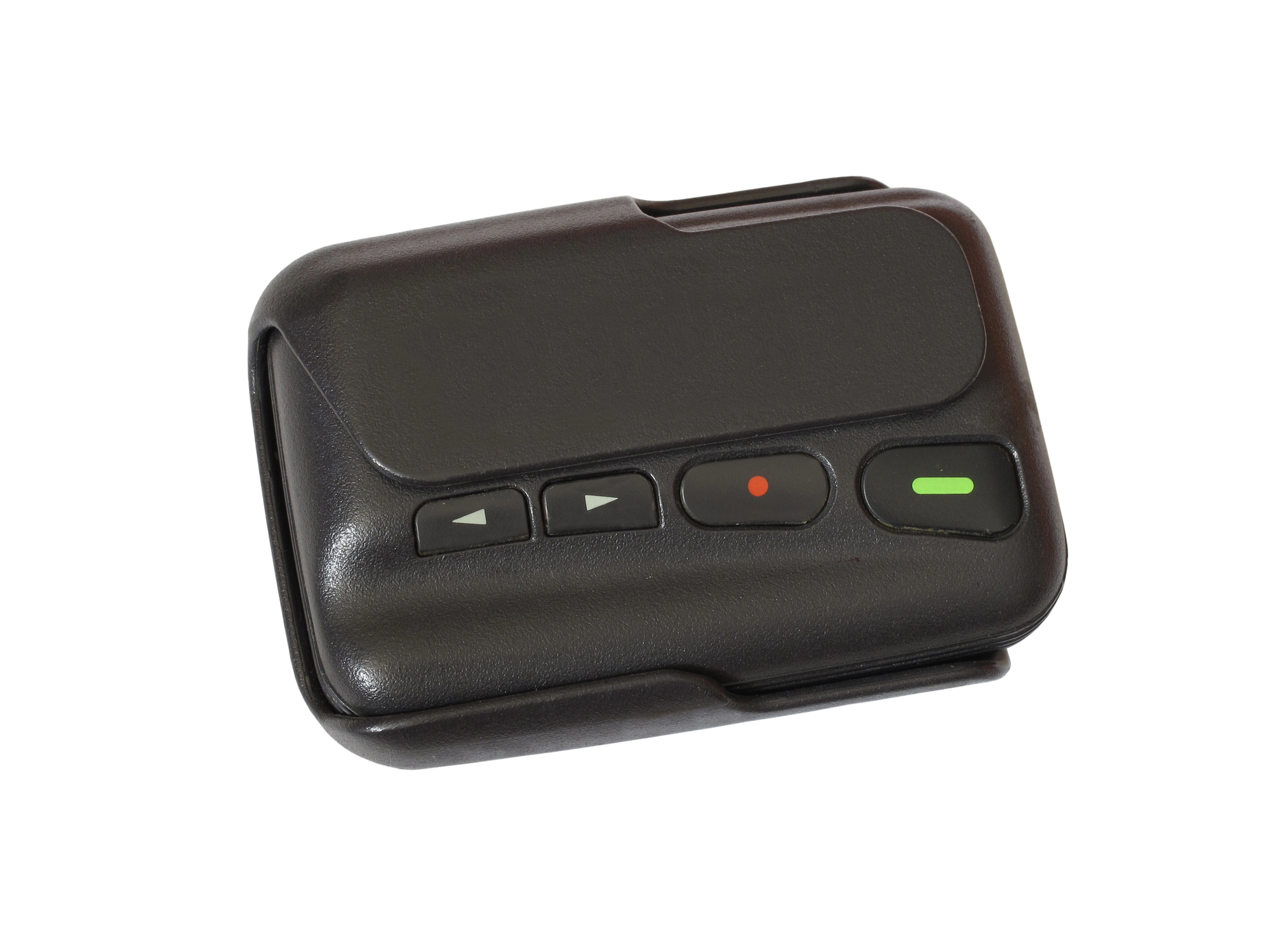
The pager beep — that sharp, persistent electronic tone — was a kind of status indicator in the mid-to-late ’90s. It beeped at restaurants, on sidewalks, in libraries, in classrooms where they were banned. The sound itself was thin and insistent, designed to cut through ambient noise, which it did without apology.
Cell phones absorbed the function entirely by 2000, but for a brief period the neighborhood soundscape included this small digital urgency going off at random, from someone’s belt clip, about once every ten minutes.
The School Bell
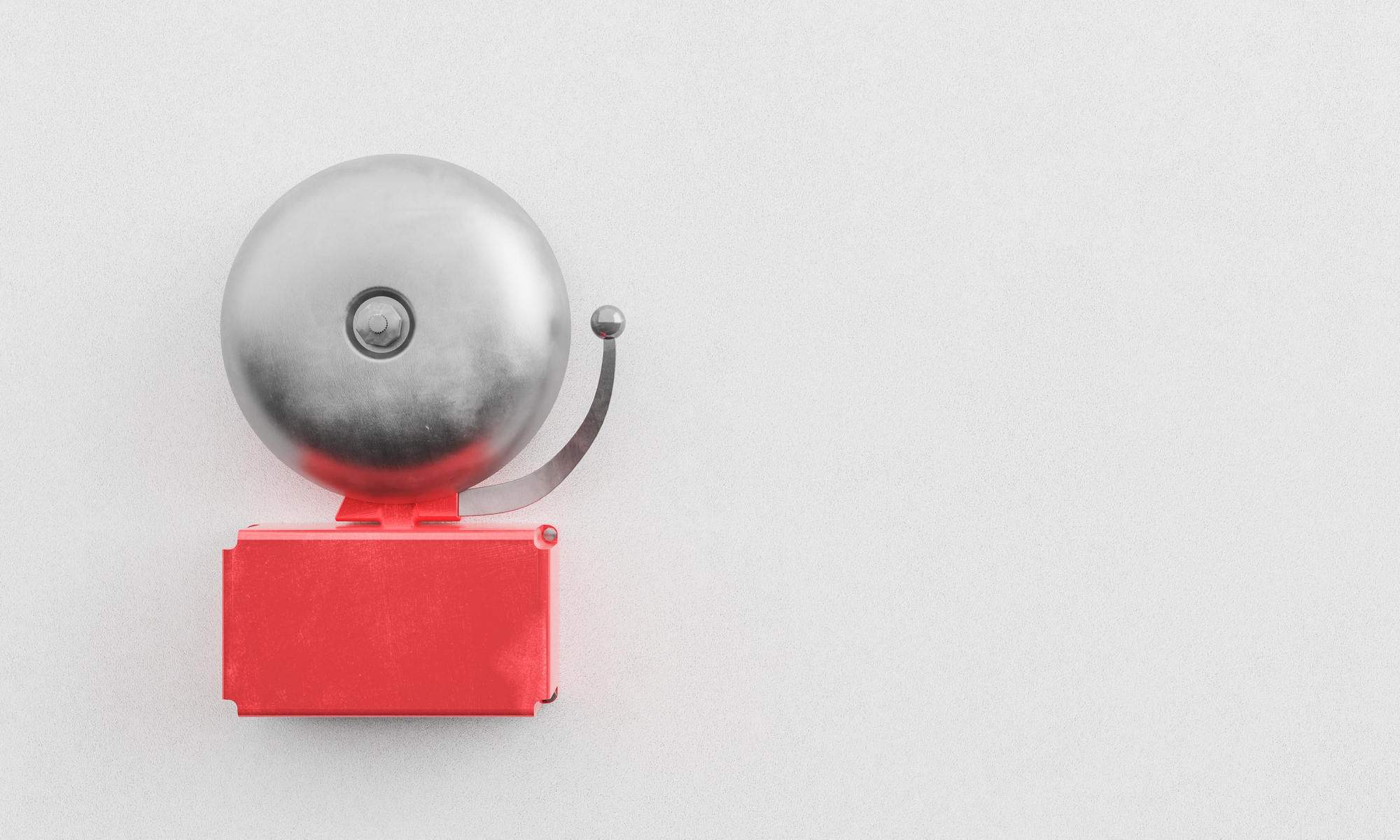
Not the electronic tone that replaced it — the actual bell. The mechanical, slightly irregular clang of a metal striker hitting a dome, which carried differently than its digital successor and somehow communicated more. Schools that still had manual bells in the early ’90s produced a sound with resonance and decay — the note hung in the air for a moment before fading.
The electronic replacement communicates the same information and none of the same feeling.
A Neighbor’s Screen Door
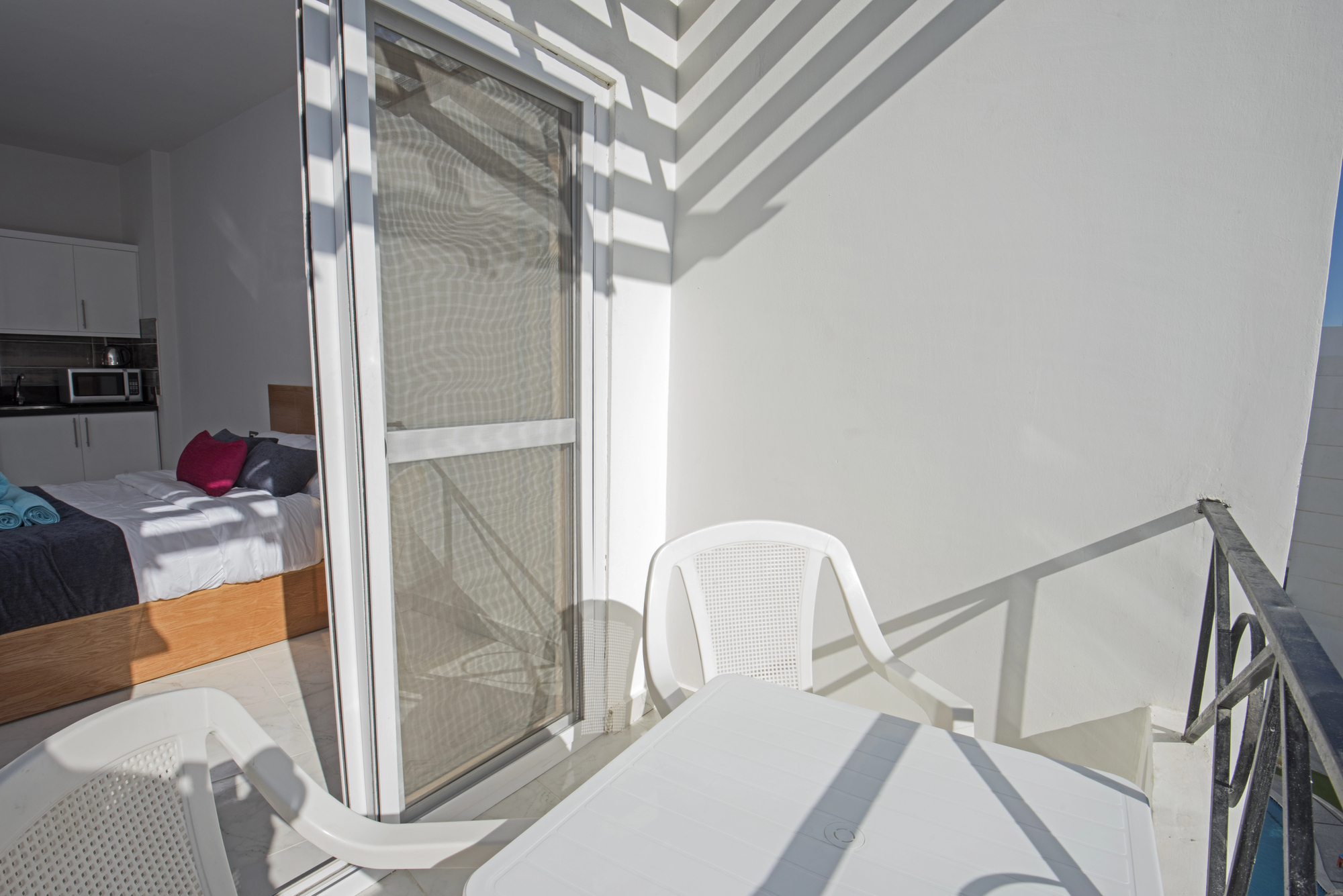
The sound of a screen door — spring-loaded, aluminum-framed, with that particular two-part percussion of the door hitting the frame and the spring snapping back — was so routine in ’90s neighborhoods that it registered as white noise. It meant someone was coming or going. It meant activity. It meant the house was occupied and the afternoon was progressing.
Solid-core exterior doors with pneumatic closers make no such announcement. Neighborhoods got more private when the screen doors came down.
The Newspaper Landing On The Porch
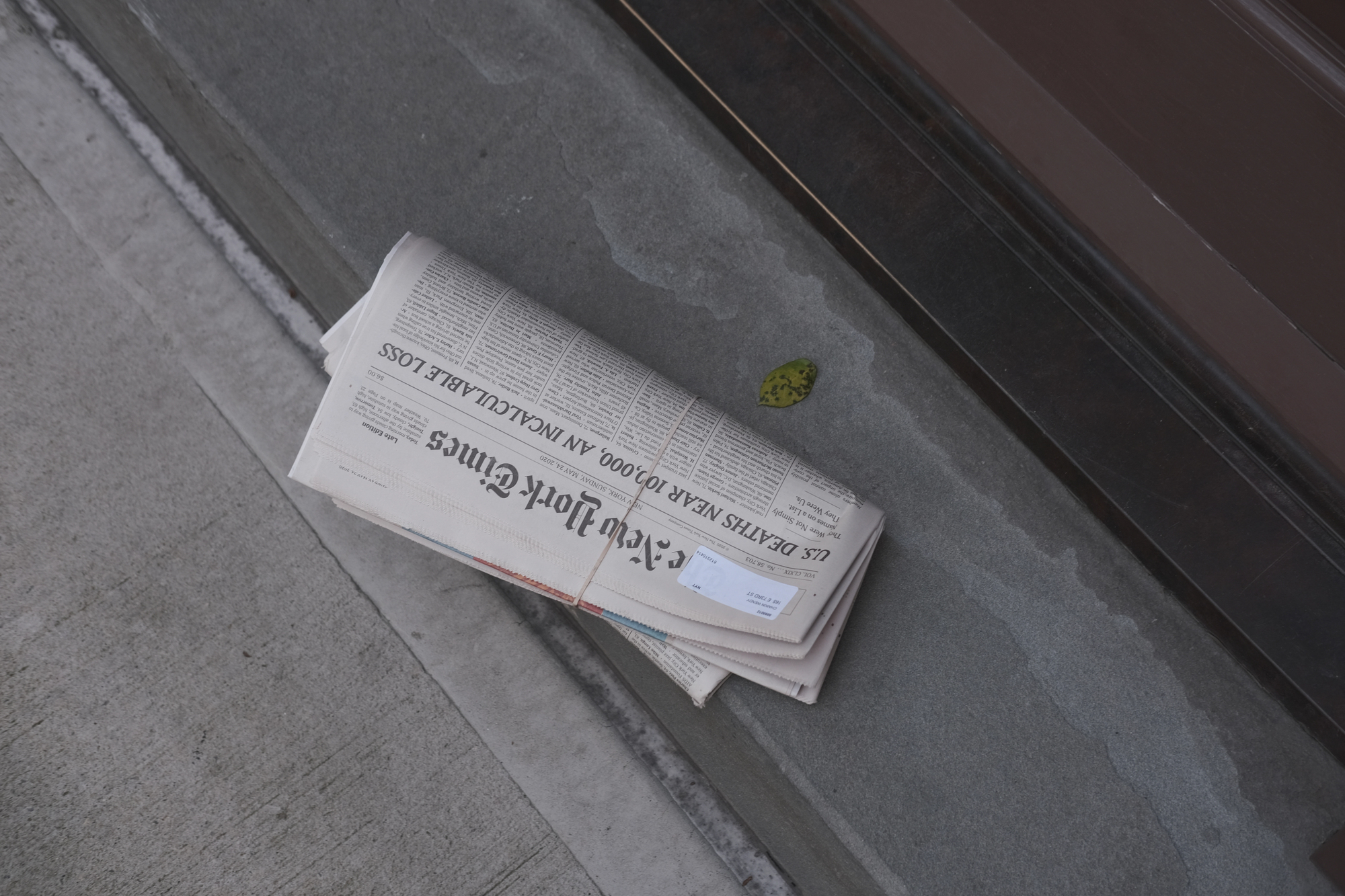
Early morning had its own sound geography, and the thud of a newspaper hitting a porch or driveway was part of it. In denser neighborhoods, you could hear the delivery car moving down the block — engine idling, the soft whump of each paper thrown from a moving window, the car accelerating to the next house.
It was a neighborhood-wide event that happened simultaneously and identically every morning, a kind of distributed percussion at 5:30 a.m. that announced the day had officially started, whether you were ready for it or not.
The Sound Of One Era Exhaling
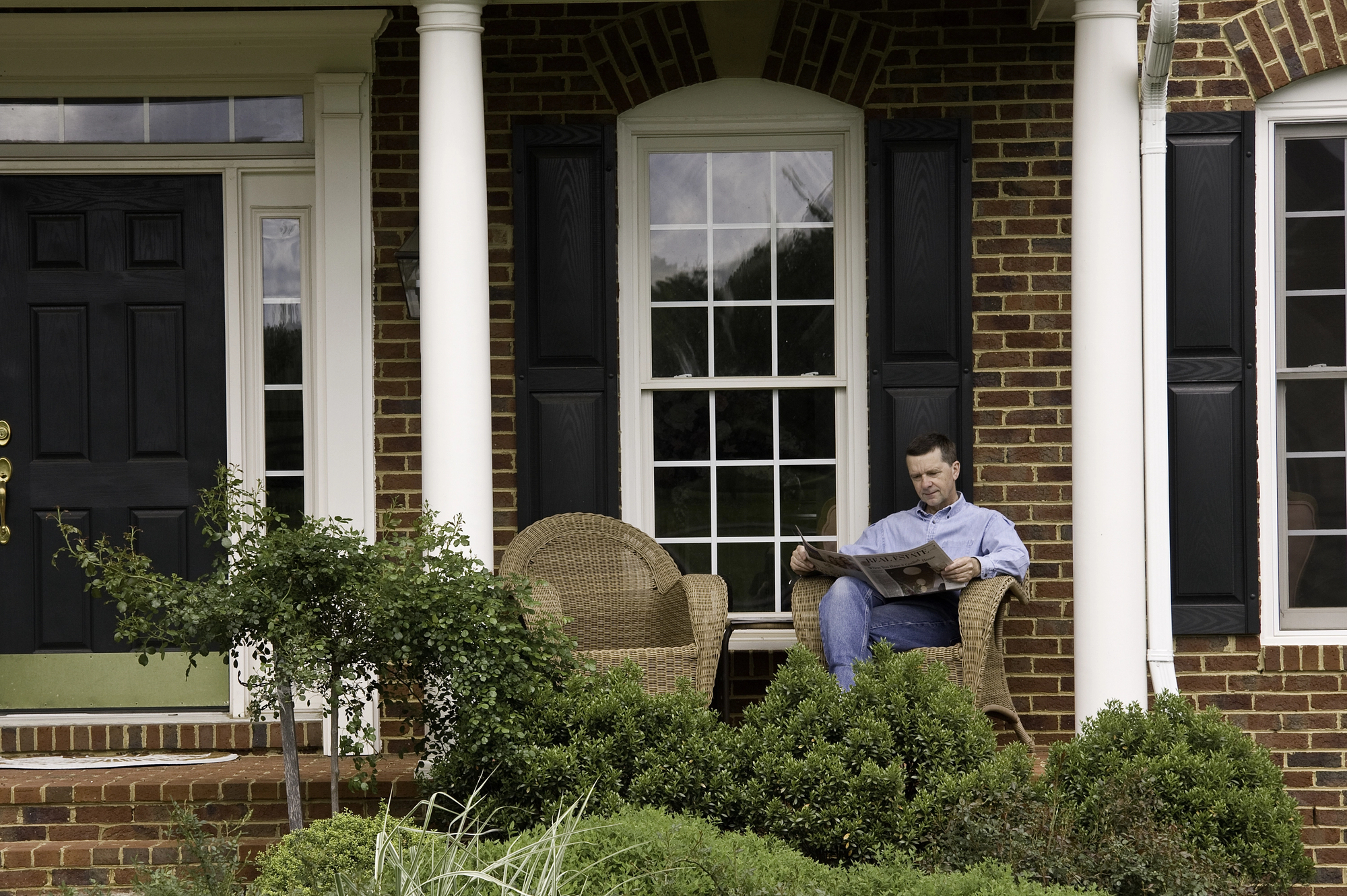
Sound is time, more than almost anything else. A photograph shows you where someone stood; an audio recording tells you when they lived. The ’90s had a specific sonic texture — mechanical, communal, slightly imprecise — that reflected a moment when technology was present but not yet dominant, when neighborhoods still generated noise organically because people were actually outside generating it.
What replaced those sounds isn’t silence, exactly. It’s a different kind of noise: smoother, more private, arriving through earbuds rather than through open windows. And something in the swap feels like a loss worth naming, even if the decade itself wasn’t always worth romanticizing.
More from Go2Tutors!

- The Romanov Crown Jewels and Their Tragic Fate
- 13 Historical Mysteries That Science Still Can’t Solve
- Famous Hoaxes That Fooled the World for Years
- 15 Child Stars with Tragic Adult Lives
- 16 Famous Jewelry Pieces in History
Like Go2Tutors’s content? Follow us on MSN.



