Neighborhoods With Fascinating Cultural Stories
Every city has its famous landmarks and tourist spots, but the real magic lives in the neighborhoods where cultures collide, traditions take root, and history writes itself on street corners. These aren’t just places on a map.
They’re living museums where generations have left their mark through food, music, architecture, and the everyday rhythms of life that outsiders rarely notice. Let’s walk through some of the most culturally rich neighborhoods around the world, where every block tells a different story.
Harlem
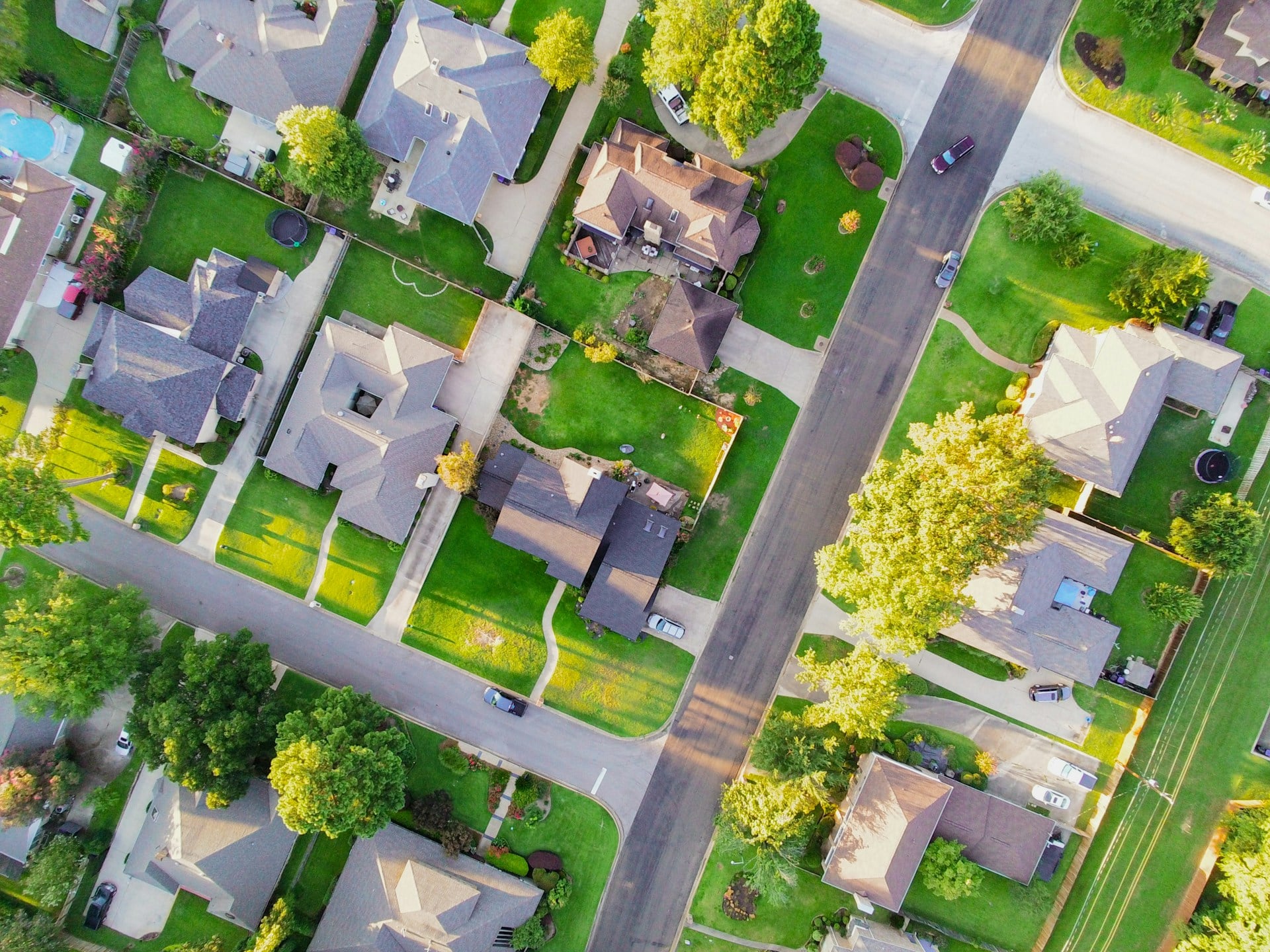
This New York neighborhood became the heartbeat of African American culture during the 1920s and 1930s when artists, musicians, and writers flocked here during the Harlem Renaissance. Jazz legends like Duke Ellington and Count Basie played in clubs that stayed open until sunrise, while poets like Langston Hughes captured the community’s spirit in words that still resonate today.
The Apollo Theater became a launching pad for careers, and Sunday church services turned into musical events that drew crowds from across the city. Today, you can still feel that creative energy on every corner, from the brownstone stoops where neighbors gather to the soul food restaurants that have been feeding families for decades.
Little Haiti
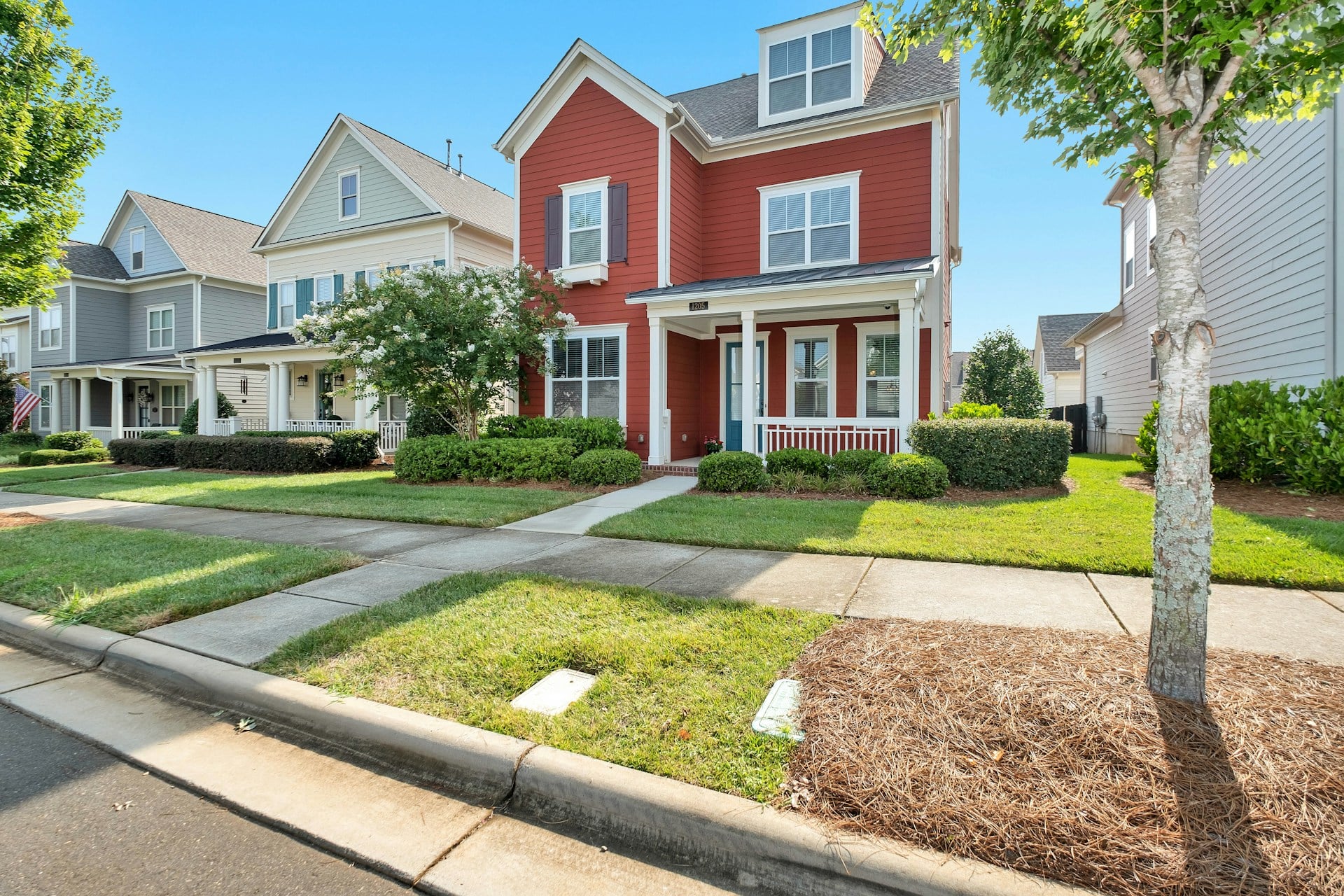
Miami’s Little Haiti started taking shape in the 1970s when Haitians fled political turmoil and found refuge in this once declining neighborhood. Creole replaced English as the dominant language on the streets, and botanicas selling herbs and spiritual items opened alongside restaurants serving griot and pikliz.
The neighborhood’s walls exploded with colorful murals depicting Haitian history and folklore, turning ordinary buildings into outdoor galleries. Caribbean rhythms pour out of record shops, and the Saturday market feels like stepping onto Port au Prince soil.
Despite facing gentrification pressures, the community fights to preserve its identity through cultural centers and festivals that celebrate Haitian independence and heritage.
Chinatown in San Francisco
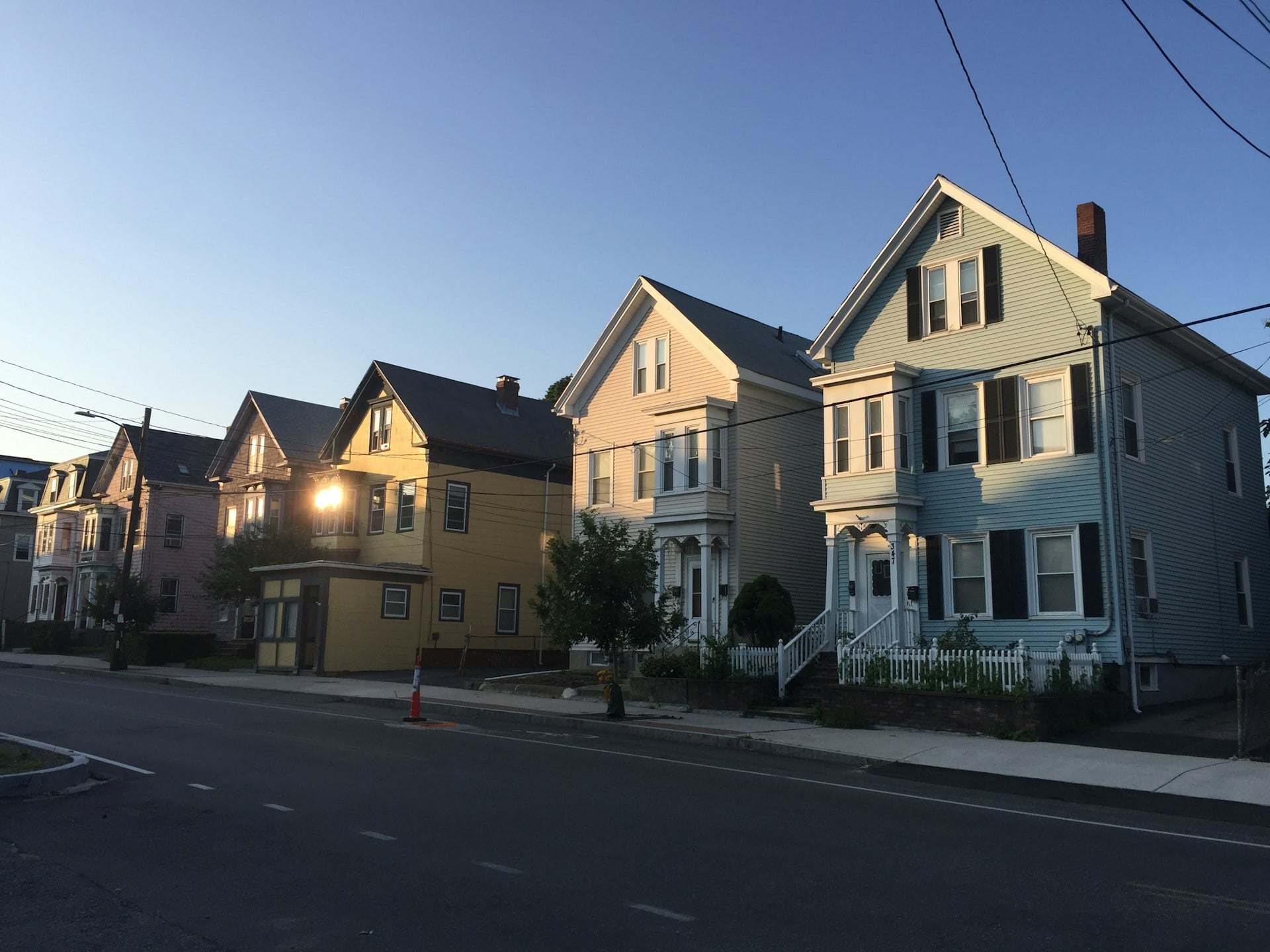
Gold rush miners from Guangdong province established this neighborhood in the 1850s, making it the oldest Chinatown in North America. These immigrants faced discrimination and laws that prevented them from owning property or bringing their families, yet they built a thriving community that became a city within a city.
The neighborhood survived the 1906 earthquake and was rebuilt with pagoda style roofs and dragon wrapped lampposts that tourists now photograph constantly. Beyond the souvenir shops, you’ll find herbalists mixing traditional remedies, temples where incense smoke carries prayers upward, and dim sum parlors where grandmothers still push carts between tables.
The morning tai chi sessions in Portsmouth Square and the mah jongg games in community centers show how traditions adapt without disappearing.
Faubourg Marigny

New Orleans has plenty of famous neighborhoods, but Faubourg Marigny keeps things real just downriver from the French Quarter. Creole plantation owner Bernard de Marigny subdivided his land in the early 1800s and created streets with whimsical names like Desire and Good Children.
The neighborhood became home to free people of color who built colorful Creole cottages with their distinctive architectural style. Frenchmen Street evolved into the locals’ music strip, where brass bands and jazz groups play in intimate venues without the tourist chaos of Bourbon Street.
The community embraces its bohemian vibe while respecting its complicated history, and the annual drag performances during Carnival show how the neighborhood celebrates all forms of self expression.
El Raval
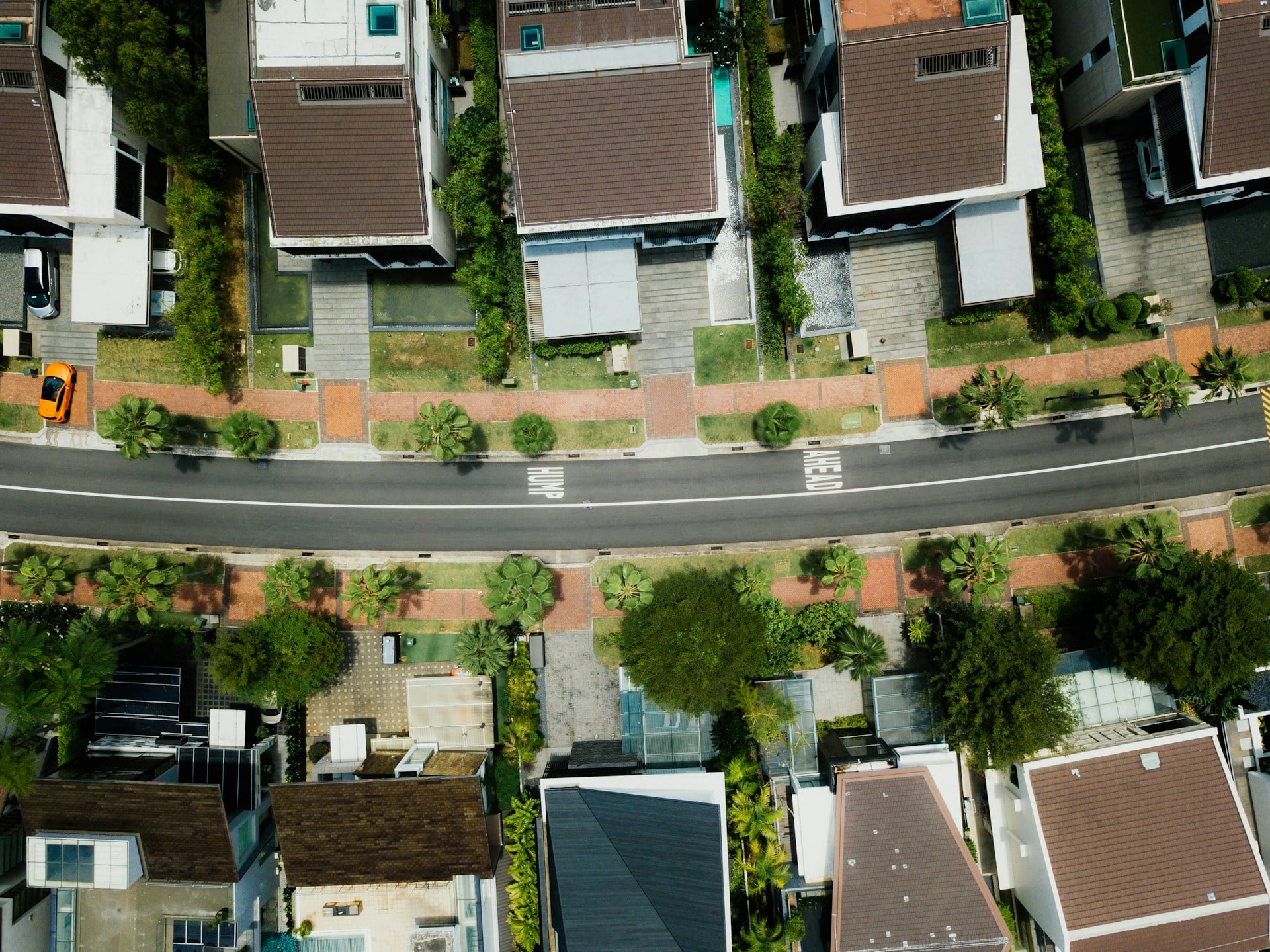
Barcelona’s El Raval was the red light district that polite society avoided for centuries, but waves of immigration have transformed it into the city’s most diverse neighborhood. North African shops selling spices and tea share walls with Pakistani restaurants and Filipino grocery stores.
The medieval streets that once housed brothels now host contemporary art museums and design studios. Filipino families gather in Plaça Vicenç Martorell on Sundays after church, turning the square into an impromptu community center with food and music.
The neighborhood’s reputation has shifted from dangerous to cutting edge, though longtime residents worry about rising rents pushing out the immigrants who gave El Raval its current character.
Brixton

South London’s Brixton became synonymous with Caribbean culture after the Empire Windrush brought Jamaican immigrants to Britain in 1948. These newcomers faced hostile landlords and No Irish, No Blacks, No Dogs signs, but they built a community anyway.
The covered market became an institution where you could buy plantains, scotch bonnet peppers, and fresh fish while reggae played overhead. Brixton Academy hosted legendary concerts, and the neighborhood’s pirate radio stations spread reggae and dub across London.
The 1981 riots put Brixton in headlines for confrontations between police and Black youth, highlighting tensions that simmered beneath the surface. Now the neighborhood grapples with its success as trendy bars and restaurants move in, threatening to erase the very culture that made Brixton cool.
The Mission District

San Francisco’s Mission District carries over 200 years of Latino heritage, starting with the Spanish mission that gave the area its name. Mexican immigrants arrived throughout the 20th century, and Central Americans fleeing civil wars in the 1980s added new layers to the cultural mix.
The neighborhood became famous for its murals, with Balmy Alley transforming into an outdoor gallery where artists protested wars and celebrated indigenous roots. Taquerias and pupuserias line the streets, and the annual Carnaval parade brings Brazilian samba dancers alongside Aztec performers.
Tech workers moving into the area have sparked fierce debates about displacement, with longtime residents fighting to preserve affordability and cultural spaces that define Mission life.
Kreuzberg

Berlin’s Kreuzberg was literally on the edge before the wall fell, making it cheap enough for Turkish guest workers to settle in the 1960s and 1970s. The neighborhood became known as Little Istanbul, with döner kebab shops, mosques, and Turkish grocery stores transforming the streetscape.
Punk rockers and anarchists also claimed Kreuzberg as their own, creating a strange mix of conservative Muslim families and radical squatters. The annual May Day riots became a tradition that drew international attention, though they’ve mellowed considerably over the years.
Today, the neighborhood balances its Turkish roots with new arrivals from Syria and Afghanistan, while hipster cafes and clubs test the limits of coexistence between old and new residents.
Hillbrow
Johannesburg’s Hillbrow was the place to be in the 1970s, with high rise apartments offering modern living and nightlife that attracted the city’s creative class. After apartheid laws relaxed, Black South Africans moved in as white residents fled to the suburbs.
Immigrants from Zimbabwe, Nigeria, and the Democratic Republic of Congo turned Hillbrow into one of Africa’s most densely populated neighborhoods. The towers that once symbolized progress fell into disrepair, but the street life exploded with energy as sidewalk vendors sold everything from vegetables to cellphone chargers.
Music from across the continent blasts from shops, and multiple languages blend into a uniquely urban African sound. The neighborhood has struggled with crime and neglect, but community organizations work to reclaim public spaces and restore pride.
The Marais

Paris’s Marais neighborhood has been home to Jewish families since the 13th century, though the community really took root after Eastern European Jews fled pogroms in the late 1800s. The narrow streets filled with synagogues, kosher butchers, and bakeries selling challah and babka.
World War II devastated the community, but survivors rebuilt and were later joined by North African Jews leaving newly independent Arab nations. The neighborhood also became a center for LGBTQ life in Paris, creating an unusual alliance between religious traditionalists and the gay community.
Falafel shops on Rue des Rosiers draw lines around the block, and the annual Jewish culture festival brings together people who might not otherwise cross paths in modern France.
Getsemaní
Cartagena’s Getsemaní started as the neighborhood where slaves and working class people lived outside the walled colonial city. Revolutionary movements found support here, and the working port kept the area gritty and authentic while tourists stuck to the historic center.
Street vendors called palenqueras, descendants of escaped slaves, have been selling fruit in traditional African style dress for generations. The neighborhood’s walls became canvases for street artists who depicted local heroes and everyday life.
Recent years have brought boutique hotels and rooftop bars that threaten to turn Getsemaní into another gentrified zone. Locals now walk a tightrope between welcoming investment and preserving the community bonds that make the neighborhood special.
Belleville
This Paris neighborhood on a hill overlooking the city became home to waves of immigrants, starting with poor workers in the 19th century. Chinese immigrants from Wenzhou province arrived in the 1980s and built a community distinct from the older Chinatown near Place d’Italie.
North African and West African immigrants also settled here, creating one of the most diverse neighborhoods in Paris. The outdoor market on Boulevard de Belleville sells everything from live snails to African textiles, and the mix of languages heard on the street changes block by block.
Édith Piaf was born here, and street musicians still perform on corners where she might have sung. The park at the top of the hill offers stunning city views that tourists rarely see because they haven’t heard of this neighborhood.
Wynwood
Miami’s Wynwood was a Puerto Rican working class neighborhood and garment district that fell into decay as jobs disappeared. Street artists saw cheap rent and blank walls as an opportunity, and the Wynwood Walls project in 2009 attracted international talent who turned the area into an open air museum.
Galleries, breweries, and restaurants followed the art, and the neighborhood exploded into one of Miami’s hottest destinations. The transformation happened so fast that many Puerto Rican families who lived here for generations couldn’t afford to stay.
The colorful murals that draw thousands of Instagram photos each day now symbolize both creative rebirth and the complicated costs of urban renewal. Food trucks serving arepas park next to craft cocktail bars, showing how old and new Miami collide in the same space.
The Junction

Toronto’s Junction neighborhood in the west end banned alcohol sales for 99 years after a tragic railway accident in 1904 that some blamed on drunk workers. Working class immigrant families moved into modest homes near the rail yards and factories.
Portuguese and Italian families dominated for decades, with social clubs and bakeries serving their communities. The alcohol ban finally ended in 2000, and the neighborhood slowly transformed from forgotten to trendy.
Artists and young families discovered affordable Victorian houses and good transit connections. Antique shops and brunch spots now share streets with longtime butchers and hardware stores.
The neighborhood manages to feel both hip and grounded, with block parties that bring together old Portuguese couples and new parents with strollers.
Southall
West London’s Southall became known as Little Punjab after Indian and Pakistani immigrants settled here following Britain’s 1960s labor shortage. Sikh temples called gurdwaras became community centers that fed anyone who showed up, regardless of religion or background.
The Broadway shopping street transformed into a South Asian bazaar where you could buy gold jewelry, Bollywood DVDs, and every spice imaginable. The neighborhood maintained strong ties to Punjab, with families sending money back home and returning for weddings.
Southall’s resistance to assimilation frustrated British politicians but created something unique in Europe. Today, second and third generation residents balance their parents’ traditions with British life, creating a hybrid culture that belongs fully to neither India nor Britain.
Exarcheia
Athens’ Exarcheia neighborhood has been the center of anarchist and leftist movements since students here protested against Greece’s military dictatorship in the 1970s. Police killing of a teenage boy in 2008 sparked riots that started in this neighborhood and spread across Greece.
The streets are covered with political graffiti and posters announcing demonstrations. Squatted buildings house refugees and activists who reject government authority.
Cafes and bookstores become planning centers for the next protest or direct action. The neighborhood operates partly outside normal Greek society, with community assemblies making decisions and volunteer groups providing services the state has abandoned.
Recent government crackdowns have tested Exarcheia’s autonomy, but residents continue defending their vision of how a neighborhood should work.
Shimokitazawa

Tokyo’s Shimokitazawa survived World War II bombing and remained a low rise neighborhood of narrow streets while the rest of the city built upward. The area became a haven for theater groups, musicians, and vintage clothing shops that attracted young people looking for alternatives to mainstream Japanese culture.
Curry restaurants and standing bars pack into tiny spaces, and the used record stores draw collectors searching for rare pressings. The neighborhood resisted a major redevelopment plan for years, with residents arguing that Shimokitazawa’s charm came from its messy, unplanned character.
A new train station and wider roads have arrived anyway, but the community spirit remains strong. Weekend mornings bring crowds to the outdoor market where vendors sell handmade crafts and organic vegetables.
Where stories live
These neighborhoods prove that culture isn’t something preserved in museums or performed for tourists. It happens in daily life when people from different backgrounds share space and create something new together.
The food, music, and traditions that make these places special came from struggle and adaptation, not planning. As cities change faster than ever, these neighborhoods remind us that authentic culture needs time to develop and space to breathe without constant pressure to change or upgrade.
More from Go2Tutors!

- The Romanov Crown Jewels and Their Tragic Fate
- 13 Historical Mysteries That Science Still Can’t Solve
- Famous Hoaxes That Fooled the World for Years
- 15 Child Stars with Tragic Adult Lives
- 16 Famous Jewelry Pieces in History
Like Go2Tutors’s content? Follow us on MSN.