15 Secret Experiments Conducted on Unwilling Subjects
Throughout history, governments and institutions have conducted disturbing experiments on people without their knowledge or consent. These unethical practices violated basic human rights and caused immense suffering to countless individuals. Many of these experiments only came to light decades later through whistleblowers, leaked documents, or congressional investigations.
The following list reveals 15 of the most shocking secret experiments that were carried out on unwilling participants. These cases serve as stark reminders of what can happen when scientific research operates without proper ethical oversight or accountability.
MKUltra Mind Control Program

The CIA’s MKUltra program ran from 1953 to 1973 — a horrific operation designed to develop mind control techniques. Researchers gave unsuspecting subjects LSD and other drugs, often in psychiatric hospitals and universities. Many participants suffered permanent psychological damage, while some died as a result of the brutal treatments they endured.
Tuskegee Syphilis Study

From 1932 to 1972, the U.S. Public Health Service conducted a study on untreated syphilis in rural Alabama. Researchers told 399 African American men they were receiving free healthcare for ‘bad blood’ — though they never informed them they had syphilis. Even after penicillin was discovered as an effective treatment, the men were denied proper medical care so researchers could study the disease’s progression.
Unit 731 Biological Warfare Experiments

Japan’s Unit 731 conducted horrific biological and chemical warfare experiments on Chinese, Korean, and Russian prisoners during World War II. The unit performed vivisections without anesthesia, tested deadly diseases, and conducted frostbite experiments. After the war ended, many of the researchers received immunity from prosecution in exchange for sharing their data with the United States.
Stanford Prison Experiment
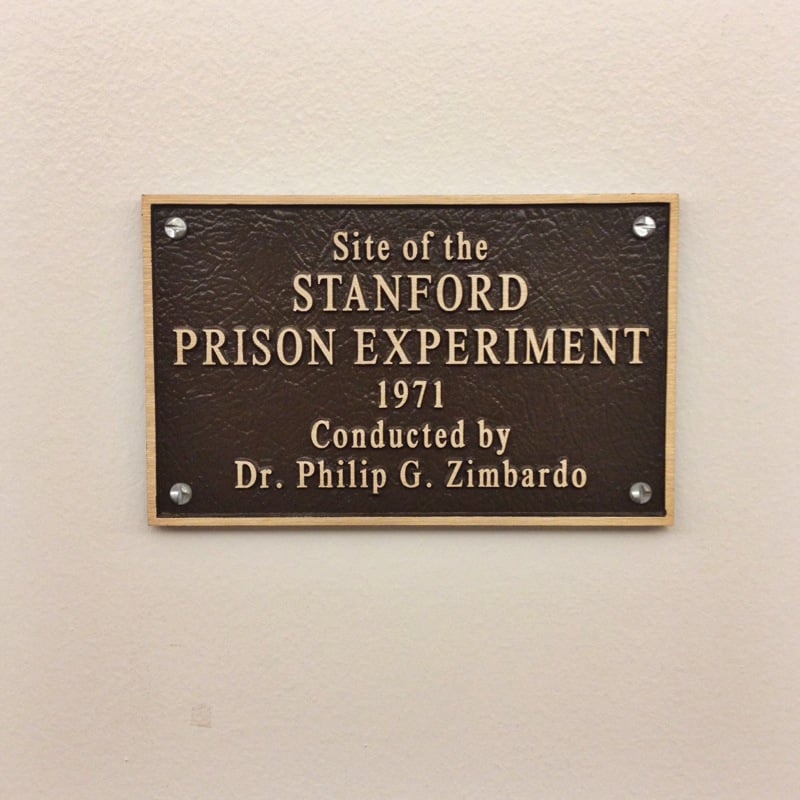
In 1971, Stanford University psychologist Philip Zimbardo conducted an experiment where college students were randomly assigned roles as prisoners or guards in a mock prison. The experiment was supposed to last two weeks — yet was terminated after just six days due to the extreme psychological abuse that emerged. Participants playing guards became increasingly cruel, while those playing prisoners showed signs of severe emotional distress.
Milgram Obedience Experiments

Yale University psychologist Stanley Milgram conducted experiments in the 1960s to study obedience to authority figures. Participants were told they were helping with a learning study and were instructed to deliver electric shocks to another person for wrong answers. The shocks weren’t real, though participants didn’t know this and many showed extreme distress when they believed they were causing serious harm to another person.
Guatemalan STD Experiments

Between 1946 and 1948, U.S. researchers deliberately infected Guatemalan prisoners, psychiatric patients, and soldiers with syphilis and gonorrhea without their consent. The experiments were designed to test the effectiveness of penicillin as a treatment. Many subjects never received proper treatment — and some died from the infections they were given.
Radioactive Oatmeal Experiments

In the 1940s and 1950s, researchers at the Fernald School for developmentally disabled children in Massachusetts fed radioactive oatmeal to students. Parents were told their children were joining a ‘science club’ and would receive extra nutrition. The real purpose was to study how the body absorbs minerals — using the children as unwitting test subjects for atomic research.
Project ARTICHOKE
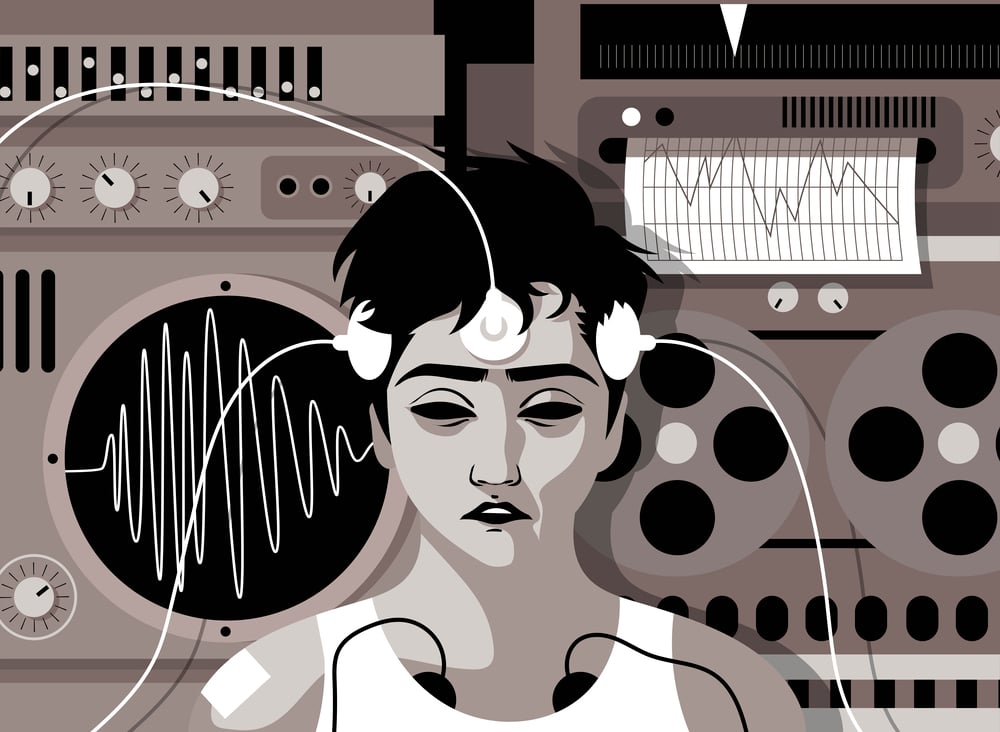
This CIA program preceded MKUltra and focused on interrogation techniques and mind control methods. Researchers used drugs, hypnosis, and torture to break down subjects’ resistance. Many experiments were conducted on prisoners, mental patients, and others who couldn’t give informed consent — with methods so extreme that some CIA officials worried about the legal and ethical implications.
Willowbrook Hepatitis Study
From 1956 to 1970, researchers at the Willowbrook State School in New York deliberately infected mentally disabled children with hepatitis. Parents were told that infection was inevitable in the overcrowded facility and that the study would help develop a vaccine. The researchers justified their actions by claiming the children would get hepatitis anyway — though this didn’t excuse the deliberate infection of vulnerable individuals.
Prison Malaria Experiments

During World War II, the U.S. conducted malaria experiments on prisoners in several states, including Illinois and Georgia. Inmates were infected with malaria and then treated with experimental drugs. While some prisoners volunteered, many were coerced or not fully informed about the risks — all part of wartime research to protect soldiers in tropical areas.
Operation Midnight Climax

This CIA program involved setting up fake houses of ill repute in San Francisco and New York, where unsuspecting clients were given LSD without their knowledge. Agency operatives would watch through one-way mirrors as the drugged subjects experienced hallucinations and psychological breakdowns. The program was designed to study the effects of LSD in realistic settings, yet it violated numerous laws and ethical standards.
Plutonium Injection Studies

Between 1945 and 1947, researchers injected 18 hospital patients with plutonium to study how the radioactive material moves through the human body. The patients were told they were receiving treatments for their medical conditions, though the injections were actually part of atomic research. Most subjects were terminally ill, yet they never gave informed consent for the radioactive experiments.
Holmesburg Prison Experiments

From the 1950s to 1970s, University of Pennsylvania dermatologist Albert Kligman conducted hundreds of experiments on prisoners at Holmesburg Prison in Philadelphia. Inmates were exposed to chemical agents, infectious diseases, and cosmetic products in exchange for small payments. Many suffered permanent scarring and health problems from the tests, which included exposure to dangerous chemicals and radioactive materials.
Thalidomide Birth Defect Studies

In the late 1950s and early 1960s, researchers studied the effects of thalidomide on pregnant women and their babies, even after the drug was known to cause severe birth defects. Some studies continued to give the drug to pregnant women to document the resulting deformities. The experiments were conducted in several countries, including the United States, where the drug was distributed under the guise of clinical trials.
Electroshock Experiments on Children

Dr. Lauretta Bender conducted electroshock experiments on children at Bellevue Hospital in New York from the 1940s to 1960s. She subjected children as young as three years old to electric shock treatments, claiming it would cure behavioral problems. The treatments caused severe trauma and had no proven medical benefit, while many children suffered long-term psychological damage from these brutal procedures.
Lessons from History’s Darkest Research

These experiments represent some of the most shameful chapters in scientific history, revealing how easily research can become monstrous when it lacks ethical oversight. The victims of these studies were often society’s most vulnerable members: prisoners, children, minorities, and people with disabilities. Their suffering eventually led to the establishment of strict ethical guidelines and informed consent requirements that govern research today. Though we can’t undo the harm caused by these experiments, we can honor the victims by ensuring such atrocities never happen again.
More from Go2Tutors!

- The Romanov Crown Jewels and Their Tragic Fate
- 13 Historical Mysteries That Science Still Can’t Solve
- Famous Hoaxes That Fooled the World for Years
- 15 Child Stars with Tragic Adult Lives
- 16 Famous Jewelry Pieces in History
Like Go2Tutors’s content? Follow us on MSN.



