Nutty Science Behind World Pistachio Day
On February 26 each year, pistachios take center stage without fanfare. No big ceremonies mark the day, just quiet recognition.
This tiny green nut has played its part across farms, labs, and markets through time. Though soft in flavor, it carries weight in science and culture alike.
Its beige shell hides layers – genetic secrets, chemical balance, ancient routes – all packed tight. Sure, food celebrations can seem playful – yet this one has real roots.
Not merely something you crunch beside almonds in a bag, pistachios grow from intricate tree rhythms, precise harvest methods, then shift through ongoing health studies that keep revealing more. A peek into the research reveals what truly backs World Pistachio Day.
Pistachio Origins
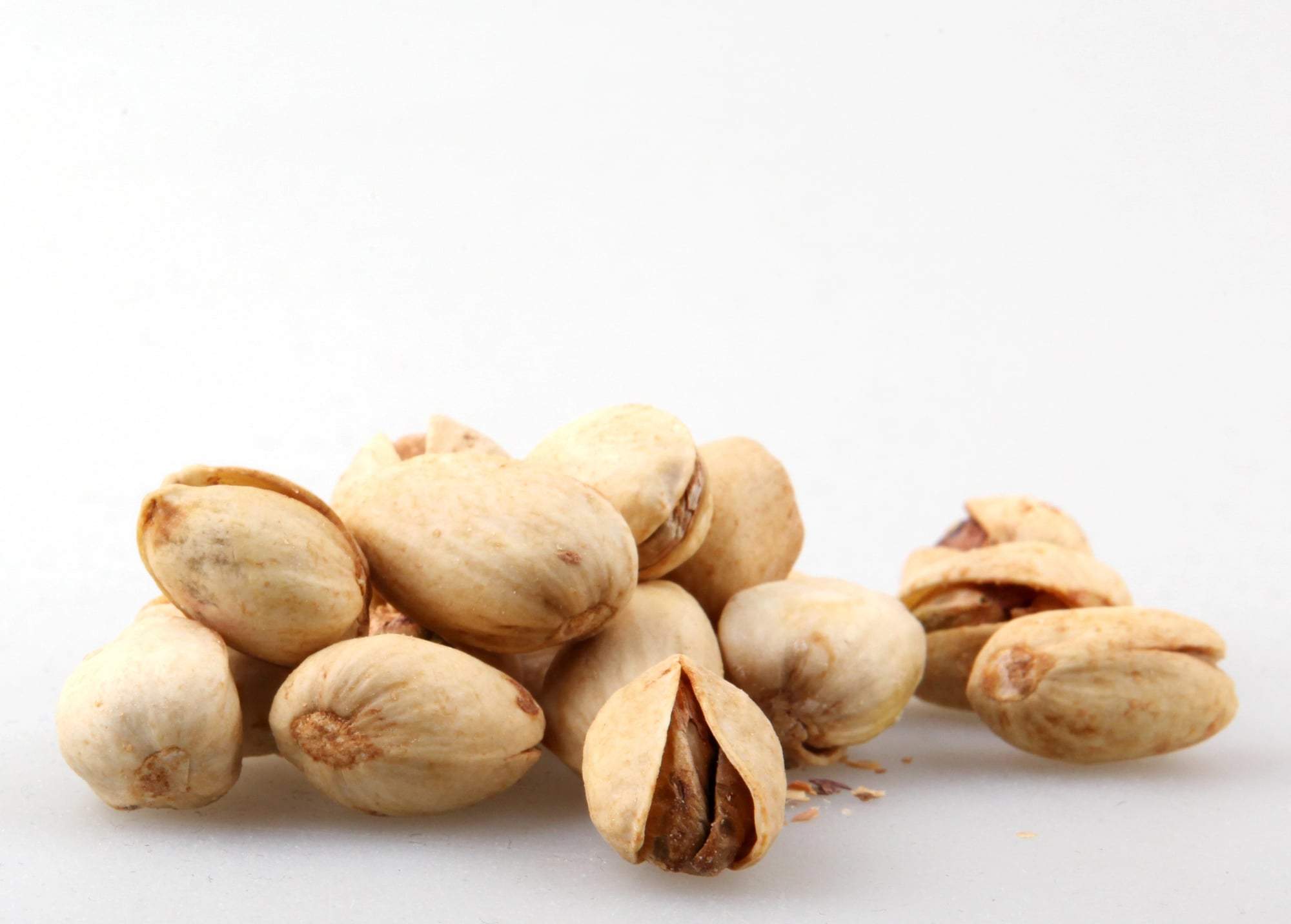
The pistachio tree, scientifically known as Pistacia vera, traces its roots to Central Asia and the Middle East. Archaeological evidence suggests people were enjoying pistachios as far back as 7,000 B.C., long before refrigeration or modern farming techniques existed.
These trees thrived in hot, dry climates, particularly in regions that now include Iran and parts of Turkey. That ancient resilience still defines pistachio farming today.
The trees are built for long summers and relatively mild winters. Unlike delicate crops that demand constant care, pistachios evolved to withstand harsh conditions, making them a reliable agricultural staple in arid landscapes.
How The Shell Splits Naturally
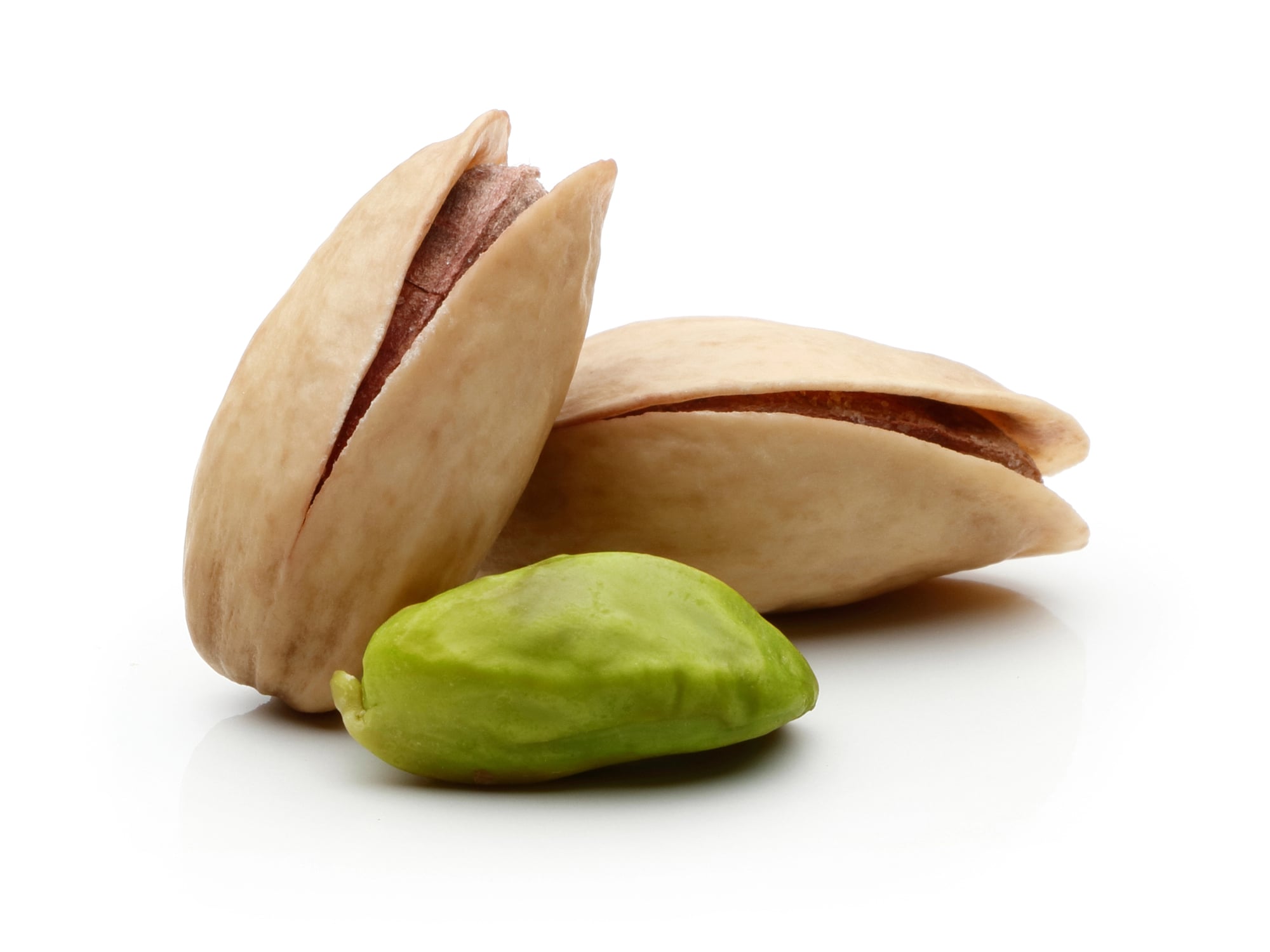
One of the most fascinating features of a pistachio is its shell. Unlike many other nuts, pistachios often arrive already split open.
That crack is not mechanical; it happens naturally during the growing process. As the kernel matures inside, it expands and puts pressure on the hard outer shell.
When the nut reaches peak ripeness, the shell splits along a natural seam. Farmers actually rely on this as a signal of readiness.
An unopened shell usually means the nut did not fully mature. In some cultures, the split appearance has even earned pistachios the nickname ‘the smiling nut,’ a small botanical detail that feels almost poetic.
Alternating Crop Cycles
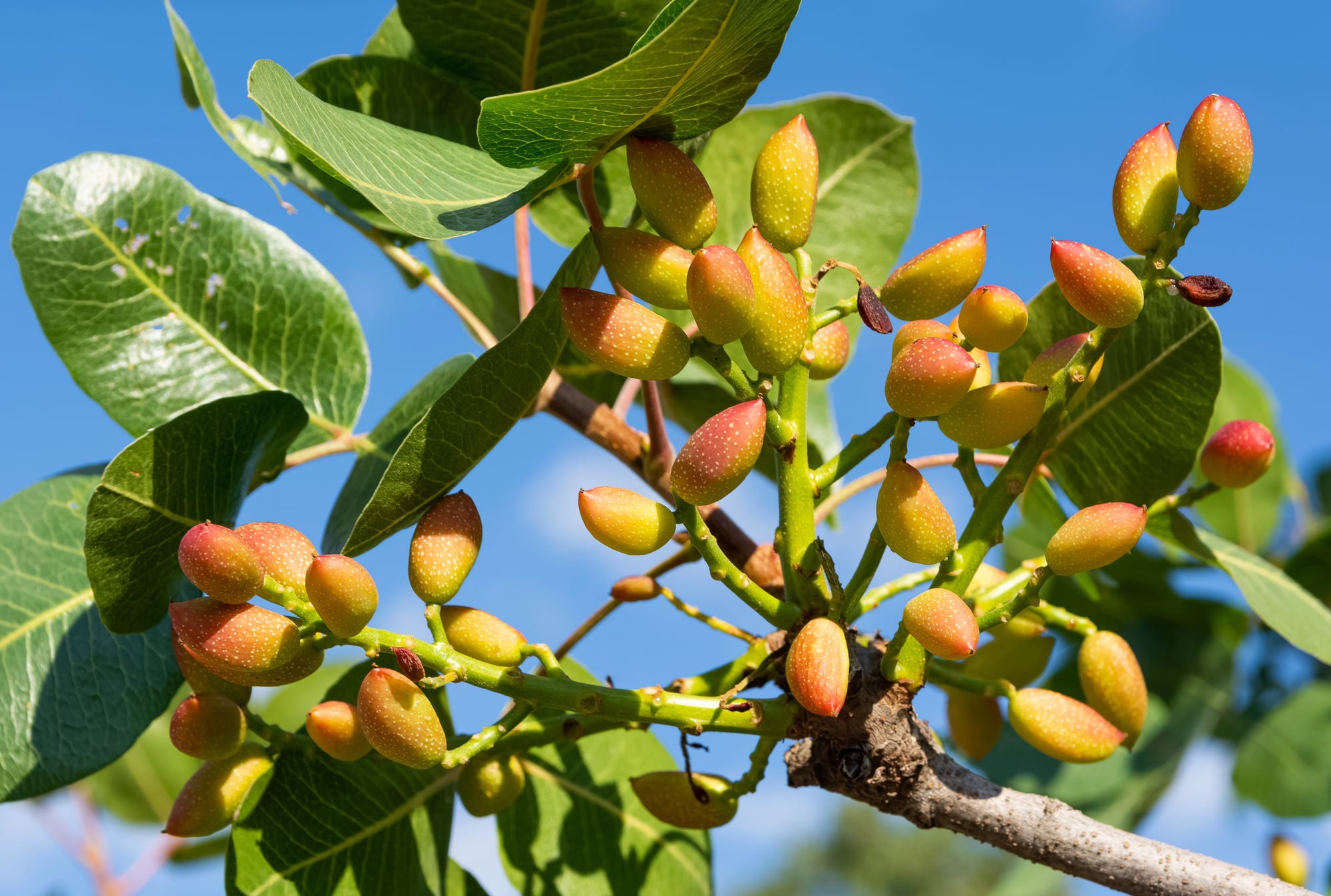
Pistachio trees operate on a rhythm that farmers know well. They tend to produce heavy yields one year and lighter yields the next, a pattern known as alternate bearing.
This biological cycle helps the tree conserve energy. In a high-production year, the tree invests significant resources into fruit development.
The following season, it scales back to recover. Modern agricultural science works to manage this cycle through pruning and irrigation techniques, but the pattern never fully disappears.
It is a reminder that even in commercial farming, nature sets the pace.
The Climate Equation
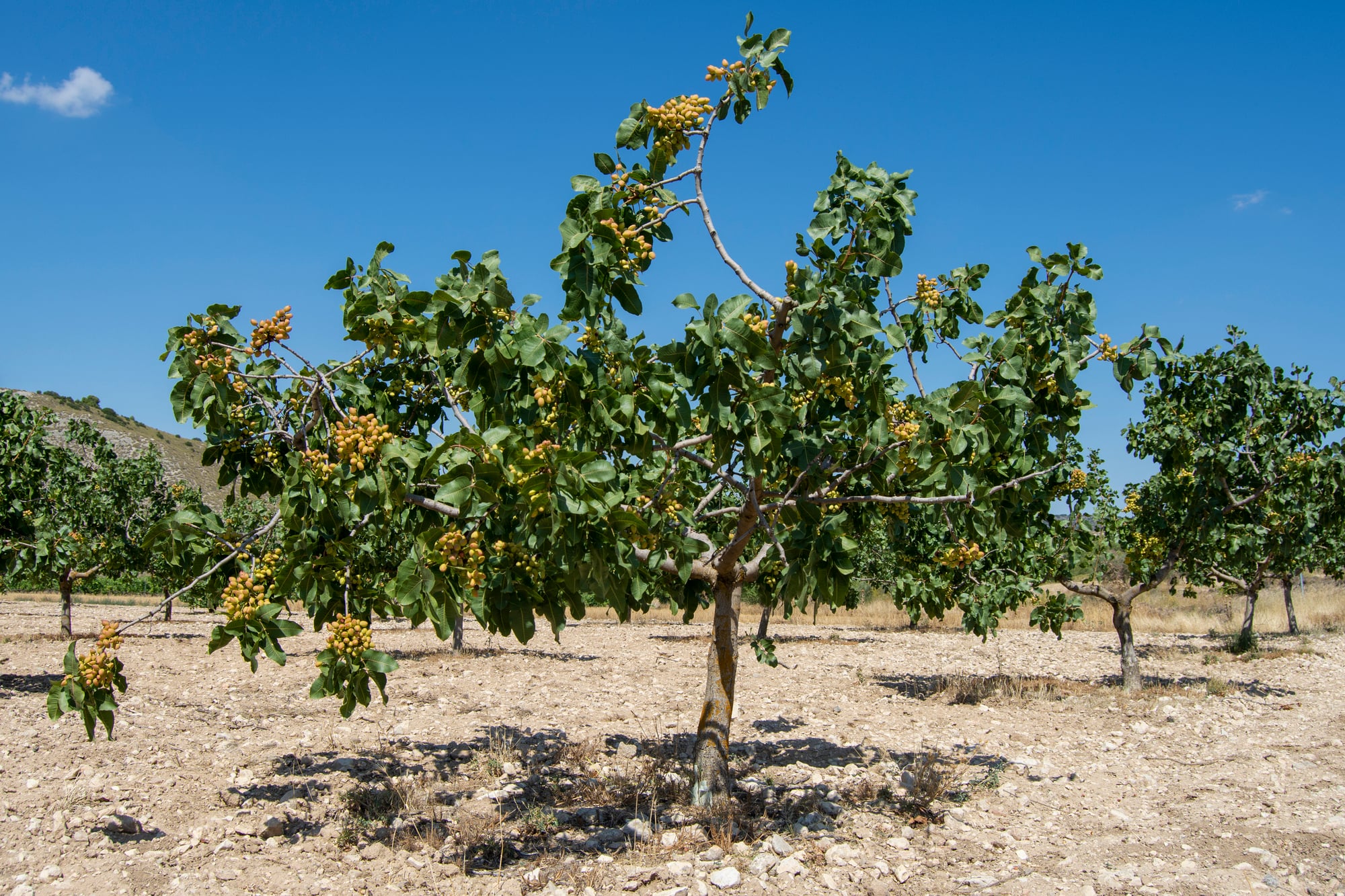
Pistachios are particular about their environment. They require long, hot summers to properly ripen, often thriving in regions where temperatures climb well above 90 degrees Fahrenheit.
At the same time, they need a certain number of chilling hours in winter to trigger healthy flowering in spring. This balance explains why California’s Central Valley became a major hub for pistachio production.
The region mirrors the dry, sunny climate of the nut’s ancestral home. Even so, pistachio trees demand patience.
They can take seven to ten years before producing meaningful yields, making them a long-term agricultural investment rather than a quick return crop.
Water Use And Modern Farming
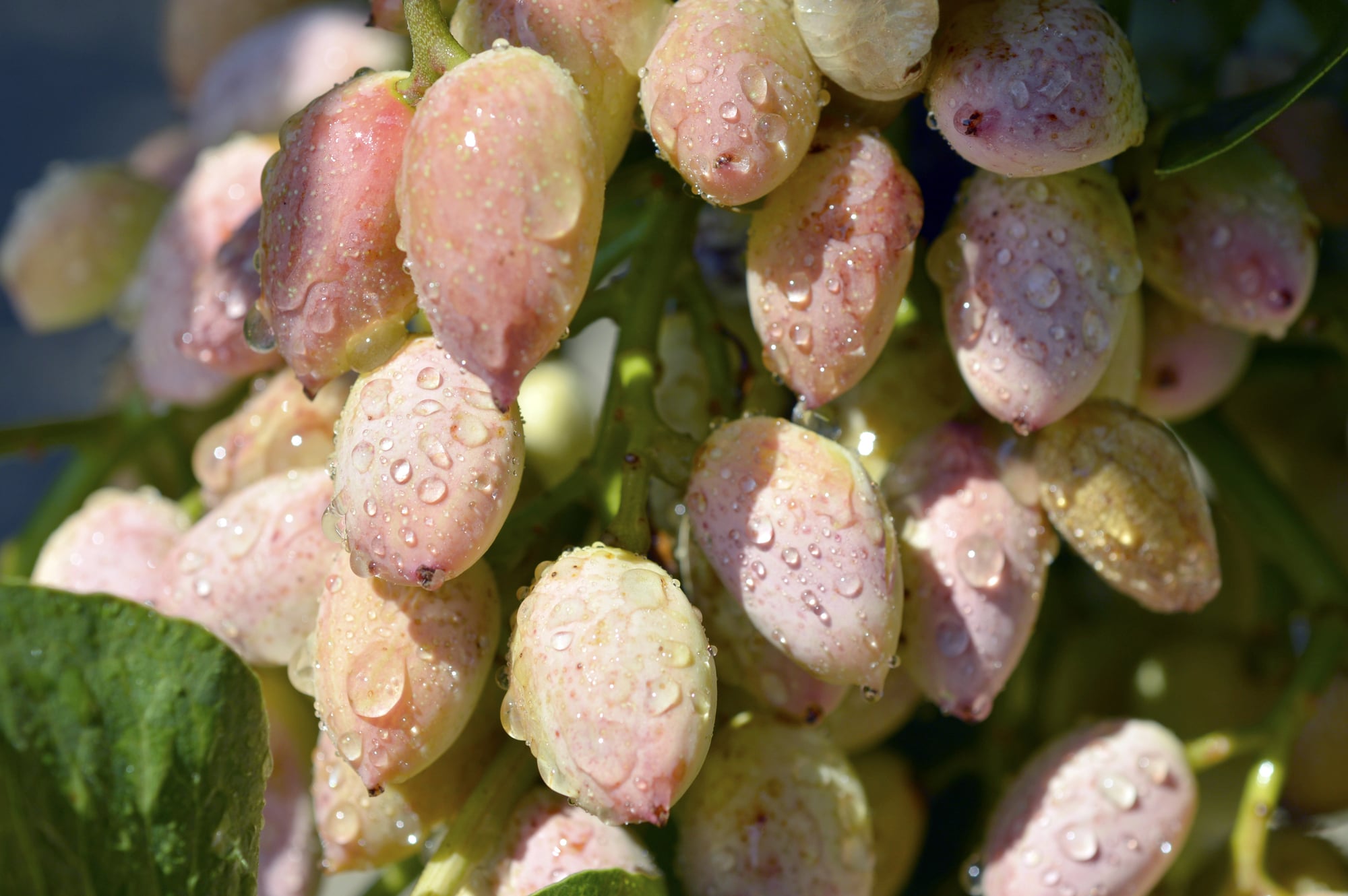
Even though they seem hardy, pistachio trees need steady watering, particularly when growing. When rain is scarce, knowing how to irrigate matters a lot.
Moisture reaches the roots through careful systems that cut down on loss. Farmers now talk more about how to grow food without hurting the land.
When it comes to using less water, people look at pistachios alongside almonds or walnuts in hot, dry areas. Thanks to better drip systems and sensors in the ground, watering trees today is nothing like it used to be fifty years back.
Yet each season’s yield still bears the mark of droughts, heat, and shifting weather patterns.
Nutritional Density
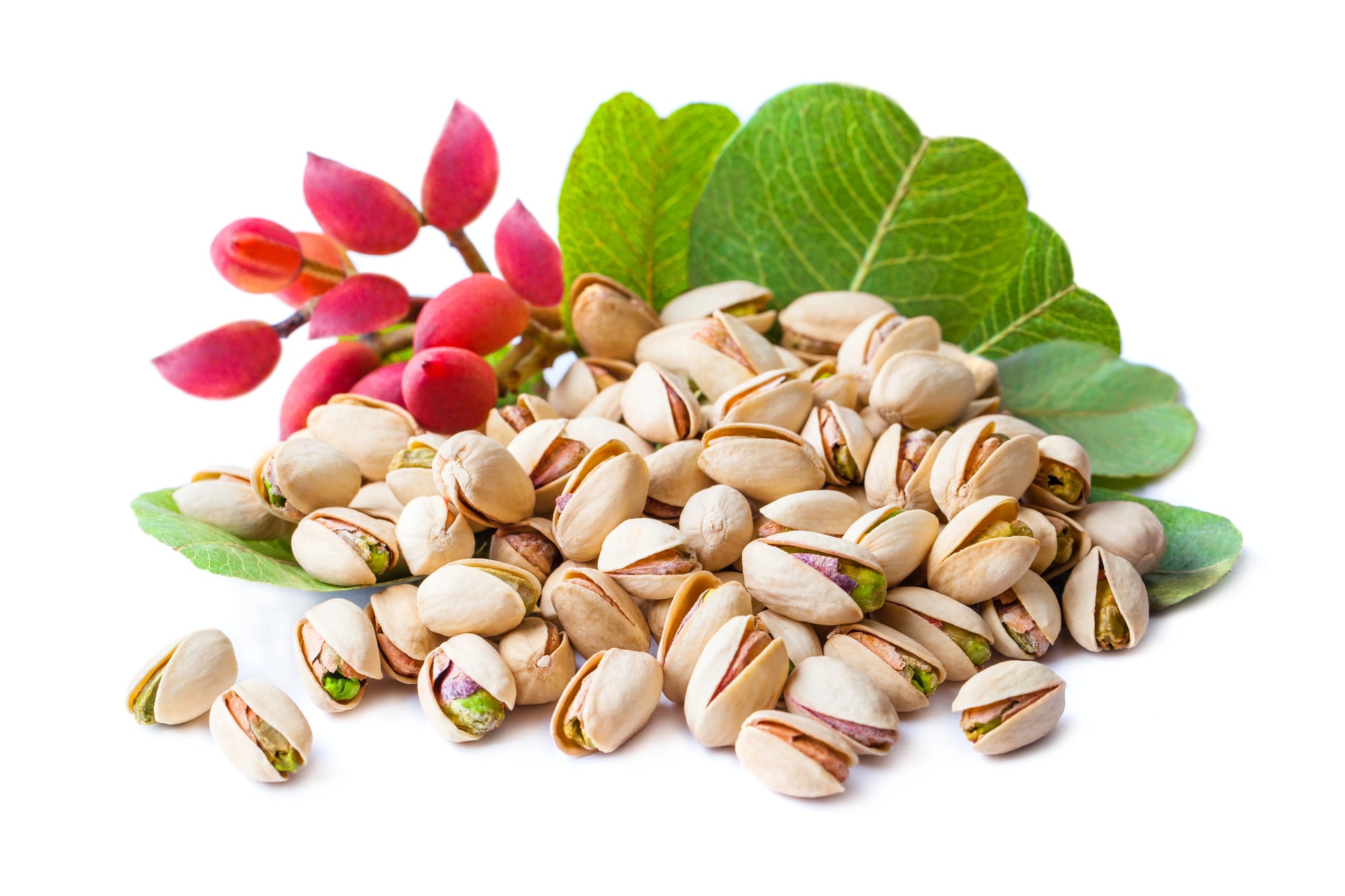
Beyond agriculture, pistachios have earned attention in nutrition research. They are rich in protein, fiber, and unsaturated fats, which support heart health.
Studies have shown that diets including pistachios may help reduce LDL cholesterol levels while maintaining or improving HDL levels. They are also relatively low in calories compared to many other nuts, gram for gram.
The combination of fiber and protein contributes to satiety, helping people feel full longer. That balance explains why pistachios often appear in research about weight management and metabolic health.
The Green Color Explained
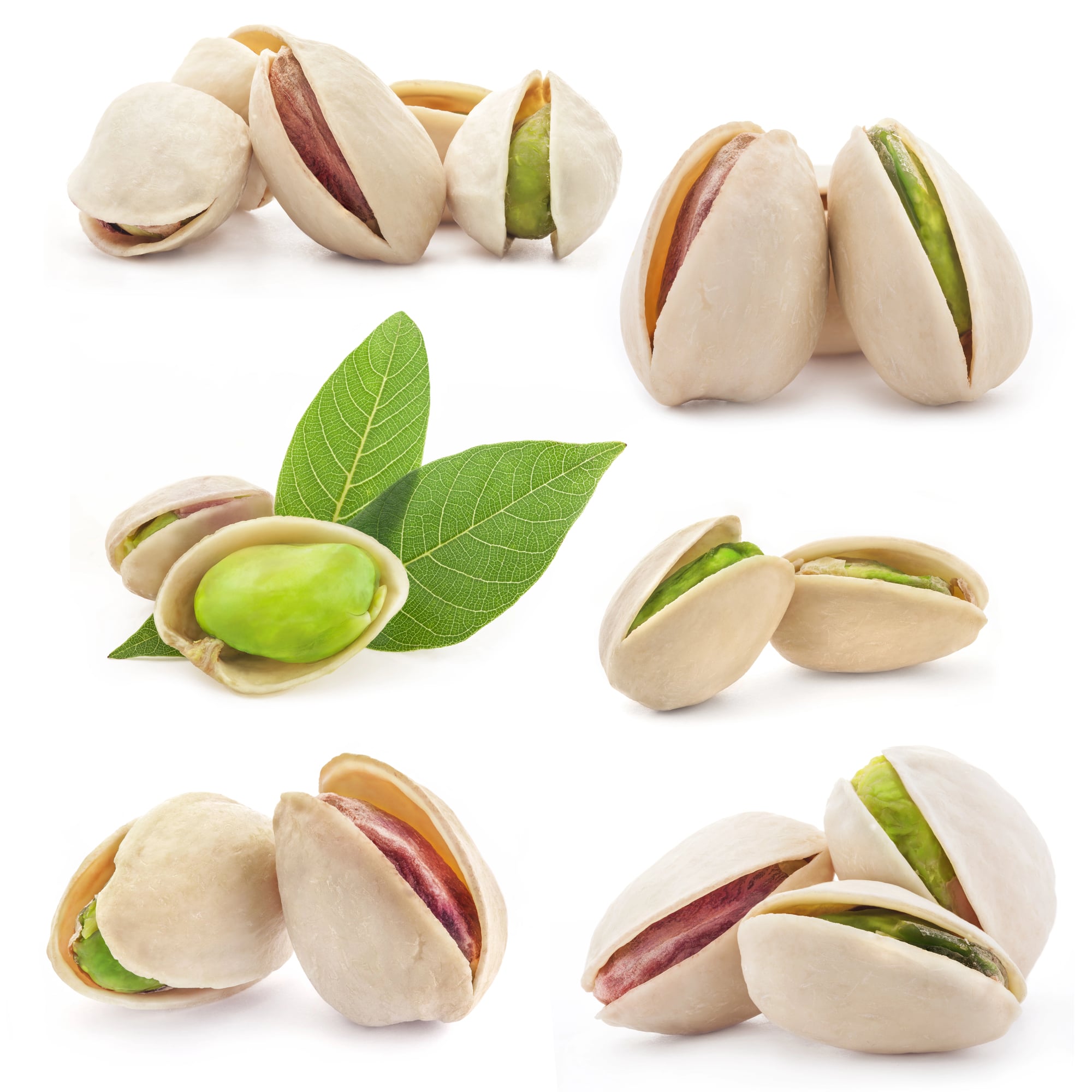
The distinctive green hue of pistachios comes from chlorophyll, the same pigment that gives leaves their color. Most nuts lose that pigment as they mature, but pistachios retain it within the kernel.
The intensity of the green can even signal freshness and quality. In addition to chlorophyll, pistachios contain lutein and zeaxanthin, antioxidants linked to eye health.
These compounds help protect cells from oxidative stress. That bright green interior is not just attractive; it reflects a complex chemical profile that nutrition scientists continue to study.
The Psychology Of The Shell
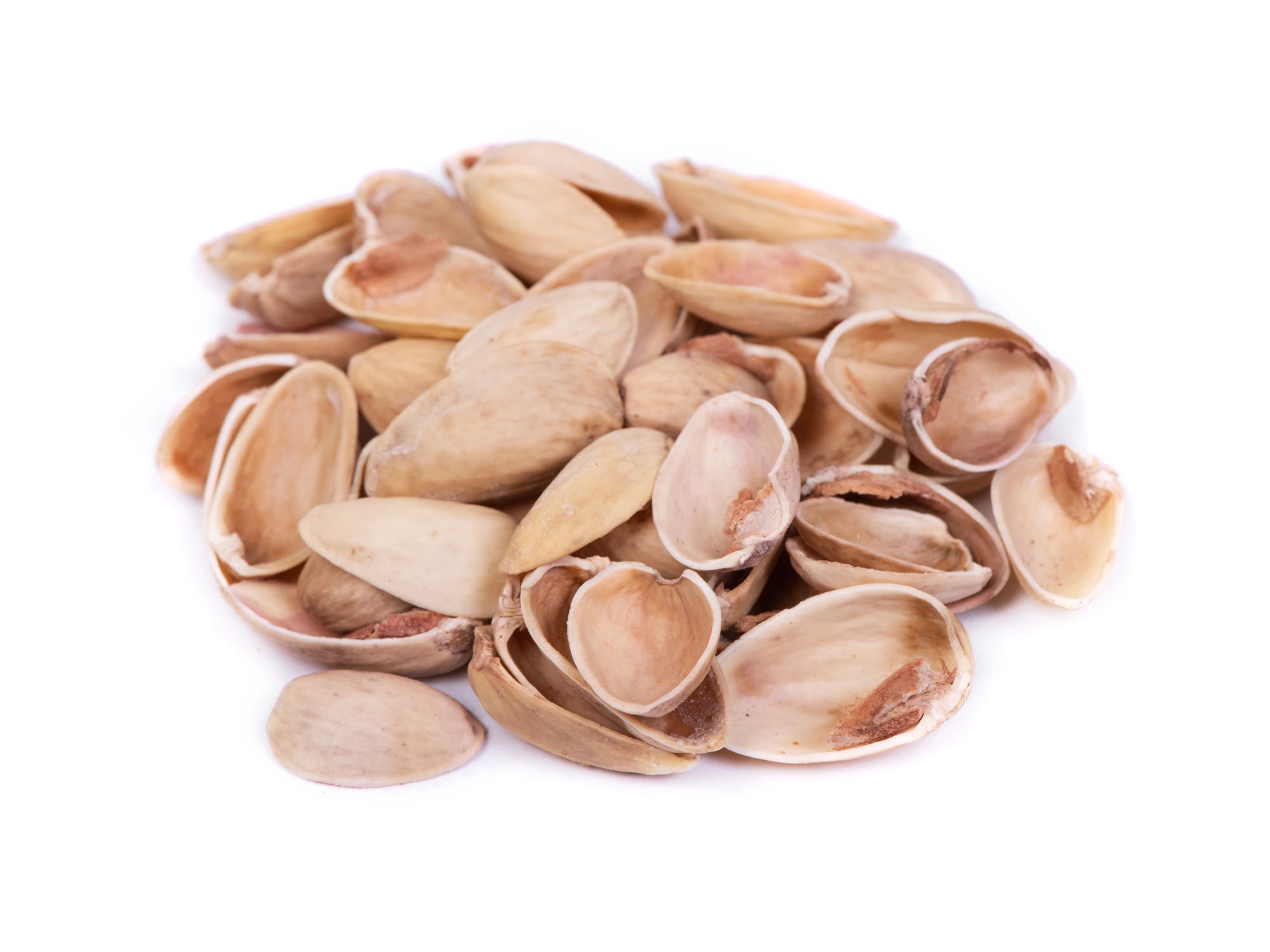
There is also a subtle behavioral science component to pistachios. Research has shown that eating in-shell pistachios can naturally slow consumption.
The act of cracking open each nut creates a pause, reducing mindless snacking. Even more interesting, the leftover shells act as a visual cue.
Seeing a growing pile of empty shells can increase awareness of portion size. It is a small psychological nudge that aligns with broader research on mindful eating habits.
Few snacks come with built-in feedback like that.
Global Production And Trade
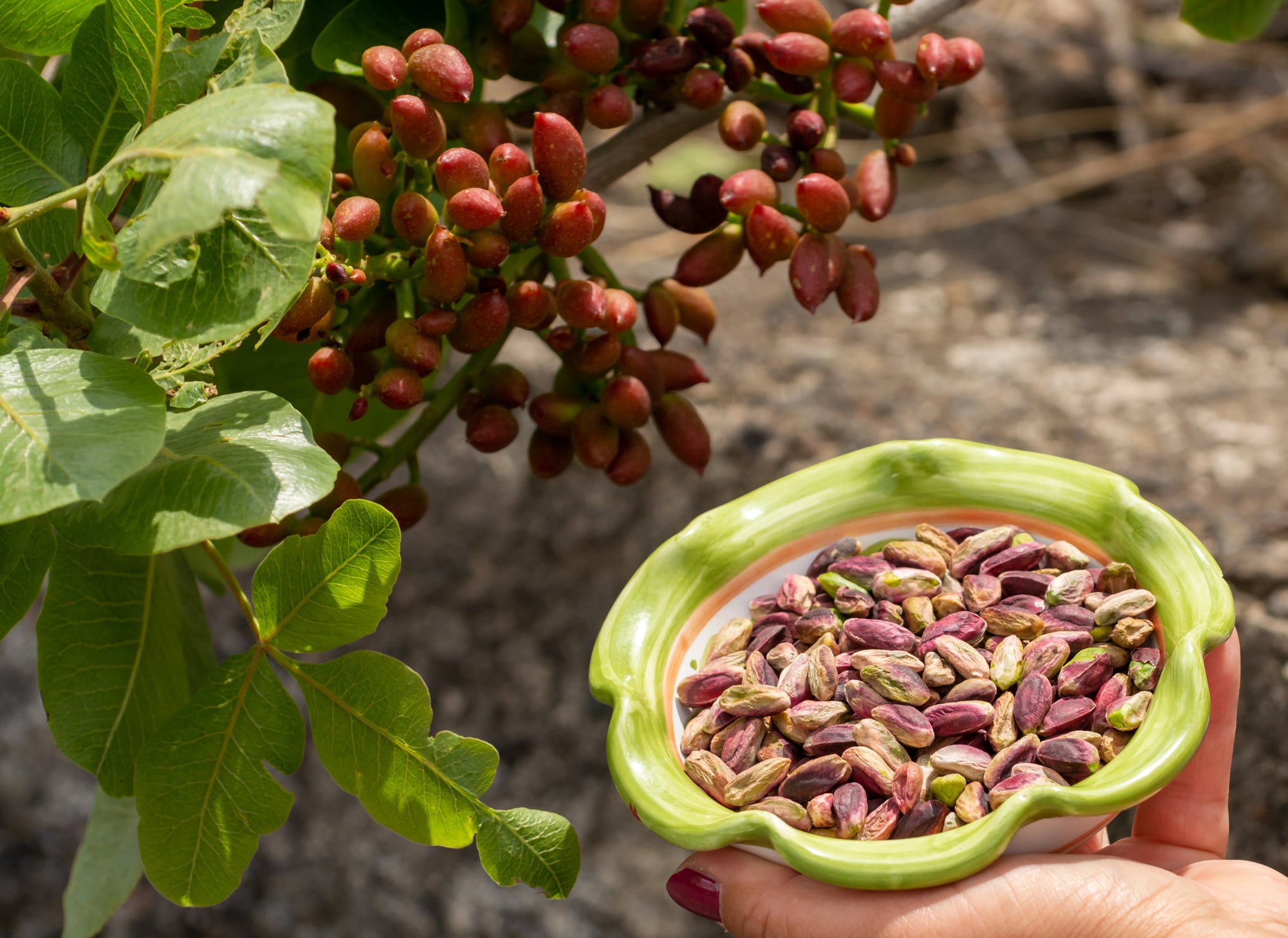
Right now, most pistachios come from the U.S., especially farms in California. Instead of fading, Iran still grows a big share, tied to long-standing farming there.
Weather shifts, market access, along with natural harvest rhythms shape how much makes it out each season. More people around the world now want pistachios, thanks to their love of plant-focused eating and foods packed with nutrients.
Once limited to certain areas, these nuts are sold nearly everywhere today. Yet growing them still depends heavily on changing weather patterns, which means farmers never know exactly what yield they will get each season.
Culinary Versatility
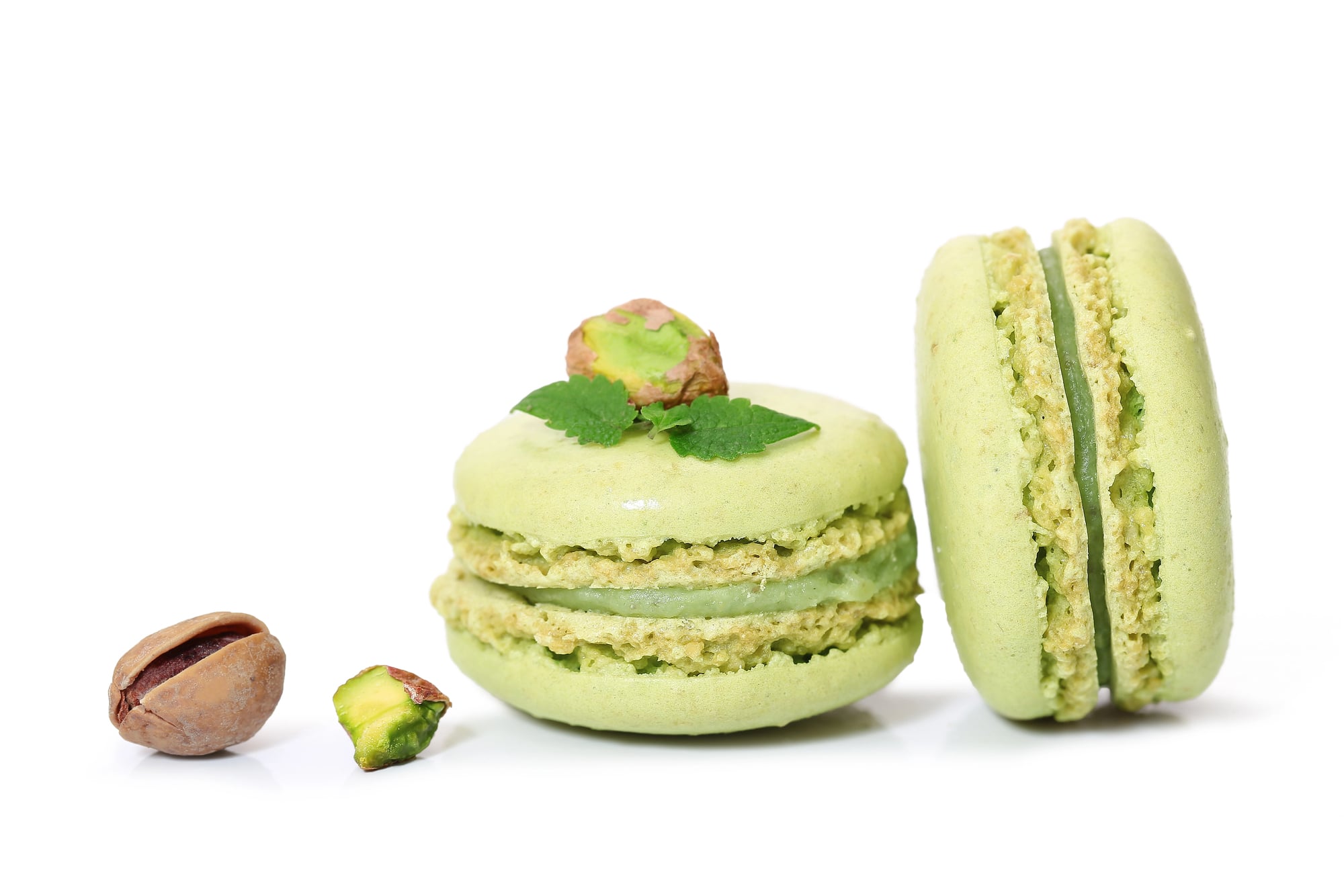
Truth is, people love pistachios because they fit almost anywhere. From salty recipes to sweet treats like cakes or ice cream, they show up often.
A gentle touch of sugar in them mixes just fine with sugary or salty flavors alike. Not too strong, never shy – they balance right.
What makes them work so well comes down to what they’re made of. Because of their fat content, along with delicate taste molecules, pistachios lift surrounding flavors instead of dominating.
Seen through food chemistry, they add crunch while boosting savoriness at the same time. This understated role is why they keep appearing in dishes worldwide.
Their persistence in cooking traditions hints at something steady beneath the surface.
Why It Still Matters
One kernel at a time, World Pistachio Day quietly speaks volumes. Buried within every cluster are ages of farming wisdom, shifts in weather patterns, and slow gains in dietary understanding.
Through caravan trails long gone and today’s cargo networks, these nuts moved across lands – changing earths, holding fast to what makes them who they are. Their journey didn’t need fanfare; persistence was enough.
Pistachios quietly hold their place where farming choices meet health habits. These small green nuts bring together tradition and research without trying too hard.
A quiet bite often holds more history than we notice. Stories grow just as easily in soil as they do around dinner tables.
More from Go2Tutors!

- The Romanov Crown Jewels and Their Tragic Fate
- 13 Historical Mysteries That Science Still Can’t Solve
- Famous Hoaxes That Fooled the World for Years
- 15 Child Stars with Tragic Adult Lives
- 16 Famous Jewelry Pieces in History
Like Go2Tutors’s content? Follow us on MSN.