Oddest Food Laws Worldwide
Countries create laws to keep people safe and maintain order. Most make perfect sense.
Don’t drive drunk. Don’t steal from stores.
Pay your taxes. But then there are food laws that make you wonder what exactly happened to inspire them.
Why would anyone need to ban feeding alcohol to moose? What prompted lawmakers to decide that fried chicken must be eaten by hand?
Did someone really get arrested for eating ice cream with a fork? These laws exist on the books right now, and breaking them could land you in trouble.
Some food laws protect traditions. Others combat public health risks.
A few seem to exist purely because someone had a very specific problem one time and decided to write legislation about it. Travel the world, and you might accidentally break laws you never knew existed simply by eating the wrong food in the wrong place at the wrong time.
France Banned Ketchup to Save Its Cuisine

In 2011, France decided ketchup posed a threat to national identity. The government banned the tomato condiment from school cafeterias across the country.
French officials worried that children were losing touch with traditional cooking. Kids wanted ketchup on everything instead of appreciating classic French sauces.
The law includes one exception. Students can have ketchup with French fries, but only once per week.
Even then, portions are strictly controlled. The Minister of Agriculture argued that France should set culinary standards for the world, and ketchup doesn’t meet those standards.
French chefs widely support the ban. They argue that ketchup overwhelms the natural flavors of food.
Traditional dishes like ratatouille and coq au vin took centuries to perfect. Drowning them in sweet tomato sauce destroys the carefully balanced flavors.
Students reportedly disagree and sometimes smuggle their own ketchup to school.
Scotland Won’t Let You Drink With Your Cow

The Licensing Act of 1872 makes it illegal in Scotland to be drunk while in charge of a cow. The law was originally meant to prevent unruly behavior among farmers and livestock handlers.
Violators can face fines or even imprisonment. The reasoning makes some sense when you think about it.
Drunk people don’t take good care of animals. Public disturbances occurred when intoxicated farmers lost control of their cattle.
The law prevents mistreatment of livestock and keeps drunk herders from causing chaos in public spaces. Modern Scotland rarely enforces this law.
Most farmers aren’t walking drunk cows through city streets anymore. But the law remains on the books, and technically you could get arrested for it.
Just keep the whiskey away from the barn.
Kinder Surprise Eggs Are Contraband in America

The United States banned Kinder Surprise chocolate eggs in 1938. A law from that year prohibits confectionery products from containing non-nutritive objects.
The small plastic toy inside Kinder Surprise violates this regulation. The FDA considers the hidden toy a choking hazard for children.
Kids might swallow the chocolate without realizing something solid sits inside. Several deaths have been reported over the years from children choking on the toys.
Border agents seize thousands of Kinder Surprise eggs from travelers attempting to bring them into the country. The company that makes Kinder Surprise created a workaround called Kinder Joy.
This version separates the candy and toy into two distinct halves of the plastic egg. You can buy Kinder Joy in American stores because the toy isn’t hidden inside chocolate.
The original Kinder Surprise remains illegal.
Haggis Can’t Cross Into the United States

Scotland’s national dish is banned in America. Traditional haggis contains sheep liver, heart, and lungs mixed with oatmeal and spices, all stuffed into a sheep’s stomach and boiled.
The USDA has prohibited the use of animal lungs in food products since 1971. The ban exists because lungs can become contaminated during slaughter.
Stomach contents might infiltrate lung tissue. Lungs also act as filters, potentially containing environmental impurities.
The USDA decided that lungs are unfit for human consumption. Scottish producers have lobbied to lift the ban for decades.
Some American companies make haggis using beef heart and liver instead of sheep lungs. Purists insist these versions don’t taste the same.
The original recipe remains illegal, so anyone wanting authentic haggis needs to travel to Scotland.
Singapore Treats Chewing Gum Like a Drug

In 1992, Singapore banned the sale and import of chewing gum. Vandals had been sticking gum on the door sensors of the Mass Rapid Transit train system, causing major disruptions.
The city-state decided drastic measures were necessary to maintain cleanliness. The law was relaxed slightly in 2004.
You can now buy dental and therapeutic chewing gum from doctors or registered pharmacists. Regular chewing gum remains banned.
Tourists who bring gum into Singapore face steep fines if caught. The law reflects Singapore’s broader approach to public cleanliness.
Littering carries heavy penalties. Spitting in public is illegal.
The country maintains spotless streets through strict enforcement. Chewing gum was simply another casualty in the war against mess.
Georgia Insists You Eat Fried Chicken With Your Hands
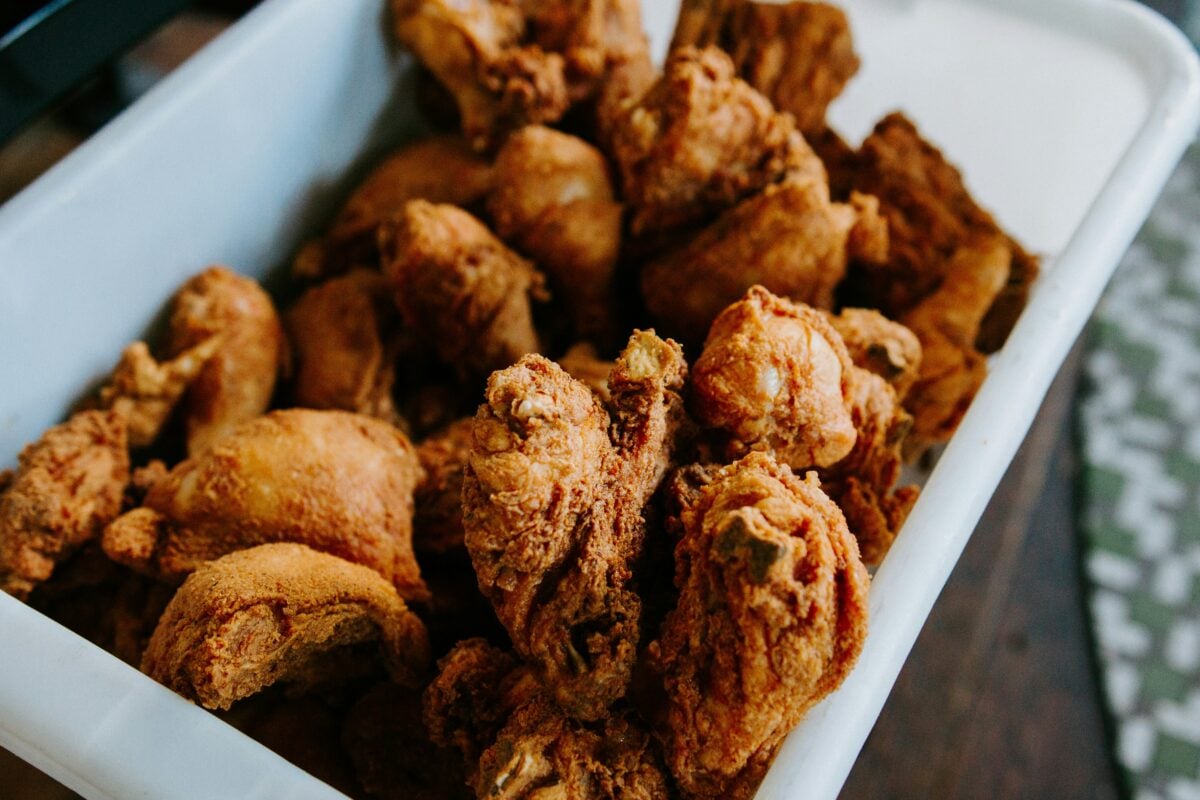
Gainesville, Georgia, calls itself the Poultry Capital of the World. In 1961, city officials passed a law making it illegal to eat fried chicken with a fork. The ordinance was intended as a publicity stunt to promote the local poultry industry.
The law declares that fried chicken is a delicacy meant to be eaten only with hands. Using utensils somehow disrespects the food.
The rule is rarely enforced. Most people don’t even know it exists.
But technically, you could face legal consequences for improper chicken consumption in Gainesville. The law serves as a quirky local history now.
It draws attention to the city’s chicken industry. Visitors sometimes pose for photos pretending to get arrested for fork usage.
The police department has jokingly threatened to enforce the ordinance, but nobody actually goes to jail for eating chicken incorrectly.
Florence Will Fine You for Eating on the Street

Florence, Italy, receives millions of tourists every year. Many visitors buy street food and eat while walking through the historic center.
The litter became overwhelming. Empty cups, food wrappers, and discarded containers piled up on beautiful Renaissance streets.
The mayor enacted a law prohibiting eating and drinking on four specific streets in the city’s historic center. You cannot eat on sidewalks, roadways, or doorsteps of shops and homes in these areas.
Violators face fines of several hundred euros. Restaurants line these very streets, which creates confusion.
You can buy food there, but you can’t eat it there. Visitors must find proper seating areas or return to their hotels.
The law aims to preserve the beauty of one of the world’s most important historical cities. Trash management became more important than tourist convenience.
Denmark Only Charges You If You’re Actually Full
Danish law says restaurants can only require payment for a meal if the customer is satisfied and genuinely feels full. This unusual regulation puts significant power in the hands of diners.
You decide whether the food met your expectations. The law reflects Danish values around fairness and customer satisfaction.
If a restaurant serves inadequate portions or poor-quality food, you have legal grounds to refuse payment. The establishment must prove they provided a proper meal.
Most Danes don’t abuse this law. Cultural norms discourage taking advantage of the rule.
But tourists sometimes hear about it and try to get free meals. Restaurants have learned to document portion sizes and quality.
The law creates an interesting dynamic where both parties must act in good faith.
Alaska Made It Illegal to Get Moose Drunk

Fairbanks, Alaska, has a specific law against giving alcohol to moose. This didn’t come from nowhere.
In 2007, a moose wandered into a local brewery and got into the supply. The animal became intoxicated and went on a rampage through the streets.
Local media nicknamed the moose Buzzwinkle. He stumbled around with Christmas lights tangled in his antlers.
The incident was funny until people realized how dangerous drunk moose can be. These animals weigh over 1,000 pounds and can become aggressive.
The law now makes it clear: don’t give moose alcohol. The penalty includes fines and possible jail time.
Alaska has many wildlife laws, but this one stands out for its specificity. Most people don’t need to be told not to serve beer to wildlife, but apparently someone did.
Italy Ruled That Stealing Food When Starving Isn’t a Crime

In 2016, Italy’s highest court made a landmark ruling. A homeless man named Roman Ostriakov had been caught stealing cheese and sausages worth about four euros from a supermarket.
He was initially convicted of theft and sentenced to six months in jail. The Supreme Court overturned the conviction.
They ruled that Ostriakov had acted in a state of necessity. Taking small amounts of food to survive hunger doesn’t constitute a crime.
The ruling recognized that basic survival needs override property rights in extreme circumstances. The decision sparked international debate about poverty, hunger, and justice.
Critics worried it would encourage theft. Supporters praised it as humane recognition of human needs.
The ruling applies specifically to small amounts of food taken by people facing genuine starvation.
California Protects Its Amphibians From Gourmets

California made it illegal to sell or consume frog legs to protect endangered frog species. The law addresses both ethical concerns around frog farming and conservation issues.
Native frog populations have declined dramatically in recent decades. Frogs used in science classes face strict rules.
They must be euthanized after dissection to prevent any misuse. The law focuses on minimizing harm to native species and deterring exploitation of frogs imported from other regions.
This disappoints food lovers who consider frog legs a delicacy. Many countries serve them regularly.
California’s restaurants can’t put them on menus. Conservationists applaud the law, arguing that protecting struggling amphibian populations matters more than culinary preferences.
Alabama Outlawed Ice Cream in Back Pockets

Throughout Alabama, walking down the street with an ice cream cone in your back pocket is illegal. The law dates back to when most people traveled by horseback.
Horse thieves would put ice cream in their pockets to lure horses away without being charged with stealing. The horse would follow the person carrying ice cream.
The thief could claim the horse just wandered after them. Law enforcement couldn’t prove theft because the horse appeared to follow voluntarily.
The ice cream trick worked often enough that lawmakers banned it. Modern Alabama doesn’t have many horse thieves working the streets.
Most people prefer eating ice cream the traditional way anyway. But the law remains on the books as a strange historical artifact.
You could technically still get cited for pocket ice cream if an officer felt particularly strict about outdated laws.
Venice Imposes Heavy Fines for Feeding Pigeons

Venice banned feeding pigeons in public spaces, especially near landmarks like St. Mark’s Square. The law carries fines of up to 700 euros.
Pigeons cause significant damage to historical buildings. Their droppings erode stone and create unsightly messes.
Thousands of pigeons congregate in Venice’s most famous locations. Tourists often throw bread crumbs, encouraging larger flocks.
The birds became a serious problem. The city needed to protect architectural treasures that date back centuries.
Enforcement is strict. Police officers patrol tourist areas looking for people feeding birds.
Signs warn visitors about the fines. Many tourists don’t realize feeding pigeons is illegal until they receive a citation.
The law prioritizes historical preservation over tourist enjoyment of feeding birds.
Casu Marzu Cheese Is Too Disgusting Even for Europe

On the Italian island of Sardinia, traditional cheesemakers produce Casu Marzu. This sheep’s milk cheese contains live insect larvae.
The maggots are intentionally introduced to break down the cheese fats. Some locals consider it a delicacy.
The European Union banned the sale of Casu Marzu due to significant health risks. The living larvae can jump up to six inches when disturbed.
If consumed alive, they can survive in the intestine and cause serious health problems. The cheese poses genuine dangers beyond just being repulsive.
A black market persists despite the ban. Shepherds continue making Casu Marzu for brave customers willing to try it.
The traditional method has been passed down for generations. But legally, selling or buying this maggot-infested cheese violates EU food safety regulations.
Japan Restricts Eating While Moving

In Japan, eating food while walking is considered poor manners in many places. While not always a formal law, some cities have rules against eating on public transportation and in certain public areas.
The cultural expectation is that you should sit down to eat properly. Long-distance trains offer an exception.
These services provide food and allow passengers to eat during travel. But in cities, eating while riding the subway or walking down the street can draw disapproval.
Some areas have formal restrictions with penalties. The practice reflects Japanese values around respect, cleanliness, and mindful eating.
Food should be enjoyed properly, not rushed while multitasking. Throwing away wrappers while moving contributes to litter.
The rules encourage people to eat at designated times and places.
When Rules Get Written Into Law

These odd food laws share common origins. Someone did something stupid or dangerous.
Authorities responded with legislation. Sometimes the problem was serious, like poisonous food or dangerous animals.
Other times, the response seems wildly out of proportion to the original incident. Many laws never get removed even after circumstances change.
Who’s going to campaign for repealing the drunk cow law or the ice cream pocket restriction? These regulations sit forgotten in legal codes until someone discovers them and shares them online.
Travel guides rarely mention these laws. You could break them without knowing.
Most places don’t enforce their strangest food laws. But theoretically, you could face fines or legal trouble.
The rules exist, bizarre as they are, waiting for the unlikely moment when enforcement becomes necessary.
The Stories Behind the Statutes
Every strange law tells a story about a specific time and place. France protects its culinary heritage.
Singapore maintains spotless streets. Venice preserving Renaissance architecture.
Each odd rule reveals what that society values and what problems it faces. Some laws make sense when you understand the context.
Protecting endangered frogs matters. Preventing train disruptions justifies banning chewing gum.
Stopping horse theft with ice cream was apparently enough of a problem to require legislation. Other laws seem to exist purely because legislators had too much time or someone had a very specific personal grievance.
Did numerous people really need to be told not to give alcohol to moose? How often were drunk farmers causing cow-related chaos?
These questions might never have satisfying answers. But these regulations persist, creating a strange patchwork of rules governing what you can eat, where you can eat it, and how you’re allowed to consume it.
Break the wrong law in the wrong place, and you might find yourself explaining to police why you thought it was acceptable to eat fried chicken with a fork or feed pigeons in a historic square. The law doesn’t care if you didn’t know.
The law just exists, waiting to surprise unsuspecting travelers who never imagined their lunch could become a legal problem.
More from Go2Tutors!

- 16 Historical Figures Who Were Nothing Like You Think
- 12 Things Sold in the 80s That Are Now Illegal
- 15 VHS Tapes That Could Be Worth Thousands
- 17 Historical “What Ifs” That Would Have Changed Everything
- 18 TV Shows That Vanished Without a Finale
Like Go2Tutors’s content? Follow us on MSN.