Old Books On Your Shelf That Might Be Worth Far More Than You Think
That dusty bookshelf in your living room might be hiding more treasure than you realize. While most people focus on first editions of famous novels, valuable books come in all shapes and sizes — from children’s picture books to academic textbooks, from vintage cookbooks to forgotten poetry collections.
The book market has exploded in recent years, with collectors paying surprising amounts for titles that once seemed ordinary. Some books that sold for a few dollars decades ago now command hundreds or even thousands at auction.
First Edition Harry Potter Books
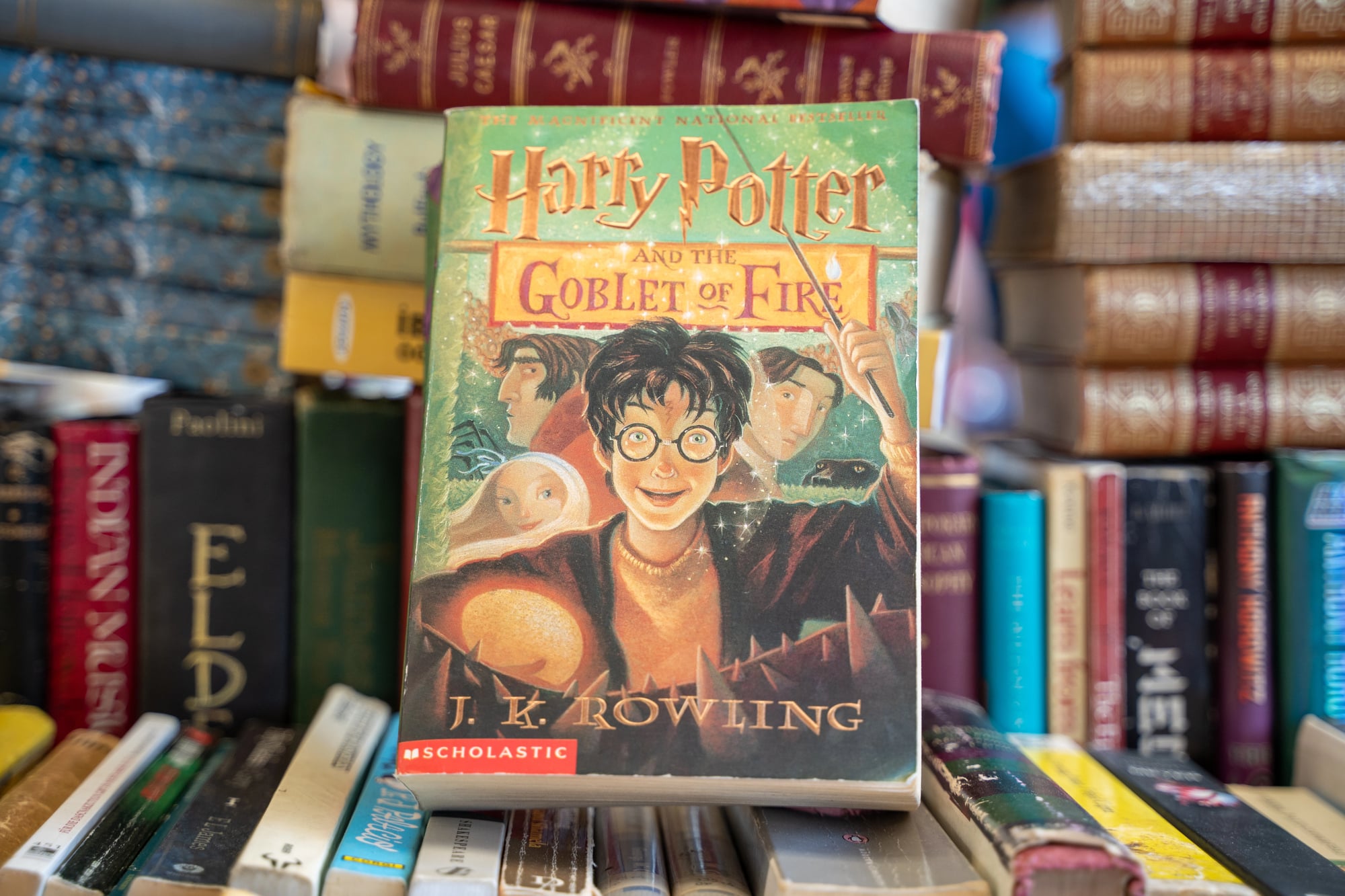
The Harry Potter phenomenon created one of the most dramatic book value explosions in recent history. First edition copies of “Harry Potter and the Philosopher’s Stone” (the original UK title) from 1997 can sell for tens of thousands of dollars, especially if they contain the famous printing errors that mark true first editions.
Even first American editions of “Harry Potter and the Sorcerer’s Stone” from 1998 have climbed into the thousands. The key lies in identifying authentic first editions — and this gets tricky, because publishers quickly realized what they had on their hands and began printing “first edition” on later runs (which technically weren’t first printings, just first American editions of subsequent books in the series).
The original UK first edition had only 500 copies printed, making them extraordinarily rare. But even later first editions of subsequent books in the series can be worth considerable money, particularly if they’re in excellent condition with dust jackets intact.
Vintage Children’s Picture Books
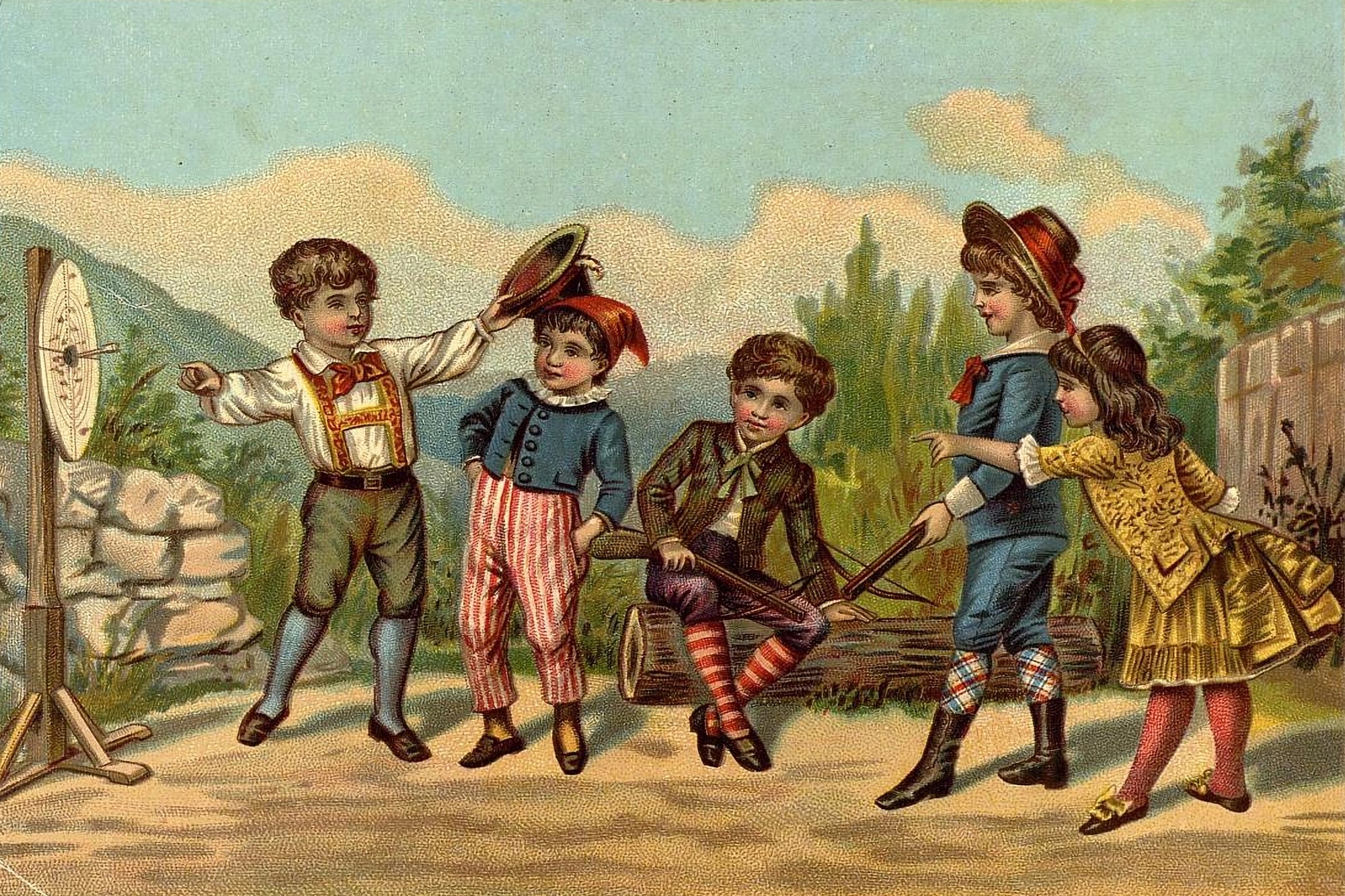
Picture books from the 1960s and earlier occupy a strange space in the collectible world — parents read them to death, libraries discarded them when they fell apart, and most people assumed they had no lasting value. Turns out that was exactly backward.
Books like “Where the Wild Things Are” (1963 first edition), early Dr. Seuss titles, and especially books illustrated by Maurice Sendak now command serious money from collectors who want to recapture childhood memories or give their own children the “real” versions. The condition matters enormously here, since these books were designed to be handled by small fingers and often show the wear.
A first edition “Cat in the Hat” from 1957 in pristine condition can sell for over a thousand dollars, while the same book with typical child-induced damage might bring fifty. The dust jacket, if it survived, often determines the difference between a modest collectible and a genuine treasure.
Academic And Technical Books

Here’s where things get interesting in ways that surprise people: certain academic texts and technical manuals have become valuable not because of literary merit, but because they documented the early days of fields that later became crucial. Early computer programming books from the 1960s and 1970s, pioneering texts on environmental science, and even business books that introduced concepts now considered standard can bring substantial money.
The tech industry boom created a peculiar form of nostalgia — programmers and engineers wanting to own the books that launched their fields. A first edition of “The Design and Implementation of the 4.3BSD UNIX Operating System” might not sound valuable, but to the right collector, it represents computing history.
Similarly, early books on personal investing, particularly those that introduced ideas like index funds or modern portfolio theory, have found new audiences among finance enthusiasts who want to read the original sources. The tech industry boom created a peculiar form of nostalgia — programmers and engineers wanting to own the books that launched their fields.
Stephen King First Editions
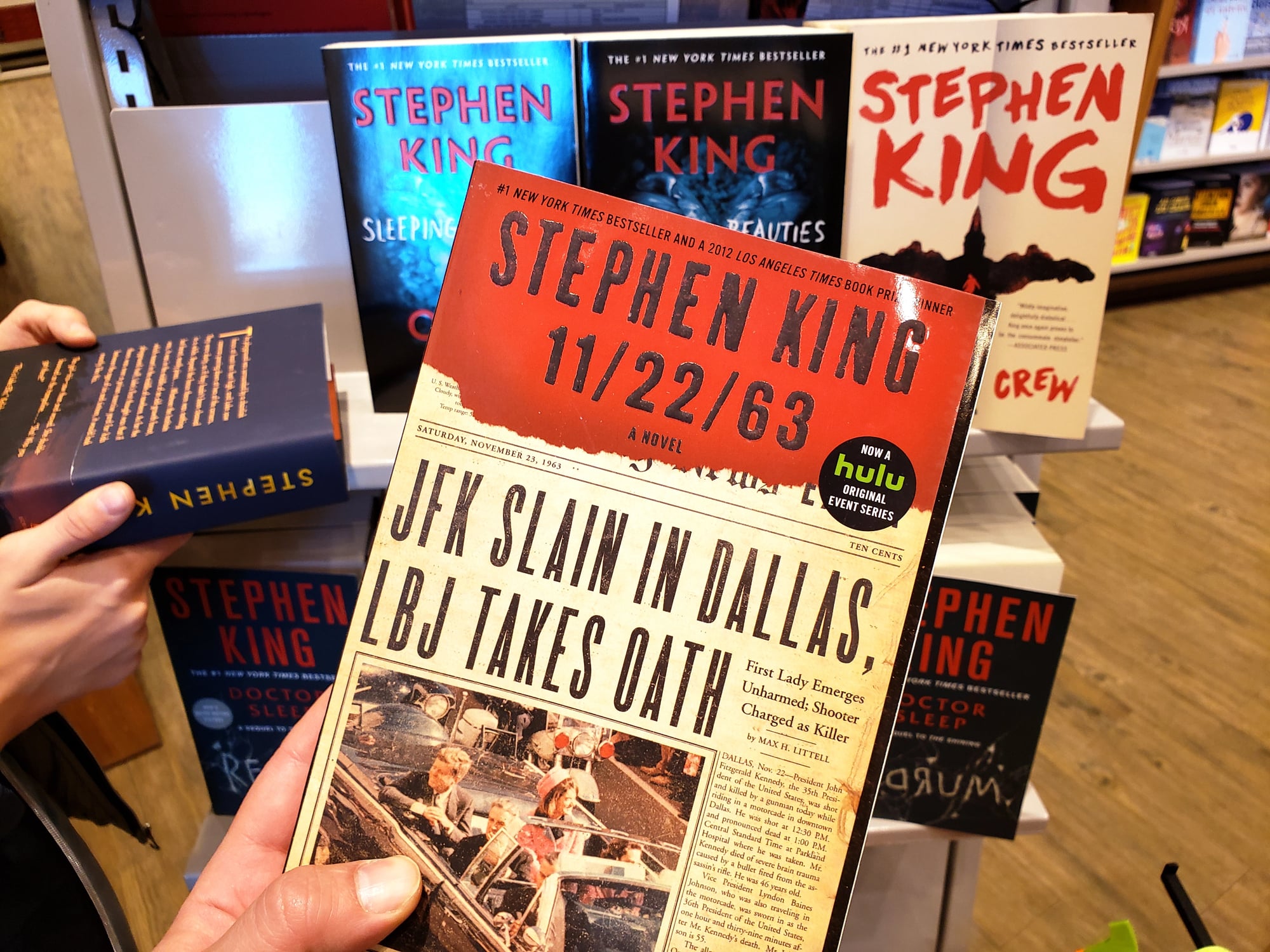
Stephen King’s early books represent one of the most reliable areas of book collecting, partly because his rise from unknown writer to literary brand happened relatively quickly. His first novel, “Carrie,” was published in 1974 with a small print run — the publisher wasn’t sure a horror novel by an unknown author would sell.
That caution created scarcity that collectors now pay for. “Salem’s Lot,” “The Shining,” and “The Stand” in first edition can each bring hundreds to thousands of dollars, depending on condition.
The presence of the dust jacket dramatically affects value — a first edition “Carrie” without its dust jacket might sell for a hundred dollars, while the same book with a pristine dust jacket can bring five thousand or more. King’s later books, even into the 1980s, maintain collectible value because his fan base actively seeks them out.
Vintage Cookbooks
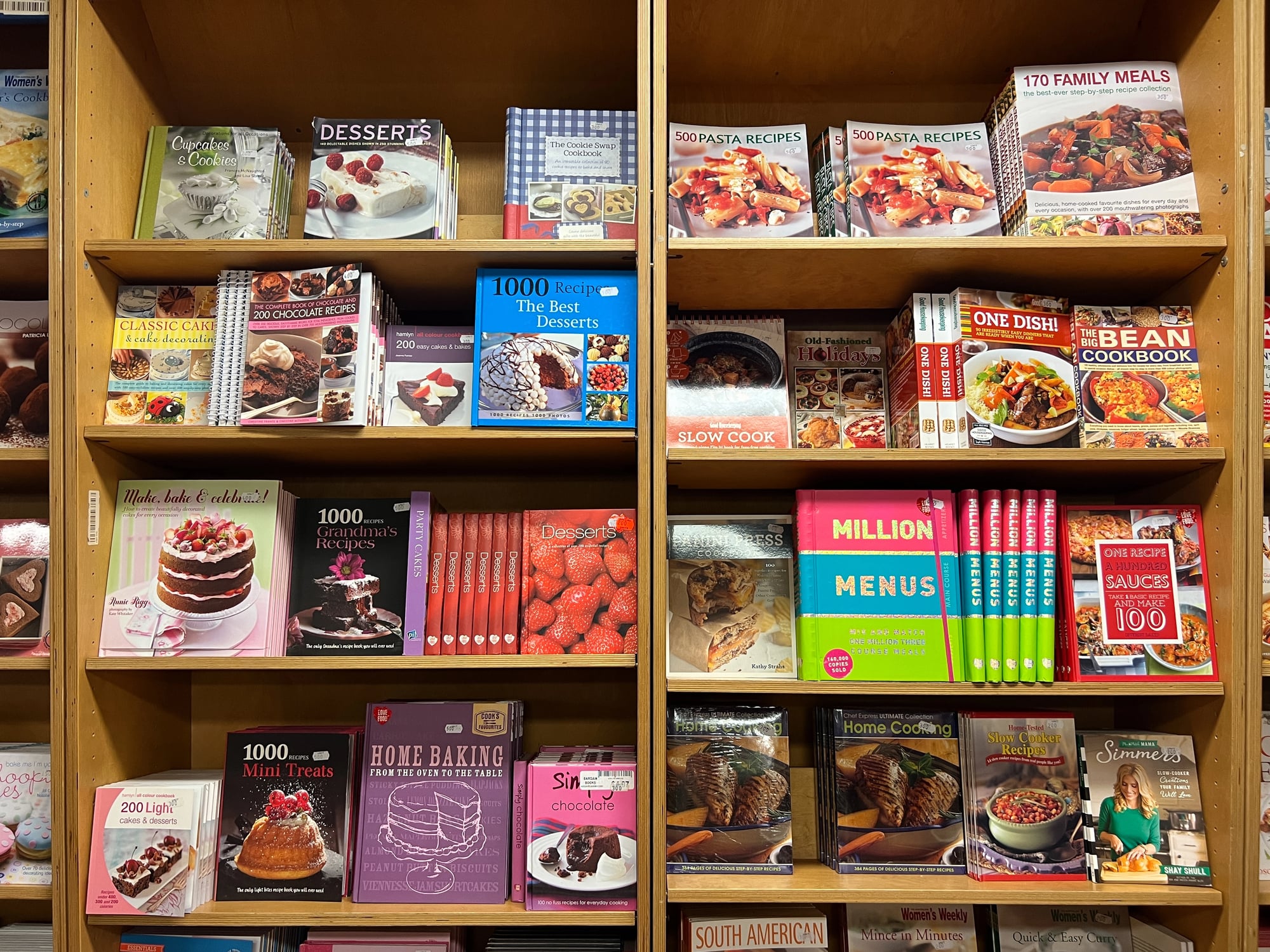
Cookbooks occupy a special place in the collectible market because they serve dual purposes: historical documents of how people ate, and practical guides that people still use. This creates demand from both collectors and actual cooks, driving prices higher than you might expect for what were once everyday reference books.
Early editions of “The Joy of Cooking” (particularly the original 1931 self-published version), first editions of Julia Child’s “Mastering the Art of French Cooking,” and regional community cookbooks from the early-to-mid 20th century have all found eager buyers. The community cookbooks — those spiral-bound collections published by churches, schools, and civic organizations — are particularly interesting because they document local food culture and often exist in very small numbers.
A cookbook published by a small-town women’s club in 1952 might be the only record of how that community cooked, making it valuable to both culinary historians and people with connections to that place. Cookbooks occupy a special place in the collectible market because they serve dual purposes: historical documents of how people ate, and practical guides that people still use.
Beat Generation And Counterculture Books
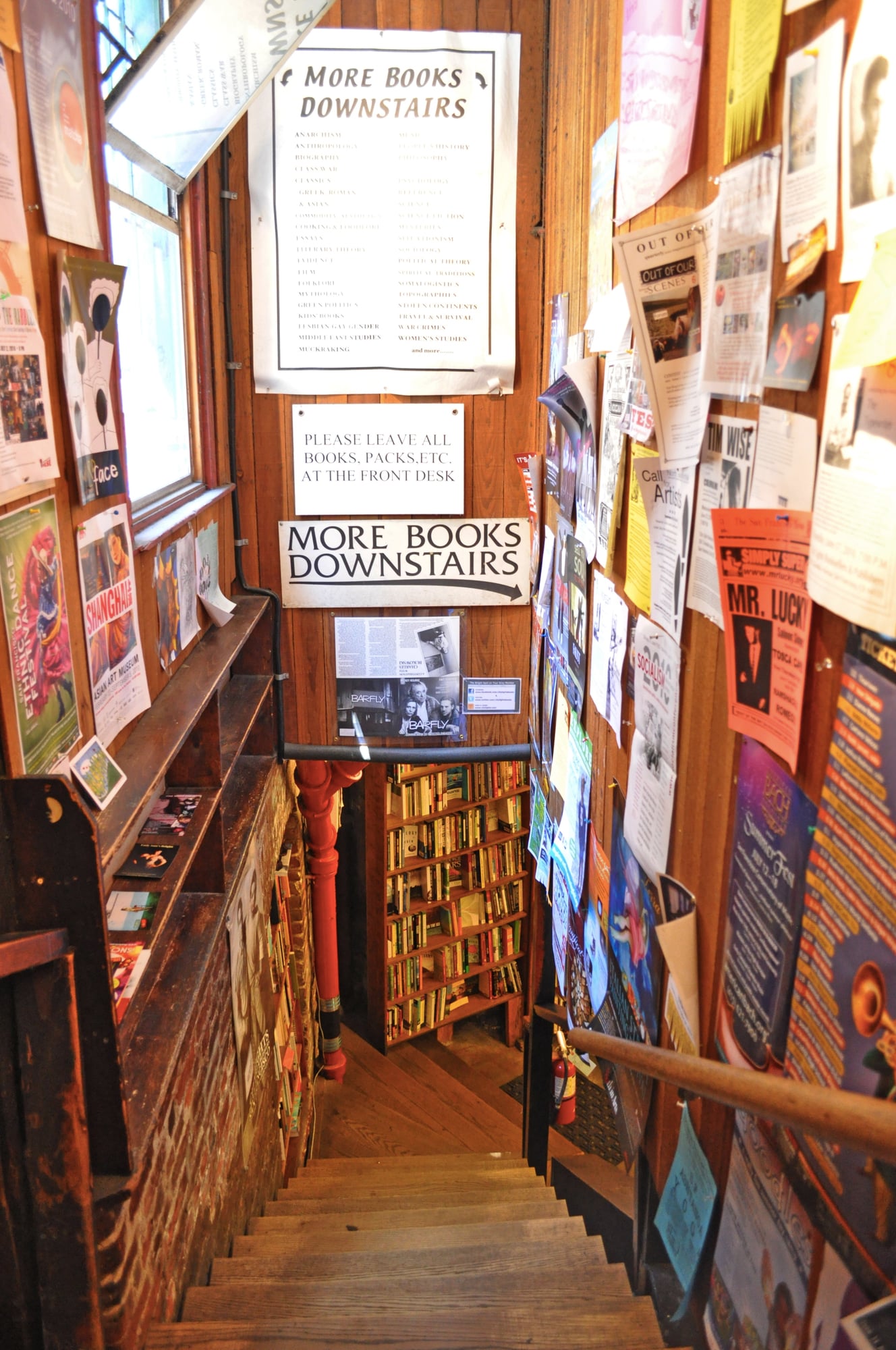
The Beat movement and 1960s counterculture produced books that were often published in small runs by independent presses, making them scarce decades later. First editions of Jack Kerouac’s “On the Road” (1957), Allen Ginsberg’s “Howl” (1956), and William S. Burroughs’ book have become expensive not just because of their literary significance, but because they were initially considered too controversial or niche for large print runs.
But the real surprises come from lesser-known counterculture publications — poetry chapbooks, underground newspapers, and political manifestos that were printed cheaply and in small quantities. These ephemeral publications were never intended to last, which is precisely what makes surviving copies valuable.
A poetry chapbook that cost 50 cents in 1965 and seemed worthless for decades can now bring hundreds of dollars from collectors interested in the era’s literary underground. The Beat movement and 1960s counterculture produced books that were often published in small runs by independent presses, making them scarce decades later.
Signed Books By Authors Who Became Famous Later
This category requires some luck, but it’s worth checking any signed books carefully. Authors who weren’t famous when they signed your book might have become household names since then.
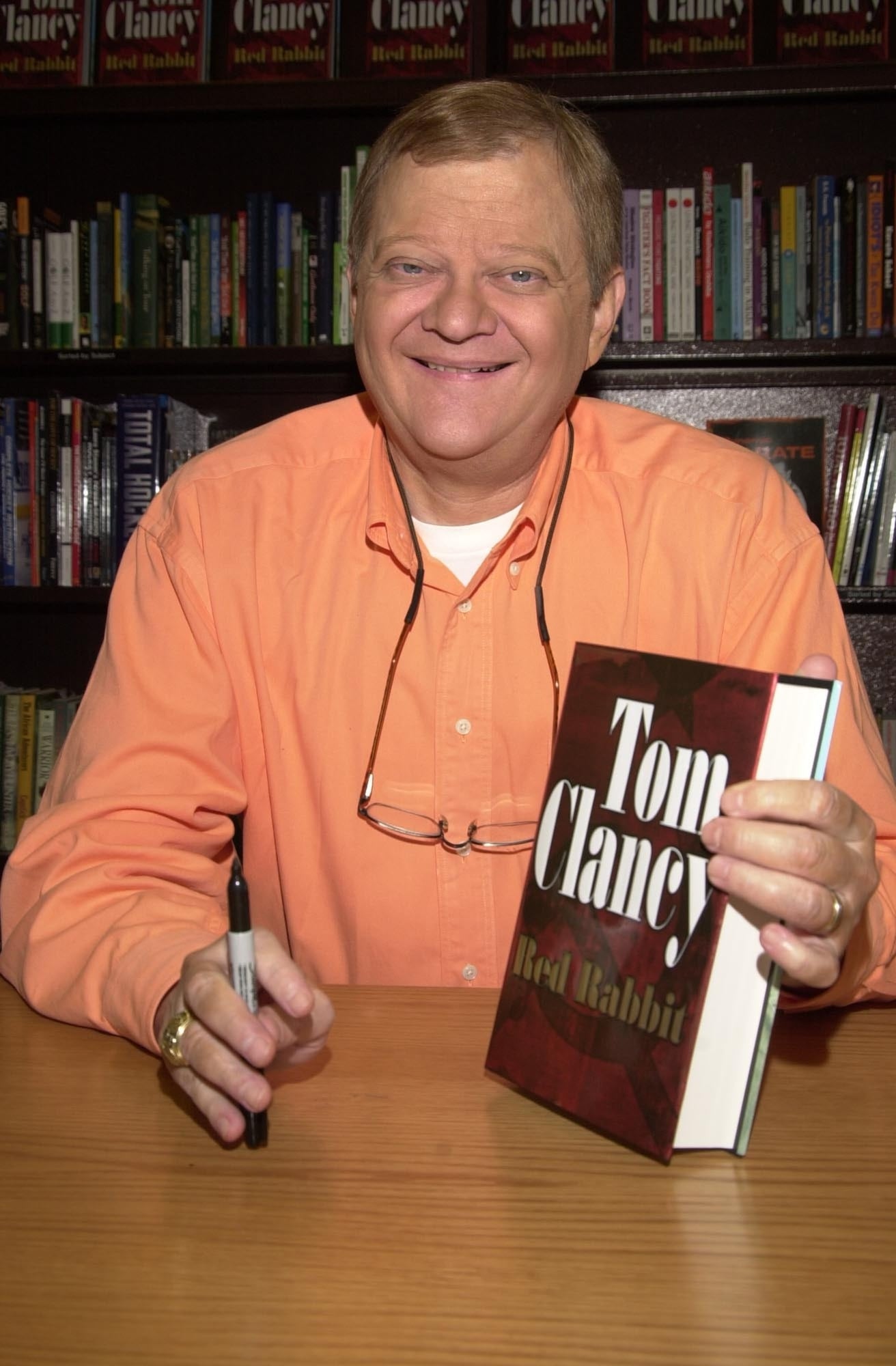
A signed copy of an early Tom Clancy novel, back when he was just another thriller writer, could be worth considerably more than the unsigned version. The signature needs to be authentic, of course, which can be tricky to verify without professional help.
But even setting aside authentication issues, signed books by authors who later won major awards, became bestsellers, or died (making their signatures finite) often appreciate in value. This applies particularly to genre fiction — mystery, science fiction, and horror writers who developed cult followings often see their early signed books become collectible.
Art And Photography Books

Coffee table books and art monographs from the 1960s through 1980s have quietly become valuable, particularly those featuring photographers or artists who are now considered important. Books that showcased emerging artists or documented cultural movements often had limited print runs and were expensive when new, meaning not many people bought them.
Photography books are especially interesting because they often represent the only way to see certain images in high quality — before the internet, a photography book was how most people encountered a photographer’s work. First edition photography books by masters like Ansel Adams, Richard Avedon, or Diane Arbus can bring substantial money, but even books by lesser-known photographers who documented specific eras or places can be valuable to collectors interested in that subject matter.
Self-Help And New Age Books From The 1970s-80s

The self-help boom of the late 20th century produced thousands of books, most of which seem dated now. But certain titles that introduced ideas that became mainstream, or books by authors who developed devoted followings, have maintained or increased their value.
Early books on meditation, Eastern philosophy adapted for Western readers, and groundbreaking works on psychology can bring surprising money. This market is driven partly by nostalgia and partly by people who want to read the original sources of ideas that have since been popularized and diluted.
A first edition of a book that introduced a concept now taken for granted in wellness culture can be valuable to collectors who want to understand where these ideas originated. The key is identifying which self-help books actually influenced later thinking rather than just participating in trends.
Vintage Science Fiction Paperbacks

Science fiction paperbacks from the 1950s through 1970s were printed cheaply and expected to be disposable, which means survival rates were low and collectible examples are now scarce. Publishers like Ace Books, Ballantine, and DAW produced thousands of titles during science fiction’s golden age, but most copies were read to pieces or thrown away.
First editions of books by authors like Philip K., Ursula K. Le Guin, and Robert Heinlein can bring hundreds of dollars in good condition. Even lesser-known authors who wrote influential books can command decent money from collectors trying to complete series or find books they remember from their youth.
The cover art, often featuring futuristic scenes or alien landscapes, adds to the appeal — these books are visual artifacts of how previous generations imagined the future. Science fiction paperbacks from the 1950s through 1970s were printed cheaply and expected to be disposable.
Regional History And Travel Books
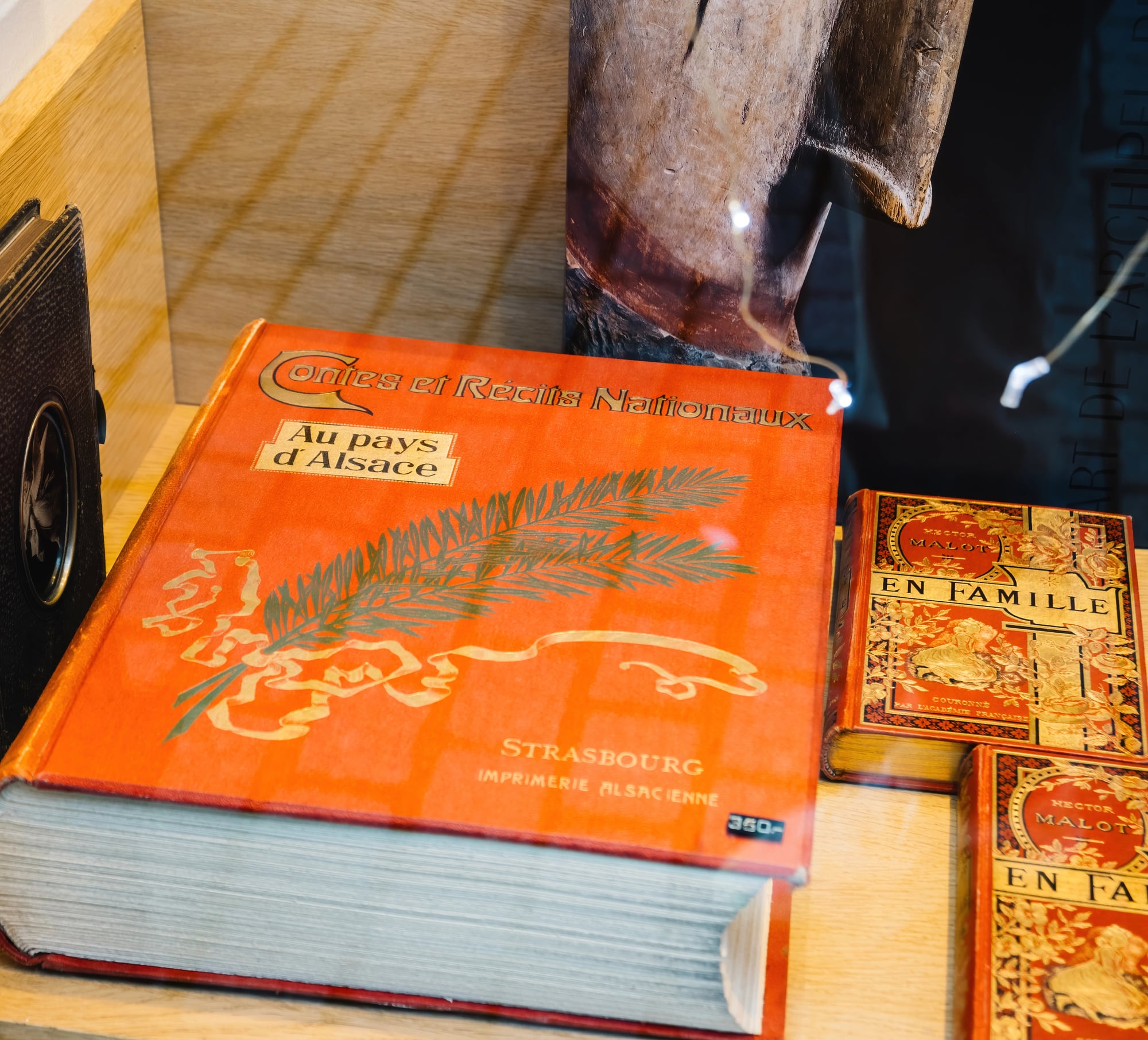
Local and regional history books, particularly those published in small quantities by local historical societies or university presses, can be surprisingly valuable to the right buyers. These books often document places, people, and events that aren’t covered elsewhere, making them the primary source for anyone researching that area.
Travel guidebooks from before the jet age also have their collectors — particularly guides to places that have since changed dramatically or become inaccessible. A 1960s guidebook to Cuba, a 1950s travel guide to Las Vegas, or a 1940s book about driving across America captures a world that no longer exists.
These books appeal to both collectors interested in travel literature and people researching what places were like in earlier eras. Local and regional history books, particularly those published in small quantities by local historical societies or university presses, can be surprisingly valuable to the right buyers.
Early Feminist And Civil Rights Literature

Books that documented or advocated for social movements often had limited initial distribution but have gained historical importance. First editions of early feminist texts, civil rights literature, and books that challenged social norms can be valuable both as collectibles and as historical documents.
Betty Friedan’s “The Feminine Mystique” (1963), early books by civil rights leaders, and lesser-known works that pushed for social change often bring good money from collectors interested in social history. These books were often published by small presses or academic publishers, meaning print runs were limited.
As these movements gained historical recognition, the founding texts became collectible. Books that documented or advocated for social movements often had limited initial distribution but have gained historical importance.
Poetry Collections
Poetry books traditionally have small print runs, making first editions inherently scarce. Even poets who weren’t widely known during their lifetimes sometimes become collectible after their work gains recognition or after they win major awards posthumously.
Poetry chapbooks — small, inexpensively produced collections — are particularly interesting because they were often published in quantities of just a few hundred copies. The challenge with poetry collections is knowing which poets have gained value over time.
A poet who seemed obscure twenty years ago might now be taught in universities or have developed a cult following. Small press publications, university press books, and self-published poetry collections can all surprise collectors with their value if the poet later gained recognition or if the books document a particular literary movement or scene.
The Weight Of Stories In Your Hands

Books accumulate value the way rivers carve canyons — slowly, then all at once, in ways that surprise even the people watching. That cookbook your grandmother used has absorbed decades of kitchen conversations; that science fiction paperback carries someone’s teenage dreams about the future; that academic text holds the moment when a field was still young enough to fit in one volume.
The books sitting on your shelf don’t just contain stories — they are stories, each one a small record of what someone thought worth preserving when it was new. Their value isn’t just monetary; it’s the peculiar alchemy that happens when the right book finds the right reader at the right moment, sometimes decades after publication.
More from Go2Tutors!

- The Romanov Crown Jewels and Their Tragic Fate
- 13 Historical Mysteries That Science Still Can’t Solve
- Famous Hoaxes That Fooled the World for Years
- 15 Child Stars with Tragic Adult Lives
- 16 Famous Jewelry Pieces in History
Like Go2Tutors’s content? Follow us on MSN.