17 Dangerous Toys from the Early 2000s
The early 2000s were a wild time for toys. Companies pushed boundaries to create the next big thing, and safety testing didn’t always keep pace with innovation.
Parents trusted brand names and colorful packaging, only to discover that some of these playthings posed serious risks to their children. Looking back, you might be surprised at what made it onto store shelves and into homes across the country.
The Razor Scooter Sent 110,000 Kids to Emergency Rooms
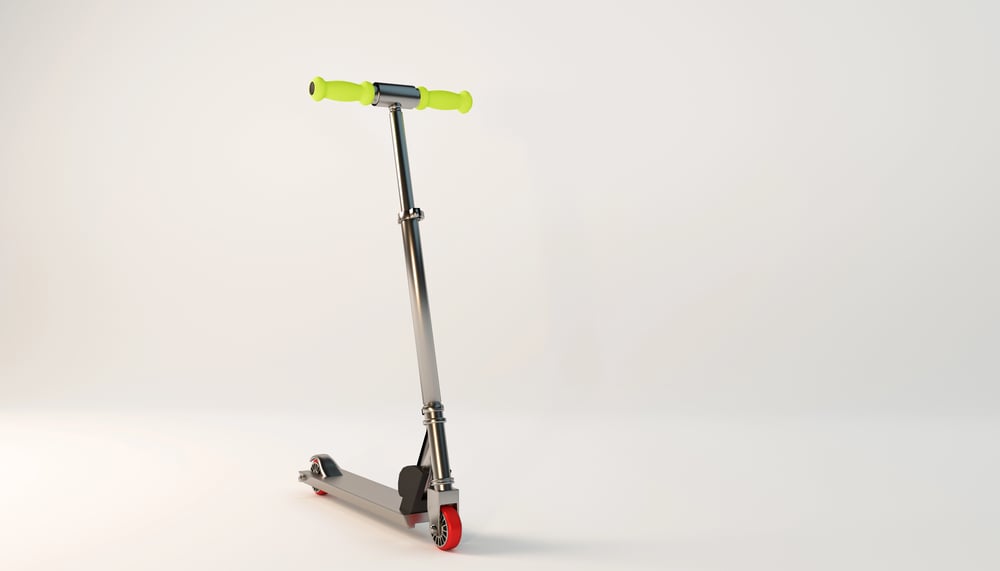
When Razor scooters hit the market in 2000, they became an instant sensation. Kids zipped around neighborhoods on these aluminum frames with tiny wheels, and parents loved how portable they were.
But the design had serious flaws. The wheels were small and hard, which meant they caught on every crack in the sidewalk.
Kids went flying over the handlebars. The scooter’s low deck also positioned riders close to the ground, making injuries to faces and teeth common.
In 2001 alone, emergency rooms treated 110,000 scooter-related injuries. The handlebar welds would bend or break, leaving kids with no way to steer.
Later models sparked literal fire concerns when manufacturers added a feature that shot sparks from the back as you rode.
Pokemon Containers From Burger King Became Suffocation Traps

Late 1999 and early 2000 brought a massive Pokemon promotion at Burger King. Kids’ meals came with small Pokemon figures inside plastic containers shaped like Poke spheres.
The containers split into two halves, and that’s where the danger lurked. When a child placed half of the container over their face, it created a vacuum seal over the nose and mouth.
The flexible plastic molded to a child’s face, and the harder they breathed, the tighter it stuck. Two children died from suffocation, and another nearly died before her father managed to pull the container off her blue-lipped face.
Burger King recalled 25 million containers, but less than half came back. Even with massive warnings on TV, in newspapers, and at pediatricians’ offices, a third child died a month after the recall began.
Blast Fireworks Masqueraded As Innocent Toys

In 2001, Super Bang introduced the Blast products, which were two colorful spheres that kids could smack together to hear a cap-gun-like noise. Sometimes they produced sparks.
The problem? They were essentially fireworks marketed to children. The impact-sensitive explosives inside could ignite unexpectedly.
Burns and eye injuries followed. Parents didn’t realize they were handing their kids something that belonged in the same category as Fourth of July fireworks, not in the toy aisle next to action figures.
Magnetix Destroyed Intestines When Children Swallowed Them
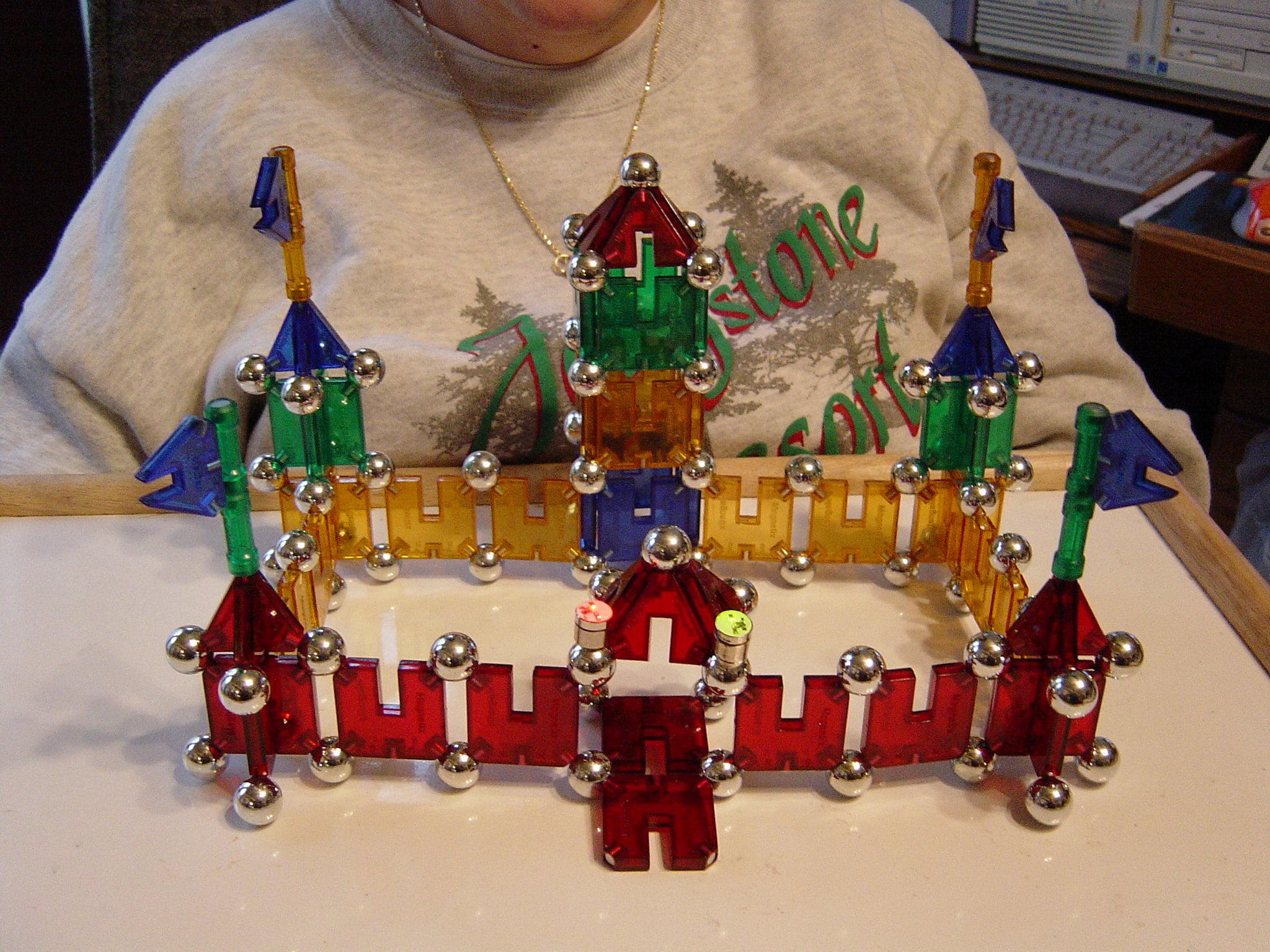
These colorful magnetic building sets hit stores in 2005 with pieces designed for kids three and up. The tiny, powerful magnets would fall out of the plastic casings.
Children swallowed them, thinking they were candy or just exploring with their mouths like kids do. Inside the body, multiple magnets would attract each other through intestinal walls.
They’d pinch tissue between them, cutting off blood flow and tearing through organs. Twenty-seven children needed emergency surgery.
One child died. Another suffered a lung aspiration.
The magnets caused infections, blockages, and perforations that required removing sections of intestine. Even after the 2006 recall, injuries kept coming because so many sets remained in homes.
The Easy-Bake Oven Trapped And Burned Little Fingers
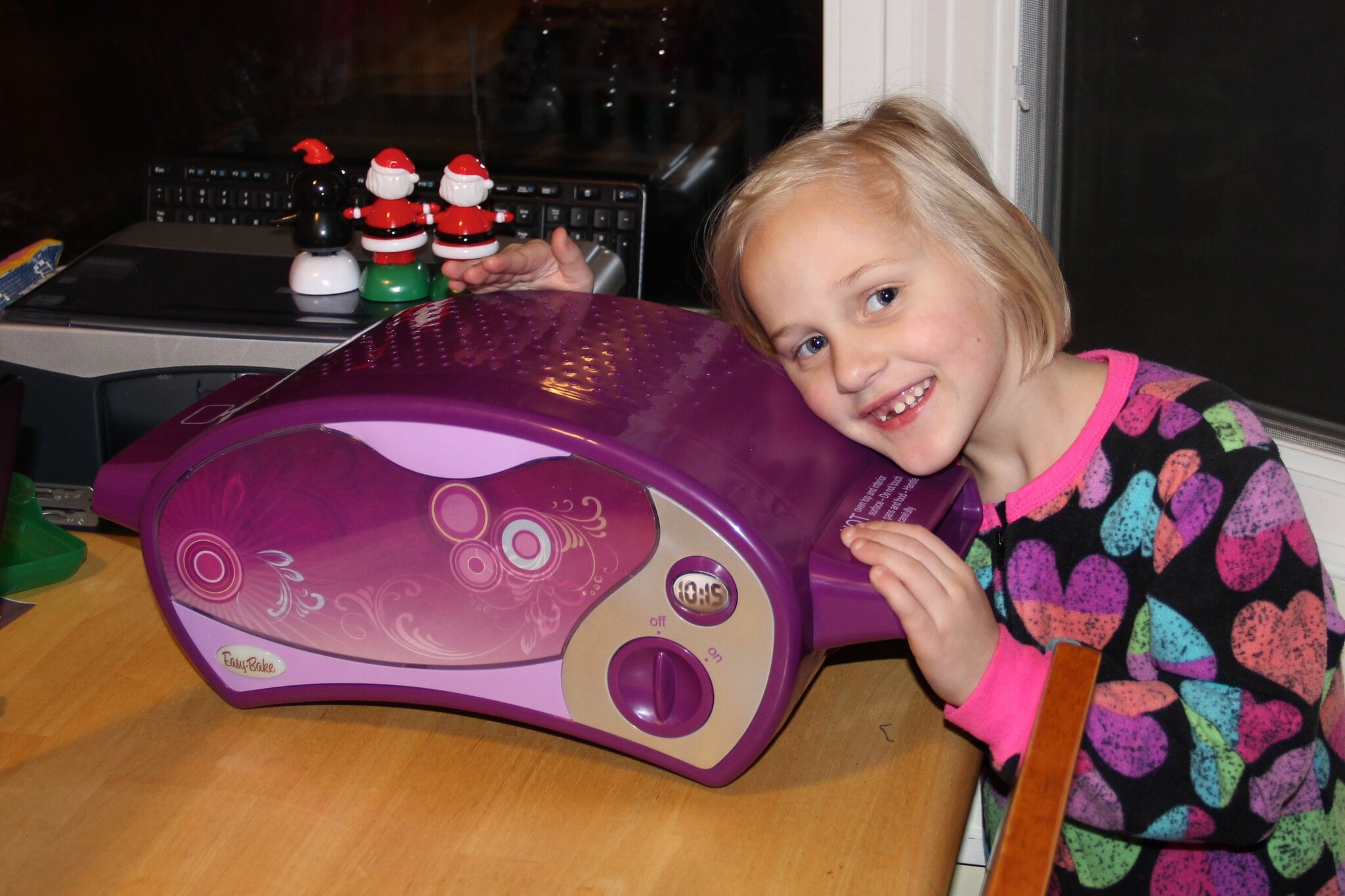
Easy-Bake Ovens had been around for decades, but in 2006, Hasbro redesigned them. The new purple and pink model looked like a real kitchen stove, complete with a front-loading door.
That door became a trap. Children would reach inside while the oven was hot, and their hands or fingers would get caught in the front opening.
The heating element inside burned them while they were stuck. Nearly 250 incidents were reported, with 77 children suffering burns.
Sixteen of those were second or third-degree burns. One five-year-old girl needed partial finger amputation.
The company recalled almost a million ovens in 2007.
Kite Tubes Launched Riders Into The Air And Dropped Them Hard

Picture a large inflatable tube that you towed behind a boat, but this one was designed to catch air like a kite. Kite tubing lasted less than a year on the market before the recalls started in 2006.
When boats pulled these tubes fast enough, they’d lift riders high into the air. The problem was control.
Users couldn’t steer or predict when the tube would suddenly drop. People fell from significant heights onto water that felt like concrete at high speeds.
Two people died. Thirty-nine others suffered serious injuries including broken necks, punctured lungs, fractured ribs and spines, and severe facial lacerations.
The forces involved were just too much for a recreational toy.
Aqua Dots Contained The Date Assault Drug GHB
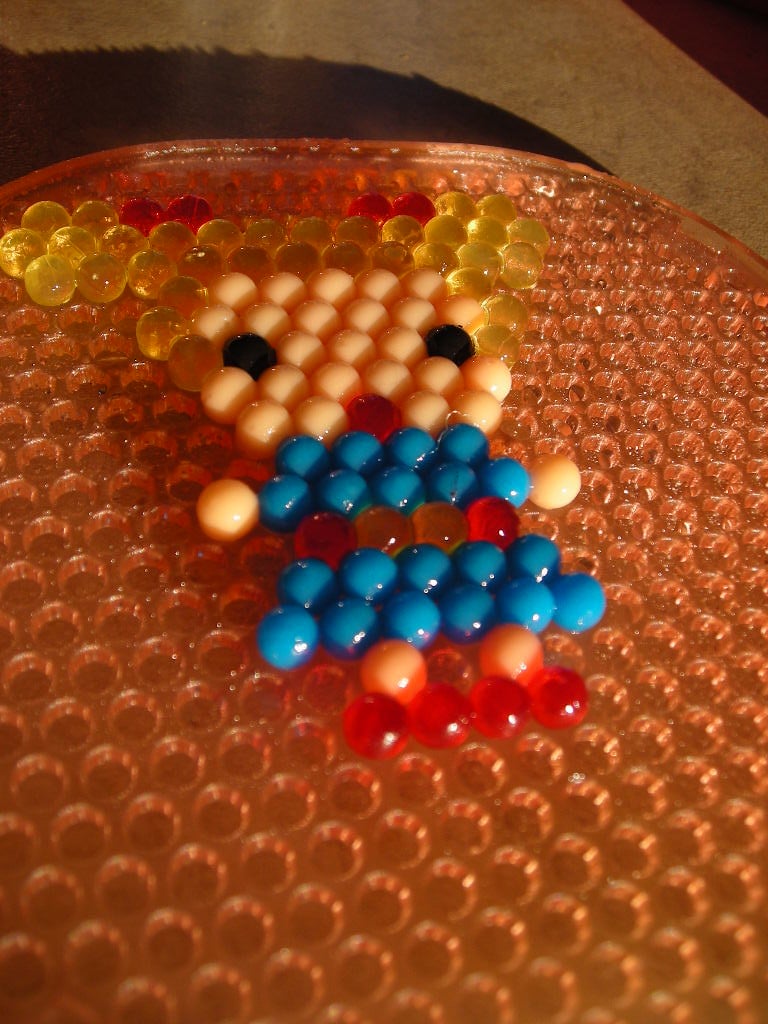
These tiny, colorful beads came out in 2007 and won toy of the year. Kids could arrange them into designs, then spray them with water to make them stick together permanently.
The craft seemed harmless until children started getting seriously ill. The chemical coating on the beads metabolized into gamma-hydroxybutyrate when ingested.
That’s GHB, better known as a substance used in assaults. Children who swallowed the beads became dizzy and vomited repeatedly before slipping into comas that lasted up to five days.
Three children in Australia were hospitalized. Parents had no idea the craft supplies in their homes contained such a dangerous chemical.
The recall happened within eight months of release.
CSI Fingerprint Kits Exposed Kids To Asbestos

The CSI television show was huge in 2007, so naturally toy companies created investigation kits for kids. One fingerprint examination kit came with everything a young detective needed: vials, powders, and supplies for dusting surfaces.
Testing revealed that the fingerprint powder contained asbestos. Not just a little, but significant amounts of multiple types of harmful fibers.
Children were breathing these in as they played detective. Connecticut recalled the toy first, and other states followed.
No amount of asbestos exposure is safe, especially for developing lungs.
Sky Dancers Became Airborne Projectiles
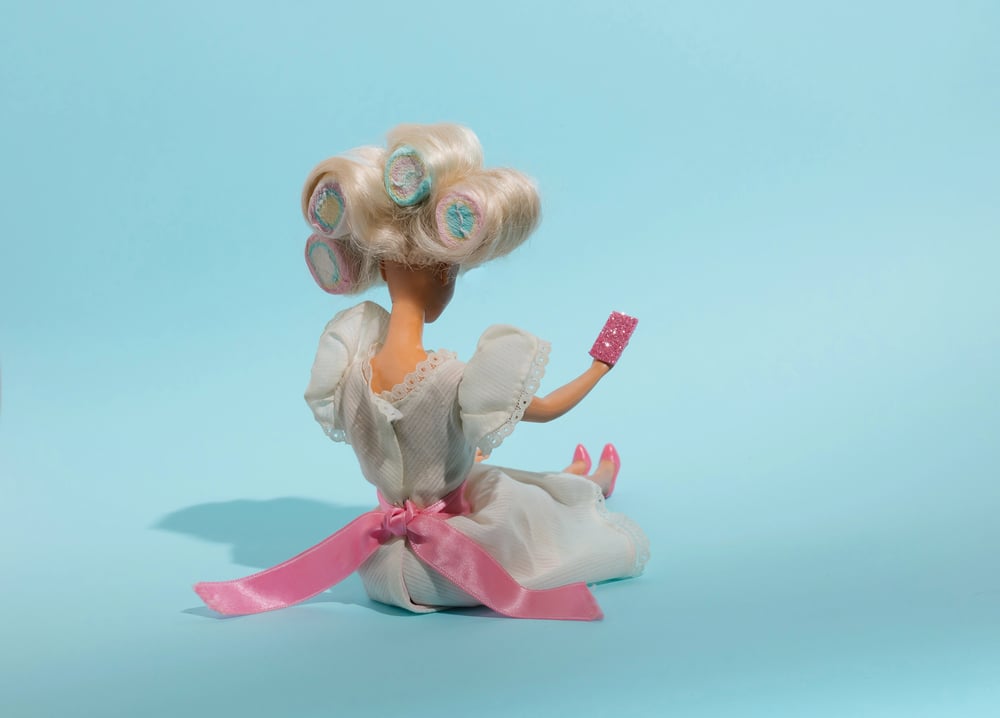
These flying dolls had wings and a pull-string launch mechanism. Kids would pull the string, and the doll would spin rapidly into the air.
The concept was magical until you considered physics. High-speed spinning plastic traveling in unpredictable directions caused more than 150 injuries.
The dolls hit faces, causing eye injuries, broken teeth, and facial lacerations. Some children suffered temporary vision loss.
The toys couldn’t be controlled once launched, and they’d ricochet off walls or dive-bomb anyone nearby. Parents initially thought the concept was charming until their kids came home wounded.
Polly Pocket Sets Had Magnets That Kids Swallowed

In 2006, Mattel recalled more than four million Polly Pocket playsets. These miniature dolls came with magnetic clothes that attached to the tiny figures.
The small, powerful magnets would detach from the clothing and accessories. Young children swallowed them, facing the same intestinal horrors as with Magnetix.
The magnets would find each other inside the body, pinching through tissue and blocking or tearing intestines. The recall covered dozens of different Polly Pocket products sold over several years.
Yo-Yo Water Spheres Strangled Children With Their Cords

These squishy, water-filled orbs attached to elastic cords bounced in a yo-yo motion. They looked fun and harmless.
The stretchy cord became the problem. Children wrapped the cords around their necks accidentally during play, or the cord would get tangled during sleep.
The strangulation hazard led several states to ban them, though the federal Consumer Product Safety Commission declined to issue a nationwide recall. Some retailers voluntarily stopped selling them.
The liquid inside also raised concerns about toxicity if the thin rubber broke.
Mattel Recalled Nine Million Toys For Lead Paint

2007 became a nightmare year for Mattel when they discovered excessive lead in paint used on millions of toys. The recalls kept coming in waves throughout the year.
Nine million toys went back to the manufacturer. Children who mouthed or chewed these toys ingested lead, which damages developing brains even in small amounts.
The toys included popular characters kids loved. Parents who trusted major brand names felt betrayed.
The scandal highlighted how manufacturing shortcuts and overseas production created safety gaps that regulators struggled to catch.
Colossal Water Spheres Expanded 400 Times Inside Bodies

Marketed in 2010, these marble-sized orbs looked and felt like candy. When placed in water, they’d expand to create bouncy spheres for play.
The danger became obvious too late. If a child swallowed one of these before it expanded, it would absorb moisture inside the body and grow to 400 times its original size.
This caused intestinal blockages, severe pain, vomiting, and dehydration. Children needed surgery to remove the expanded masses.
The resemblance to colorful candy made ingestion almost inevitable for young kids.
Leapfrog Alphabet Pal Had Detachable Choking Hazards

This electronic pull toy from 1999 to 2000 taught letters and sounds. It seemed educational and safe.
The red plastic connector on the pull string could be pulled apart, creating small pieces that posed choking hazards. The company received nine reports of the connector detaching.
While no injuries were reported, half a million toys went into recall. The fix was simple: cut off the red connector.
But many parents didn’t hear about the recall or didn’t bother to modify toys that seemed fine.
Xylophone Mallets Lodged In Throats

The Stand-Up ‘N Play Tables sold from 1996 through 1999 came with xylophone mallets. These mallets were the perfect size to become lodged in a child’s throat.
One thirteen-month-old boy fell while teething on the rounded end of a mallet. The mallet jammed into his throat, and his parents had to forcibly remove it to prevent choking.
The extraction caused throat lacerations. The incident showed how everyday toys could become weapons through normal toddler behavior.
Kids that age put everything in their mouths, and this mallet was shaped perfectly to cause maximum harm.
Creepy Crawlers Thingmaker Burned And Poisoned

Originally released in 1964, this toy saw renewed popularity in the early 2000s. Kids could “bake” rubber insects using an oven, metal molds, and a chemical gel called “Plastigoop.”
The oven heated to nearly 400 degrees Fahrenheit. Children burned their fingers on the hot plates constantly.
The baking process also released toxic fumes that made kids sick. Metal trays caused scalding when handled incorrectly.
The whole concept seems absurd now: give children a device hotter than a conventional oven and chemical compounds that release fumes when heated.
Fisher-Price Mini Motorcycles Put Kids At High Speed Risk

Speeds on these kid-sized electric bikes sometimes went too high for little riders to handle safely. Built tough, the machines weighed a lot – making them tricky to steer.
Bumping into things came easy when small hands lost control around corners. Speed surprised more than one family, turning what seemed like playful drives into shaky rides.
Crashes piled up, each one sharper than expected. Only later did grown-ups see the risk hiding inside bright colors and plastic seats.
When reports added up, stores stopped selling them – three million sent back without warning.
Playtime Led To Hospital Trips

Back then, things looked safe at first glance – paper designs checked out, early clearances came through. Still, once kids started playing, problems popped up.
Labs had given approvals, yet overlooked what playtime uncovered. Without enough testing, new ideas turned risky.
Little by little, toy makers started bringing in child experts to see what children really do with playthings – way different than the instructions say. Instead of grabbing whatever looked fun on shelves, parents began digging deeper into what things were made of.
Rules shifted hard when it came to safety checks, pulling risky items off store floors quicker than before. A quiet shift happened – one where danger sparked awareness in both homes and boardrooms.
Behind each pulled toy is someone’s kitchen table story, a moment trust broke under weight no one saw coming.
More from Go2Tutors!

- The Romanov Crown Jewels and Their Tragic Fate
- 13 Historical Mysteries That Science Still Can’t Solve
- Famous Hoaxes That Fooled the World for Years
- 15 Child Stars with Tragic Adult Lives
- 16 Famous Jewelry Pieces in History
Like Go2Tutors’s content? Follow us on MSN.



