27 Historical Trials Where the Verdict Still Divides Historians
Courtroom verdicts are supposed to be final, yet some of history’s most famous trials continue to generate fierce debate among scholars decades or centuries after the judge’s gavel fell. These cases linger in historical consciousness not because the law was unclear, but because the evidence was contested, the procedures questionable, or the political pressures too great to ignore.
Historians remain divided on guilt, innocence, and whether justice was actually served. The trials that follow expose deep fissures in how we interpret the past.
Some defendants were clearly guilty by modern standards but tried under procedures we now recognize as fundamentally unfair. Others maintained their innocence against overwhelming political pressure, leaving scholars to puzzle over the truth.
A few verdicts reversed themselves centuries later, forcing historians to reckon with courts that got it catastrophically wrong.
The Trial of Joan of Arc (1431)
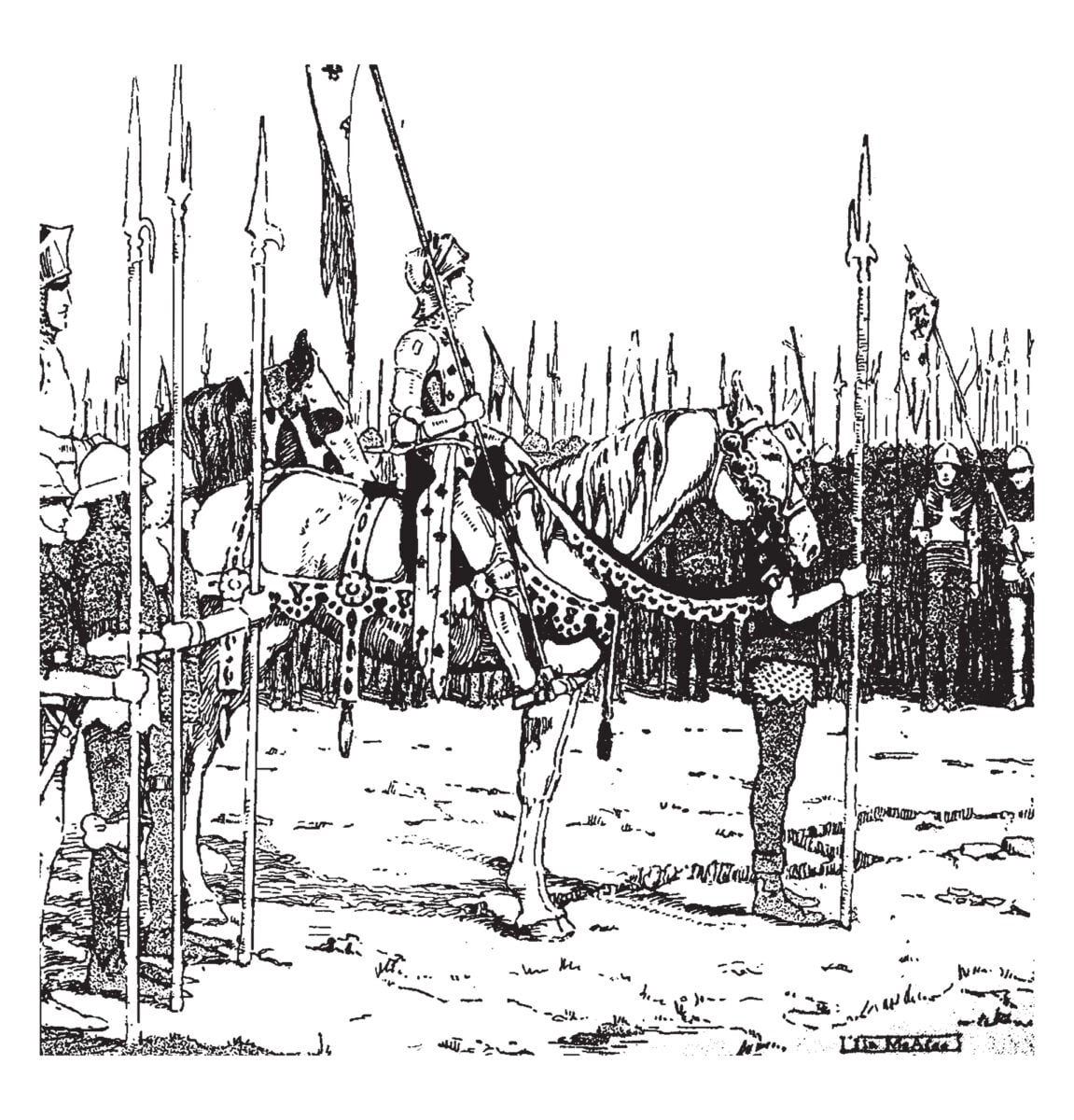
Joan of Arc was convicted of heresy by an English-influenced court in Rouen and burned at the stake in 1431, but the verdict haunts historians even today. While modern scholarship agrees the trial was politically engineered to discredit Charles VII’s divine legitimacy, historians remain divided on whether her visions were genuine, coerced confessions under duress, or deliberate manipulation.
In 1456, just 25 years later, the Church itself declared the original trial null and void, citing procedural violations including the absence of legal representation and threats of torture. Yet debate persists over whether the 1456 rehabilitation addressed the theological issues or merely corrected legal technicalities, and whether Joan truly recanted her visions or was forced to sign away her convictions.
The Galileo Trial (1633)
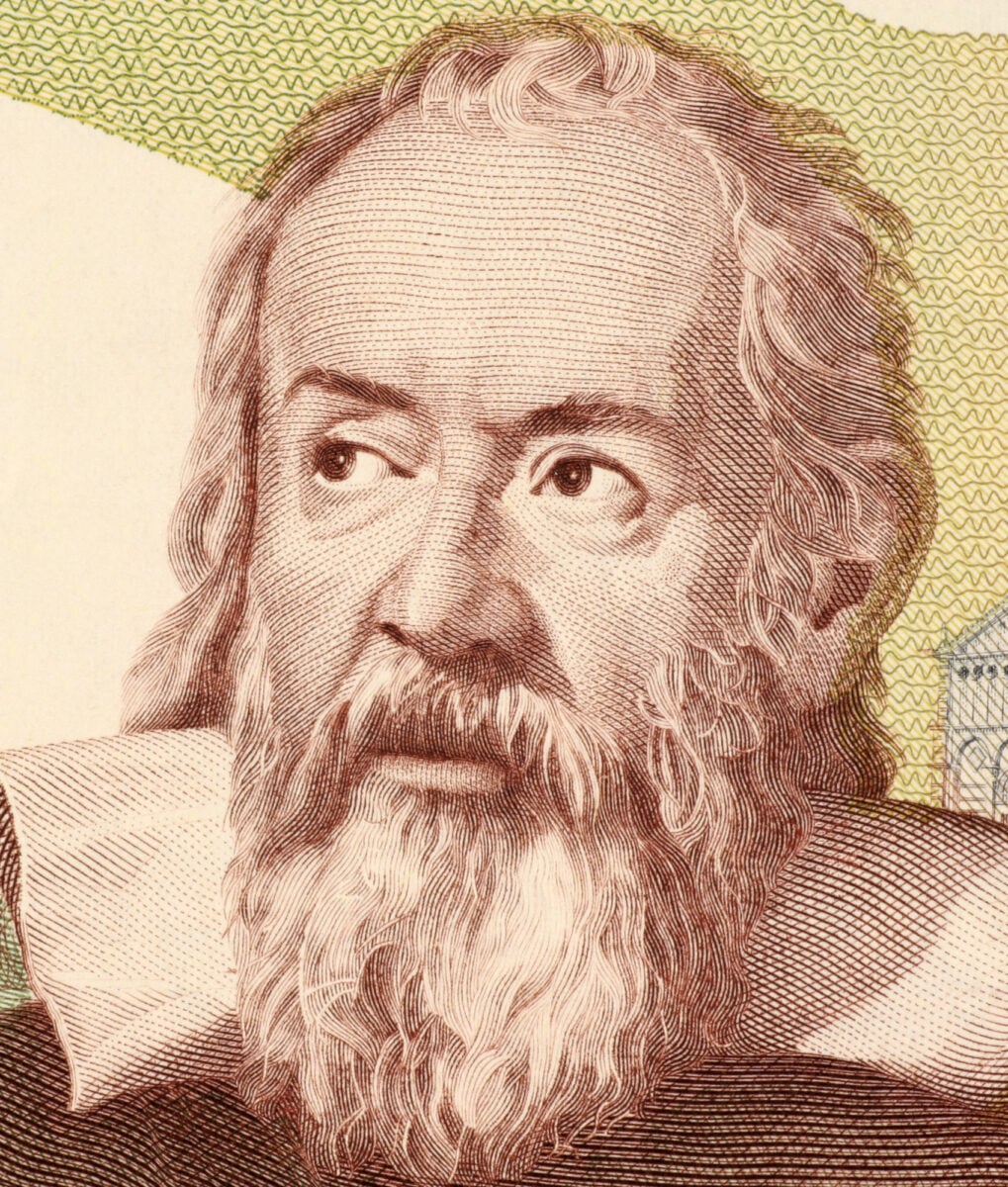
Historians have spent centuries arguing whether Galileo was truly guilty of defending heliocentrism or whether the trial focused on insubordination against Church authority. The 1633 conviction for “vehement suspicion of heresy” rested on a 1616 Church admonition, but the exact nature of that earlier order remains contested—was it a blanket prohibition on discussing Copernicus, or merely a warning not to present it as established fact?
Galileo admitted guilt through a plea bargain that denies actual belief in heliocentrism, claiming instead he simply got carried away demonstrating his rhetorical skills. Modern scholars debate whether this confession was genuine or coerced under threat of torture, and whether the trial was fundamentally about heresy or about challenging institutional authority.
The Scopes Monkey Trial (1925)

High school teacher John Scopes was convicted of teaching evolution in violation of Tennessee law, yet historians remain divided on whether the verdict represented justice or the triumph of publicity. Scopes admitted to teaching Darwinian evolution, making the case seem straightforward, but the trial became a proxy war between science and religious fundamentalism.
Some historians argue the conviction was technically justified by the existing law, while others contend the verdict exposed the absurdity of state-mandated ignorance. The case also divided public opinion sharply along regional and ideological lines, with northern intellectuals viewing the trial as a Southern embarrassment while many Southerners saw it as legitimate defense of traditional values.
The Sacco and Vanzetti Case (1927)
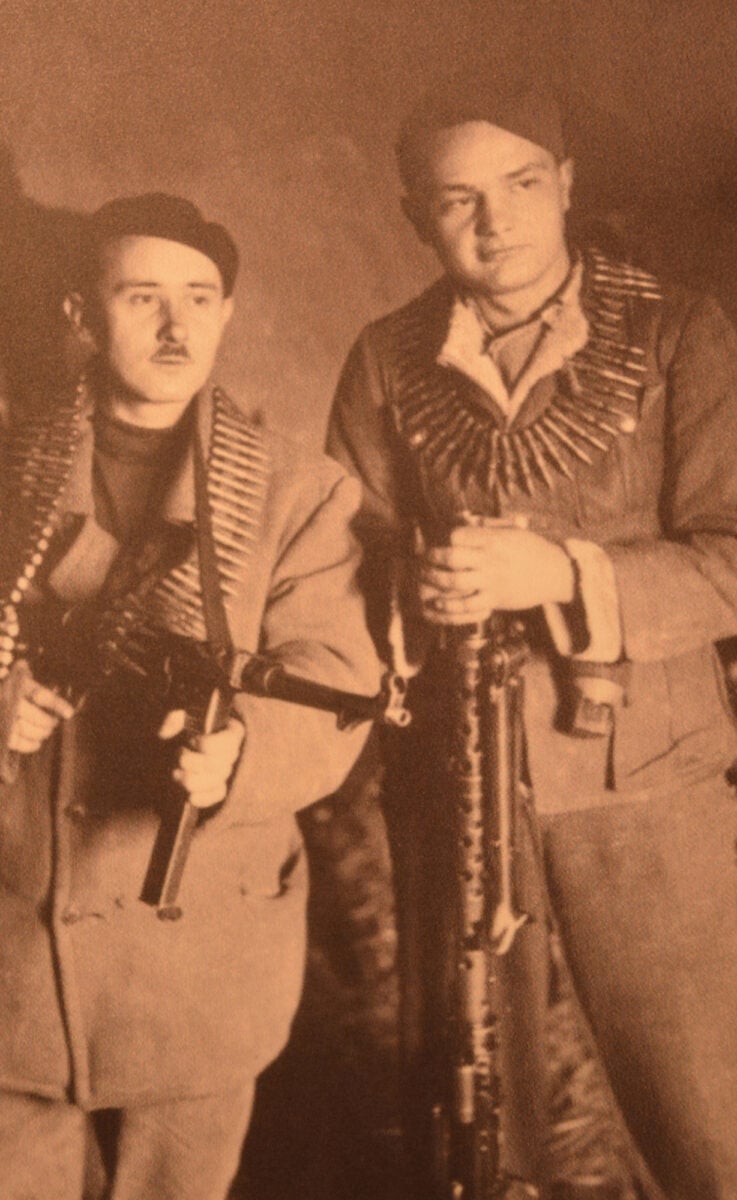
The execution of Italian anarchists Nicola Sacco and Bartolomeo Vanzetti in 1927 remains one of America’s most contested trials. Both men were convicted of armed robbery and murder during a climate of intense anti-immigrant hysteria and fear of anarchist violence.
Historians fiercely debate the credibility of the physical evidence, the reliability of eyewitness testimony gathered in a xenophobic atmosphere, and whether political ideology tainted the jury’s judgment. Some scholars remain convinced of their guilt, while others argue the verdicts represented judicial murder disguised in legal procedure.
The international outcry over the case and subsequent examinations by legal experts have convinced many historians that Sacco and Vanzetti were victims of a system rigged against immigrants and radicals.
The Leopold and Loeb Trial (1924)
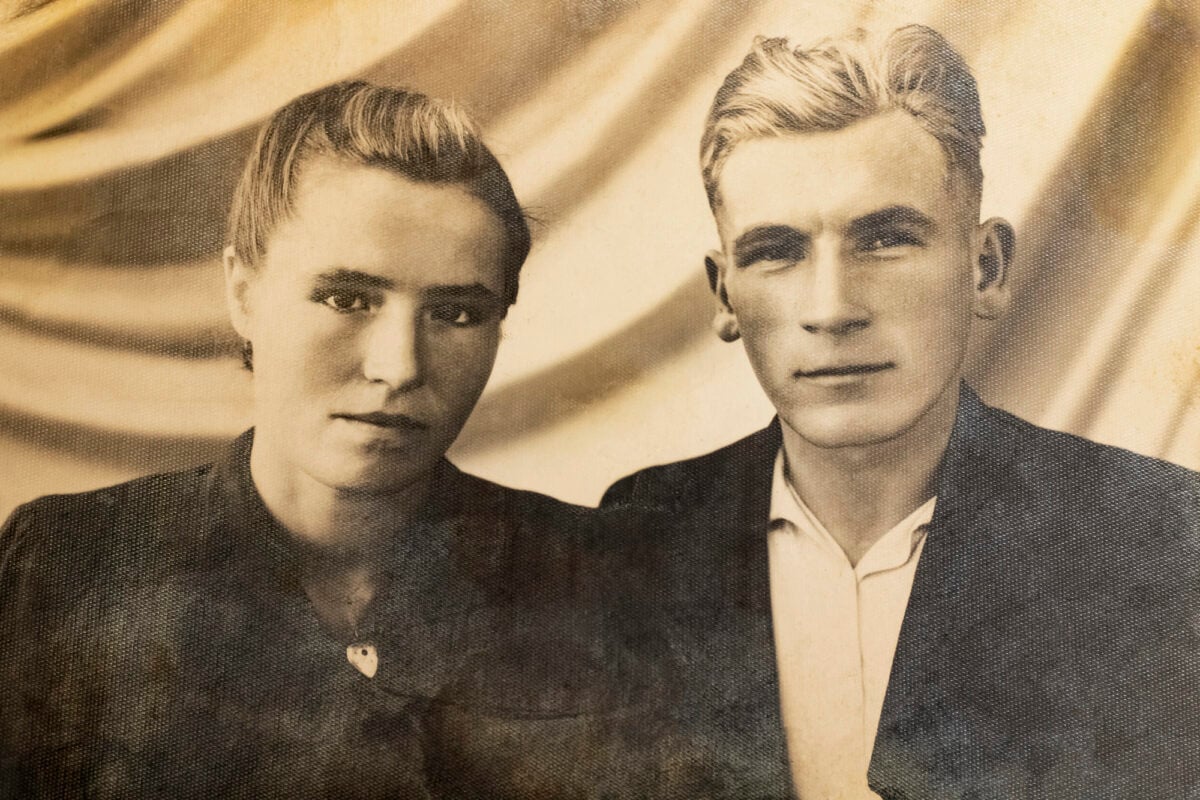
Nathan Leopold and Richard Loeb confessed to murdering 14-year-old Bobby Franks in 1924, yet historians debate whether they deserved death or life imprisonment. The wealthy University of Chicago students claimed to have committed the “perfect crime” to prove their intellectual superiority, and their confession seemed to make the verdict straightforward.
Yet defense attorney Clarence Darrow’s famous argument introduced psychiatric testimony about youth, mental illness, and psychological immaturity that historians continue to evaluate. Some scholars view the life sentences as merciful leniency that protected young offenders from death, while others argue the case represented a victory for psychiatric defense and opposition to capital punishment that Darrow deliberately engineered despite the brutality of the crime.
The Boston Massacre Trial (1770)
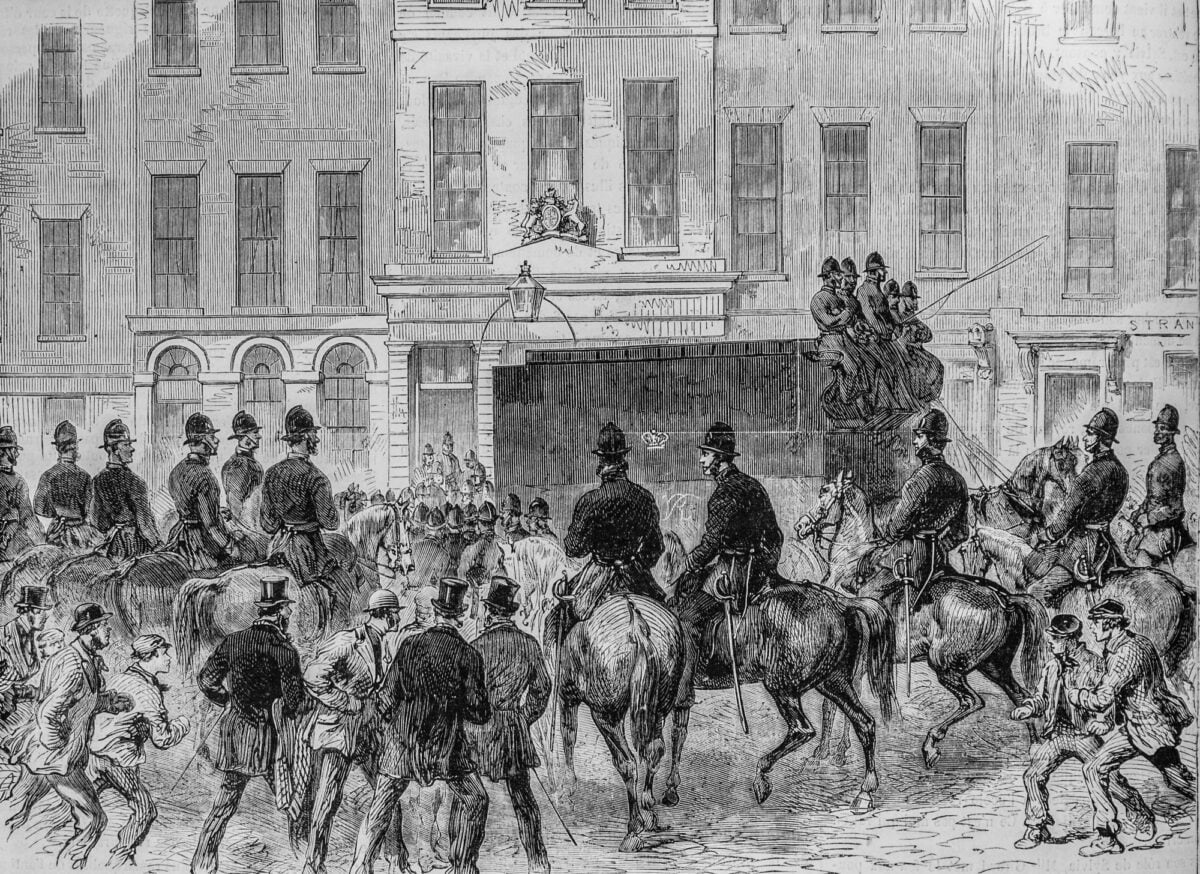
Eight British soldiers were charged with murder after a skirmish with Boston colonists on March 5, 1770, resulted in five deaths. Defense attorney John Adams, later president, successfully argued for acquittal or reduced charges, resulting in only two soldiers being convicted of manslaughter rather than murder.
Historians debate whether this verdict represented justice or a political accommodation that favored British authority. Colonists viewed the outcome as proof of British bias in favor of their soldiers, while English observers questioned whether colonists had provoked excessive response.
The trial’s outcome intensified American resentment toward British rule, making it impossible to separate the legal merits from the revolutionary fervor surrounding it.
The Salem Witch Trials (1692)
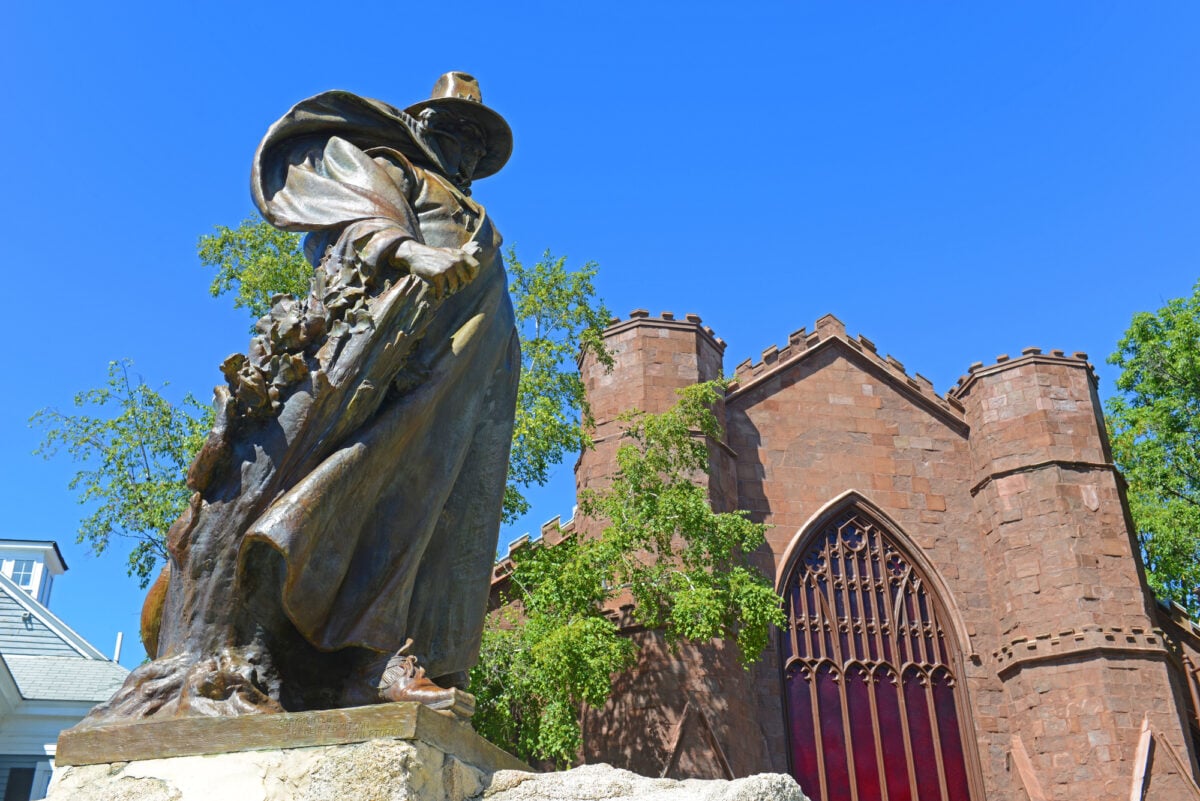
Nineteen people were hanged during the witch trials in Salem Village, Massachusetts, after conviction based primarily on spectral evidence—the belief that accused witches could project invisible forms to torment victims. Historians have debated for centuries whether the afflicted girls were genuinely experiencing supernatural phenomena, suffering from ergot poisoning, or engaging in deliberate fraud to gain attention and power.
The trials themselves were conducted under extraordinary procedural irregularities, with judges accepting testimony that would never be permitted in other criminal proceedings. Modern scholars question whether any of the accused were actually guilty of witchcraft as defined by Puritan theology, or whether the verdicts represent mass panic and judicial failure on a tragic scale.
The Nuremberg Trial (1946)
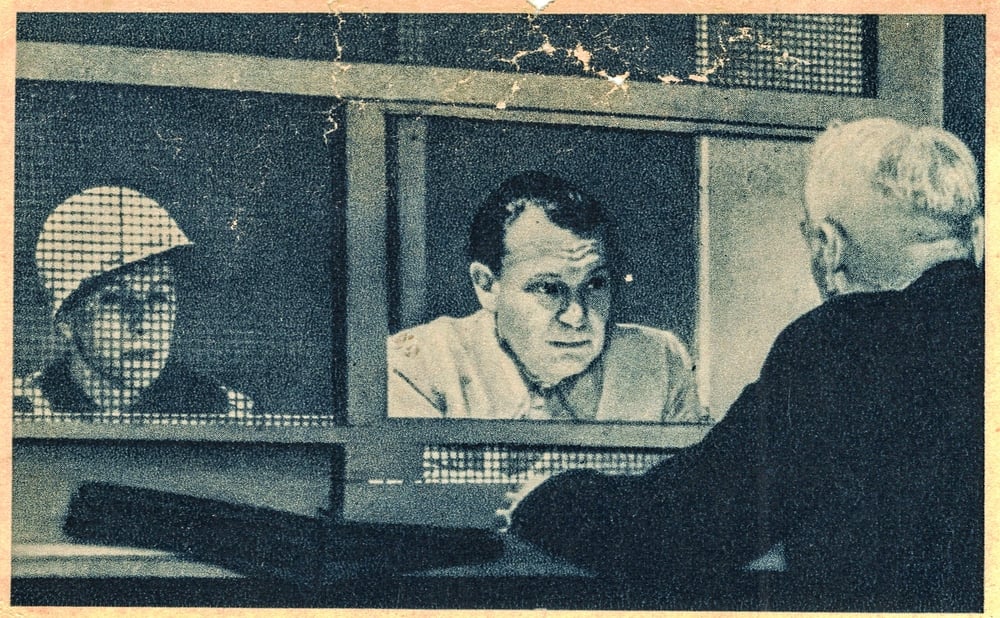
The trial of Nazi leaders was celebrated as justice for Holocaust victims, yet historians and legal scholars continue to argue whether it represented legitimate prosecution or victors’ justice. The tribunal faced criticism for retroactively applying laws that did not exist at the time of the crimes, for prosecuting only the defeated Axis powers, and for excluding crimes committed by Allied nations.
While no historian disputes that Nazi leaders committed atrocities, disagreement persists over whether the trial procedures violated fundamental legal principles, whether the convictions would have held under neutral judicial standards, and whether the tribunal’s legacy strengthened or weakened international law.
The O.J. Simpson Trial (1995)

The jury’s not-guilty verdict in O.J. Simpson’s murder trial exposed a profound racial divide in how Americans interpreted the same evidence. African American observers frequently cited police misconduct, forensic evidence mishandling, and systemic injustice in law enforcement as reasons to doubt the prosecution’s case, while white Americans largely believed Simpson was guilty and unjustly acquitted.
Historians now debate whether the jury verdict represented justice, jury nullification, or a rational response to demonstrable prosecutorial problems. The case became a flashpoint for examining how race, celebrity, and public opinion influence verdicts, making it impossible to view the trial’s outcome in purely legal terms.
The Trial of Mary Queen of Scots (1586)
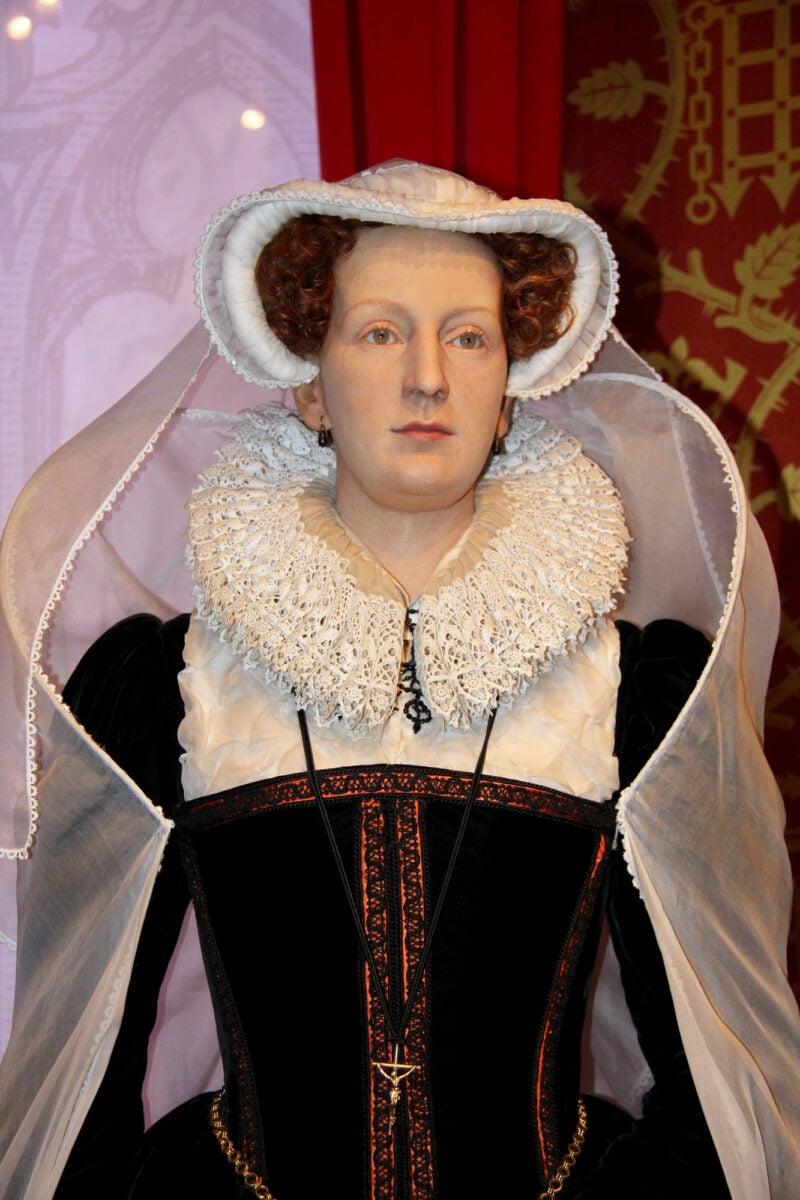
Mary Queen of Scots was convicted of plotting to assassinate her cousin Queen Elizabeth I in the Babington Plot, yet historians remain divided on whether she actually consented to the murder or was entrapped by Elizabeth’s spymaster Francis Walsingham. Letters attributed to Mary were presented as evidence, but modern historians have demonstrated that Walsingham manipulated the correspondence, intercepting messages and adding his own fabrications to encourage Mary’s statements.
Mary denied the charges and argued she had no legal right to be tried for treason against England, as she was a foreign monarch. Historians debate whether the trial violated international law, whether the evidence against her held up under scrutiny, and whether execution was justified or a premeditated political murder.
The Eichmann Trial (1961)
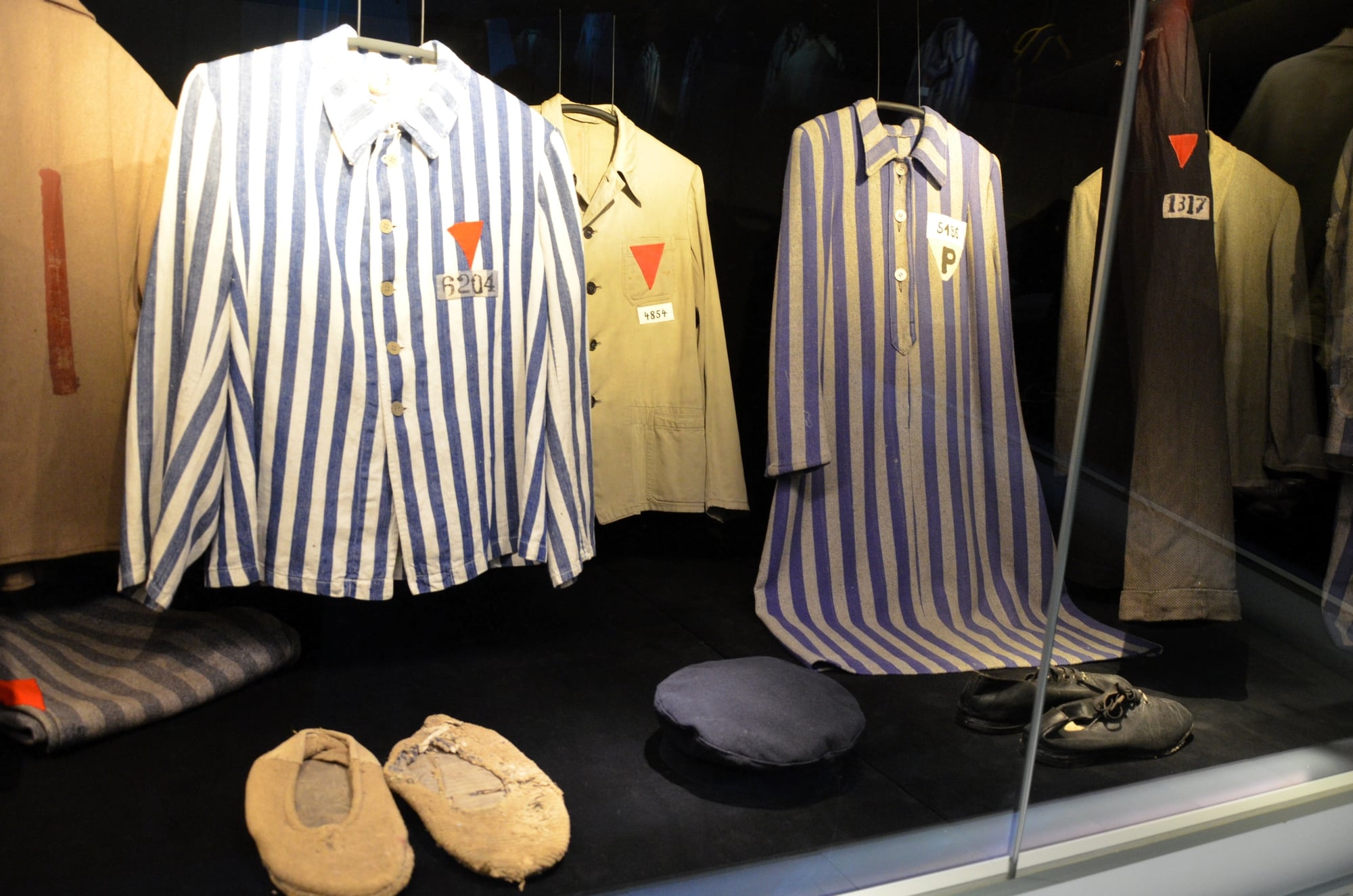
Adolf Eichmann’s conviction in Jerusalem for organizing the Holocaust seemed straightforward—he orchestrated mass deportations that led to millions of deaths. Yet the trial became controversial when German-born philosopher Hannah Arendt covered the proceedings for The New Yorker, arguing that Eichmann was banal rather than demonic, an ordinary bureaucrat carrying out orders rather than a malevolent architect of genocide.
Her portrayal sparked a decade-long scholarly debate over evil, responsibility, and whether ordinary people following orders bear the same moral culpability as ideological fanatics. Historians continue to dispute whether Arendt’s analysis diminished Eichmann’s guilt or provided crucial insight into how totalitarian systems make atrocity ordinary.
The Trial of John Brown (1859)
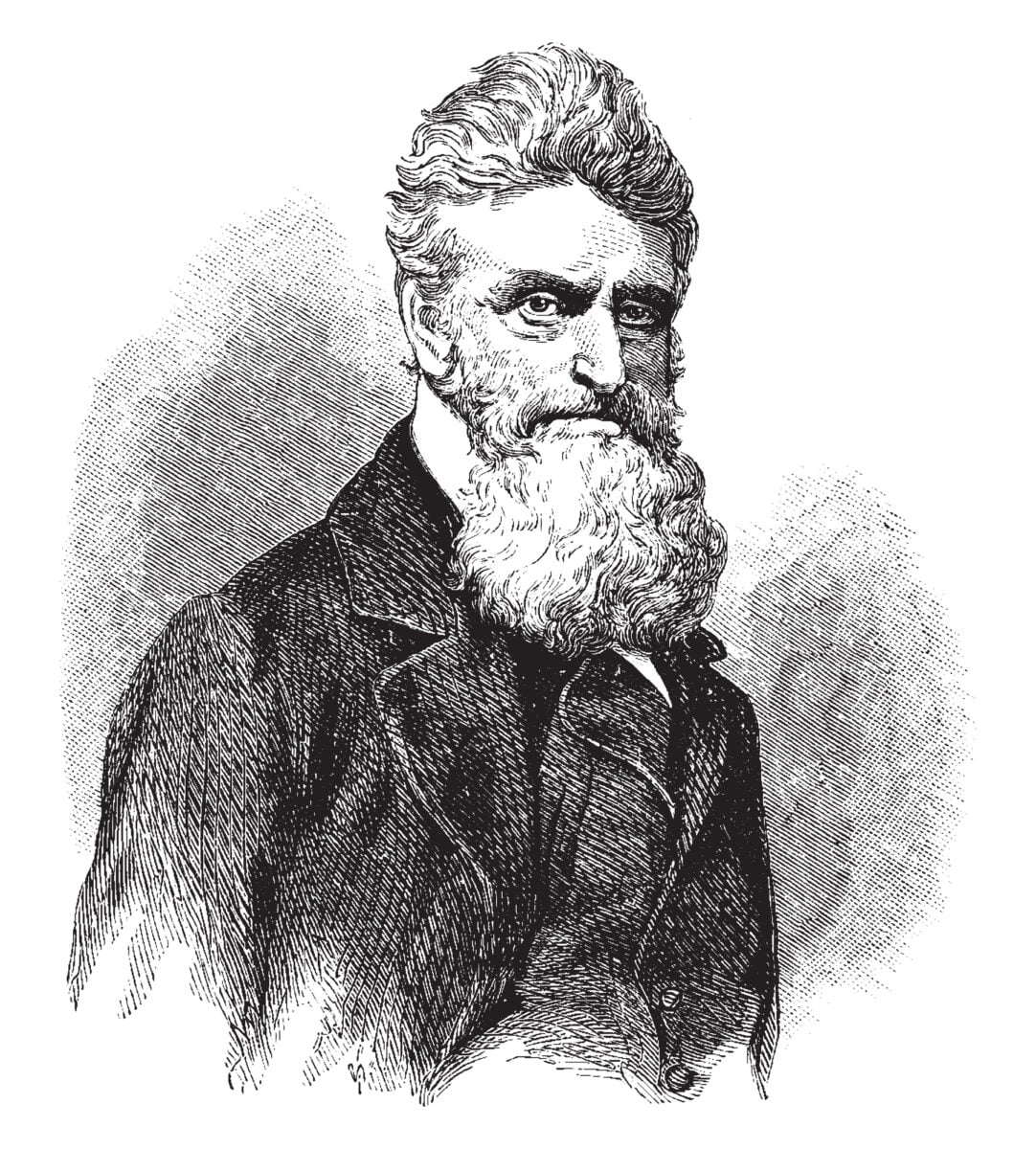
John Brown’s conviction and execution for treason and inciting slave rebellion has divided historians over whether he was a visionary freedom fighter or a reckless terrorist. Brown led an armed assault on the federal arsenal at Harpers Ferry to incite a slave uprising, yet the attack failed immediately, resulting in no liberation and numerous deaths including Brown’s supporters and local militia.
Historians debate whether his use of violence was morally justified by the evil of slavery, whether the raid was strategically delusional, and whether his trial was fair or a political punishment designed to intimidate abolitionists. Some scholars view Brown as ahead of his time in recognizing that slavery would never be abolished through peaceful means, while others argue he deliberately undermined the abolitionist movement by associating it with armed insurrection.
The Scopes Trial (1925) – Alternative Perspective
While Scopes was convicted, historians debate whether the law he violated should ever have existed. Some scholars argue the trial exposed religious fundamentalism attempting to suppress scientific knowledge, making conviction unjust even if technically legal.
Others contend the state had legitimate authority to set educational standards, and that Scopes violated his contractual obligation as a public employee. The verdict satisfied no one, and within a few years most states quietly abandoned similar laws, suggesting historians were right to view the trial as representing a losing cause, though not necessarily an unjust one.
The Trial of Lady Jane Grey (1554)
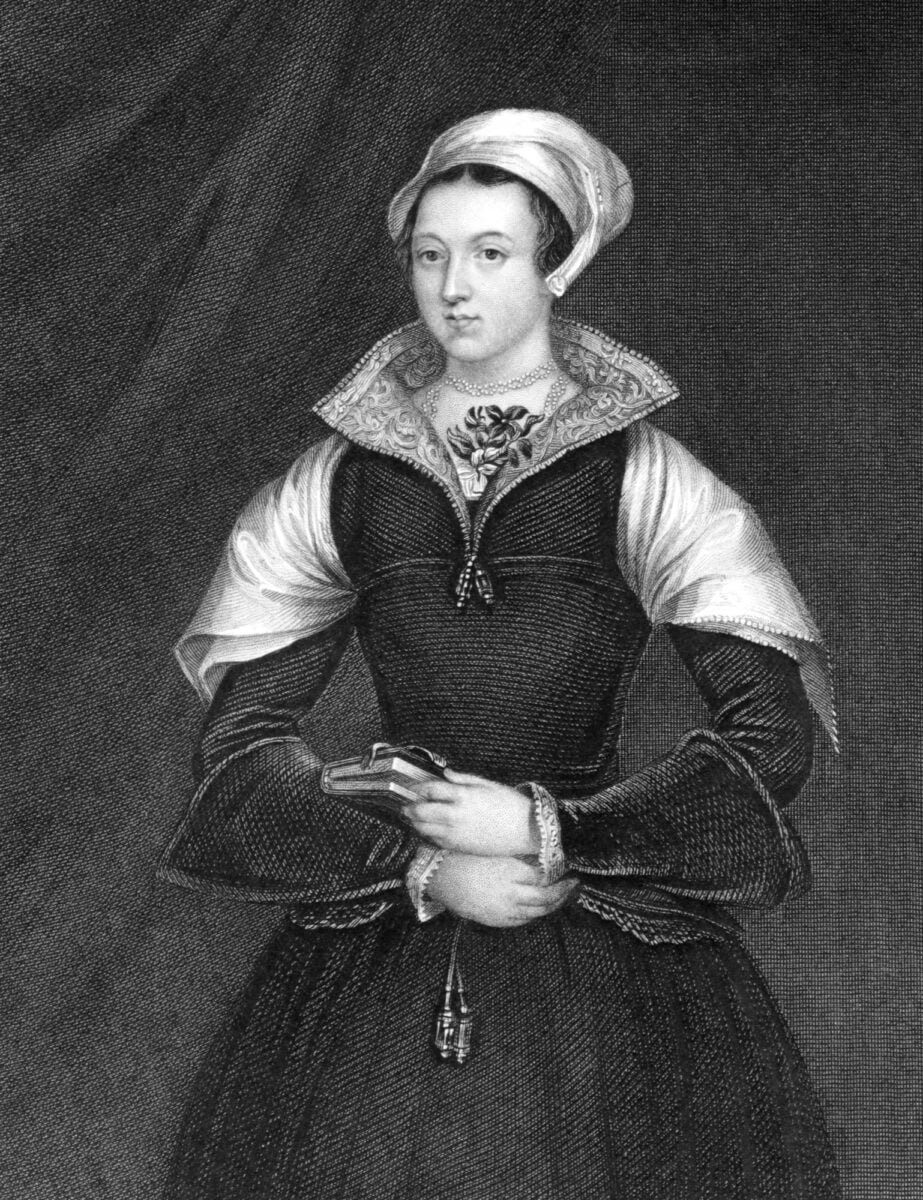
Lady Jane Grey was convicted of treason for accepting the throne during the nine-day reign orchestrated by the Duke of Northumberland, yet whether she was guilty of the crime for which she was executed remains contested. Jane was a teenager who accepted the crown under duress from powerful nobles, and most historians believe she harbored no ambition to rule.
She was initially pardoned by Queen Mary I, then executed a year later when the Protestant rebellion led by Sir Thomas Wyatt occurred, suggesting political expediency rather than justice motivated her death. Historians debate whether a conviction for accepting a throne one did not seek constitutes treason or represents a miscarriage of justice by any standard.
The Trial of Sir Thomas More (1535)
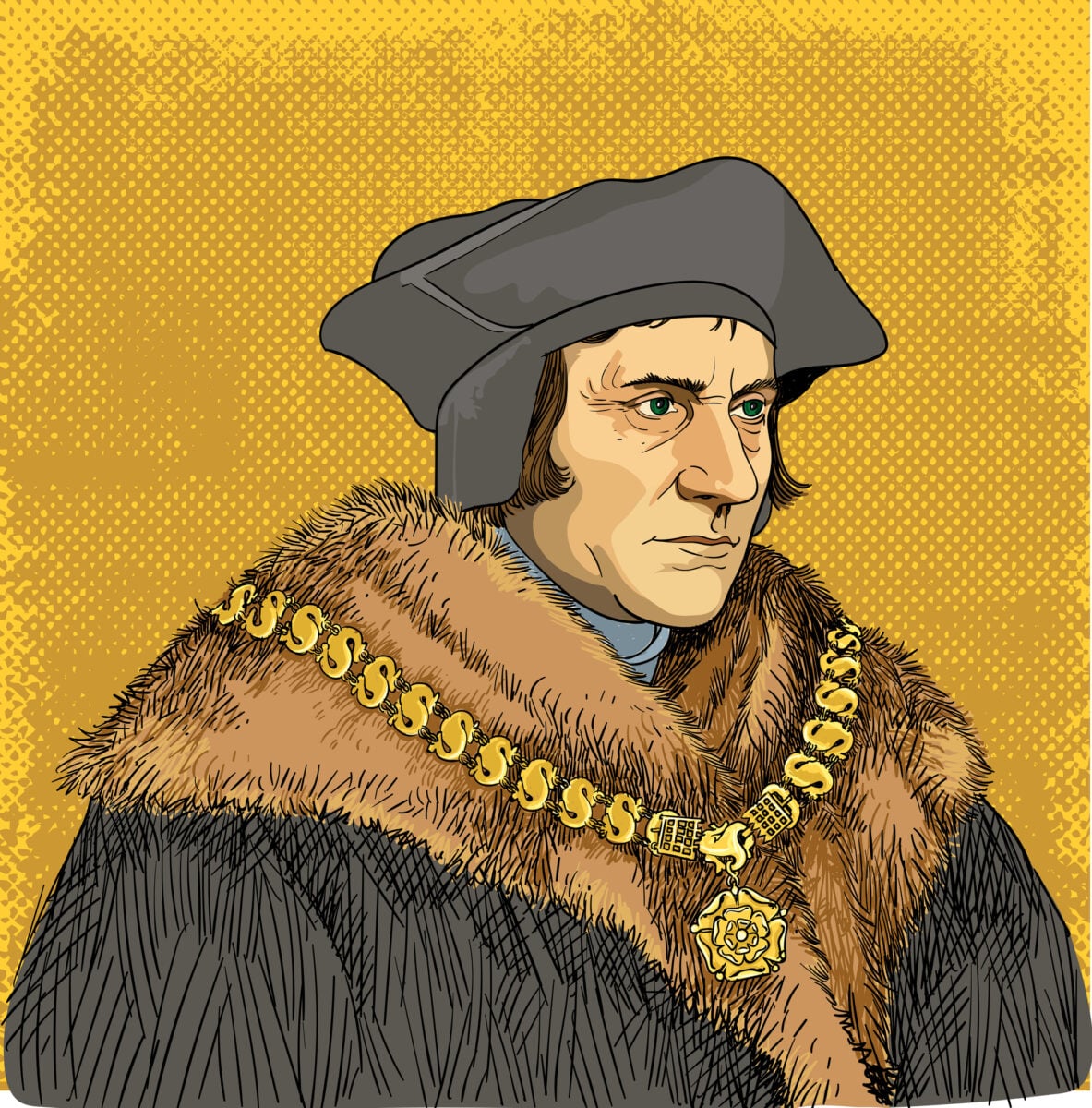
Thomas More’s conviction for treason for refusing to acknowledge Henry VIII as head of the Church of England remains contested among historians. More maintained his silence rather than explicitly denying the king’s supremacy, and the trial record shows prosecutors pressed him to speak words that would constitute treason, essentially entrapment.
Historians debate whether More’s refusal to affirm royal supremacy genuinely constituted high treason, whether the trial was procedurally fair, and whether More was a principled martyr or a stubborn obstruction to state authority. Modern legal scholars frequently cite the case as an example of how legitimate royal power can be corrupted into persecution, yet some historians argue More obstructed necessary religious reform.
The Trial of Charles I (1649)
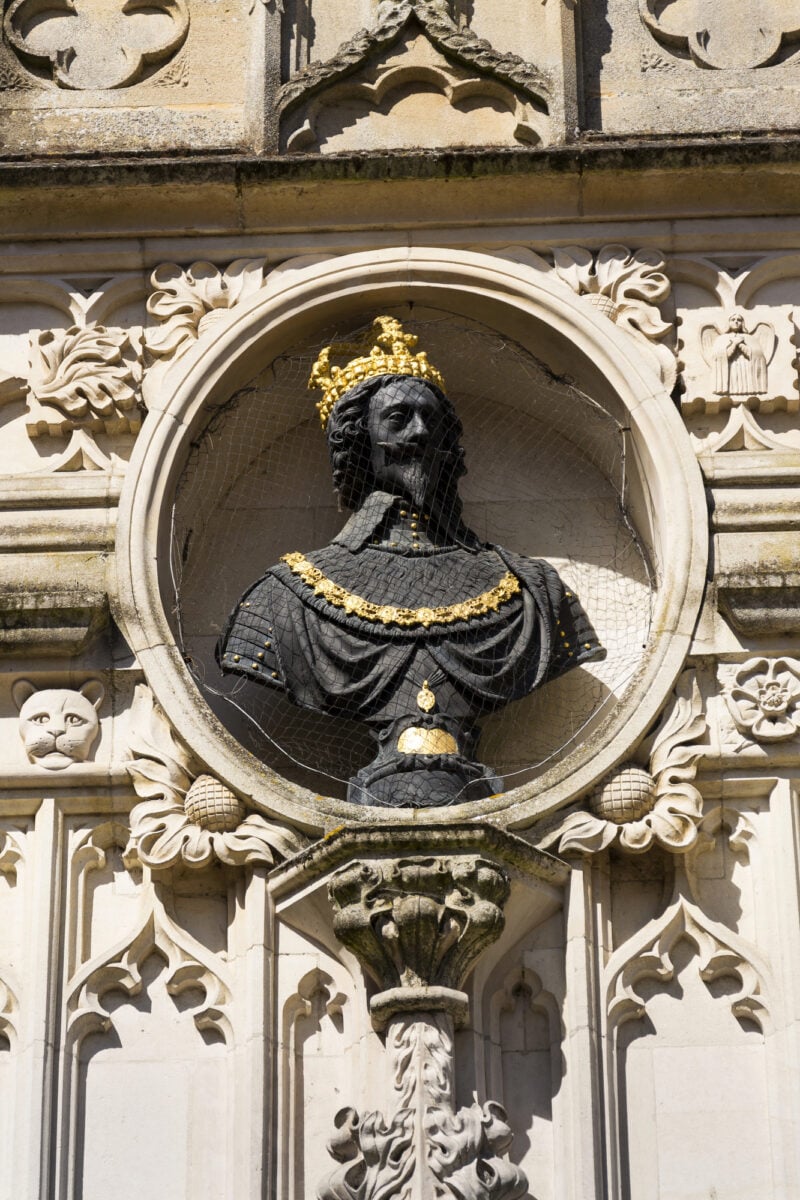
King Charles I was tried and executed for treason against the English people, a verdict that divided England and Europe. Historians debate whether a king can commit treason against subjects, whether parliamentary authority superseded royal prerogative, and whether the trial was a legitimate political judgment or judicial murder.
Some scholars view it as the birth of constitutional government and popular sovereignty, while others see it as the destruction of legitimate monarchy. The trial’s controversial verdict led to the restoration of the monarchy just eleven years later, suggesting many English observers believed the original conviction was illegitimate.
The Trial of Socrates (399 BCE)
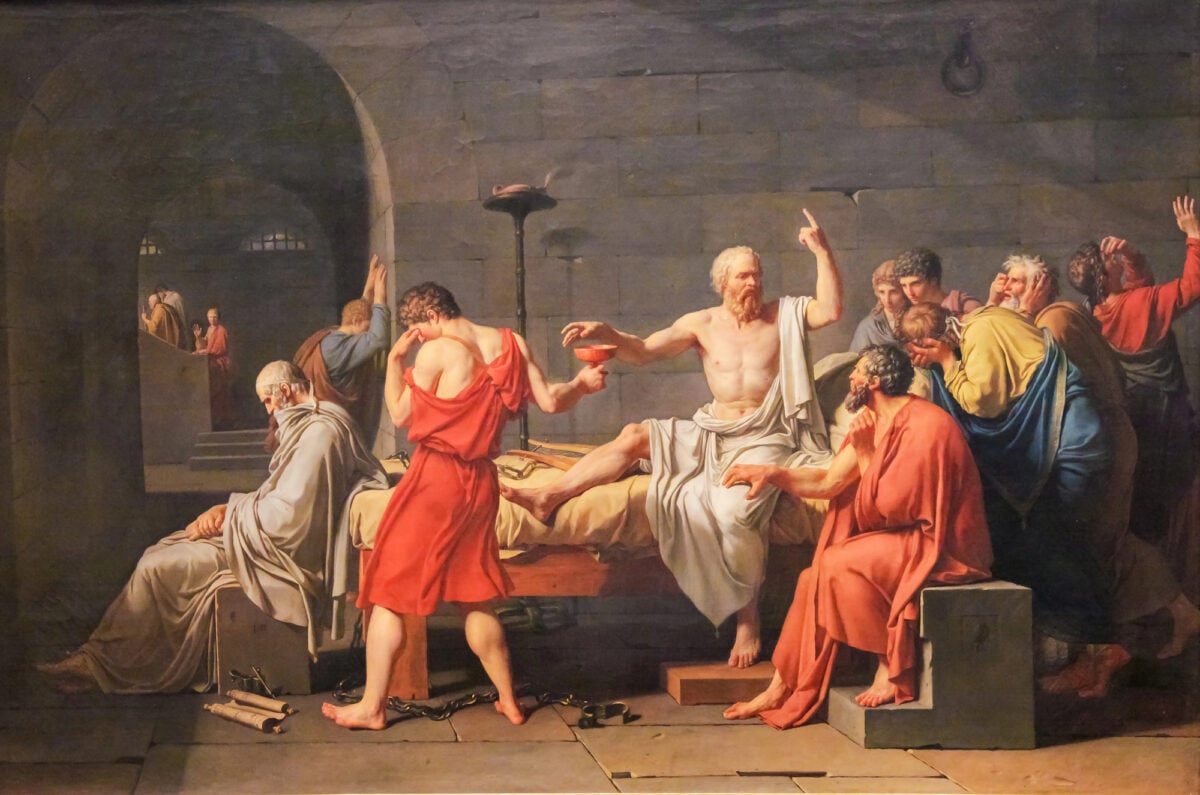
Socrates was convicted of corrupting youth and impiety by an Athenian jury, yet historians have debated for 2,400 years whether the charges had merit. Ancient sources—most notably Plato’s accounts—present Socrates as falsely accused by envious rivals, yet other accounts suggest his relentless questioning did undermine traditional piety.
Historians dispute whether Socrates was truly innocent of the charges or whether his execution represented legitimate punishment for philosophical subversion. The trial also raises questions about whether ancient Greek democracy had the right to execute a philosopher for ideas, making it foundational to debates about free speech and intellectual freedom.
The Dreyfus Affair (1894)
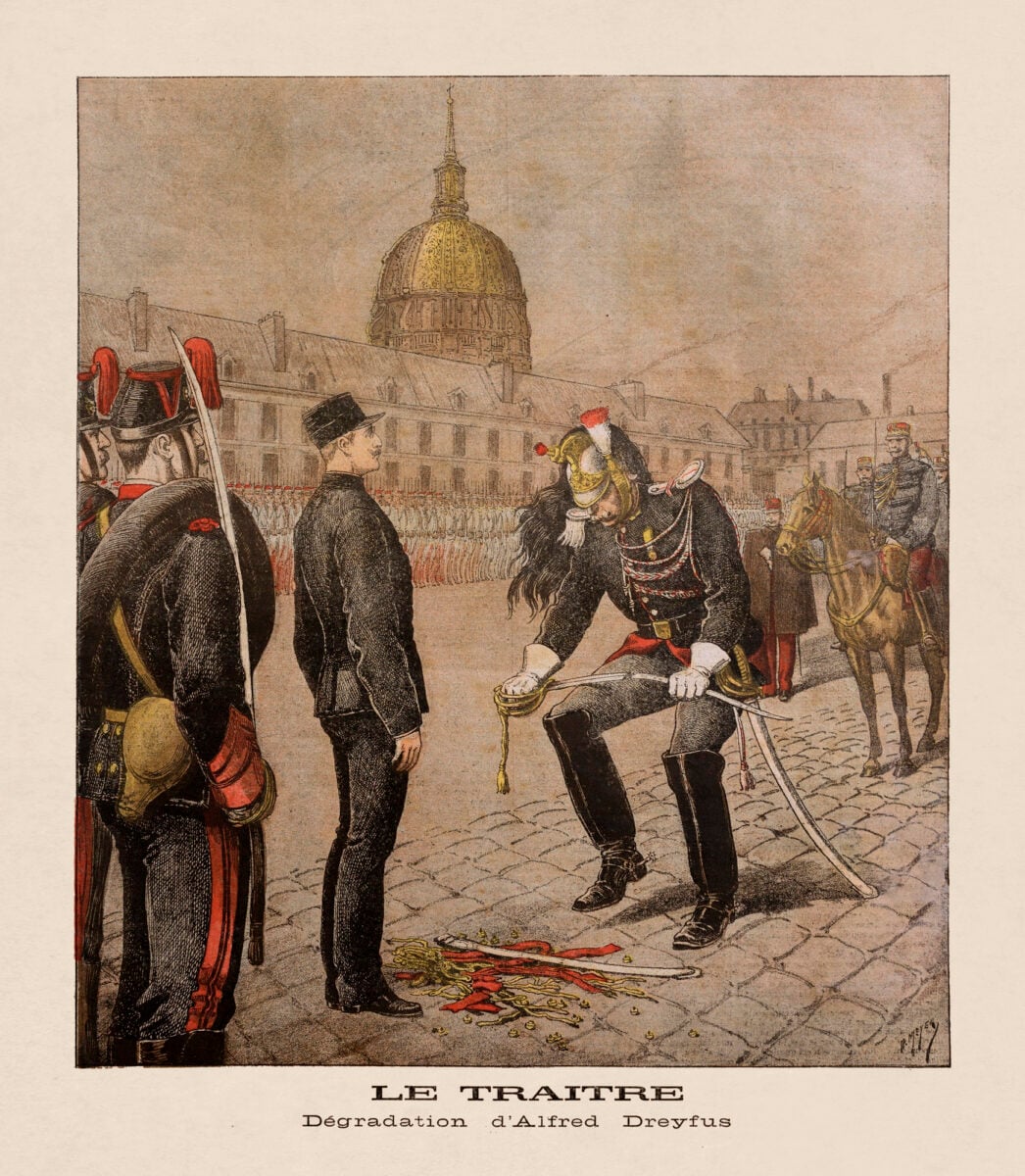
Alfred Dreyfus, a Jewish military officer in France, was convicted of selling secrets to Germany based on evidence that historians have thoroughly debunked. The trial took place in a climate of military secrecy, nationalist fervor, and virulent antisemitism, and the original verdict has been universally recognized as a gross miscarriage of justice.
Yet even after exoneration and pardon, historians debate the extent of military conspiracy to frame Dreyfus, whether judges were deliberately dishonest or merely credulous, and whether antisemitism was the primary cause or merely one factor. The case has become synonymous with judicial corruption, yet scholarly debate persists over the specific mechanisms by which a civilized nation convicted an innocent man.
The Trial of Oscar Wilde (1895)
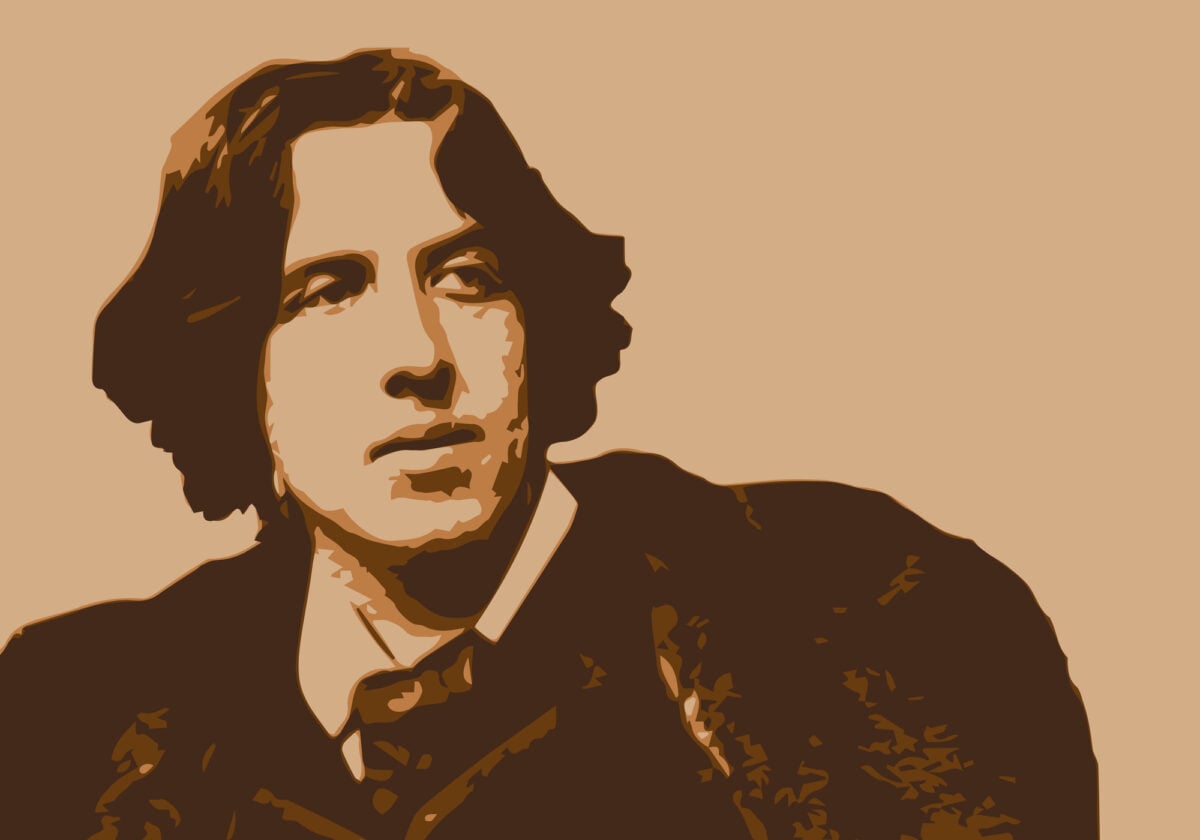
Oscar Wilde was convicted of “gross indecency” under English law after the Marquess of Queensberry accused him of sodomy. Historians debate whether Wilde’s actual conduct violated the legal definition of the charges, whether the trial procedures were fair, and most fundamentally, whether the law itself was just.
The conviction seems unjust by modern standards, yet by Victorian legal standards Wilde may have been technically guilty as charged. Historians use the case to examine when verdicts are rendered unjust not by procedural failure but by unjust law, and whether legal legitimacy depends on moral legitimacy of the laws enforced.
The Warren Commission’s Conclusion on Lee Harvey Oswald
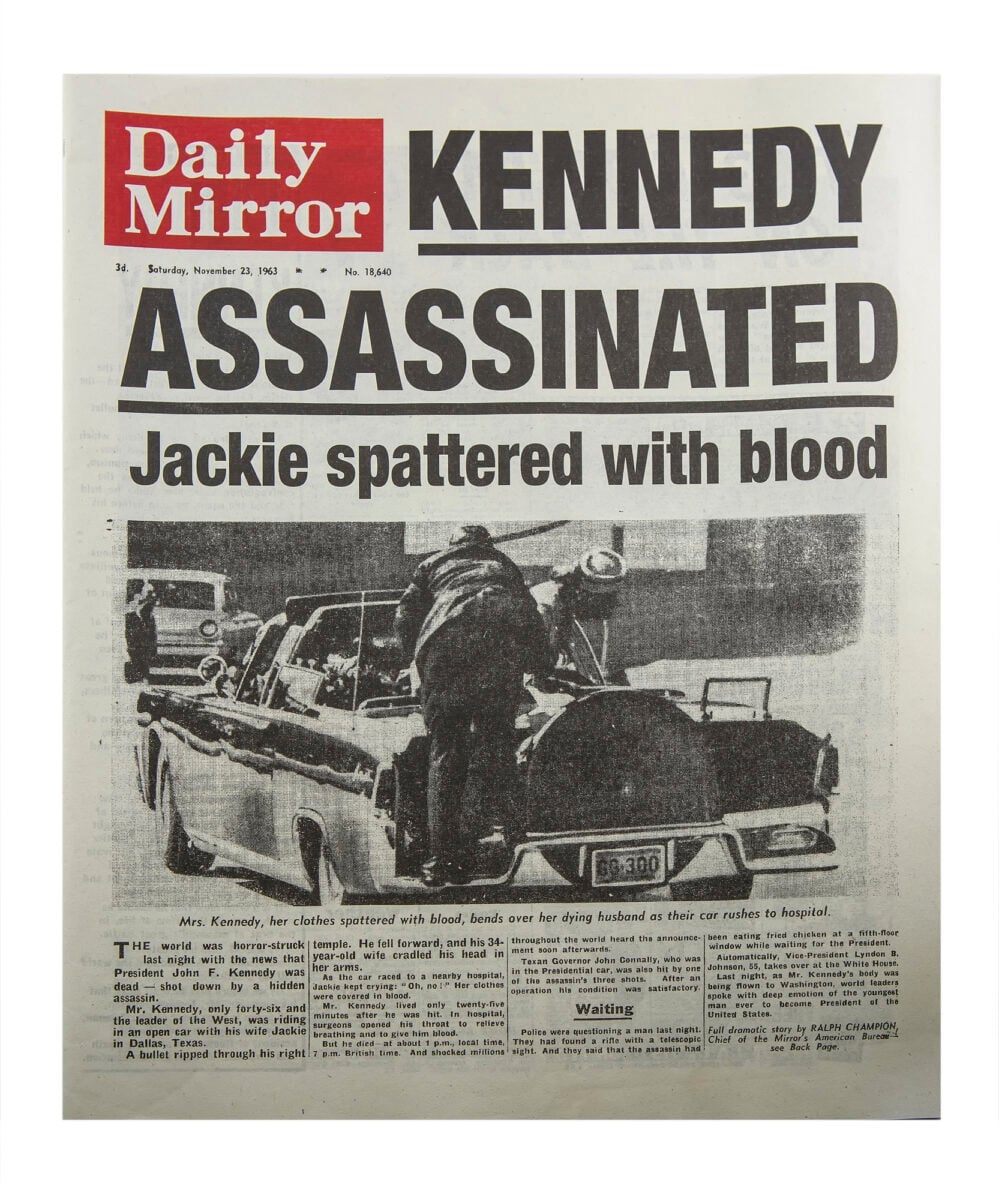
The Warren Commission concluded Lee Harvey Oswald was the sole assassin of President John F. Kennedy, yet historians and legal scholars have spent decades arguing whether this verdict withstood scrutiny. The commission relied on evidence that was contradicted by witness testimony, forensic analysis was primitive by modern standards, and potential conspiracies were dismissed without full investigation.
Historians debate whether the commission reached the correct conclusion despite flawed procedures, whether subsequent investigations have genuinely disproven its findings, and whether reasonable doubt exists about Oswald’s sole guilt. The case represents a quasi-judicial verdict whose legitimacy continues to divide experts.
The Trial of Mata Hari (1917)
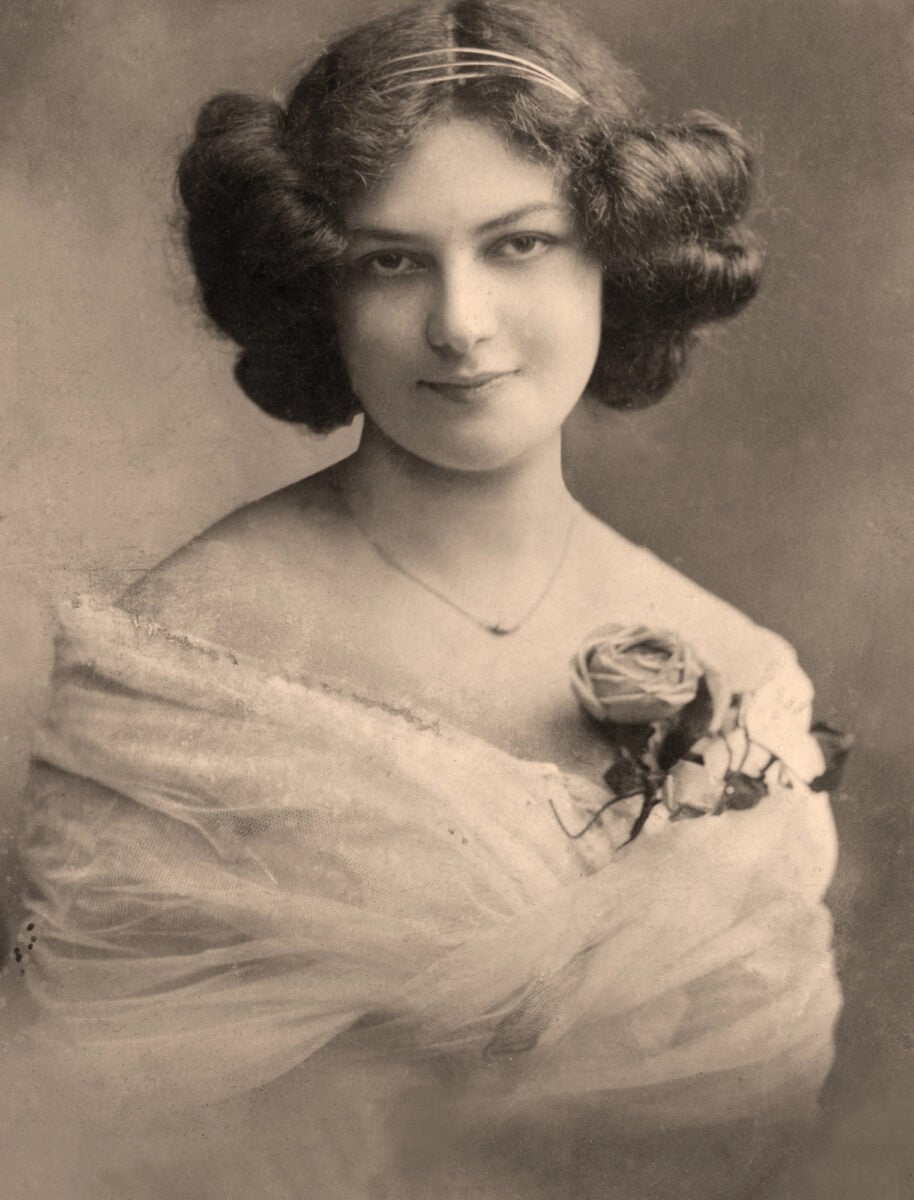
Mata Hari was convicted of espionage and executed during World War I, yet historians have long debated whether she was genuinely a German agent or a victim of hysteria and scapegoating during wartime panic. Evidence of her German payments is clear, but historians dispute whether passing on gossip constitutes the capital espionage charge for which she was shot.
The trial took place in secret, with restricted access to evidence, and modern historians question whether the charges fully justified the death penalty. Some scholars view her as a cynical spy deserving execution, while others see her as a minor player in intelligence networks who was sacrificed to satisfy public demand for a traitor to punish.
The Trial of Alger Hiss (1950)
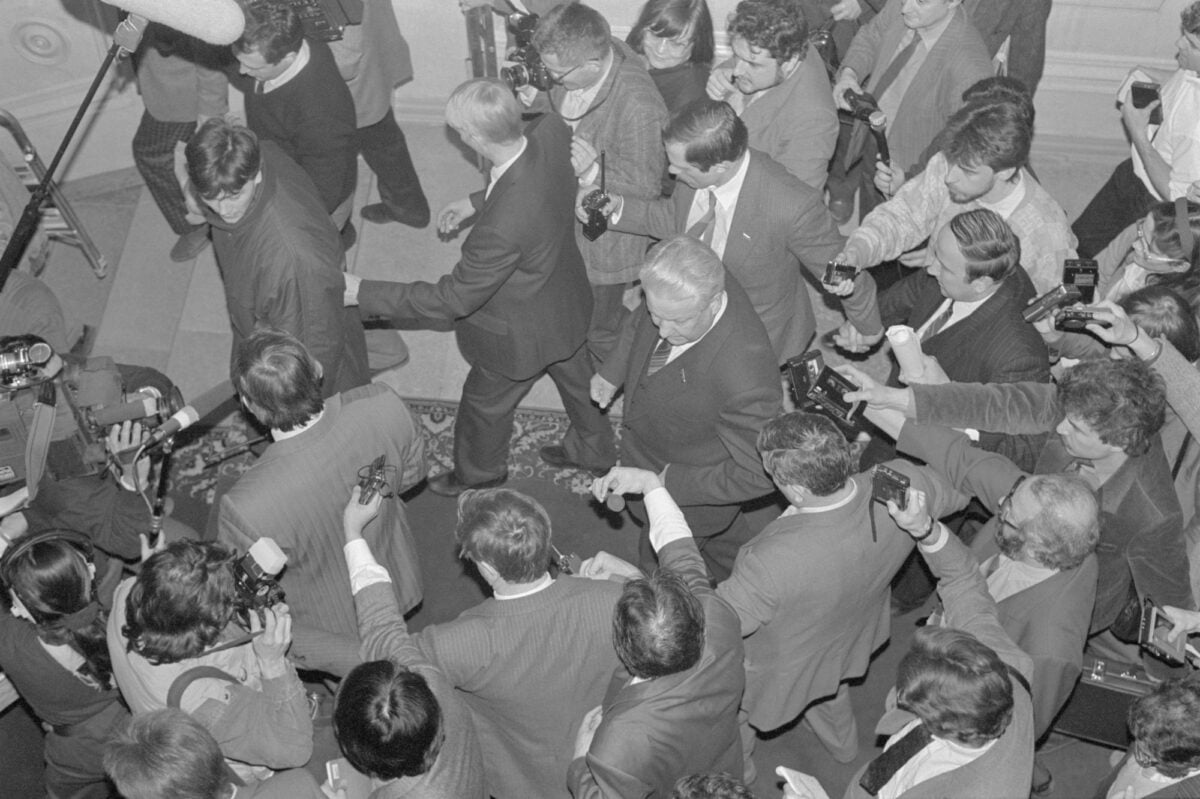
State Department official Alger Hiss was convicted of perjury regarding accusations that he had passed classified documents to Soviet intelligence, yet historians remain divided on his guilt. Evidence centered on microfilm of documents Hiss allegedly stole, his former associate’s accusation, and timing of denials.
Declassified Soviet files have been interpreted by some historians as confirming Hiss’s espionage and by others as ambiguous regarding his specific involvement. The trial became a proxy for Cold War anxieties about infiltration, and whether Hiss was guilty or falsely accused remains impossible to determine with certainty, dividing historians along lines that reflect their broader views on McCarthyism and Cold War prosecutions.
The Trial of Julius and Ethel Rosenberg (1951)
Julius and Ethel Rosenberg were convicted of passing atomic secrets to the Soviet Union and executed in 1953. Declassified documents have confirmed Julius’s espionage activities, yet historians remain divided on Ethel’s guilt, her level of knowledge, and whether either defendant deserved execution for their crimes.
The trial took place under intense anti-communist hysteria, and Ethel’s execution particularly troubled historians, with many arguing she was a minor participant convicted under charges that normally brought prison sentences. Modern scholars debate whether the verdicts were just, whether the punishment fit the crime, and whether the trial reflected genuine security concerns or political vendetta against communist sympathizers.
The Trial of Clarence Thomas Confirmation Hearings (1991)
While technically a Senate confirmation hearing rather than a trial, the hearings examining harassment allegations against Supreme Court nominee Clarence Thomas have produced historical debate over guilt and truth. Anita Hill testified that Thomas harassed her, Thomas denied the allegations, and the Senate confirmed him.
Historians and scholars remain deeply divided on Hill’s credibility and Thomas’s account, with interpretations shaped by gender bias, racial identity, and political ideology. The hearings have become a historical touchstone for debates about power, credibility, and how institutions evaluate competing claims of truth.
The Trial of Jean-Paul Sartre (Intellectual Prosecution)
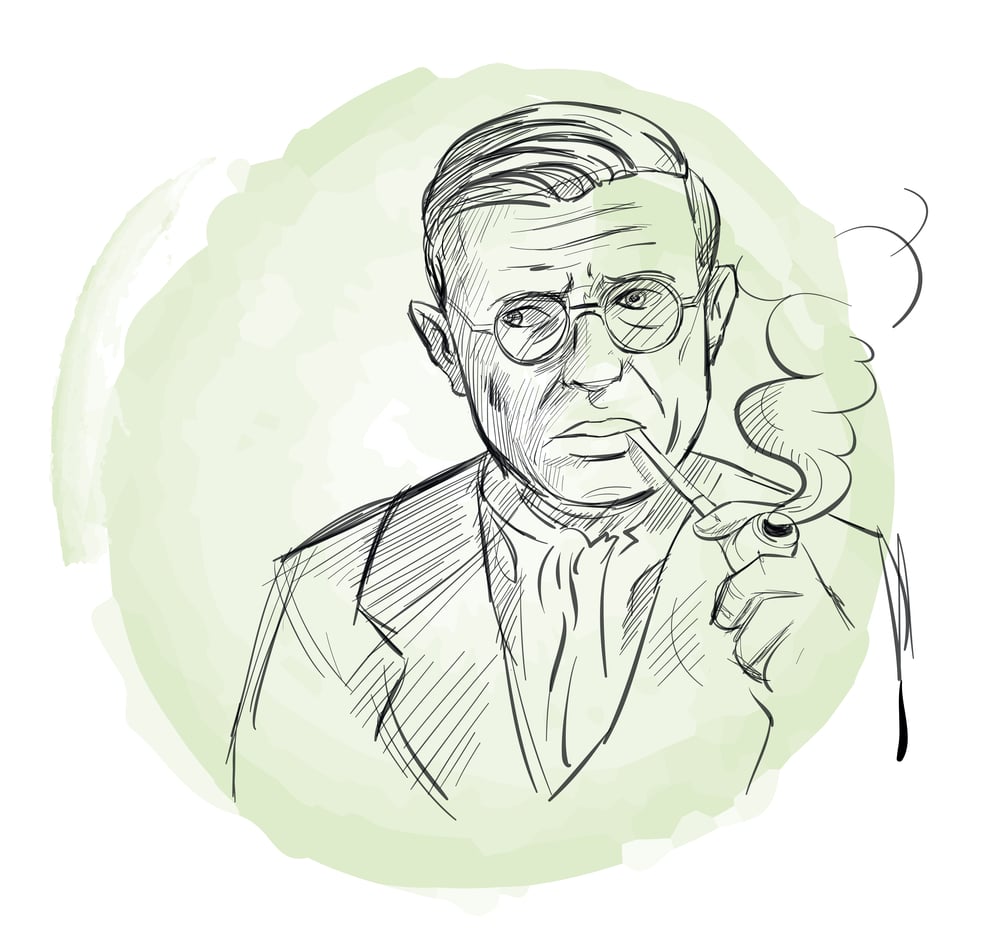
While Sartre was never tried in court, his philosophical and political positions led to intellectual prosecutions and debates about whether his ideas had been fairly represented or deliberately distorted by critics. Historians debate whether Sartre was a genuine threat to French society or an intellectual provocateur targeted by conservative forces.
The case illustrates how trials in the court of public opinion divide historians along ideological lines, with interpretations of guilt shaped by philosophical rather than legal standards.
The Trial of Émile Zola (1898)
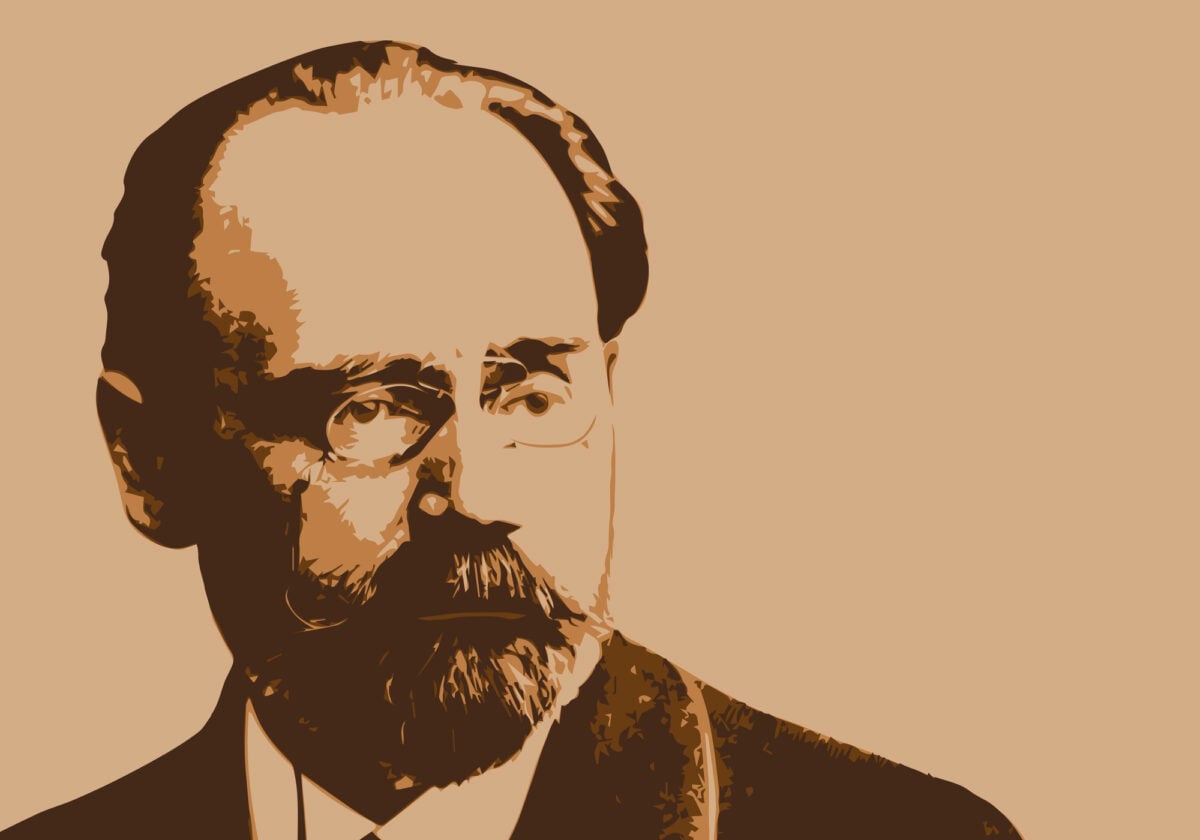
Novelist Émile Zola was convicted of libel after publishing “J’Accuse,” his famous letter defending Alfred Dreyfus and attacking the military establishment during the Dreyfus Affair. Historians debate whether Zola’s conviction was justified by libel law or whether his prosecution represented persecution of free speech.
Though Zola was sentenced to prison, political pressure led to his pardon and exile. Modern historians view the trial as vindication of Zola’s charges and proof of military dishonesty, yet at the time reasonable observers believed Zola had violated legitimate libel laws while making inflammatory accusations.
The Trial of Giordano Bruno (1600)
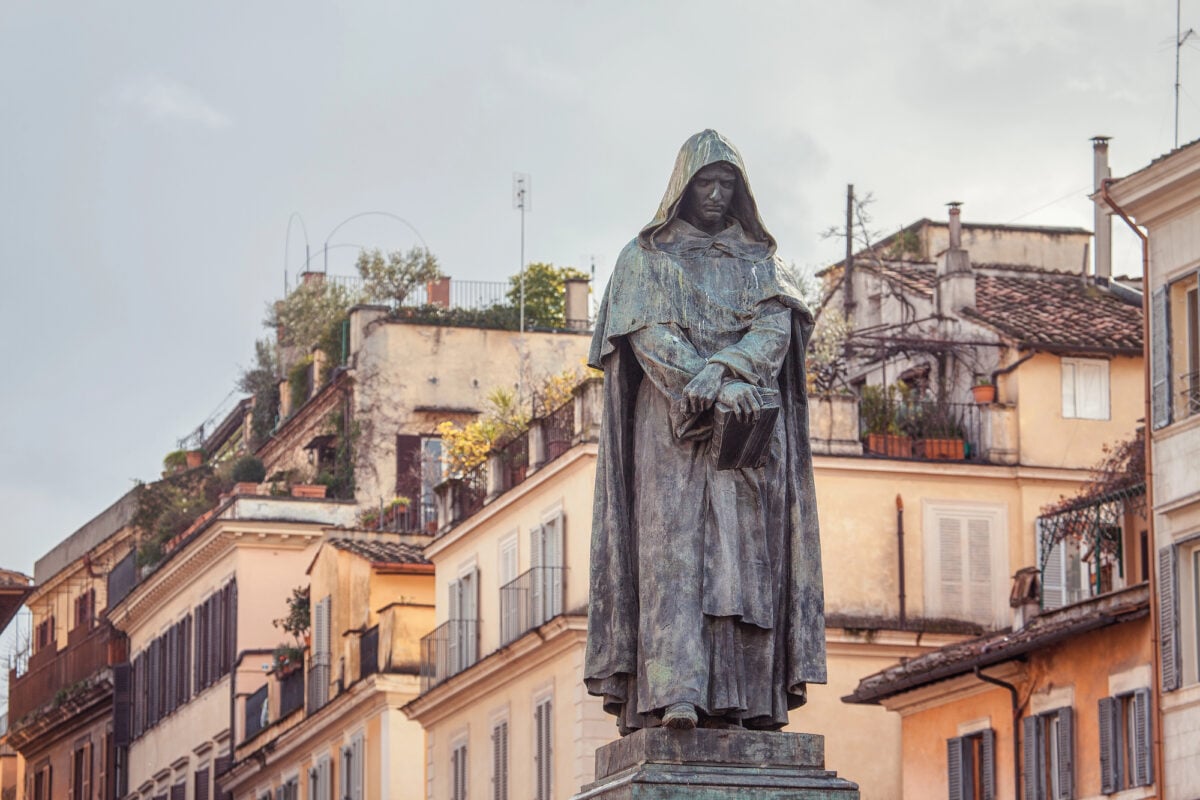
The philosopher Giordano Bruno was convicted of heresy and burned at the stake in 1600, yet historians debate the precise charges and whether he deserved death. Bruno held unorthodox views on theology, infinity, and divine omniscience that troubled both Catholic authorities and Protestant thinkers, yet the exact heretical propositions that sealed his fate remain disputed in historical sources.
Some historians argue Bruno was a martyred freethinker, while others contend he held genuinely problematic theological positions that justified Church concern. The trial’s vagueness about specific charges makes it a historical battleground for debates about intellectual freedom and orthodoxy.
Wider Patterns Across Contested Verdicts
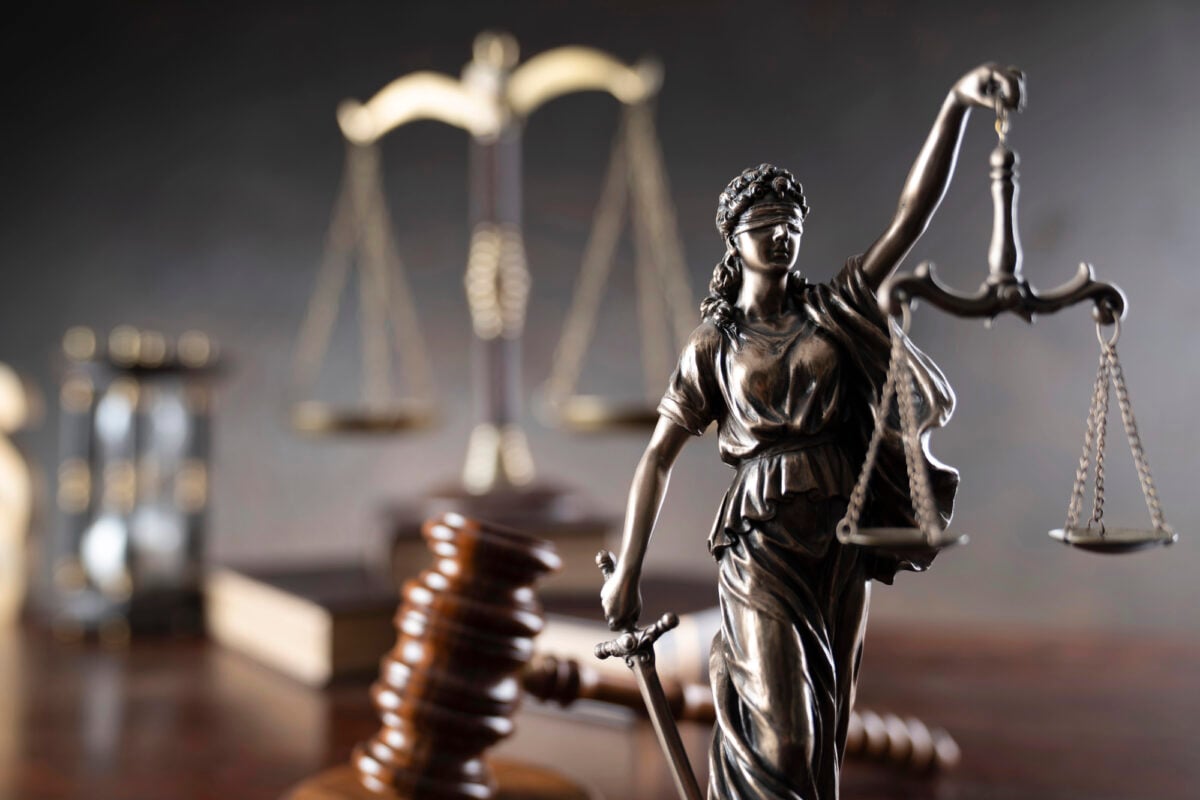
The trials that divide historians share common threads: they took place under intense political pressure, relied on evidence later determined to be questionable or fabricated, involved defendants who lacked fair procedural protections, or hinged on fundamental questions about justice that transcend legal technicality. Many verdicts were technically legal by the standards of their era yet unjust by any modern standard.
Others remain genuinely ambiguous, with credible arguments supporting both conviction and acquittal. What unites them is that the passage of time, scholarly reexamination, and changed social values have made closure impossible—we cannot point to a trial and say with finality that justice was done or clearly violated.
These cases force historians to confront uncomfortable truths: that courts can be corrupted by politics, that evidence can deceive, and that verdicts should never be mistaken for historical truth.
More from Go2Tutors!

- The Romanov Crown Jewels and Their Tragic Fate
- 13 Historical Mysteries That Science Still Can’t Solve
- Famous Hoaxes That Fooled the World for Years
- 15 Child Stars with Tragic Adult Lives
- 16 Famous Jewelry Pieces in History
Like Go2Tutors’s content? Follow us on MSN.