Old Sports Ads That Wouldn’t Air Today
The world of sports advertising has come a long way from its Wild West days. Back when regulations were loose and social awareness was practically nonexistent, companies pushed boundaries that seem unthinkable now.
Athletes endorsed everything from harmful products to ideas that make modern viewers cringe. These weren’t just minor missteps either—they were full-blown campaigns that ran for years, shaping public perception and influencing millions.
Looking back at these vintage sports advertisements reveals just how much society’s standards have evolved. Here is a list of old sports ads that definitely wouldn’t make it past today’s advertising standards.
Babe Ruth selling nicotine
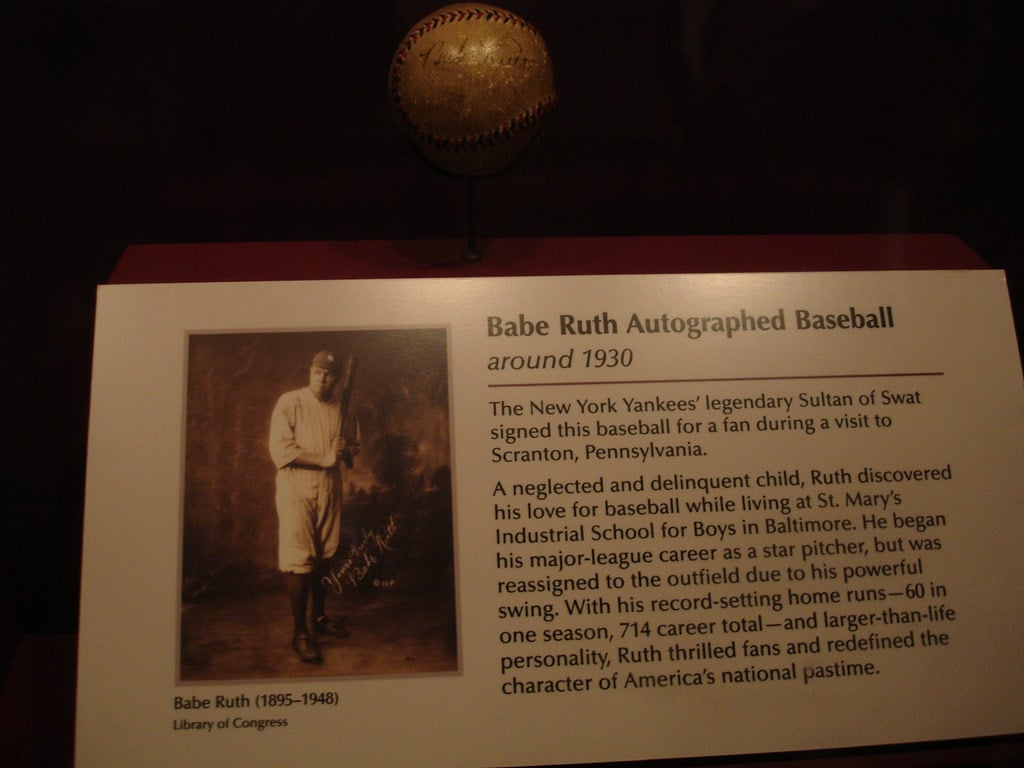
The Sultan of Swat wasn’t just hitting home runs—he was also promoting nicotine products. Babe Ruth appeared in nicotine advertisements during his baseball career, lending his legendary status to brands that wanted to associate athleticism with their products.
The idea that one of baseball’s greatest players would openly endorse something we now know causes cancer feels almost surreal. Baseball Hall of Famers Mel Ott and Carl Hubbell also appeared in ads for Camel.
These campaigns capitalized on the hero worship of athletes while completely ignoring the health consequences that would later become impossible to deny.
Doctors recommending specific nicotine brands

Camel ran advertisements claiming that surveys showed more doctors smoked their brand than any other nicotine. These physicians were paid amounts worth almost half their annual salaries to justify the claims made in nicotine advertisements.
The ads featured doctors in white coats, stethoscopes visible, assuring the public that their choice was medically sound. One 1946 Philip Morris advertisement made health claims supposedly backed up by science.
The manipulation was breathtaking—using the most trusted profession to sell a deadly product. Today, the medical community’s reversal on this issue stands as one of advertising’s most shameful chapters.
Jesse Owens promoting cigars

Olympic track star Jesse Owens promoted White Owl cigars in advertising, and in 1980 he died of lung cancer. The tragic irony wasn’t lost on later generations.
Here was an athlete who had achieved international fame through his physical prowess, his body a finely tuned machine, advocating for a product that would ultimately contribute to his death. The ads presented him as the picture of health and success, completely divorced from the reality of what those cigars would do over time.
Lou Gehrig’s unlimited puffing claim
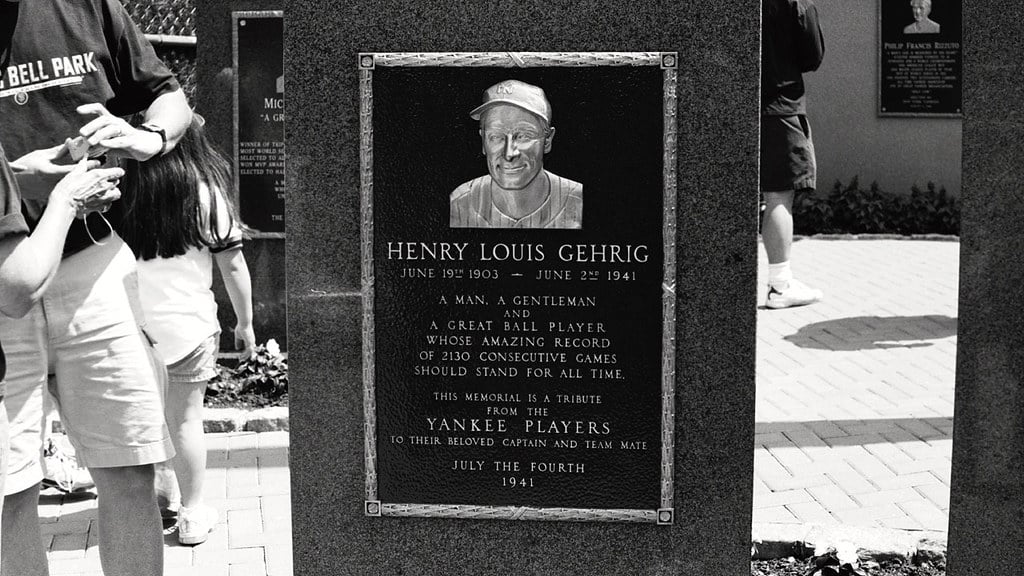
Lou Gehrig endorsed Camels, claiming he could smoke as many as he pleased. The Iron Horse, known for his incredible durability and consecutive games streak, became the face of a campaign suggesting nicotine posed no threat to athletic performance or health.
The messaging was clear: if an athlete this tough and resilient smoked without concern, regular folks certainly had nothing to worry about. The cognitive dissonance required to sell this narrative was staggering, even by the standards of that era.
Athletes endorsing nicotine as training aids

A 1909 Budweiser ad quoted C.H. Ebbetts, president of the Brooklyn Trolley Dodgers, described an ideal meal for his team that included light beer as a proper drink for athletes in training. An 1890 advertisement for nicotine claimed they could help treat asthma and other respiratory ailments, even recommending them for children older than six.
The absurdity of marketing it as beneficial for breathing problems defies logic, yet these campaigns ran without significant pushback. They represented a time when advertising claims faced virtually no regulatory scrutiny or scientific accountability.
The Flintstones selling nicotine

The animated stars of The Flintstones promoted Winston during the show’s early run in the 1960s, with Fred Flintstone appearing in commercials lighting up using Stone Age technology. Major nicotine companies advertised their brands in popular TV shows like The Flintstones and The Beverly Hillbillies, which were watched by many children and teens.
Cartoon characters hawking nicotine to an audience that included millions of kids crosses a line that seems obvious now but apparently wasn’t then. The commercials were fun, colorful, and aimed squarely at family viewing hours when impressionable young minds were watching.
Tipalet’s blow smoke campaign

Tipalet ran ads in the 1960s with the tagline “Blow in her face and she’ll follow you anywhere.” The premise was that blowing nicotine smoke at a woman would somehow make her attracted to you.
Beyond the obvious health hazard of secondhand smoke, the ad promoted behavior that would today be considered harassment. The casual disregard for personal space and consent, packaged as romantic strategy, encapsulated everything wrong with that era’s approach to gender dynamics in advertising.
Miller Lite’s masculine beer debate
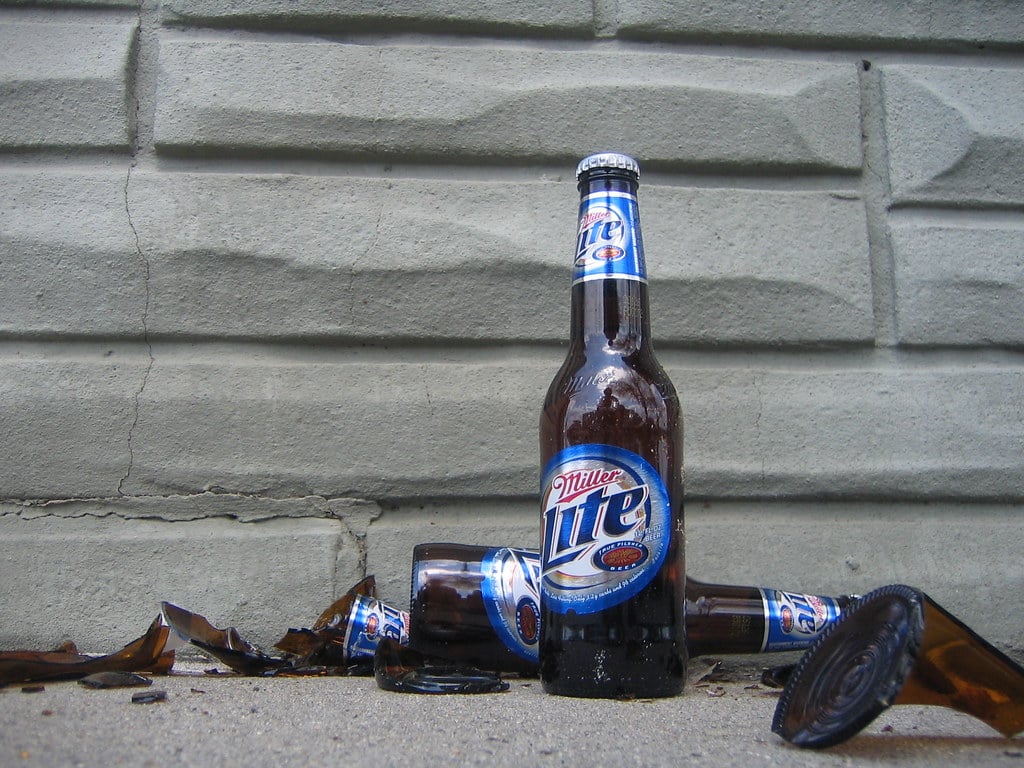
Miller Lite’s commercials from the 1970s through 1991 featured retired athletes and celebrities debating whether the beer tasted great or was less filling. While these ads are remembered fondly for their humor and celebrity roster, they also reinforced problematic ideas about masculinity and drinking.
Brewers worried that the stigma of a diet product would make light beer hard to sell to men concerned about their masculinity, so they put former athletes in commercials to counteract this perception. The underlying message was that real men needed validation from sports heroes to drink a lower-calorie product, playing into insecurities about masculinity that seem ridiculous by modern standards.
Chesterfield’s baseball all-star lineup

A Chesterfield magazine ad from around 1950 featured baseball legends Ted Williams, Stan Musial, Joe DiMaggio, Jackie Jensen, Bucky Harris, and Ewell Blackwell all promoting the product. This wasn’t just one athlete endorsing nicotine—it was an entire roster of baseball’s biggest names.
The collective weight of so many respected figures lending their credibility to nicotine created an almost irresistible marketing force. Parents who wanted their kids to emulate these heroes were inadvertently being told that nicotine was part of the package.
Silva Thins’ women comparison
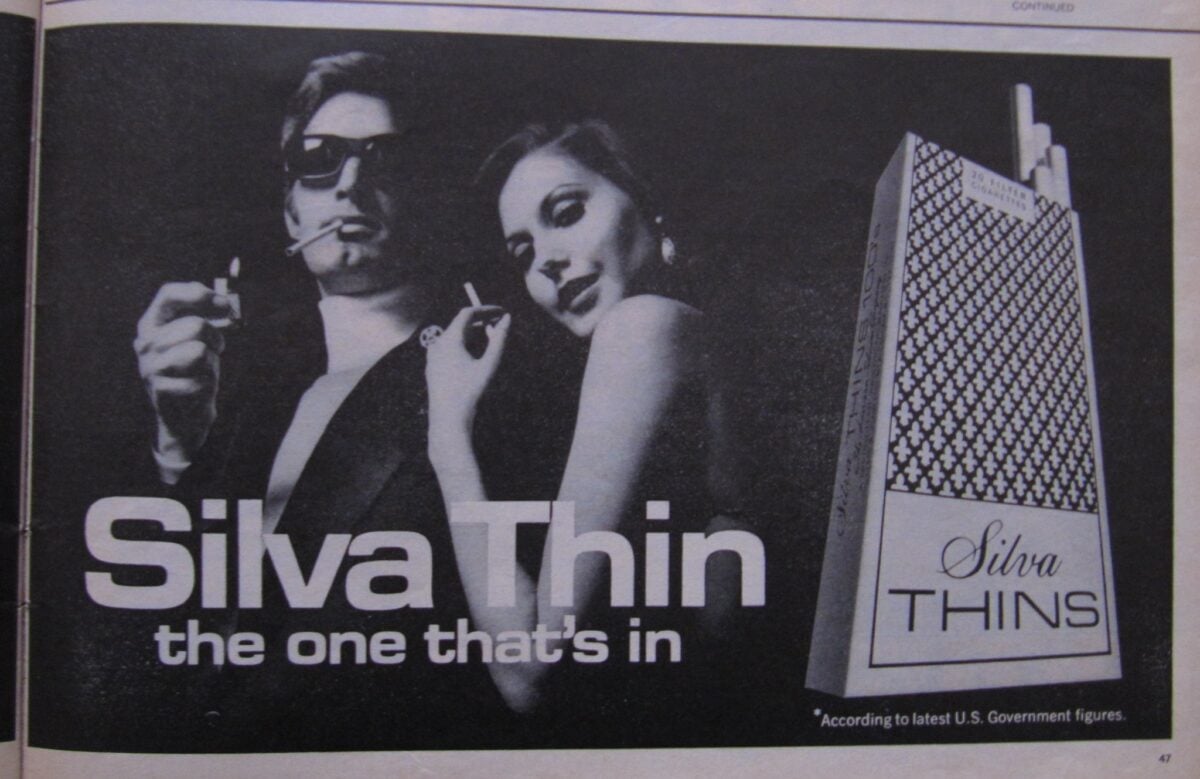
A 1970 advertisement for Silva Thins used a tagline which sparked controversy and calls for boycotts from women’s groups. The ad managed to be offensive on multiple levels simultaneously—objectifying women, promoting unhealthy body standards, and doing it all while selling a deadly product.
The National Organization for Women protested the campaign, but the fact that it was greenlit in the first place shows how normalized this kind of messaging had become in advertising circles.
National Airlines flight attendant campaign

National Airlines released the “Fly Me” ad campaign in 1971 featuring flight attendants, with later versions including lines like “I’m going to fly you like you’ve never been flown before.” The “I’m Jo. Fly me.” ads featured a stewardess named Jo and sparked outrage even at the time they aired in the 1970s.
The double entendre was intentional and uncomfortable, reducing professional women to suggestive taglines. Women’s groups immediately recognized the problem, but the airline defended the campaign as edgy and memorable, which it certainly was—just for all the wrong reasons.
7-Up for babies
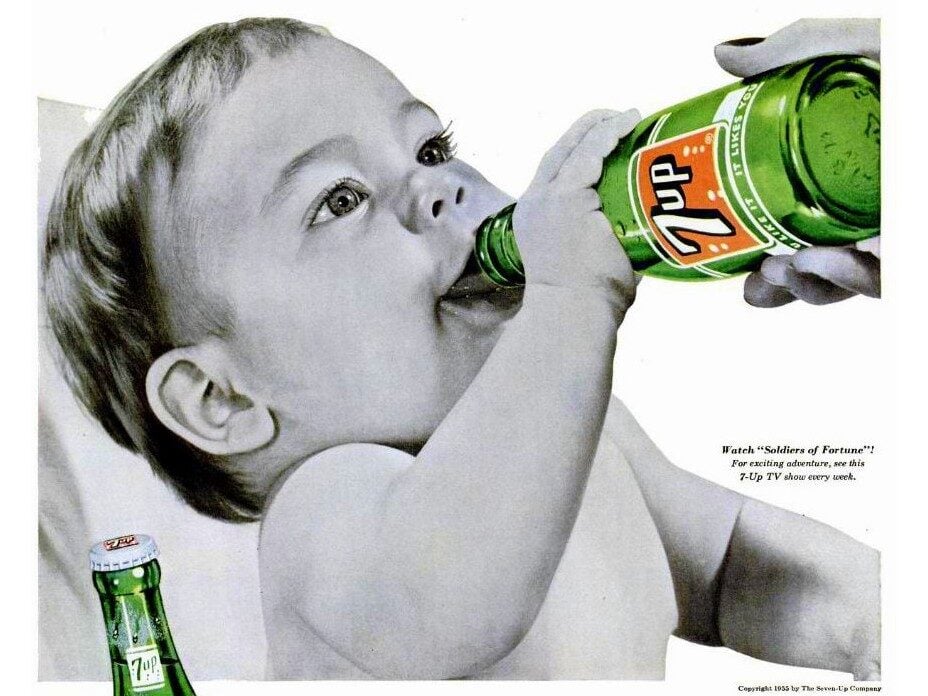
A 7-Up commercial enthusiastically recommended soda as a good beverage for toddlers, showing happy children clutching bottles of the sugary drink. Advertisements told mothers to add 7-Up soda to their babies’ milk.
The campaign reflected a complete lack of understanding about childhood nutrition and the dangers of sugar-filled beverages. Parents today would be horrified at the suggestion of giving infants soft drinks, but in the 1960s this was marketed as perfectly normal and even beneficial.
The long-term health implications were either unknown or simply ignored in favor of expanding the customer base to include the youngest possible consumers.
Weyenberg shoes objectification ad

A 1970s Weyenberg Massagic shoes advertisement featured in Playboy magazine showed a woman lying on the floor gazing at a man’s shoe with the slogan “Keep her where she belongs.” The ad positioned women as subservient objects, literally placing them on the ground beneath men’s feet.
While appearing in Playboy might suggest the ad was aimed at a specific adult audience, the message it conveyed about gender roles was deeply troubling. It suggested ownership and control, packaging misogyny as aspirational masculinity for shoe buyers.
Love’s Baby Soft cosmetics
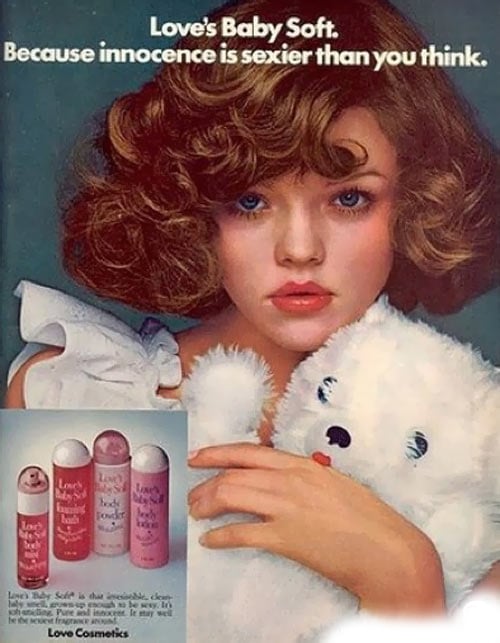
The Love’s Baby Soft ad campaign in the 1970s featured a woman holding a lollipop with the tagline “Because innocence is sexier than you think.” One critic noted the ad showed someone dressed to look like a little girl but with cleavage, creating a disturbing mixed message.
The campaign deliberately blurred the lines between childlike innocence and adult attractiveness in ways that would immediately raise red flags today. The sexualization of innocence as a marketing strategy crosses ethical boundaries that modern advertisers wouldn’t dare approach.
Virginia Slims liberation messaging
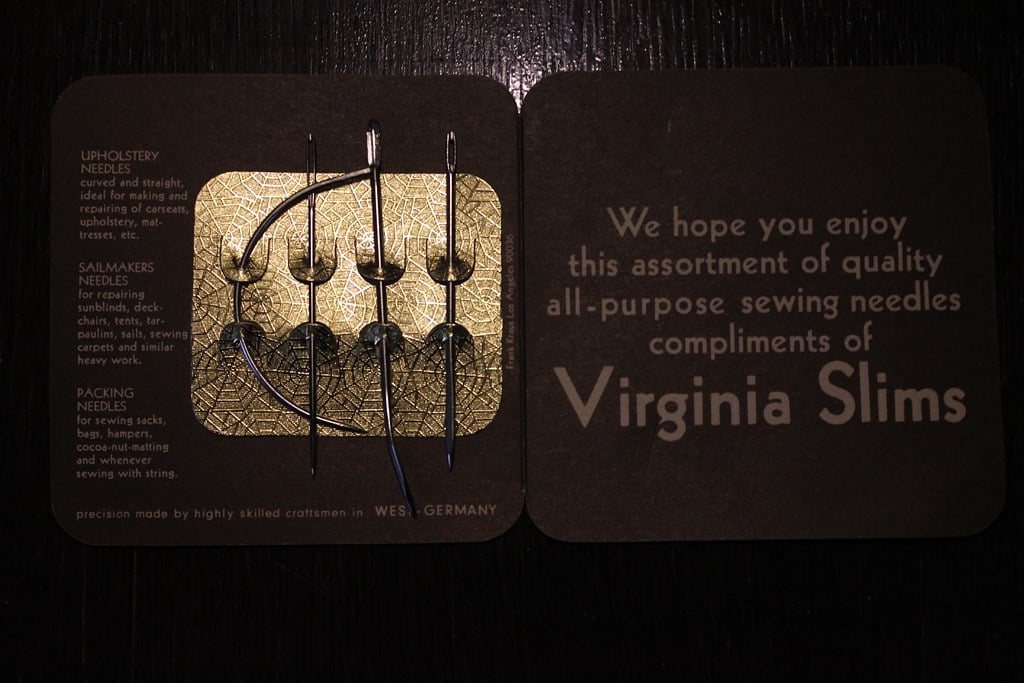
Virginia Slims launched nicotine ads in 1968 showing a “newly liberated woman” with the slogan “You’ve come a long way, baby.” The campaign attempted to co-opt the women’s liberation movement to sell nicotine, suggesting that it was somehow an act of feminist empowerment.
The cynicism was remarkable—using progressive social movements to market a product that would cause untold health damage to the very women it claimed to celebrate. The diminutive “baby” in the slogan also undermined any claim to treating women as equals, revealing the campaign’s true condescending nature.
The evolution of standards

The advertising landscape has transformed dramatically from these cringe-worthy examples. Regulations tightened, public awareness grew, and social movements demanded accountability from brands.
What once passed as clever marketing now reads as tone-deaf at best and actively harmful at worst. These old sports ads serve as time capsules, showing us not just how far we’ve come, but reminding us to stay vigilant about the messages we consume and the products we’re sold today.
More from Go2Tutors!

- The Romanov Crown Jewels and Their Tragic Fate
- 13 Historical Mysteries That Science Still Can’t Solve
- Famous Hoaxes That Fooled the World for Years
- 15 Child Stars with Tragic Adult Lives
- 16 Famous Jewelry Pieces in History
Like Go2Tutors’s content? Follow us on MSN.