Oldest Dog Breeds Humans Successfully Domesticated
The relationship between humans and dogs stretches back thousands of years, long before written history began recording our shared journey. While the exact timeline remains debated among researchers, archaeological evidence suggests that some breeds we recognize today have ancient roots that connect directly to humanity’s earliest attempts at domestication.
These aren’t just old breeds — they’re living links to our ancestors, carrying genetic signatures that whisper stories of survival, companionship, and mutual adaptation across millennia.
Basenji
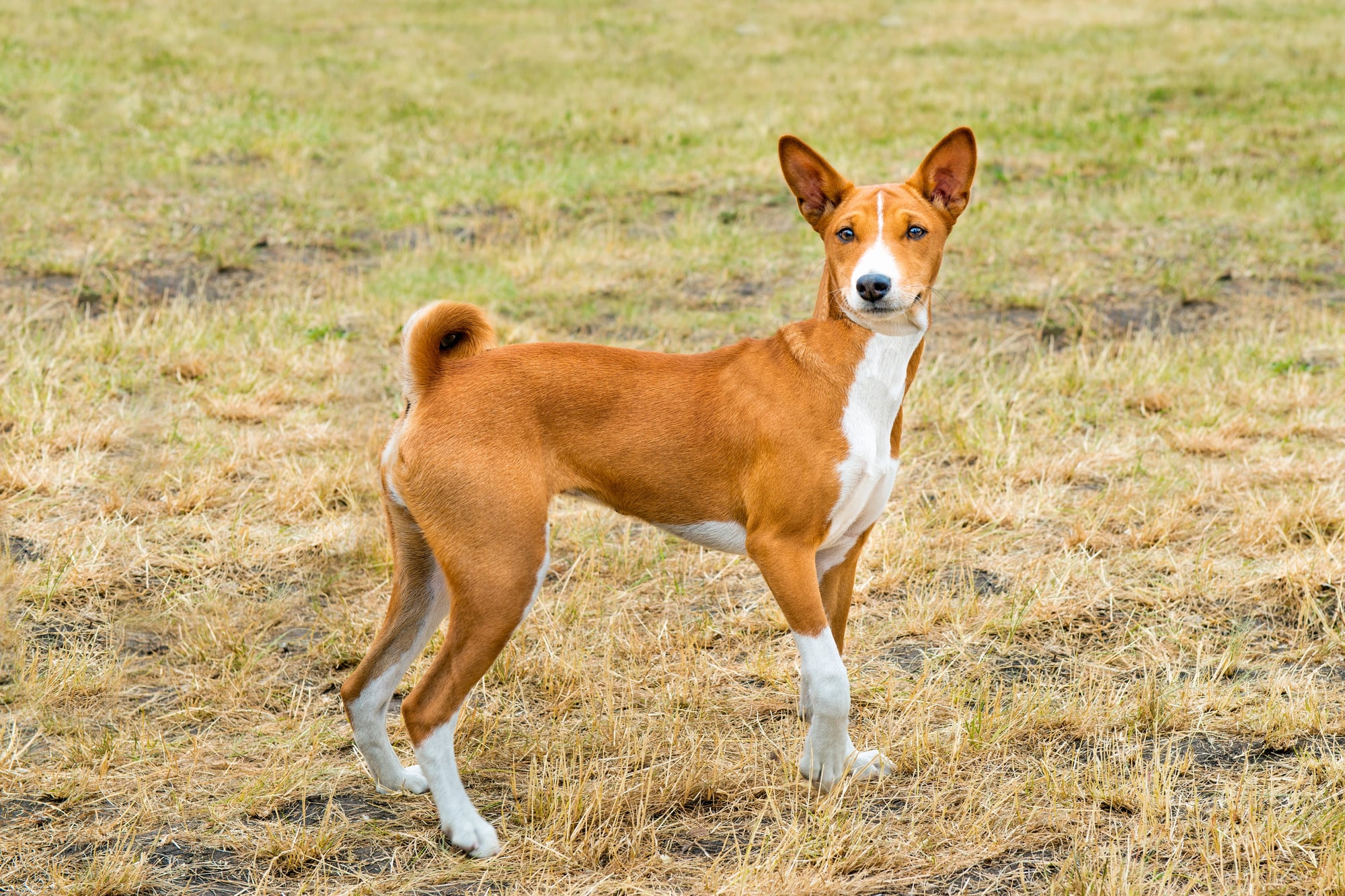
The Basenji doesn’t bark like other dogs. It yodels, whines, and makes sounds that feel borrowed from another species entirely.
This trait alone sets it apart, but DNA analysis reveals something far more significant: the Basenji carries one of the most ancient genetic signatures of any domesticated dog.
Archaeological evidence from ancient Egypt shows Basenji-type dogs accompanying pharaohs into the afterlife, immortalized in tomb paintings and mummified alongside their royal owners. These dogs were gifts from Nubian kingdoms, prized for their hunting abilities and that distinctive voice that never quite became a bark.
Saluki
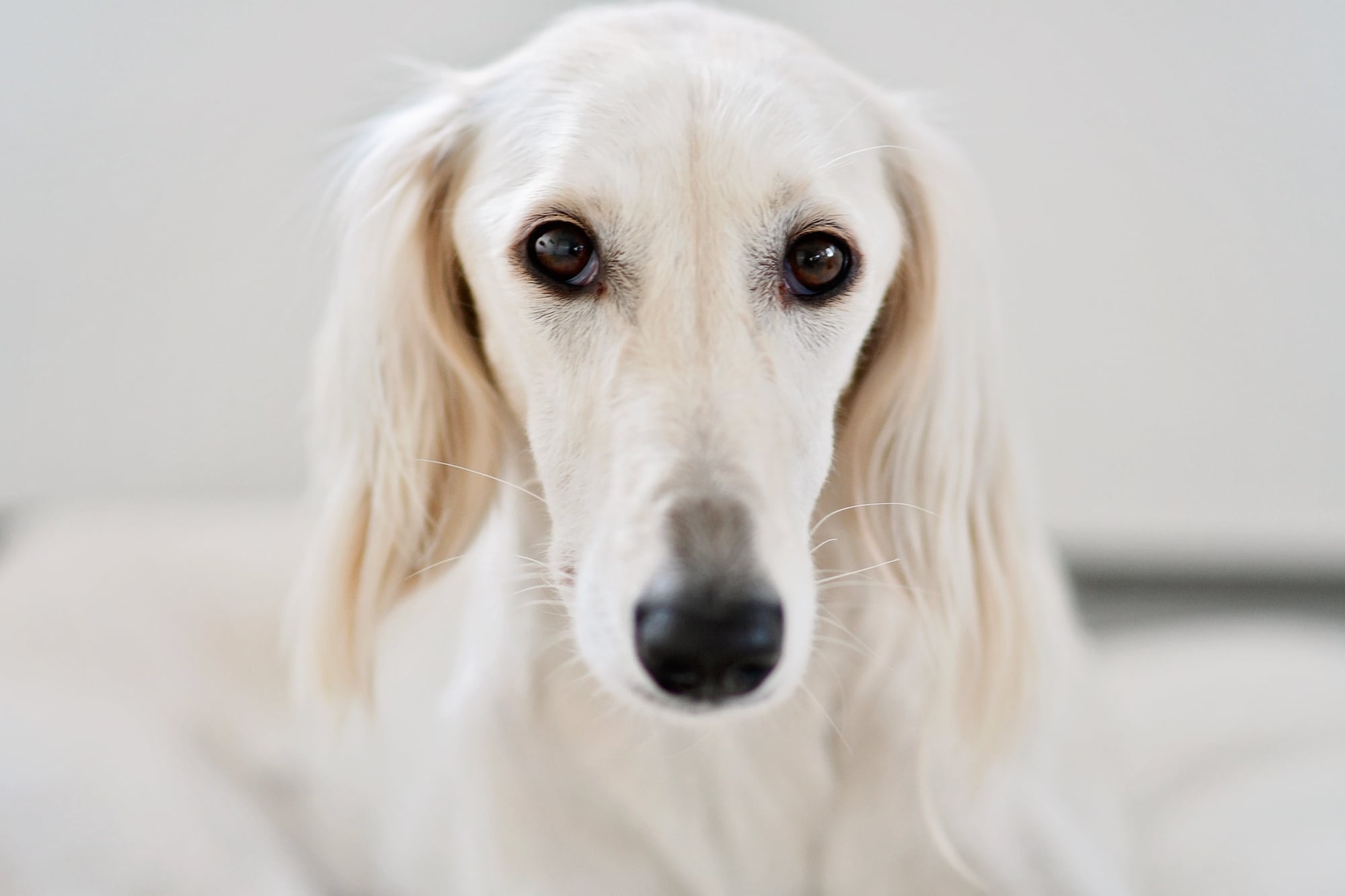
Arabian nomads called them “the gift of God” for good reason. The Saluki’s body reads like poetry written in bone and sinew — every angle designed for speed across desert terrain that would kill most creatures.
Their feet are webbed between the toes, natural snowshoes for sand that shifts like water.
What makes the Saluki remarkable isn’t just its 4,000-year documented history, but how little it has changed. Modern Salukis look nearly identical to those carved into Mesopotamian reliefs, as if time decided this particular design needed no improvement.
Shiba Inu
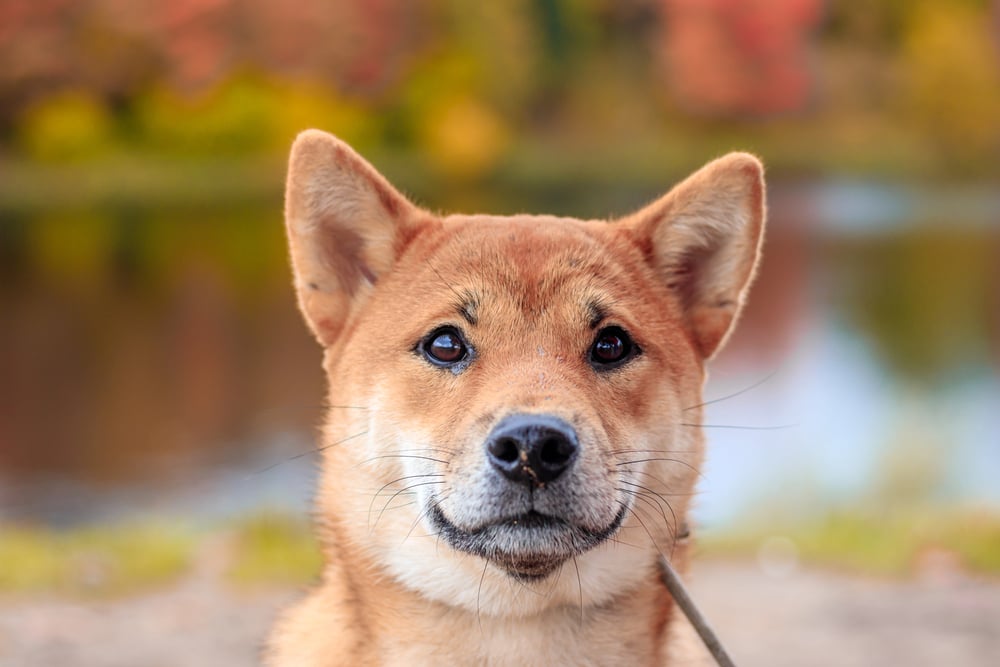
Japan’s national dog carries itself with the dignity of someone who knows they’ve been around longer than most civilizations. The Shiba Inu survived World War II bombings, near-extinction, and centuries of isolation on an island nation — emerging with its ancient genetics largely intact.
Shiba owners quickly learn about something called the “Shiba scream” — a vocalization so dramatic and specific that it defies explanation to anyone who hasn’t witnessed it. This behavior, along with their cat-like independence and ritualistic cleanliness, suggests traits that developed during thousands of years of selective breeding for very particular purposes in mountainous Japanese terrain.
Afghan Hound
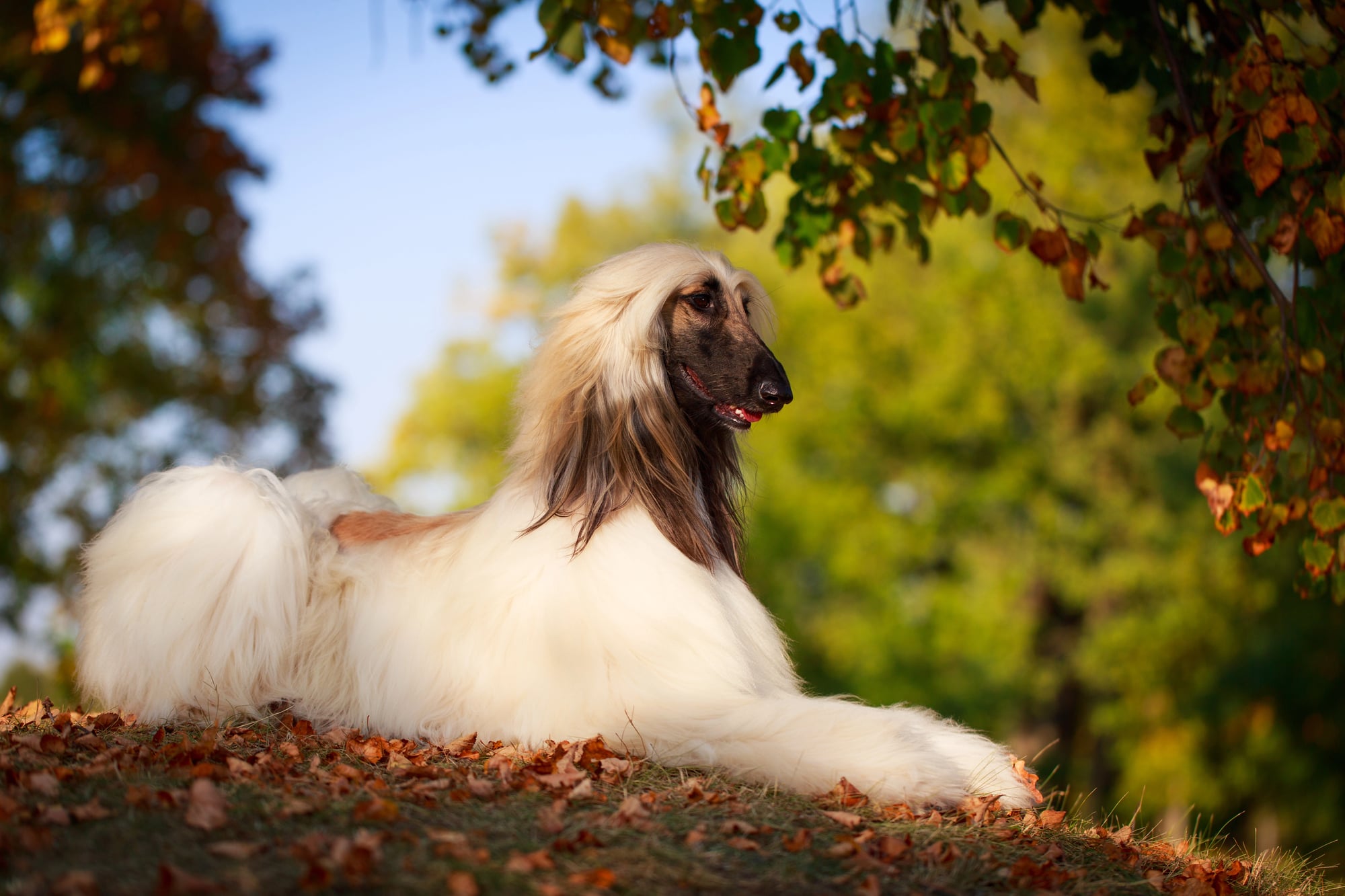
The Afghan Hound moves like silk with a skeleton inside it, all flowing coat and graceful angles that seem to defy basic physics (and anyone who has ever tried to brush out those tangles will tell you, it probably does). But beneath that coat lies a hunter designed for terrain so brutal that most predators gave up trying to survive there.
The mountains of Afghanistan demanded a sight hound that could pursue prey across rocky, uneven ground at altitudes where the air itself becomes an enemy.
So these dogs developed accordingly: wide, padded feet that grip stone, a coat that insulates against temperature swings that can shift forty degrees in a single day, and a hunting style that relies on independent decision-making rather than constant human direction.
Which explains why training an Afghan often feels like negotiating with a beautiful, stubborn diplomat who speaks a different language.
Chow Chow
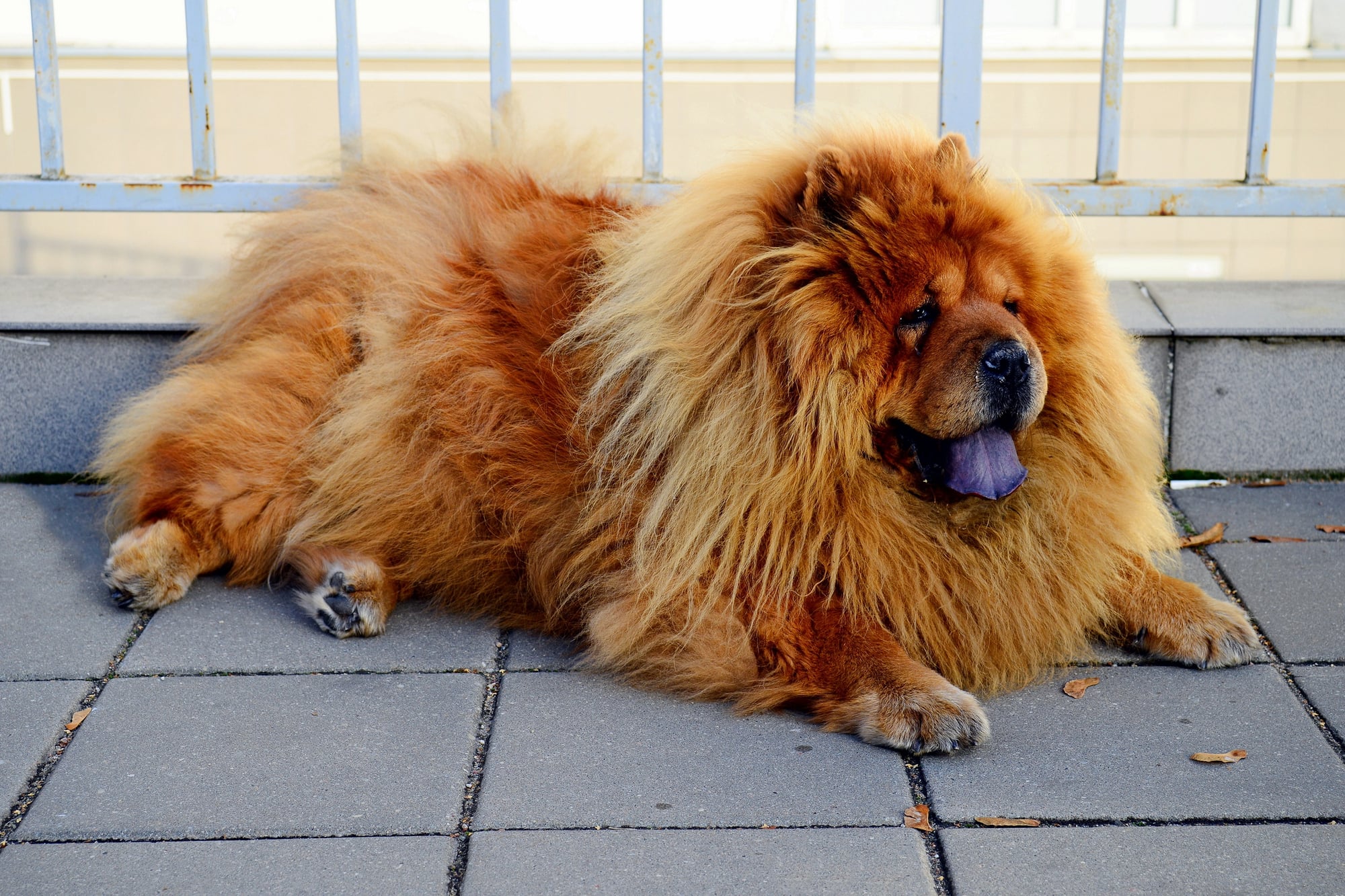
That blue-black tongue isn’t just unusual — it’s ancient. Chinese folklore claims the Chow Chow licked up drops of blue paint when Buddha was painting the sky, but genetic evidence suggests something more practical: this trait appears in only the oldest breeds, marking the Chow as one of humanity’s earliest successful experiments in domestication.
Han Dynasty artifacts show Chow-type dogs serving multiple roles: hunters, guards, and unfortunately, food sources during harsh winters. This versatility likely contributed to their survival through China’s tumultuous history.
Akita Inu
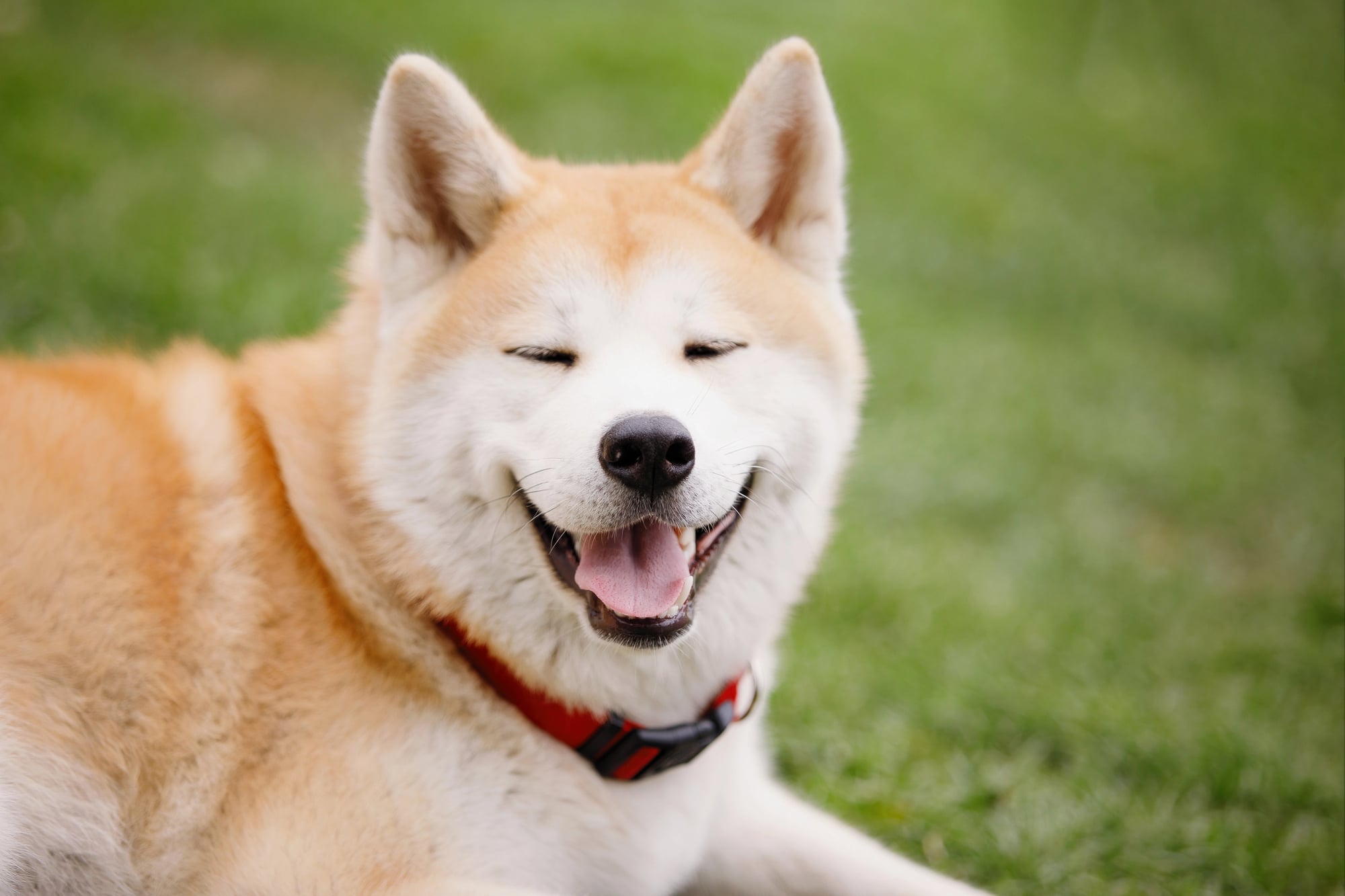
Japanese nobility once used Akita ownership as a status symbol, and touching someone else’s Akita without permission was considered a serious breach of social protocol. The breed developed in the mountainous regions of northern Japan, where their job description included hunting wild boar, bears, and other game that could easily kill a smaller dog.
Their loyalty became legendary after Hachiko, an Akita who waited for his deceased owner at a train station for nearly ten years.
That story resonates because it reflects something true about the breed’s character — a bond intensity that feels almost supernatural.
Siberian Husky
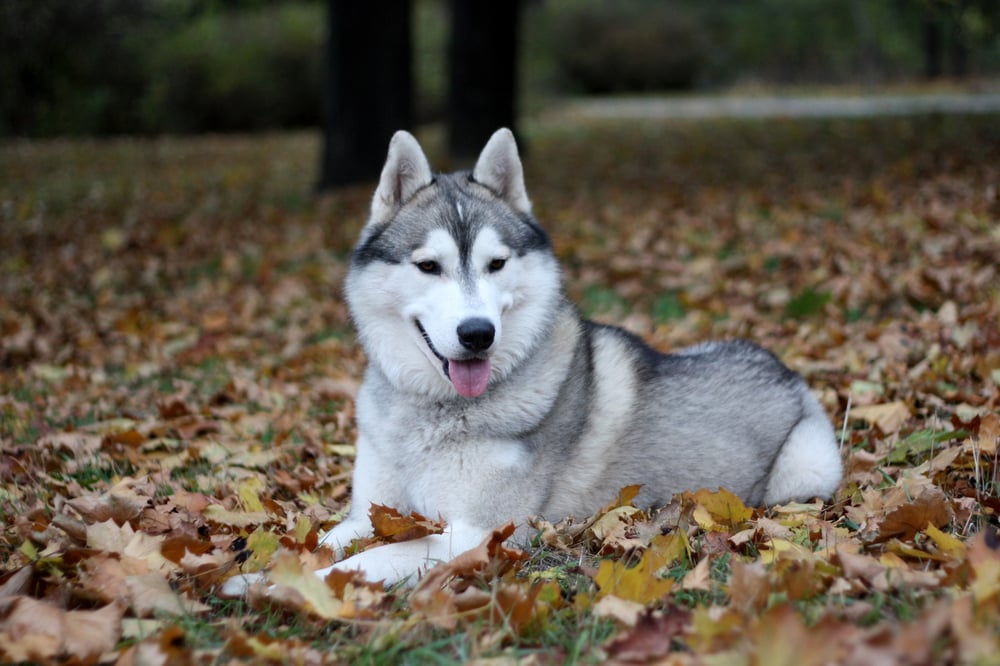
The Chukchi people of Siberia developed these dogs not just for transportation, but for survival in conditions that would challenge modern arctic equipment. Huskies can sleep comfortably in temperatures that would kill most mammals, their metabolism shifting into a mode that burns fat so efficiently they can run for days on minimal food.
Their striking blue eyes — those piercing blues and heterochromatic combinations — are the result of a genetic mutation affecting the ALX4 gene, which reduces pigment in the iris.
The dark skin around their eyes helps deflect snow and sun glare, while their almond-shaped eye structure provides protection against harsh arctic wind and blowing snow.
Even their howl serves a purpose: communication across distances where visual contact becomes impossible.
Greenland Dog
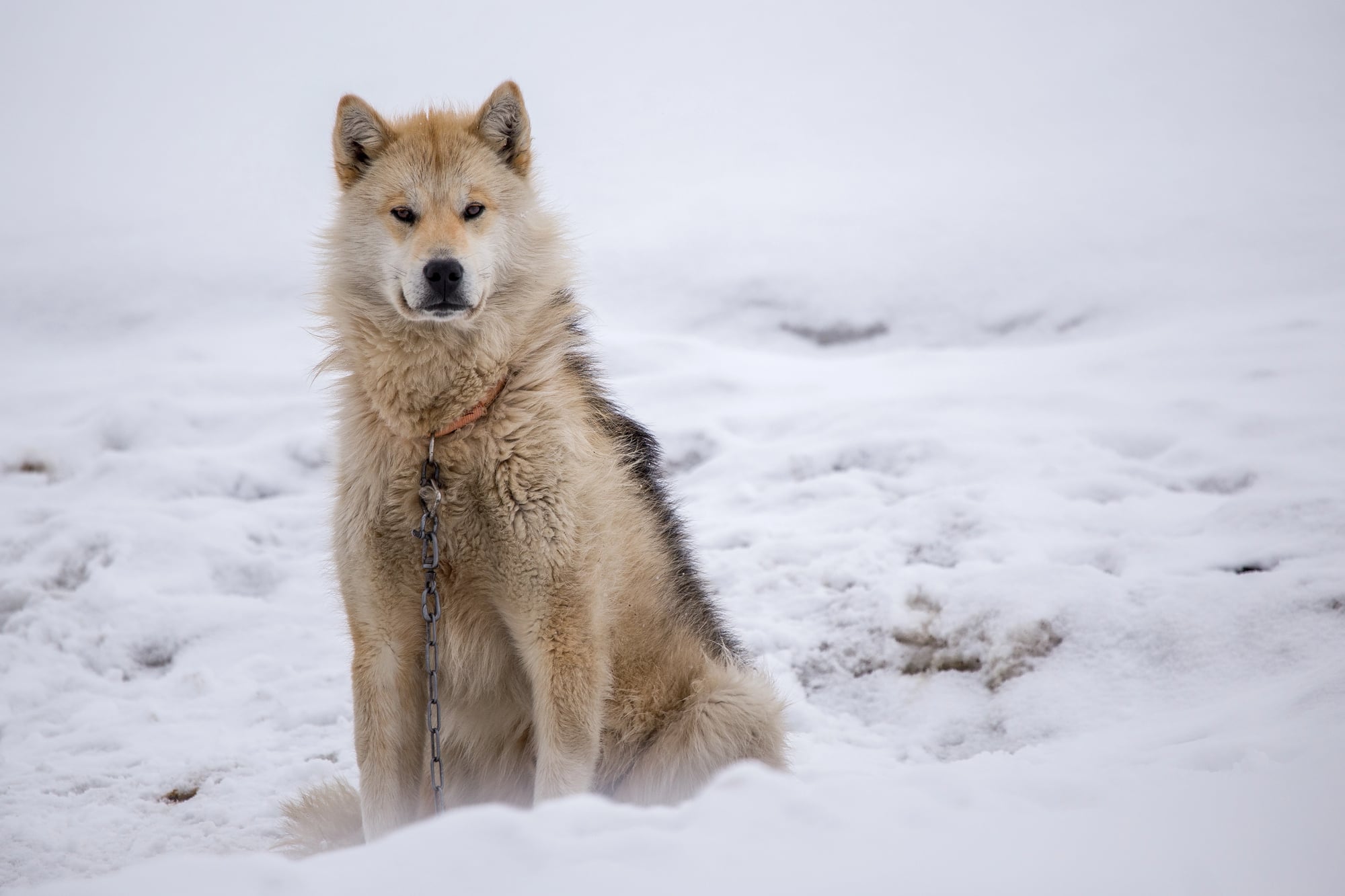
Inuit hunters depended on Greenland Dogs for survival in the Arctic, and the relationship was purely transactional in the most essential way possible. These dogs pulled sleds across ice that could crack without warning, hunted seals through breathing pits, and provided warmth during storms that could last for weeks.
Their pack mentality is so strong that they still organize themselves into hierarchies that would make wolf researchers take notes. Modern Greenland Dogs retain this social structure, which makes them challenging pets but remarkable survivors.
Canaan Dog
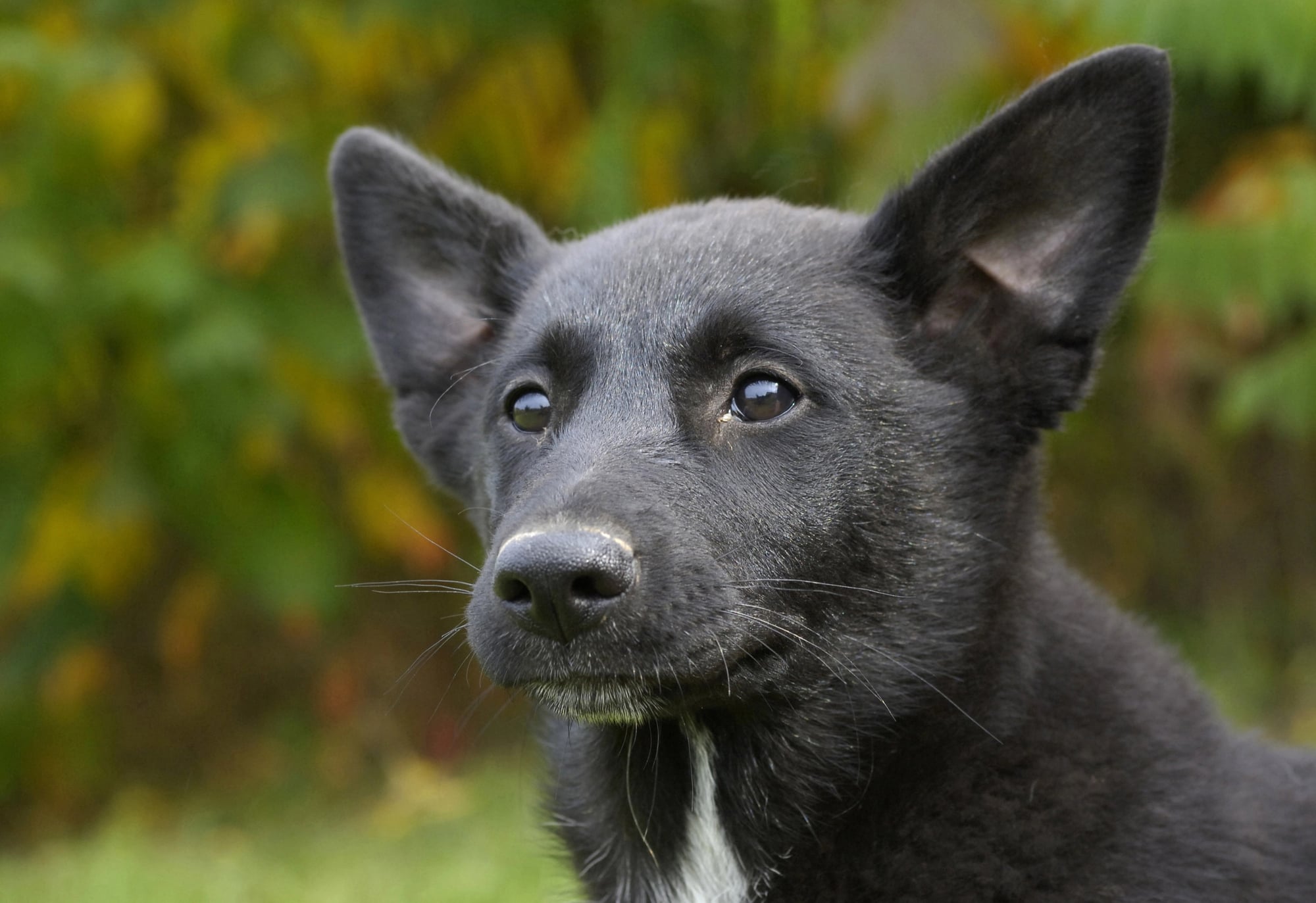
Israel’s national dog spent centuries as a feral population in the desert before being “re-domesticated” in the 1930s. This unusual history — domestication, followed by thousands of years of wild living, followed by domestication again — created a breed with an almost supernatural ability to read human intentions while maintaining complete independence.
Canaan Dogs can survive in desert conditions that would challenge camels, finding water sources and shelter with skills that seem borrowed from their wild ancestors. Their alertness isn’t just watchfulness — it’s the kind of environmental awareness that comes from generations of making life-or-death decisions without human help.
Chinese Shar Pei
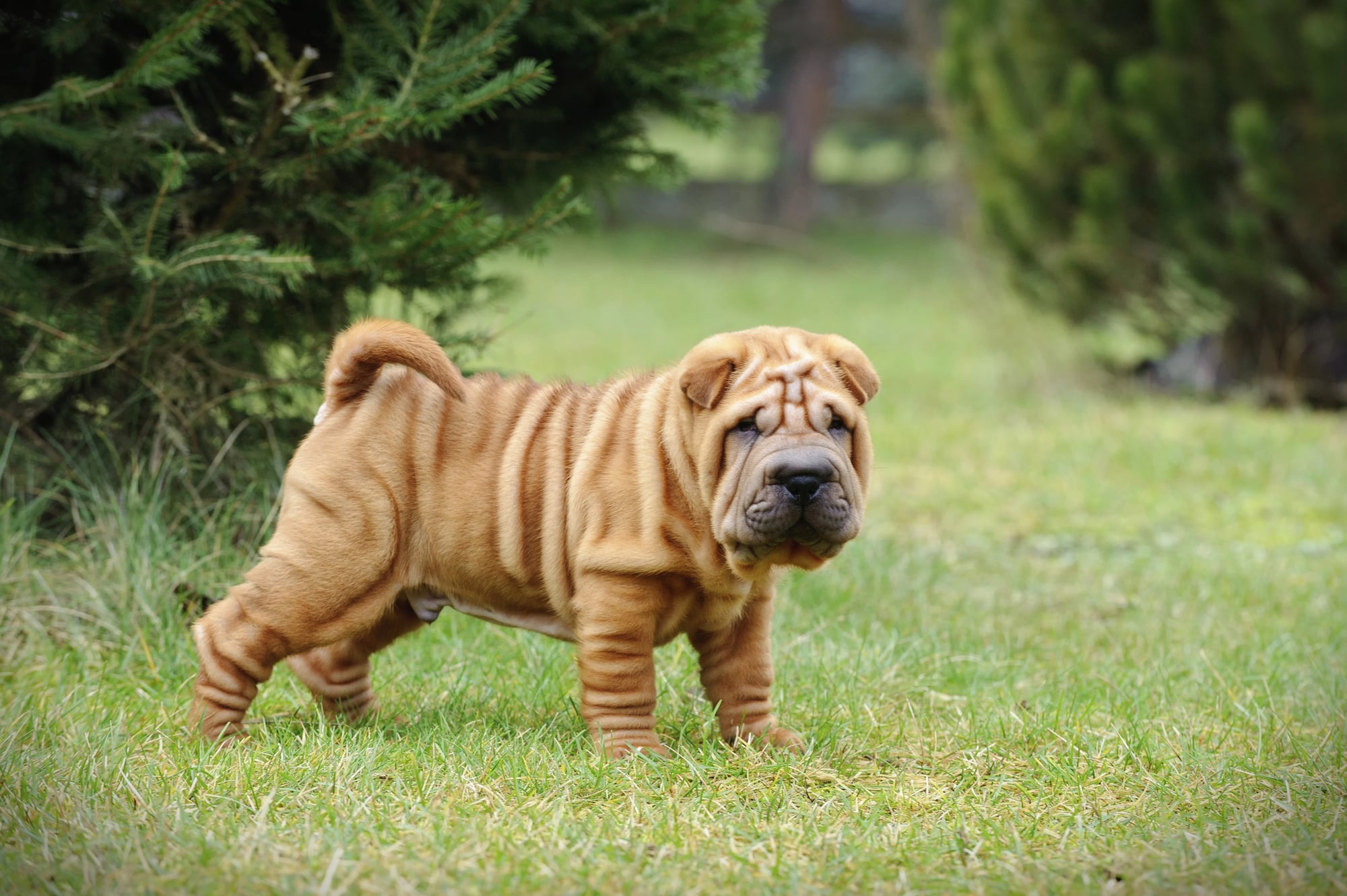
Those wrinkles weren’t just aesthetic choices — they were functional armor. Shar Pei were bred for fighting, and the loose skin made it difficult for opponents to get a grip that could cause serious damage.
The wrinkles would bunch and fold, allowing the dog to turn and counter-attack even when being held.
Their rough coat (Shar Pei translates to “sand skin”) had a similar defensive purpose, creating a texture that was unpleasant to bite and hold.
These practical modifications speak to a breed developed for very specific, dangerous work over many generations.
Tibetan Mastiff
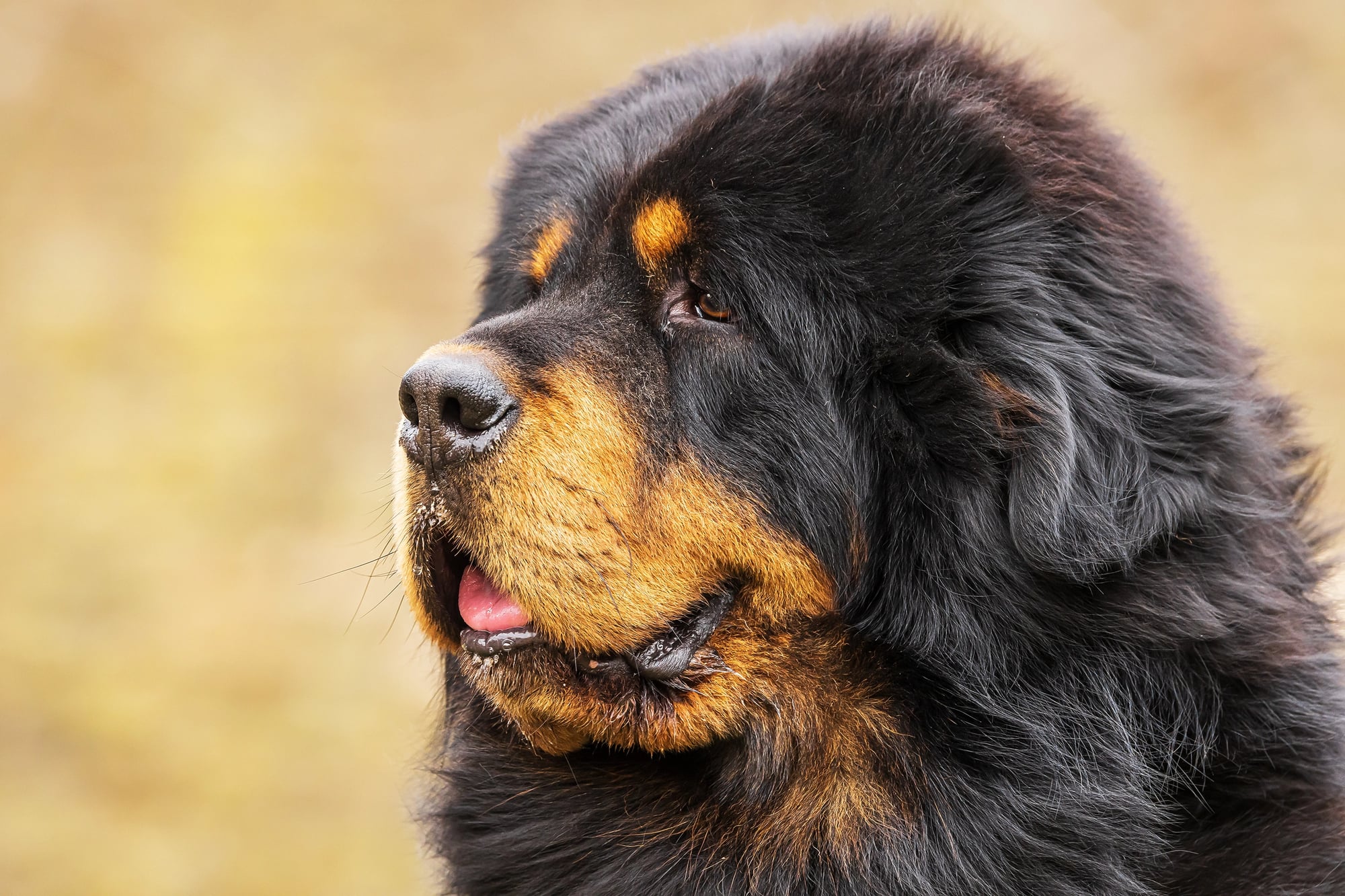
Tibetan monasteries used these dogs as guardians at altitudes where the air is too thin for most breeds to function properly. Mastiffs developed enlarged lungs and hearts to process oxygen efficiently at elevations above 14,000 feet, making them living examples of high-altitude adaptation.
Their independence was essential for their work — monastery dogs had to make decisions about threats without human guidance, often during harsh winters when monks remained cloistered for months.
This created a breed that thinks before it obeys, which modern owners discover can be both impressive and frustrating.
Norwegian Elkhound
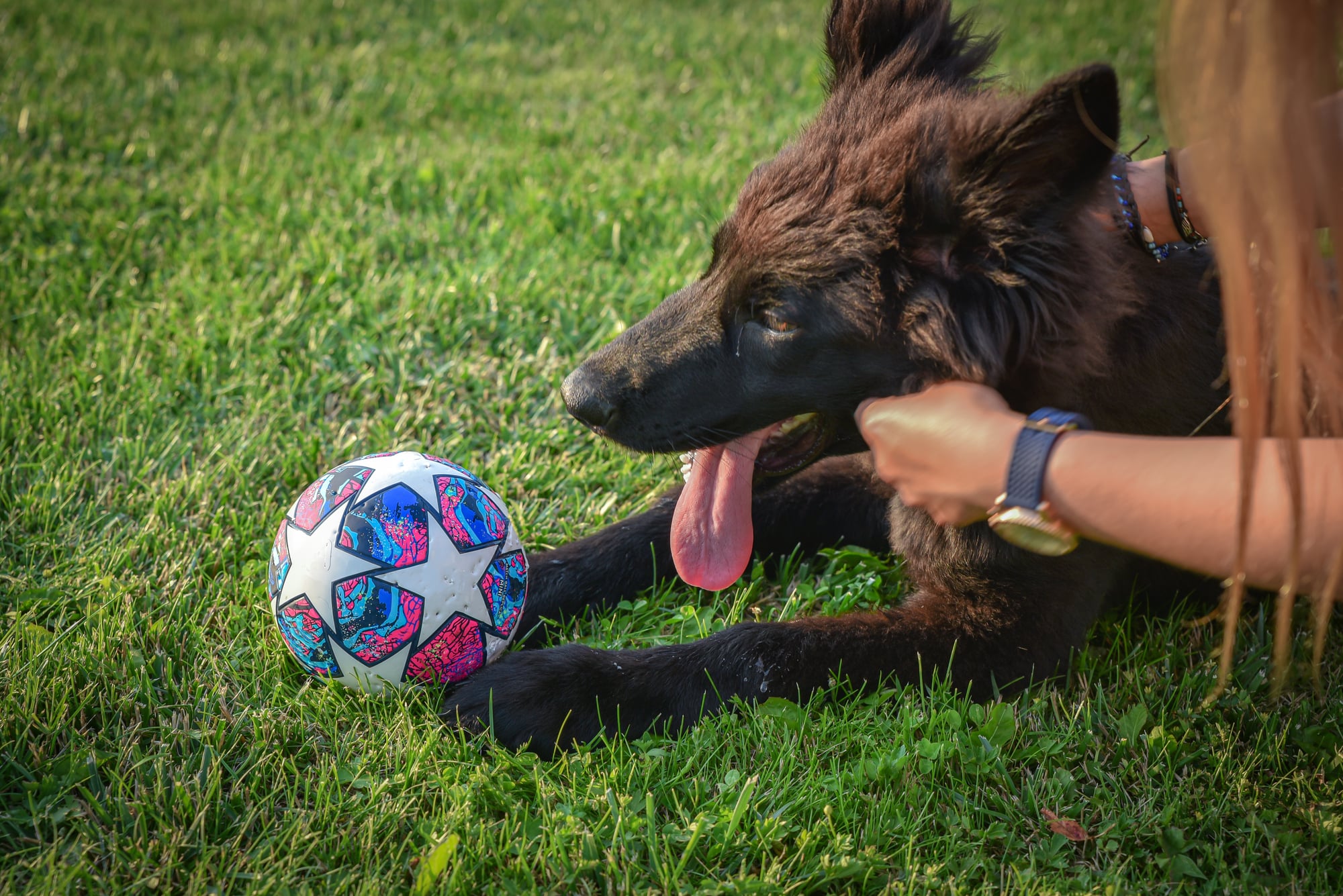
Vikings brought Elkhounds on sea voyages not just for companionship, but because these dogs could hunt, guard, and navigate in conditions that ranged from Arctic cold to temperate forests. Their compact build and weather-resistant coat made them practical companions for a nomadic warrior culture.
Archaeological evidence shows Elkhound-type dogs buried alongside Viking warriors, suggesting a relationship that went beyond simple utility. These dogs were partners in a lifestyle that demanded adaptability, courage, and the ability to thrive in uncertain conditions.
Pharaoh Hound
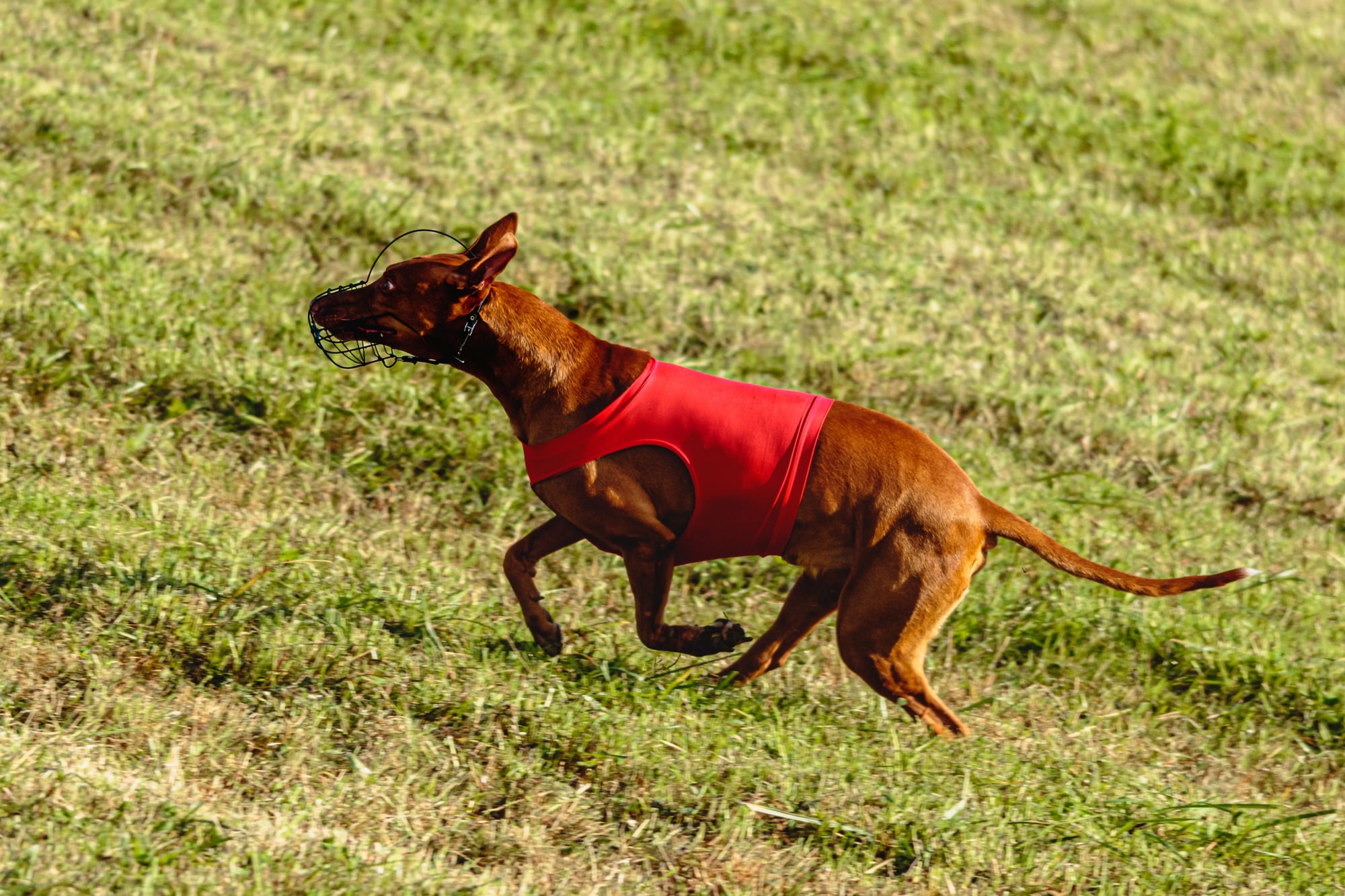
Malta’s national dog carries a name that suggests Egyptian origins, but genetic testing reveals a more complex history. While Pharaoh Hounds resemble dogs depicted in ancient Egyptian art, their DNA suggests they developed in Mediterranean isolation, evolving to hunt rabbits across rocky terrain where sight and sound were equally important.
Their ears — large, pointed, and constantly mobile — can track sounds across distances that would challenge most hunting breeds.
They also “blush” when excited, their noses and ears turning bright pink in a physiological response that remains unique among dog breeds.
Pack Leaders Of The Past
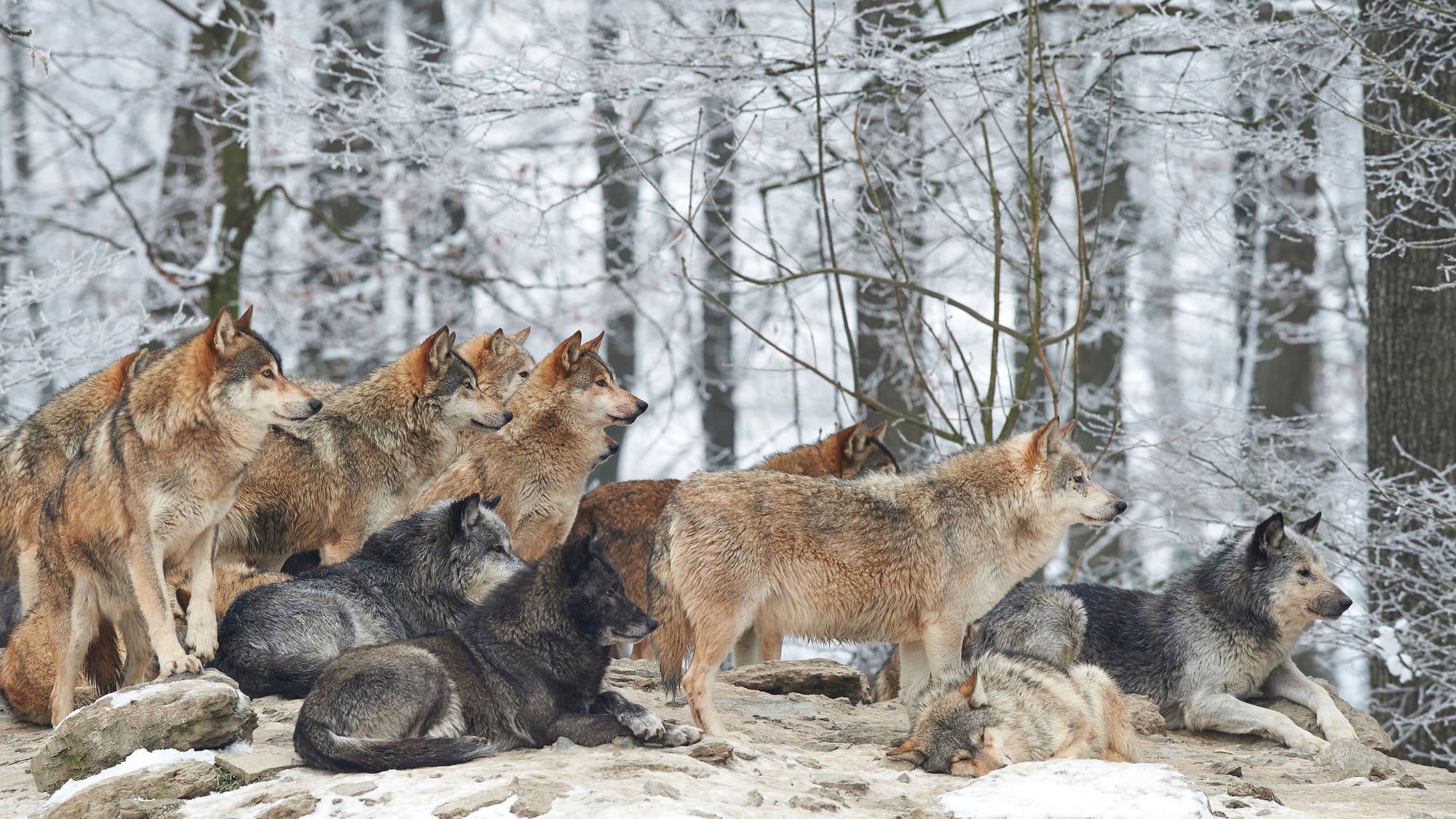
These ancient breeds represent more than genetic curiosities or living museum pieces. They’re proof that the relationship between humans and dogs has always been a negotiation — we shaped them, but they shaped us back.
Each breed carries solutions to problems our ancestors faced: how to hunt in impossible terrain, how to survive in climates that tested the limits of mammalian endurance, how to guard resources when survival depended on vigilance.
The traits that made these dogs valuable thousands of years ago often make them challenging companions today. Their independence, their specific working drives, their ability to make decisions without human input — these were features, not bugs, in the environments where they developed.
Understanding that history doesn’t just satisfy curiosity; it explains why your ancient breed dog sometimes acts like it knows something you don’t. Because, in many ways, it does.
More from Go2Tutors!

- The Romanov Crown Jewels and Their Tragic Fate
- 13 Historical Mysteries That Science Still Can’t Solve
- Famous Hoaxes That Fooled the World for Years
- 15 Child Stars with Tragic Adult Lives
- 16 Famous Jewelry Pieces in History
Like Go2Tutors’s content? Follow us on MSN.