Oldest Functioning Botanical Gardens in Europe
Walking through a botanical garden feels different when you know it’s been tended for centuries. These aren’t just collections of plants — they’re living libraries where scholars once debated the nature of life itself, where explorers brought back specimens from distant continents, and where the very foundations of modern botany were laid.
Europe’s oldest botanical gardens have survived wars, political upheavals, and changing scientific paradigms, yet they continue to bloom year after year.
Each garden tells a story that stretches back hundreds of years, connecting visitors to generations of botanists, gardeners, and curious minds who walked the same paths. Their age isn’t just a number — it’s a testament to humanity’s enduring fascination with the natural world.
University of Pisa Botanical Garden
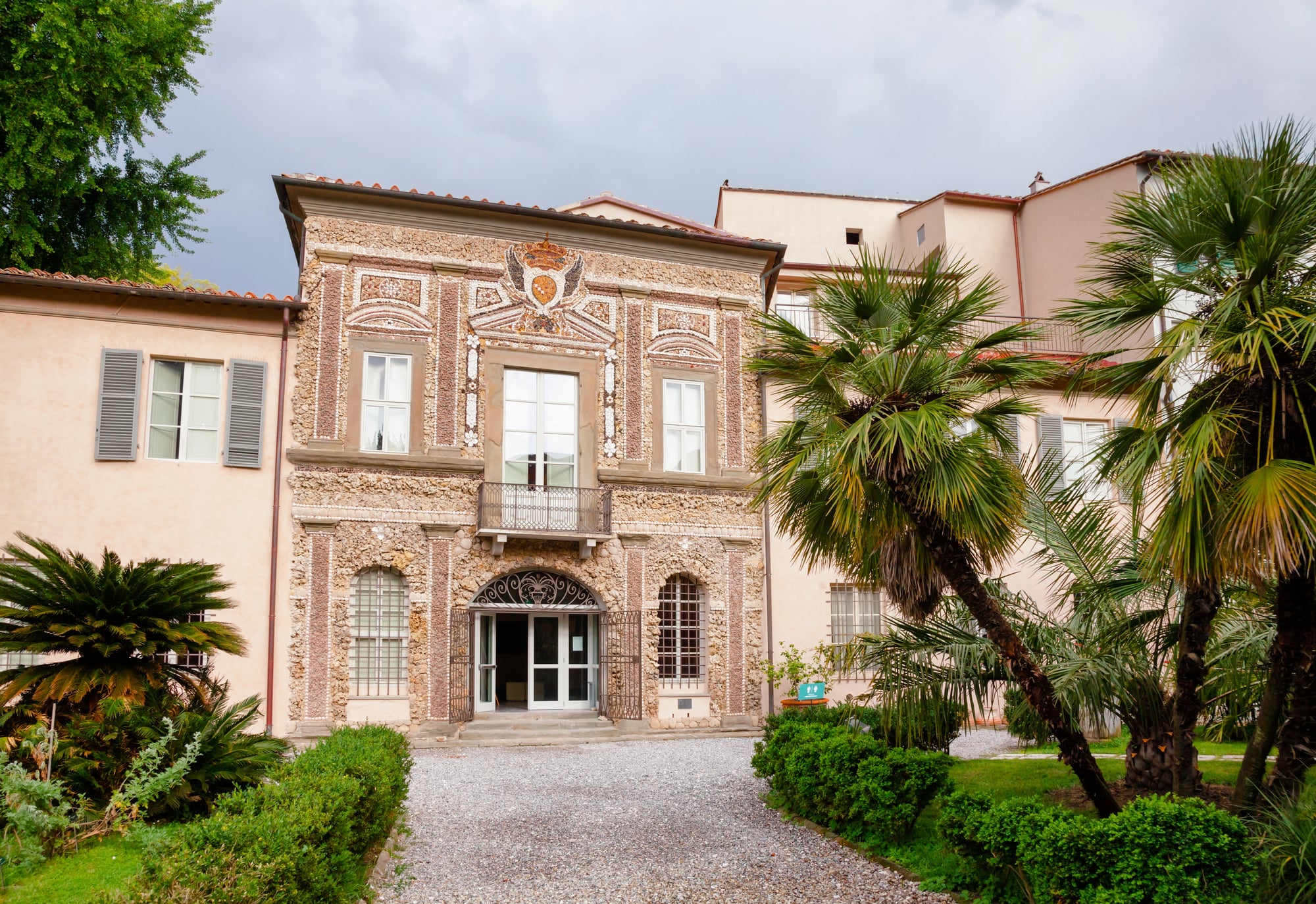
The world’s first university botanical garden still functions today. Founded in 1544, it exists because Luca Ghini understood something fundamental about teaching medicine.
You can’t learn about medicinal plants from books alone. Students needed to see, touch, and smell the actual specimens.
Revolutionary thinking for the 16th century.
University of Padua Botanical Garden
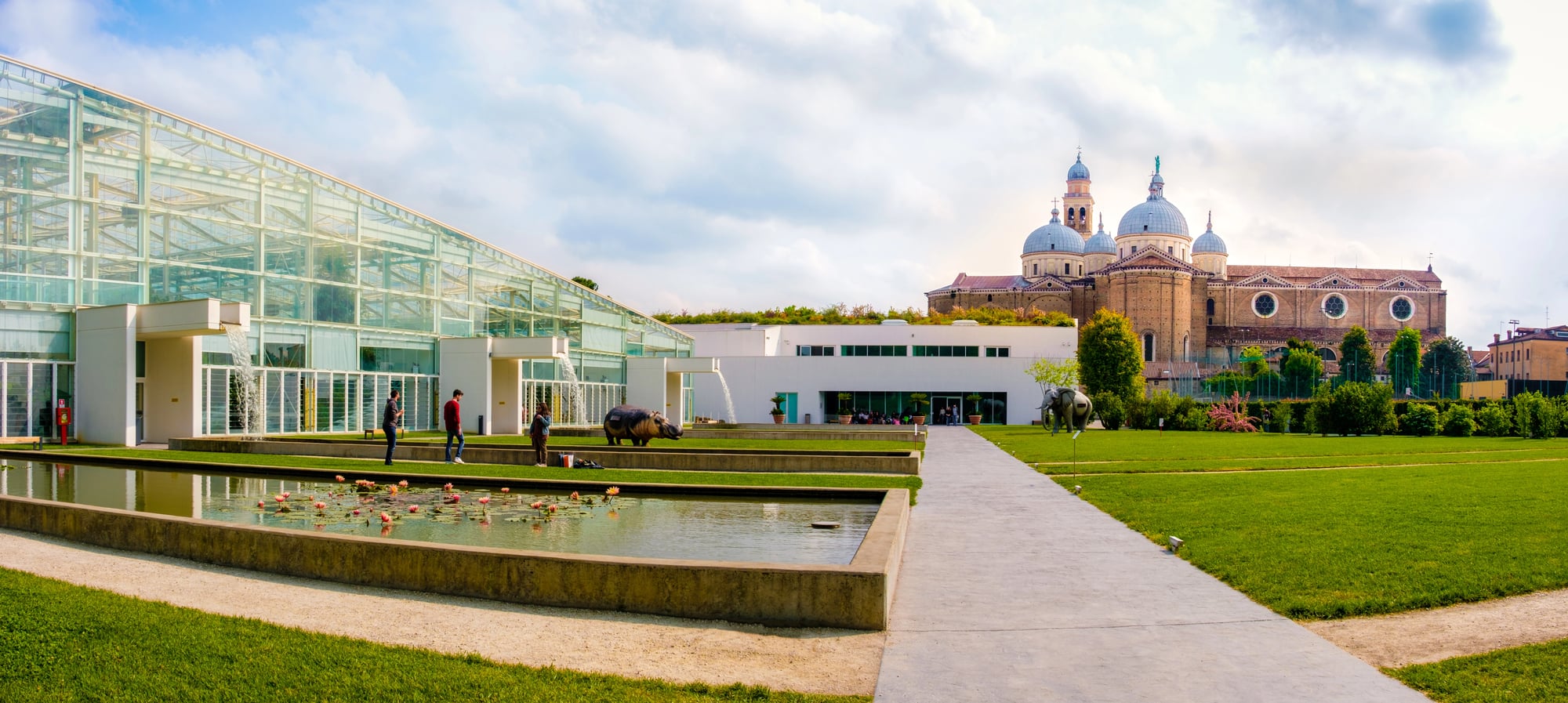
Padua followed Pisa’s lead in 1545, and the rivalry between these two Italian institutions (which began almost immediately, as academic rivalries tend to do) pushed both gardens to excel in ways that might not have happened if either had existed in isolation. But where Pisa focused primarily on medicinal plants, Padua’s approach was more ambitious — they wanted to catalog and study the entire plant kingdom, or at least as much of it as they could get their hands on, which turned out to be quite a lot once Venetian merchants started bringing back specimens from their trading expeditions across the Mediterranean and beyond.
So the garden became something unprecedented: not just a teaching tool, but a research institution where the very foundations of systematic botany were being laid. And yet, for all its scholarly importance, it never lost its essential character as a place of wonder.
Goethe visited in 1786 and claimed to have discovered the “original plant” here — the theoretical form from which all plants derived. He was wrong about the science, but right about the feeling.
Some places make you think differently about life itself.
Leiden University Botanical Garden

The Dutch created something special in 1590. Leiden’s garden wasn’t just about preserving knowledge — it was about expanding it through methodical observation and classification.
Carolus Clusius, the garden’s first director, introduced tulips to the Netherlands here. That single decision would reshape the Dutch economy within decades.
Botanical gardens have consequences that reach far beyond their gates.
University of Montpellier Botanical Garden
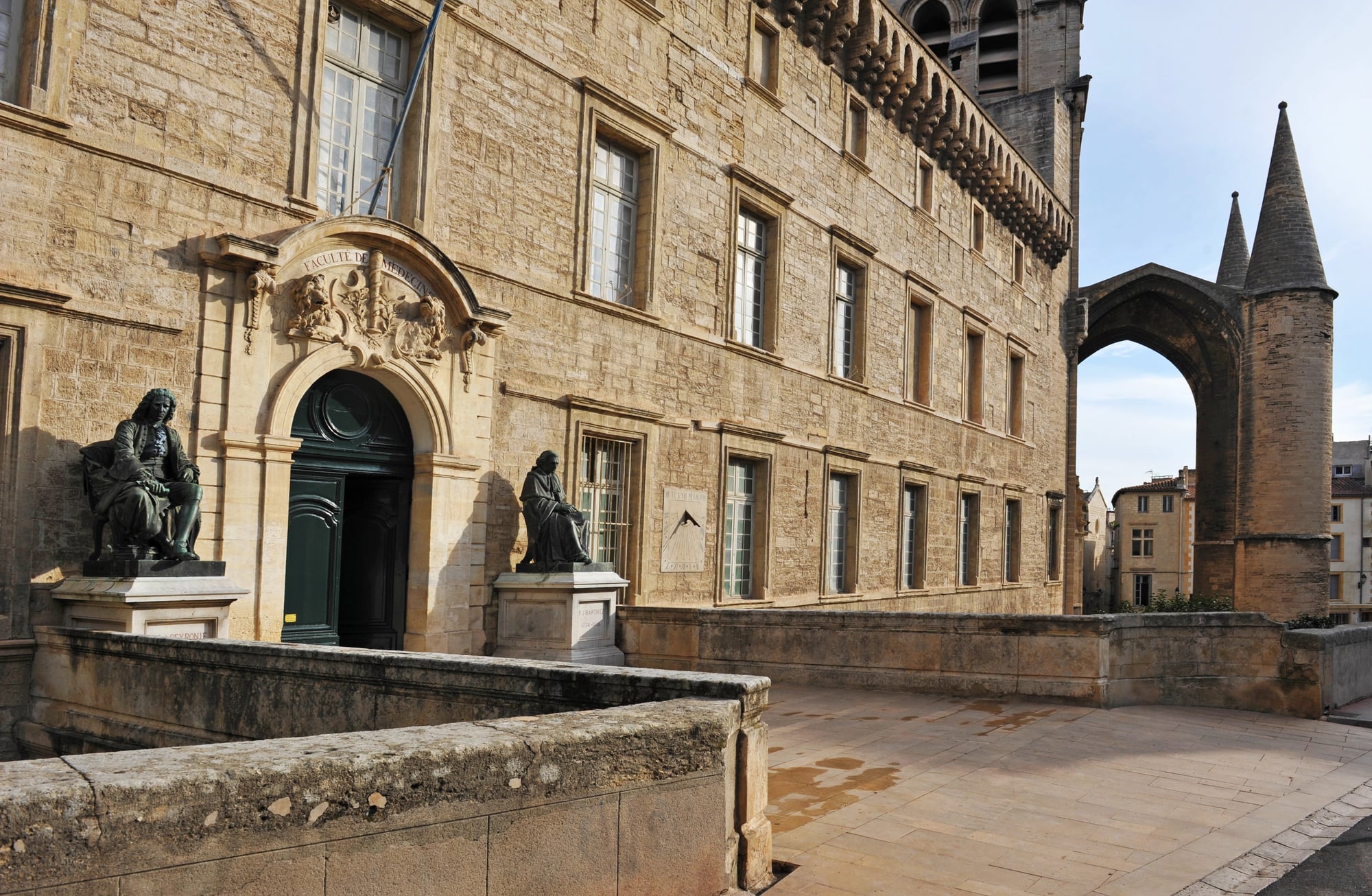
French precision meets botanical ambition. Established in 1593, Montpellier’s garden reflects something distinctly methodical about the French approach to natural science — everything organized, everything in its proper place, every plant serving both educational and aesthetic purposes simultaneously.
The garden survived the French Revolution when many aristocratic gardens were destroyed. Academic institutions proved more durable than royal estates.
Sometimes being useful to students matters more than being beautiful for nobility.
Botanical Garden of the University of Strasbourg

Think of Strasbourg’s garden, founded in 1619, as a survivor’s manual written in living specimens. The city changed hands between France and Germany multiple times, but the garden endured each transition (though not without some awkward moments when political borders shifted and suddenly the same plants had to be labeled in different languages, which tells you something about how arbitrary human divisions can seem from a botanical perspective).
What remained constant was the basic impulse to collect, study, and preserve — regardless of which flag flew over the university. And there’s something almost defiant about that continuity: empires rise and fall, but someone still needs to water the rare orchids and catalog the seed collections, because knowledge doesn’t care about politics even when politicians care very much about controlling knowledge.
Wars destroyed parts of it multiple times. Gardens rebuild.
That’s what they do.
The greenhouse collections here contain specimens that predate most of the political upheavals that shaped modern Europe. Plants outlive the people who name them.
Chelsea Physic Garden
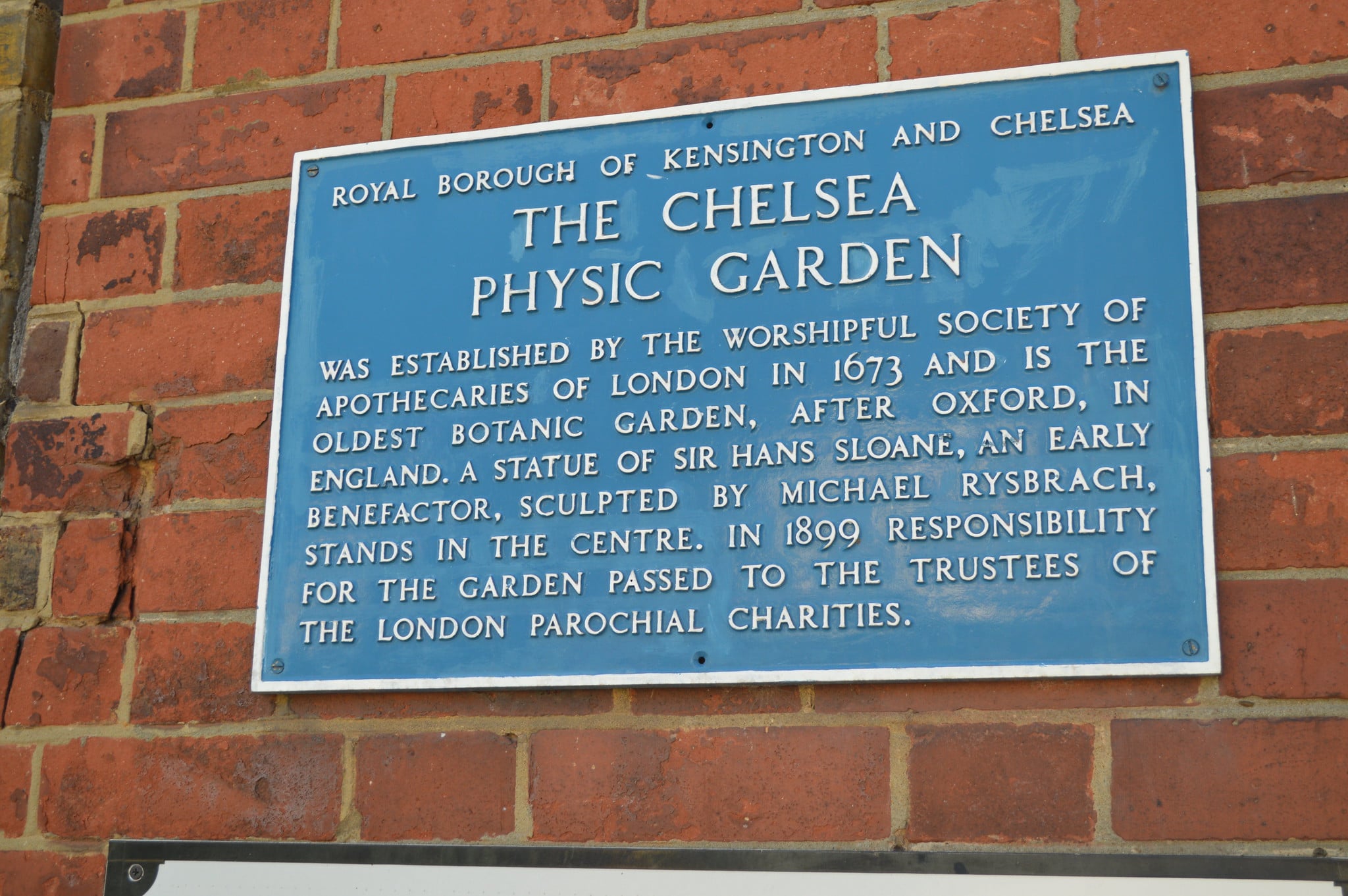
London’s contribution arrived in 1673, founded by the Worshipful Society of Apothecaries. The name tells the whole story — this was practical knowledge for people who needed to heal the sick.
The garden sits on prime London real estate, which makes its survival even more remarkable. Property developers have been eyeing these four acres for centuries.
The apothecaries held firm.
Royal Botanic Garden Edinburgh
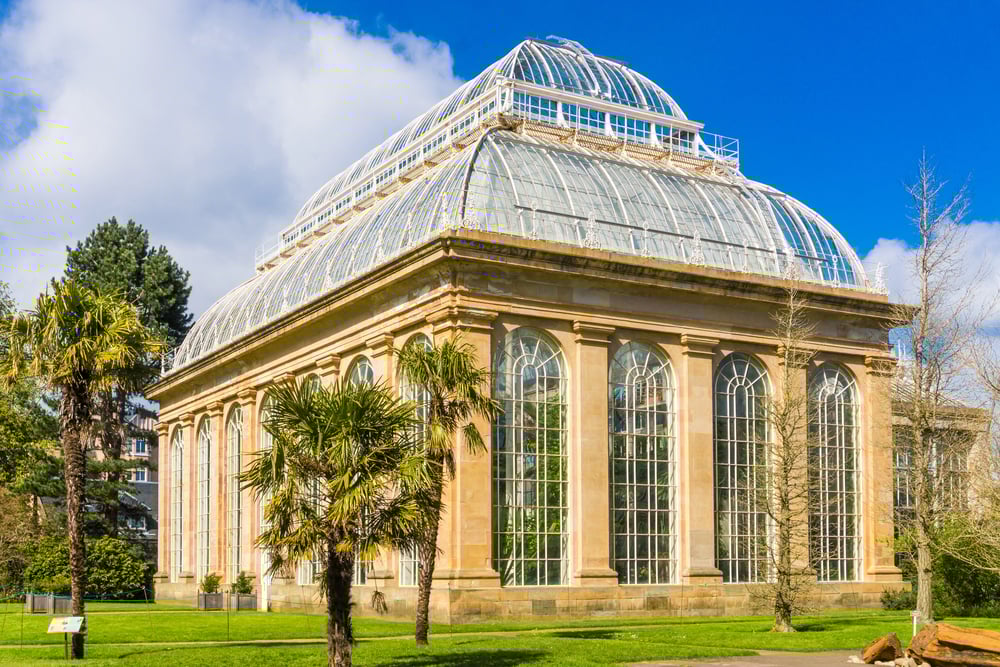
Edinburgh’s garden moved locations multiple times before settling in its current home, but the institution traces back to 1670 (though the plants themselves, which moved with each relocation like a traveling botanical circus, probably experienced more of Scotland than most Scots ever will, rolling through the countryside in carts and temporary planters while bureaucrats argued about the best spot for scientific research).
The moves weren’t failures — they were upgrades, each new location offering better growing conditions or more space for expanding collections, until finally the garden found its permanent home where the climate and topography aligned with its ambitions. But something about those early relocations captures the restless energy of scientific inquiry: never quite satisfied, always looking for better conditions, better opportunities, better ways to understand the natural world.
The living collections here include plants from every continent except Antarctica. Scotland’s climate turns out to be surprisingly accommodating when you know what you’re doing.
University of Oxford Botanical Garden
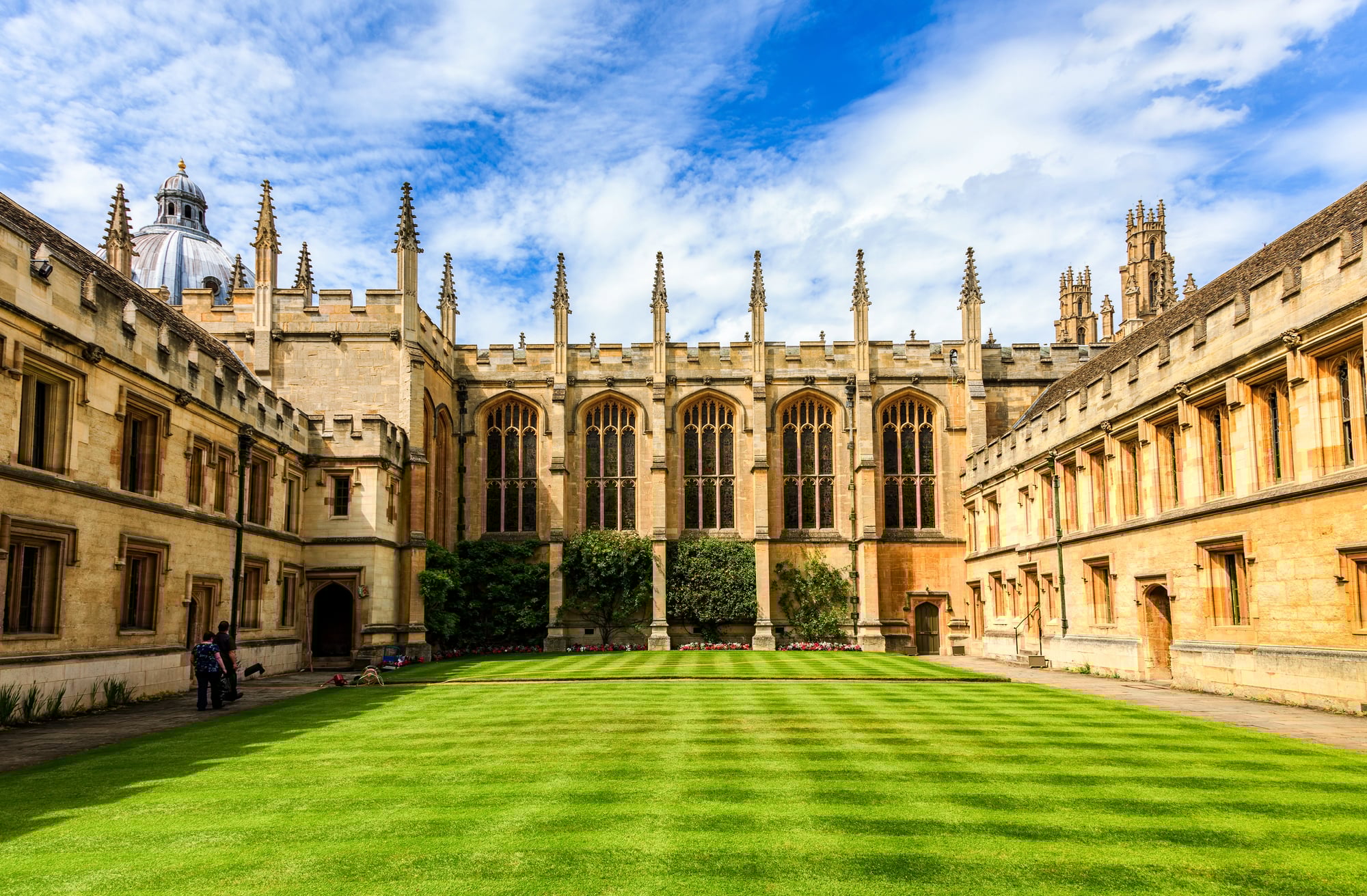
Oxford waited until 1621 to establish its garden, but made up for lost time with typical English thoroughness. The garden occupies the oldest site in continuous use for botanical research in Britain.
The original layout remains largely unchanged. Four centuries of botanical progress, but the same basic organizational principles.
Some ideas work so well they don’t need improvement.
Botanical Garden of the University of Vienna
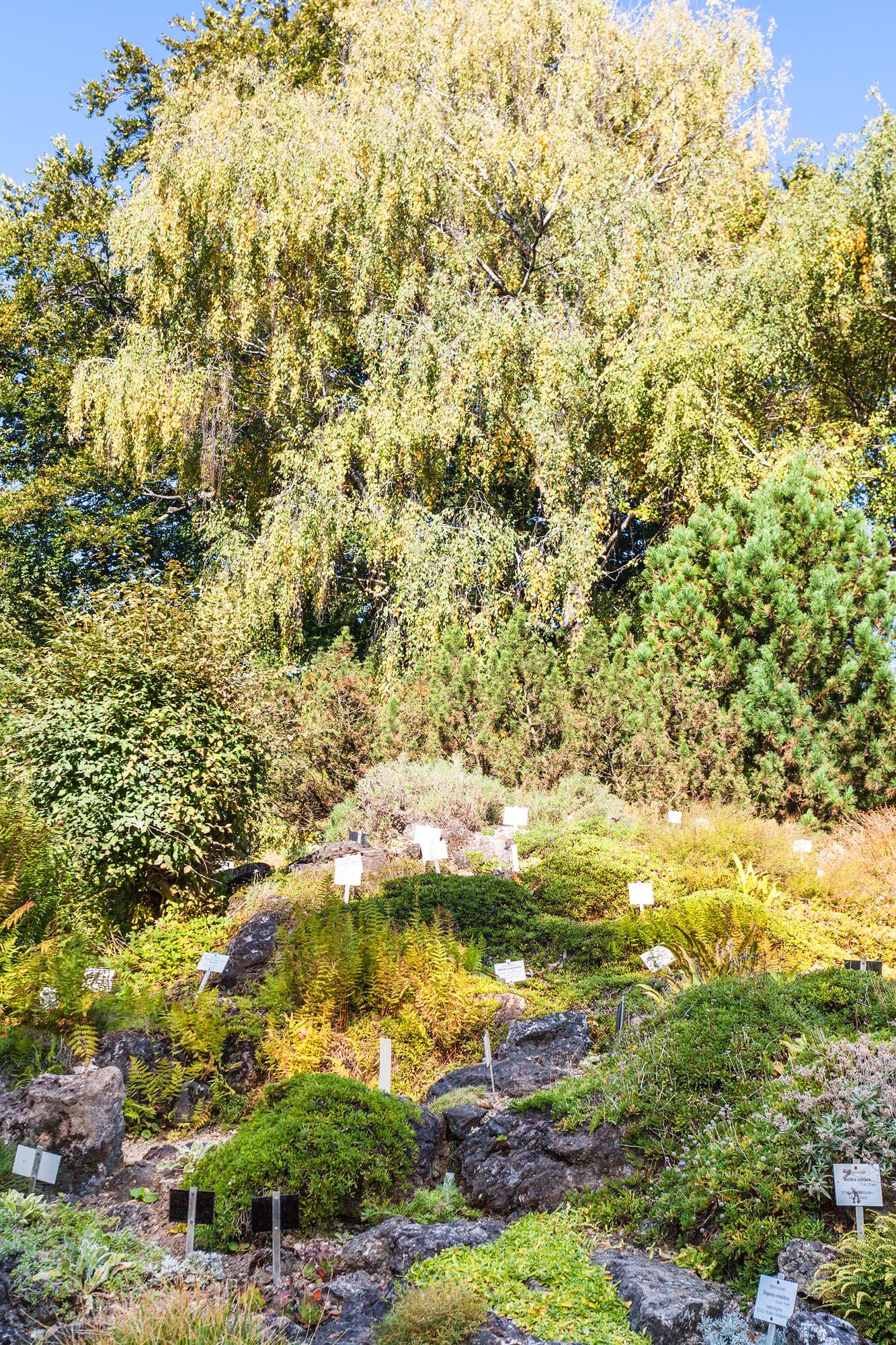
Vienna’s garden reflects the Habsburg passion for collecting and cataloging everything within reach of the empire. Founded in 1754, it served as both research facility and symbol of imperial scientific achievement.
The garden survived two world wars and the collapse of the Austro-Hungarian Empire. Institutions outlast the governments that create them when they serve purposes beyond politics.
Royal Botanic Gardens, Kew
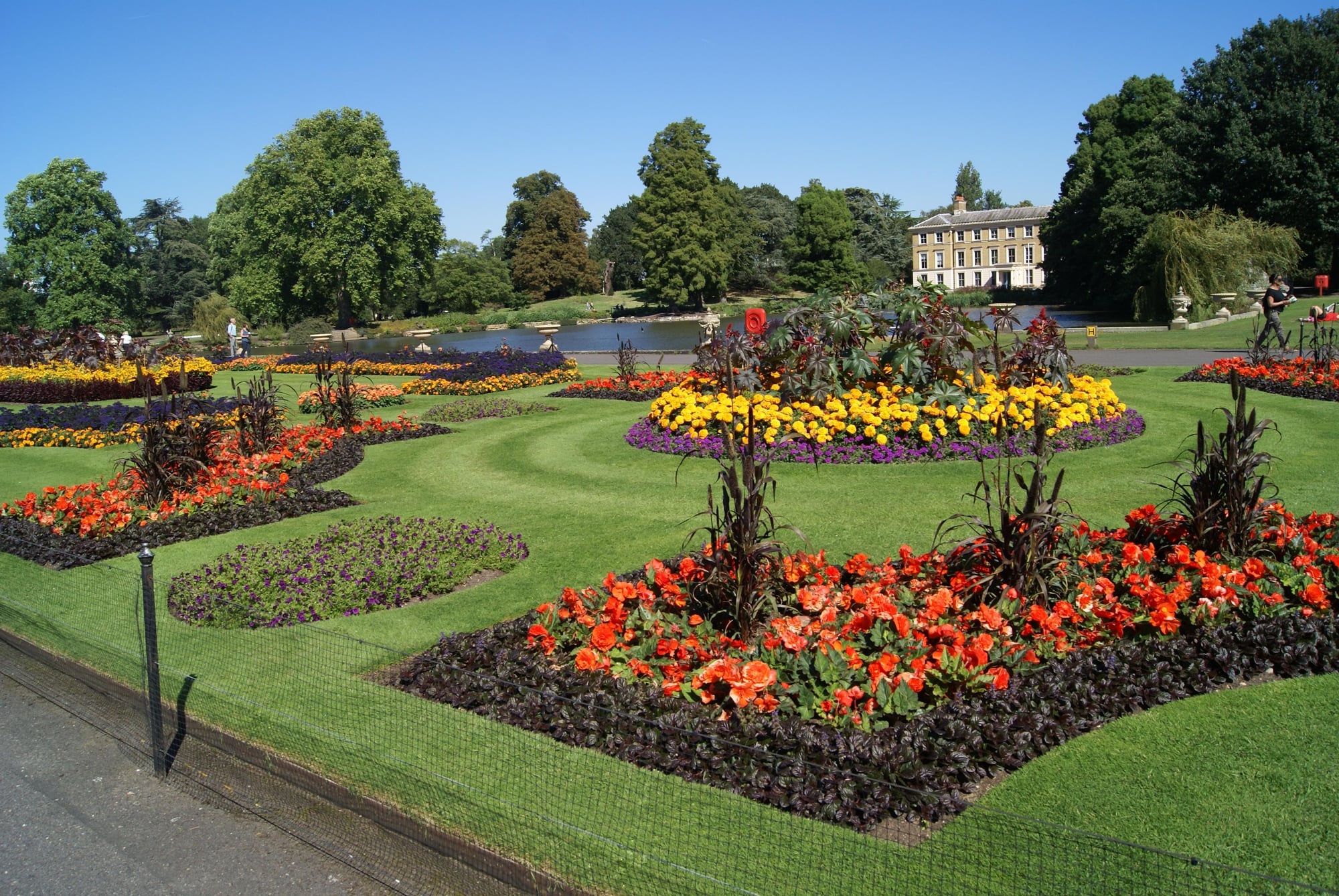
Kew officially became a botanical garden in 1759, though the site had been accumulating plants for decades before that. The British approach was characteristically ambitious — not just a local garden, but a global headquarters for botanical imperialism.
Plant hunters sent specimens back from every corner of the British Empire. Kew became the processing center for the world’s flora, which sounds impressive until you consider the ecological and cultural disruption that process often involved.
Bergius Botanic Garden
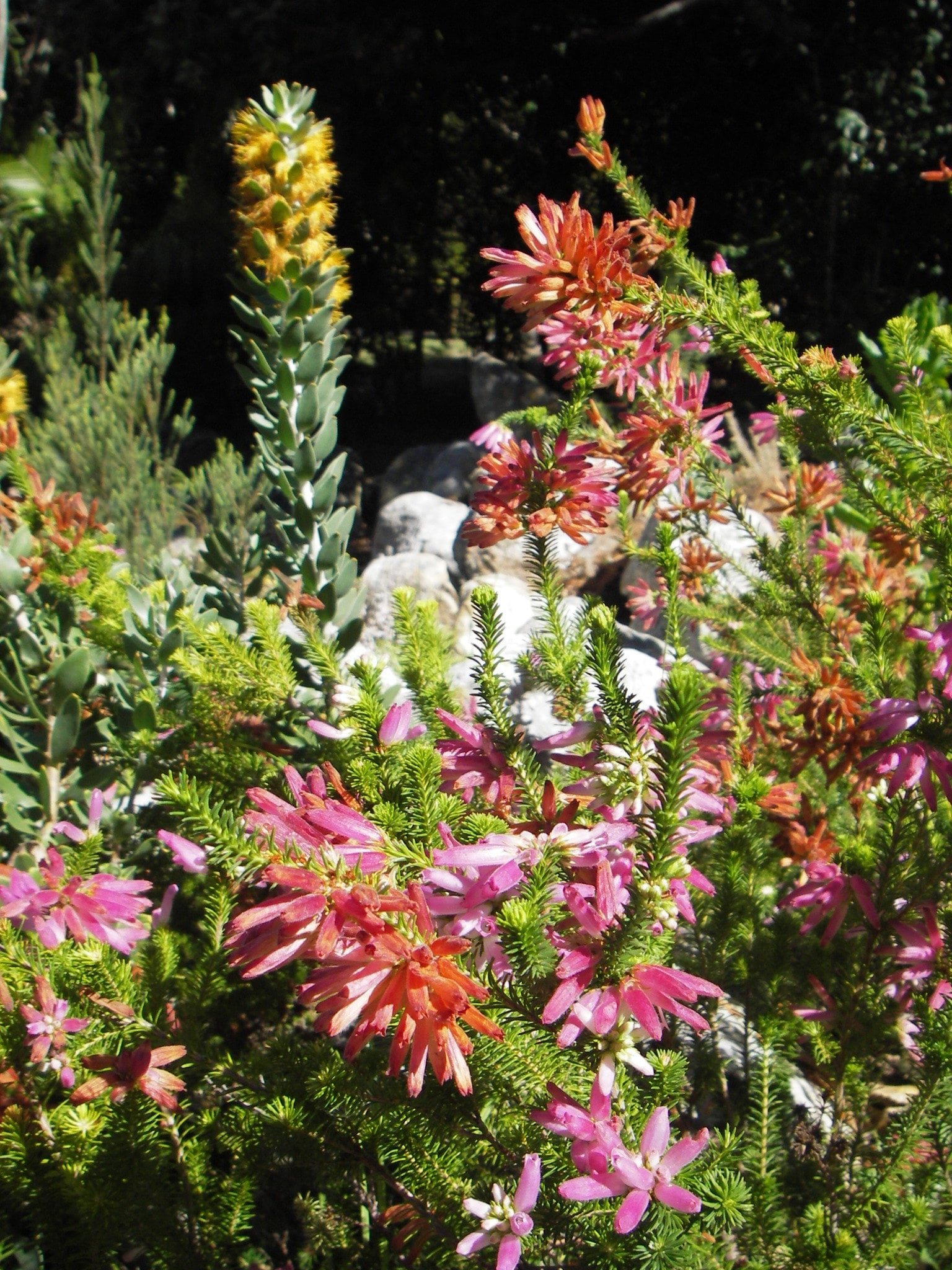
Stockholm’s Bergius Garden opened in 1791, representing Nordic precision applied to botanical science. The Swedish approach to plant collection emphasized adaptation and survival in harsh climates.
Northern European gardens face challenges their southern counterparts never encounter. Six months of serious winter tests both plants and the people who tend them.
Botanical Garden of the University of Coimbra
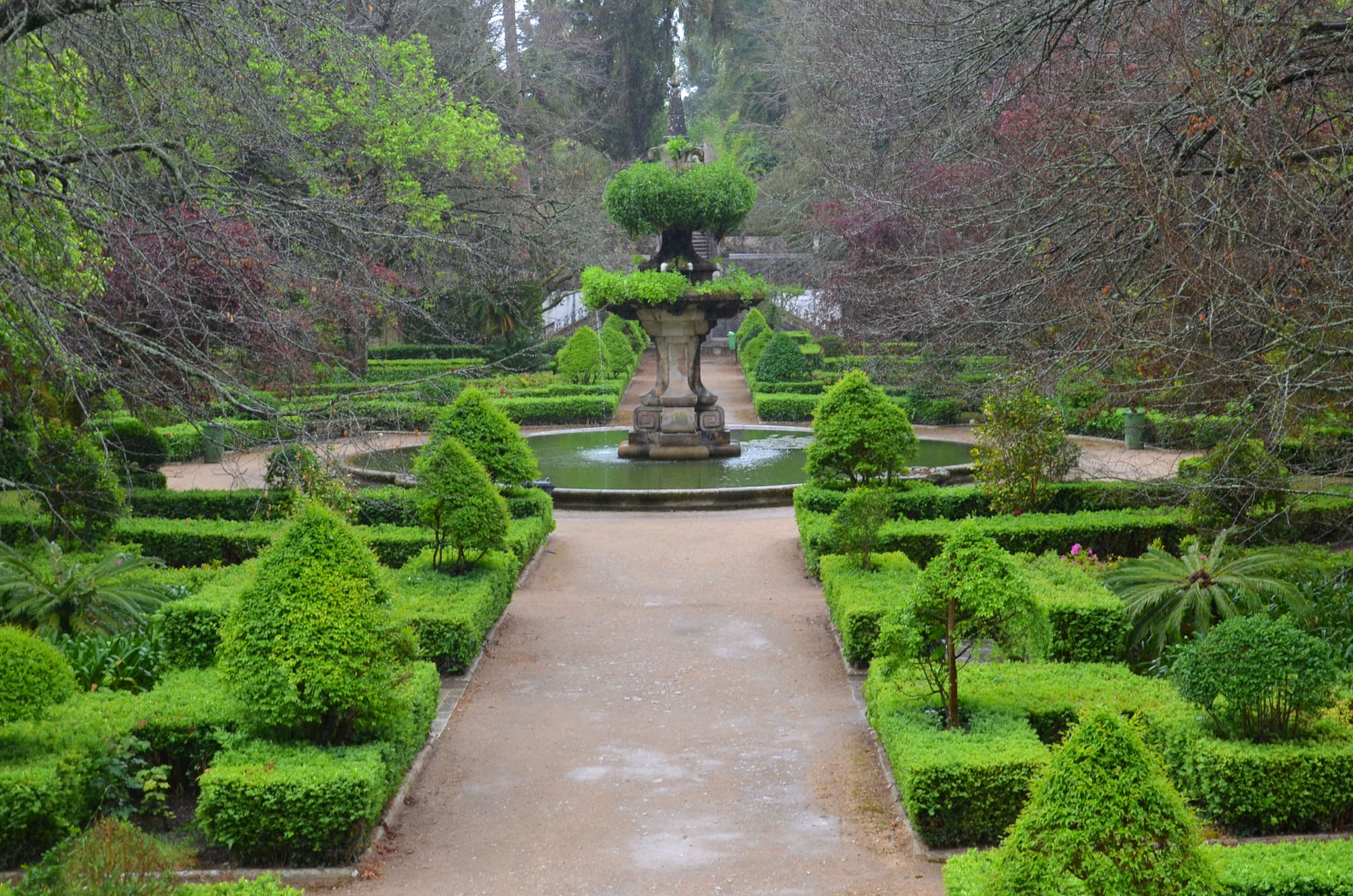
Portugal’s contribution came relatively late, in 1772, but the garden quickly established itself as a center for studying plants from the Portuguese colonies. The connection between botanical gardens and colonial expansion wasn’t coincidental — empires needed to understand what they could grow where.
The garden’s design reflects 18th-century Portuguese aesthetics applied to scientific organization. Form and function weren’t opposing forces but complementary aspects of serious botanical work.
Botanical Garden of the University of Valencia
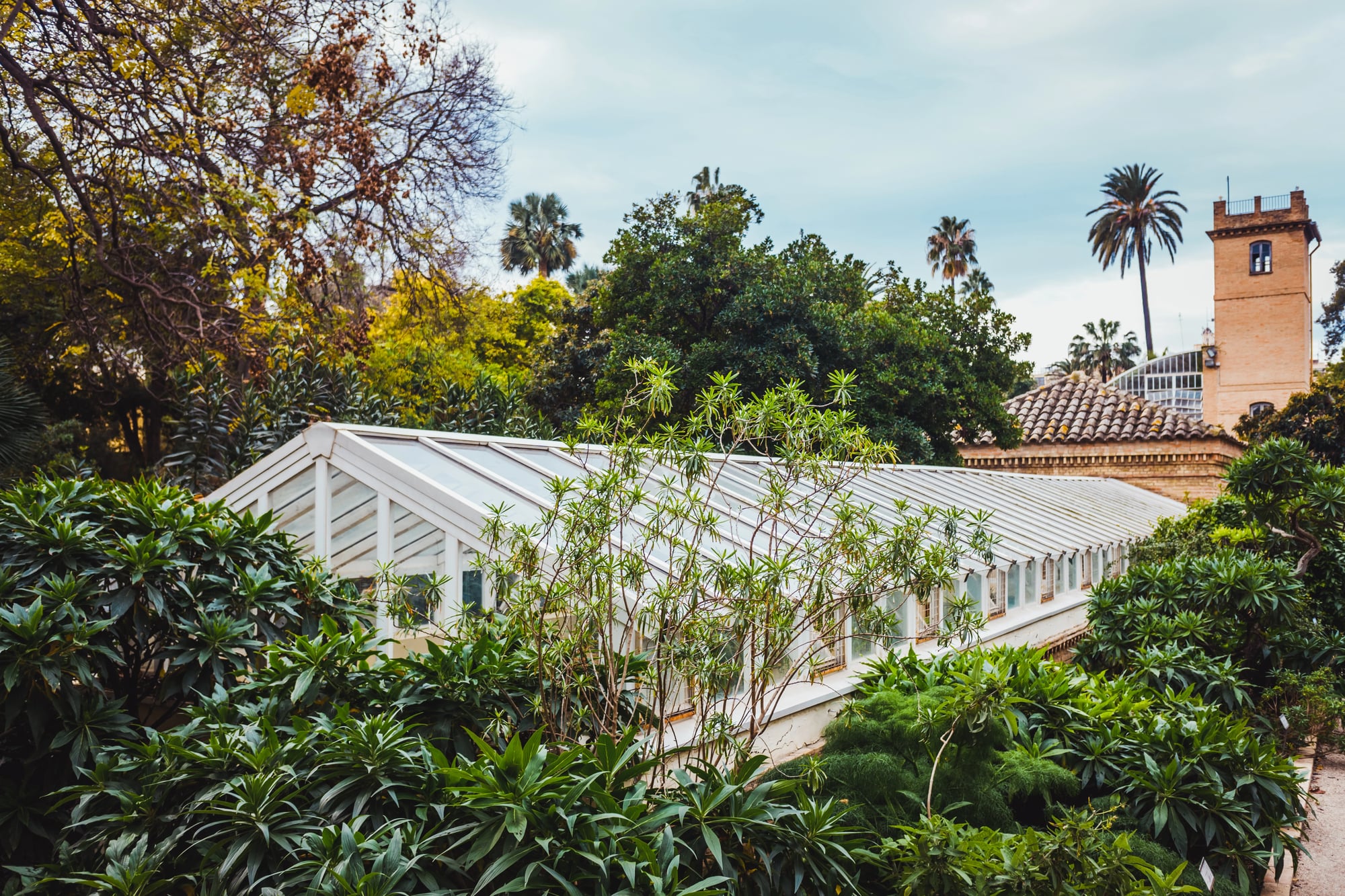
Valencia’s garden opened in 1802 on the site of a former orchard, which seems appropriate — the transition from practical agriculture to systematic botany represents the same basic human impulse applied with greater rigor and broader curiosity.
Mediterranean conditions allowed Valencia to grow plants that struggled in northern European gardens. Climate diversity across Europe meant different gardens could specialize in different parts of the world’s flora.
Where Time Moves Differently

Standing in these gardens today, centuries collapse into something manageable. The same species that fascinated 16th-century scholars still grow in the same soil, tended by people asking similar questions about growth, adaptation, and survival.
Technology changes, scientific methods evolve, but the fundamental relationship between humans and plants remains recognizable across the centuries.
These gardens prove that some human endeavors have staying power that transcends the immediate pressures of any particular era. They’re still here because each generation found them useful, beautiful, or simply too important to lose.
More from Go2Tutors!

- The Romanov Crown Jewels and Their Tragic Fate
- 13 Historical Mysteries That Science Still Can’t Solve
- Famous Hoaxes That Fooled the World for Years
- 15 Child Stars with Tragic Adult Lives
- 16 Famous Jewelry Pieces in History
Like Go2Tutors’s content? Follow us on MSN.