Most Influential Electronic Gadgets Today
Electronic gadgets are involved in every facet of modern-day living. They affect the way people communicate, learn, travel, and entertain themselves.
Over the years, technology has shifted from large machines in offices to small devices carried in the pocket or on the wrist. Some gadgets were merely convenient additions, while others revolutionized the way people lived.
The electronic gadgets that affected modern-day living the most were not only technologically advanced but also behavioral changes. People started doing things differently because of the gadgets.
They started communicating differently and living differently. Some gadgets revolutionized the way people lived.
They also helped create a number of new industries. The second reason why the gadgets were so effective in changing modern-day living was the fact that they were easily accessible.
Over the years, technology has become more advanced and cheaper. This has helped many people access technology that was initially only available in the hands of a few.
Once the gadgets were in the hands of many, they started influencing many aspects of modern-day living. Let’s take a look at the top electronic gadgets in the modern world.
Smartphones

Smartphones are widely considered the most influential consumer gadget of the modern era. Early mobile phones were limited to voice calls and text messages, but smartphones combined multiple technologies into a single device.
Today smartphones function as portable computers. People use them to send messages, watch videos, navigate unfamiliar cities, manage finances, take photographs, and control smart home devices.
Mobile applications allow users to order transportation, shop online, track health data, and communicate instantly with people across the world. The smartphone also reshaped entire industries.
Social media platforms, mobile banking services, and digital marketplaces all rely heavily on smartphone technology. Because of their versatility and constant connectivity, smartphones have become central to daily life for billions of people.
Laptop Computers

Laptop computers made computing portable and flexible. Before laptops became common, desktop computers required users to remain at a fixed location.
Laptops allowed people to work, study, and create content almost anywhere. Students now bring laptops to classrooms, professionals carry them during travel, and remote workers rely on them for meetings and collaboration.
Software tools for writing, programming, design, and video editing made laptops powerful creative devices as well. The portability of laptops played a major role in enabling remote work and digital collaboration.
Teams located in different countries can work together on shared projects thanks to portable computing and high-speed internet connections.
Tablet Devices
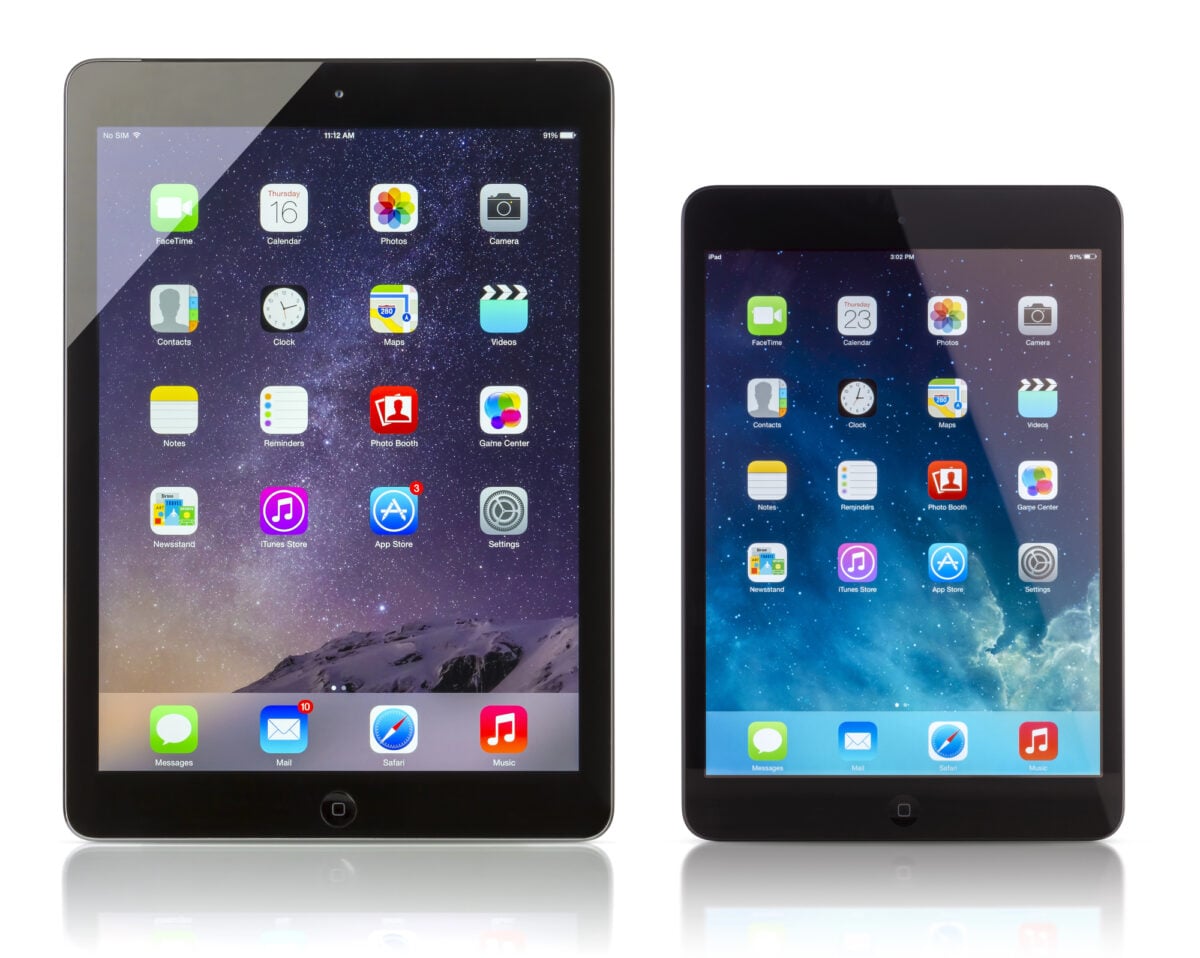
Tablet computers created a new category of portable technology between smartphones and laptops. Their larger touchscreens made them ideal for reading digital books, watching videos, browsing websites, and drawing.
Tablets also became valuable tools in education. Teachers began integrating them into classrooms for interactive learning, while students used them for digital textbooks and note-taking.
For artists and designers, tablets introduced new possibilities for digital illustration and creative work. The combination of portability and touchscreen interaction helped tablets become widely used across many industries.
Smartwatches
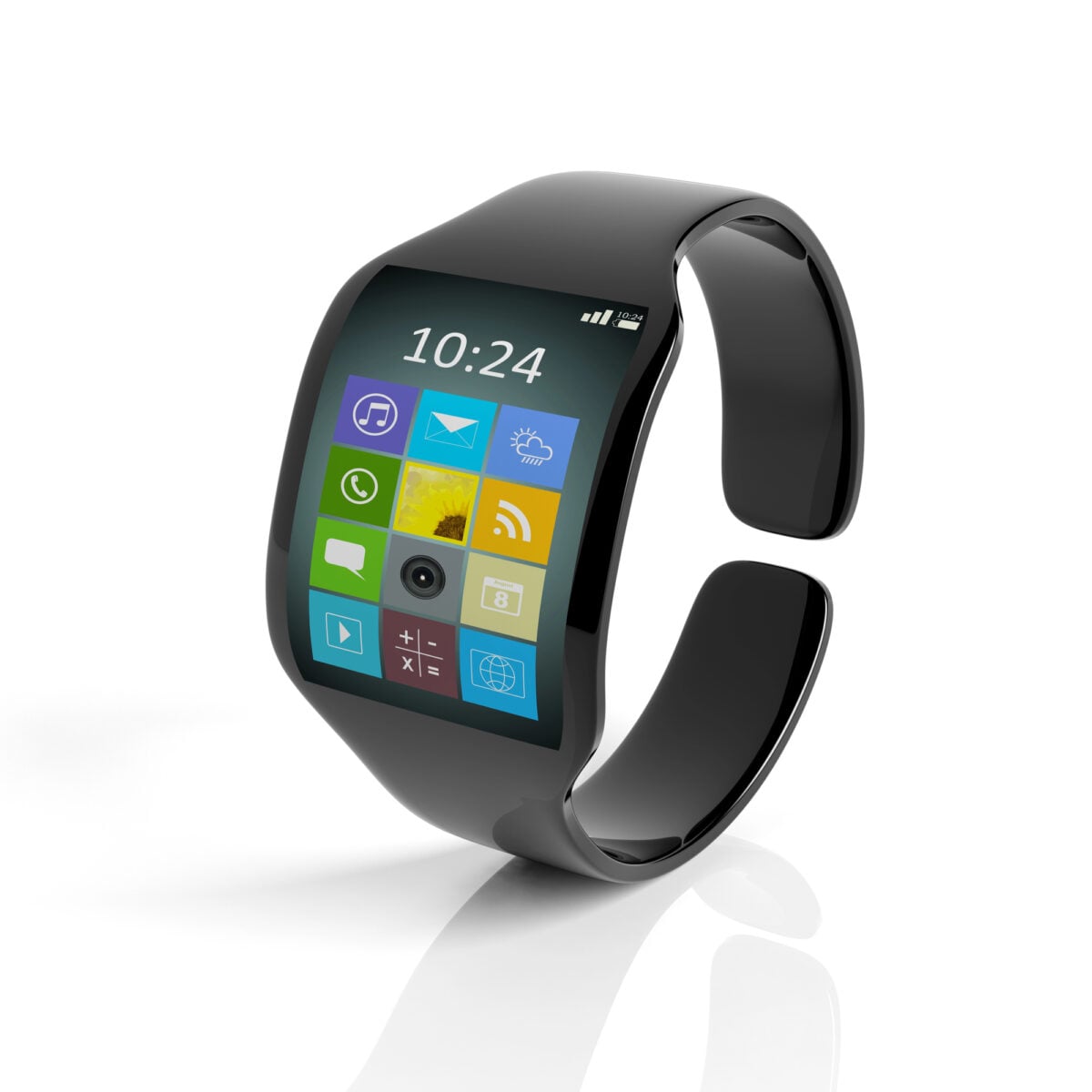
Smartwatches transformed the traditional wristwatch into a wearable digital device. Instead of simply telling time, modern smartwatches provide notifications, track physical activity, and integrate with smartphones.
Many models include sensors that measure heart rate, sleep patterns, and daily movement. These features allow users to monitor their health and fitness in real time.
Wearable devices like smartwatches represent an important step toward integrating technology directly into everyday routines. Rather than pulling out a phone, users can glance at their wrist to check messages, reminders, or health data.
Wireless Earbuds
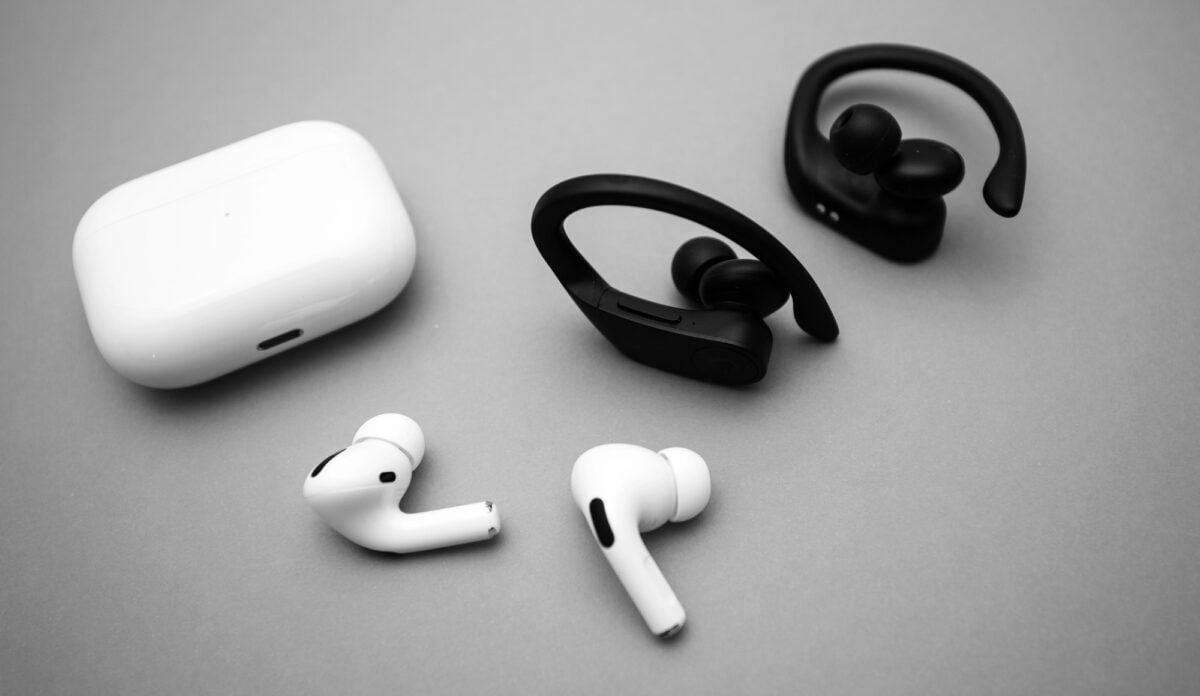
Wireless earbuds revolutionized personal audio by removing cables. Earlier headphones often tangled easily and limited movement, especially during exercise or commuting.
Modern wireless earbuds connect through Bluetooth technology and deliver high-quality audio in a compact design. Many models include active noise cancellation, which blocks background sound and allows listeners to focus on music or calls.
Because of their convenience, wireless earbuds have become common companions for workouts, travel, and remote work. Their popularity also reflects the growing role of audio content such as podcasts and streaming music.
GPS Navigation Devices
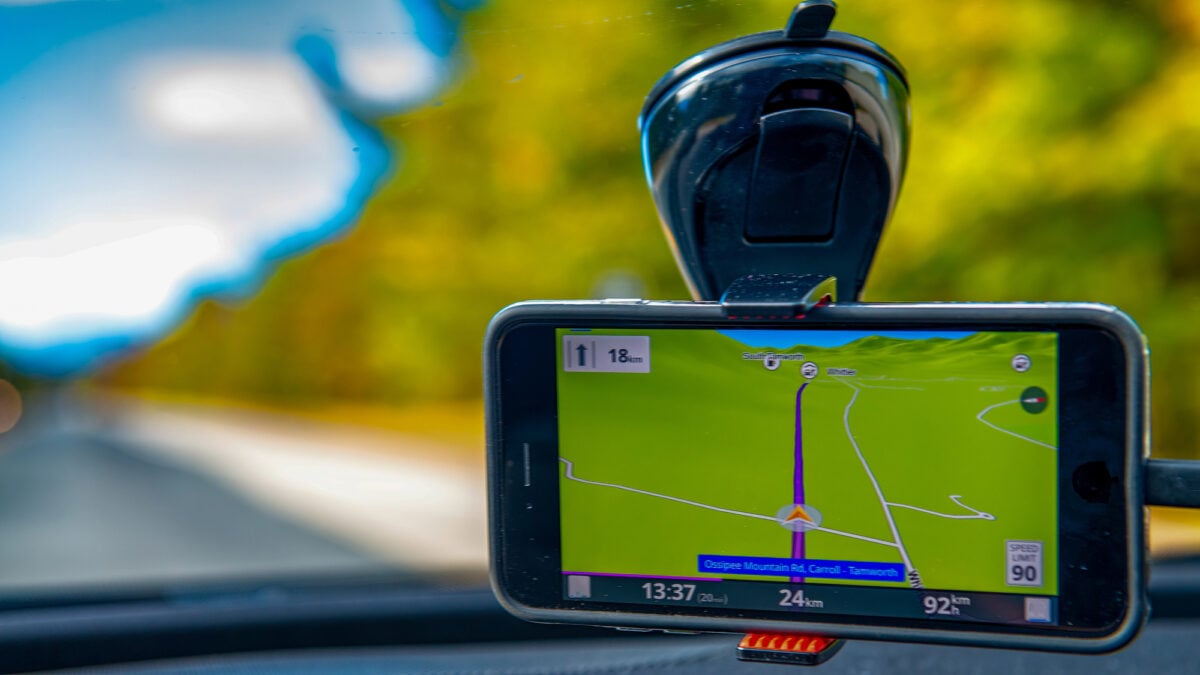
Global Positioning System technology fundamentally changed how people navigate the world. Early GPS devices helped drivers replace paper maps with digital navigation.
Modern navigation systems built into smartphones and vehicles provide turn-by-turn directions, traffic updates, and route suggestions. Travelers can explore unfamiliar locations with far greater confidence.
Industries such as shipping, aviation, and logistics depend heavily on GPS tracking. The technology allows companies to coordinate deliveries and monitor transportation networks with remarkable precision.
Portable Music Players
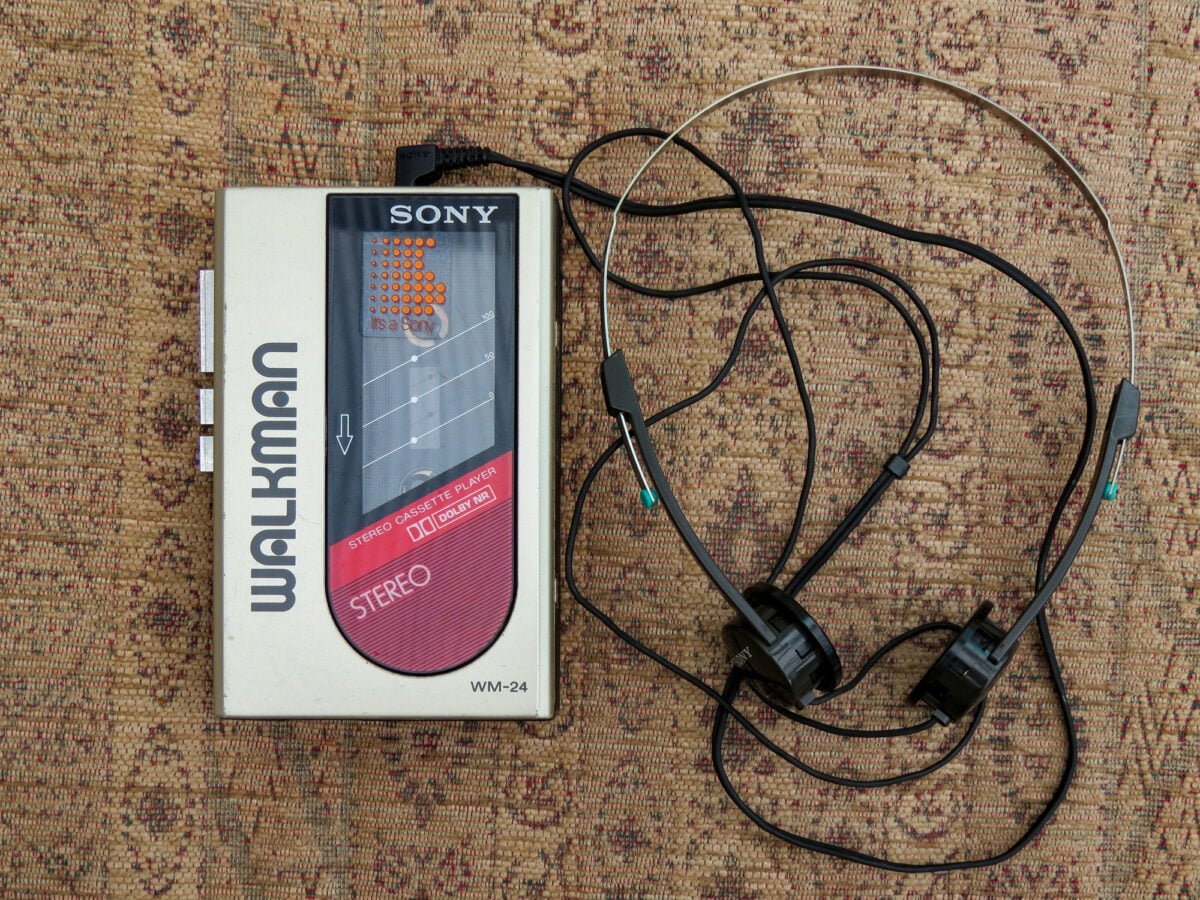
Portable music players introduced the idea of personal music collections that could travel anywhere. The Sony Walkman allowed people to carry cassette tapes and listen through headphones while walking or traveling.
Later digital music players expanded storage dramatically, allowing thousands of songs to fit on a single device. This shift changed how people discovered and enjoyed music.
Streaming services now dominate music listening, but the concept of portable personal music began with these early gadgets.
Digital Cameras

Digital cameras transformed photography by eliminating the need for film. Photographers could immediately view images and adjust settings without waiting for prints.
This innovation encouraged people to take more photographs and experiment with different techniques. Everyday moments, vacations, and events became easier to document.
While smartphone cameras now handle most casual photography, dedicated digital cameras still provide advanced controls and image quality valued by professionals.
Gaming Consoles
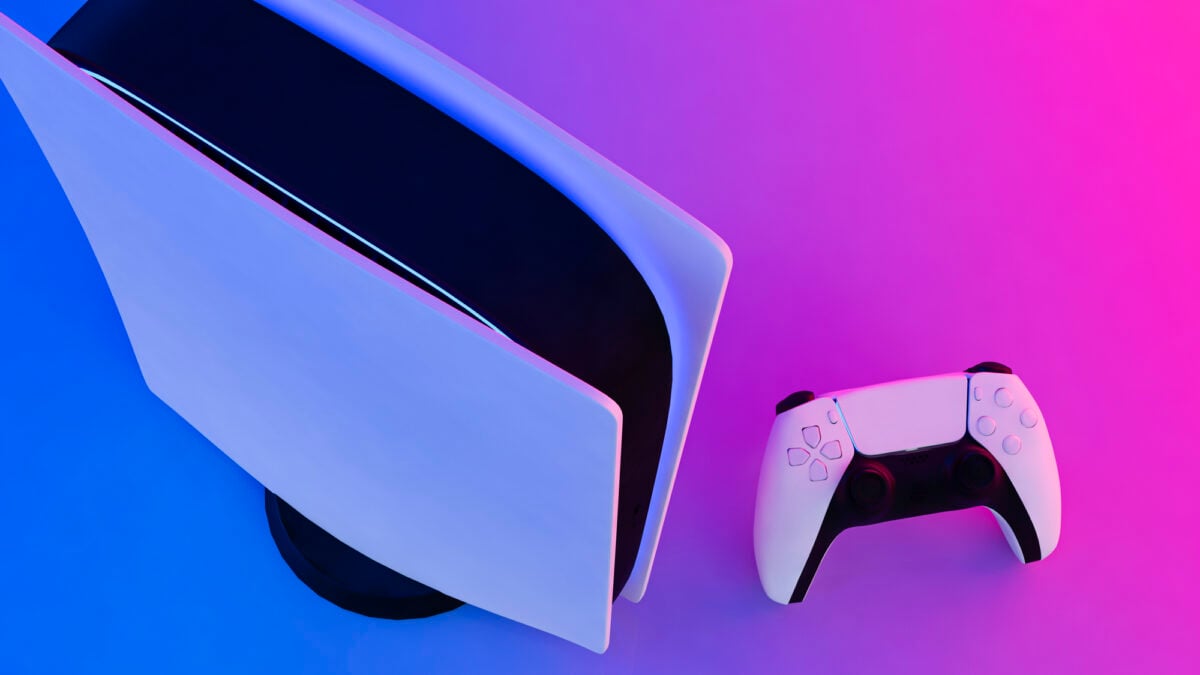
Gaming consoles helped create one of the largest entertainment industries in the world. Systems such as PlayStation, Xbox, and Nintendo devices introduced interactive experiences that combine storytelling, graphics, and player participation.
Modern consoles support online multiplayer gaming, allowing people to connect with players around the globe. Some platforms also enable users to stream gameplay to large audiences.
Gaming consoles pushed advancements in graphics technology, motion controls, and immersive gameplay that continue influencing the entertainment industry.
Smart Home Assistants

Voice-controlled smart speakers introduced a new way for people to interact with technology. Instead of typing commands or tapping screens, users can simply speak to a digital assistant.
Smart assistants can play music, answer questions, control lighting, adjust thermostats, and manage household schedules. These devices often serve as the central hub for smart home systems.
The rise of voice-activated technology reflects a broader trend toward making digital tools more intuitive and accessible.
Fitness Trackers
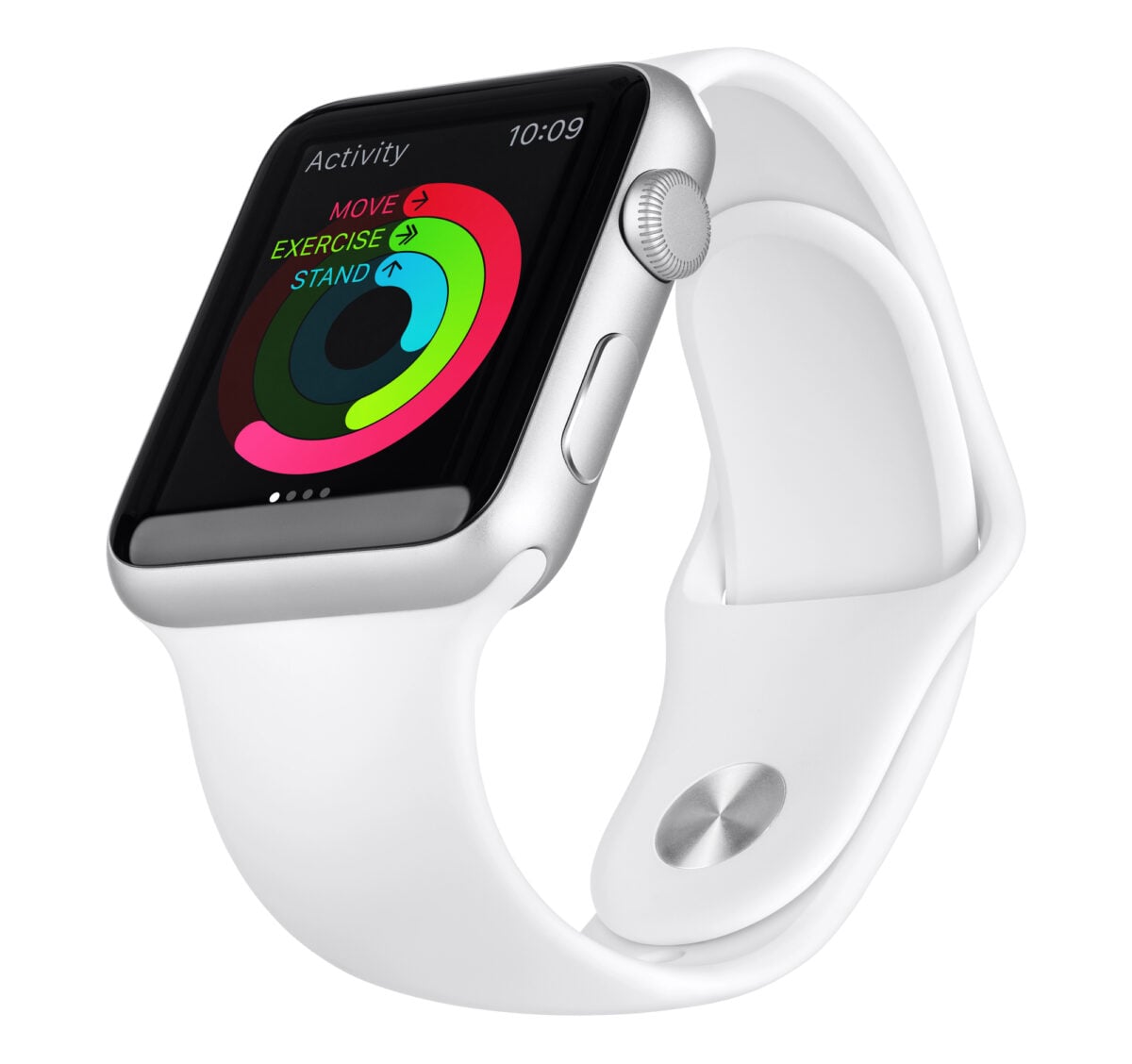
Fitness trackers encouraged people to pay closer attention to their physical activity. These wearable devices measure steps, monitor exercise sessions, and track sleep patterns.
Many users set daily movement goals based on the information collected by their trackers. Seeing progress over time often motivates individuals to adopt healthier routines.
Fitness trackers helped spark widespread interest in personal health data and wearable technology.
E-Readers
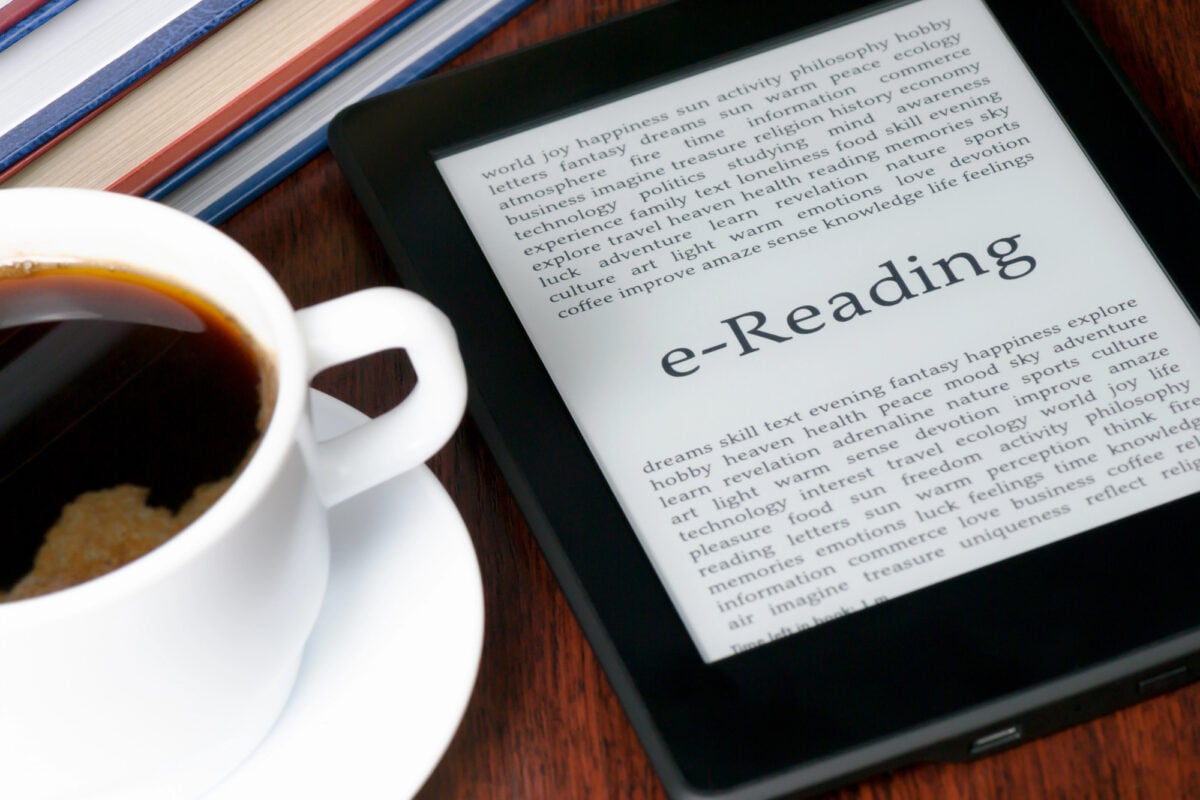
Electronic reading devices changed how people access books. E-readers can store thousands of titles while maintaining screens designed for comfortable reading.
Travelers and avid readers appreciate the convenience of carrying an entire library in a single lightweight device. Digital bookstores also made it easier for independent authors to publish and distribute their work.
Although printed books remain popular, e-readers expanded access to literature around the world.
Drones
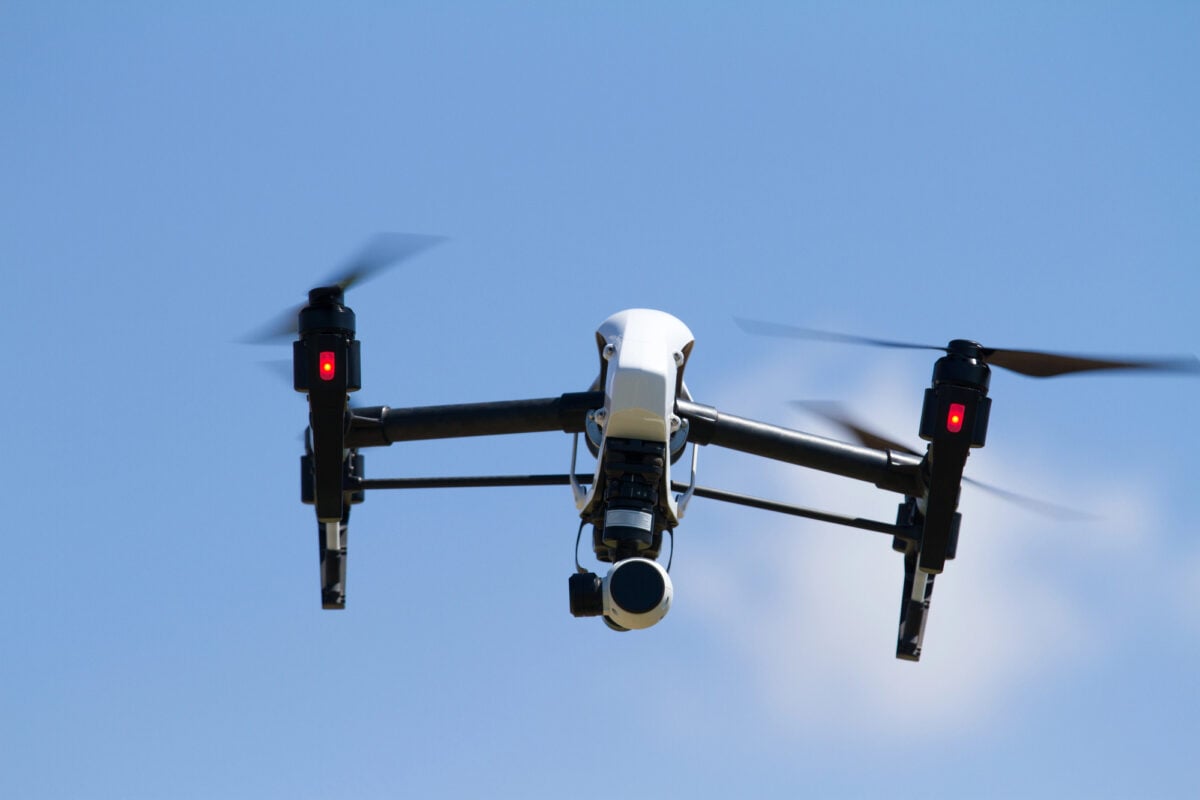
Consumer drones brought aerial photography and video to a much wider audience. Previously, capturing footage from above required expensive equipment or aircraft.
Modern drones allow photographers, filmmakers, and hobbyists to record sweeping landscapes and dramatic perspectives from the sky. These devices also assist in industries such as agriculture, surveying, and construction inspection.
The rapid improvement of drone technology continues to open new possibilities for aerial exploration.
Virtual Reality Headsets
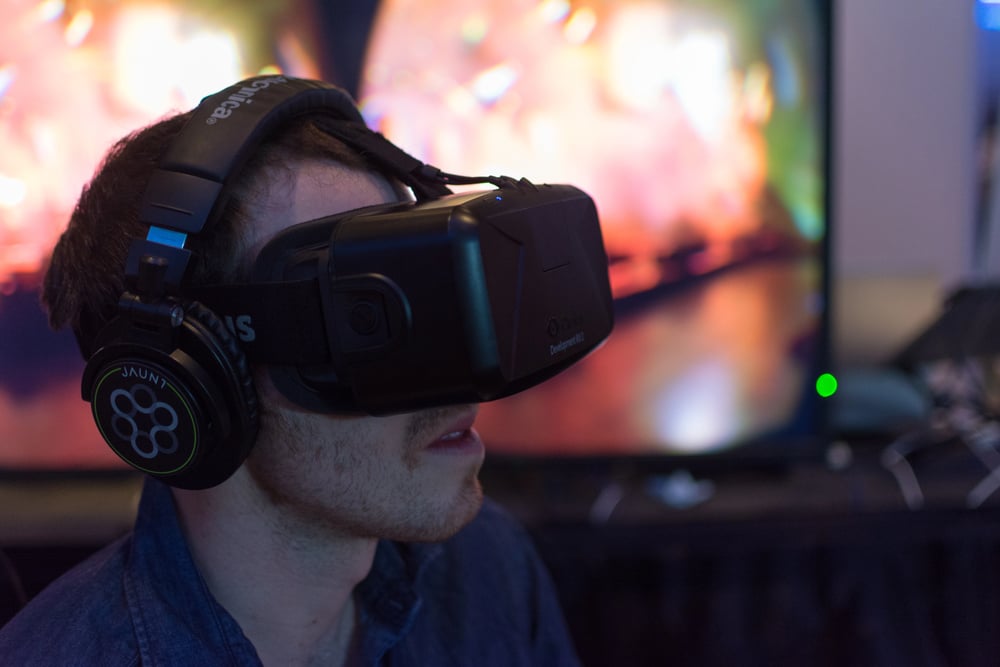
Virtual reality headsets allow users to step into immersive digital environments. By tracking head movement and displaying detailed visuals, VR creates the illusion of being inside a virtual world.
While gaming remains a popular use, virtual reality is also used for training simulations, education programs, and architectural visualization. Pilots, surgeons, and engineers can practice complex tasks in controlled virtual environments.
As the technology improves, VR may become a more common part of everyday digital interaction.
Smart TVs
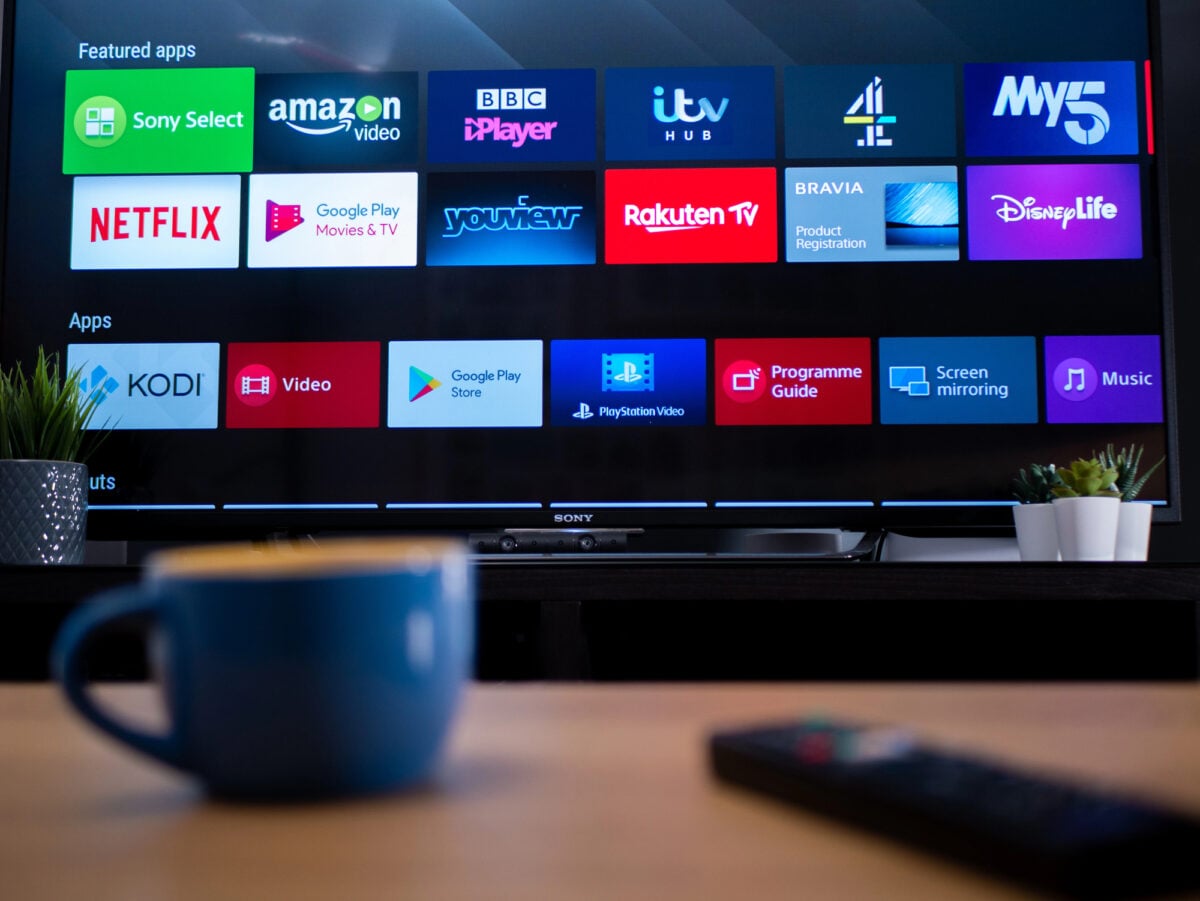
Smart televisions combined traditional television displays with internet connectivity. Viewers can now stream movies, television shows, and music directly through built-in applications.
This change helped drive the global shift from broadcast television toward on-demand streaming services. Instead of following fixed schedules, viewers can watch content whenever they choose.
Smart TVs also support voice commands, screen sharing, and digital apps that extend the entertainment experience beyond simple viewing.
Technology That Continues to Shape Everyday Life
However, it is very rare for the most influential gadgets to achieve their success solely by virtue of their flashy features. Instead, it is their ability to make life simpler and alter our habits that makes these gadgets stand out.
Smartphones are a prime example of this, as are GPS systems and laptops. As technology continues to advance, it is likely that new gadgets will be developed that will change life again.
Advances in artificial intelligence, wearable technology, and virtual experiences are just some of the ways in which technology is shaping the next generation of gadgets. However, it is the gadgets that are able to seamlessly integrate themselves into our lives until we cannot imagine living without them that are likely to be the most influential.
More from Go2Tutors!

- The Romanov Crown Jewels and Their Tragic Fate
- 13 Historical Mysteries That Science Still Can’t Solve
- Famous Hoaxes That Fooled the World for Years
- 15 Child Stars with Tragic Adult Lives
- 16 Famous Jewelry Pieces in History
Like Go2Tutors’s content? Follow us on MSN.