Origins of Common Gestures
People communicate with their hands almost as much as they do with words. A wave, a thumbs up, or a simple nod can say everything without making a sound.
These movements feel natural now, but most of them come from specific moments in history or practical needs that people had centuries ago. Let’s look at where some of these everyday gestures actually came from and what they meant to the people who first used them.
Thumbs up

Romans used this gesture in a completely different way than people do today. Gladiators waited for the crowd’s decision after a fight, and contrary to popular belief, a thumbs up might have actually signaled death while a hidden thumb meant mercy.
The modern meaning of approval and agreement came much later, probably from English pilots during World War II who used it to signal that their aircraft was ready to go. Now it shows up everywhere from text messages to workplace conversations, always meaning something positive or that everything is good to go.
Waving hello

This gesture started as a way to show strangers that you weren’t holding a weapon. People in ancient times would raise their hand with the palm facing outward to prove they came in peace.
Knights in medieval Europe would lift their visors to show their faces, which eventually turned into the salute used by military personnel today. The casual wave everyone uses now keeps that same basic idea of openness and friendliness.
Different cultures wave in slightly different ways, but the core meaning of greeting someone peacefully has stayed the same for thousands of years.
The peace sign

Winston Churchill popularized the V for Victory sign during World War II, holding up two fingers to represent the letter V. Anti-war protesters in the 1960s flipped the meaning and turned it into a symbol for peace instead of military victory.
Some historians think the gesture goes back even further to the Battle of Agincourt in 1415, where English archers supposedly showed their draw fingers to taunt French soldiers who had threatened to cut them off. The sign means different things in different countries though, and in places like the UK and Australia, showing it with the palm facing inward is considered quite rude.
Handshake

Ancient Greeks used handshakes to prove neither person had a hidden dagger up their sleeve. The grip and shake motion made it nearly impossible to keep a weapon concealed.
Soldiers and merchants used this gesture to seal deals and show trust when words alone weren’t enough. Medieval knights would shake hands so vigorously that any hidden weapons would fall out.
The practice became a standard business greeting in the 1800s and now it’s how people introduce themselves in professional settings all over the world.
Crossing fingers

Christians started this gesture as a secret way to ask for God’s protection when their religion was illegal in Rome. Two people would cross their index fingers together to make a small cross shape.
Eventually, one person could do it alone by crossing their middle finger over their index finger. The gesture picked up a second meaning along the way, used by people telling small lies or making promises they didn’t plan to keep.
Children still hide crossed fingers behind their backs when they want to break a rule without feeling too guilty about it.
Salute

Roman soldiers would raise their hands to shield their eyes from the sun when greeting superior officers. This practical motion turned into a formal gesture of respect in military organizations around the world.
British soldiers in the 1800s began touching their hats as a greeting, which evolved into the palm-forward salute used today. Different branches of the military and different countries have their own specific styles.
The gesture always carries the same basic message of respect and recognition between people in uniform.
Nodding yes and shaking no
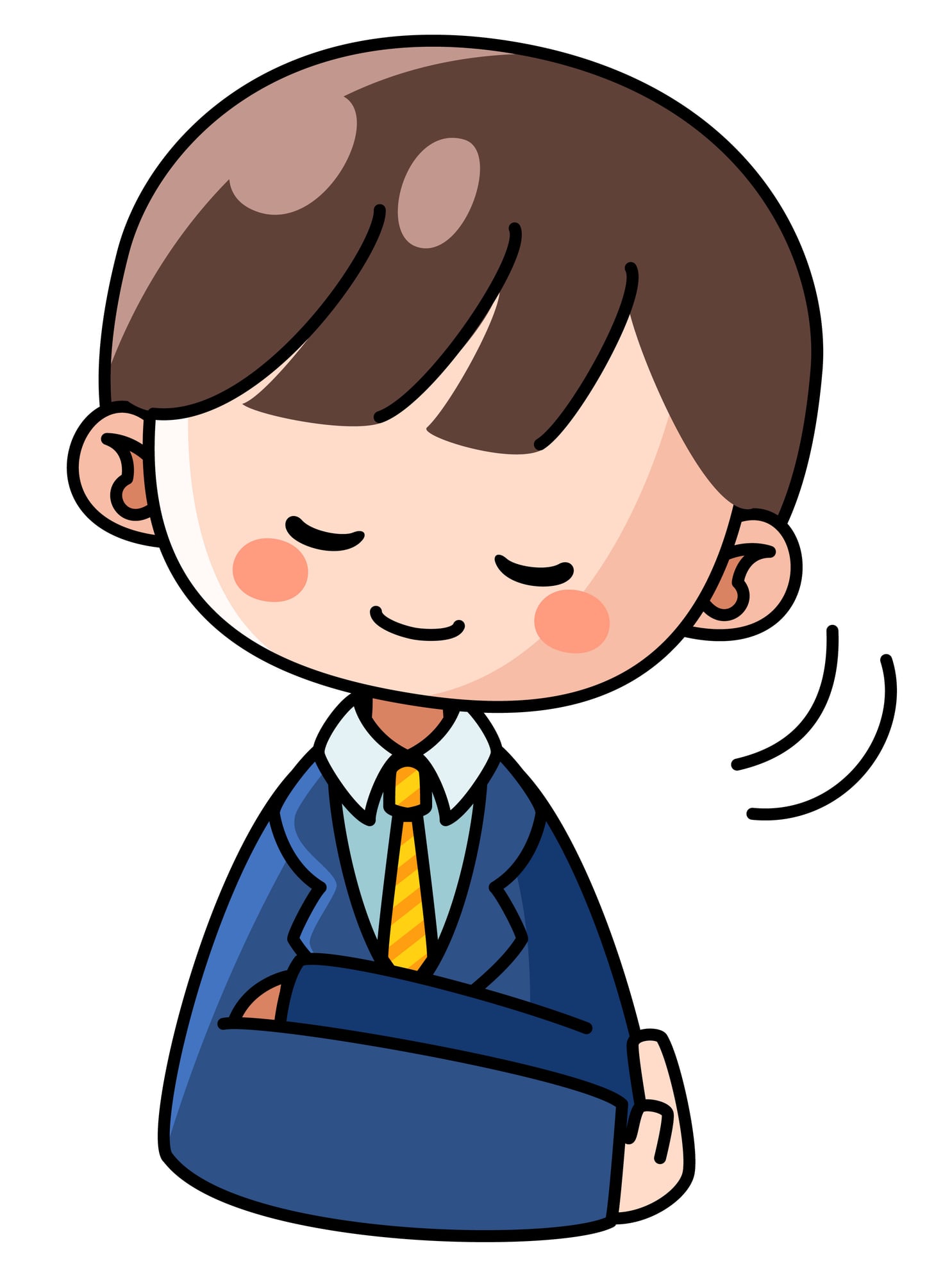
These movements might be instinctive rather than learned. Babies nod forward toward food they want and turn their heads away from things they don’t like.
Some researchers think this natural response turned into universal signs for agreement and disagreement. Charles Darwin noticed that these head movements appeared in cultures all around the world with no contact between them.
A few cultures do use opposite gestures, like in Bulgaria where shaking the head means yes, but for most of humanity, these movements developed the same way independently.
Tipping a hat

Men in medieval Europe would remove their helmets to show their faces to people they trusted. Taking off heavy armor around someone meant you felt safe and didn’t expect an attack.
The gesture became more polite over time as helmets turned into fashionable hats. By the Victorian era, men would tip their hats to ladies and important people as a sign of respect.
The custom faded as hats became less common in everyday fashion, though some people still make a tipping motion even when they’re not wearing anything on their heads.
Blowing a kiss

Romans threw kisses toward temples and statues of gods as a form of worship. People would kiss their own hands and then gesture toward the divine image they wanted to honor.
The practice moved from religious devotion to romantic expression somewhere in medieval Europe. Courts and nobles started using it as a flirtatious gesture that maintained proper distance.
Parents blow kisses to young children, lovers use it to say goodbye, and celebrities throw them to crowds, all keeping that idea of sending affection across a distance.
Devil horns
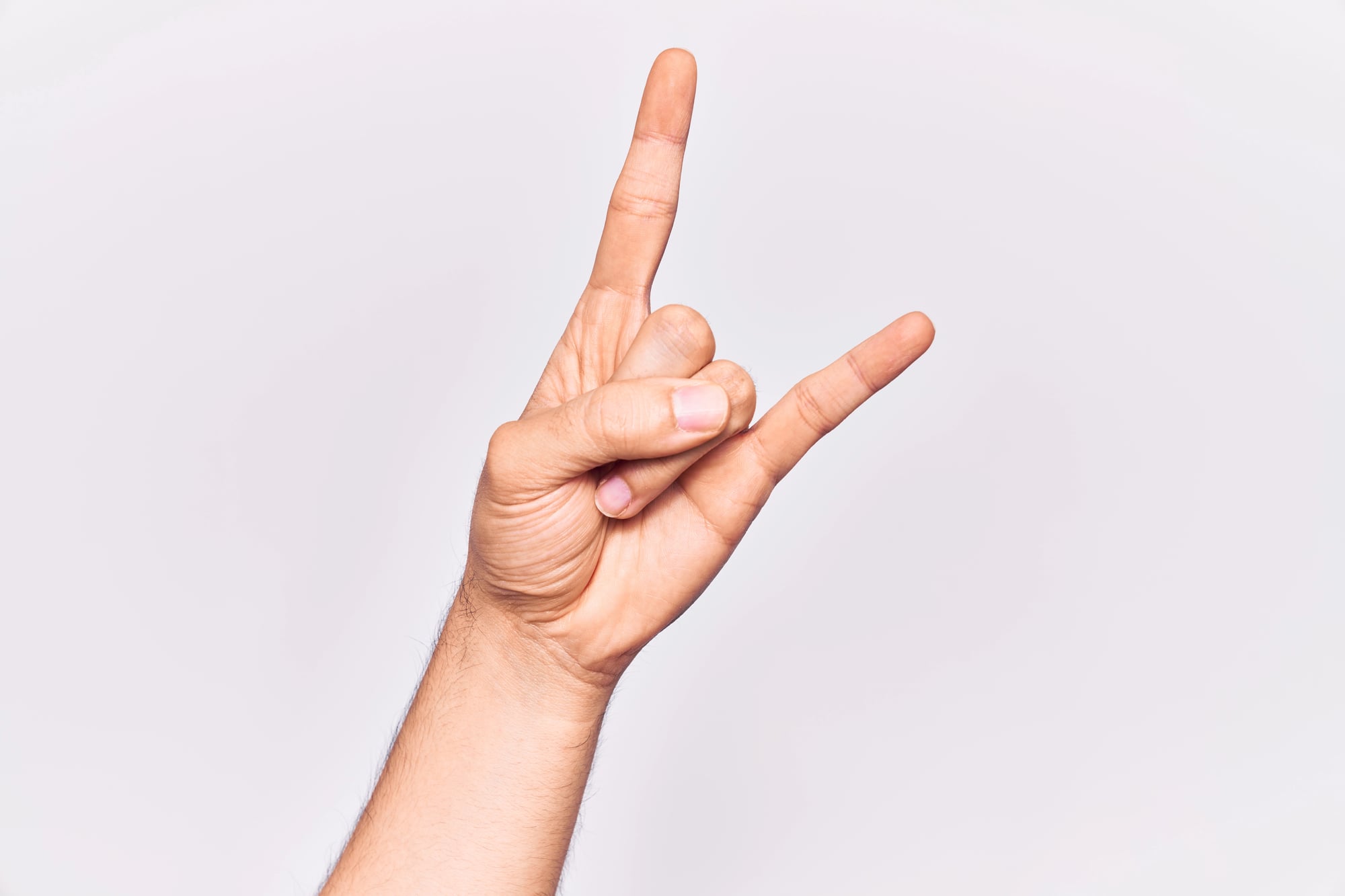
This gesture has completely different meanings depending on who’s using it. Mediterranean cultures believed it warded off the evil eye and bad luck.
Farmers used it to represent bull horns, which symbolized strength and fertility. Rock musicians in the 1960s and 70s adopted it as a symbol of rebellion and power.
Ronnie James Dio popularized it in heavy metal music after learning it from his Italian grandmother who used it for protection. Today it shows up at concerts, sporting events, and anywhere people want to show excitement or defiance.
Okay sign

American divers developed this gesture in the early 1900s because thumbs up already meant they needed to surface. They needed a clear way to communicate that everything was fine underwater.
The gesture spread through popular culture and business settings as a quick way to show approval. Different parts of the world interpret it very differently though.
In some countries it’s vulgar, in others it represents money, and in a few places it still means zero or worthless. Americans traveling abroad sometimes offend people without realizing this simple gesture doesn’t translate well.
Shrugging shoulders

French culture turned this into an art form, though people everywhere use it to show uncertainty or indifference. The movement involves raising both shoulders, turning the palms up, and sometimes tilting the head.
It communicates ‘I don’t know’ or ‘I don’t care’ without needing words. The gesture became so associated with French people that it shows up in stereotypes and comedy routines.
Scientists think it developed naturally as a way to make the body look smaller and less threatening when someone doesn’t have an answer or doesn’t want to take a position on something.
Fist bump

Ancient Assyrian carvings show people pressing their fists together as a greeting. The modern version came back through sports, particularly boxing and basketball, in the 1970s.
Players started bumping fists instead of shaking hands because it spread fewer germs and felt more casual. The gesture exploded in popularity after President Obama used it regularly.
It carries a sense of equality and friendship that handshakes sometimes lack. During the pandemic, health officials actually recommended fist bumps over handshakes because they involve less surface contact.
High five

Basketball player Lamont Sleets and his teammate Glenn Burke created this gesture during a game in 1977. Burke held his hand up and Sleets slapped it, and the crowd loved the celebration.
Other teams picked it up immediately and within a few years it became standard in sports. The gesture spread beyond athletics into everyday life as a way to celebrate small victories and show enthusiasm.
Some people give low fives, others do elaborate handshake routines, but the basic high five remains one of the most universal ways to share excitement with someone else.
Covering your mouth when yawning

Medieval Europeans believed that yawning left the body vulnerable to evil spirits or demons entering through the open mouth. People would quickly cover their mouths or make the sign of the cross to protect themselves.
The superstition faded but the habit stuck around for different reasons. Modern etiquette kept the practice because seeing someone’s open mouth and hearing the sound is considered unpleasant.
Scientists now know that yawning spreads easily from person to person, so covering your mouth also prevents triggering everyone around you to yawn too.
Pointing

Ancient humans probably pointed as soon as they could stand upright and use their hands freely. It’s one of the first gestures babies learn, showing up before most words.
Different cultures have strong rules about pointing though. Some consider it rude to point directly at people, using an open hand or chin gesture instead.
In Japan, people point to their own nose when referring to themselves, which confuses visitors from countries where pointing at your chest is normal. Despite these variations, pointing at objects and directions appears in every human society as one of the most basic ways to direct attention.
Bowing

This gesture developed independently in multiple Asian cultures as a way to show respect and humility. The deeper the bow, the more respect it conveys.
Japanese culture has specific angles and durations for different social situations, from casual 15-degree bows to formal 45-degree bows. The person of lower status typically bows deeper and longer.
Europeans bowed too, but theirs came from knights and nobles bending at the waist before royalty. Modern business culture in Asia still relies heavily on bowing, while Western countries mostly gave it up except for performances and formal ceremonies.
Air quotes

People started using this gesture in the 1980s to indicate irony or skepticism about specific words. Writers had quotation marks but speakers needed something visual to show they were using a term loosely or sarcastically.
The gesture involves raising both hands and bending the index and middle fingers twice while saying the word in question. It became so common that many people now find it annoying or overused.
Despite the mockery, it filled a real gap in face-to-face communication by letting speakers signal that they don’t fully endorse the words coming out of their mouths.
Where gestures go from here
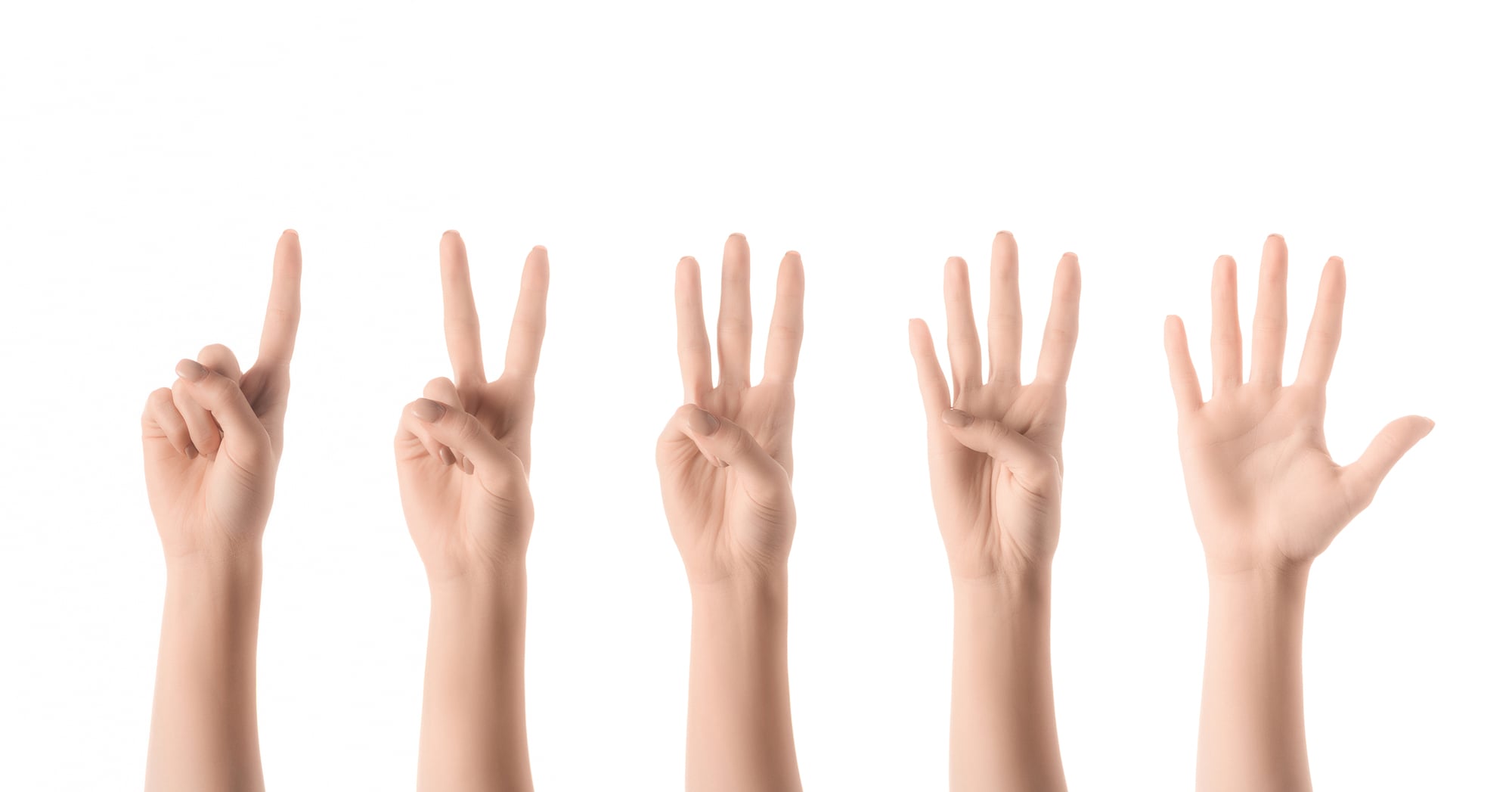
Body language keeps changing as new technology and cultural shifts create different ways for people to interact. Gestures that work on video calls don’t always translate to real life, and movements that meant something specific in one decade can mean something completely different in the next.
The basic human need to communicate without words hasn’t changed, even if the specific ways people move their hands continues to develop and adapt to whatever comes next.
More from Go2Tutors!

- The Romanov Crown Jewels and Their Tragic Fate
- 13 Historical Mysteries That Science Still Can’t Solve
- Famous Hoaxes That Fooled the World for Years
- 15 Child Stars with Tragic Adult Lives
- 16 Famous Jewelry Pieces in History
Like Go2Tutors’s content? Follow us on MSN.



