Life in 1950s Suburbia
Picture identical houses lined up like dominoes, each with a manicured lawn and a car in the driveway. The refrigerator hums with promise.
Children play freely in streets where everybody knows your name. Dad heads to the office.
Mom stays home. Television brings the world into your living room.
Everything looks perfect. Everything feels new. The 1950s sold America a dream, and millions bought it.
The Morning Ritual Started Before Dawn

Morning always started with women rising first. Not by choice.
Habit pulled them upright. Sheets came off the mattress to let the fabric breathe.
Windows slid open so stale air could escape. Clothes went on, then careful strokes of color across the face – done while silence still filled the house.
Not about looking good. It was just what I needed doing. Mornings meant real food, not something tossed into a bowl.
Instead of rushing past the kitchen, everyone stayed put. Eggs sizzled alongside strips of bacon, bread turned golden brown.
Coffee steamed near his elbow as pages flipped beside the plate. She moved back and forth – pan in one hand, serving spoon in the other.
Children chewed fast; wheels on asphalt waited for no one. Only when the last guest was gone did the quiet tasks start.
Piles of plates filled the basin, waiting. Sheets lay twisted, pillows flat – beds stood unmade.
Cleaning didn’t happen on its own, expectations never lowered. Windows offered a clear view outside, people looked in.
Small details caught their eye every time.
Every Surface Had to Shine

Cleaning schedules dictated which rooms got attention on which days. Monday meant washing. Tuesday brought ironing.
Wednesday focused on bedrooms. Thursday tackled bathrooms.
Friday required kitchen deep-cleaning. Saturday involved the living areas.
Sunday offered rest, but only after church and a large family meal. These weren’t suggestions.
Women followed these schedules religiously, documented in homemaking guides and passed down from mothers to daughters. Skip a day and you fell behind.
Fall behind and the whole system collapsed. The house was your report card, and everyone graded you on it.
Dusting happens daily. Vacuuming too.
Floors got mopped whether they needed it or not. Windows sparkled.
Wastebaskets emptied every morning, not just on trash day. The work never stopped because dirt never stopped appearing.
Appliances Changed Everything and Nothing

The washing machine saved hours compared to scrubbing clothes by hand. The dryer eliminated clotheslines.
The dishwasher handled plates and cups. Refrigerators kept food fresh for days.
Vacuum cleaners sucked up dirt in minutes instead of hours with a broom. Yet women spent as much time on housework as their grandmothers had.
The machines raised expectations rather than freed up time. Sheets changed twice weekly instead of monthly.
Clothes got washed after one wearing instead of several. Standards rose to fill whatever time the appliances saved.
Television commercials promised that these gadgets would make life easier. They lied.
The appliances just made it possible to do more. And doing more became the new minimum.
Your neighbor had a new refrigerator. Yours looked old by comparison.
Better start saving.
Kids Ruled the Sidewalks

Children poured out of houses after breakfast and didn’t return until dinnertime. No playdates required scheduling.
No adult supervision monitored every moment. You wandered the neighborhood with a pack of other kids, playing whatever games you invented.
Bicycles gave you freedom to roam beyond your street. Roller skates clicked down sidewalks.
Jump ropes slapped pavement. Kids played catch, tag, hide-and-seek.
The boys built forts. The girls played house.
These divisions weren’t accidental. Parents knew all the neighborhood kids by name.
Mrs. Johnson three doors down could discipline your child if they misbehaved, and you thanked her for it. The community raised children together, enforcing the same rules in every house.
Step out of line and word got back to your parents before you made it home.
The Car Defined Your Status

Two-car families were rare, but having one car was essential. Suburbs sprawled too far from workplaces to walk.
Public transportation barely existed in these new developments. Without a car, you were trapped.
The vehicle parked in your driveway announced your success to everyone who walked past. A new Cadillac meant you’d made it.
A used Chevy suggested you were getting by. The car wasn’t just transportation.
It was a statement. Dad drove to work every morning, joining rivers of other men in suits flowing toward downtown offices.
The commute consumed time and gas, but the trade-off seemed worthwhile. You could afford a house with a yard and still earn a living wage.
The highway system, rapidly expanding, made it all possible. Women needed cars too, but often got stuck waiting for Dad to return from work.
Grocery shopping, doctor appointments, school pickups all depended on access to the vehicle. The second car became a necessity once families could afford it, eliminating the scheduling gymnastics required to share one.
Television Brought the World Inside

The TV replaced the radio as the family’s evening entertainment. By the mid-1950s, nearly every suburban home had one.
Families gathered around the glowing screen, watching the same shows at the same time as their neighbors. Leave It to Beaver, Father Knows Best, I Love Lucy.
These shows depicted families that looked suspiciously like the families watching them. Same houses, same problems, same solutions.
The TV told you how to live, what to buy, who to be. And you believed it because everyone else seemed to be playing along.
Commercials sold more than products. They sold lifestyles.
Buy this detergent and your whites will be whiter. Buy this car and your family will be happier. Buy this refrigerator and your life will be easier.
The messages hammered you relentlessly, and suburban families opened their wallets. Children watched Howdy Doody and The Mickey Mouse Club.
Parents monitored what their kids saw, but the TV itself became a babysitter. Thirty minutes of peace while the kids sat mesmerized by the screen.
The dinner hour got reorganized around TV schedules, with families eating on trays in the living room.
Shopping Centers Created New Gathering Spaces
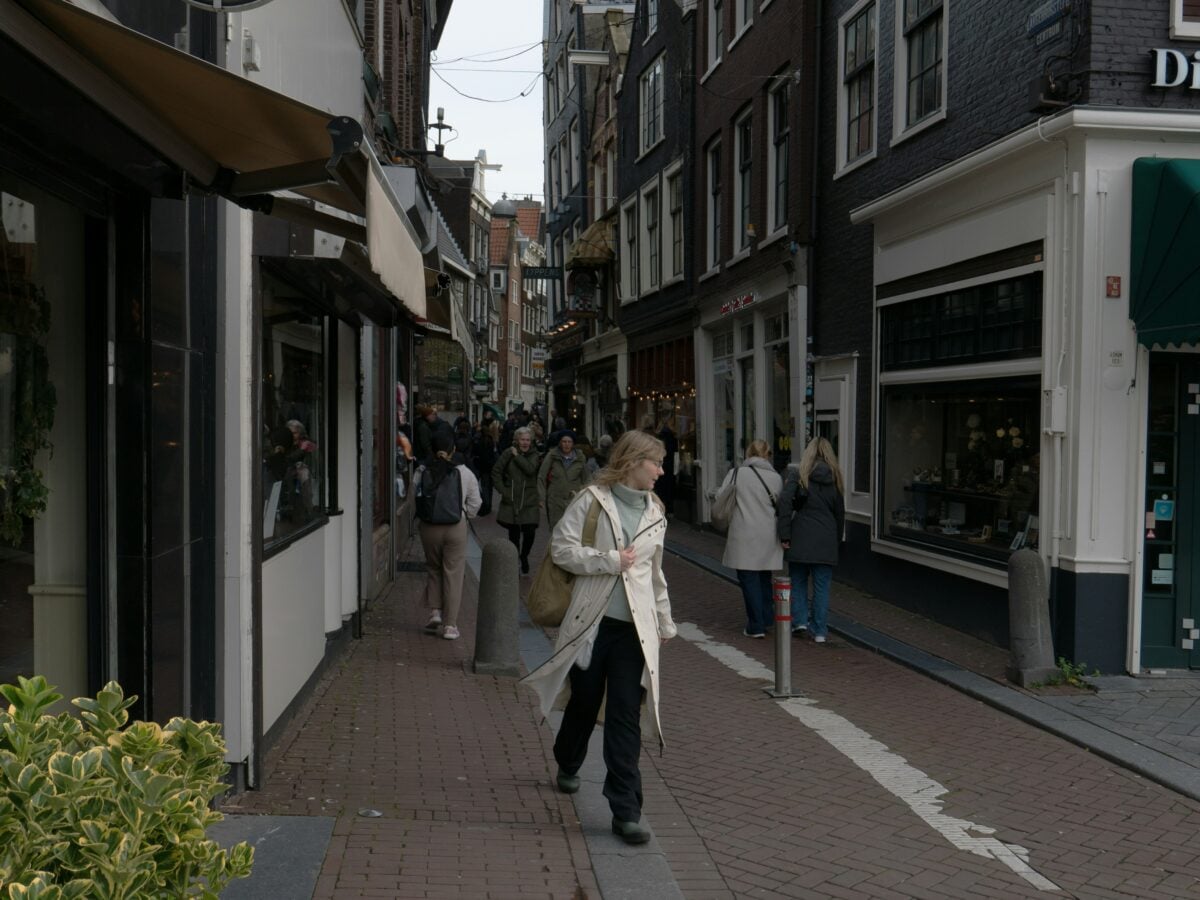
Downtown shopping districts faded as suburban shopping centers emerged. These new developments clustered stores around massive parking lots, making it easy to drive up, shop, and drive away.
No walking blocks between stores. No crowded sidewalks or city grime.
The shopping center became a destination. Mom loaded the kids in the car and spent the morning browsing.
She ran into neighbors doing the same thing. They chatted in the aisles, exchanged recipes, compared notes on schools and doctors.
Shopping was social, not just practical. Everything you needed appeared under one roof or in one complex.
Grocery store, department store, pharmacy, hardware store. The convenience was intoxicating after years of shopping downtown or in neighborhood shops scattered across the city.
Progress looked like more parking and fewer steps.
Tupperware Parties Mixed Business with Pleasure

Women gathered in each other’s homes to watch product demonstrations and buy plastic containers. The Tupperware party became a fixture of suburban social life, offering a rare chance for women to see friends without the burden of a formal event.
These parties served multiple purposes. The hostess earned free products.
The saleswoman made a commission. The guests got to ooh and ahh over airtight seals and burping containers that kept food fresh for days.
Everyone ate snacks, gossiped, and pretended the whole thing wasn’t calculated to separate them from their money. For some women, selling Tupperware offered something more valuable than free bowls.
It provided income, however modest, and a chance to build business skills while staying within the bounds of acceptable female behavior. You could earn money without abandoning your role as wife and mother.
The parties happened during the day while the kids were at school and husbands were at work.
Gender Roles Were Rigid and Enforced

Dad brought home the paycheck. Mom raised the kids and kept the house.
This division of labor wasn’t negotiable. You didn’t discuss it or question it.
This was simply how life worked. Men who wanted to be involved with childcare faced suspicion.
Women who wanted careers faced hostility. The pressure to conform was enormous.
Deviate from these roles and you risk social isolation. Your neighbors talked.
Your family is worried. Something must be wrong with you if you couldn’t be satisfied with what made everyone else happy.
Women who had worked during World War II found themselves pushed out of jobs to make room for returning soldiers. The government launched campaigns celebrating the housewife.
Magazines ran articles about the joys of domesticity. Television portrayed happy homemakers serving dinner to grateful husbands.
The message was clear: your place is in the home, and you should be thrilled about it. Not everyone bought the propaganda, but dissent wasn’t popular.
Betty Friedan wouldn’t publish The Feminine Mystique until 1963. In the 1950s, women who felt unfulfilled by housework blamed themselves rather than the system.
Depression and anxiety ran rampant, but you didn’t talk about mental health. You smiled and kept cleaning.
Men Worked Hard and Came Home Tired

The breadwinner role carried its own burdens. Dad left early and returned late.
The office demanded long hours. Climbing the corporate ladder required dedication and sacrifice.
You competed with other men for promotions, raises, recognition. The commute ate time from both ends of the day.
An hour each way meant two hours gone before and after work. You barely saw your kids during the week.
Your main interaction with your wife involved her serving you dinner and listening to you decompress from your day. The weekend offered limited respite.
The lawn needed mowing. The car needed washing.
Home repairs couldn’t be ignored. And you were expected to fire up the backyard grill for family cookouts, demonstrating your masculine competence while still serving your family.
Men who couldn’t provide adequately for their families faced shame. Your worth was measured by your paycheck and your ability to move your family into better neighborhoods with bigger houses and newer cars.
The pressure to succeed was relentless, and failure wasn’t an option.
Keeping Up with the Joneses Was Exhausting

Out in the suburbs, buying things kept people moving. When your neighbor brought home a TV, suddenly yours felt outdated. A second bathroom appeared next door, then plans began forming in your mind.
After they posted photos from California, brochures for Florida landed on your kitchen table. This race had no finish line.
Worry sold well back then. Items weren’t pushed because they worked – they mattered because people saw them as status.
Get this, you belong. Grab it, suddenly you’re up to date.
This one thing changed how you felt about what you had. People nearby grabbed it too, so it made sense to go along.
Back then, credit spread fast, so people bought things their paychecks wouldn’t cover right away. Bills stacked high – though most just pushed those worries ahead.
Right now mattered more: the hum of a fresh washing machine, flickering TV light, tires rolling down the road. Owning a piece of that dream meant paying bit by bit.
Round after round, buying stuff turned into a kind of duty. Because the economy rose on every purchase.
Jobs appeared where cash changed hands. Acting like a steady buyer meant standing tall as part of the nation.
Holding back felt wrong – when everywhere pushed more, more, more.
When Paradise Was Just a Sales Pitch

Out past the city lights, life slowed down a bit. Homes stood apart, not packed tight.
Inside, clean water flowed without hauling buckets. Warmth came easily through vents in winter months.
Yards stretched out where kids ran free from traffic. After decades of scraping by, then years of conflict overseas, comfort felt earned.
Not perfect, but better than what came before. Folks heading out didn’t lack sense.
Seeking something stronger shaped their steps. Yet things never lived up to the claim.
Built fast, these homes showed cracks early. Few kinds of people ever moved in.
Keeping up appearances took constant work. Behind the uniform lawns sat quiet loneliness, deeper than expected.
What looked like freedom carried hidden terms. Back then, few questioned the strict rules about men and women or the push to buy more stuff.
Life just felt normal to those in it. Society said follow these paths, find happiness – so they did.
When things fell short, guilt settled inside instead of doubt toward the setup. Fault seemed private, not built into the design.
Propaganda wins quietly, framing emptiness as individual weakness, never a cracked foundation. Around the 1950s, out past city edges, neighborhoods began spreading like spilled ink across open land.
Striped rows of small homes stood beside empty parking lots waiting for shoppers. Money flowed through credit cards and monthly payments instead of cash saved long before.
Life split sharply – some lived behind fences others could only pass by car. Not everyone shared in what grew; chances depended heavily on skin color.
Men worked far away while women managed households without equal voice. What looked peaceful often hid deeper separations that lasted decades after. Back then, right after the war, dreams stretched wide under open skies.
Things looked simpler because people wanted them to be. Truth moved slower, got tangled in details nobody talked about.
Myths rise clean; real life drags its feet.
More from Go2Tutors!

- The Romanov Crown Jewels and Their Tragic Fate
- 13 Historical Mysteries That Science Still Can’t Solve
- Famous Hoaxes That Fooled the World for Years
- 15 Child Stars with Tragic Adult Lives
- 16 Famous Jewelry Pieces in History
Like Go2Tutors’s content? Follow us on MSN.