Parasites That Control Their Hosts
The natural world runs on a simple principle: eat or be eaten. But some creatures have found a third option.
They don’t just consume their hosts—they hijack them. These parasites manipulate behavior, rewire instincts, and turn living creatures into puppets.
You’ve probably heard about parasites that make hosts sick. These are different.
They change what hosts want, where they go, and how they act. The host keeps moving, keeps living, but someone else is pulling the strings.
And the mechanisms behind this control are stranger than most fiction.
The Wasp That Turns Spiders Into Architects
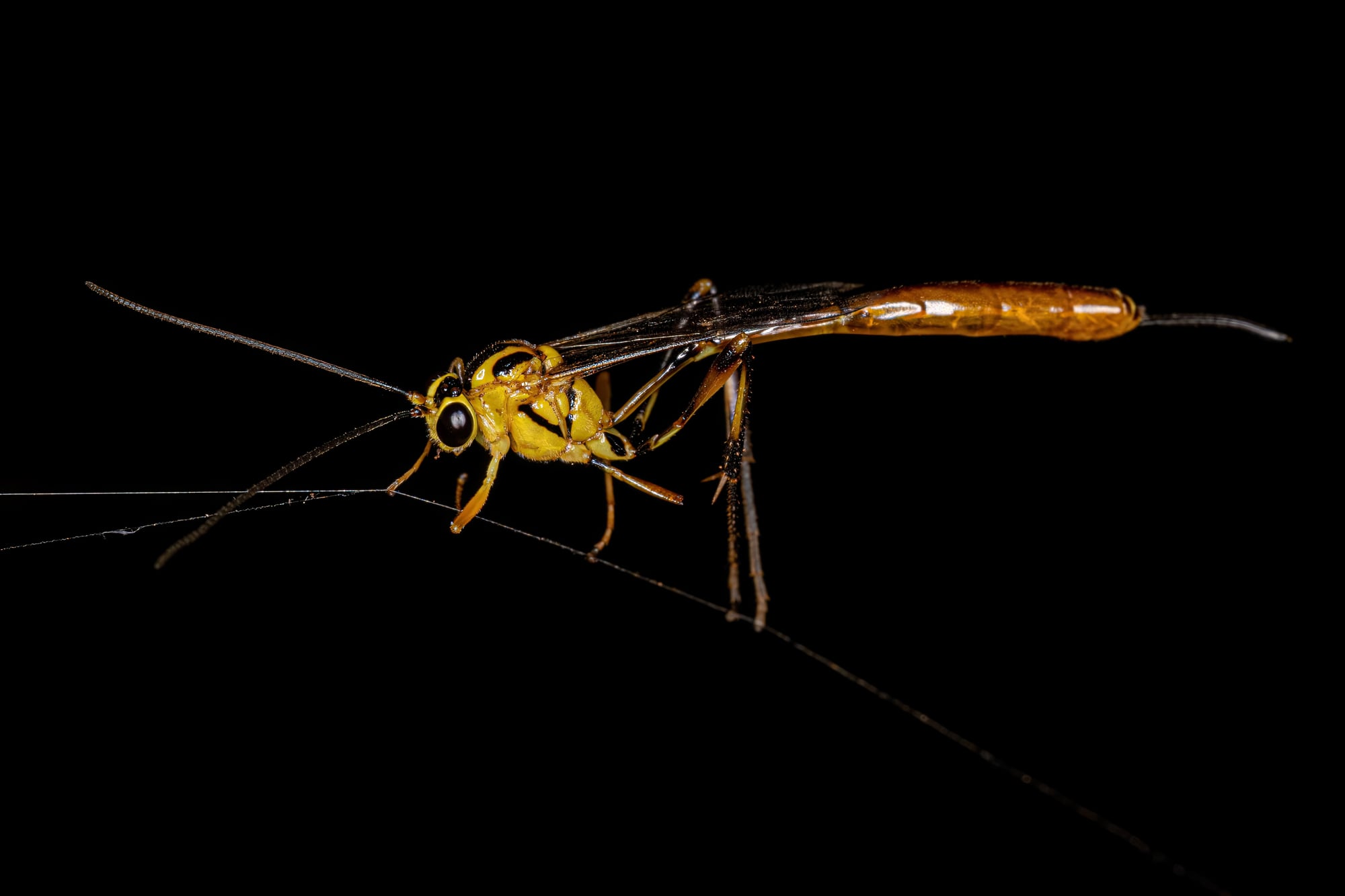
Certain ichneumonid wasps don’t merely deposit eggs on spiders – instead, they manipulate them into building special shelters. Once attached to the spider’s belly, the egg eventually hatches.
Then, the emerging larva starts consuming the spider’s internal liquids, slowly taking over. After that, just before ending the spider’s life, the young parasite releases substances messing with its mind.
Instead of spinning a usual trap, the arachnid starts crafting an odd shelter – tougher than anything it’d ever make on its own.
This goes on for a few days. At first, the spider acts like it usually does.
But then, the wasp larva – living on its back – starts making substances that change how the spider behaves. Instead of its usual web, it begins spinning something totally different.
Strong support threads appear. Tight coverings pile up.
The whole thing is made just to shield the wasp’s pupal stage, not to trap food.
When the web’s done, the larva takes out the spider, then sets up its cocoon inside the ready-made shelter – safe and sound. The spider ends up dead, unknowingly crafting a home for its own executioner.
The Fungus That Creates Zombie Ants
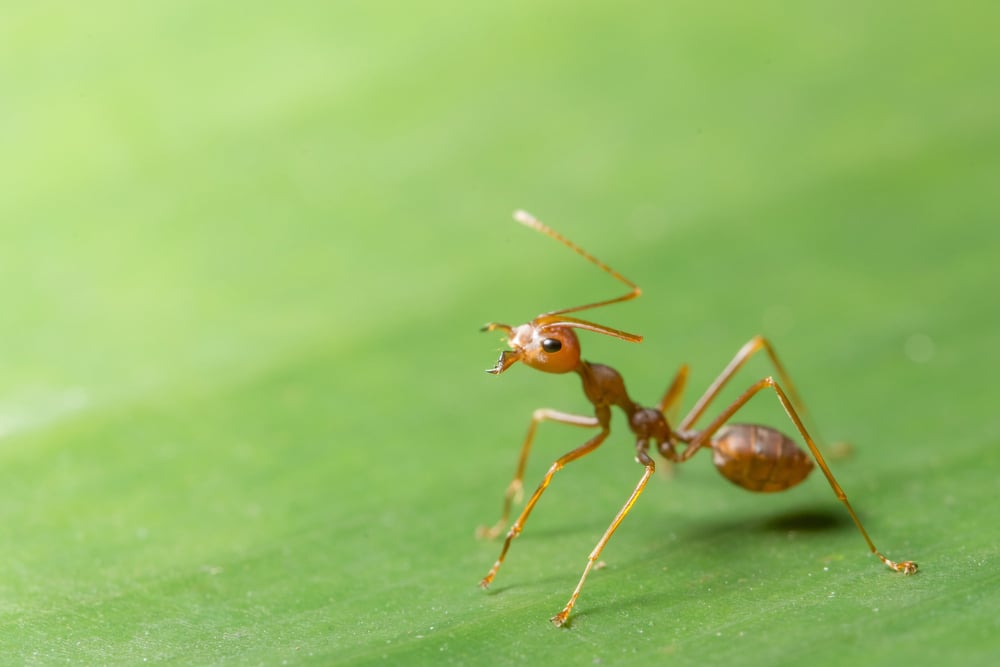
Ophiocordyceps fungi infect ants and turn them into zombies in the most literal sense. An infected ant leaves its colony, climbs a plant to a specific height, clamps its jaws onto a leaf vein, and dies.
The fungus then grows through the ant’s head, sprouting a stalk that releases spores to infect more ants below.
The precision staggers researchers. Infected ants climb to roughly 25 centimeters above ground—high enough for optimal spore dispersal but low enough to maintain the humidity the fungus needs.
They bite leaf veins on the north side of plants. They die at solar noon.
The fungus doesn’t just control the ant—it navigates using it.
Scientists have found 40-million-year-old leaves with bite marks matching this pattern. The fungus has been controlling ants since before humans existed, using the same playbook across millions of generations.
The ant’s brain remains intact throughout. The fungus grows around it, never through it, controlling the body while leaving the command center alone.
How it achieves this control without touching the brain remains one of biology’s persistent mysteries.
The Worm That Makes Crickets Drown Themselves
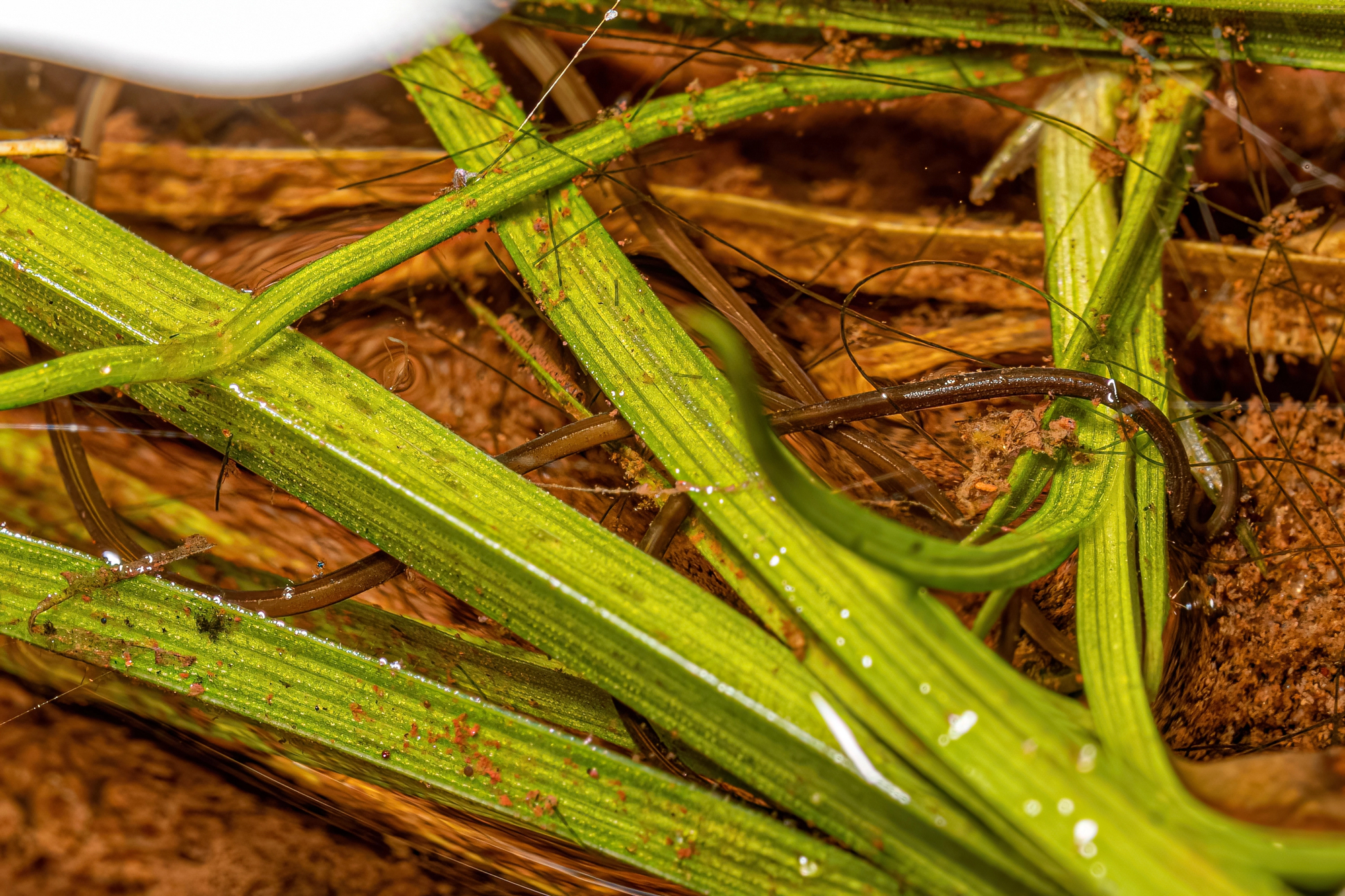
Hairworms need water to reproduce. They grow inside crickets and grasshoppers, which naturally avoid water.
So the worm changes what the cricket wants. An infected cricket seeks out water, jumps in, and drowns.
The worm emerges from the corpse and swims away to mate.
The transformation is complete. Crickets that spent their entire lives on land suddenly become obsessed with finding water.
They’ll travel long distances, climb over obstacles, and ignore food to reach the nearest pond or stream. Once they touch water, they dive.
The worm can grow to three times the length of its host. When it emerges, you see this massive writhing creature uncoiling from an insect’s body—a parasite that somehow fit inside and rewrote its host’s survival instincts to include self-destruction.
Researchers have found that infected crickets make up a significant portion of food for riverside predators. The worm doesn’t just control individual hosts.
It alters entire ecosystems by delivering terrestrial insects to aquatic food webs.
The Fluke That Makes Snails Throb
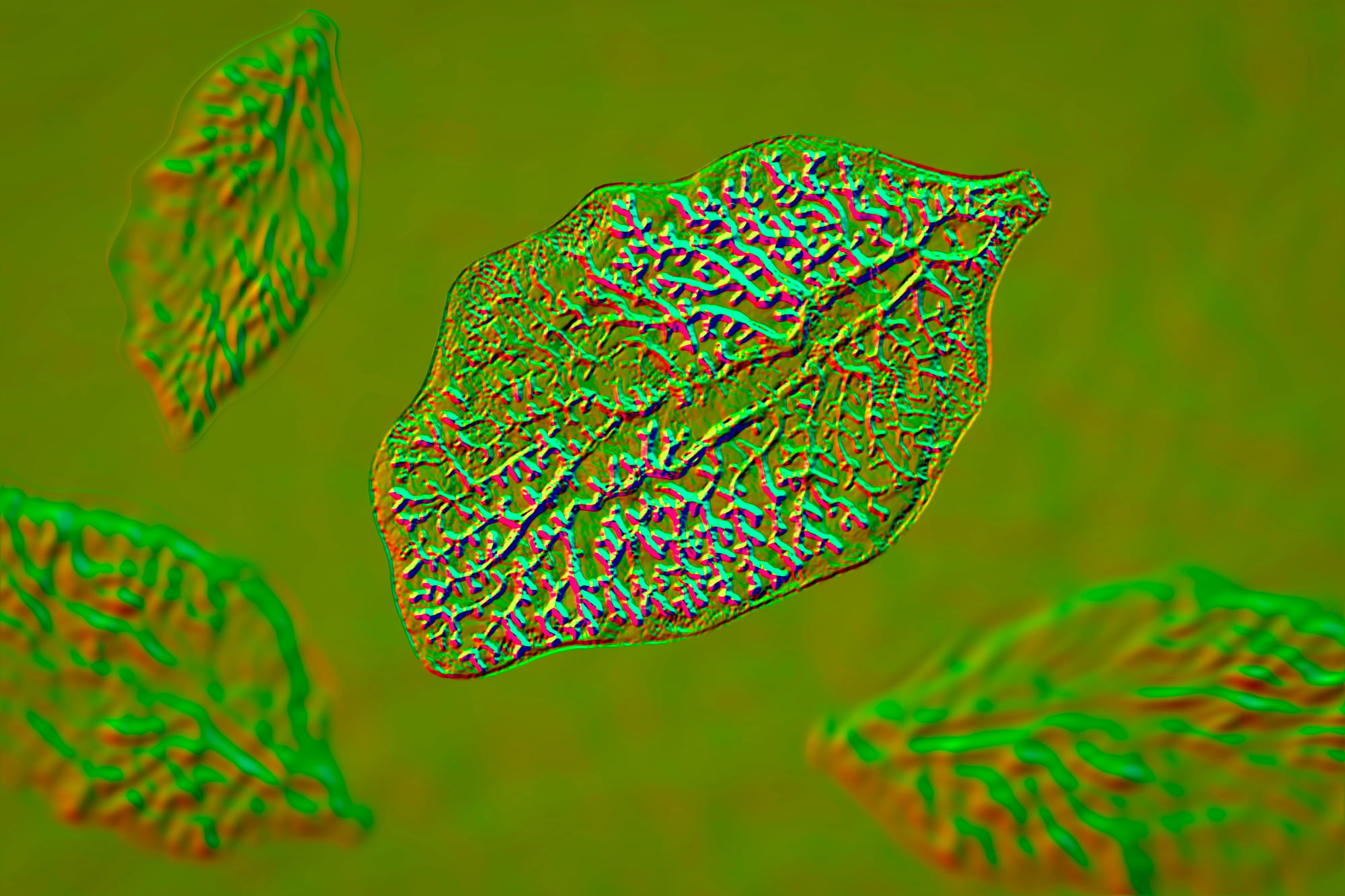
The green-banded broodsac is a parasitic fluke with an unusual target: bird digestion. But birds don’t eat snails much.
So the parasite makes snails behave like caterpillars. It grows colorful, pulsating structures in the snail’s eyestalks that look exactly like the caterpillars birds prefer.
The infected snail’s behavior changes too. Normally, snails hide during the day.
Infected snails climb to exposed positions on leaves and extend their eyestalks. The pulsating bands catch birds’ attention.
The bird eats the snail, the parasite reproduces in the bird’s gut, and the cycle continues.
The snail survives this. The fluke only takes the eyestalks.
The snail regenerates them, gets reinfected, and becomes bird bait again. Some snails serve as parasite billboards multiple times.
The Parasite That Removes Fear
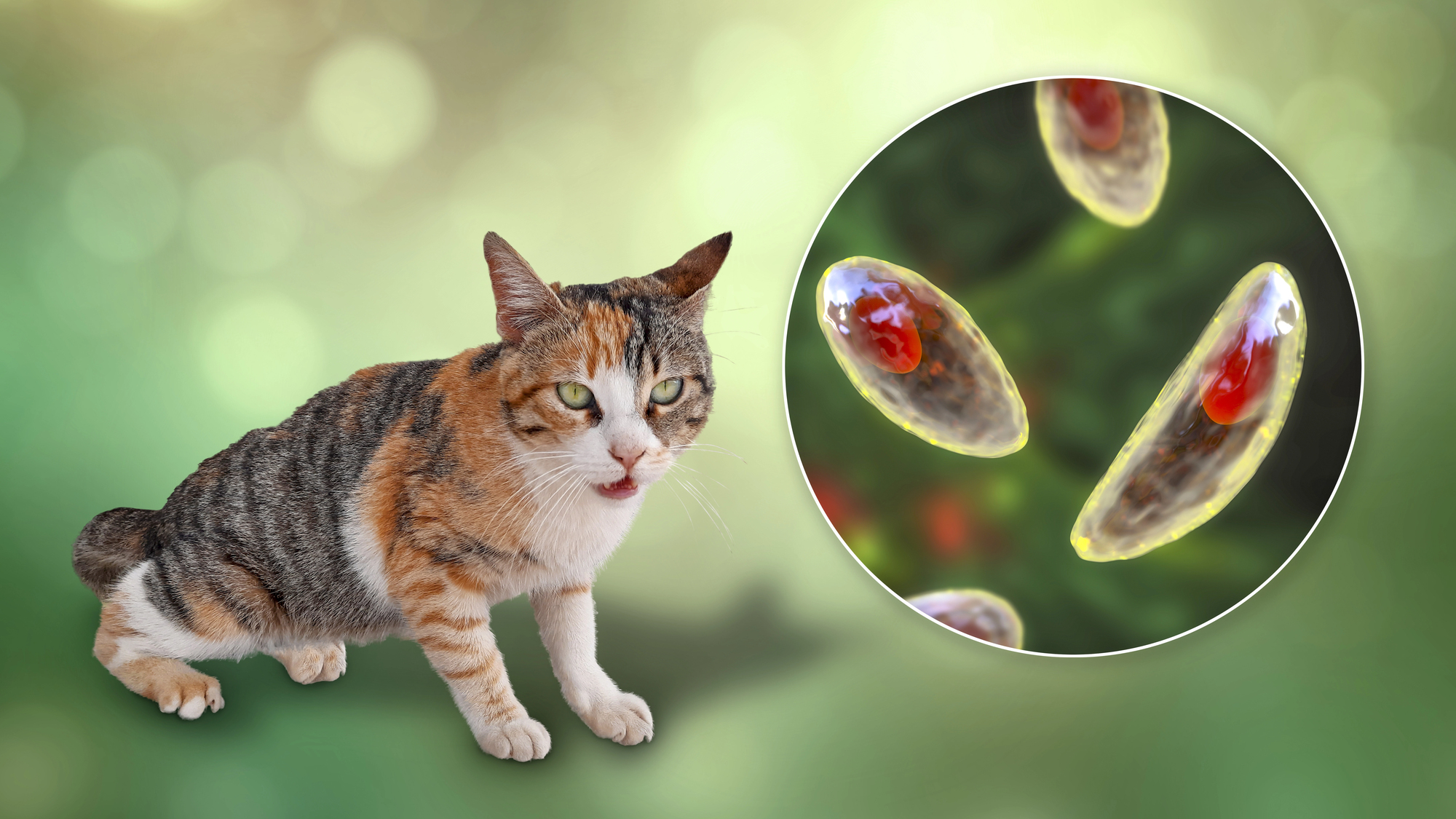
Toxoplasma gondii needs to get from rats into cats. Rats fear cat scent.
So Toxoplasma changes that. Infected rats don’t just lose their fear of cats—they’re attracted to cat urine.
They seek out the smell that should trigger their strongest avoidance response.
The parasite forms cysts in the rat’s brain, particularly in areas controlling fear and pheromone processing. These cysts remain for life.
The rat’s personality changes permanently. It becomes bolder, more exploratory, and specifically drawn to cat odors.
Humans can contract Toxoplasma, usually from cat feces or undercooked meat. Studies suggest it might subtly alter human behavior too, though the effects are far less dramatic than in rats.
The parasite reaches the human brain and persists there, and researchers are still mapping what it does once it arrives.
The Barnacle That Sterilizes and Enslaves
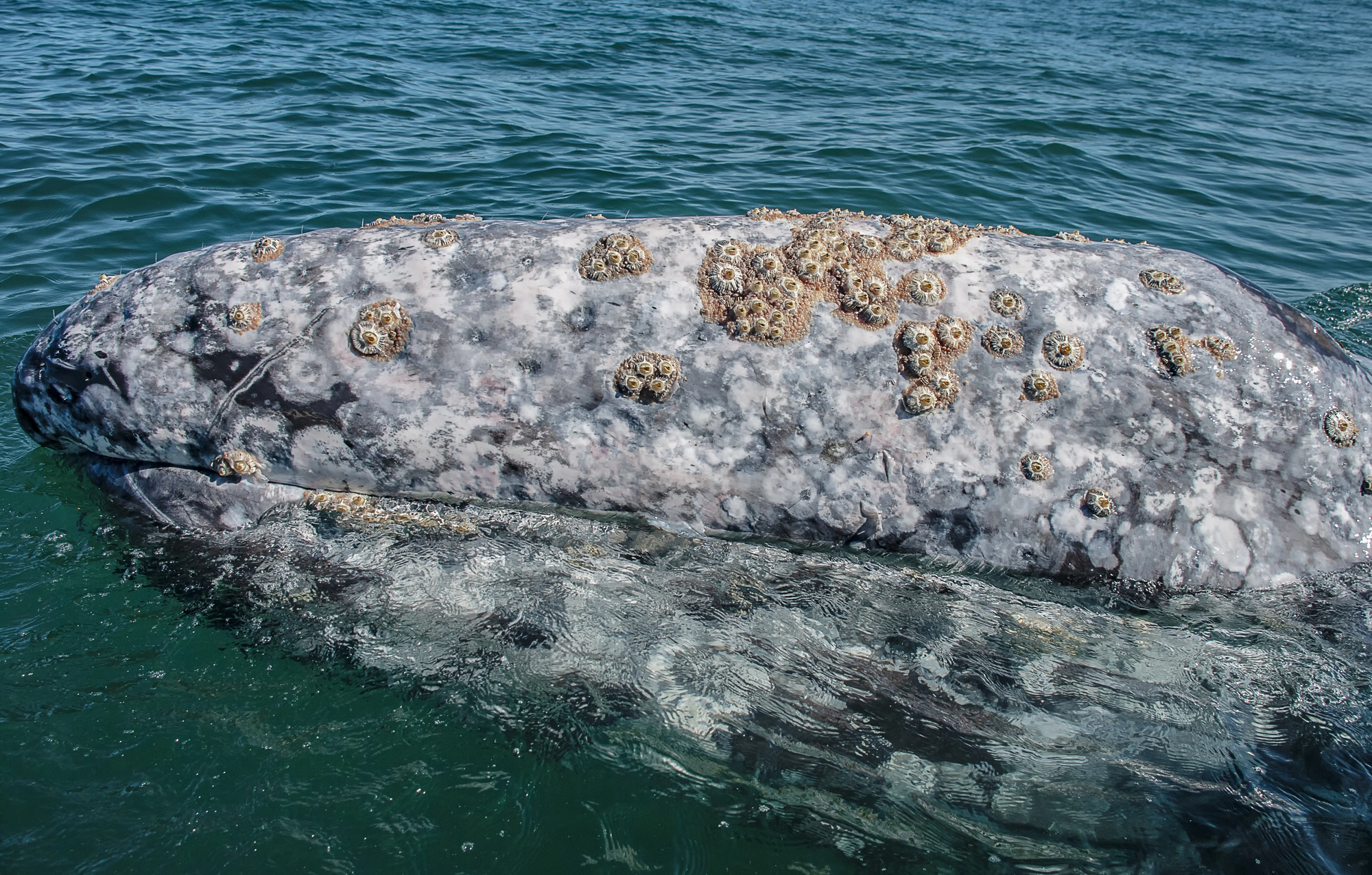
Sacculina is a barnacle that infects crabs. It doesn’t attach to the outside like normal barnacles.
It injects itself into the crab as a few cells, then grows root-like tendrils throughout the crab’s body. These roots tap into the crab’s nutrient supply and castrate it—male or female.
But the parasite needs more than food. It needs the crab to care for its offspring.
Male crabs infected by Sacculina develop female behaviors. Their abdomens broaden.
They perform the exact movements female crabs use to care for eggs. When the parasite produces its egg sac, the crab tends it like its own offspring.
The crab never reproduces again. It spends the rest of its life as a living nursery for barnacle larvae, performing maternal behaviors for a parasite that destroyed its reproductive future.
The transformation is so complete that infected male crabs develop the anatomical changes associated with female crabs. The parasite doesn’t just alter behavior—it remodels the host’s body.
The Wasp That Turns Cockroaches Into Leashed Pets
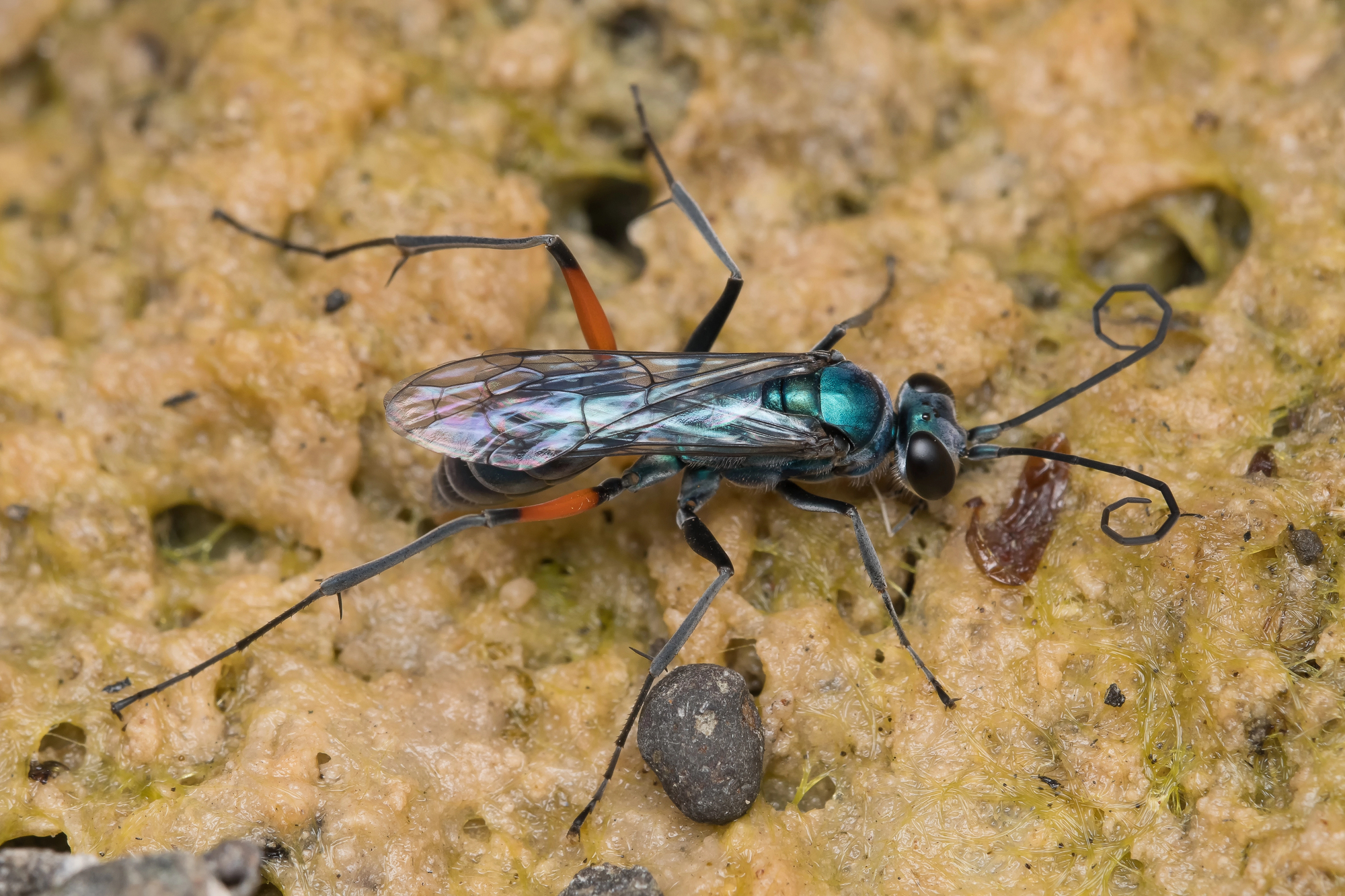
The emerald cockroach wasp won’t kill roaches – it turns them into slaves instead. With two exact stings, it injects poison right into key brain spots.
One sting stops the front legs from moving – for a short time. Then another shot to the head wipes out any urge to flee, yet keeps all other functions running.
The roach stays upright. Even though it’s aware, the wasp chews through one antenna, sucking up the fluid seeping out.
After that, she tugs the insect by what’s left of its broken feeler, guiding it along – almost like walking a pet – to her underground nest. Without resisting, the bug trudges behind.
In the burrow, a wasp drops an egg onto a roach – then takes off. The roach hangs around, fully awake, for several days.
It cleans its body now and then. Sometimes it naps.
But leaving? Never crosses its mind. Once the larva pops out, it starts feeding from within, chowing down on less vital parts at first so the host sticks around longer.
The poison stops signals that start movement. Even though it can still move, the roach doesn’t want to.
With a precise sting, the wasp takes control.
The Lancet Liver Fluke’s Multi-Host Journey
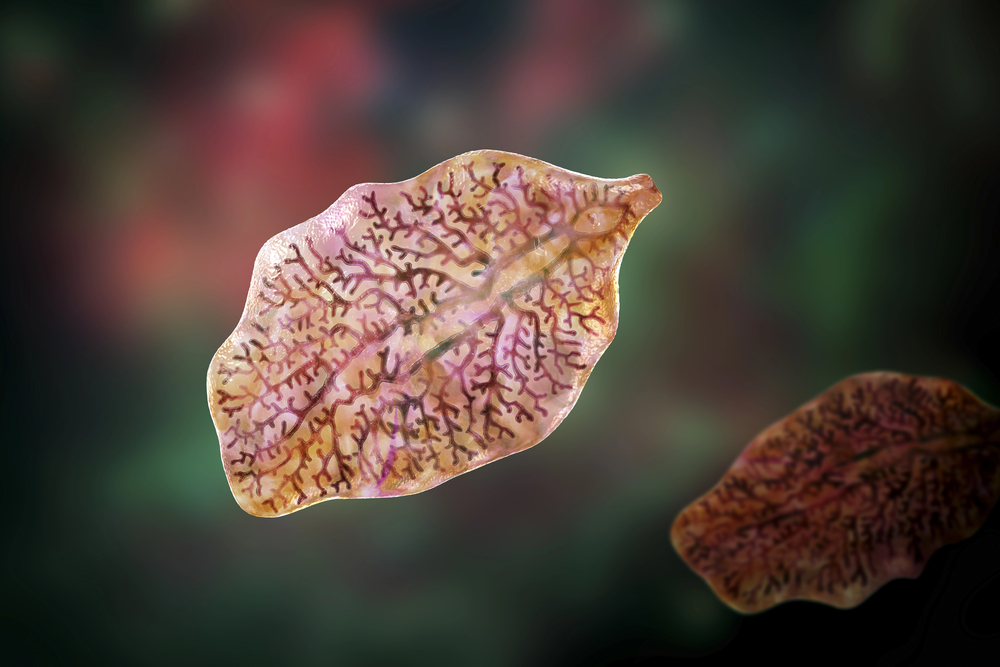
The lancet liver fluke needs to pass through three hosts: snails, ants, and grazing mammals. Getting from ants to sheep requires changing the ant’s behavior.
At night, when temperatures drop, infected ants climb to the tips of grass blades and clamp their jaws shut. They wait there, exposed, for sheep to eat them.
During the day, the ants return to normal behavior. They rejoin their colonies, forage, and function normally.
But when evening comes, they climb the grass again and wait. This happens every night until a grazing animal consumes them.
The fluke forms a cyst in the ant’s brain. The cyst swells in cool temperatures, pressing on neural tissue and triggering the climbing behavior.
When the sun warms the ant, the cyst shrinks, and the compulsion fades. The ant gets a reprieve until the next nightfall.
The Nematode That Makes Ants Look Like Berries
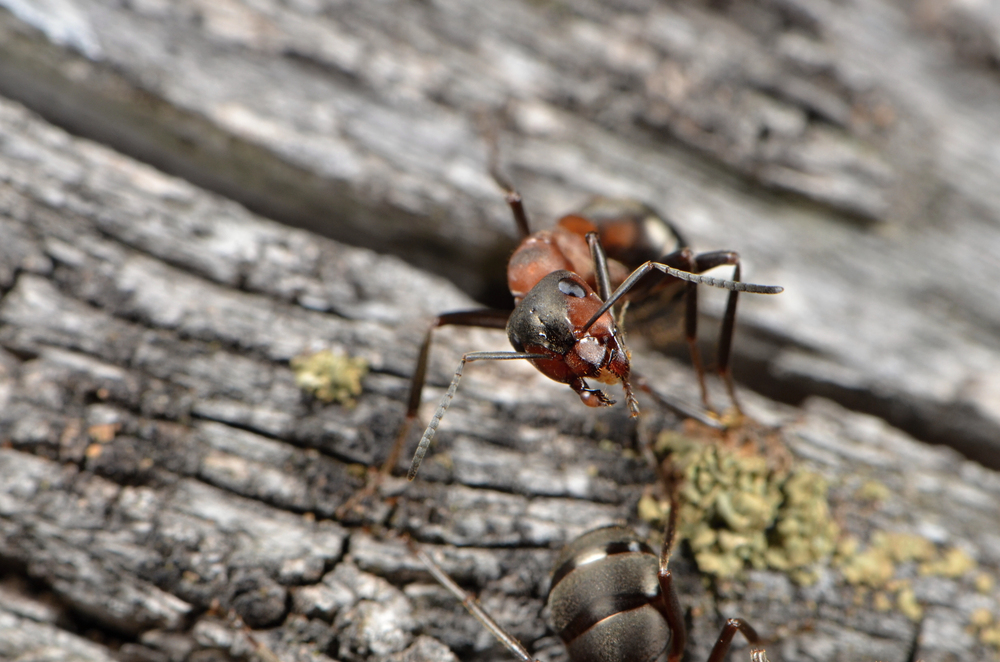
Myrmeconema neotropicum gets inside ants, causing their rear ends to puff up, shift to red, then go see-through. Instead of looking like a regular dark ant, it starts mirroring local crimson berries – close match.
Birds spot them, swallow them up mistaking the critters for juicy fruit; once there, the invader moves on through the bird’s gut.
The infected ant acts different now, just like how it looks. Instead of moving fast, it slows down while lifting its rear end up – something healthy ants usually skip since it’s risky.
Yet this odd stance shows off the bright-red belly to birds passing by.
The change happens over weeks. As the ant’s outer shell slowly fades, its belly starts to grow from worm eggs inside.
Changes in chemicals make the surface shine like a ripe fruit peel. Because of this glow, it looks so much like a berry that scientists once thought these ants were actual fruits.
The Tongue-Eating Louse That Becomes the Tongue
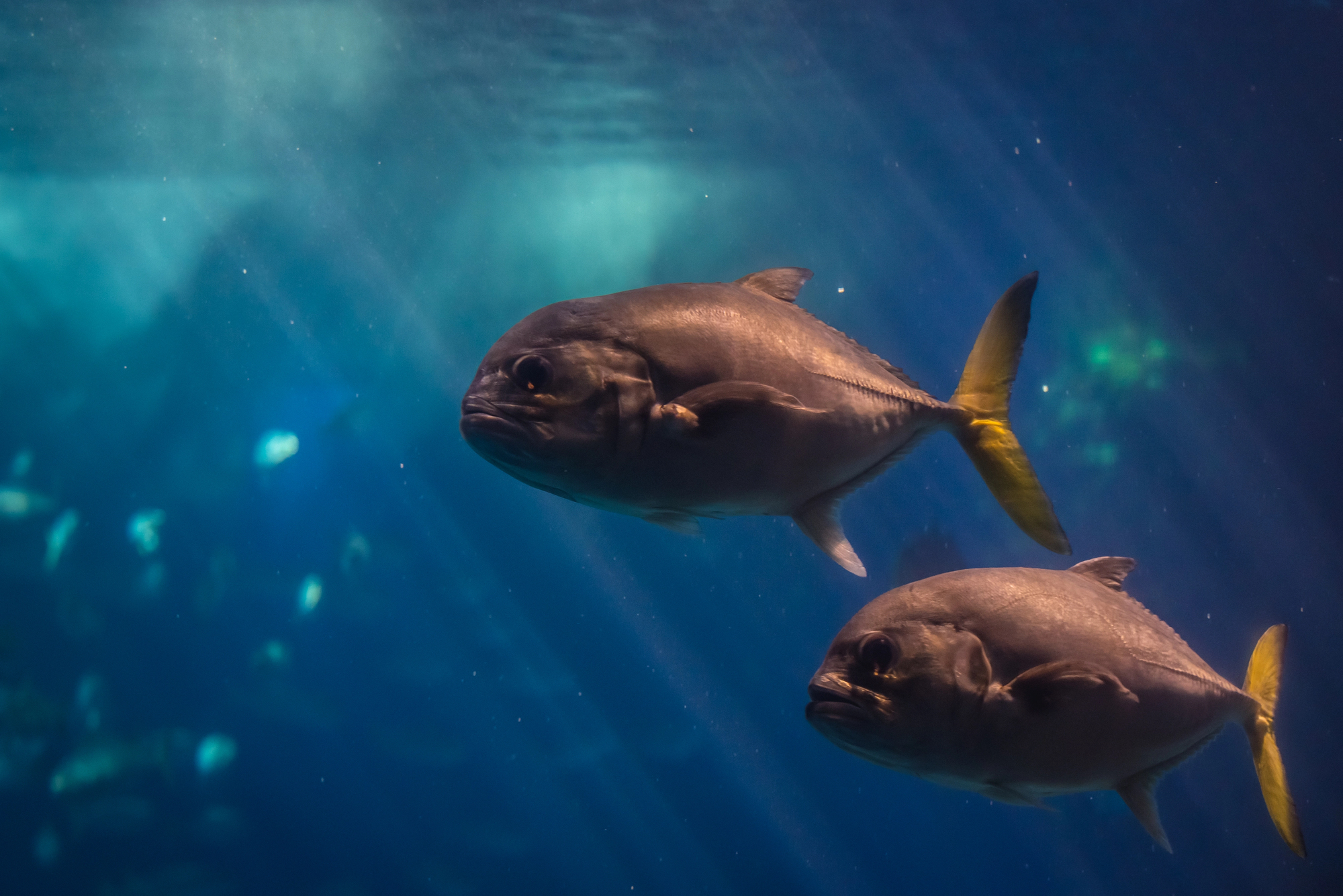
Cymothoa exigua enters fish through the gills, travels to the mouth, and attaches to the tongue. It severs the blood vessels in the tongue, causing it to atrophy and fall off.
Then the louse attaches itself to the remaining tongue stub and functions as the fish’s new tongue.
The fish survives this. It feeds normally.
The louse sits in the mouth, moving with the jaw, functioning as a working tongue while feeding on blood and mucus. The fish lives with a parasite for a tongue, and the louse lives as a body part.
This is the only known case of a parasite functionally replacing an organ. The louse doesn’t just damage the tongue—it becomes the tongue.
It performs the role while parasitizing the host, creating a relationship that’s somewhere between replacement and exploitation.
The Virus That Makes Caterpillars Dissolve
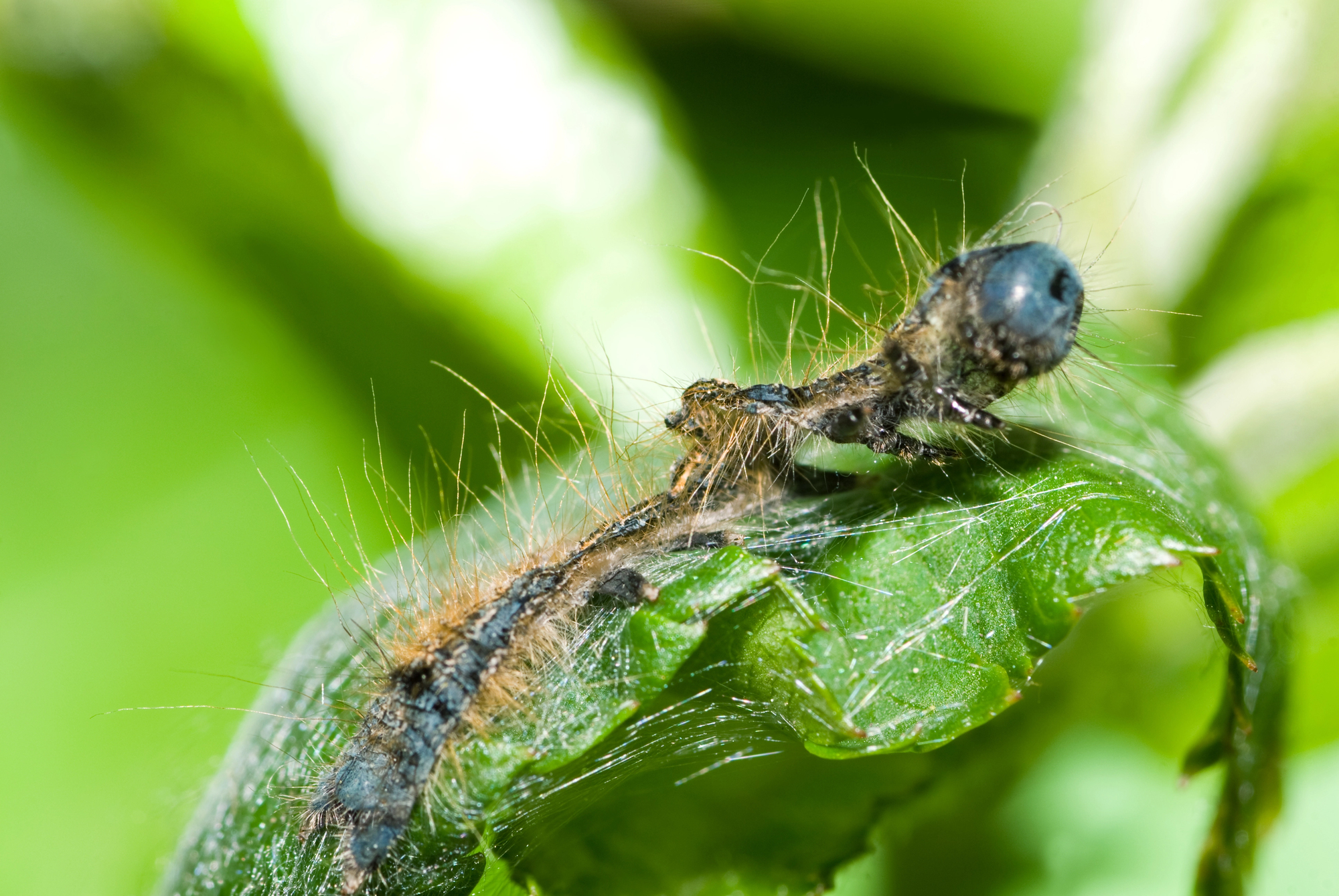
Baculoviruses infect caterpillars and trigger two specific behavioral changes. First, infected caterpillars climb to the highest point they can reach.
Second, they stay there until they die. The virus then liquefies the caterpillar’s body, and viral particles rain down onto leaves below, infecting new caterpillars that eat those leaves.
The climbing behavior is so consistent that researchers call it “tree-top disease.” Infected caterpillars ignore food, ignore threats, and climb.
They reach the top of their plant and grip tightly. Then they die, and their bodies burst, spreading millions of virus particles.
The virus takes over the caterpillar’s light sensitivity. Normally, caterpillars avoid bright light and climb down during the day.
Infected caterpillars are drawn to light and climb toward it. The virus hijacks the photoreceptors and reverses their function, using the host’s own navigation system to position its body for maximum dispersal.
The Bacteria That Manipulates Reproduction
Wolbachia bacteria infect insects and alter their reproduction. Some strains kill male embryos, ensuring only females survive.
Others change males into functional females. Some make uninfected females sterile.
All of these strategies increase the number of infected females, because Wolbachia passes only through mothers to offspring.
The bacteria don’t just influence reproduction—they control it. An infected female’s eggs won’t develop if fertilized by an uninfected male.
But an infected male’s sperm works with any female. This creates reproductive incompatibility that forces populations toward complete infection.
Wolbachia infects roughly 40% of all insect species. It’s one of the most successful parasites on Earth, and it achieves this through reproductive manipulation rather than traditional parasitism.
It doesn’t make hosts sick. It makes them serve its genetic interests.
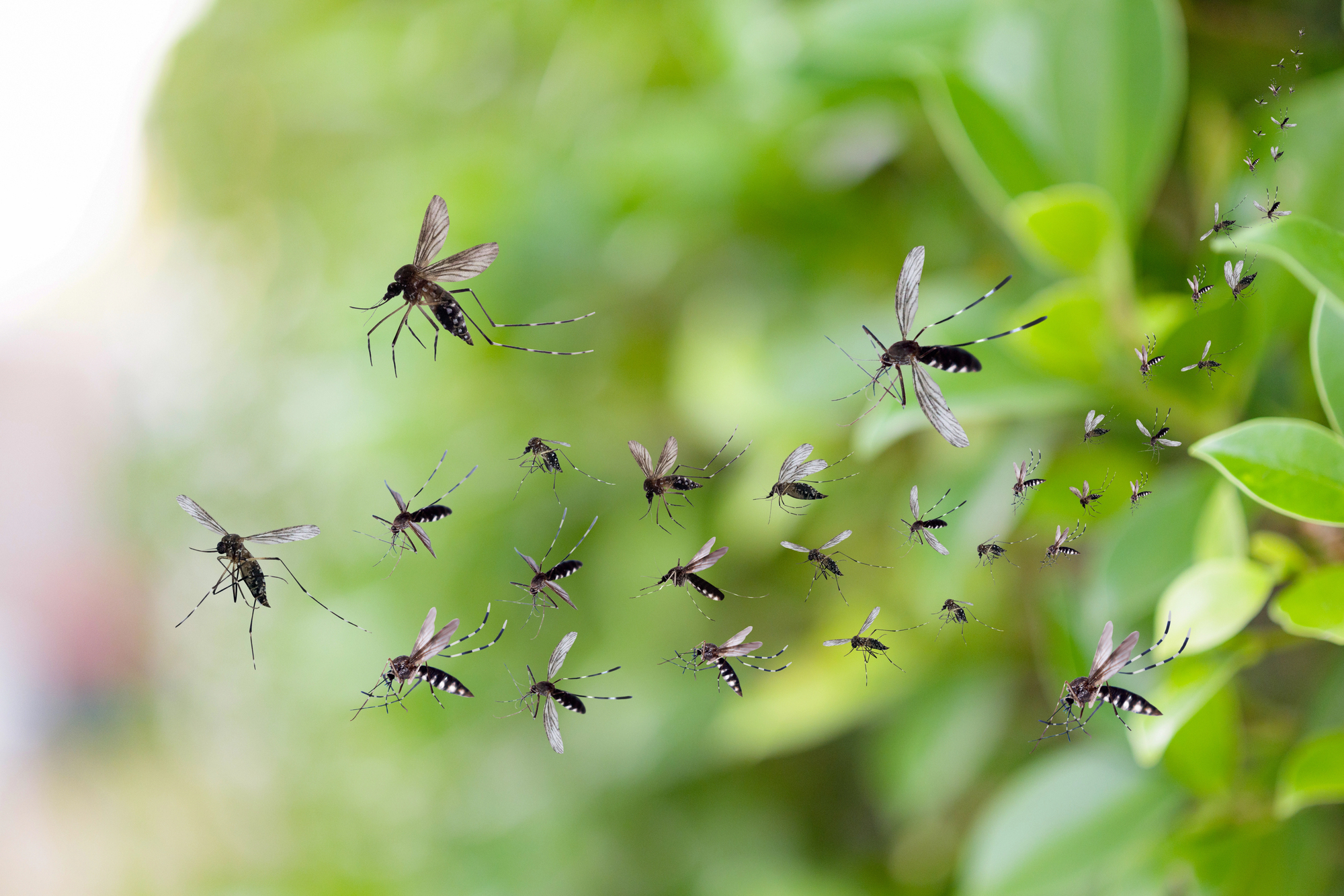
Scientists now use Wolbachia deliberately, infecting mosquitoes with strains that prevent virus transmission. The bacteria that evolved to manipulate insect reproduction now helps control human disease.
The Gordian Worm That Drives Mantises to Water
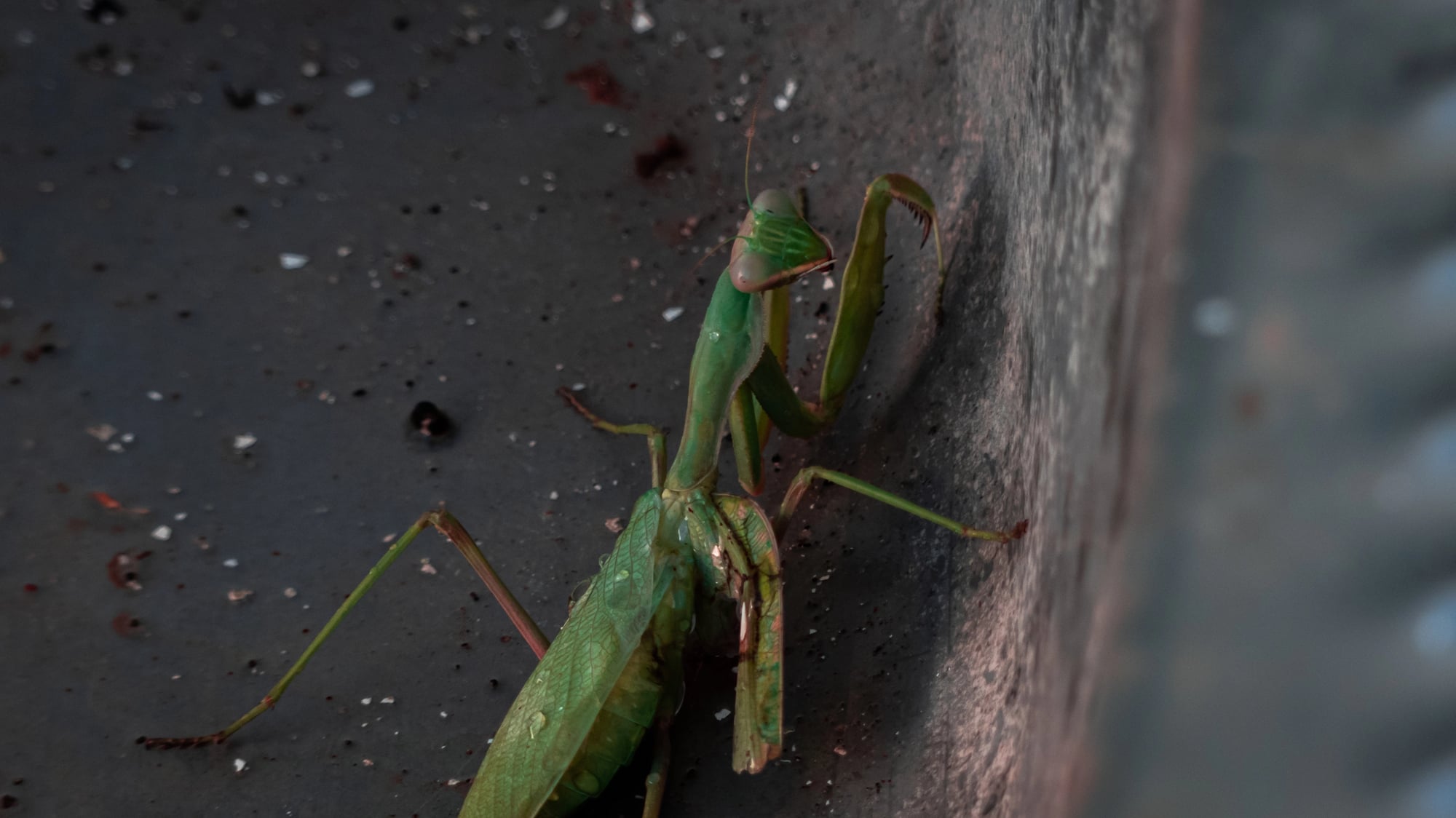
Gordian worms grow inside praying mantises, consuming non-essential tissue while leaving the mantis functional. When the worm reaches maturity, it needs to reach water to reproduce.
Mantises don’t swim. So the worm changes the mantis’s behavior.
The infected mantis seeks water obsessively. It walks past prey, ignores threats, and heads directly for the nearest water source.
When it reaches water, it jumps in—behavior mantises never exhibit otherwise. The worm emerges, and the mantis usually drowns.
The worm produces proteins that alter the mantis’s brain chemistry. These proteins affect the same neural pathways that regulate thirst and water-seeking in mammals.
The worm isn’t just changing behavior—it’s creating a false biological need that overrides all the mantis’s normal priorities.
When Control Becomes Collaboration
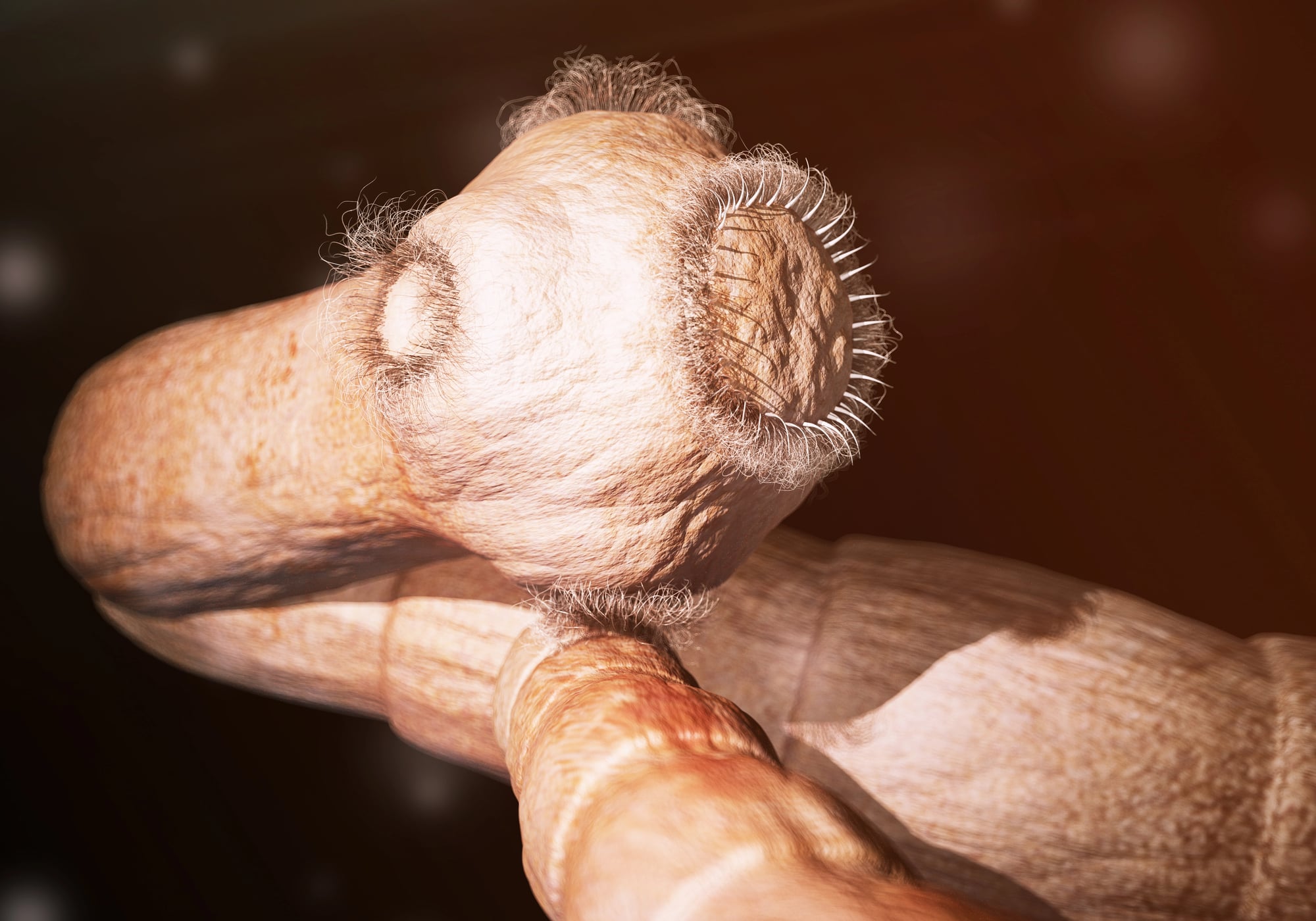
Some parasites change how their hosts act, blurring the line between two living things. When a creature’s actions are run by a hitchhiker, where does one stop and the other start? If an ant crawls up blades because it’s pushed by a worm inside, is it still itself – or just a puppet for the invader messing with its mind? These bonds formed across eons. One after another, parasites sharpened how they take over – tiny tweaks adding up over time.
What we see now? Control that’s just as sharp as human tech, maybe even sharper. The hosts don’t just sit back.
Certain species adapt to fight off infection. In some groups, organisms are harder to influence than before.
One after another, parasites get craftier while hosts build stronger shields. No clear winner stays on top for long.
Over time, the struggle moves into fresh territory. Knowing about these parasites shifts your view on actions.
Each move an animal makes could stem from its own choice – or a hidden agenda running via hijacked nerves and twisted gut feelings. Power doesn’t always show up loud.
Often, it blends into everyday acts – once you spot the signs, everything looks different.
More from Go2Tutors!

- The Romanov Crown Jewels and Their Tragic Fate
- 13 Historical Mysteries That Science Still Can’t Solve
- Famous Hoaxes That Fooled the World for Years
- 15 Child Stars with Tragic Adult Lives
- 16 Famous Jewelry Pieces in History
Like Go2Tutors’s content? Follow us on MSN.



