15 Curious Facts to Mark Sherlock Holmes Day
The world’s most famous detective continues to captivate readers and viewers more than a century after his creation. With his deerstalker hat, magnifying glass, and unparalleled powers of deduction, Sherlock Holmes remains an enduring cultural icon whose influence extends far beyond the original stories penned by Sir Arthur Conan Doyle.
Here is a list of 15 curious facts about Sherlock Holmes that might surprise even dedicated fans of the legendary detective.
The Original Illustrations

The iconic deerstalker hat and curved pipe commonly associated with Holmes never actually appeared in Conan Doyle’s text. These visual elements came from Sidney Paget’s illustrations for The Strand Magazine where many stories were first published.
Paget’s brother Walter was originally offered the job, but the letter was mistakenly delivered to Sidney instead.
Real-Life Inspiration

Sherlock Holmes was partly inspired by Dr. Joseph Bell, a surgeon at the Edinburgh Royal Infirmary where Conan Doyle studied medicine. Bell impressed students with his remarkable observational skills and ability to diagnose patients before they spoke.
Conan Doyle later wrote to Bell, ‘It is most certainly to you that I owe Sherlock Holmes.’
Like Go2Tutors’s content? Follow us on MSN.
The Death That Wasn’t

Conan Doyle famously tried to kill off Holmes in ‘The Final Problem,’ having him plunge over Reichenbach Falls while battling Professor Moriarty. Public outcry was so tremendous that Conan Doyle eventually resurrected the detective in ‘The Adventure of the Empty House,’ explaining Holmes had faked his death to fool his enemies.
The Missing Stories

Conan Doyle makes reference to many Holmes cases that were never actually written. These ‘untold stories’ include the Giant Rat of Sumatra, ‘a story for which the world is not yet prepared,’ and the case of Isadora Persano, who was found ‘staring at a matchbox containing a remarkable worm unknown to science.’
Literary Longevity

With the original copyright expired, Holmes has appeared in more works by authors other than Conan Doyle than perhaps any other literary character. The Guinness World Records lists him as the most portrayed literary human character in film and television, with more than 25,000 stage adaptations, movies, television productions and publications.
Like Go2Tutors’s content? Follow us on MSN.
The Real Address
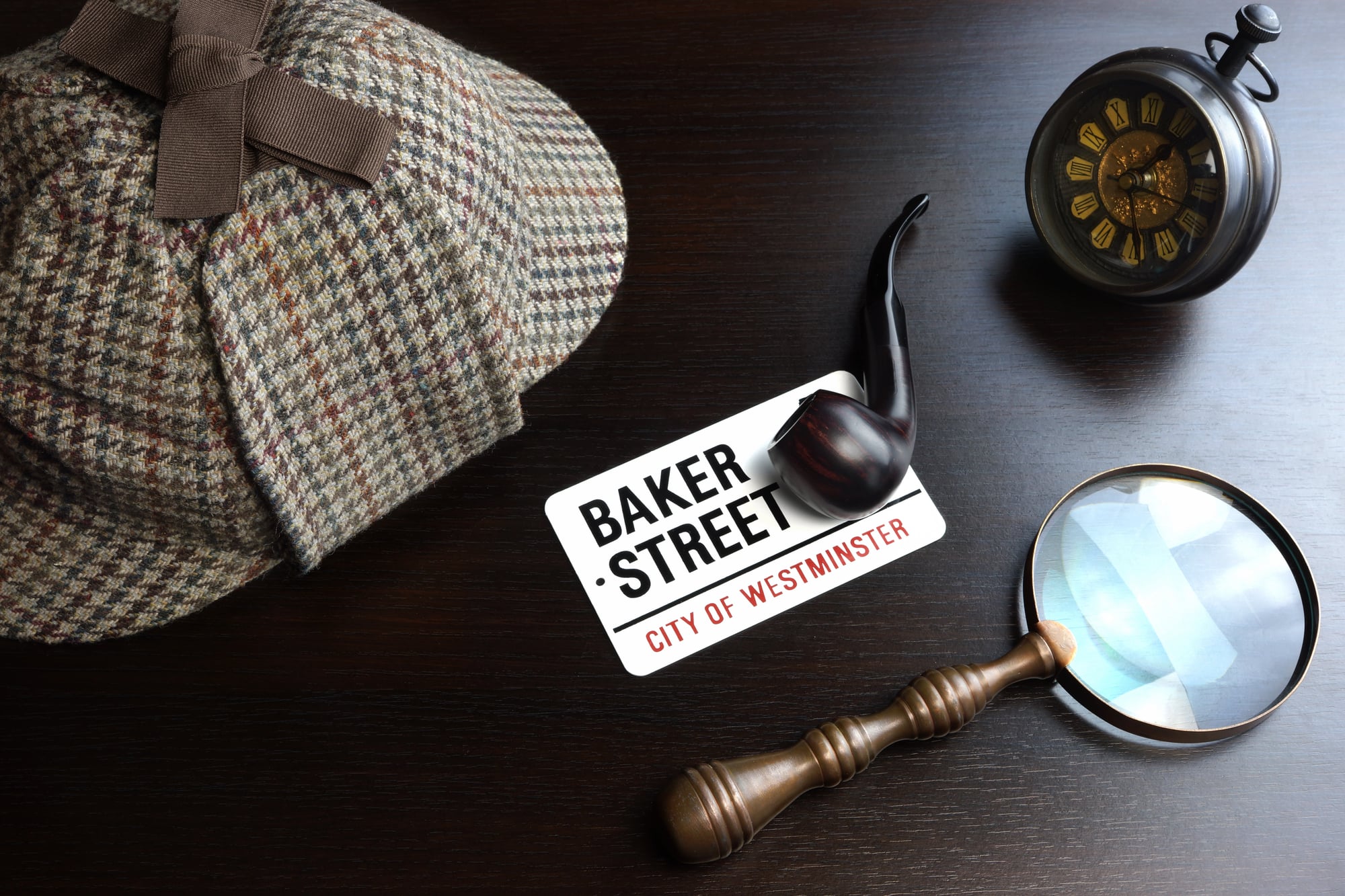
When Conan Doyle created 221B Baker Street as Holmes’ address, the street’s numbering didn’t actually extend that far. As Baker Street was later expanded, the address became real and now houses the Sherlock Holmes Museum.
For many years, the Abbey National Building Society employed a secretary to answer mail addressed to the detective.
Sherlockian Societies

Dedicated fan groups called ‘Sherlockian’ or ‘Holmesian’ societies have existed since the 1930s. The oldest, the Baker Street Irregulars, was founded in New York in 1934 and continues to meet annually.
Members playfully pretend Holmes and Watson were real people and Conan Doyle merely acted as Watson’s literary agent.
Cocaine User

Holmes regularly used cocaine in the early stories, injecting a ‘seven-percent solution’ when bored between cases. Watson repeatedly voiced concern about this habit.
Conan Doyle gradually phased out this character trait in later stories, possibly reflecting changing attitudes toward the drug, which was legal and commonly used as a stimulant in Victorian England.
Like Go2Tutors’s content? Follow us on MSN.
Never Said ‘Elementary’

Despite being his most famous catchphrase, Holmes never actually says ‘Elementary, my dear Watson’ in any of Conan Doyle’s writings. The closest he comes is saying ‘Elementary’ and ‘My dear Watson’ in separate instances.
The phrase first appeared in a P. G. Wodehouse novel and was later popularized in Holmes films.
Retirement Plan

In his later years, Holmes retired to the South Downs of Sussex to keep bees. His beekeeping appears in ‘His Last Bow’ and is mentioned in ‘The Second Stain.’
Holmes even wrote a book called ‘Practical Handbook of Bee Culture, with Some Observations upon the Segregation of the Queen.’
Name Origins

The name ‘Sherlock’ was likely inspired by a cricket player Conan Doyle admired named Frank Shacklock. ‘Holmes’ may have come from Oliver Wendell Holmes, an American physician and writer whom Conan Doyle respected.
The combination created a distinctive, memorable name that has become synonymous with detection.
Like Go2Tutors’s content? Follow us on MSN.
The Lost Stories

In 2004, a lost collection of Conan Doyle’s papers was discovered in London, including a previously unpublished Holmes story titled ‘The Case of the Man Who Was Wanted.’
The story’s authenticity has been debated, with some experts suggesting it might have been written by another author and mistakenly filed among Conan Doyle’s papers.
Literary Success

While Holmes brought Conan Doyle tremendous success, the author grew to resent his creation for overshadowing his other work. He once remarked, ‘I have had such an overdose of him that I feel towards him as I do towards pâté de foie gras, of which I once ate too much.’
Despite this sentiment, financial incentives kept him writing Holmes stories.
The Missing Years

Between his supposed death at Reichenbach Falls in 1891 and his return in 1894, Holmes spent time in Tibet, Persia, and traveled through Asia. He also visited Mecca disguised as an explorer named Sigerson and conducted research on coal tar derivatives in Montpellier, France.
Fans refer to this period as ‘The Great Hiatus.’
Like Go2Tutors’s content? Follow us on MSN.
Worldwide Fame
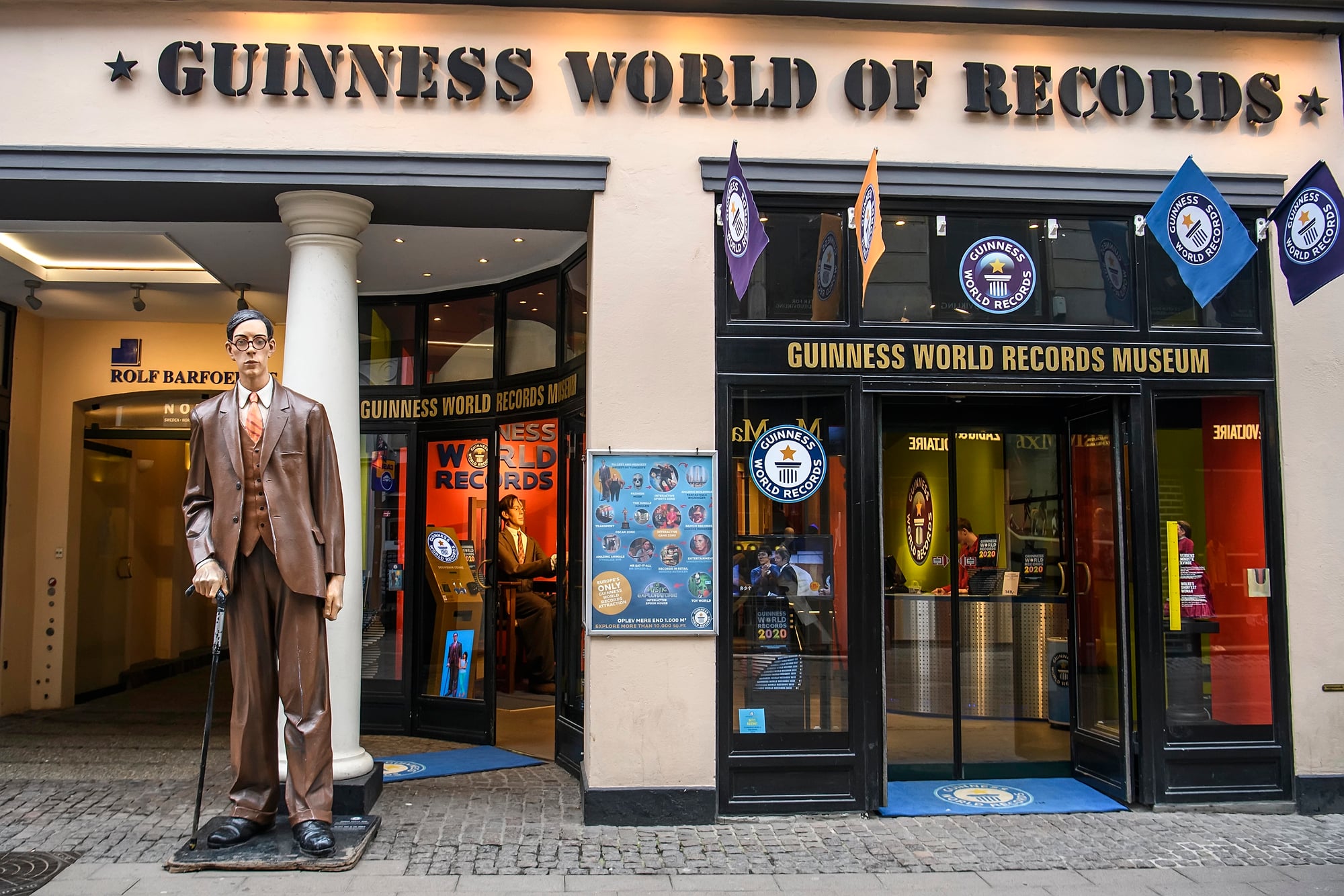
Holmes has been translated into more than 80 languages and appears in the Guinness Book of World Records as the most portrayed character in history. His popularity extends globally, with particularly strong followings in Japan, Russia, and throughout Europe.
Japanese fans even erected a statue of Holmes in the town of Karuizawa.
The Enduring Detective

The appeal of Sherlock Holmes transcends generations and cultures alike. His logical mind, eccentric habits, and unwavering pursuit of truth continue to resonate with modern audiences seeking order in a chaotic world.
From the original Victorian tales to contemporary adaptations, the great detective reminds us that careful observation and rational thinking can solve even the most perplexing mysteries. Holmes’ methods and character have fundamentally shaped both detective fiction and real-world forensic science.
More from Go2Tutors!

- 16 Restaurant Chains That Went Too Fast
- 12 Things Sold in the 80s That Are Now Illegal
- 15 Strange Things People Have Tried to Ban (And Failed)
- 16 Collectibles People Tossed Out Too Soon
- 17 Myths from Your Childhood That Were Actually Based on Real Things
Like Go2Tutors’s content? Follow us on MSN.