15 Rare Facts About the Day Mount Vesuvius Destroyed Pompeii
The eruption of Mount Vesuvius in 79 CE remains one of history’s most thoroughly documented natural disasters. This catastrophic event didn’t simply destroy the Roman cities of Pompeii and Herculaneum – it preserved them in volcanic ash for nearly two millennia.
Though most folks know the general story, the specifics surrounding that fateful day contain surprising elements that standard history texts often overlook. Here’s a list of 15 rare facts about the day Mount Vesuvius erupted and destroyed Pompeii, offering a glimpse into one of antiquity’s most significant catastrophes.
Warning Signs
Residents noticed numerous signals before the main eruption struck. Small earthquakes rattled the region for days, while wells throughout the area mysteriously dried up as the mountain’s internal pressure shifted groundwater patterns.
These warning signs weren’t taken seriously, though – locals had grown quite accustomed to minor seismic activity in the region and didn’t recognize the imminent danger.
Pliny the Elder’s Sacrifice
While trying to rescue stranded residents, Admiral Pliny the Elder was killed. He launched multiple ships after spotting the eruption from his naval headquarters at Misenum, only to be stranded by falling tephra and toxic volcanic gasses.
From a more secure location, his nephew Pliny the Younger witnessed and recorded the catastrophe, giving contemporary historians priceless firsthand accounts.
Multi-Day Disaster
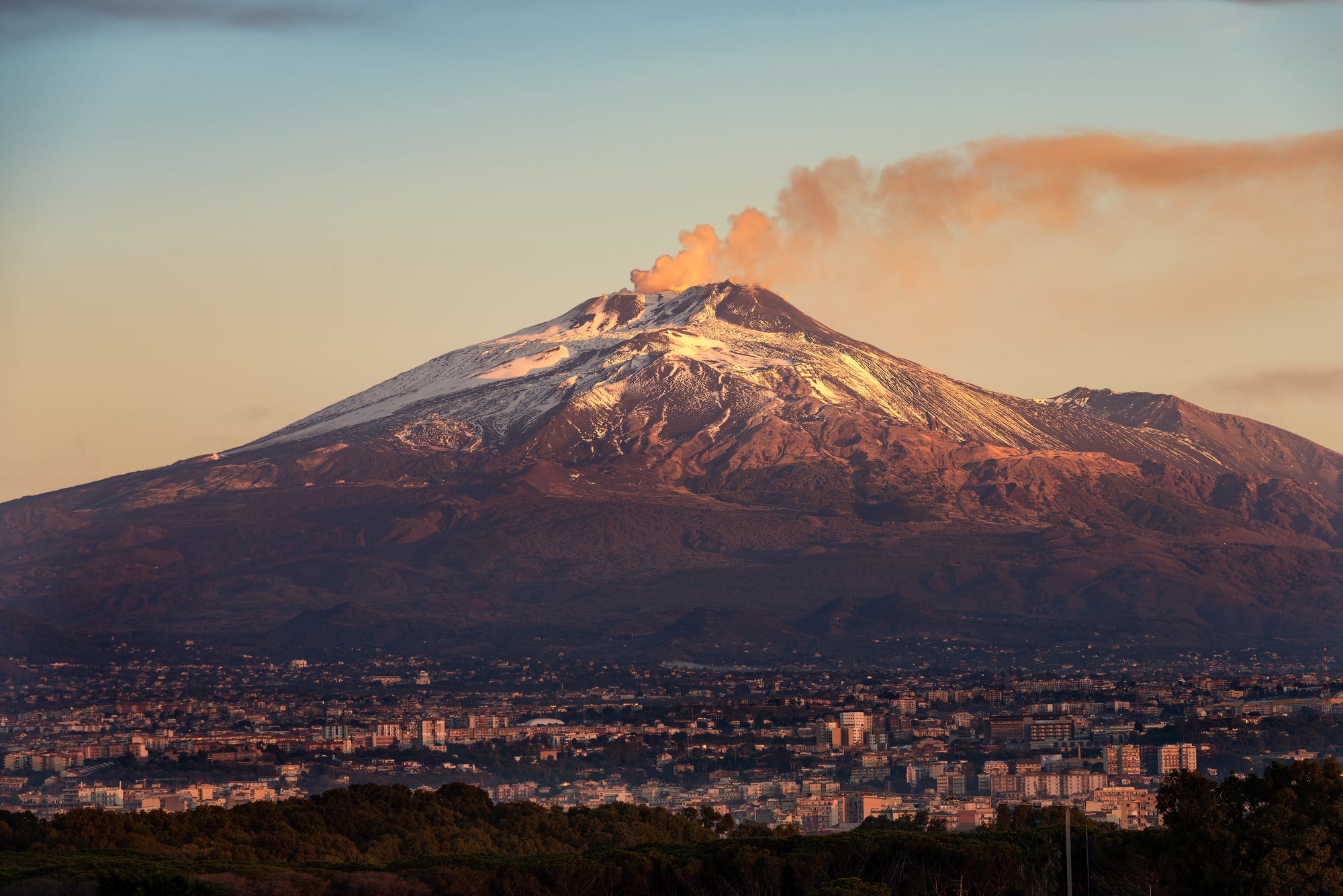
The destruction wasn’t a single explosive moment as often portrayed. The initial eruption column formed around midday on August 24th – yet the deadliest pyroclastic flows (those superheated avalanches of gas and pulverized rock) didn’t surge downslope until the following morning.
Many residents who’d survived the first day’s ashfall ultimately perished during these later eruptive phases, having waited too long to flee.
Bread Left Baking

Archaeologists uncovered 81 carbonized loaves of bread abandoned in ovens throughout the city. These remarkably preserved items – still showing scoring patterns from the bakers’ knives – reveal everyday life interrupted mid-activity.
The distinctive patterns pressed into each loaf’s surface have even allowed researchers to identify specific bakery “signatures” across different neighborhoods.
Unexpected Season

Many scholarly texts incorrectly dated the eruption to August until relatively recently. Fresh archaeobotanical evidence – including preserved seasonal fruits and activated heating braziers found in homes – strongly suggests the disaster actually occurred in October.
Autumn pomegranates and recently harvested wine stored in sealed dolia containers further support this revised timeline.
Protective Pillows

Certain victims were discovered with makeshift head protection – pillows or cloth bundles strapped awkwardly to their skulls. This improvised safety measure shows people actively responding to the initial ashfall phase as pumice stones rained down.
These hastily created helmets couldn’t save anyone from the subsequent pyroclastic surges, but they demonstrate remarkable human ingenuity during crisis.
Preserved Elections

Political campaigns were actively underway when disaster struck the city. Walls throughout Pompeii still bear electoral slogans and candidate endorsements that had been freshly painted just days earlier.
Campaign financial records indicate several ambitious politicians had recently hosted elaborate public banquets to court voters shortly before the volcanic crisis began.
Escaping Soldiers
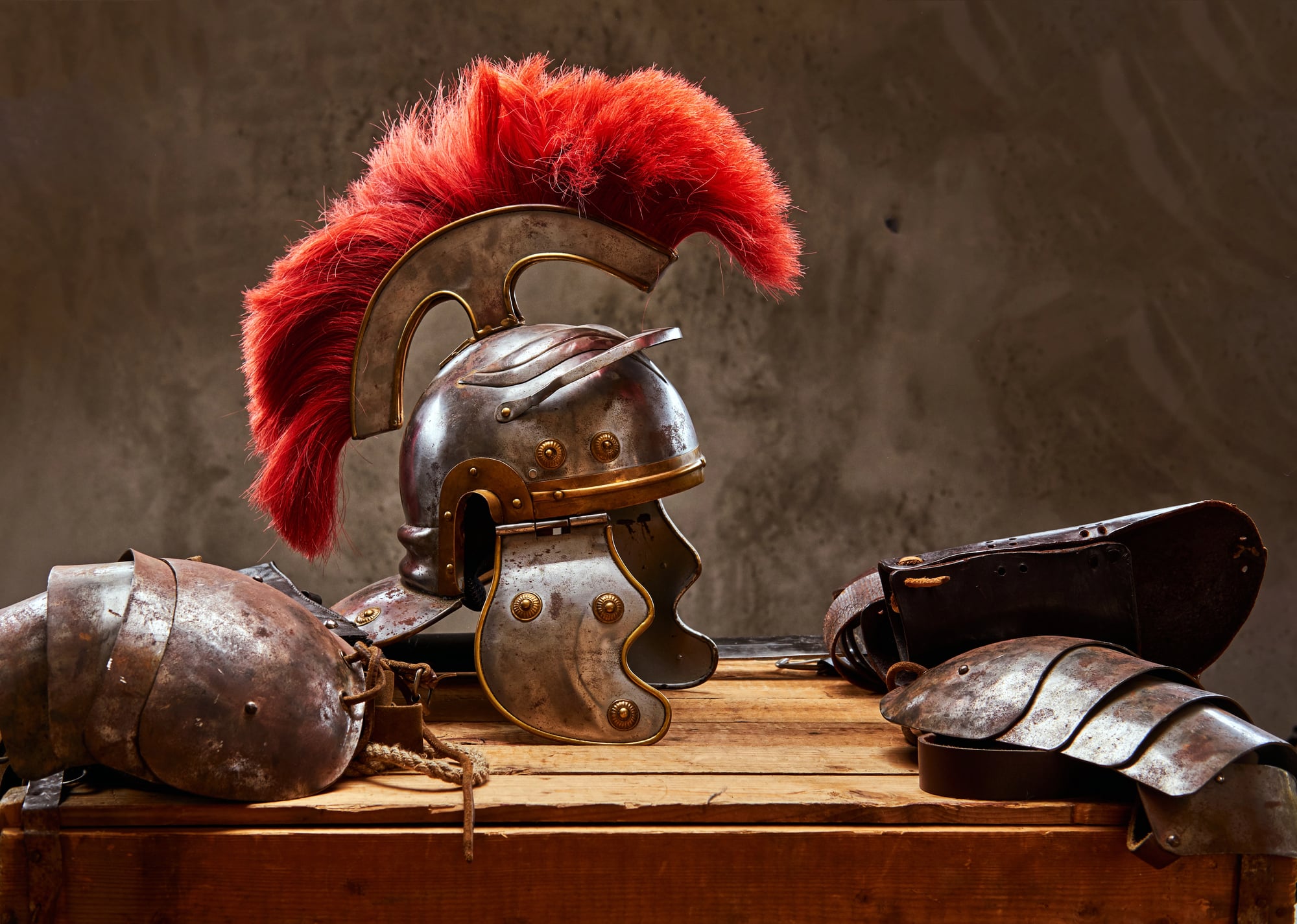
Roman military personnel didn’t simply abandon their posts in panic – they executed an orderly withdrawal. Archaeological evidence reveals the barracks were systematically emptied of valuable equipment and weapons, suggesting coordinated evacuation protocols rather than chaotic flight.
Military-issue hobnailed sandal prints heading toward the harbor show their disciplined retreat route through the unfolding catastrophe.
Undelivered Messages

Near the northern gate of the city, a courier died with important papers in his hands. This poor messenger carried sealed wax tablets filled with private letters and commercial agreements that never made it to their intended recipients.
Surprisingly intricate financial networks linking Pompeii’s economy to other Mediterranean commercial hubs are shown by the preserved materials.
Unexpected Survivors
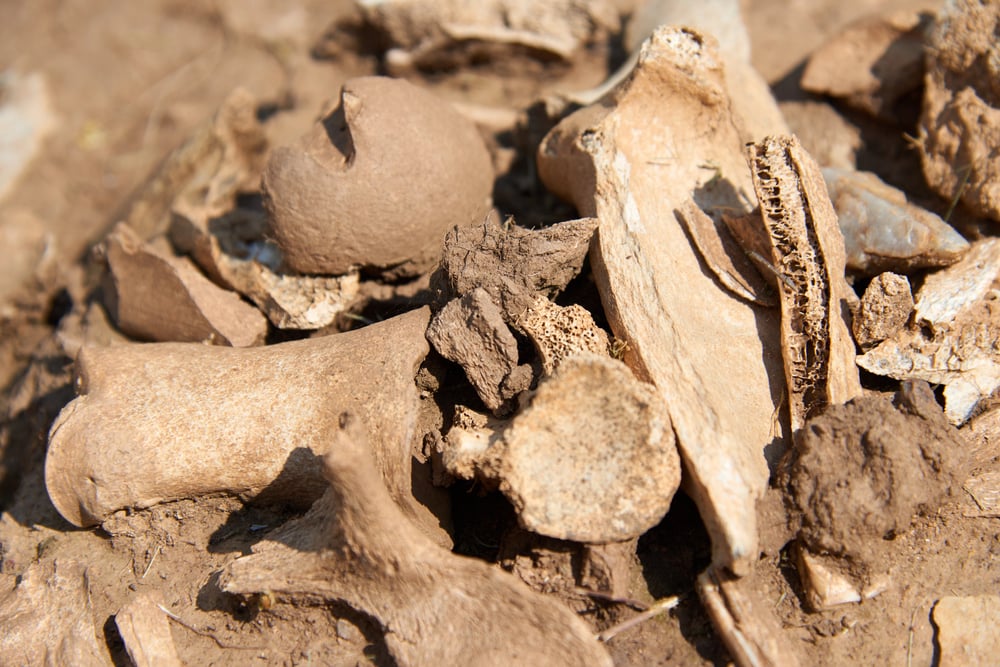
Contrary to popular belief, not everyone in Pompeii died. Historical records combined with archaeological evidence suggest as many as two-thirds of the population successfully evacuated before the most devastating phases.
Property records from nearby towns show numerous Pompeian families relocating and establishing new households, particularly in Naples and other coastal communities.
Animal Remains
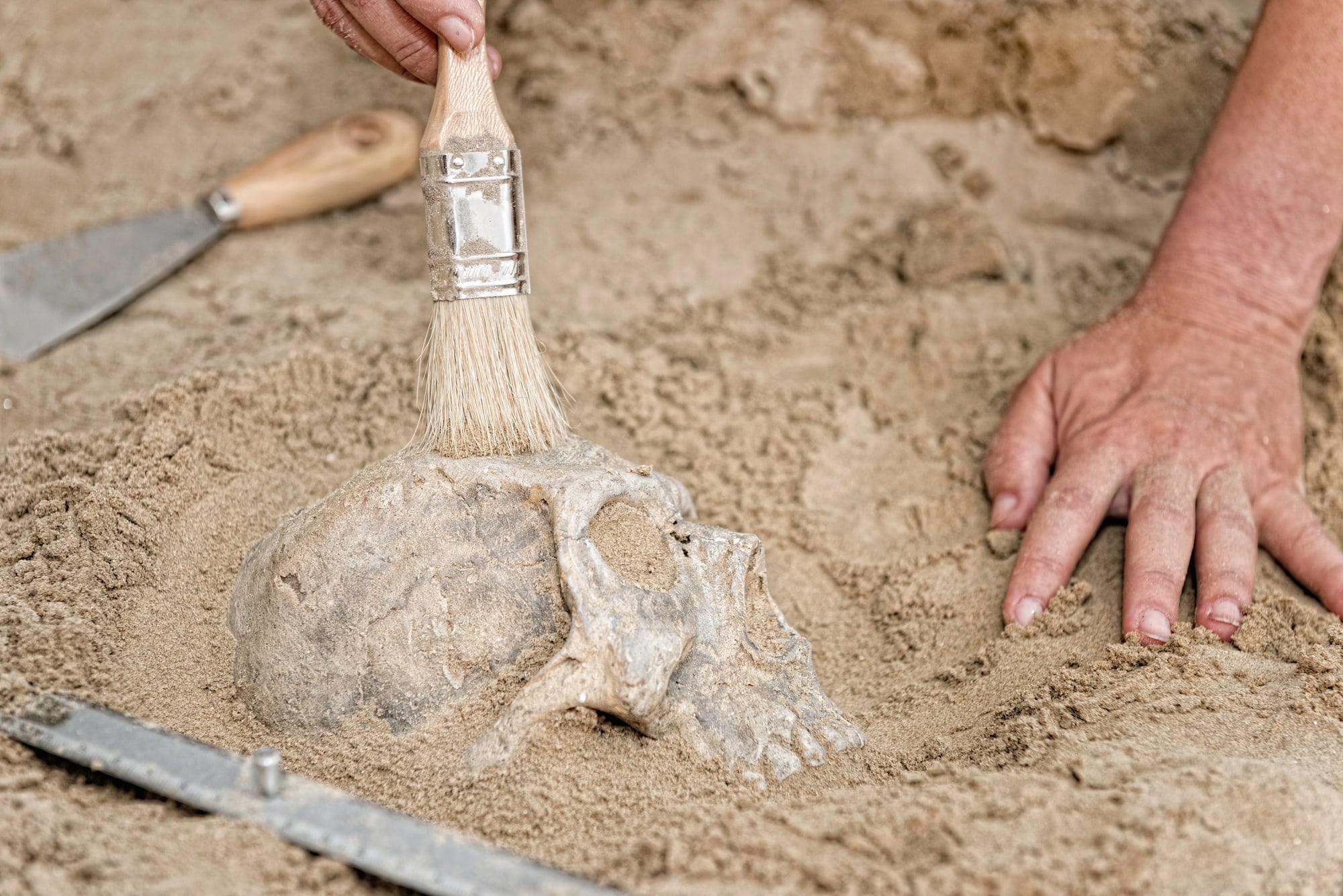
Archaeologists have found remarkably few animal remains among the ruins. Most livestock and domestic pets appear to have been evacuated or freed, with horses and mules likely used for transportation during the exodus.
The animals that remained were primarily chained guard dogs unable to escape their posts and some less-valued farm animals that couldn’t be easily transported.
Dinner Parties Interrupted

Several homes showed clear evidence of ongoing dinner parties when disaster struck. Tables set with elaborate serving dishes and half-consumed meals tell a story of socializing suddenly halted.
Wine cups still containing residue suggest the elite were enjoying typical evening entertainment when the mountain began its catastrophic eruption.
Redirected Water Systems
Underground water systems that had provided the area with water for generations were totally diverted by the eruption. The tremendous geological instability caused natural springs and ancient aqueducts to change their path or disappear completely.
Since returning survivors found no dependable water sources were still present in the buried landscape, this hydrological alteration delayed efforts at immediate resettlement.
Looted Treasures
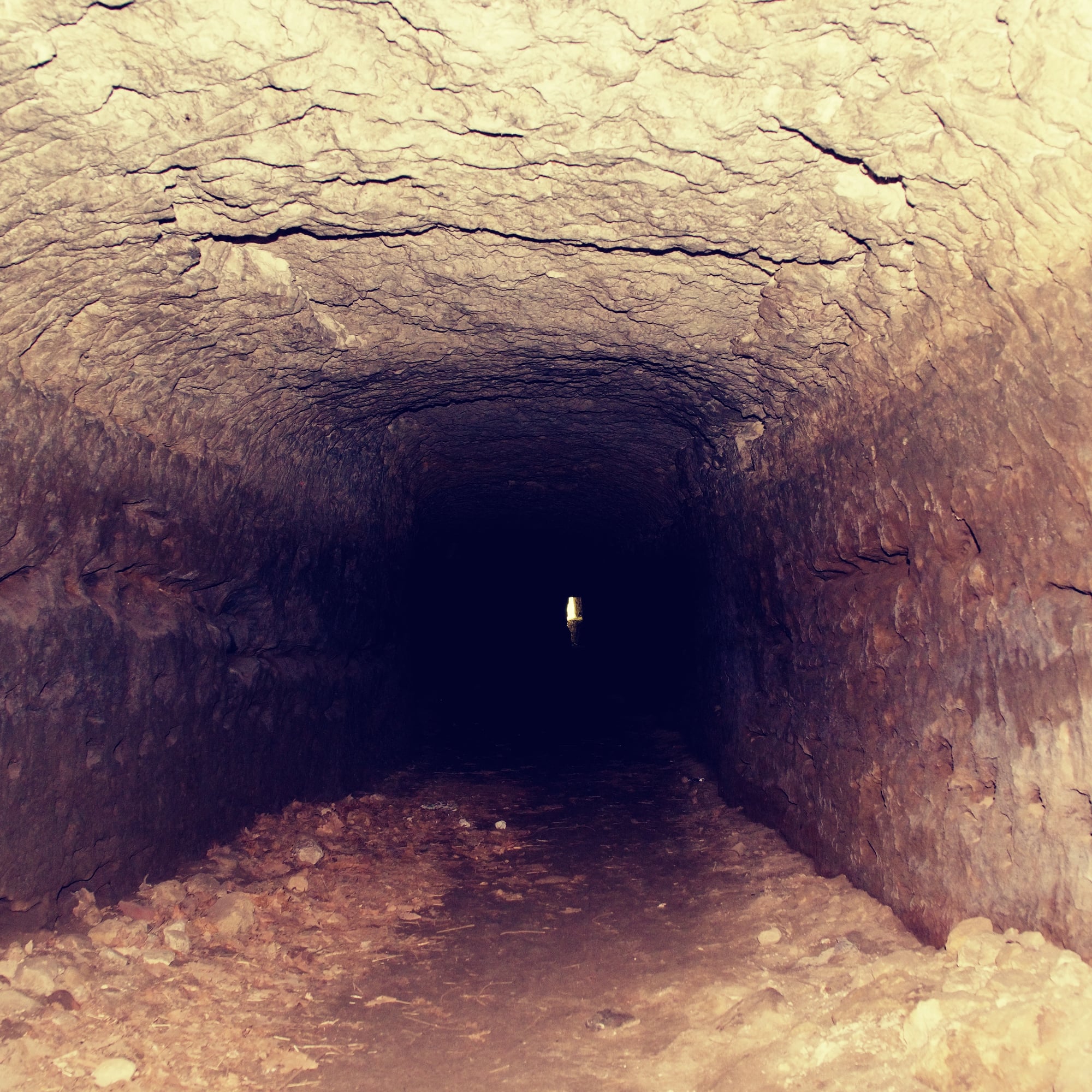
Considerable evidence of systematic looting appears throughout the excavated site. Narrow tunnels dug through ash layers and walls indicate that survivors returned to recover valuables in the aftermath.
Some bodies were discovered in unnatural positions within these tunnels, suggesting that secondary collapses claimed the lives of these determined treasure hunters as they searched for family heirlooms and valuables.
Imperial Response

Emperor Titus launched what historians now recognize as one of antiquity’s first coordinated disaster relief programs. The Roman government established a special fund for survivors, temporarily waived taxes in the affected region, and redirected public building money toward emergency housing construction.
Ancient administrative records indicate this assistance continued for several years following the catastrophe.
Shadows of the Past
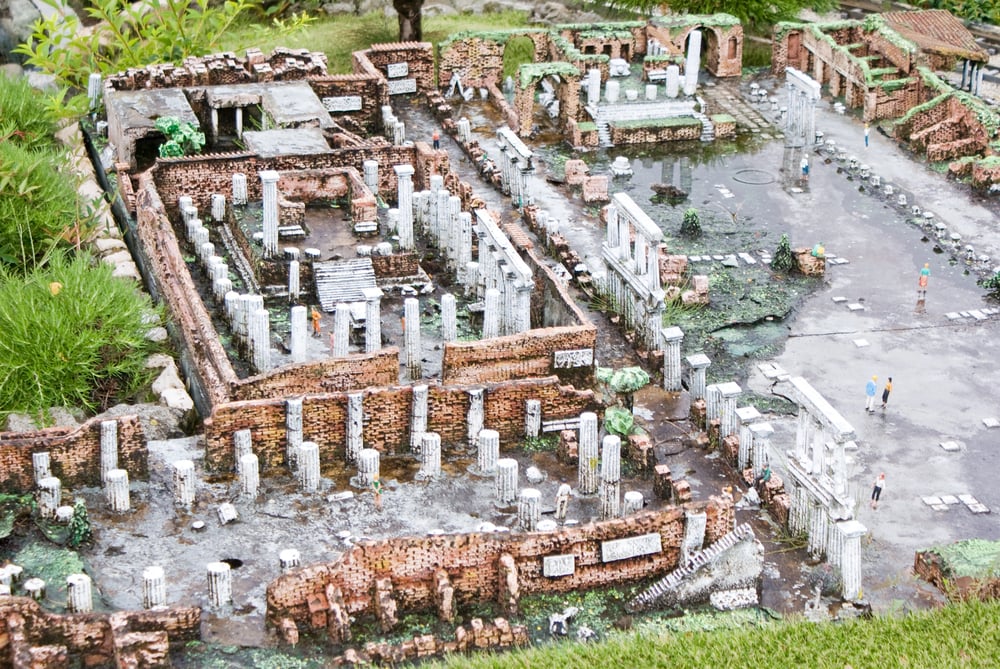
The destruction of Pompeii fundamentally altered Roman cultural attitudes toward Vesuvius. What locals had once considered a benevolent fertile land gained an ominous reputation, with Romans developing new religious practices specifically to appease what they now viewed as an angry mountain deity.
The psychological and cultural legacy of that single day continues to influence how societies understand both natural disasters and the inherent vulnerability of human settlements in volcanically active regions.
More from Go2Tutors!

- 16 Historical Figures Who Were Nothing Like You Think
- 12 Things Sold in the 80s That Are Now Illegal
- 15 VHS Tapes That Could Be Worth Thousands
- 17 Historical “What Ifs” That Would Have Changed Everything
- 18 TV Shows That Vanished Without a Finale
Like Go2Tutors’s content? Follow us on MSN.