Photos Of 13 Discontinued Candies We Crave
Nothing hits quite like the memory of a candy that no longer exists. You know the feeling — that sudden flash of wanting something you can’t have, triggered by a random conversation or an old commercial.
These discontinued treats didn’t just disappear from shelves; they took a piece of childhood with them.
PB Max
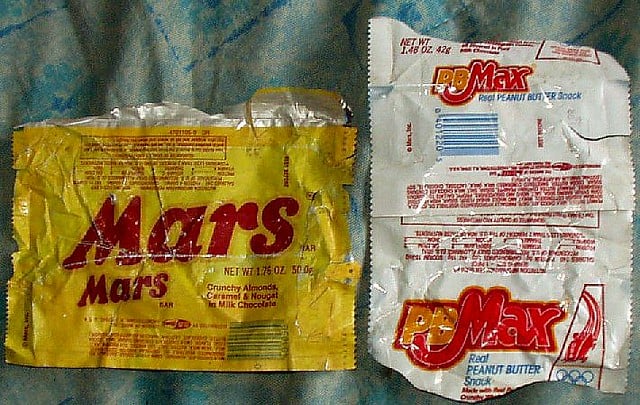
Forget everything you think you know about the perfect peanut butter candy bar. Mars created PB Max in 1989 and it delivered exactly what the name promised — maximum peanut butter in every bite.
The bar combined peanut butter, oats, and whole grain cookie pieces, all covered in milk chocolate.
But here’s the thing that still stings: Mars discontinued it in 1994, not because people didn’t love it, but because the company wanted to focus on other brands. Sometimes corporate decisions feel personal.
Jell-O Pudding Pops
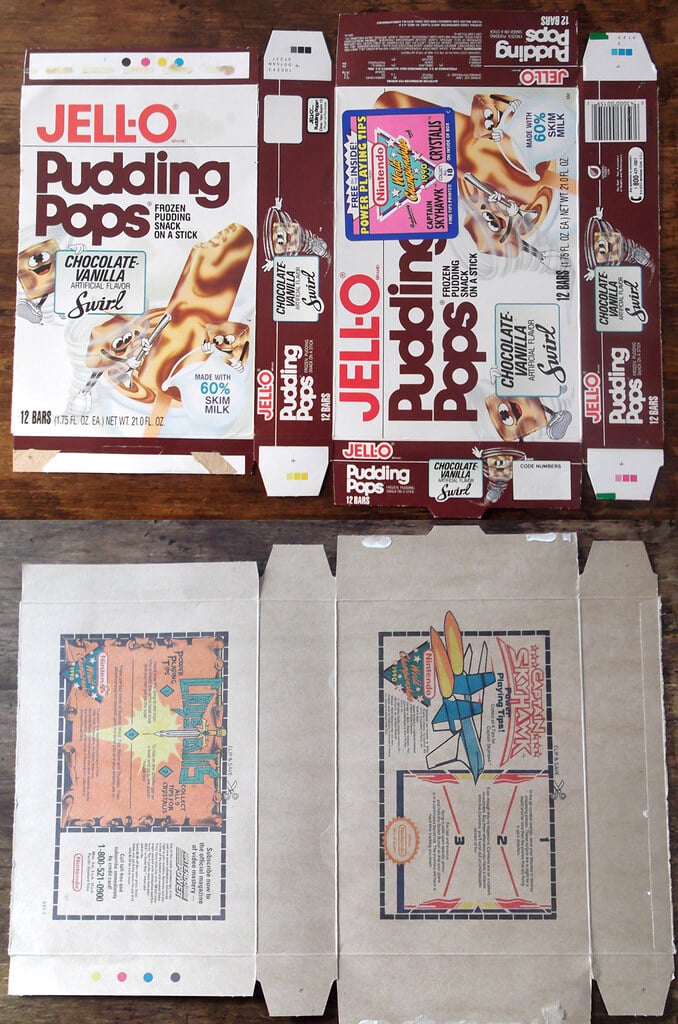
Bill Cosby might have been the spokesperson (and that’s complicated now), but Jell-O Pudding Pops transcended celebrity endorsements to become a legitimate summer obsession. These weren’t just frozen pudding on a stick — though that would have been enough — they had this creamy texture that regular popsicles couldn’t match, and the chocolate swirl version was basically frozen perfection that melted at exactly the right pace (which, if you think about it, is what separated the great frozen treats from the merely adequate ones).
So naturally, they disappeared. And yes, you can find knockoff versions now, but they’re missing whatever magic the originals possessed — that specific density, that particular way the chocolate distributed itself throughout each bite.
The original formula disappeared in the early 2000s, and despite various comeback attempts, nothing has quite captured that exact combination of creamy and frozen that made the originals irreplaceable.
Reggie Bar
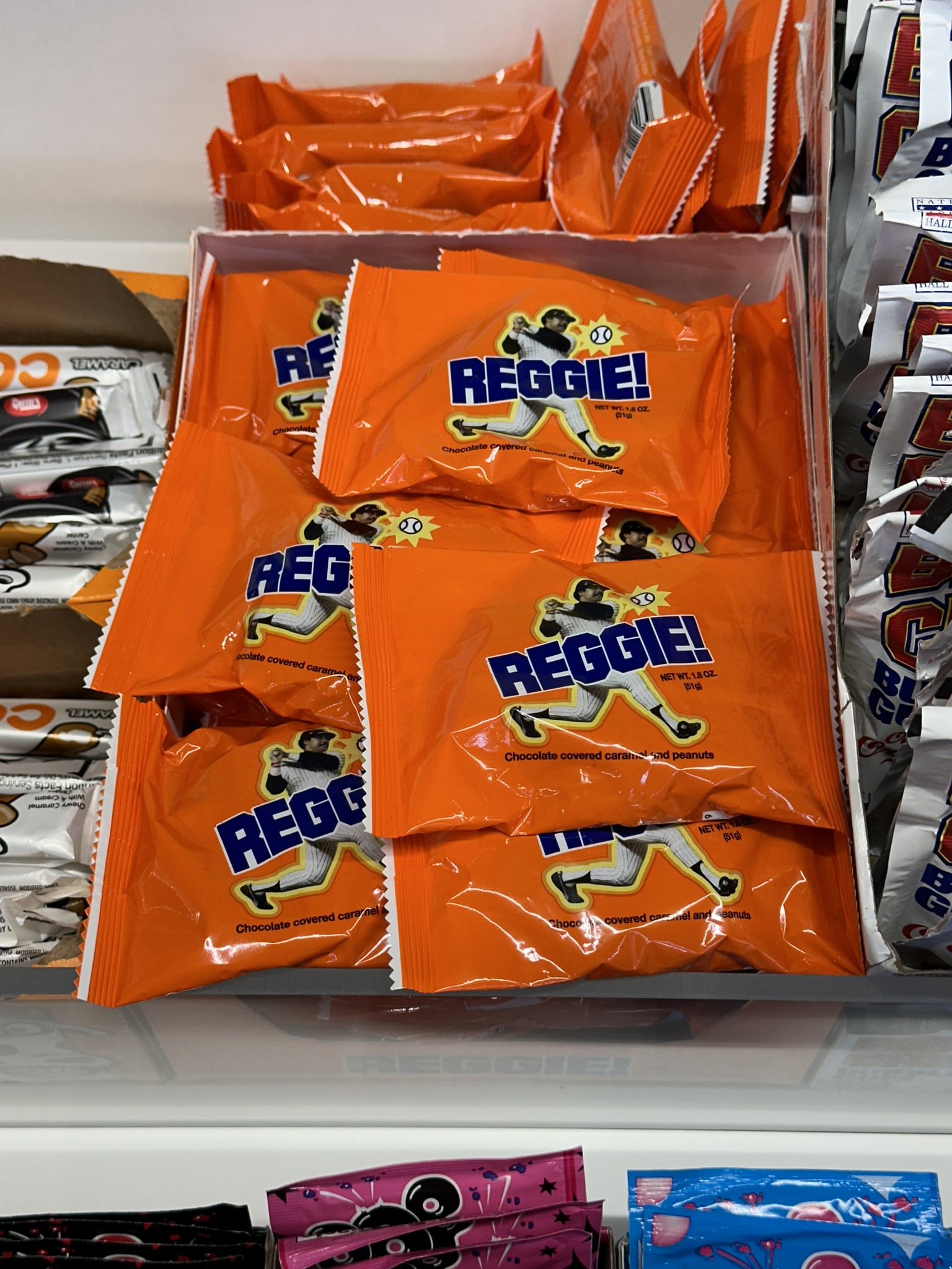
Named after baseball legend Reggie Jackson, this candy bar was swagger wrapped in chocolate. The Reggie Bar launched in 1978 and packed peanuts and caramel into a milk chocolate shell.
It wasn’t subtle — much like its namesake — and that was the entire point.
The bar lasted until the mid-1980s, when it quietly faded from shelves. Jackson himself was known for his confidence, and this candy matched that energy perfectly.
Sometimes you want a candy bar that knows exactly what it is.
Bonkers
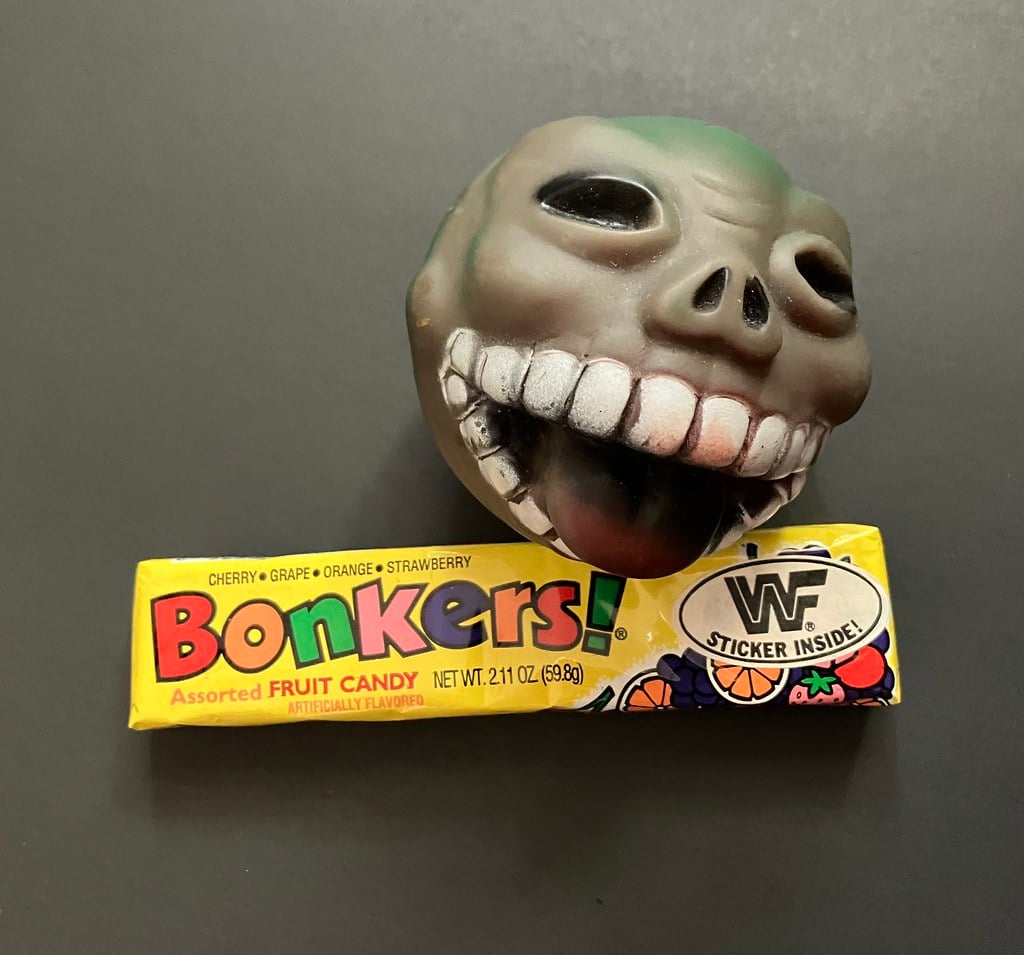
Bonkers lived up to its name in the most literal way possible. These fruit chews didn’t just taste like fruit — they announced themselves with an intensity that bordered on aggressive.
The commercials showed people getting bonked on the head by giant fruit, which was honestly pretty accurate advertising.
The chewy texture had this particular resistance that made each piece feel substantial. You couldn’t mindlessly pop these like other candies.
Bonkers demanded attention, and that might have been exactly why they worked so well in the first place.
Butterfinger BB’s
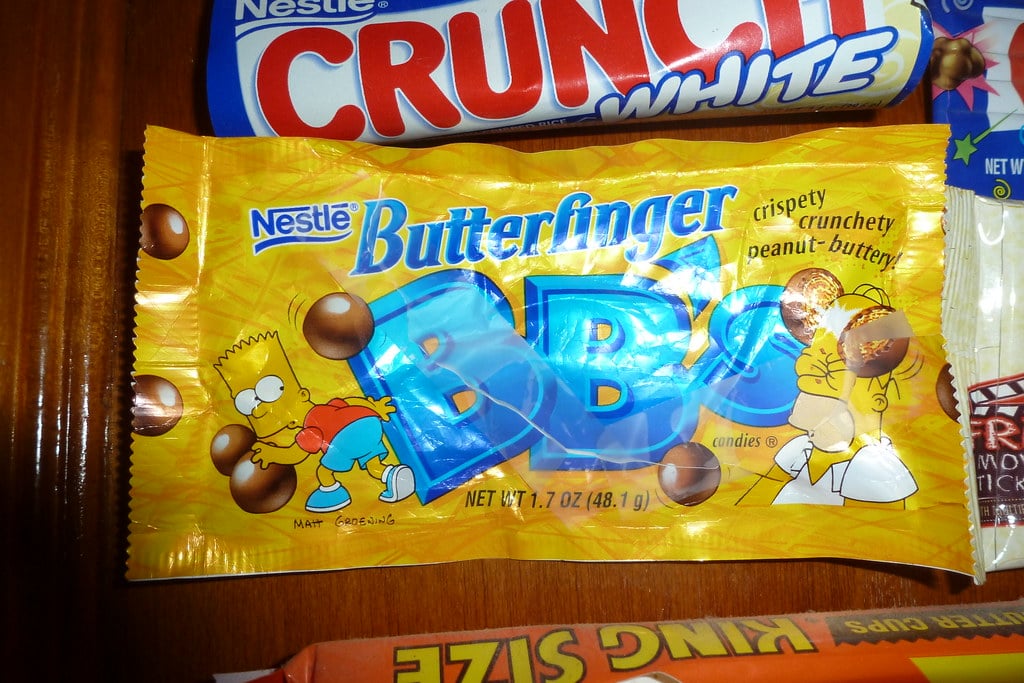
Butterfinger BB’s were what happened when someone looked at the regular Butterfinger bar and thought, “This needs to be smaller and more addictive.” These bite-sized spheres packed all the crispy, peanut buttery crunch of the original into a format that made portion control essentially impossible.
The beauty was in the ratio — more chocolate coating per bite compared to the full-size bar. Each piece delivered that distinctive Butterfinger crunch without requiring you to navigate around the sometimes awkward shape of the regular bar.
They disappeared in 2006, leaving behind only regret and empty fingers.
Trix Yogurt
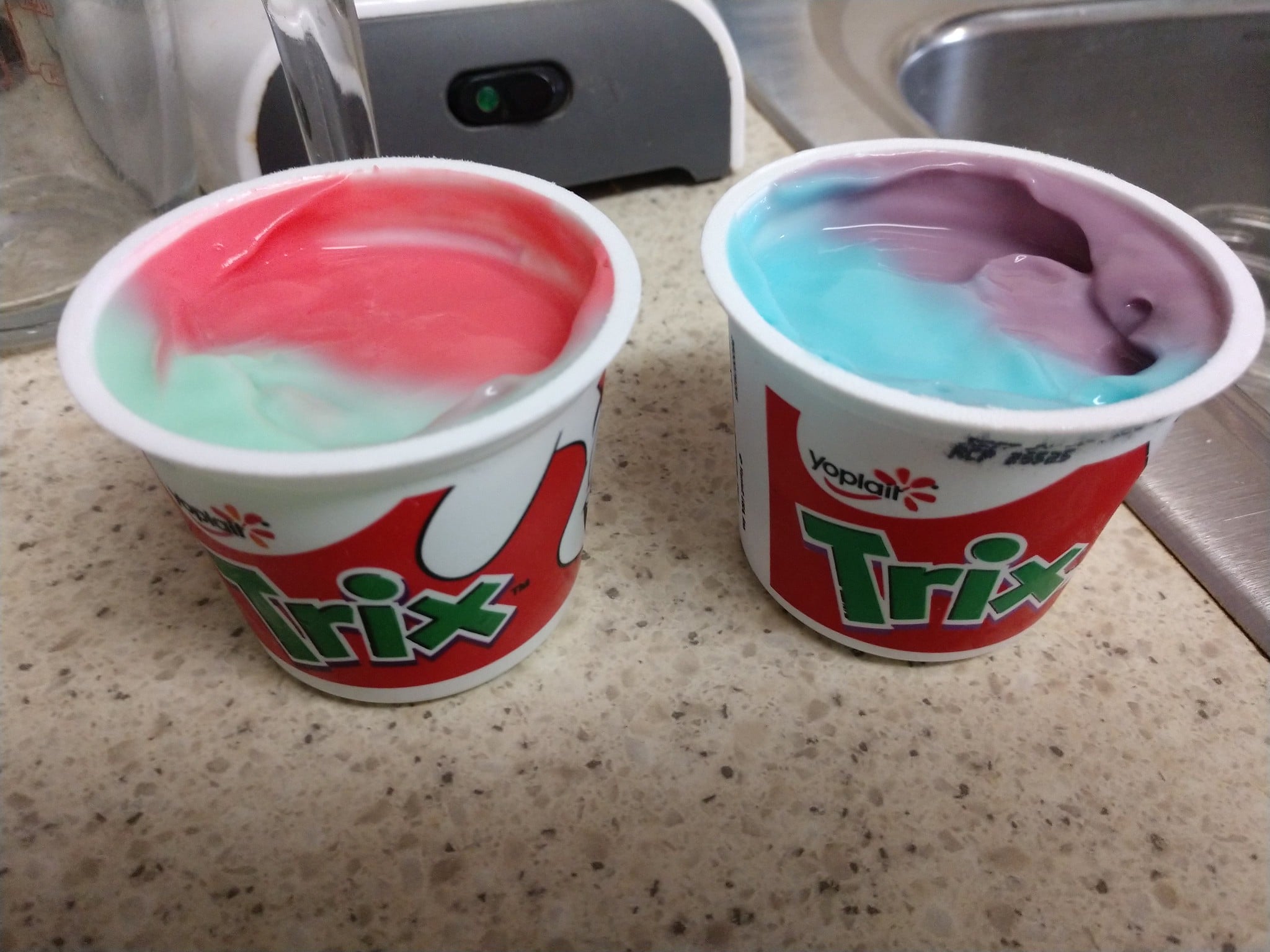
Trix Yogurt wasn’t trying to be healthy — it was Trix cereal in yogurt form, and it knew exactly what it was doing. The swirled colors matched the cereal perfectly, and somehow General Mills managed to translate those artificial fruit flavors into a dairy product that actually worked, which is more impressive than it sounds when you really think about the logistics involved (getting yogurt to taste like rainbow-colored cereal pieces without losing what makes yogurt appealing in the first place requires a certain kind of food science wizardry).
Kids could have cereal for breakfast and then essentially have more cereal disguised as a snack later. Pure genius.
The discontinuation felt particularly cruel because it eliminated one of the few times a cereal brand successfully crossed into other food categories. And no, the brief comeback attempts never quite captured the original magic — the colors weren’t as vibrant, the flavors weren’t as bold.
Pizzarias
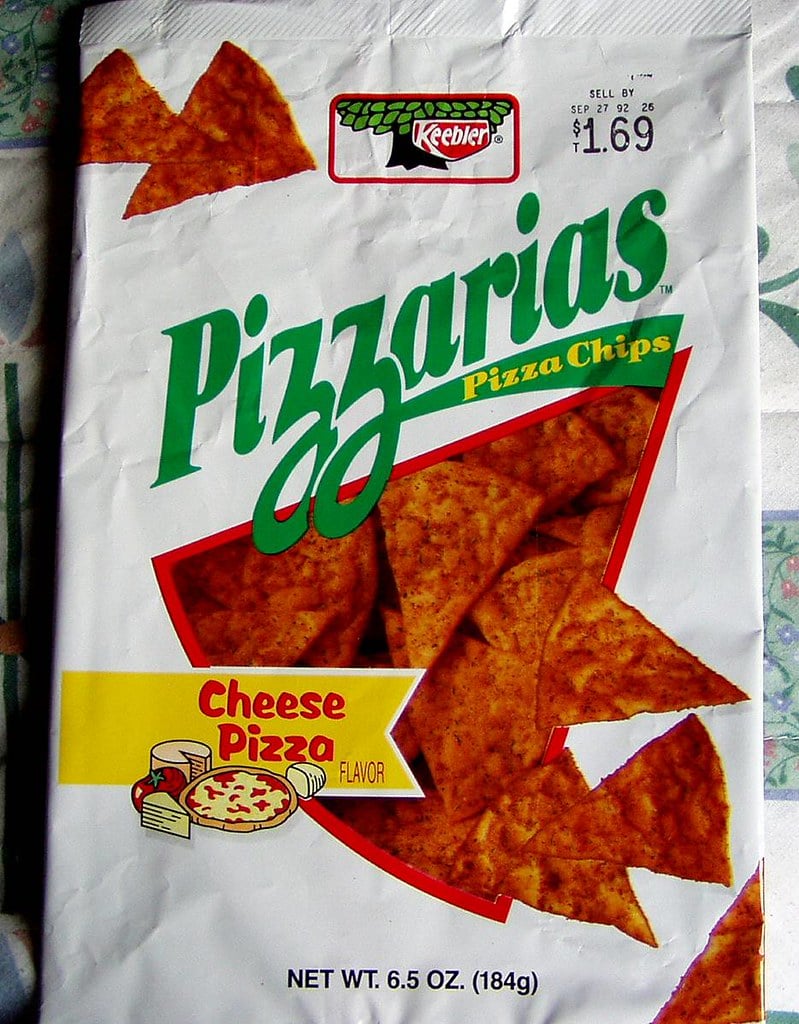
Pizza-flavored chips shouldn’t work as well as Pizzarias did. Keebler created these in the late 1980s, and they managed to capture the essence of pizza in chip form without feeling gimmicky.
The flavor was complex enough to be convincing — hints of tomato, cheese, and herbs that actually resembled pizza rather than just tasting vaguely Italian.
The texture was crucial too. These weren’t just regular chips with pizza seasoning dumped on top.
They had a specific crunch and density that made each bite feel substantial. When Keebler discontinued them in the early 2000s, they left behind a pizza chip-shaped void that no other brand has managed to fill.
Dunkaroos
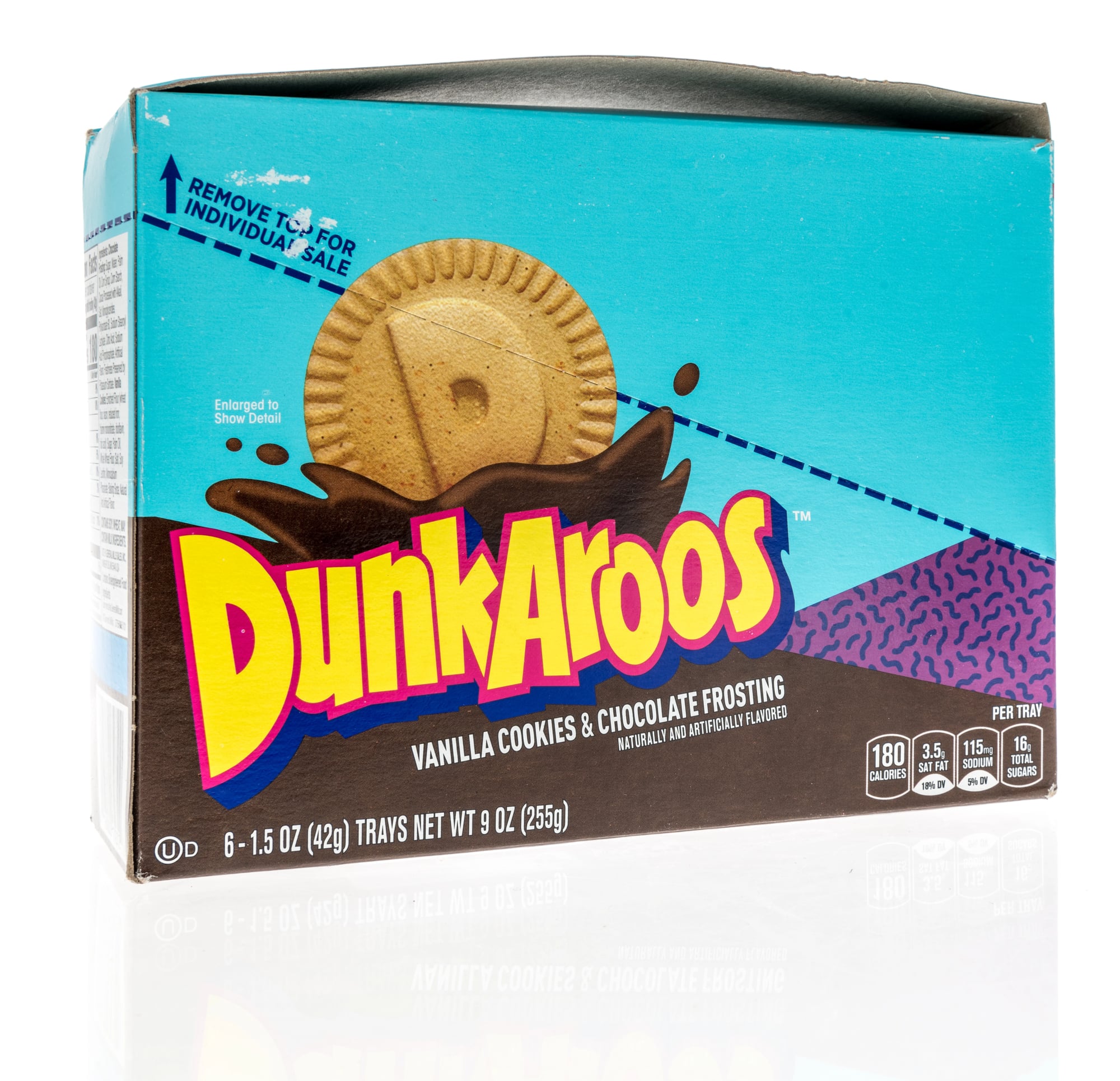
Dunkaroos understood something fundamental about human nature: people like to play with their food, especially when that play involves dipping cookies into frosting until the ratio becomes completely unreasonable. Nabisco packaged these with small cookies and a container of frosting, creating what was essentially an interactive dessert experience that felt both indulgent and somehow participatory (because you controlled how much frosting ended up on each cookie, which gave you the illusion of restraint even when you inevitably ate straight frosting with a cookie as a spoon).
The cookies themselves were perfectly plain, designed specifically to be vehicles for the frosting rather than standalone treats.
When they disappeared from American shelves in 2012 (though they lingered in Canada longer, which felt like adding insult to injury), it eliminated one of the few times a snack company actively encouraged you to make a mess.
Sometimes the best products are the ones that give you permission to eat like a five-year-old.
Crystal Pepsi
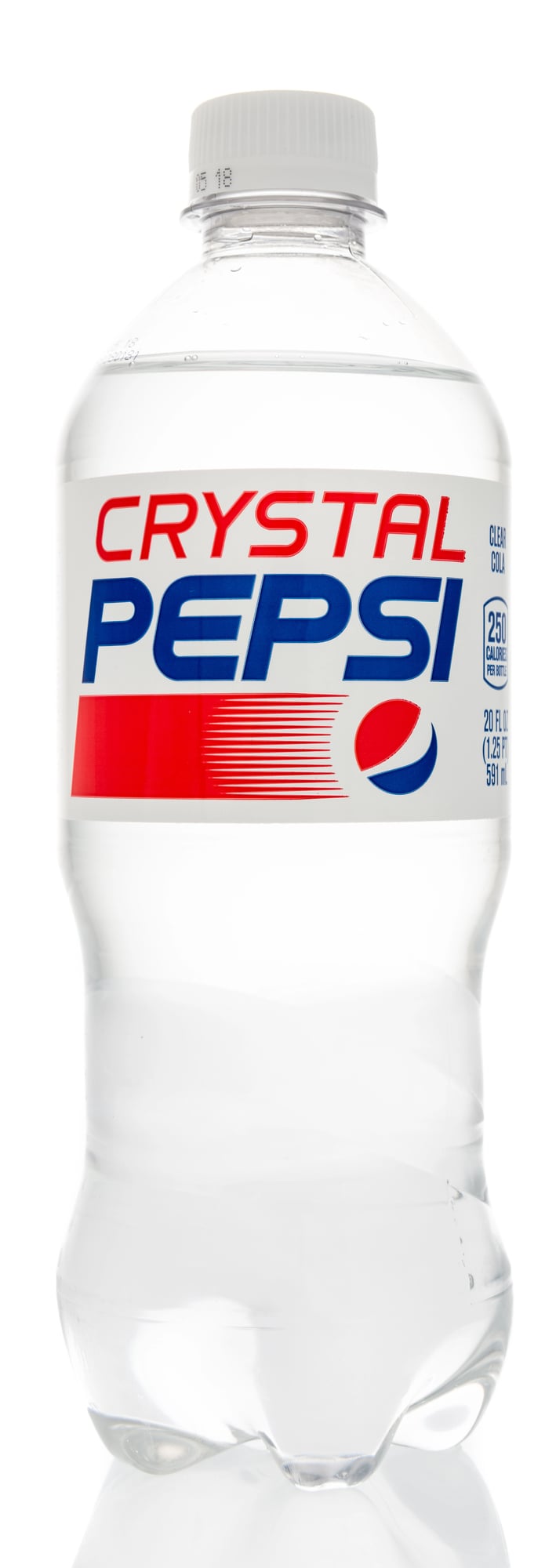
Crystal Pepsi was either ahead of its time or completely wrong for any time, depending on how you look at it. Pepsi stripped away the caramel color and created a clear cola that tasted like regular Pepsi but looked like Sprite.
The disconnect was intentional and unsettling in the best way.
The 1992 launch felt like drinking the future. Clear meant clean, or at least that’s what the marketing suggested.
The taste was familiar enough to be comforting but the appearance was strange enough to make each sip feel like a small act of rebellion. When it disappeared after just a year, it took with it the idea that soda could surprise you.
Hi-C Ecto Cooler
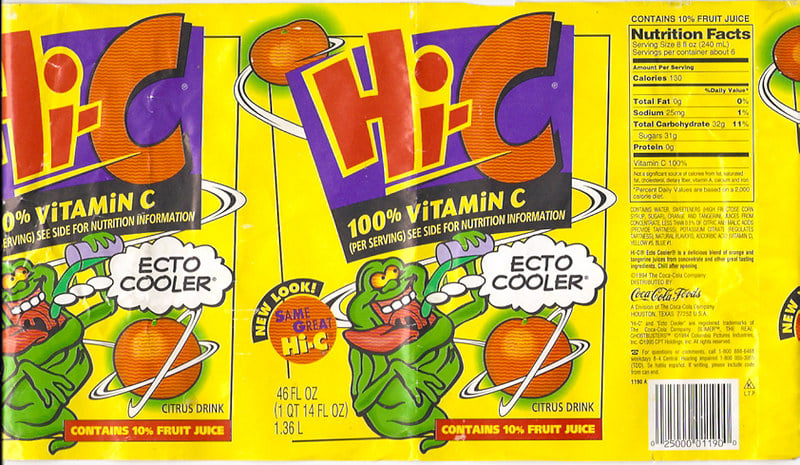
Ecto Cooler existed purely because of Ghostbusters, but it transcended its marketing origins to become something genuinely beloved. Hi-C created this green, citrus-flavored drink that was supposedly slime-inspired, and somehow that concept resulted in one of the most memorable flavors of the 1980s.
The color was aggressively artificial — a green that didn’t exist in nature — but the taste was surprisingly sophisticated.
It wasn’t just sugar and food coloring; there was actual citrus complexity underneath the cartoon branding. When Ghostbusters faded from cultural relevance, Ecto Cooler went with it, proving that sometimes the best products are the ones tied to specific moments in time.
Surge
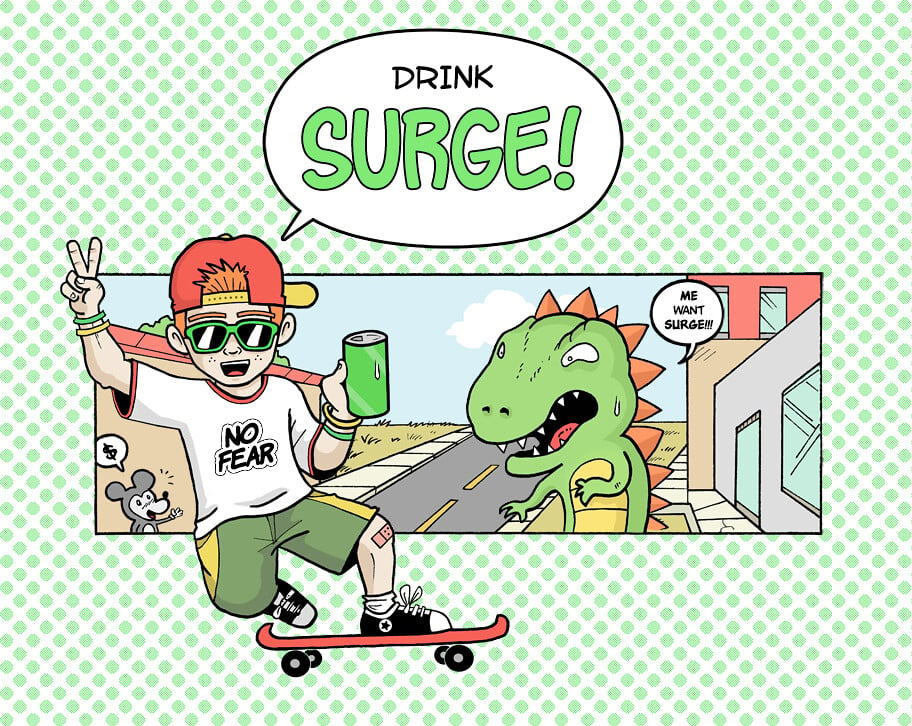
Surge was Mountain Dew’s angrier, more caffeinated cousin, and it wore that intensity like a badge of honor. Coca-Cola launched it in 1997 as a direct competitor to Mountain Dew, but Surge had more attitude and more caffeine — this was soda with something to prove, marketed specifically to teenagers who wanted their beverages to match their energy levels (which, in the late 1990s, was apparently somewhere between “hyperactive” and “potentially dangerous”).
The green can and aggressive advertising made it clear this wasn’t for casual soda drinkers.
The flavor was citrus-forward but with a sharpness that regular sodas avoided. It tasted like it meant business.
When Coca-Cola discontinued it in 2003, it eliminated the only soda that successfully marketed itself as genuinely extreme rather than just pretending to be.
Fruitopia
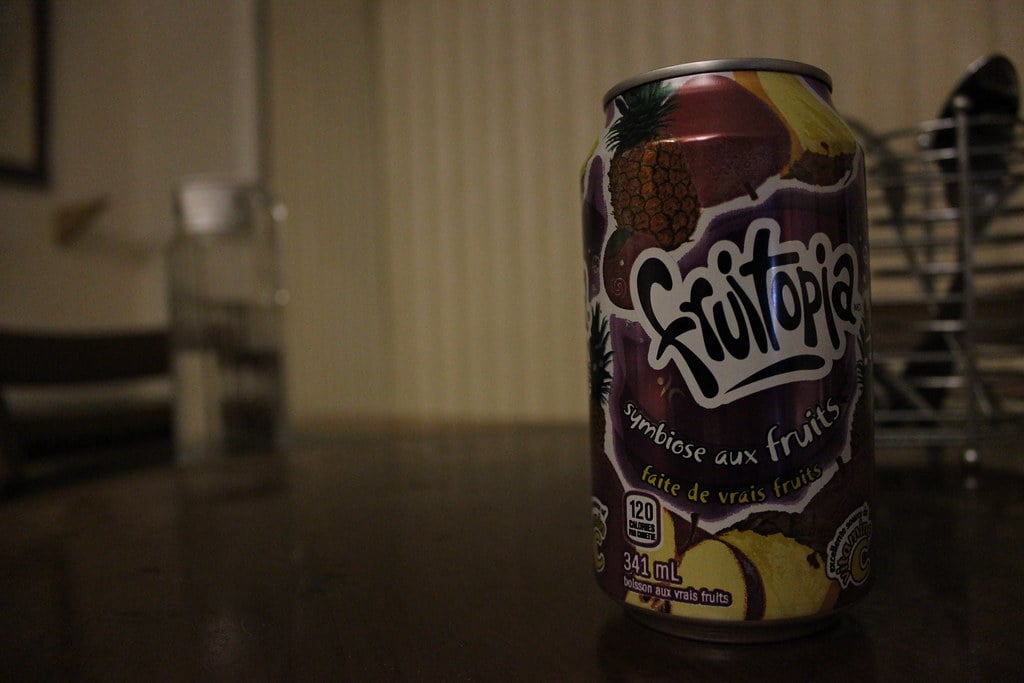
Fruitopia was what happened when Coca-Cola tried to capture the psychedelic 1960s in beverage form during the mid-1990s. The flavors had names like “Strawberry Passion Awareness” and “Citrus Consciousness,” and somehow the drinks actually lived up to the trippy marketing.
These weren’t just fruit drinks — they were fruit drinks with philosophical aspirations.
The flavors were complex and layered in ways that regular fruit beverages avoided. Each bottle felt like a small adventure rather than just a thirst-quencher.
The brand disappeared by 2003, taking with it the idea that beverages could be both refreshing and mildly mind-expanding.
Butterfinger Crisp
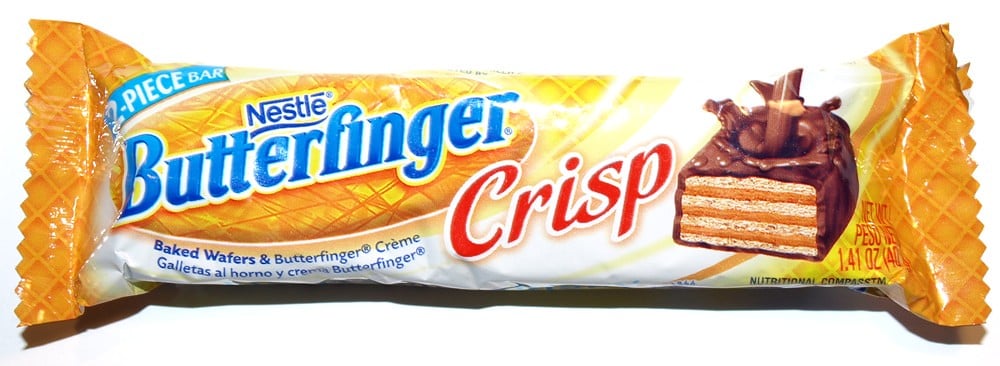
The Butterfinger Crisp took everything great about the original Butterfinger and reimagined it as a wafer bar. Instead of the dense, sticky interior of the regular bar, the Crisp used light, airy wafers layered with that distinctive peanut butter mixture and covered in chocolate.
The texture was completely different but the flavor was unmistakably Butterfinger.
The wafer format made it easier to eat without the structural challenges of the original bar — no more having pieces break off unexpectedly. Ferrero discontinued it in 2020, and honestly, it felt like losing the more sophisticated version of a childhood favorite.
Sweet Memories That Stick Around
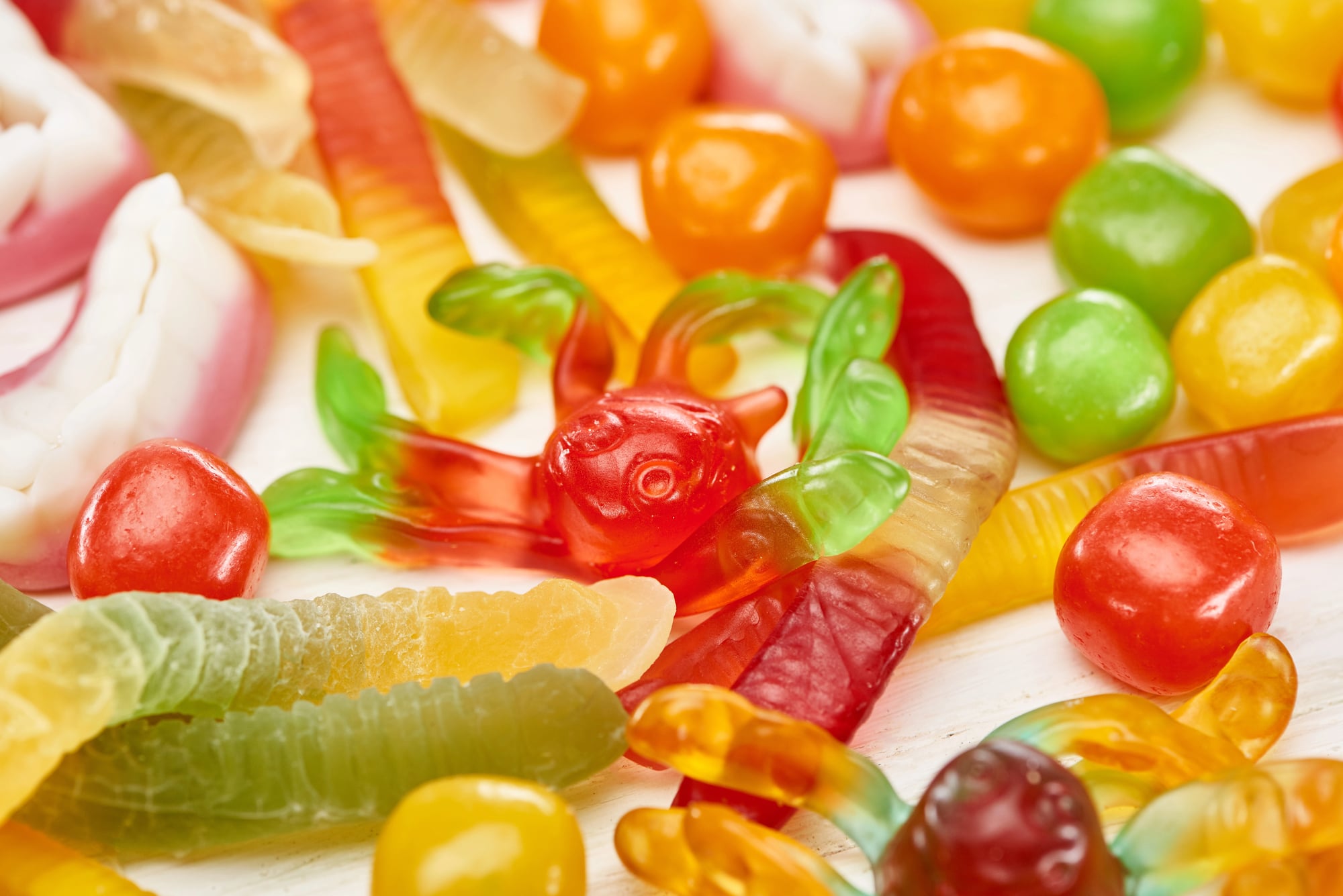
The thing about discontinued candies is how they linger in your memory with perfect clarity while everything else fades. You can probably still taste that first bite of PB Max or remember the exact texture of a Pudding Pop melting on your tongue.
These weren’t just snacks — they were small, sweet anchors to specific moments in time that feel more distant now that you can’t buy them at the corner store anymore.
More from Go2Tutors!

- The Romanov Crown Jewels and Their Tragic Fate
- 13 Historical Mysteries That Science Still Can’t Solve
- Famous Hoaxes That Fooled the World for Years
- 15 Child Stars with Tragic Adult Lives
- 16 Famous Jewelry Pieces in History
Like Go2Tutors’s content? Follow us on MSN.