Photos Of 15 Forgotten Towns in the West
Out in the wide spaces of the American West, settlements popped up fast. One day empty ground, next thing you know – busy streets.
A sudden find underground, maybe silver or gold, often started it all. Rail lines pushing through brought more people every week.
Work drew crowds like nothing else could. Buildings made of wood appeared quickly, slapped together but full of purpose.
Inside those rooms, business hummed. Rooms for rent were never empty.
News sheets hit the street each morning shouting bright futures. Folks believed things would stay that way.
Still, plenty of those places started without much to stand on. Once the gold ran low, or silver lost its worth, or roads shifted travel far away, people simply left.
Now only cracked walls, peeling letters, and empty lanes catching breeze stay behind. A glance back reveals 15 quiet Western towns – spots once full of drive, today silent proof of how fast luck can change.
Bodie

Bodie sits high in California’s Sierra Nevada, once booming during the gold rush. Come the late 1870s, close to 10,000 called it home.
Along its dusty roads, saloons stood shoulder to shoulder. Violence lingered in the air while fortunes rose overnight.
One by one, the gold seams ran empty, then hope slipped away too. Flames chewed through rooftops while snow piled high, piling on the struggle.
Now, many structures stand frozen mid-fall, caught between ruin and memory. Inside, chairs sit untouched, glass jars line shelves, coats hang limp – like time paused just after everyone left.
Silence holds what voices once filled.
Rhyolite

Rhyolite, Nevada, flourished briefly during the gold boom of the early 1900s. Investors poured money into concrete buildings, an opera house, and a three-story bank.
Electric lights illuminated its streets, signaling confidence in lasting success. The optimism proved short-lived.
Within a few years, declining ore production triggered a rapid exodus. The skeletal remains of the bank building still stand against the desert sky, its empty window frames offering a stark outline of what once seemed unstoppable.
St. Elmo
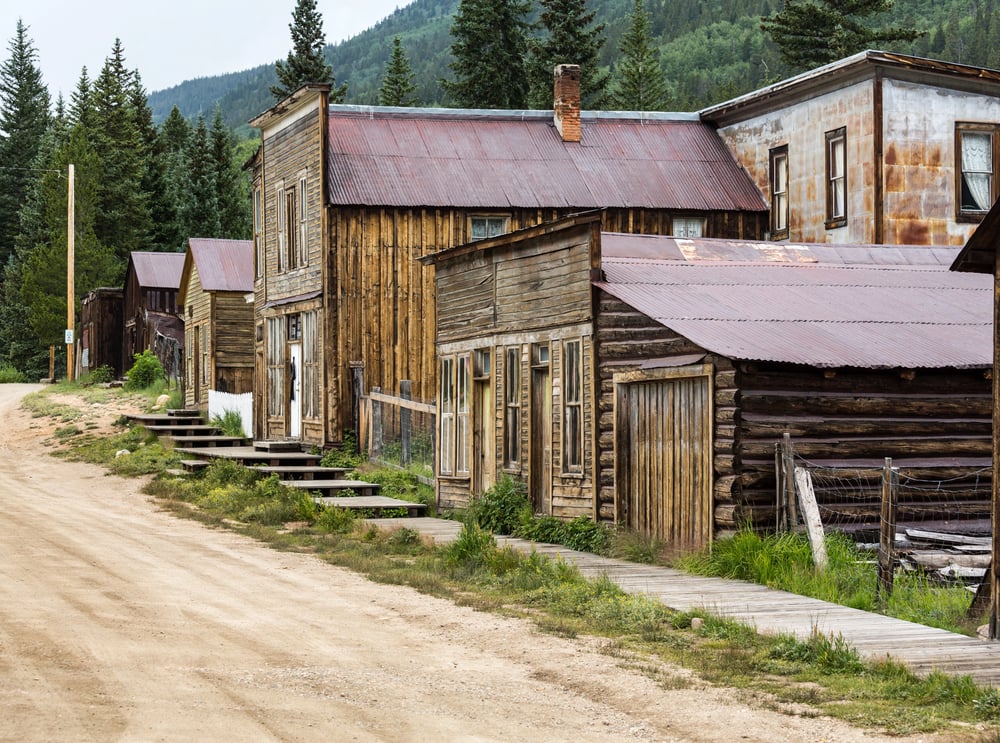
Nestled in Colorado’s Rocky Mountains, St. Elmo thrived during the silver mining surge of the late 19th century. It served as a supply hub and rail stop, supporting nearby mines and travelers passing through.
When the railroad ceased operations in the 1920s, the town’s economic lifeline disappeared. Businesses shuttered, and residents gradually left.
Today, its wooden storefronts remain surprisingly intact, framed by mountain peaks that have outlasted every boom and bust.
Virginia City

Virginia City, Montana, sprang to life in 1863 after a major gold discovery. Within months, tents gave way to wooden buildings, and the town became a bustling center of commerce.
Although partially preserved and visited by tourists, its current population is a fraction of what it once was. Boardwalks and historic saloons remain as physical echoes of a time when miners believed the surrounding hills would yield riches indefinitely.
Garnet
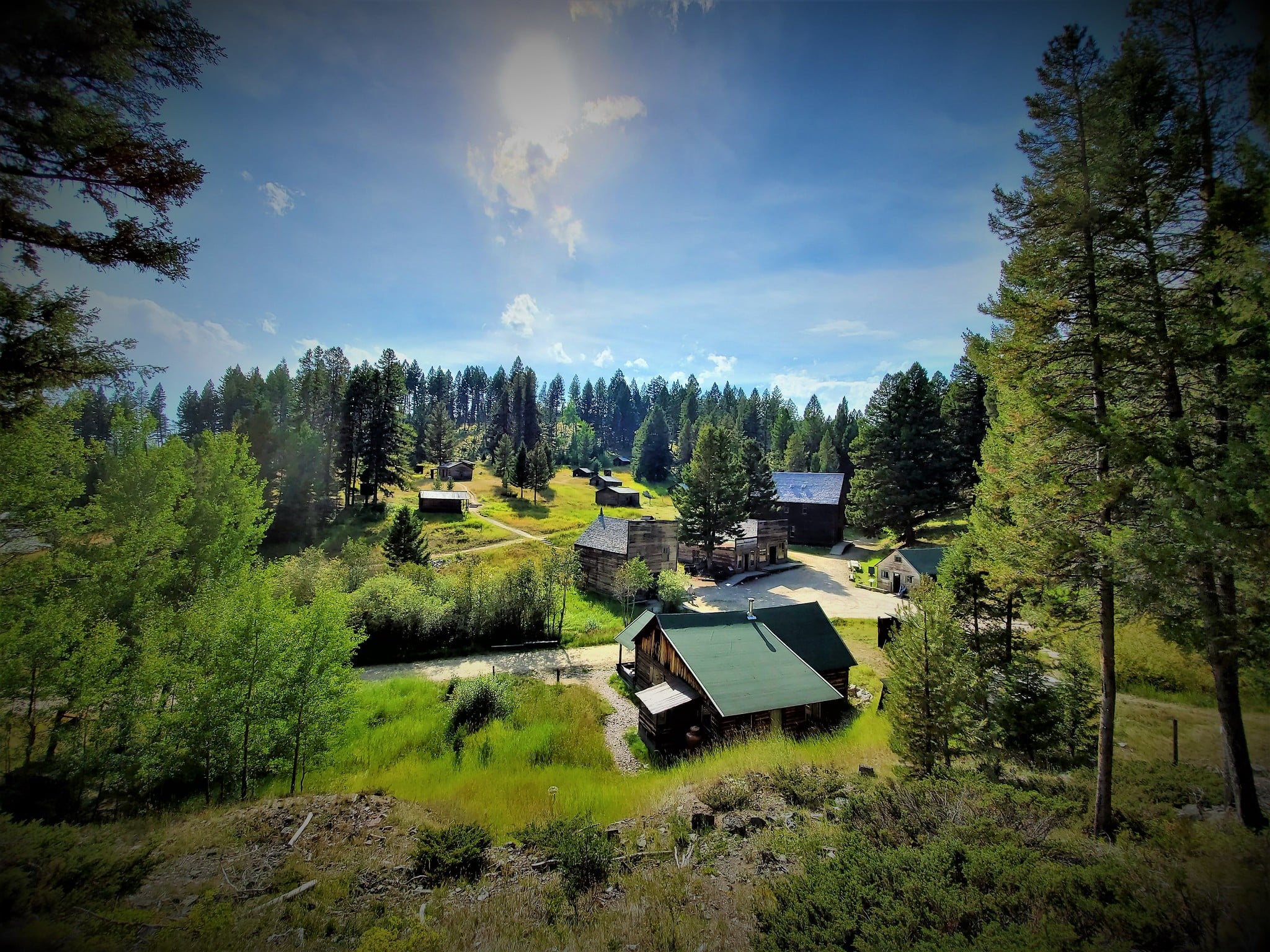
Deep in Montana’s mountains, Garnet experienced a brief but energetic mining boom in the 1890s. Its isolation made daily life challenging even during prosperous years.
As mining declined, residents left cabins and hotels behind. Snow often blankets the town in winter, heightening the sense of stillness.
Garnet’s remote location has helped preserve its structures, creating one of the West’s most atmospheric ghost towns.
Calico

Calico rose during California’s silver boom in the 1880s. At its peak, it supported hundreds of miners and their families, along with shops, boardinghouses, and saloons.
When silver prices collapsed in the 1890s, the town emptied quickly. Though partially restored, Calico’s desert surroundings and abandoned mine shafts tell a deeper story about how global markets can shape local destinies.
Terlingua

Terlingua, Texas, developed around mercury mining operations in the early 20th century. Company-built housing and brick structures created a functional desert community.
After World War II, mercury demand dropped sharply. Without its primary industry, Terlingua declined.
Today, crumbling adobe walls and scattered foundations blend into the desert landscape, illustrating how industrial shifts can erase entire towns.
Silver City
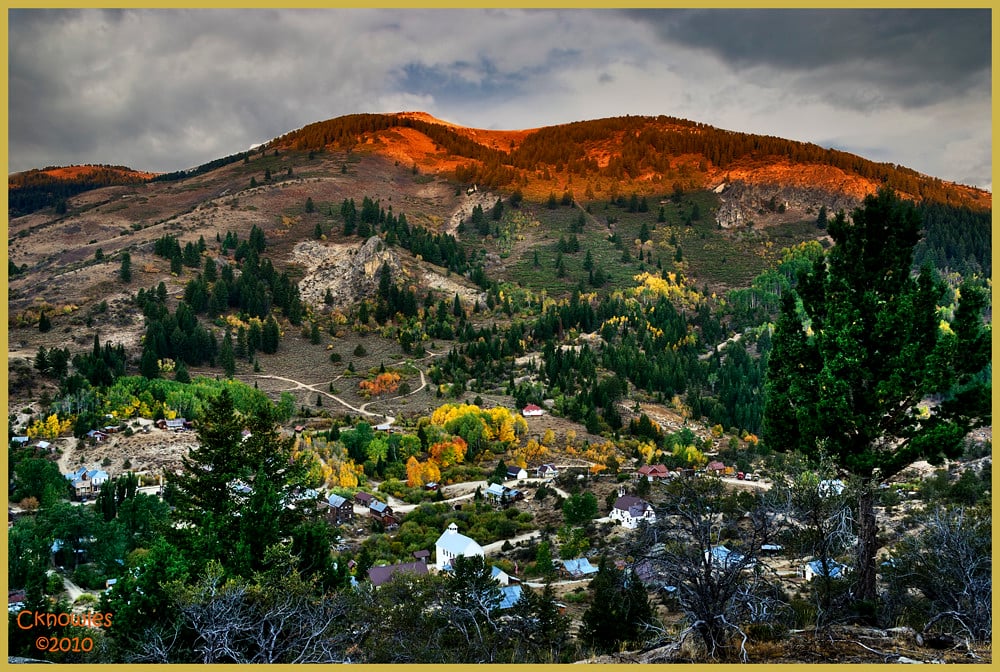
Silver City, Idaho, once rivaled larger settlements during the region’s mining heyday. Brick buildings, schools, and a newspaper reflected confidence in long-term growth.
Isolation eventually proved costly. As mining slowed and transportation routes shifted, residents moved away.
The town’s remaining structures sit high in the mountains, weathered but remarkably intact, as if holding onto their past significance.
Jerome

Jerome, Arizona, clings dramatically to the side of Cleopatra Hill. Fueled by copper mining, it grew rapidly and became one of the state’s largest communities by the early 20th century.
When mining operations ceased in the 1950s, the population plummeted. Though later revived in part as an arts community, many historic buildings remain, their steep placement a constant reminder of the town’s industrial roots.
Thurmond

Thurmond, West Virginia, prospered as a railroad hub in the early 1900s. Coal trains moved steadily through its station, bringing business and energy to its main street.
As rail traffic declined and highways reshaped transportation, Thurmond emptied. Today, its depot and storefronts remain preserved within a national park setting, quiet and almost cinematic in their stillness.
Cisco
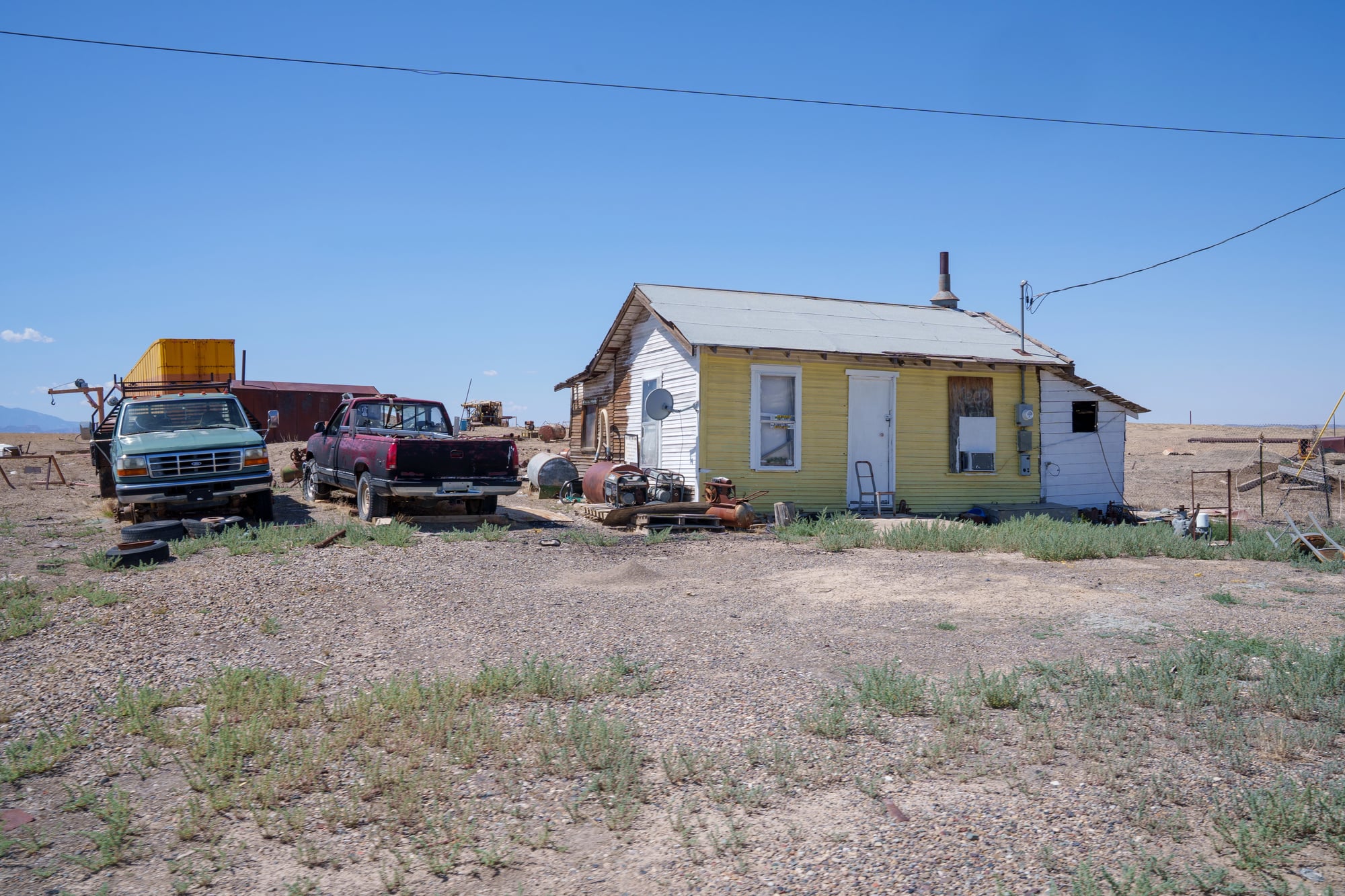
Cisco, Utah, began as a railroad water stop before evolving into an oil supply town. Gas stations and motels lined its streets, serving travelers crossing the desert.
When the interstate highway bypassed the town, traffic evaporated. Businesses closed, and residents left.
Rusted signs and abandoned buildings now sit beneath vast skies, gradually yielding to time and weather.
Belmont

Belmont, Nevada, flourished during the silver boom of the 1860s. A courthouse, saloons, and homes filled its dusty streets with activity.
As mining waned, so did the town. The courthouse still stands, dignified despite its weathered exterior.
Its survival highlights the fragile balance between civic ambition and economic reality.
Independence

Independence, California, served as a regional administrative and trade center in the Eastern Sierra. Though not entirely abandoned, it never regained its early prominence.
Historic buildings line its streets, creating a quieter version of a boomtown past. The town reflects a slower decline, shaped more by gradual economic shifts than sudden collapse.
Goldfield
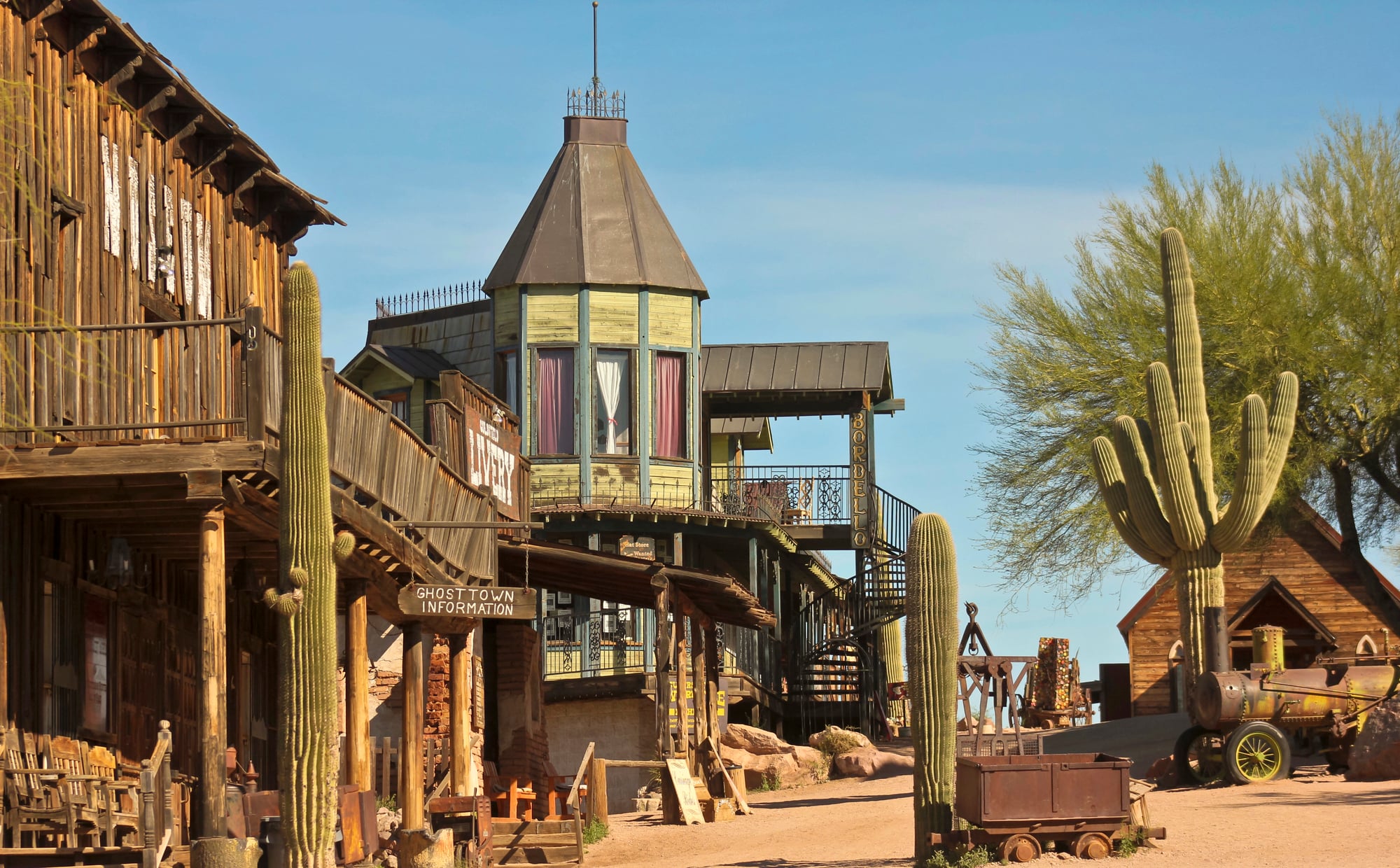
Goldfield briefly became Nevada’s largest city following major gold discoveries in 1902. Grand hotels and busy streets reflected extraordinary wealth.
Fires and declining production reduced much of it to ruins. The remains of once-impressive structures still dominate the desert skyline, offering a powerful contrast between ambition and impermanence.
Central City

Central City, Colorado, earned the nickname ‘The Richest Square Mile on Earth’ during the gold rush. Opera houses and brick buildings reflected cultural ambition alongside economic success.
When mining slowed, the population dropped sharply. Though partially revitalized, its historic district stands as a visible reminder of how quickly prosperity can ebb.
Where Silence Speaks Loudest
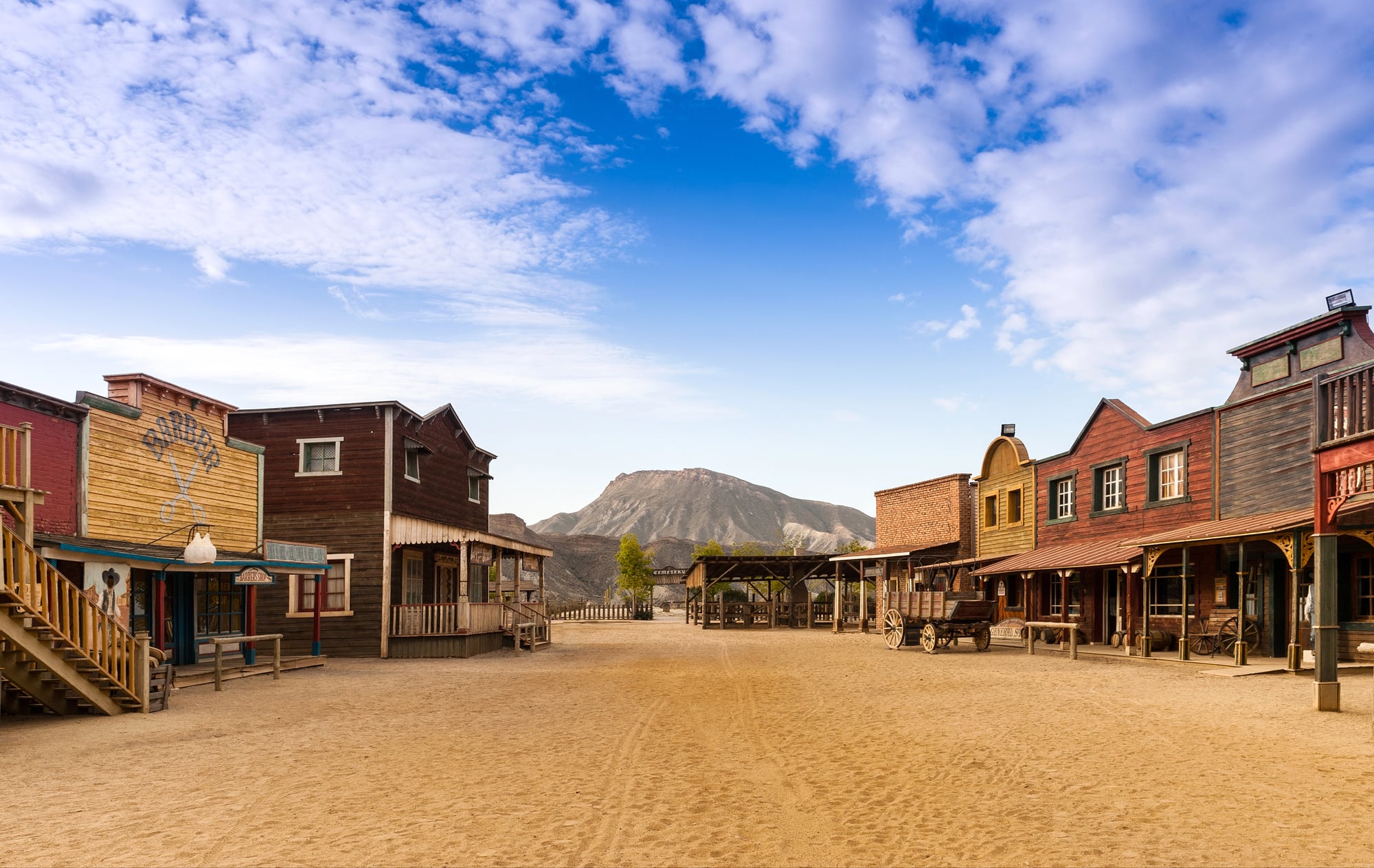
Empty now, forgotten towns across the West didn’t vanish without reason. Shaped by waves of economic change, they rose with gold rushes and silver booms.
Rail lines once fed their survival, bringing supplies and people. Yet when markets moved on and travel routes shifted elsewhere, these places stood still.
Strolling these streets now does not feel like touring old bones of the past, instead it feels like entering moments frozen mid-thought. Wooden fronts stand weathered, paths split underfoot, shops sit without sound – yet hum with traces of bold bets once placed.
You sense a region raised on drive, true, though just as much molded by doubt. Without shouting, these places speak volumes compared to crowded skylines – whispering how advancement builds up, then turns away, all at once.
More from Go2Tutors!

- The Romanov Crown Jewels and Their Tragic Fate
- 13 Historical Mysteries That Science Still Can’t Solve
- Famous Hoaxes That Fooled the World for Years
- 15 Child Stars with Tragic Adult Lives
- 16 Famous Jewelry Pieces in History
Like Go2Tutors’s content? Follow us on MSN.