Lost Languages and the Stories Of Their Revival
Languages disappear faster than most people realize. Every two weeks, another tongue falls silent forever as its last speaker passes away.
But some languages refuse to die quietly, and dedicated communities have fought to bring them back from the edge of extinction. These revival stories show the power of human determination and the deep connection between language, identity, and culture.
Here are the languages that nearly vanished but found their way back to life.
Hebrew

This ancient language went nearly 2,000 years without native speakers before its remarkable comeback. Jewish communities kept Hebrew alive for religious study and prayer, but nobody used it for everyday conversation.
Eliezer Ben-Yehuda changed everything in the late 1800s when he insisted on speaking only Hebrew to his children in Jerusalem. Today, over 9 million people speak Hebrew as their first language in Israel.
The transformation from a liturgical language to a modern, living tongue stands as one of history’s most successful language revivals.
Cornish

The last native speaker of Cornish died in 1777, leaving this Celtic language silent for nearly 200 years. Cornwall, located in the southwestern tip of England, lost its linguistic identity gradually as English took over.
A revival movement began in the early 1900s, led by Henry Jenner and others who reconstructed the language from old texts and documents. Now several thousand people speak Cornish, and children learn it in some schools throughout Cornwall.
The language even gained official recognition from the UK government in 2002.
Manx

The Isle of Man watched its native Celtic language fade until Ned Maddrell, the last native speaker, died in 1974. The island sits in the Irish Sea between England and Ireland, and English had slowly replaced Manx over generations.
Parents stopped teaching it to their children, thinking English offered better opportunities. Revival efforts started even before Maddrell’s death, and today the language has returned to schools across the island.
Hundreds of people now speak Manx fluently, and it appears on road signs, government documents, and in daily life.
Miami-Illinois

This Native American language fell silent in the 1960s when its last fluent speakers passed away in Oklahoma and Indiana. The Miami Tribe of Oklahoma launched a recovery effort in the 1990s using written records, recordings, and linguistic research.
Daryl Baldwin taught himself the language and now raises his children speaking Miami-Illinois at home. The tribe runs language programs, creates learning materials, and has trained new speakers from scratch.
This comeback proves that even languages without living speakers can return through dedication and careful study.
Wampanoag

The language of the Massachusetts tribe that met the Pilgrims disappeared as a spoken language by the mid-1800s. Jessie Little Doe Baird had a dream in 1993 where her ancestors spoke to her in Wampanoag, inspiring her to revive the language.
She earned a master’s degree in linguistics and used historical documents to reconstruct how the language worked. Baird now raises her daughter as the first native Wampanoag speaker in seven generations.
The Wôpanâak Language Reclamation Project has created a new generation of speakers across several New England communities.
Livonian
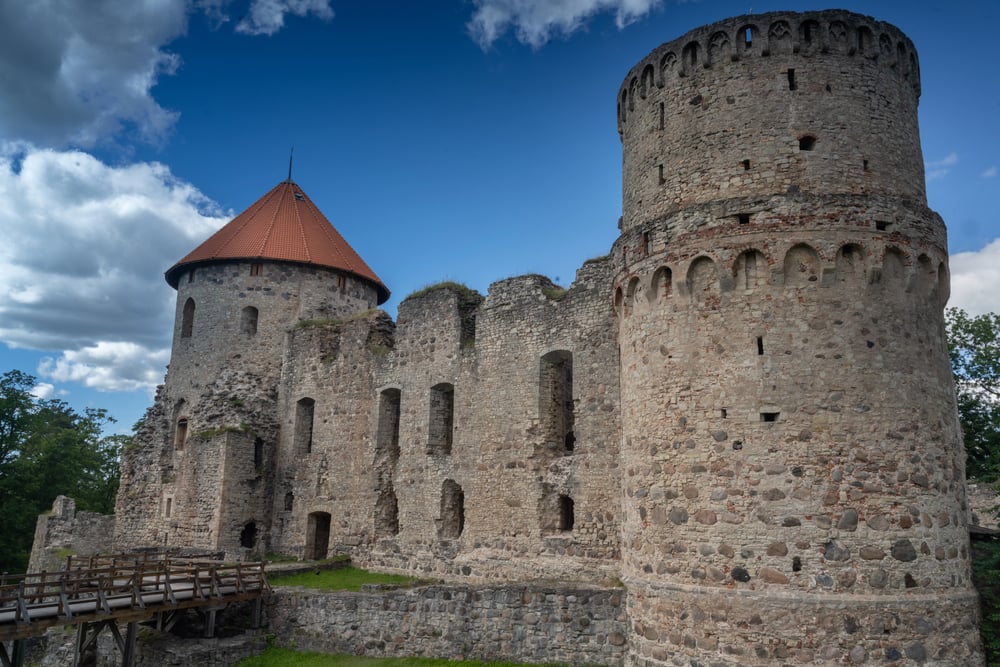
This Finnic language native to Latvia had fewer than 10 speakers by 2010, making it critically endangered. The last native speaker died in 2013, but the language didn’t die with her.
Young Latvians have taken up Livonian as a heritage language, learning it through classes and immersion programs. The Livonian Cultural Centre works to keep the language accessible through teaching materials and cultural events.
While the number of speakers remains small, the commitment to preserving this unique tongue continues growing.
Myene
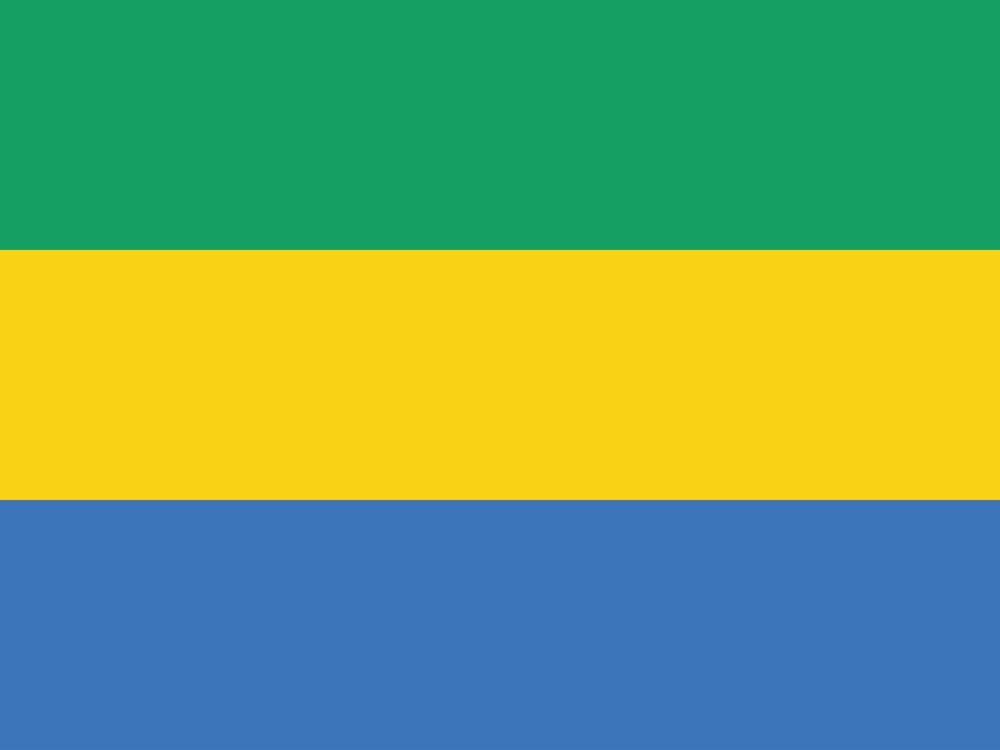
The Myene language family in Gabon faced decline as French became the dominant language in schools and business. Younger generations grew up speaking French instead of their ancestral languages, creating a dangerous gap.
Community elders and linguists partnered to document Myene languages and create teaching programs. Radio broadcasts, children’s books, and school curricula now feature Myene alongside French.
The effort shows how modern media can support traditional languages in African nations.
Kaurna
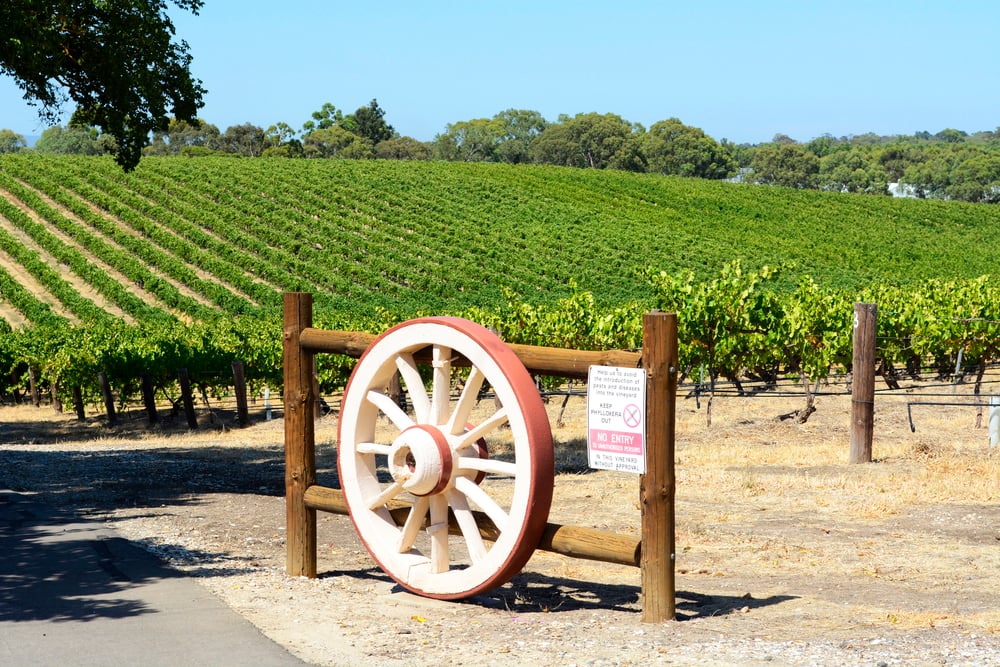
Aboriginal Australians in the Adelaide region stopped speaking Kaurna by the 1860s after European colonization disrupted their communities. The language survived only in written records made by German missionaries and early settlers.
Linguist Rob Amery worked with the Kaurna community starting in the 1990s to rebuild the language from these fragments. Today, Kaurna appears in public speeches, Welcome to Country ceremonies, and dual-language signs throughout Adelaide.
Schools offer Kaurna classes, and a growing number of people use it in daily greetings and phrases.
Barngarla
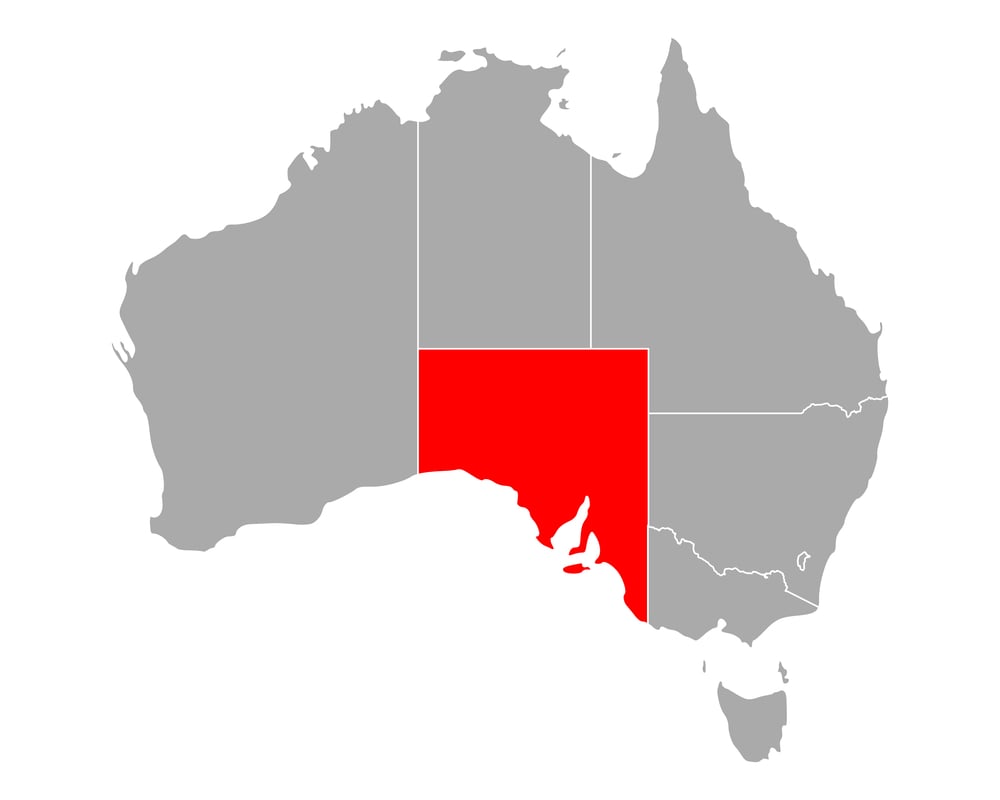
Another Australian Aboriginal language, Barngarla went silent on South Australia’s Eyre Peninsula in the early 1900s. A 160-year-old grammar book written by a German missionary became the key to its revival.
Linguist Ghil’ad Zuckermann helped the Barngarla community use this resource to reconstruct their language. The revival includes an online dictionary, language classes, and even Barngarla versions of popular songs.
Young Barngarla people now perform traditional stories and songs in their ancestors’ language.
Siletz Dee-ni

This Oregon coastal language had only one fluent speaker left by the 1990s when the Confederated Tribes of Siletz Indians began serious revival work. Bud Lane worked tirelessly to pass his knowledge to younger tribal members before his death.
The tribe created immersion programs, language camps, and teaching materials from Lane’s recordings and knowledge. Children now grow up hearing Siletz Dee-ni in cultural activities and language classes.
The effort demonstrates how a single dedicated elder can spark a complete language renewal.
Scottish Gaelic

While never completely extinct, Scottish Gaelic dropped to dangerously low numbers by the mid-1900s. The British government had actively discouraged its use for centuries, punishing children for speaking it in schools.
Scotland reversed course in recent decades with Gaelic-medium education and broadcasting. BBC Alba provides television programming entirely in Gaelic, and the language enjoys official status in Scotland.
Around 60,000 people now speak it, with numbers slowly climbing thanks to educational initiatives.
Occitan
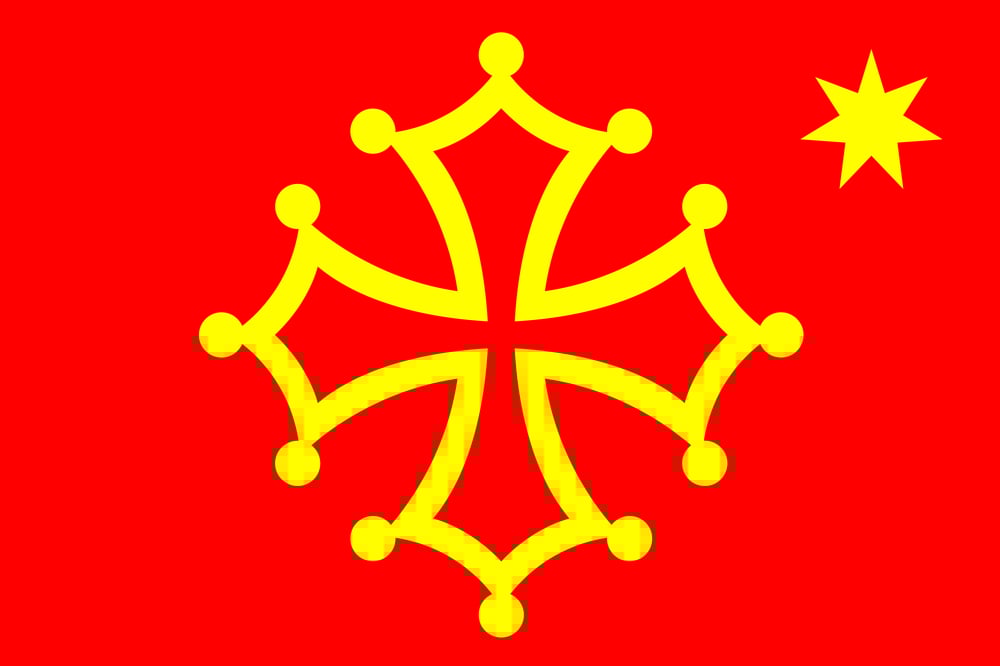
This Romance language once dominated southern France but declined severely under pressure to speak standard French. The French government banned Occitan from schools and official use for generations.
Regional pride movements in Provence, Languedoc, and other areas have sparked renewed interest. Universities now offer Occitan studies, and some schools teach children in the language.
Musicians and poets continue creating new works in Occitan, keeping it vibrant and evolving.
Guernésiais
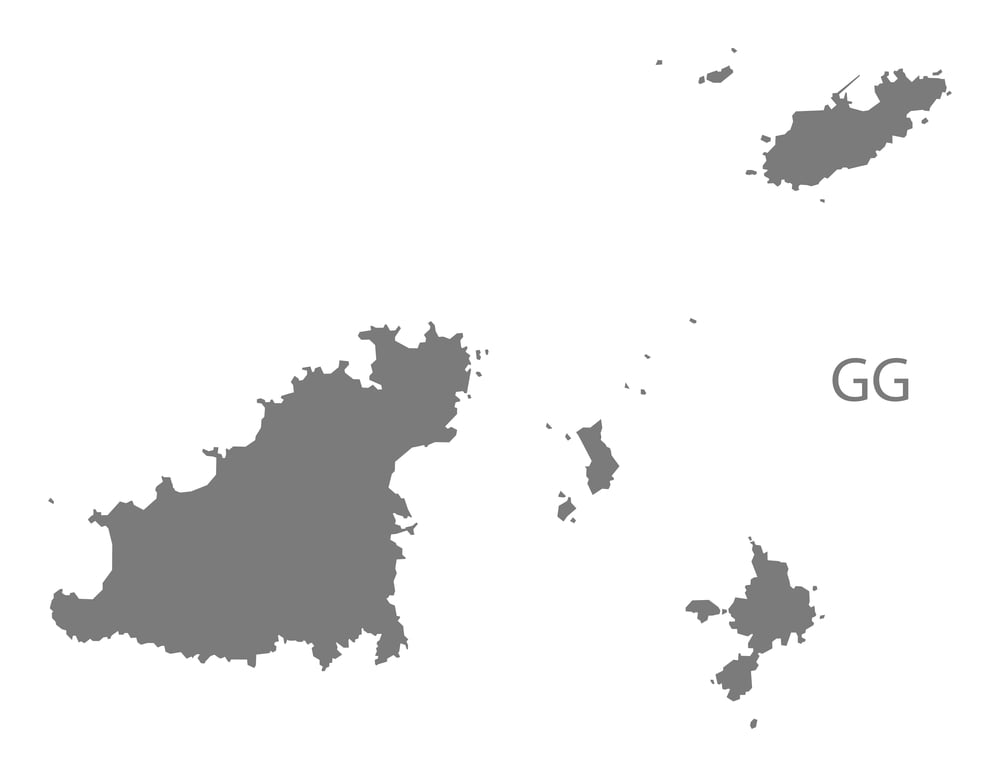
The Norman French dialect of Guernsey island faced extinction as English became the dominant language. Only a few hundred elderly speakers remained by the 1990s, mostly in rural areas.
The island government now funds Guernésiais lessons in schools and community centers. Young families have started using the language at home, creating the first generation of native speakers in decades.
Cultural festivals and music help make speaking Guernésiais fashionable again among young people.
Ayapaneco
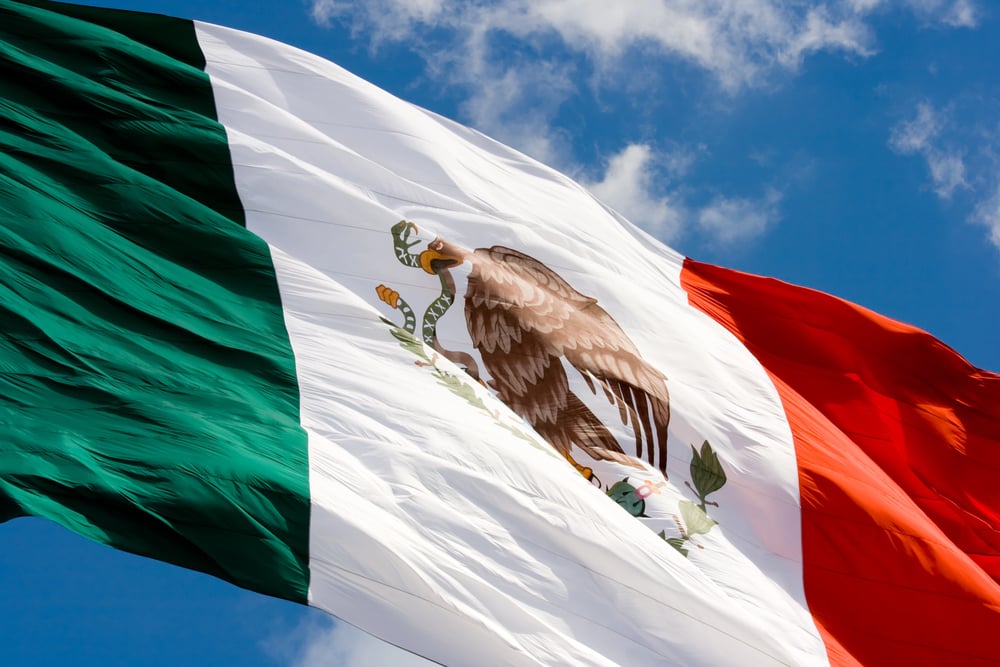
Two elderly men in Mexico kept this language alive even though they refused to speak to each other for years. The village of Ayapa had lost all its other speakers, leaving only Manuel Segovia and Isidro Velazquez.
Linguists eventually convinced them to work together to save their language. They taught classes, created dictionaries, and recorded stories for future generations.
Though both men have since passed away, their work preserved Ayapaneco for students who continue learning it.
Wymysorys
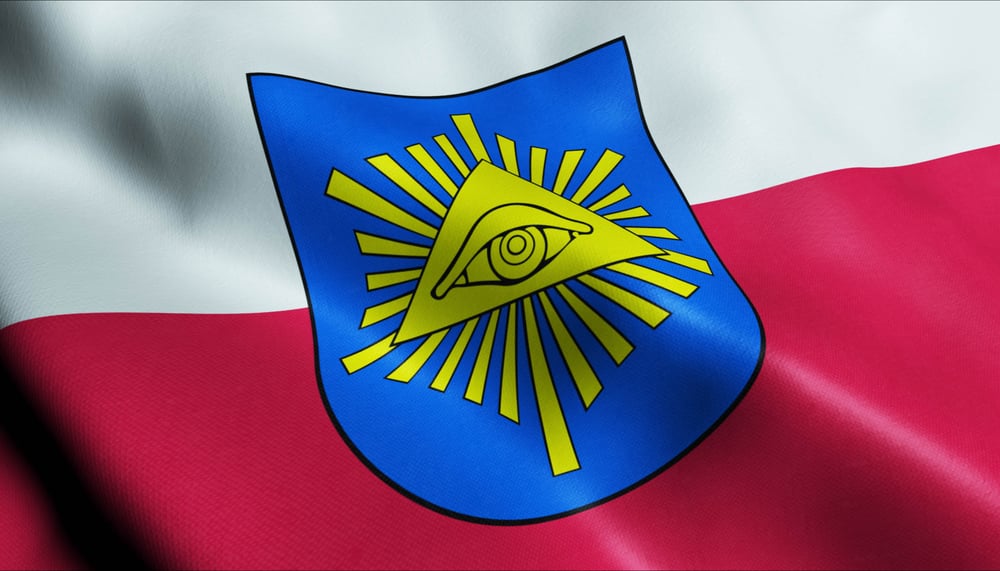
A quiet way of speaking, born in a small Polish village called Wilamowice, almost vanished long ago. After the war, government pressure grew heavy on those who used it – seen as too close to German roots. Older folks held on, yet by mid-2000s, barely seventy elders remained fluent.
Then came Tymoteusz Król, young and determined, diving into lessons until he mastered every sound. He didn’t stop at words; songs followed, filmed with energy that caught younger eyes. Slowly, interest rose like morning light across classrooms.
Today, kids recite phrases once thought fading – taught where their grandparents stayed silent.
Kristang

When English and Malay started shaping everyday talk, the Kristang community’s Portuguese-based creole faded slowly. Into that shift stepped Kevin Martens Wong during the 2010s, gathering pieces of the language before they slipped further. Instead of waiting, he built tools for learning while sparking gatherings rooted in tradition.
Listening closely, he captures how older speakers shape words, then shares those sounds in lessons for youth. Though hurdles remain in bringing it back, a small group persists – drawing threads from Portuguese, Malay, and beyond into their practice.
Words that refuse to fade

Every now then comes a moment when voices long quiet begin again. Whole ways of seeing life inside syllables passed mouth to ear across years.
Little by little people rebuild what nearly disappeared through care handed down. Not everyone agrees it can be done yet some still try anyway.
With each child who speaks, something lost leans closer to being found.
More from Go2Tutors!

- The Romanov Crown Jewels and Their Tragic Fate
- 13 Historical Mysteries That Science Still Can’t Solve
- Famous Hoaxes That Fooled the World for Years
- 15 Child Stars with Tragic Adult Lives
- 16 Famous Jewelry Pieces in History
Like Go2Tutors’s content? Follow us on MSN.