Photos Of 15 Rare Fish Most Anglers Never See
Far beneath the waves, hidden from everyday view, dwell creatures few eyes have seen. Not chance but depth keeps these fish apart from regular nets and lines.
Strange shapes move through darkness where sunlight fades into silence. Luck might play a role, though more often it is gear built for pressure that finds them.
Anglers tell stories, yet most tales miss these beings entirely. What looks like fantasy turns out to be fine and scale in cold quiet places.
Most folks won’t ever spot these fish up close – only in pictures. Some swim where few dare to go, hidden in deep quiet waters.
Others appear just once in a lifetime, if at all. Their colors shift like mist under moonlight.
A few live beneath ice, untouched by sunlight for centuries. Each one moves through silence others never hear.
Coelacanth
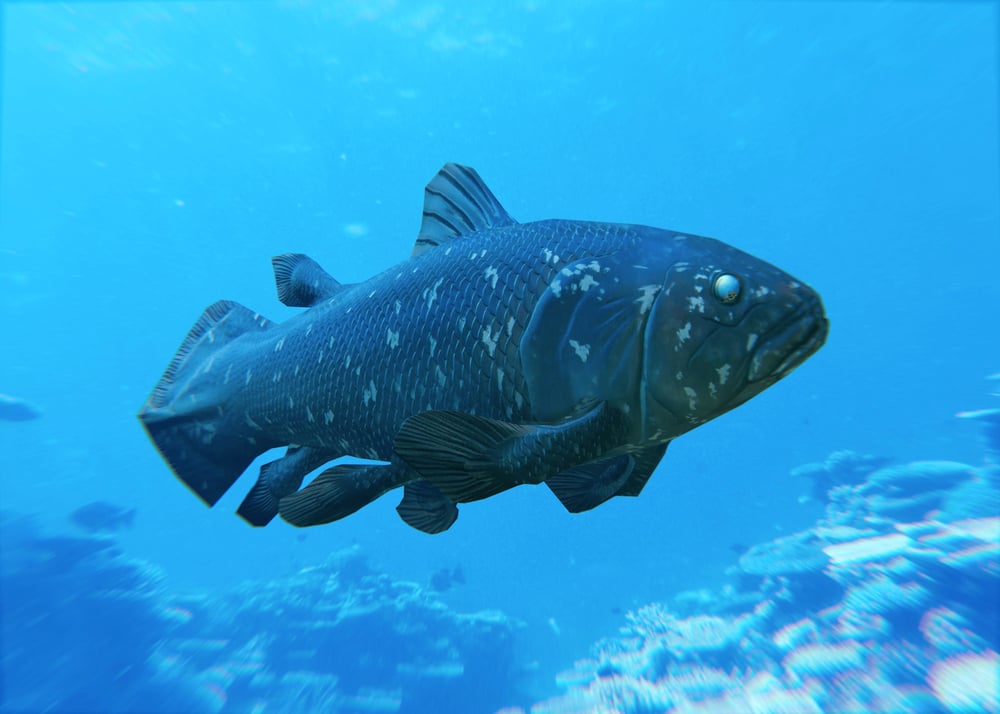
Out of nowhere, a museum worker in South Africa saw something strange in 1938 – a fish scientists believed vanished millions of years earlier. Moving its fin pairs back and forth, the creature mimics how land animals step forward.
Found far below the surface near African shores and parts of Indonesia, it hides where light barely reaches. Stretching longer than most humans are tall, its bulky frame tips the scales close to two hundred pounds.
This gray-blue giant stands out among bone-built ocean life lurking in darkness.
Goblin Shark
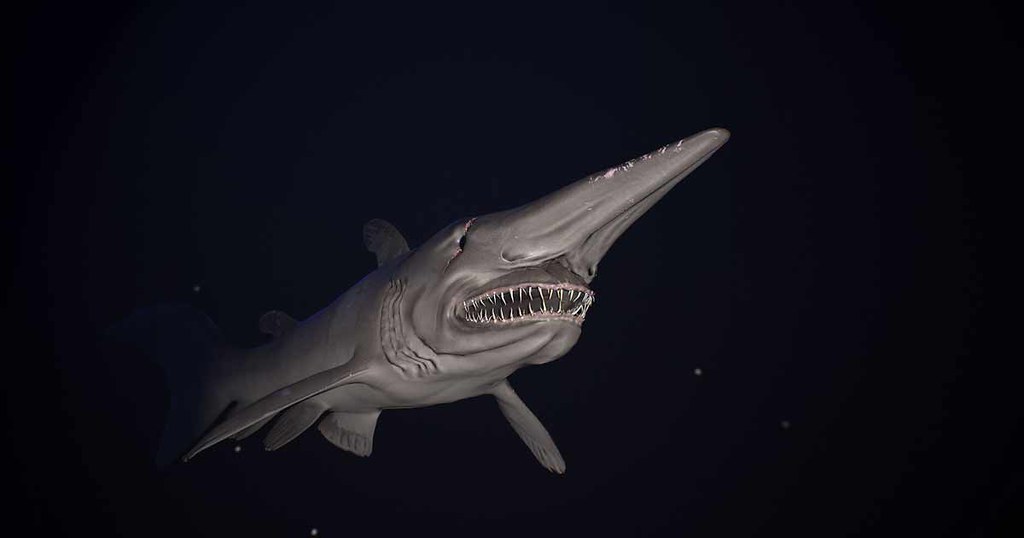
Down in the dark ocean, a strange fish appears more nightmare than real – its long nose sticks out, jaws slide forward. Blood shows through its thin skin, giving it a pink tint; that color isn’t from pigment at all.
Found far undersea, usually between 890 and 3,150 feet deep, near edges of continents across three major oceans. As it feeds, the mouth lunges ahead fast – grabs food instantly before slipping back where it belongs.
Barreleye Fish
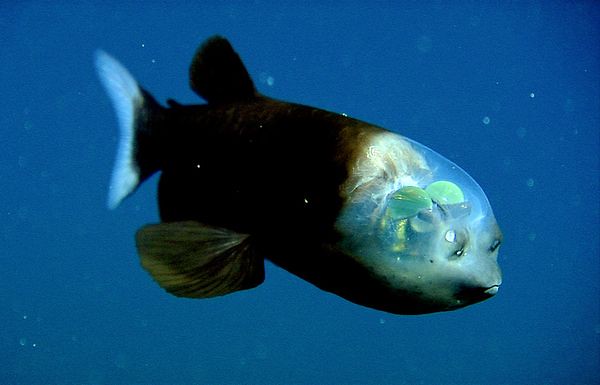
A glass-like head on the Pacific barreleye reveals what lies beneath – brain, eyes, all visible. Looking up through the roof of its skull, tube-shaped eyes search for shapes dimly lit from far above.
Dwelling mostly at depths from 2,000 to 2,600 feet, it moves where sunlight barely reaches. That odd green tint inside its gaze? A unique filter cutting away leftover rays seeping down from the surface.
Frilled Shark
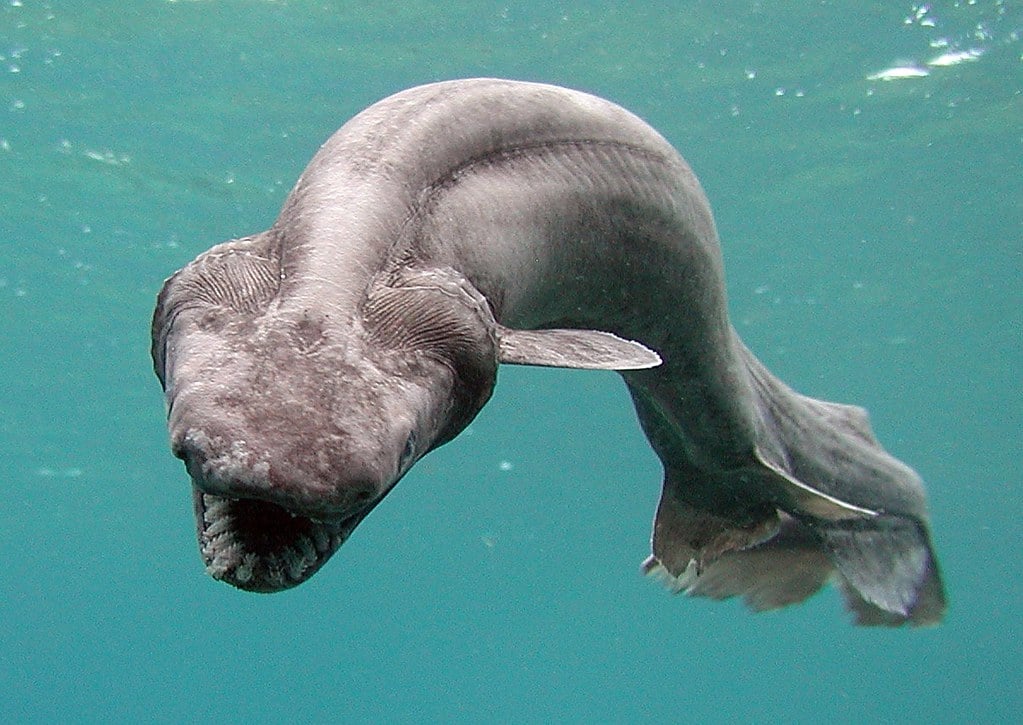
Living so long without much change, the frilled shark looks almost identical to ancestors from 80 million years ago. Twisting through dark waters, it moves like an eel, growing as long as 6.5 feet.
Instead of flat teeth, it carries 300 pointed ones lined up across 25 sets. Because of their feathery edges, the gills wrap around the neck in a way most sharks do not.
Found far below the surface, these animals drift between 390 and 4,200 feet down. While hiding in cold zones, they hunt squid along with various deep-ocean prey.
Psychedelic Frogfish
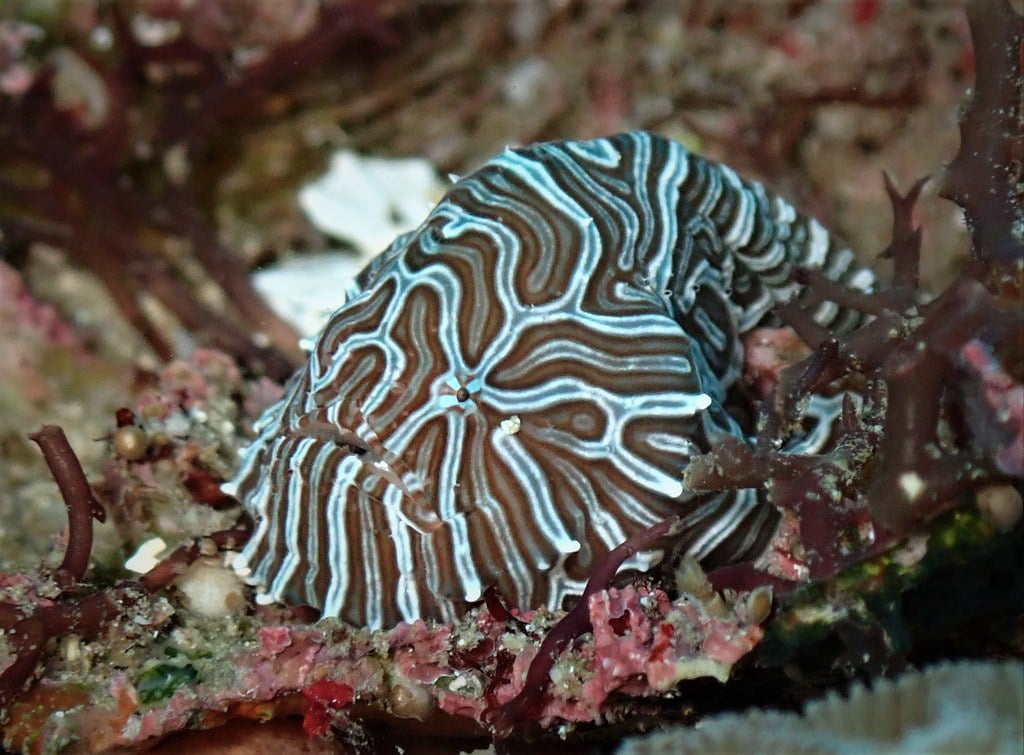
A tiny creature found close to Indonesia back in 2009 moves across the seabed with a shuffle rather than a glide. Each one shows a swirled mix of light brown, cream, and darker bands – like nature’s own barcode, never repeated twice.
Measuring just under half a foot when full grown, it hides among broken coral bits and stony cracks. Instead of swimming freely, it hops forward, pushing from the bottom with fin limbs that resemble little arms.
Leafy Seadragon
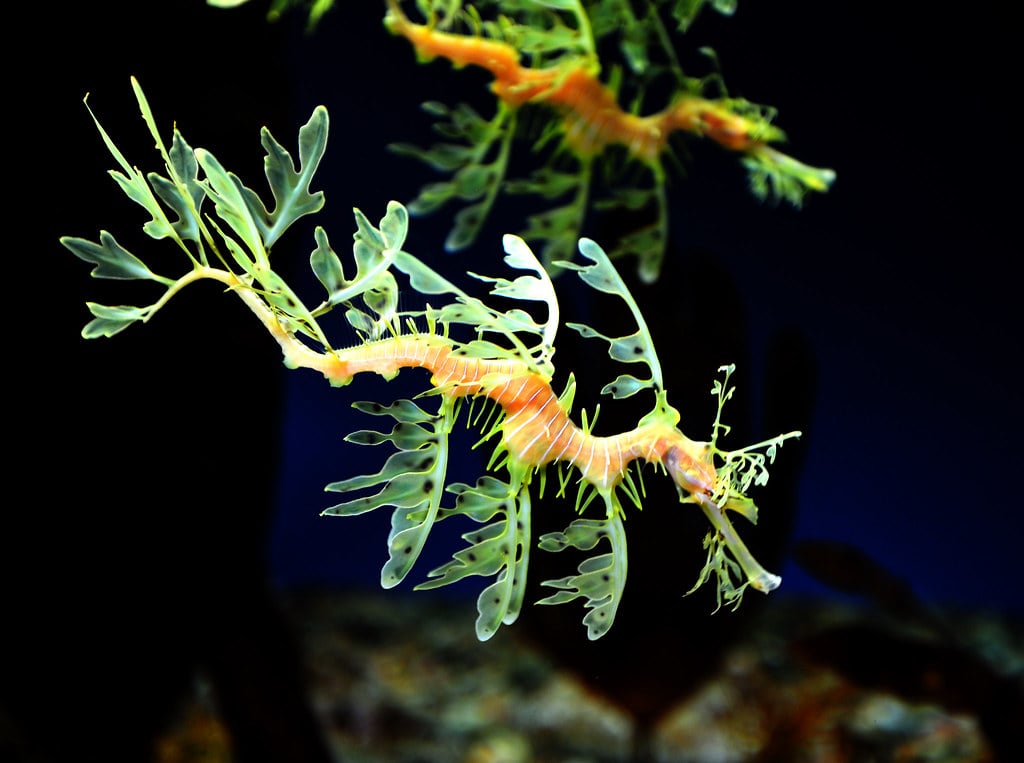
Australia’s southern coast hosts this relative of the seahorse, which earned protection as an endangered species. Elaborate leaf-shaped appendages cover its body, providing near-perfect camouflage among kelp and seaweed.
The leafy seadragon drifts along with ocean currents, mimicking floating vegetation so well that predators swim right past. Males carry eggs on their tails for about eight weeks before the babies hatch and immediately fend for themselves.
Fangtooth Fish
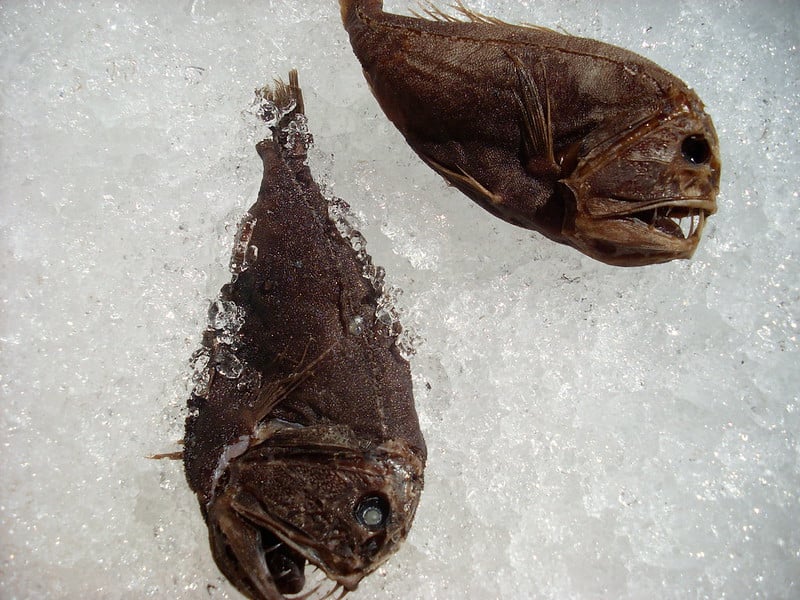
Despite its terrifying appearance, the fangtooth only grows to about 6 inches long and poses no threat to humans. Its teeth are so large that it can’t fully close its mouth, and the longest fangs actually have special pockets in the fish’s skull where they rest.
This species lives between 1,600 and 6,500 feet deep in tropical and temperate waters worldwide. Young fangtooth fish look completely different from adults, with light coloring and no oversized teeth.
Vampire Squid
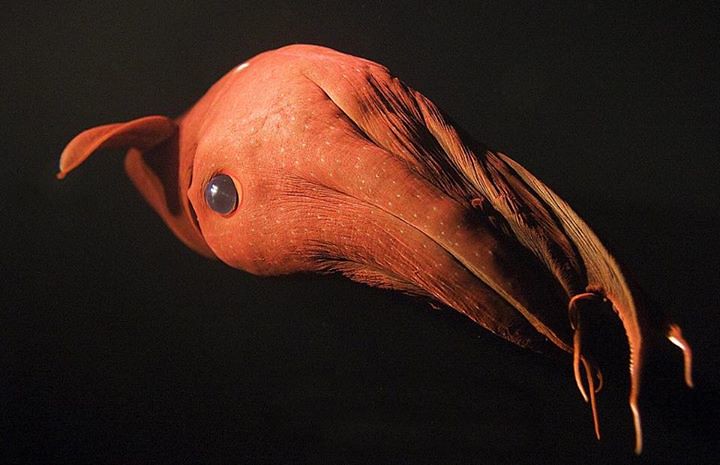
The vampire squid isn’t actually a squid at all but represents its own unique category between squid and octopus. It lives in oxygen-minimum zones between 2,000 and 3,000 feet deep, where most other animals can’t survive.
When threatened, it turns itself inside out to display its spiny underside and glowing photophores. The name comes from its dark coloring and the webbing between its arms that resembles a vampire’s cape.
Gulper Eel
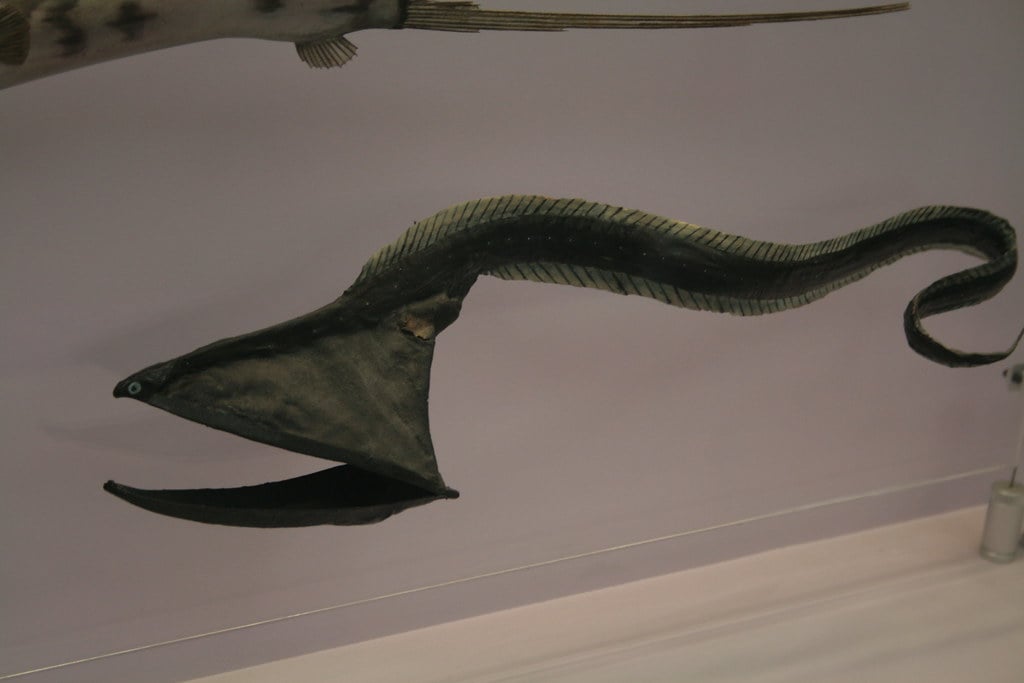
This deep-sea eel has a mouth so large it can swallow prey bigger than its own body. The gulper eel’s jaw unhooks to create a huge pouch, functioning like a pelican’s bill to scoop up food.
It lives at depths between 3,000 and 6,000 feet, using a glowing tip on its whip-like tail to attract curious prey. The entire body acts like a long stomach, slowly digesting whatever fits inside that enormous mouth.
Blobfish
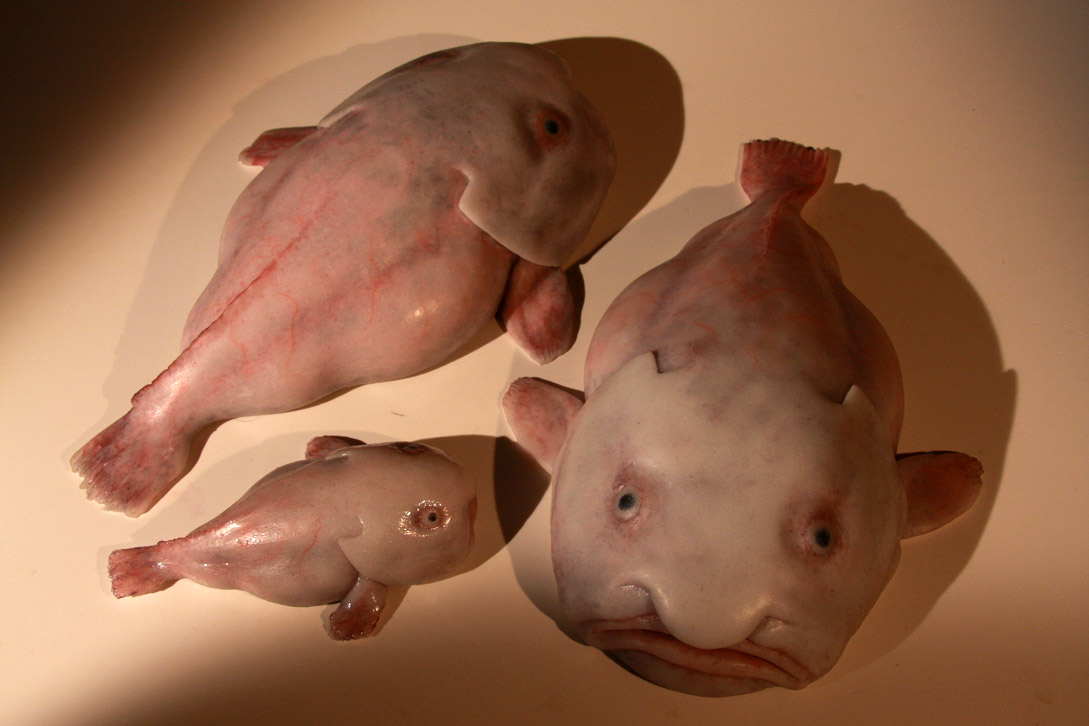
Out of water, the blobfish looks like a grumpy, melting face, but that’s not how it appears in its natural habitat. At depths between 2,000 and 4,000 feet off the Australian coast, the pressure keeps its gelatinous body in proper shape.
The blobfish’s low-density flesh lets it float just above the seafloor without expending energy. It simply opens its mouth and waits for food to drift by, making it one of the laziest hunters in the ocean.
Sawfish
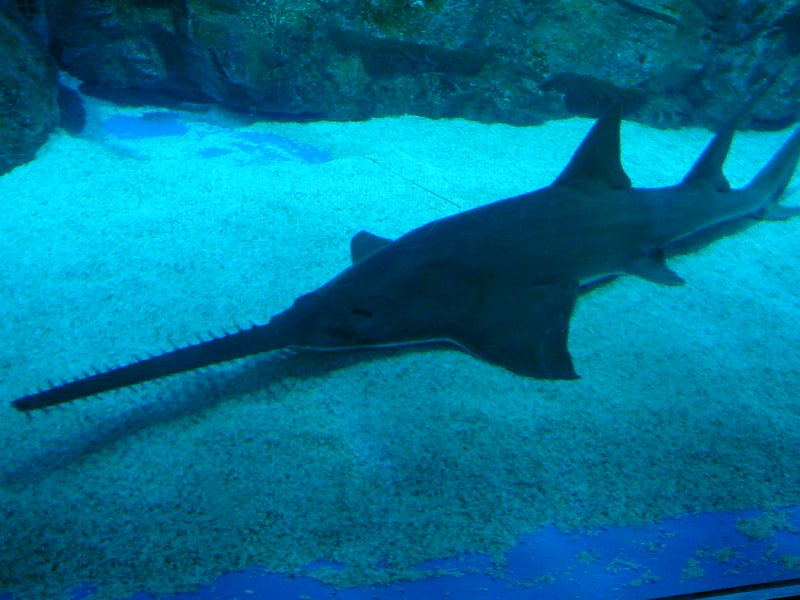
These critically endangered rays have a long, flat snout lined with teeth-like projections on both sides. The ‘saw’ works as both a weapon and a sensor, detecting electrical signals from hidden prey buried in sand.
Sawfish can grow up to 23 feet long and once lived in coastal waters worldwide. Now they’re so rare that some species have populations numbering only in the hundreds.
Stonefish
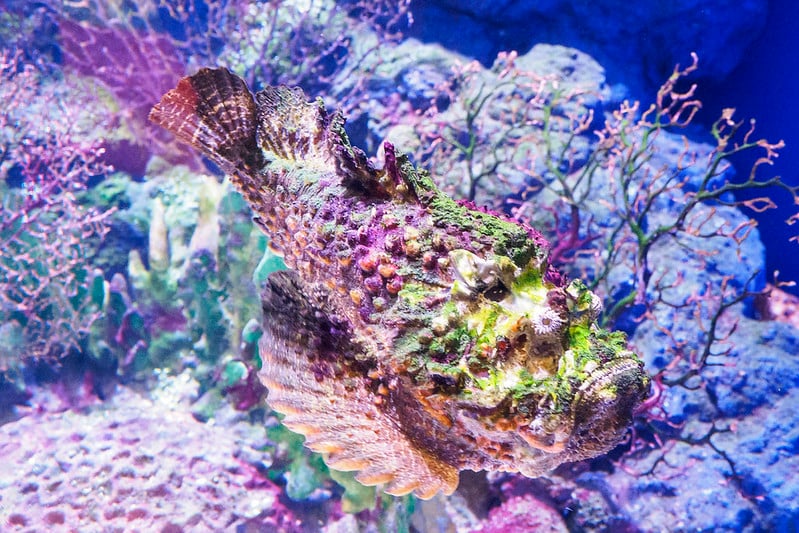
The world’s most venomous fish blends perfectly with rocky seafloors and coral reefs around the Indo-Pacific region. Its bumpy, mottled skin looks exactly like an encrusted stone, making it nearly impossible to spot.
Thirteen sharp spines along its back inject venom that causes excruciating pain and can be fatal without treatment. Stonefish don’t hunt actively but wait for small fish and shrimp to swim within striking distance.
Handfish
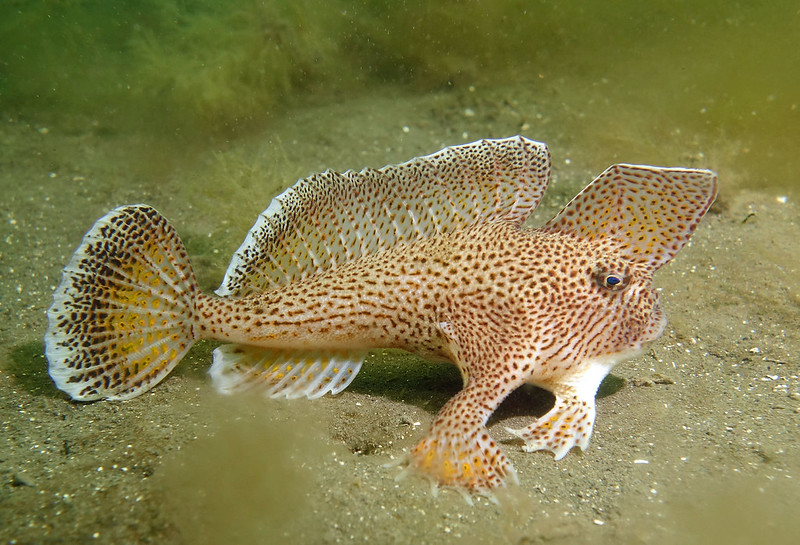
These bottom-dwelling fish use modified pectoral fins to walk along the seafloor instead of swimming. Only fourteen species of handfish exist, and most live exclusively around Tasmania and southern Australia.
The smooth handfish went extinct in 2020, becoming the first marine fish species to officially disappear in modern times. The remaining species face similar threats from habitat loss and pollution.
Megamouth Shark
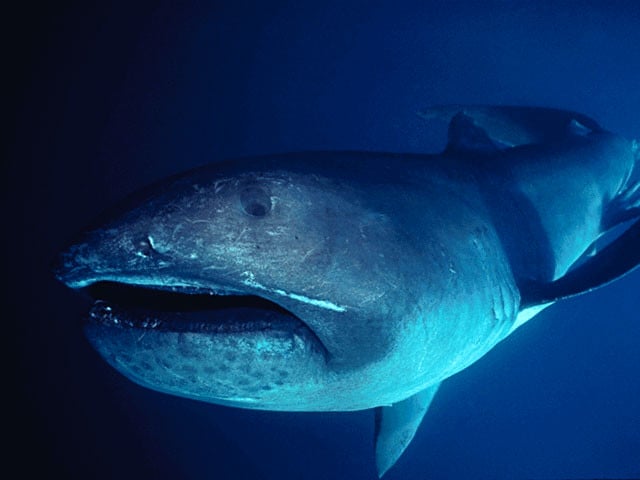
Since its discovery in 1976, scientists have confirmed fewer than 300 sightings of this enormous filter-feeding shark. The megamouth grows up to 18 feet long and weighs around 2,700 pounds despite eating only tiny plankton and jellyfish.
It migrates vertically each day, following plankton swarms from deep water to the surface and back down. The inside of its huge mouth glows with bioluminescent tissue, possibly to attract prey in the darkness.
Red Handfish
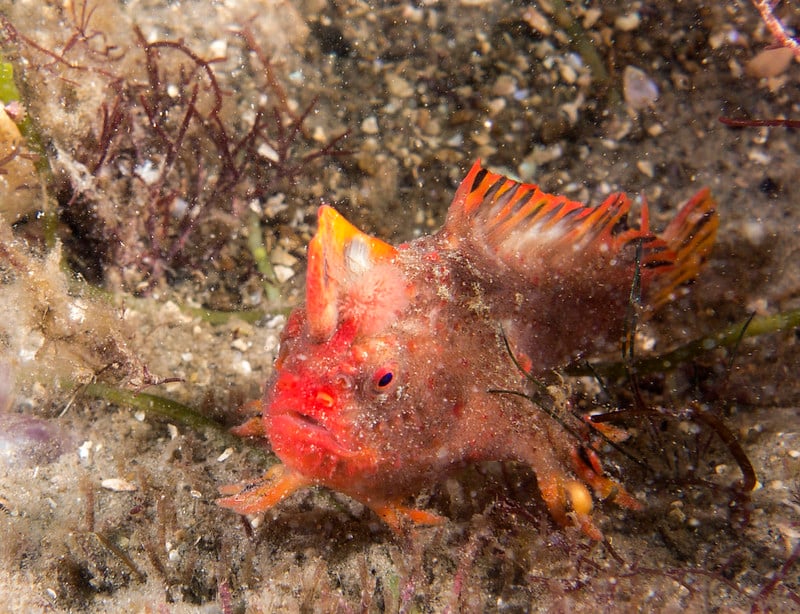
This critically endangered species lives only in two small areas off the coast of Tasmania, with fewer than 100 individuals left in the wild. Like other handfish, it walks on its fins rather than swimming, giving it an almost comical appearance.
The bright red coloring and hand-like fins make it instantly recognizable. Conservation efforts now focus on protecting the shallow reef habitats where the remaining population survives.
Where Rarity Meets Reality
These unusual fish remind everyone that the planet’s waters still hold surprises scientists are only beginning to understand. Many of these species face serious threats from deep-sea trawling, pollution, and climate change affecting their specialized habitats.
The rarest ones might disappear completely before researchers fully document their behaviors and life cycles. Protecting these creatures means preserving the mysterious deep-sea environments that most people will never experience firsthand.
More from Go2Tutors!

- The Romanov Crown Jewels and Their Tragic Fate
- 13 Historical Mysteries That Science Still Can’t Solve
- Famous Hoaxes That Fooled the World for Years
- 15 Child Stars with Tragic Adult Lives
- 16 Famous Jewelry Pieces in History
Like Go2Tutors’s content? Follow us on MSN.



