15 Ways the Aztecs Built Floating Gardens
The Aztec civilization developed one of history’s most ingenious agricultural innovations right in the shallow lakes of central Mexico. These weren’t actually floating gardens at all, but cleverly constructed artificial islands that appeared to float on water.
The technique transformed swampy, seemingly unusable land into some of the most productive farmland the world has ever seen. What made chinampas so remarkable wasn’t just their productivity, but the sophisticated engineering behind them.
Here are 15 ways the Aztecs built these floating gardens.
Selecting Shallow Lake Areas

The Aztecs began by using stick soundings to locate the shallowest areas within lakes, typically focusing on depths of just a few feet. They understood that deeper water would make construction much more difficult and expensive.
The technique was primarily used in Lakes Xochimilco and Chalco near the springs that lined the south shore of those lakes, where the combination of shallow depth and freshwater created ideal conditions.
Staking Out Rectangular Plots

Workers staked out rectangular enclosures, typically about 98 feet in length and 8 feet in width, directly into the marshy lakebed. This standardized size wasn’t random – it represented the optimal balance between manageable construction and maximum productivity.
Some chinampas averaged 20 to 35 feet wide and 325 to 650 feet long, depending on the specific location and intended use.
Driving Wooden Stakes Into Lake Beds

The Aztecs drove wooden stakes into the bottom of the relatively shallow lake areas, creating a sturdy foundation for their artificial islands. These stakes had to be driven deep enough to provide stability while remaining accessible for workers standing in the shallow water.
The stakes served as anchor points for everything that would follow in the construction process.
Weaving Reed Fences

Workers interweaved reeds with stakes beneath the lake’s surface, creating underwater fences. Flexible branches and trunks were then woven between the stakes to create a type of wall which water could easily pass through.
This woven barrier would contain the fill material while still allowing water to flow freely, preventing stagnation.
Creating Wattle Barriers
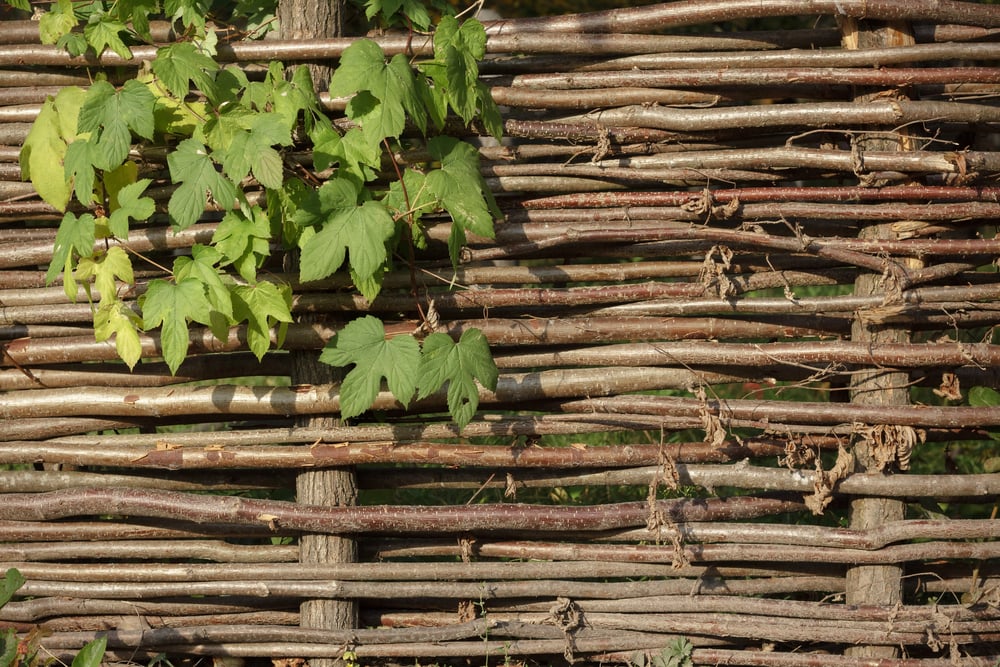
The enclosure was fenced in by joining the stakes with wattle, a traditional weaving technique using flexible wood branches. This created a more solid containment system than simple reed weaving.
The wattle technique provided the structural integrity needed to hold tons of mud and vegetation that would be added later.
Layering Aquatic Vegetation
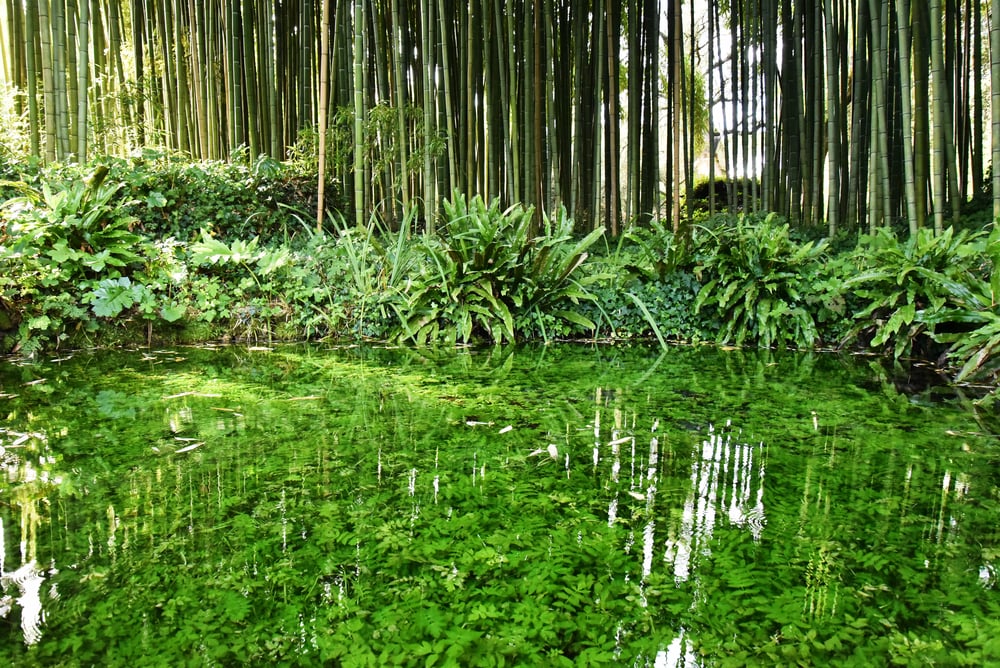
Rectangular pieces of cesped – dense beds of aquatic plants including water lilies and tule – were cut with large knives and transported by canoes to the construction site. Vegetation mats were piled in the staked area, sometimes alternated with layers of lake mud.
This organic foundation created the base layer that would eventually decompose and enrich the soil.
Adding Lake Bottom Mud
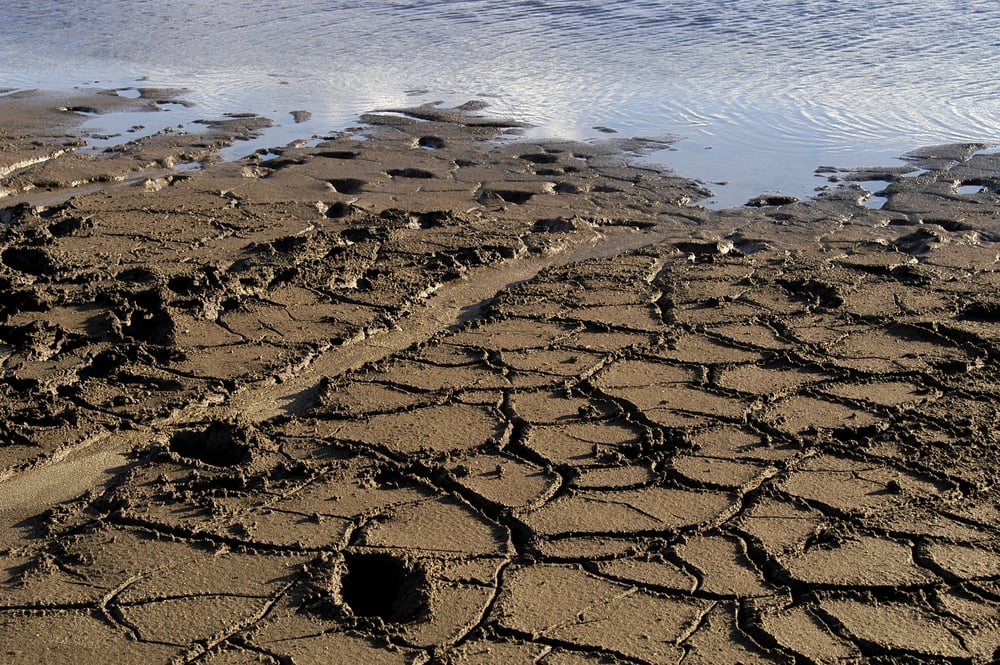
Workers piled mud from the bottom of the lake on top of the raft to create a layer of soil three feet thick. The soil from the bottom of the lake was rich in nutrients, acting as an efficient and effective way of fertilizing the chinampas.
This nutrient-rich mud formed the primary growing medium for crops.
Building Above Water Level

It was important that the fill brought the chinampa plot above the lake level to prevent roots from becoming water-logged. The chinampa was filled with organic material to a height of approximately 50 cm above the water level.
This elevation ensured proper drainage while still allowing plants to access moisture from below.
Planting Willow Trees for Stability

Willows were planted around the perimeter, often at the corners, to secure the chinampa. The dense root system of these trees anchored the retaining walls of the structure and reduced the effects of erosion over time.
The ahuejote stakes would take root soon after planting, creating living reinforcement for the artificial islands.
Constructing Canal Systems

Chinampas were separated by channels wide enough for a canoe to pass, creating an intricate network of waterways throughout the agricultural area. A narrow canal for the passage of canoes was left between parallel chinampa plots.
These canals served multiple purposes: transportation, irrigation, and drainage management.
Creating Drainage Infrastructure

As part of the construction process, a drainage system was created that had multiple functions, including facilitating the movement of water and sediments. A sophisticated drainage system, which included dams, sluice gates and canals, was put in place to counter flooding problems during the rainy season.
This engineering prevented the chinampas from becoming waterlogged during heavy rains.
Establishing Irrigation Networks

The Aztecs designed their chinampas with built-in irrigation that worked through capillary action. The channels that surrounded the chinampa allowed the roots of cultivated plants to benefit from the water.
This sub-irrigation system meant crops could access moisture even during dry periods without requiring manual watering in most cases.
Using Organic Waste as Fertilizer

The Aztecs used human excrement collected in canoes from the city of Tenochtitlan to fertilize the crops. This wasn’t just agricultural efficiency – it was also environmental management that created a healthier urban environment by properly processing the city’s waste.
The continuous input of organic matter kept the soil incredibly fertile year after year.
Allowing Decomposition Time

After filling with organic material, the chinampa was allowed to dry for two weeks, then water from the lake bottom was poured on the surface, and the chinampa remained unused until the organic matter had rotted. This decomposition process was crucial for creating the rich, fertile soil that made chinampas so productive.
The waiting period ensured that the organic materials had properly broken down before planting.
Implementing Systematic Layout Planning

The scale of planning required can be seen in the overall uniformity in chinampa size and orientation, as observed in aerial surveys. The Aztecs were the first to develop chinampas for large-scale cultivation, transforming what had been small household plots into an empire-wide agricultural system.
This systematic approach allowed them to feed hundreds of thousands of people in Tenochtitlan and surrounding cities.
Engineering Meets Ancient Wisdom

The chinampas represented far more than simple farming – they were a complete reimagining of how to work with natural water systems rather than against them. These raised, well-watered beds had very high crop yields with up to 7 harvests a year, making them one of the most productive agricultural systems in human history.
Today, chinampas are still present in San Gregorio, San Luis, Tlahuac, and Mixquic, proving that this ancient engineering continues to work over 500 years later. The floating gardens of the Aztecs show us that the most sustainable solutions often come from understanding and enhancing natural processes rather than trying to dominate them.
More from Go2Tutors!

- The Romanov Crown Jewels and Their Tragic Fate
- 13 Historical Mysteries That Science Still Can’t Solve
- Famous Hoaxes That Fooled the World for Years
- 15 Child Stars with Tragic Adult Lives
- 16 Famous Jewelry Pieces in History
Like Go2Tutors’s content? Follow us on MSN.