15 Forgotten Millennium Era Travel Gadgets
Remember when traveling meant stuffing your carry-on with a small electronics store’s worth of gadgets? The early 2000s were a peculiar time for travel technology – everything was getting smaller, smarter, and more specialized, but nothing quite worked the way it promised.
Those clunky devices that seemed revolutionary at the time now feel like archaeological artifacts from a digital civilization that tried really hard but hadn’t figured things out yet.
Portable CD Players with Anti-Skip Protection
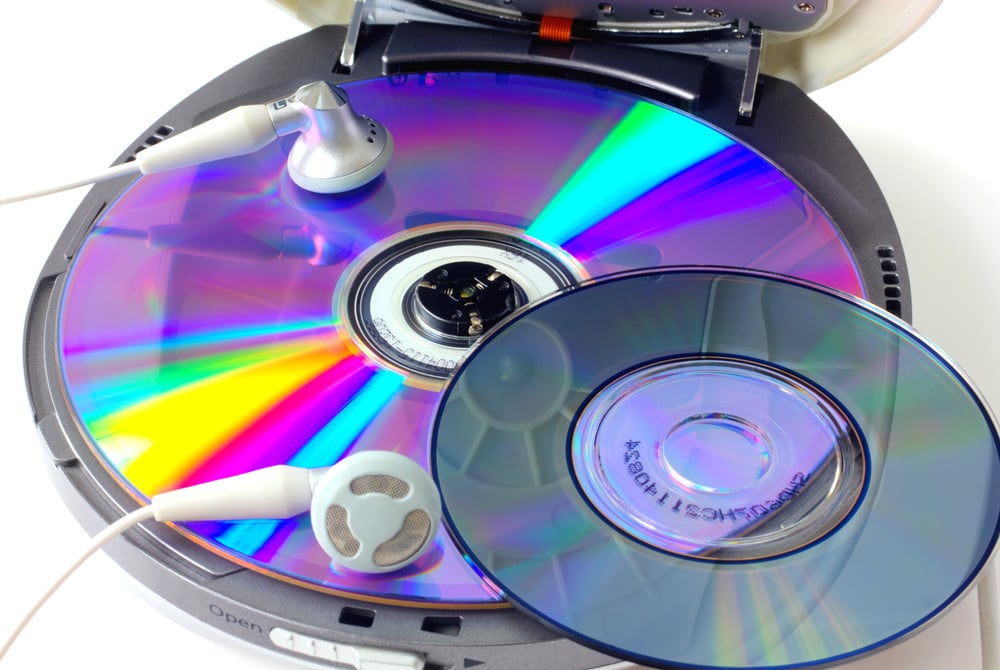
The Discman wasn’t going down without a fight. Anti-skip protection was the last desperate attempt to keep spinning discs relevant in a world that was clearly moving toward solid-state storage.
You’d carry a wallet full of CDs, pray your batteries lasted through a cross-country flight, and convince yourself that 20 seconds of skip protection was somehow revolutionary.
Digital Cameras with Floppy Disk Storage
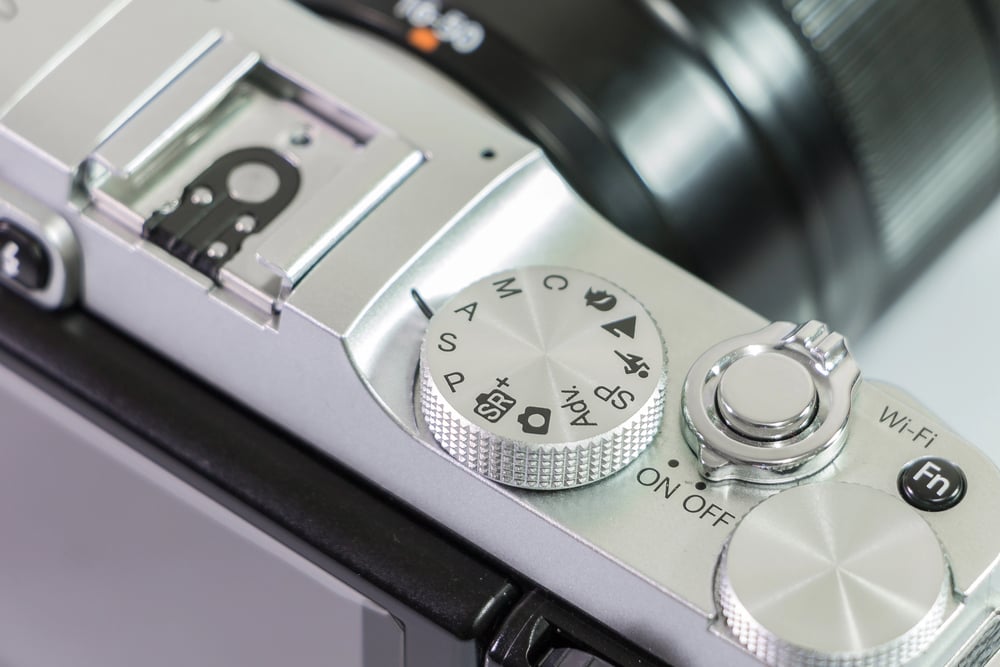
Digital cameras that saved photos to floppy disks were photography’s awkward teenage years made manifest. The Mavica line stored maybe 10 low-resolution photos per disk, but you felt like you were living in the future anyway.
Pack a dozen floppies for a weekend trip and still run out of storage by lunch on Saturday.
Pocket PCs

These weren’t quite phones and weren’t quite computers, but they desperately wanted to be both (and failing spectacularly at each task, as it happens). Palm Pilots and Windows Mobile devices promised to organize your entire life in your pocket – assuming you enjoyed tapping a stylus on a screen the size of a matchbox and syncing everything through a desktop computer you couldn’t bring with you.
So you’d spend your vacation manually entering restaurant addresses character by character while your travel companions waited.
But there’s something endearing about how earnest these devices were, like watching someone try to build a sandcastle with mittens on – the ambition was admirable even when the execution made simple tasks feel like performing surgery.
And yet everyone who owned one became oddly protective of their particular brand, defending Palm OS versus Windows Mobile with the fervor usually reserved for sports teams.
Which is saying something, considering both platforms would be extinct within a decade.
Portable DVD Players

These things were laptop-sized just to play movies. The screen folded up like a clamshell, the battery lasted maybe 90 minutes, and you had to carry DVDs around like you were running a video rental service out of your backpack.
But watching “The Matrix” on a 7-inch screen while cramped in an airplane middle seat felt like magic.
Standalone GPS Units
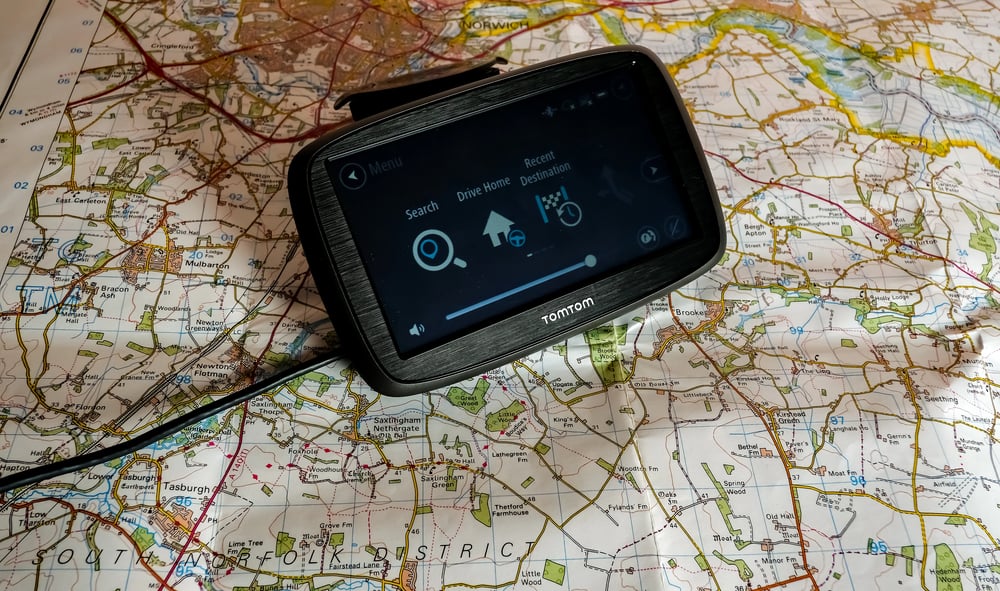
Garmin ruled the road trip world with an iron fist and a robotic voice that mispronounced every street name. These bricks suction-cupped to your windshield, took five minutes to find satellites, and cost more than some used cars.
The maps were outdated the moment you bought them, but updates cost extra and required connecting to your computer like you were performing some sort of digital blood transfusion.
Travel Alarm Clocks with Multiple Time Zones

Before smartphones automatically adjusted to local time, you needed a dedicated device to tell you what time it was in different cities. These little rectangular boxes had tiny buttons and tinier displays showing London, Tokyo, and New York simultaneously.
Programming them required a computer science degree and the patience of a monk.
Setting one of these felt like defusing a bomb – press the wrong sequence and you’d somehow end up with the alarm going off at 3 AM displaying Reykjavik time while you’re sleeping in Miami.
The instruction manual was written in eight languages, none of which seemed to be the one you needed, and every button served three different functions depending on which mode you were in (and good luck remembering which mode that was after you’d been traveling for 12 hours).
So most people just bought two regular alarm clocks and did the math in their heads.
Electronic Language Translators

These handheld devices promised to break down language barriers with the push of a button. Type in an English phrase, and it would spit out what passed for the local equivalent.
The reality was closer to playing telephone with a robot that had learned languages from a 1960s textbook and a fever dream.
Portable Cassette Players
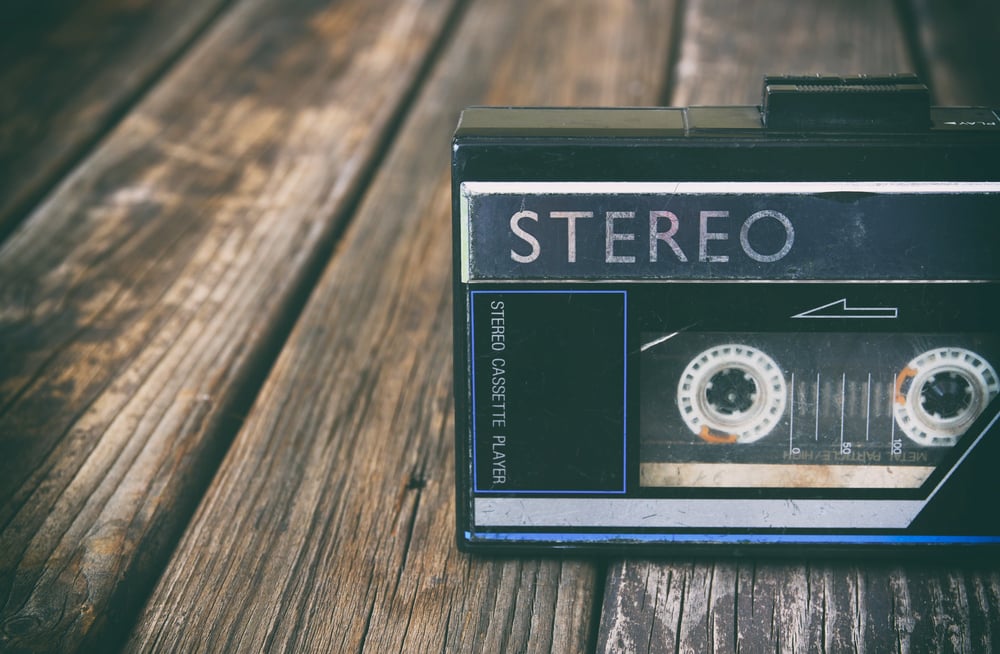
The Walkman refused to die quietly. While everyone else was moving to CDs or early MP3 players, some travelers still swore by good old-fashioned magnetic tape.
These things ate batteries faster than teenagers eat pizza, but they were indestructible and your mixtapes had personality that playlists somehow never quite captured.
Digital Voice Recorders

Before smartphones could record everything, you needed a separate device to capture your travel memories, interview locals, or take voice notes. These tiny machines had enough storage for maybe an hour of audio and required proprietary software to get anything off them.
Transfer files by connecting to your computer with a cable you’d inevitably forget at home.
Handheld Electronic Games

Game Boys were everywhere, but the real commitment was bringing a Sega Game Gear on vacation. That thing burned through six AA batteries in about three hours and had a color screen that was impossible to see in direct sunlight.
Pack more batteries than clothes and accept that gaming on the beach was never going to work.
Personal FM Transmitters
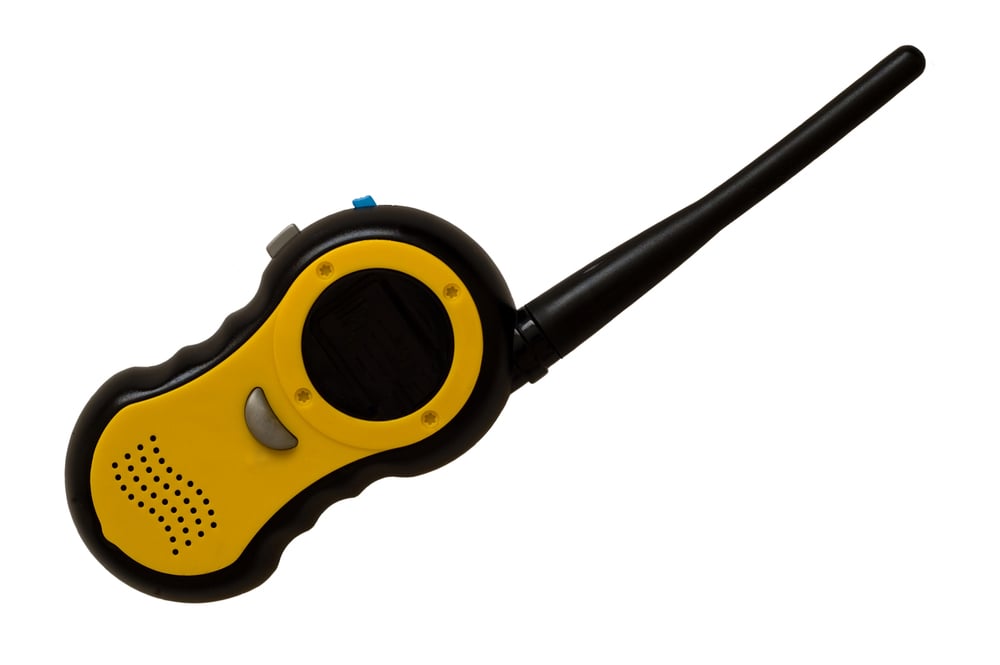
Want to play your CD or MP3 player through a rental car’s stereo system? You needed one of these little devices that broadcast your music over an empty FM frequency.
Finding a clear station in any major city was like tuning into alien communications – mostly static with occasional glimpses of actual audio.
The sweet spot lasted about ten miles before you were competing with a Spanish talk radio station or someone’s garage door opener.
The clever ones came with multiple frequency options and tiny digital displays that made you feel like a radio engineer, but the reality was that you’d spend more time adjusting the frequency than actually listening to music.
And the moment you found the perfect clear station, you’d drive into the next city where that same frequency was home to the loudest classic rock station known to humanity.
Portable CD-ROM Drives

Laptops in the early 2000s sometimes came without built-in CD drives to save weight and battery life. The solution was carrying a separate external drive that doubled your laptop bag’s weight and required its own power adapter.
Install software or watch DVDs on the road, assuming you had enough USB ports and didn’t mind turning your travel setup into mission control.
Digital Photo Storage Devices
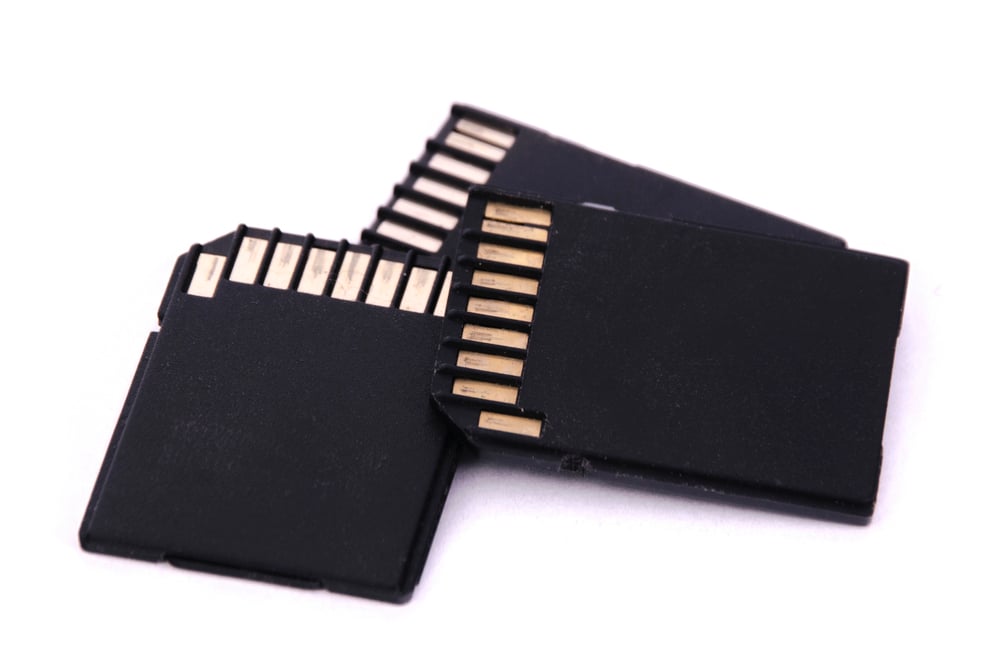
These were hard drives with card readers attached – no screen, no editing, just storage. You’d dump your camera’s memory cards onto them throughout the day, hoping the transfer actually worked since there was no way to verify until you got home.
Some had tiny screens that could display thumbnails, but mostly you were buying expensive faith that your vacation photos were actually being saved somewhere.
Multi-Region Portable DVD Players

Regular portable DVD players weren’t complicated enough, apparently. The premium models could play discs from different regions, which mattered when you bought movies abroad or were traveling with a collection from multiple countries.
These cost twice as much and came with warnings about voiding warranties if you actually used the multi-region features.
Electronic Phrase Books

Language translators for people who didn’t trust technology completely. These devices stored thousands of pre-recorded phrases in multiple languages, spoken by actual humans rather than text-to-speech engines.
Navigate through menus to find “Where is the bathroom?” in seventeen languages, assuming you could figure out the menu system before your bladder gave up waiting.
When Simple Became Smart

Those gadgets live in junk drawers now, if they survived at all. Each one promised to solve a specific travel problem, and in their own clunky way, most of them actually did.
The trade-off was carrying enough electronic equipment to stock a small RadioShack, but somehow that felt like progress.
Your phone does all of this now, and does it better, but something got lost in the consolidation – the particular satisfaction of a device that did one thing well, even if that thing was completely obsolete six months later.
More from Go2Tutors!

- The Romanov Crown Jewels and Their Tragic Fate
- 13 Historical Mysteries That Science Still Can’t Solve
- Famous Hoaxes That Fooled the World for Years
- 15 Child Stars with Tragic Adult Lives
- 16 Famous Jewelry Pieces in History
Like Go2Tutors’s content? Follow us on MSN.