Photos Of Celebrities And Their Madame Tussauds Wax Twin
There’s something deeply unsettling about standing next to a wax version of yourself. The uncanny valley effect hits harder when the figure is supposed to be you — every slightly off proportion becomes magnified, every detail that doesn’t quite match feels like a funhouse mirror reflection.
For celebrities, this experience is both honor and horror show, as their likeness gets preserved in wax for millions of visitors to pose with, critique, and sometimes mock mercilessly online.
The results range from startlingly accurate to hilariously off-base. Some figures capture not just the physical features but somehow manage to bottle the essence of their celebrity counterpart. Others look like distant cousins who might share some DNA but definitely didn’t inherit the same talent agent.
When celebrities visit their wax doubles, the photos tell the whole story — sometimes pride, sometimes bewilderment, and occasionally the kind of diplomatic smile that says “well, at least they tried.”
Angelina Jolie

The Madame Tussauds version gets the bone structure right. Sharp cheekbones, defined jawline, that particular way Jolie holds her mouth.
But something about the eyes feels vacant.
Standing next to it, Jolie looks amused rather than impressed. Fair enough.
Leonardo DiCaprio
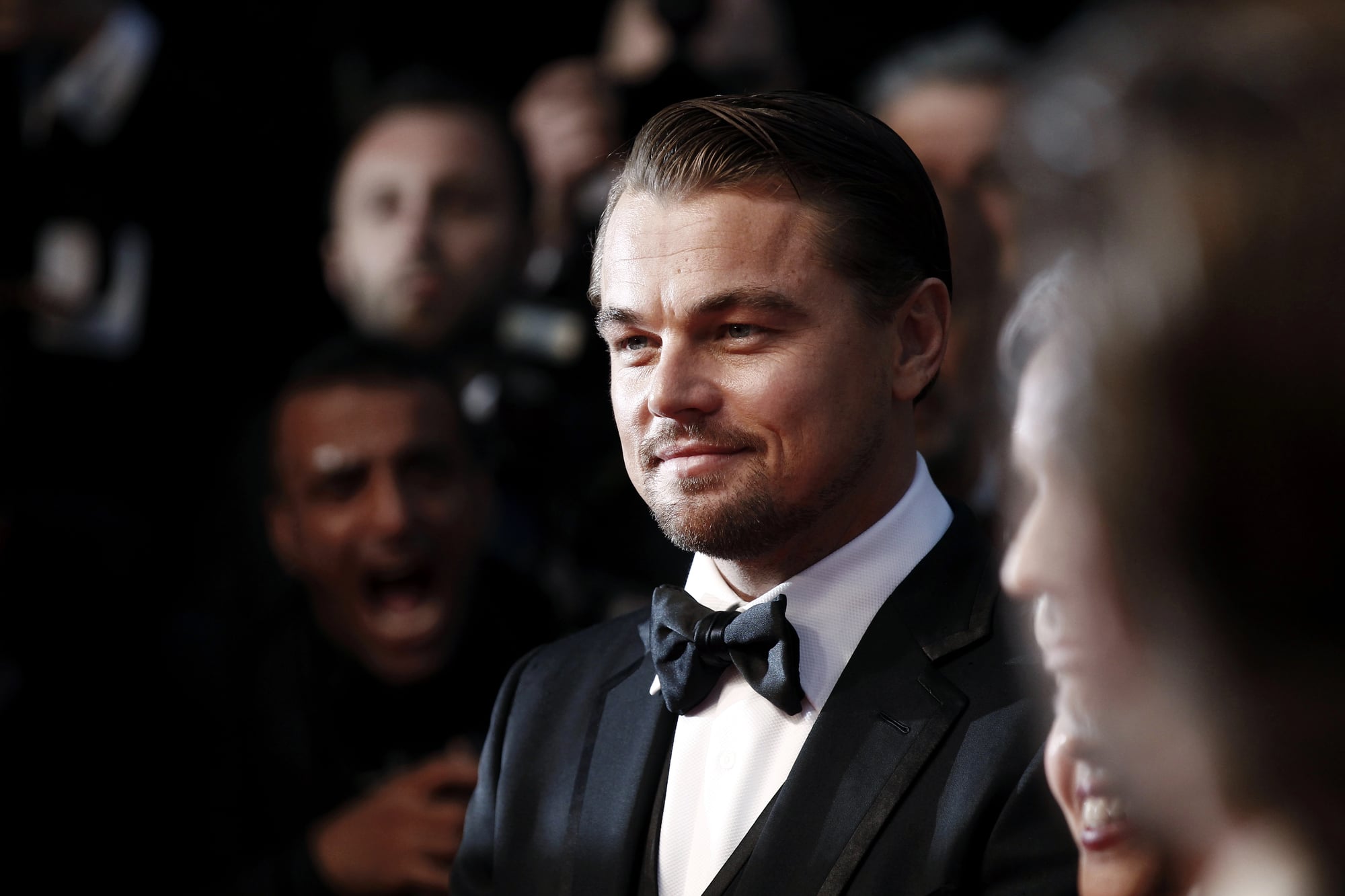
Here’s where things get interesting, because the DiCaprio figure seems frozen in time from about 2004 (which, let’s be honest, is probably when most people want to remember him anyway).
The real DiCaprio has aged, as humans tend to do, but his wax counterpart remains perpetually young, like some kind of Hollywood Dorian Gray situation that got the timeline backwards.
And yet, when DiCaprio posed with the figure, there was something oddly poignant about it — this moment where past and present versions of himself occupied the same frame.
The wax figure captures that boyish charm that made him a heartthrob, while the real DiCaprio carries the weight of decades spent turning that charm into serious dramatic credibility.
But (and this is the thing that makes these photos so compelling) the smile is identical: that slight, knowing grin that suggests he’s in on whatever joke the universe happens to be telling.
Brad Pitt

There’s an art to capturing someone’s essence in wax, and it has less to do with getting every facial measurement perfect and more to do with understanding what makes that person recognizable in a crowded room.
With Pitt, it’s not just the jawline or the hair — though both are admittedly important — it’s that particular blend of approachability and untouchability that has defined his screen presence for three decades.
The wax figure gets the surface details right.
The real magic happens in the comparison photo, where Pitt stands next to his double with the kind of easy confidence that suggests he’s genuinely entertained by the whole enterprise.
Most people would find it weird to pose with a wax version of themselves. Pitt looks like he’s hanging out with an old friend who happens to be made of wax.
Beyoncé
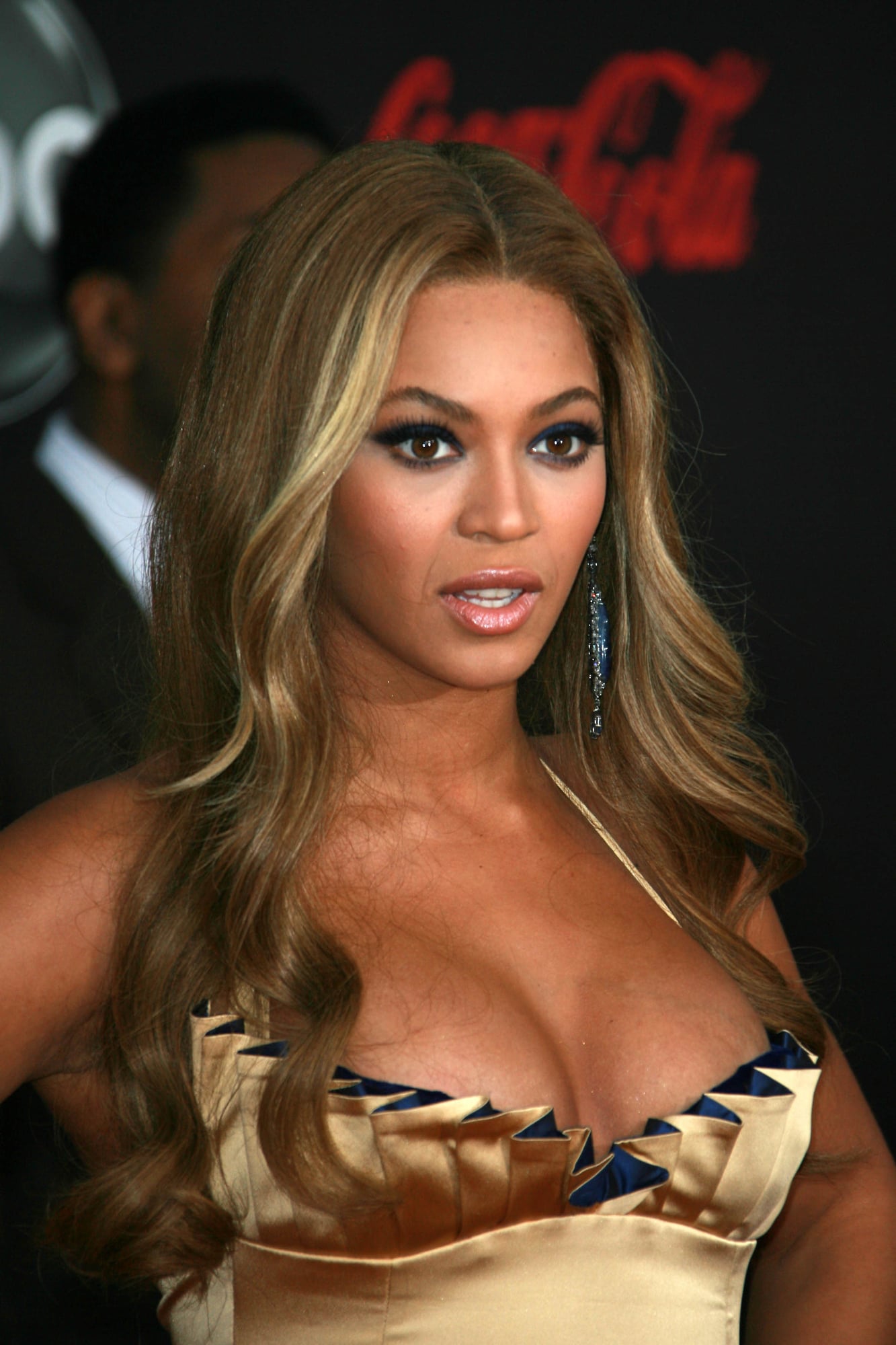
Beyoncé’s wax figure stirred up more controversy than most. The skin tone was wrong, the hair texture was off, and the overall effect was more “inspired by Beyoncé” than “accurate representation of Beyoncé.”
The museum eventually made adjustments. Turns out getting Beyoncé right in wax is harder than it looks.
Johnny Depp
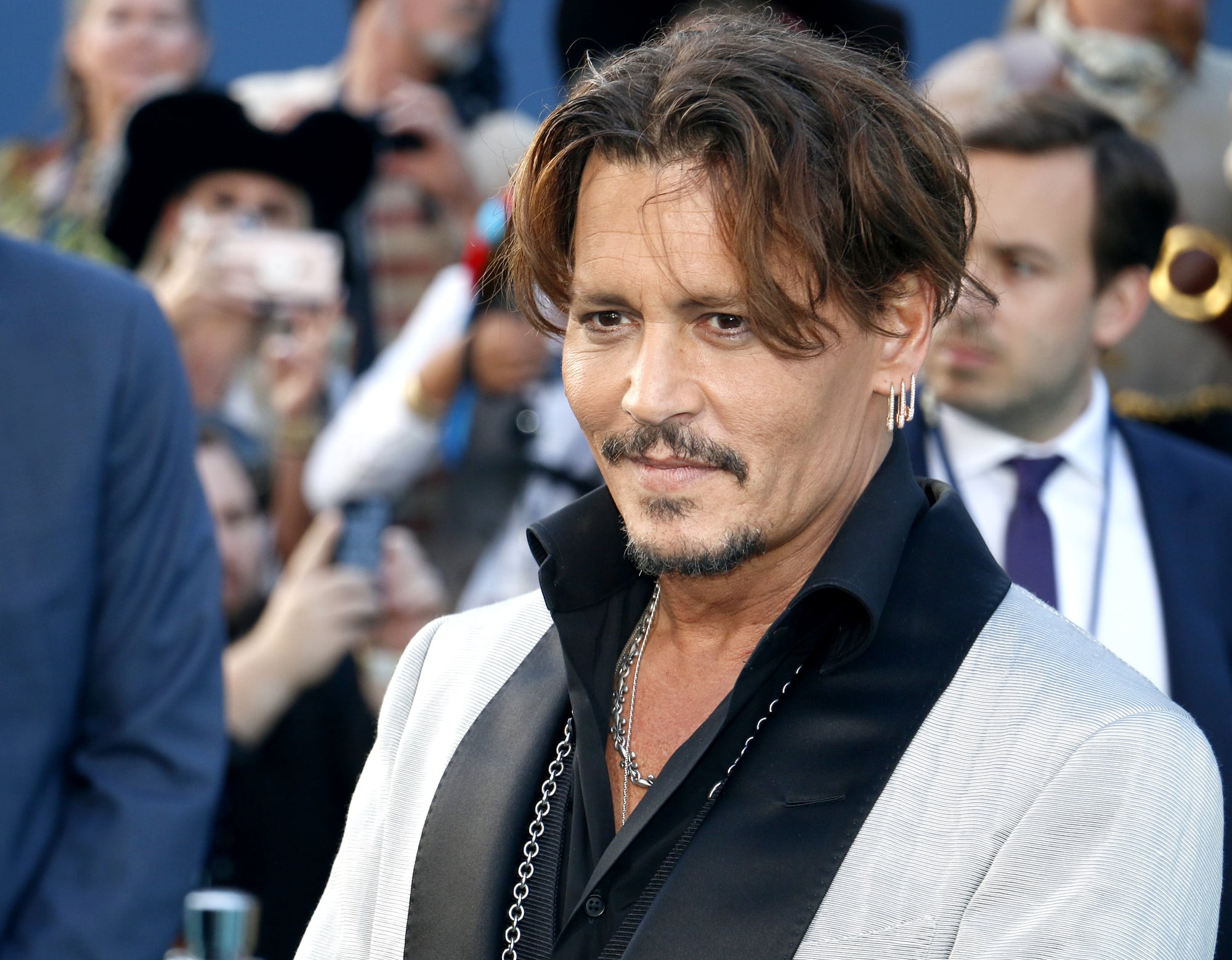
The thing about trying to capture Johnny Depp in wax is that his face has always seemed slightly unreal to begin with — those cheekbones that could cut glass, eyes that shift color depending on the lighting, and a bone structure that photographers have been trying to decode for decades.
So when Madame Tussauds takes a swing at it, they’re essentially trying to recreate something that already exists somewhere between reality and caricature.
The result is oddly successful, partly because Depp’s features are so distinctive that even a rough approximation hits the target.
But mainly because (and here’s where it gets interesting) Depp himself seems to exist in a state of perpetual performance, so a wax figure of him doesn’t feel like a departure from reality so much as another layer of it.
When he posed with the figure, both versions looked equally likely to suddenly spring to life or freeze mid-gesture. So there’s that.
Taylor Swift

Swift’s relationship with her wax double reveals something about how celebrity images get constructed and reconstructed over time. The figure captures her at a specific moment — blonde, red-lipped, frozen in that particular brand of calculated spontaneity that defined her early pop era.
But Swift keeps evolving, both musically and visually, while her wax counterpart remains stuck in amber.
When she visited, the contrast was striking: the real Swift had moved on, while her double remained committed to a version of herself she’d already outgrown.
Which is either deeply metaphorical or just the inevitable result of working in wax.
George Clooney

Clooney’s wax figure manages something most don’t: it captures not just his appearance but his attitude. That slightly raised eyebrow, the hint of a smirk, the overall impression of someone who’s perpetually about to deliver the perfect comeback.
Standing next to it, Clooney looks genuinely pleased.
The figure gets the salt-and-pepper hair right, nails the jawline, and somehow bottles that particular brand of effortless charm that has powered his career.
It’s the rare wax figure that feels like it could actually hold up its end of a conversation.
Rihanna

The challenge with capturing Rihanna in wax isn’t technical — it’s conceptual. She’s someone who reinvents her look so frequently that any static representation feels incomplete by definition.
The museum went with classic Rihanna: bold features, confident posture, that direct gaze that has launched a thousand magazine covers.
The real Rihanna, when she posed with the figure, brought something the wax version couldn’t replicate: movement.
Even standing still, she radiates the kind of kinetic energy that makes her magnetic on stage and in person.
Will Smith

Smith’s figure captures his most recognizable feature: that megawatt smile that has been his calling card since his Fresh Prince days.
The proportions are right, the expression is pure Will Smith, and the overall effect is surprisingly warm for something made of wax.
When Smith visited, he seemed genuinely delighted by the whole thing.
He posed with the figure like they were old friends, which makes sense — after all, they share the same face.
Jennifer Lawrence

Lawrence’s wax double freezes her in that moment when she was everywhere — post-Hunger Games, pre-taking-a-break-from-Hollywood.
The figure captures her girl-next-door accessibility, that particular combination of glamour and relatability that made her so appealing.
The real Lawrence, standing next to it, looks slightly bemused by the whole enterprise.
Which tracks — she’s always seemed a bit surprised by her own fame, so encountering a wax version of herself probably felt like just another surreal chapter in an already surreal story.
Robert Downey Jr.

Downey’s figure gets the smirk right. That’s the crucial detail — not the hair, not the facial structure, but that particular expression that suggests he knows something everyone else doesn’t.
The real Downey, when he posed with the figure, matched its energy perfectly.
Both versions look like they’re about to deliver a one-liner that will be quoted for years.
Emma Stone
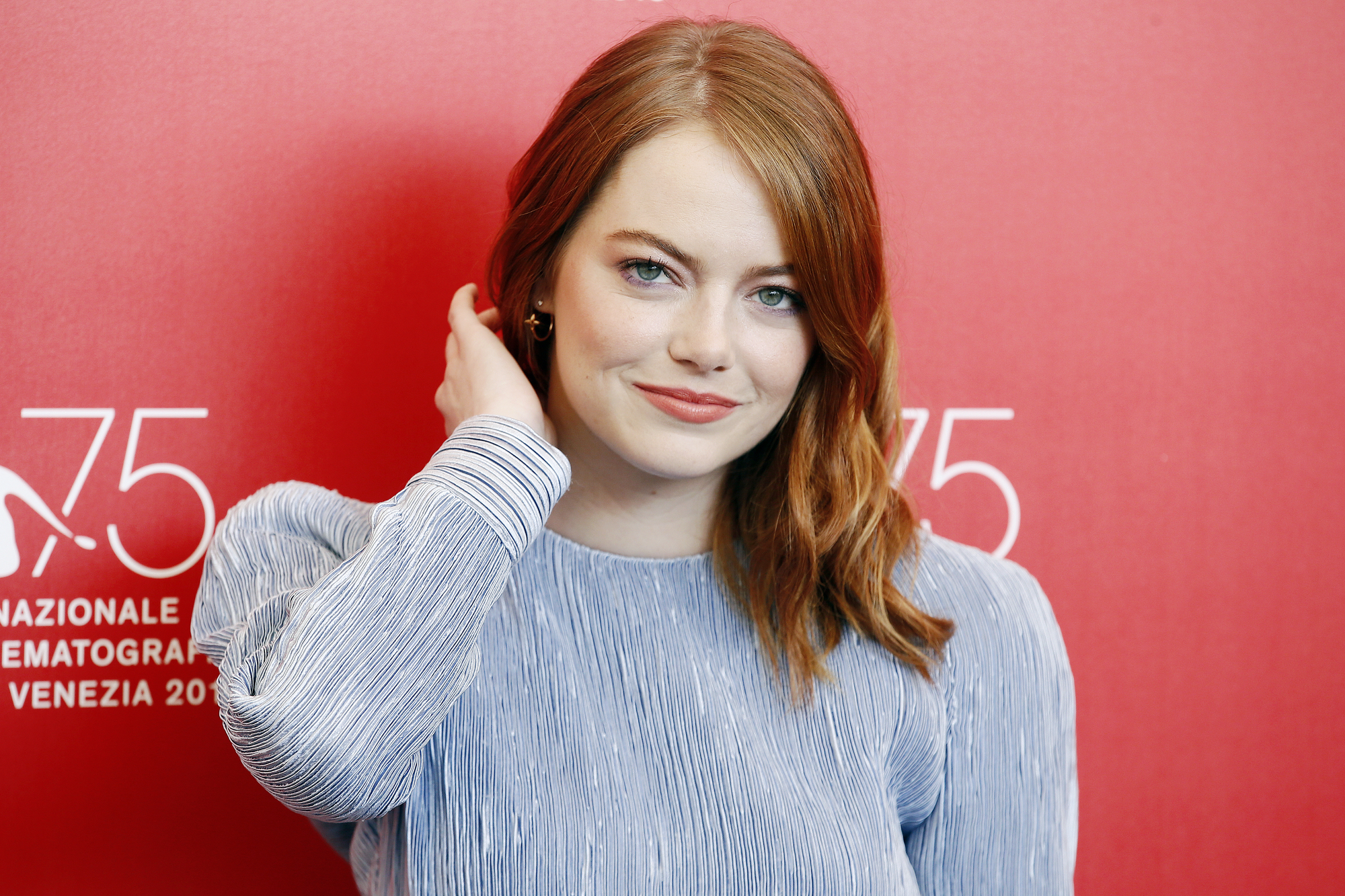
Stone’s wax figure captures her at her most classically beautiful — red hair perfectly styled, features symmetrical and serene.
But something essential gets lost in translation: that slightly crooked smile, the way her eyes light up when she’s genuinely amused, the overall impression of someone who’s simultaneously sophisticated and goofy.
The comparison photo highlights what wax figures struggle with most: capturing personality in motion.
Stone radiates warmth and humor in person, while her double looks beautiful but distant.
Ryan Gosling
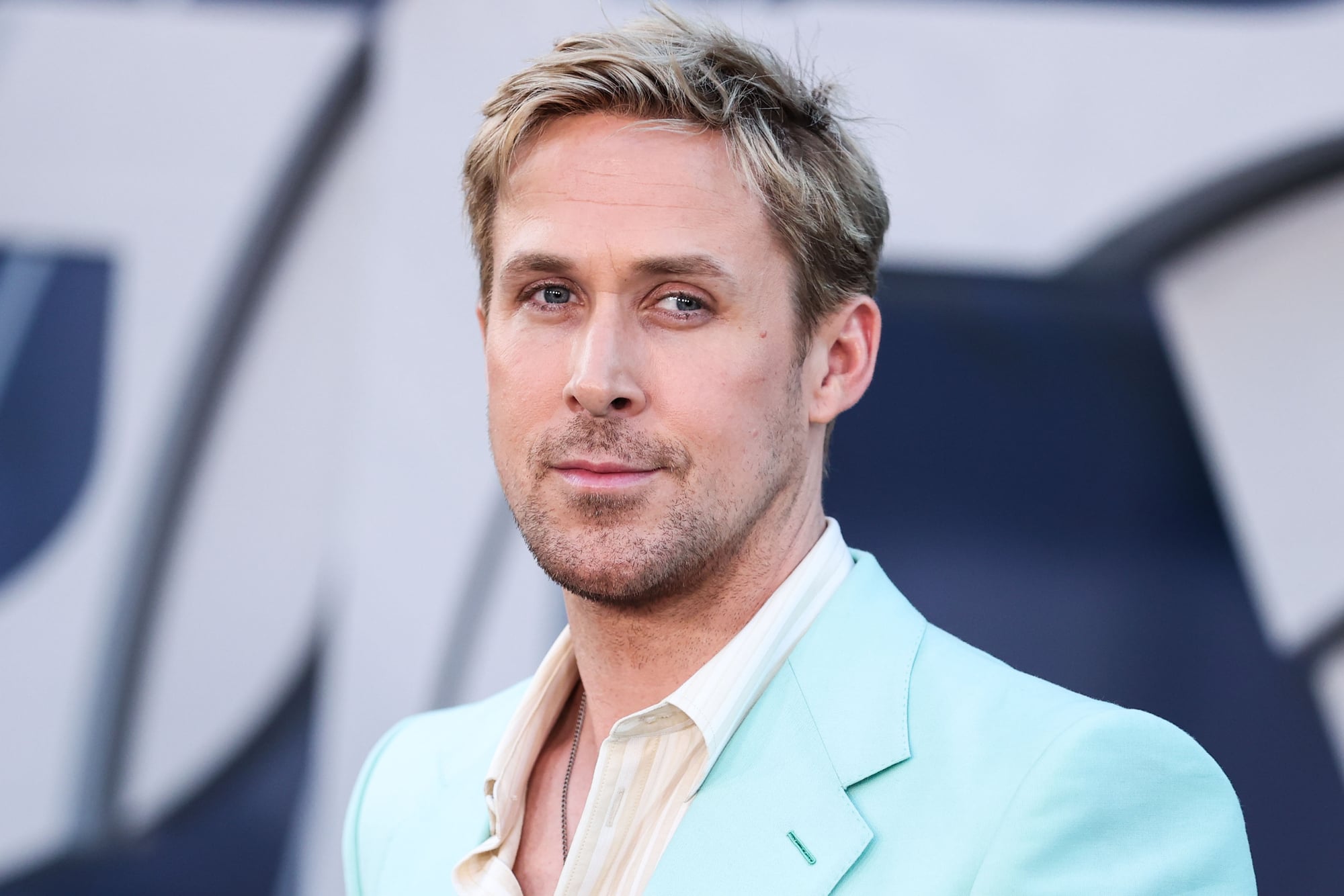
The Gosling figure presents an interesting case study in masculine beauty standards translated into wax. Those piercing blue eyes, the perfectly tousled hair, the expression that somehow manages to be both brooding and approachable — it’s all there, technically speaking.
But when Gosling posed with the figure, the difference became clear: the real version has a lightness, a sense of humor about himself that keeps the intensity from tipping into parody.
The wax version takes itself very seriously, which is either perfectly appropriate or completely missing the point.
Scarlett Johansson

Johansson’s figure sparked debates about representation and accuracy when it was unveiled. The features were close but not quite right, the styling felt dated, and the overall effect was more “inspired by” than “replica of.”
When Johansson herself posed with the figure, she maintained the kind of diplomatic expression that Hollywood professionals perfect for exactly these situations.
Polite interest mixed with careful neutrality — the look of someone who knows these photos will be scrutinized for any hint of disapproval.
The Strange Mirror Of Fame
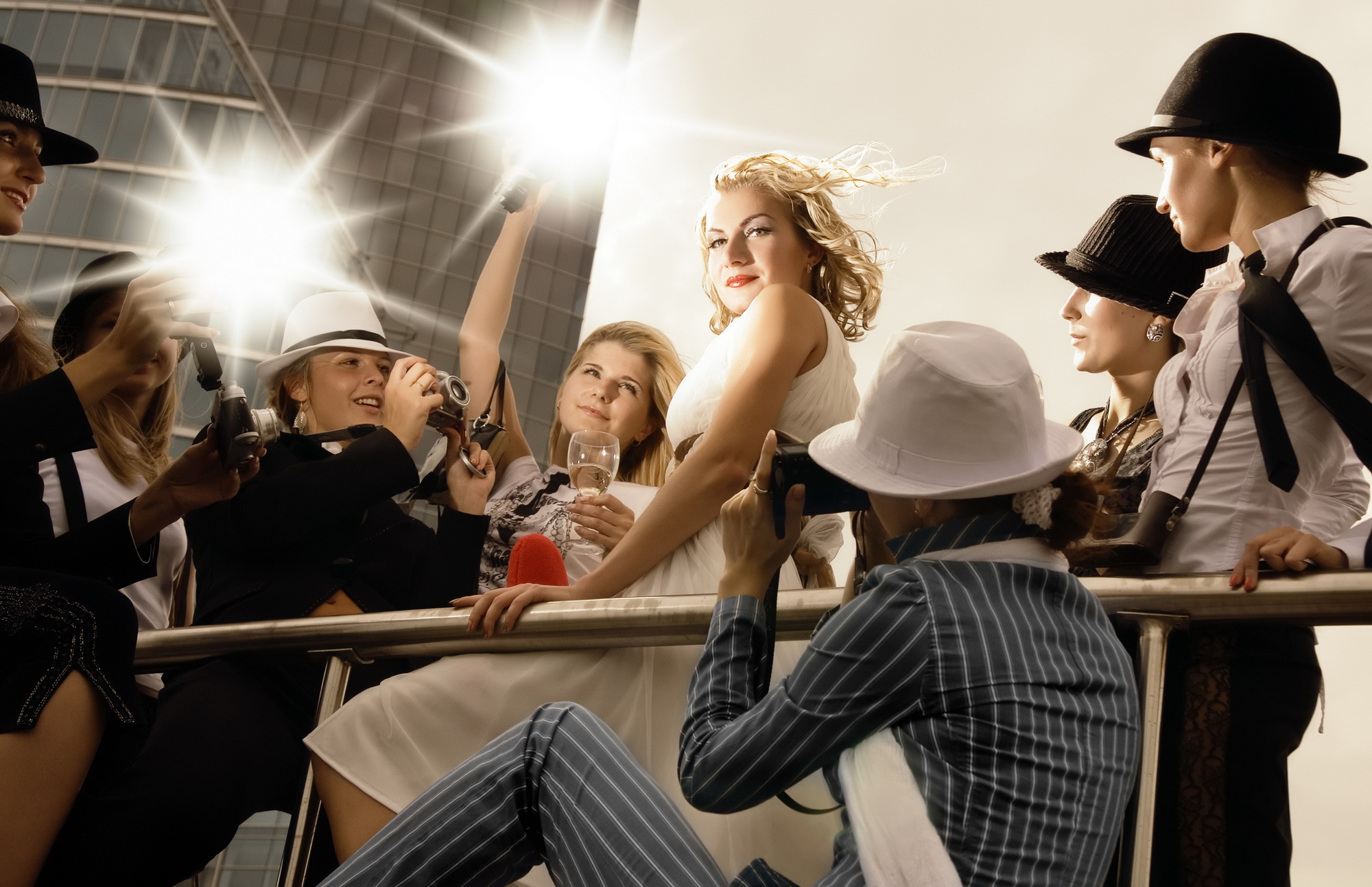
Standing next to a wax version of yourself must feel like encountering a parallel universe where you exist but don’t quite live. These figures represent fame distilled to its essence — recognizable features without the spark of personality, familiar faces drained of everything that makes them actually familiar.
The celebrities who seem most comfortable with their doubles are often the ones who understand that fame itself is a kind of performance art.
They recognize their wax counterparts not as failed attempts at replication, but as another costume in an ongoing theatrical production where they happen to play themselves.
More from Go2Tutors!

- The Romanov Crown Jewels and Their Tragic Fate
- 13 Historical Mysteries That Science Still Can’t Solve
- Famous Hoaxes That Fooled the World for Years
- 15 Child Stars with Tragic Adult Lives
- 16 Famous Jewelry Pieces in History
Like Go2Tutors’s content? Follow us on MSN.