15 Abandoned Prisons With Chilling Backstories
Behind every abandoned prison lies a dark history that continues to haunt these empty corridors long after the last inmate walked free. These crumbling institutions once held society’s most dangerous criminals, witnessed horrific violence, and served as the final stop for countless souls who never made it out alive.
From experimental torture methods to mass executions, these prisons accumulated decades or even centuries of human suffering within their walls. The stories that emerge from these abandoned penitentiaries read like horror novels, except every gruesome detail actually happened.
Here is a list of 15 abandoned prisons whose chilling backstories will make you grateful you’re reading about them from the safety of your own home.
Eastern State Penitentiary
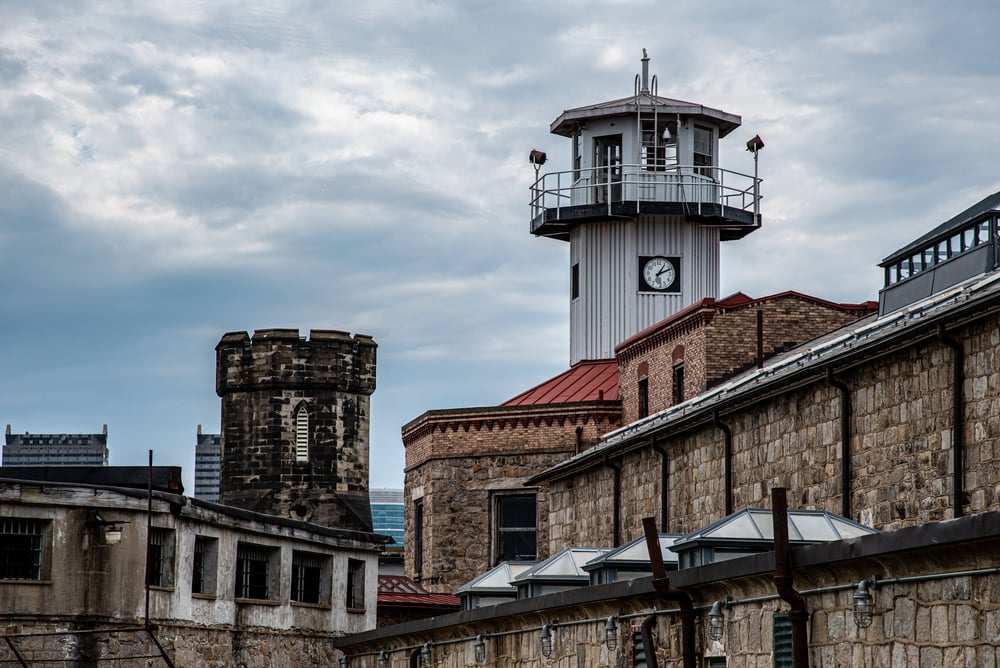
Philadelphia’s Eastern State Penitentiary opened in 1829 as the world’s first true penitentiary, but its revolutionary approach to rehabilitation quickly became a nightmare of psychological torture. The Quakers who founded it believed complete isolation would make criminals ‘penitent,’ so inmates were confined in windowless cells and forbidden any human contact.
Many prisoners went completely insane from the solitude, while others ended their own lives rather than endure another day in the suffocating silence. Even notorious gangster Al Capone, who spent eight months here, claimed to be haunted nightly by the ghost of James Clark, a victim of his St. Valentine’s Day massacre.
Alcatraz Federal Penitentiary
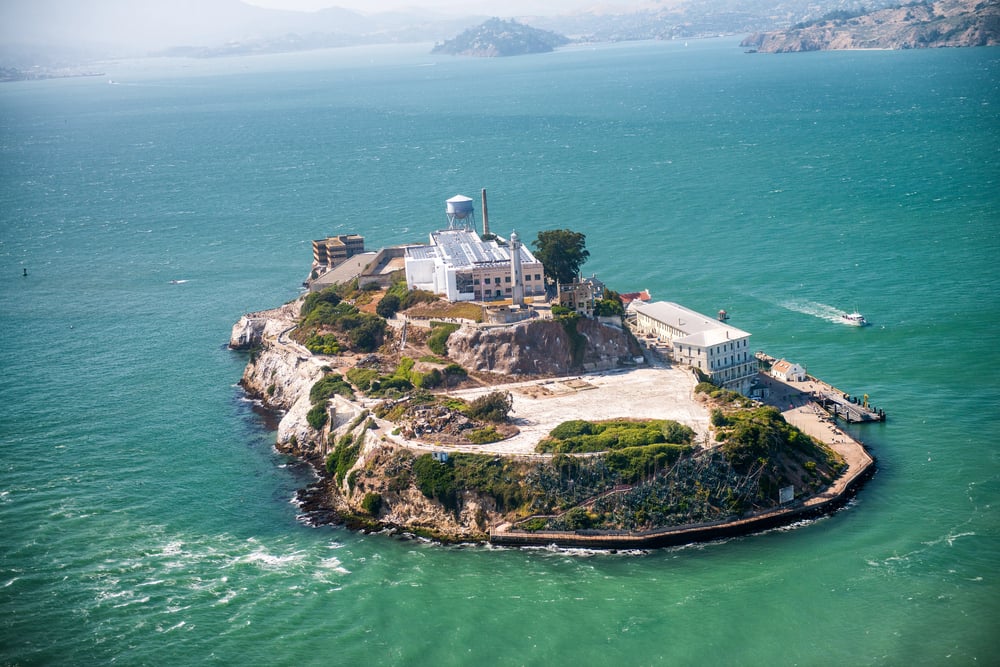
Perched on a rocky island in San Francisco Bay, Alcatraz earned its reputation as America’s most escape-proof prison, but the psychological toll on inmates was just as brutal as the physical isolation. The 1,576 prisoners incarcerated there were considered violent and dangerous, or were escape risks from other institutions, making it the prison system’s prison for the worst of the worst.
The famous 1962 escape attempt by Frank Morris and the Anglin brothers remains unsolved, though most believe the frigid bay waters claimed their lives. The prison never reached its capacity of 336 inmates, holding less than 1 percent of the total federal prison population, but the intense surveillance and harsh conditions drove many inmates to the breaking point.
Like Go2Tutors’s content? Follow us on MSN.
Missouri State Penitentiary

Time Magazine called the prison ‘the bloodiest 47 acres in America’ after this Jefferson City institution racked up an appalling record of violence during its 168-year operation. The prison housed inmates for 168 years and was the oldest continually operating prison west of the Mississippi until decommissioned in 2004.
The gas chamber, built by inmates using stone from the prison quarry, became the final destination for 40 condemned prisoners between 1937 and 1989. The 1954 riot left four inmates dead and 29 injured, while the prison’s reputation for brutality attracted some of America’s most dangerous criminals, including James Earl Ray, who assassinated Martin Luther King Jr. after escaping from here in 1967.
West Virginia Penitentiary

Built in 1866 in Moundsville, this Gothic fortress operated for 129 years as one of America’s most violent correctional facilities. The penitentiary saw much violence and death, including riots, murders, death by natural causes, and executions.
The prison’s imposing stone walls couldn’t contain the bloodshed within, as inmates regularly killed each other and guards struggled to maintain control. Multiple riots scarred the institution’s history, and the electric chair claimed numerous lives before the prison finally closed in 1995.
Old Idaho State Penitentiary
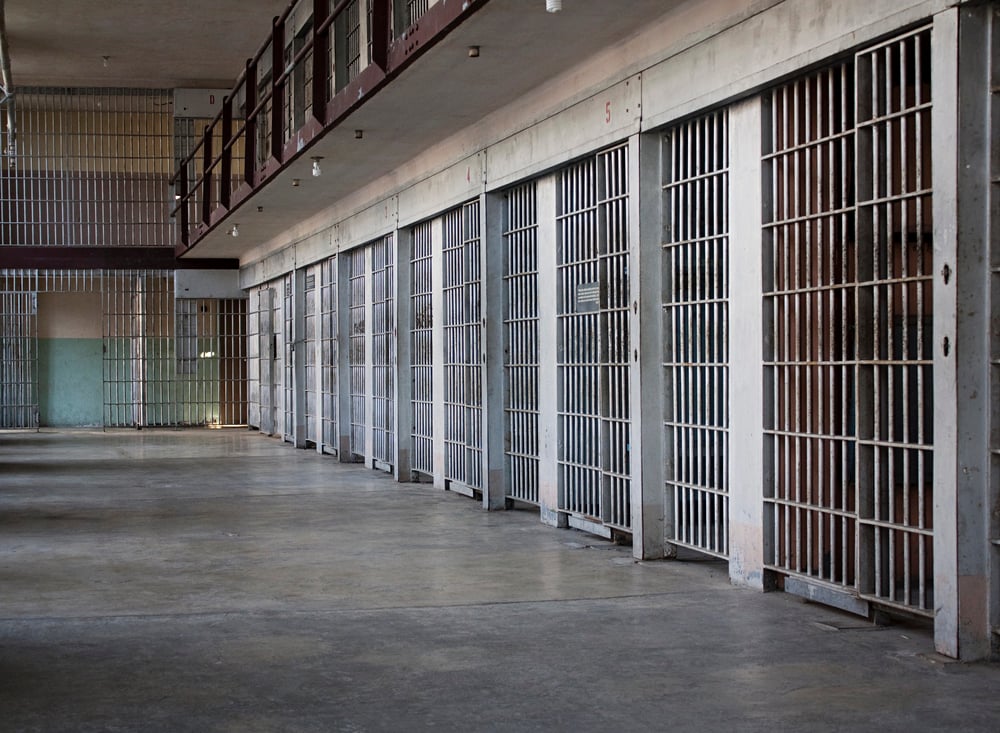
This Boise prison opened in the 1870s as a single-cell house but grew into a sprawling complex of brutality and despair before closing in 1973. When it was open, it housed over 13,000 criminals, some of them the most dangerous in Idaho.
They were forced to mine the rock quarries nearby to build the walls of their prison. The surrounding sandstone walls created an oven in summer and an icebox in winter, while diseases spread easily due to poor plumbing and ventilation.
Like Go2Tutors’s content? Follow us on MSN.
Brushy Mountain State Penitentiary

Tennessee’s maximum security prison earned the grim nickname ‘The End of the Line’ during its operation from 1896 to 2009. The most famous inmate is James Earl Ray, who murdered Martin Luther King Jr.
He escaped from here once, for 58 hours, with six other inmates. The rugged mountain terrain surrounding the prison created a sense of hopelessness that permeated every aspect of life inside the walls.
Wyoming Territorial Prison
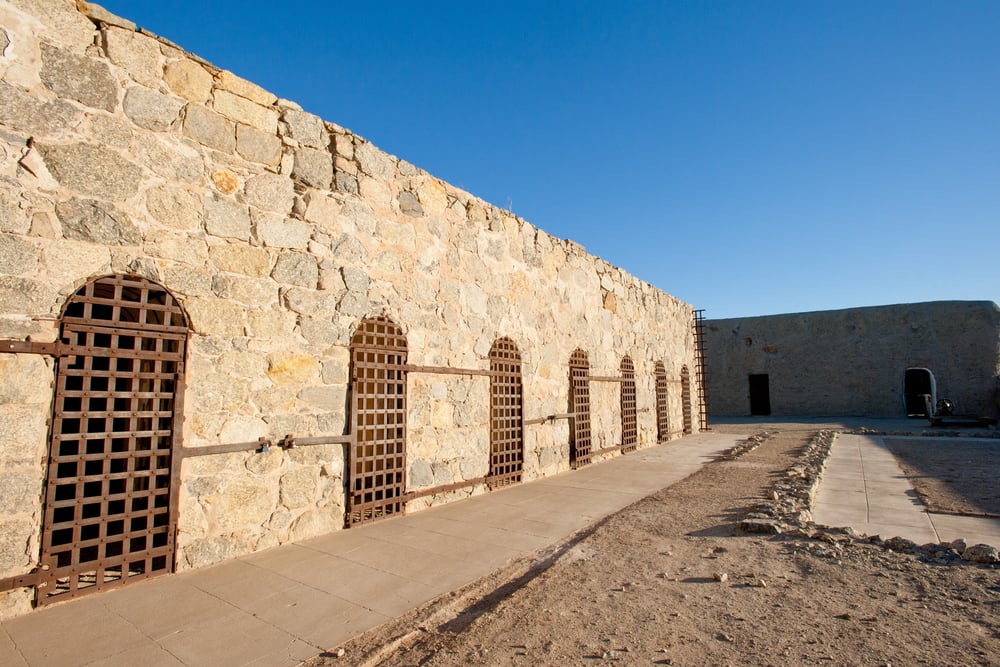
Built in 1872 to handle the surge in crime following westward railroad expansion, this Laramie prison seemed cursed from the moment it opened. It seemed to be cursed from the start and hit with many problems.
There was a fire in 1873, along with several escapes. In just the first two years of its operation, 11 out of 44 inmates escaped.
Ohio State Reformatory
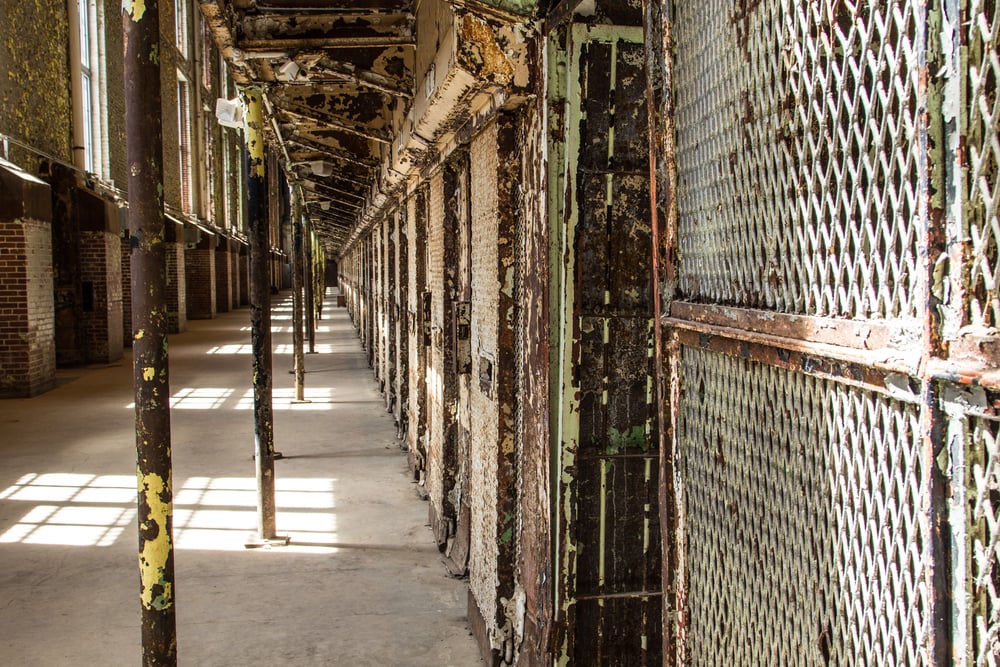
This Mansfield prison operated from 1896 to 1986 and became famous worldwide as the filming location for ‘The Shawshank Redemption,’ but the real history was far darker than any Hollywood drama. Originally believed to be a humane prison where offenders could be rehabilitated, it quickly devolved into a place known for torture, abuse and murder.
The massive Gothic structure was designed to intimidate inmates into submission, but instead became a breeding ground for violence and despair. Overcrowding turned the reformatory into a nightmare of human misery, where rehabilitation gave way to survival and brutality became the norm.
Like Go2Tutors’s content? Follow us on MSN.
Old Joliet Prison
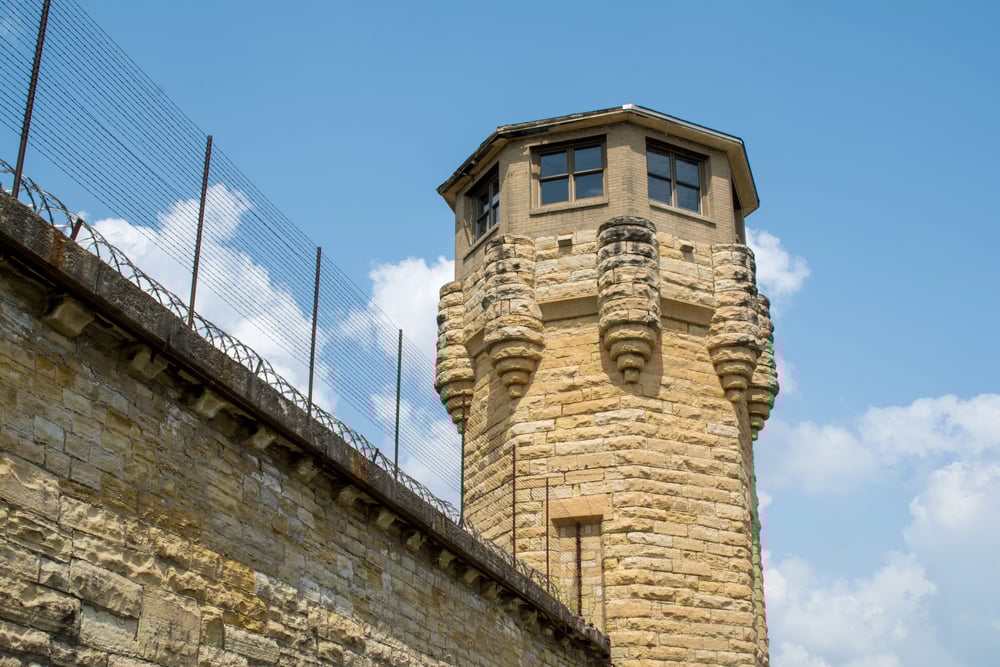
Illinois’ Joliet Correctional Center, which operated from 1858 to 2002, became synonymous with violence and despair during its 144-year run. The prison gained notoriety for housing the infamous duo Leopold and Loeb, who murdered 14-year-old Bobby Franks in 1924 in what was called ‘the crime of the century.’
The facility’s imposing limestone walls witnessed countless riots, escapes, and deaths over the decades. Today, the abandoned prison has been converted into a haunted attraction, capitalizing on its reputation for supernatural activity and its genuinely terrifying history of human suffering.
Pottawattamie County Jail

Built in 1885 in Council Bluffs, Iowa, this unusual jail earned the nickname ‘squirrel cage jail’ due to its unique rotating design that was supposed to allow guards to monitor all prisoners from a central location. The jail has a three-tier cell block with ten cells on each tier.
It was originally designed to rotate continuously throughout the night by means of a water wheel in the basement. Unfortunately, the stone construction was too heavy to rotate as intended, creating a death trap when inmates died in their cells and couldn’t be reached for days.
Yuma Territorial Prison
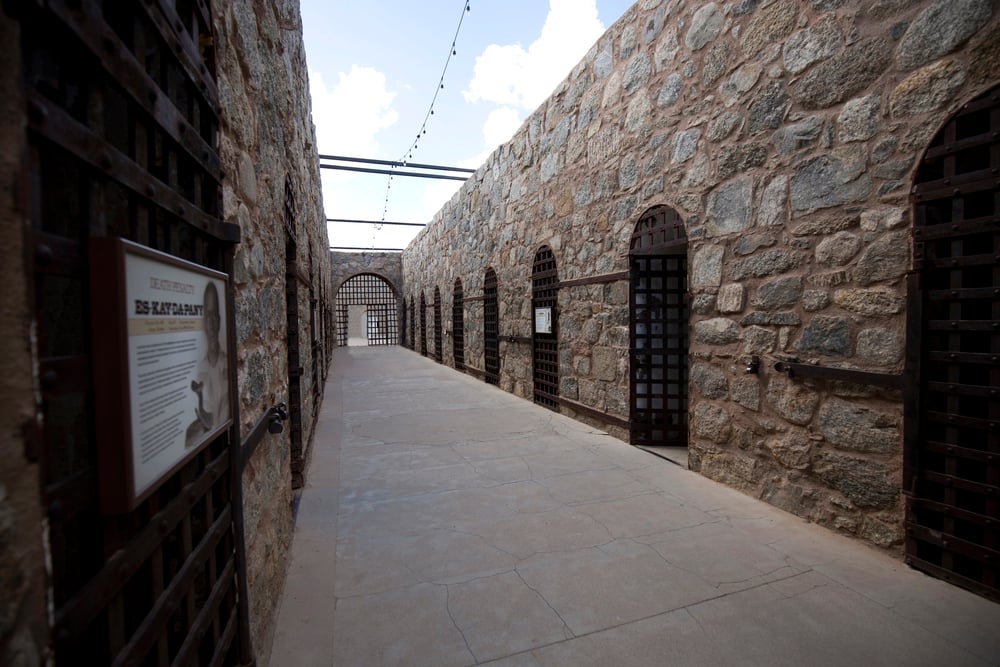
Arizona’s Yuma Territorial Prison operated from 1876 to 1909 in the scorching desert heat, where temperatures regularly exceeded 120 degrees Fahrenheit inside the stone and adobe cells. The prison housed over 3,000 inmates during its 33-year operation, including 29 women, in conditions that can only be described as hellish.
Prisoners were forced to build their own cells and the prison walls using picks and shovels in the brutal desert sun. The lack of adequate water, combined with the extreme heat and poor sanitation, created a breeding ground for disease and death that claimed many lives before sentences were completed.
Like Go2Tutors’s content? Follow us on MSN.
Carandiru Penitentiary
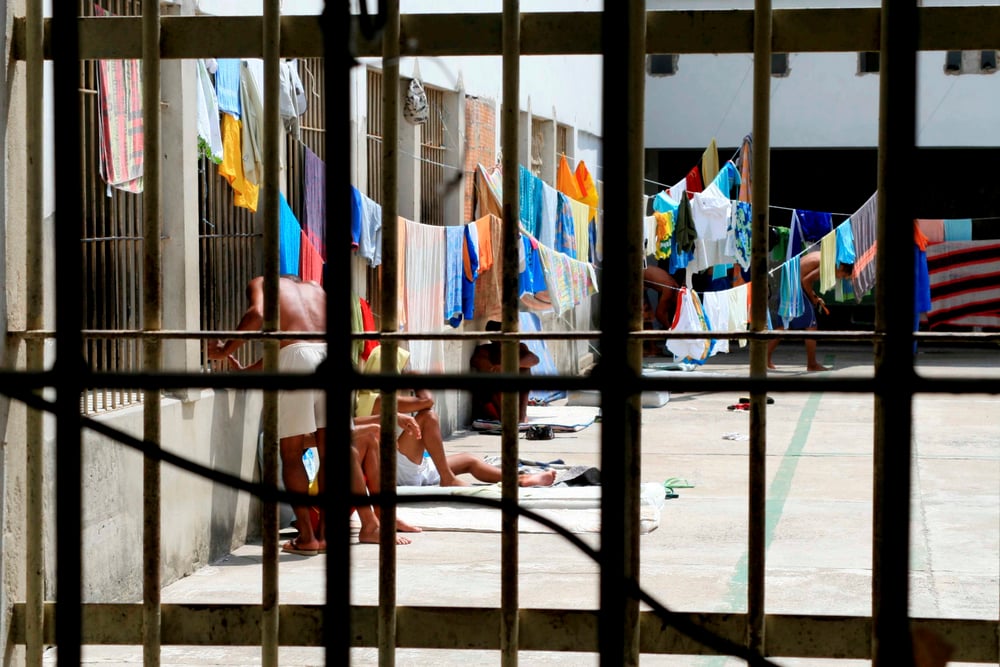
Brazil’s most notorious prison operated from 1920 to 2002 and became synonymous with overcrowding, violence, and human rights violations. Designed to hold 4,000 inmates, the facility regularly housed over 8,000 prisoners in deplorable conditions.
The prison gained worldwide infamy in 1992 when military police stormed the facility to quell a riot, resulting in the massacre of 111 inmates. The incident exposed the horrific conditions inside, where prisoners lived in sewage-filled cells without adequate food, medical care, or basic human dignity.
Fremantle Prison

Australia’s Fremantle Prison in Western Australia operated from 1855 to 1991 as one of the most feared institutions in the Southern Hemisphere. Built by convict labor using limestone quarried on-site, the prison housed thousands of criminals transported from Britain during the colonial period.
The facility became notorious for its harsh punishments, including flogging, solitary confinement in underground cells, and executions by hanging. The prison’s gallows claimed 44 lives over the years, while countless others died from disease, violence, and the brutal conditions that characterized life behind its imposing walls.
Kilmainham Gaol
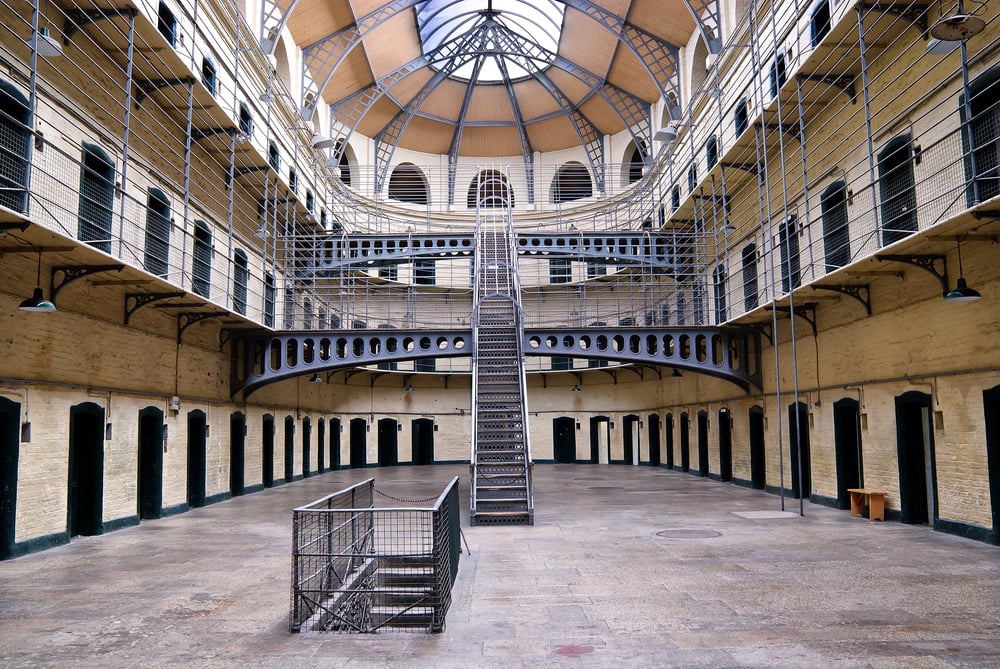
Dublin’s Kilmainham Gaol operated from 1796 to 1924 as both a regular prison and a symbol of British oppression in Ireland. The jail became infamous for its role in Irish history, housing political prisoners and rebels who fought for independence.
The facility’s cold, damp cells and brutal conditions led to numerous deaths from disease and malnutrition. Many Irish revolutionaries, including leaders of the 1916 Easter Rising, were executed in the prison yard, making Kilmainham a place of martyrdom and political significance that continues to evoke strong emotions among visitors today.
Like Go2Tutors’s content? Follow us on MSN.
Port Arthur Historic Site
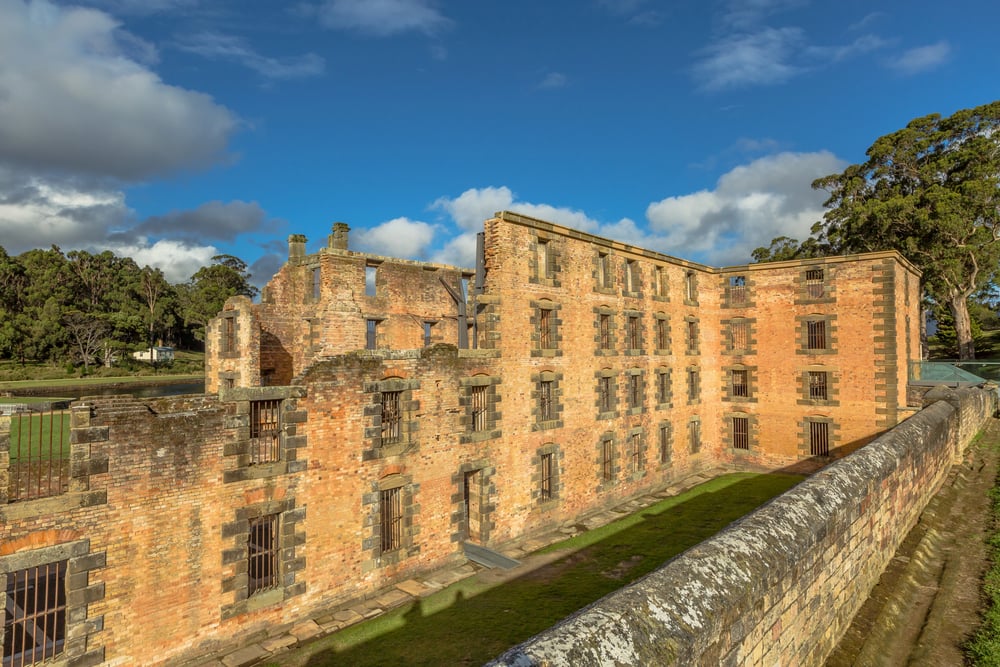
Tasmania’s Port Arthur operated from 1833 to 1877 as Britain’s most feared penal settlement, designed to break the spirits of repeat offenders through psychological torment rather than physical punishment. The facility pioneered the separate system, where prisoners were kept in complete isolation and referred to only by numbers rather than names.
The Model Prison within the settlement used sensory deprivation and solitary confinement to drive inmates to madness, while the Silent System forbade prisoners from speaking to each other. Many inmates lost their sanity entirely, leading to the construction of a dedicated asylum on the grounds.
The Dark Legacy Endures

These abandoned prisons stand as monuments to humanity’s capacity for cruelty, their empty cells and crumbling walls bearing witness to centuries of suffering and despair. While most have been transformed into museums or tourist attractions, the psychological imprint of their violent histories remains embedded in the very foundations.
Even before the prison closed, inmates and staff claimed to have paranormal experiences at many of these facilities, suggesting that the trauma experienced within their walls has left an indelible mark that transcends physical death. Whether you believe in ghosts or not, these abandoned prisons serve as sobering reminders of the darkest chapters in our justice system’s evolution, and the human cost of punishment taken to its most extreme forms.
More from Go2Tutors!

- 16 Historical Figures Who Were Nothing Like You Think
- 12 Things Sold in the 80s That Are Now Illegal
- 15 VHS Tapes That Could Be Worth Thousands
- 17 Historical “What Ifs” That Would Have Changed Everything
- 18 TV Shows That Vanished Without a Finale
Like Go2Tutors’s content? Follow us on MSN.



