Expensive Supercars with the Highest Horsepower
There’s something primal about raw power that cuts through every rational thought about fuel economy and environmental responsibility. The world’s most expensive supercars don’t apologize for excess — they celebrate it with engines that produce numbers most people can’t even comprehend.
These machines exist in a realm where physics meets artistry, where engineers push boundaries just to see what happens when money becomes no object.
Bugatti Chiron Super Sport 300+
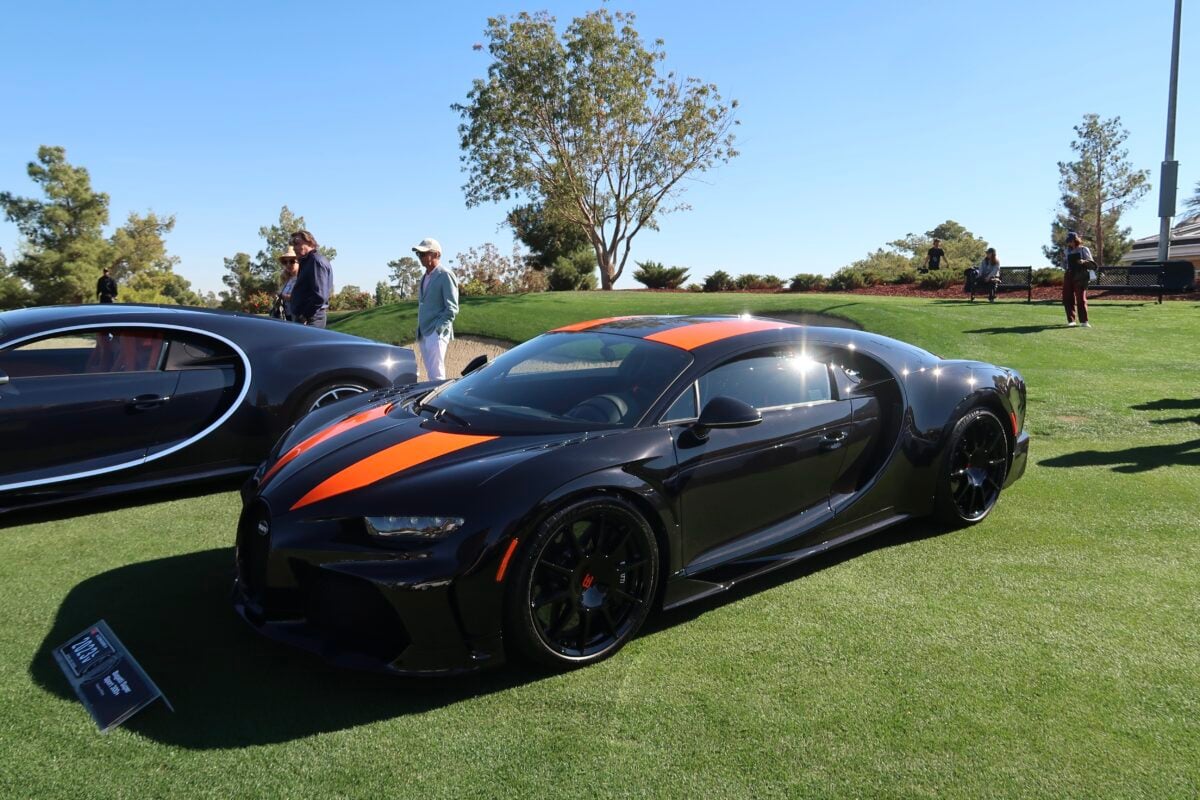
The Bugatti Chiron Super Sport 300+ doesn’t mess around. 1,578 horsepower from a quad-turbocharged W16 engine. It hit 304.773 mph at the Ehra-Lessien test track and called it a Tuesday.
At $3.9 million, this machine represents the intersection of French luxury and German engineering precision. The engine produces more power than most people will ever experience in their lifetime.
Koenigsegg Jesko Absolut
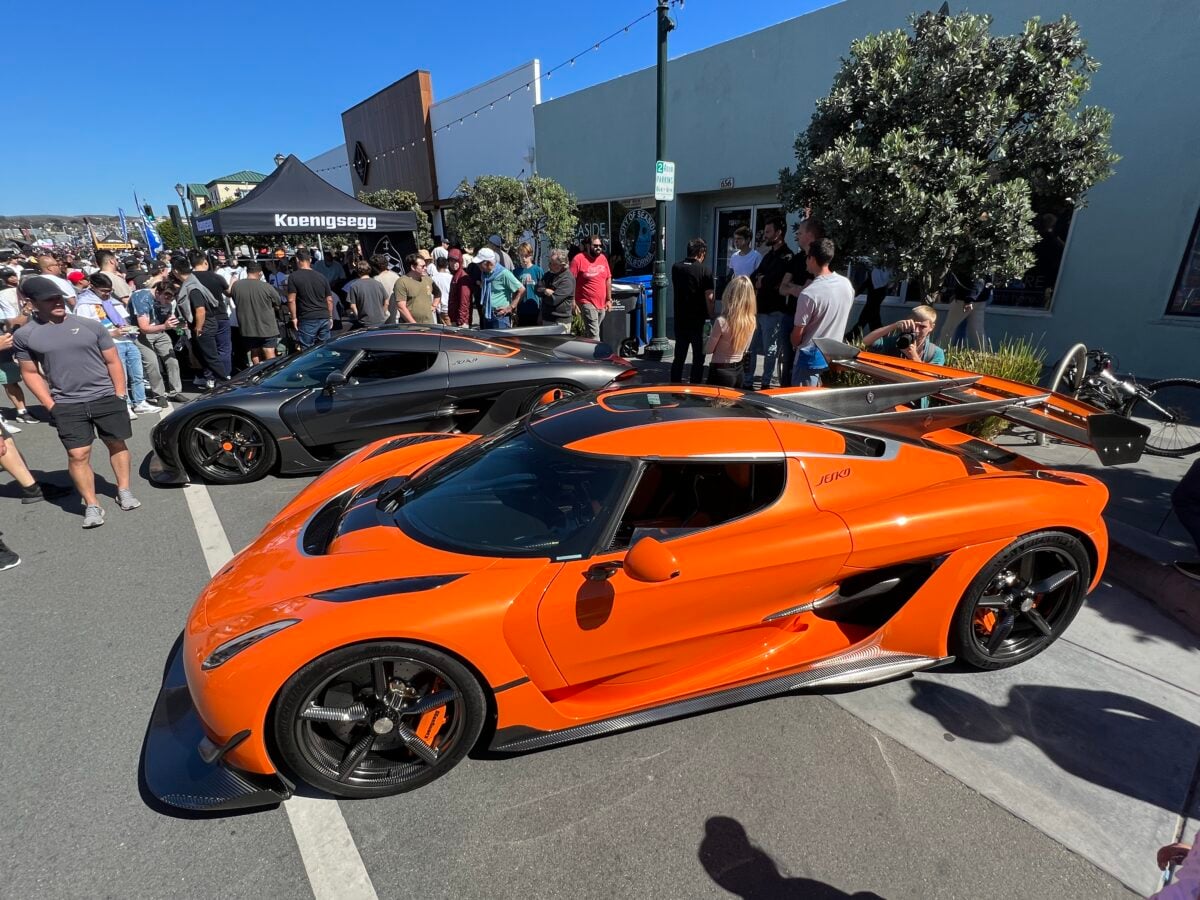
Koenigsegg builds cars the way other people approach moon missions: with absolute commitment to impossible goals and a healthy disregard for conventional wisdom (which, when applied to automotive engineering, often means accepting that 900 horsepower is probably enough for most situations). But the Jesko Absolut doesn’t care about most situations — it produces 1,600 horsepower on racing fuel, delivered through a 5.0-liter twin-turbo V8 that sounds like mechanical fury given voice.
The Swedish manufacturer has essentially created a road-legal fighter jet that happens to have wheels instead of wings, and at $3 million, it’s priced like the exclusive piece of engineering art it represents.
Rimac Nevera
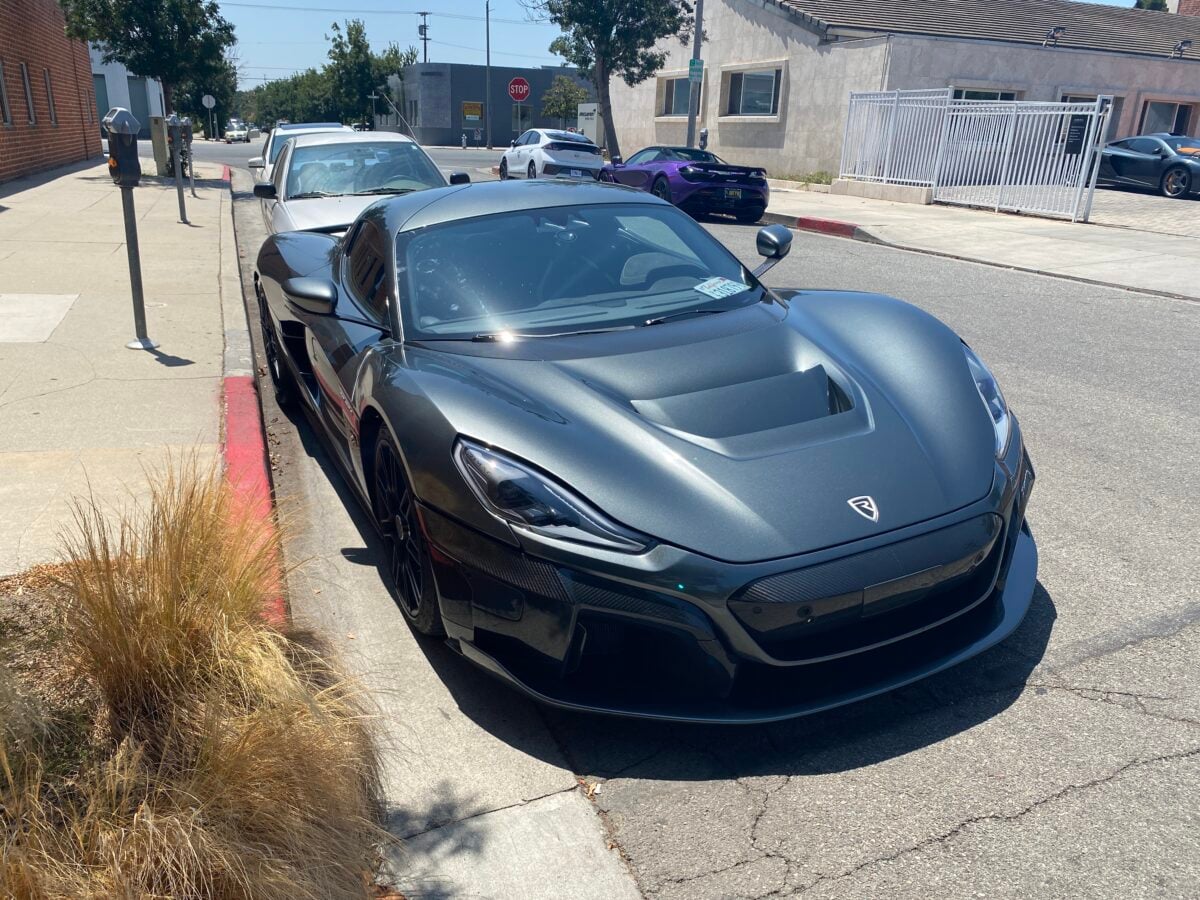
Electric power changed everything. The Rimac Nevera delivers 1,914 horsepower from four electric motors without making a sound.
Zero to 60 mph happens in 1.85 seconds — faster than most people can process what just occurred. At $2.4 million, this Croatian hypercar proves that the future of automotive performance isn’t coming. It’s already here.
McLaren Speedtail
The Speedtail represents McLaren’s philosophy distilled to its purest form: create something that looks like it’s moving at 200 mph while parked in a driveway. This hybrid hypercar generates 1,055 horsepower through a combination of a twin-turbo V8 and an electric motor, wrapped in a three-seat configuration that puts the driver dead center — because when you’re piloting 1,000+ horsepower, symmetry matters more than passenger comfort.
The result feels less like a car and more like a controlled experiment in what happens when aerodynamics and raw power have an extended conversation about the nature of speed itself.
Hennessey Venom F5
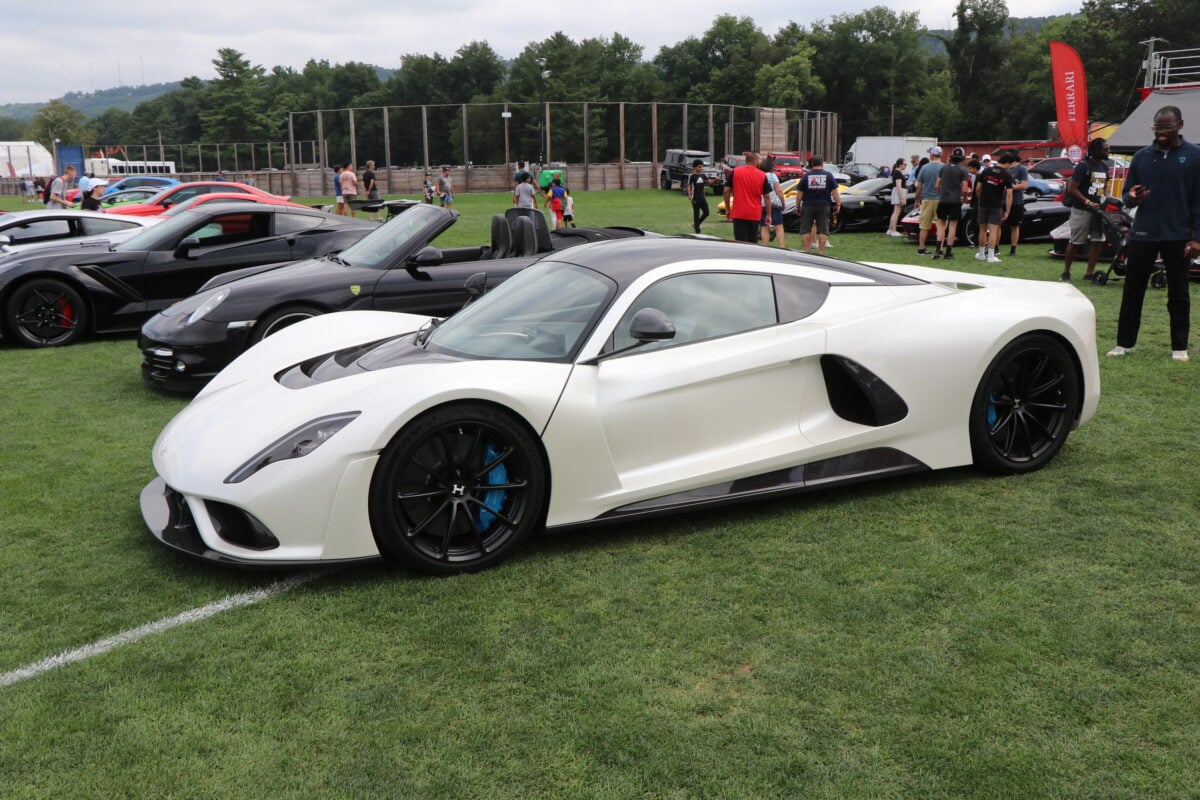
American engineering tends to solve problems with displacement and determination. The Venom F5 produces 1,817 horsepower from a 6.6-liter twin-turbo V8.
Hennessey claims it will reach 311 mph. At $2.1 million, this Texas-built missile represents old-school horsepower philosophy applied with modern precision.
It weighs just 2,998 pounds — lighter than most luxury sedans.
SSC Tuatara
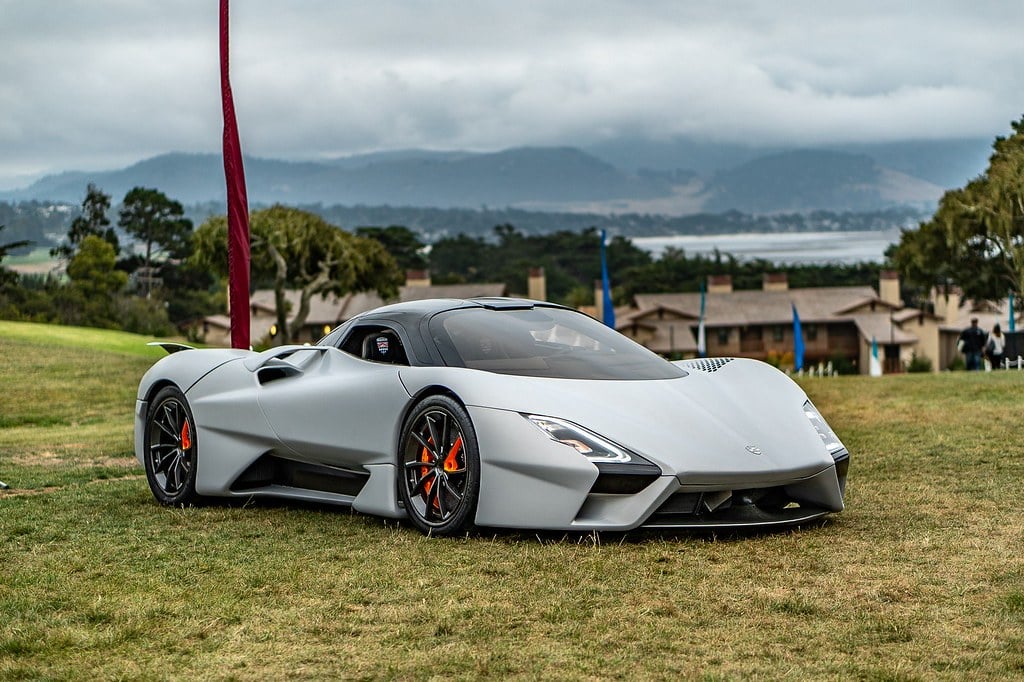
The SSC Tuatara approaches speed records like a mathematician approaches proofs: methodically, precisely, and with complete confidence in the inevitable outcome. Its 5.9-liter twin-turbo V8 produces 1,750 horsepower on racing fuel, channeled through a seven-speed automated manual transmission that shifts with the mechanical precision of a Swiss timepiece (though considerably more violently).
The body shape represents countless hours in wind tunnels, creating something that cuts through air resistance the way a blade cuts through silk — effortlessly and with surgical precision that makes 300+ mph feel achievable rather than theoretical.
Ferrari SF90 Stradale
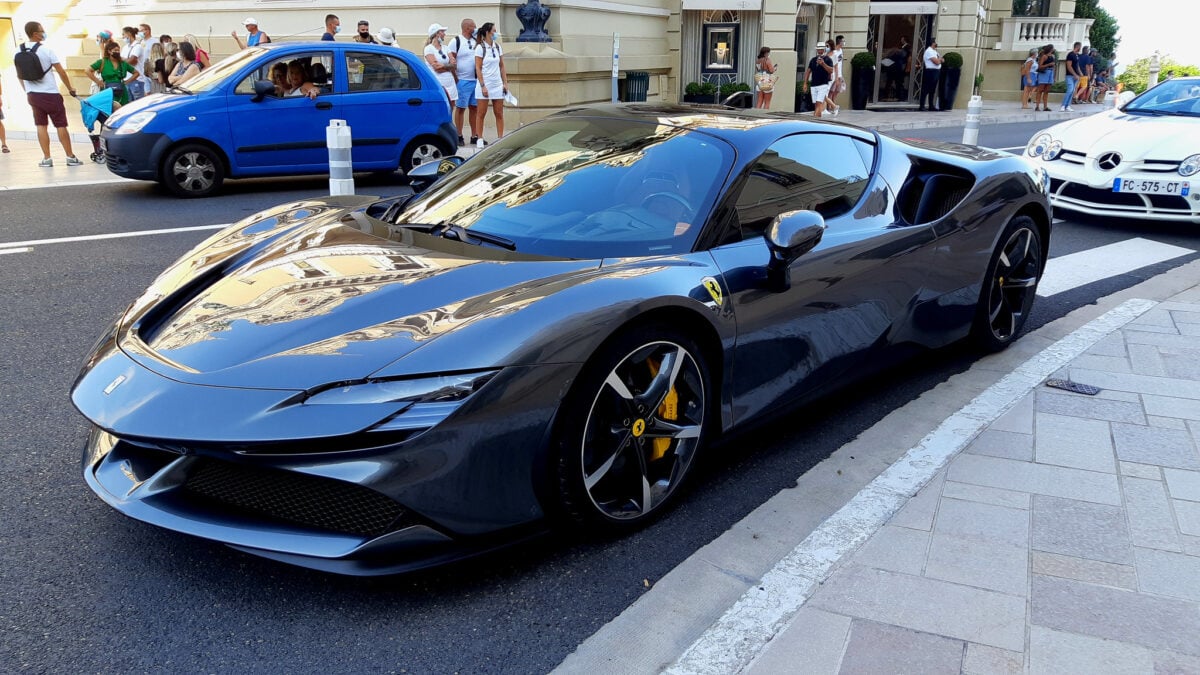
Ferrari doesn’t build cars for bragging rights. The SF90 Stradale produces 986 horsepower through a twin-turbo V8 hybrid system — not because round numbers matter, but because that’s exactly what the engineering demanded.
At $625,000, this represents Ferrari’s vision of hybrid performance. Three electric motors work with the V8 to deliver power that arrives instantly and without drama.
Pagani Huayra BC Roadster
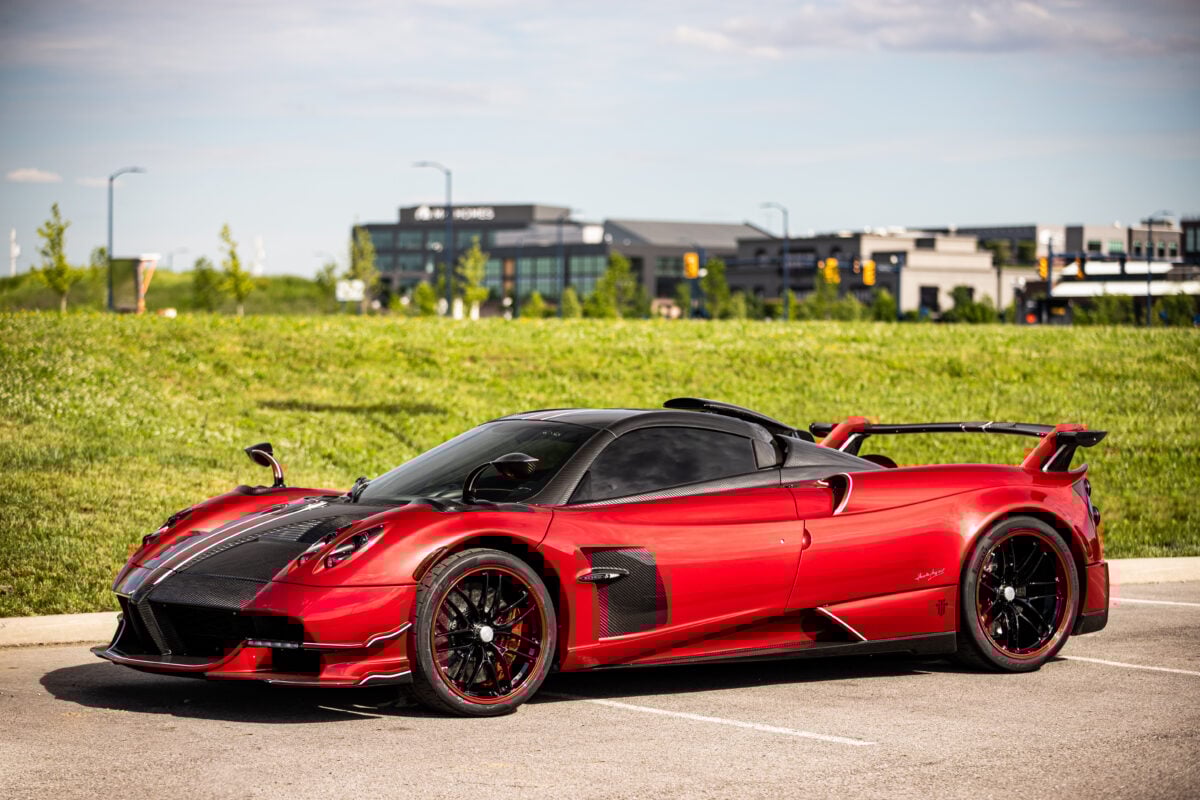
Horacio Pagani treats carbon fiber the way Michelangelo treated marble — as raw material waiting to reveal its perfect form through careful, obsessive craftsmanship. The Huayra BC Roadster’s 6.0-liter twin-turbo V12, built by AMG, produces 791 horsepower, but the real artistry lies in how that power integrates with bodywork that functions as both sculpture and aerodynamic instrument.
Every surface serves a purpose beyond beauty, though beauty emerges as an inevitable byproduct of engineering pushed to its absolute limits, creating something that costs $3.4 million because true craftsmanship at this level simply cannot be mass-produced.
Lamborghini Revuelto
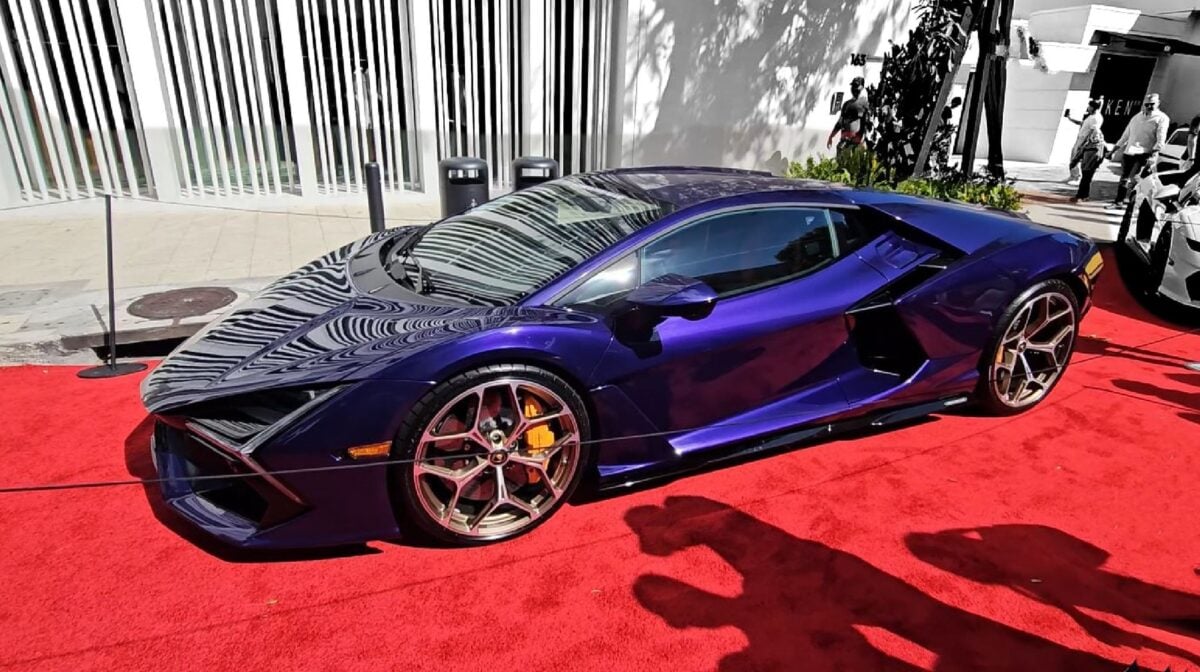
Lamborghini replaced the Aventador with something even more excessive. The Revuelto combines a naturally aspirated V12 with three electric motors to produce 1,001 horsepower. Because apparently 1,000 wasn’t quite enough.
At $608,358, this hybrid flagship proves that Lamborghini’s commitment to the automotive theater remains intact. The scissor doors still open like mechanical wings.
Porsche 918 Spyder
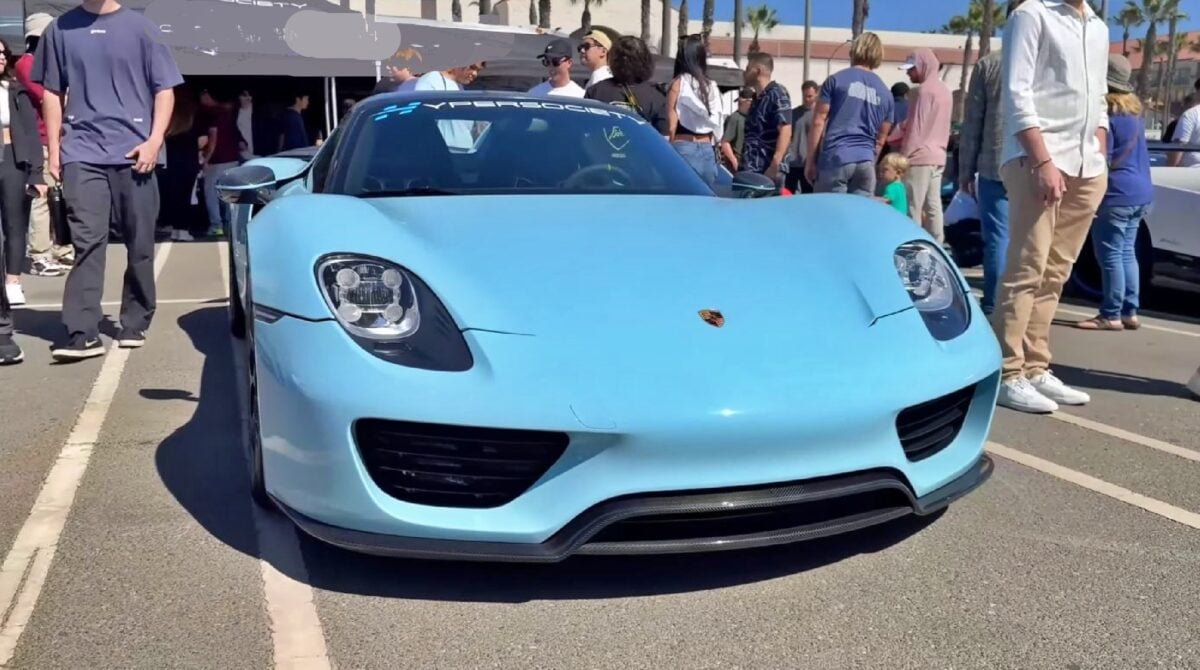
The 918 Spyder represents Porsche’s answer to a question nobody asked but everyone wanted answered: what happens when German engineering precision meets hybrid technology with a racing budget and no meaningful restrictions. Its 4.6-liter V8 works alongside two electric motors to produce 887 horsepower, delivered through all-wheel drive that puts power exactly where physics demands it, exactly when momentum requires it.
The result feels less like driving and more like conducting an orchestra of mechanical components that have been rehearsing this performance for decades, each note arriving precisely on time and perfectly in tune with the others, creating harmony from what should theoretically be barely controlled chaos.
Aston Martin Valkyrie
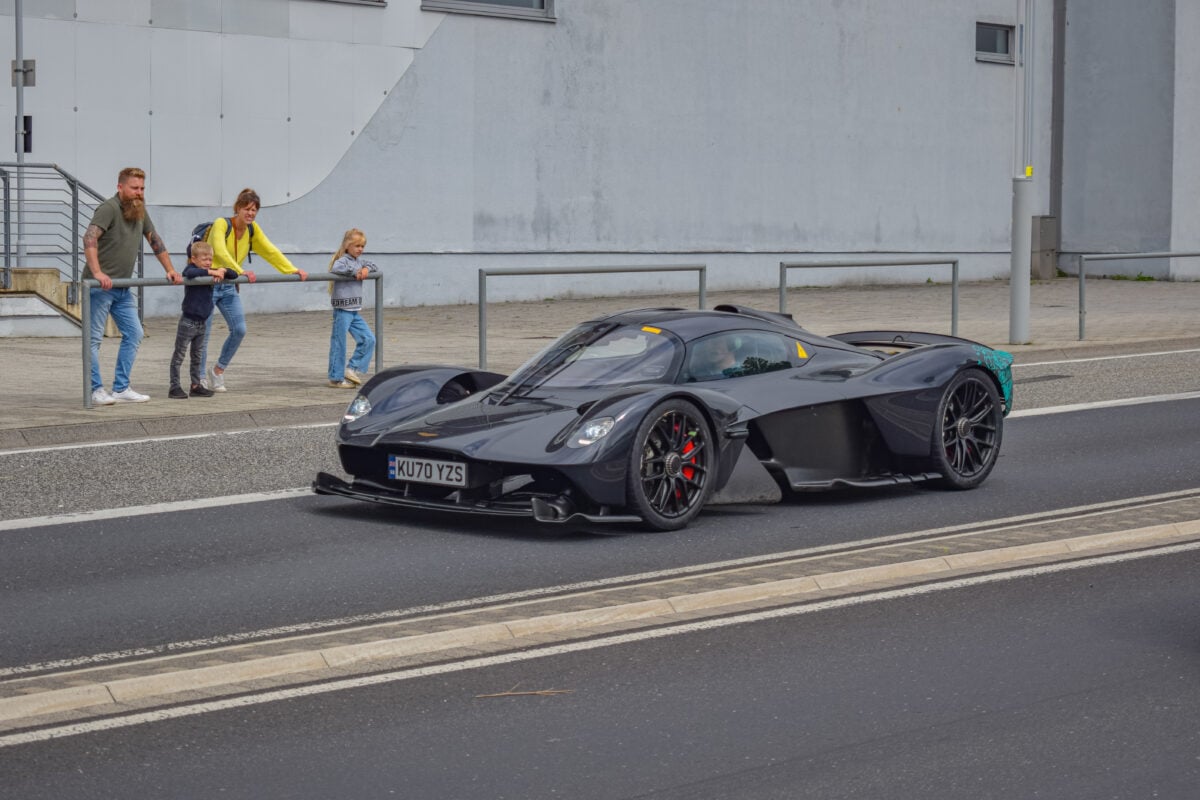
Adrian Newey designs Formula 1 cars that win championships. The Valkyrie represents what happens when those same principles apply to something technically street legal.
Its 6.5-liter naturally aspirated V12 produces 1,160 horsepower. At $3.2 million, this machine exists primarily as a statement about what becomes possible when aerodynamics matter more than comfort.
Gordon Murray T.50
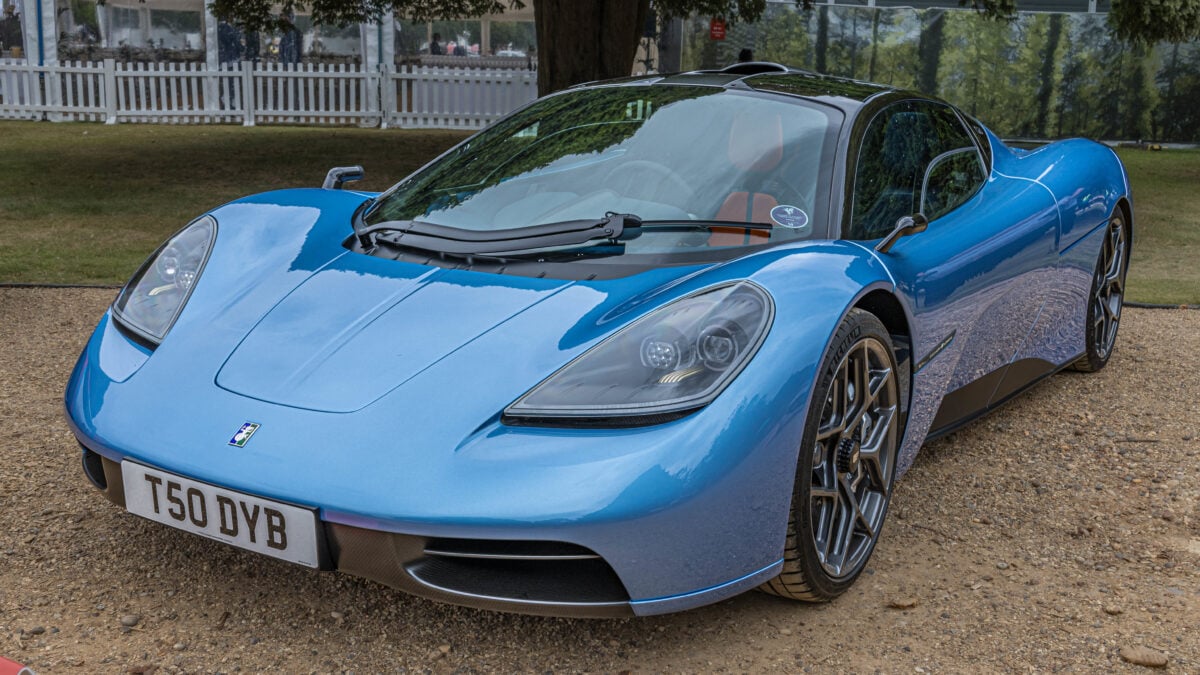
Gordon Murray designed the McLaren F1 and decided he could do it better thirty years later (which is exactly the kind of confident reassessment that separates true automotive visionaries from people who merely build fast cars). The T.50’s naturally aspirated 3.9-liter V12 produces 654 horsepower — modest by current standards, but that number misses the point entirely because Murray never cared about horsepower bragging rights.
At 2,174 pounds, this $2.6 million machine achieves something more valuable than raw power: perfect balance between human capability and mechanical possibility, creating an experience where the driver remains connected to every mechanical process rather than isolated from it by electronic intermediaries.
Czinger 21C
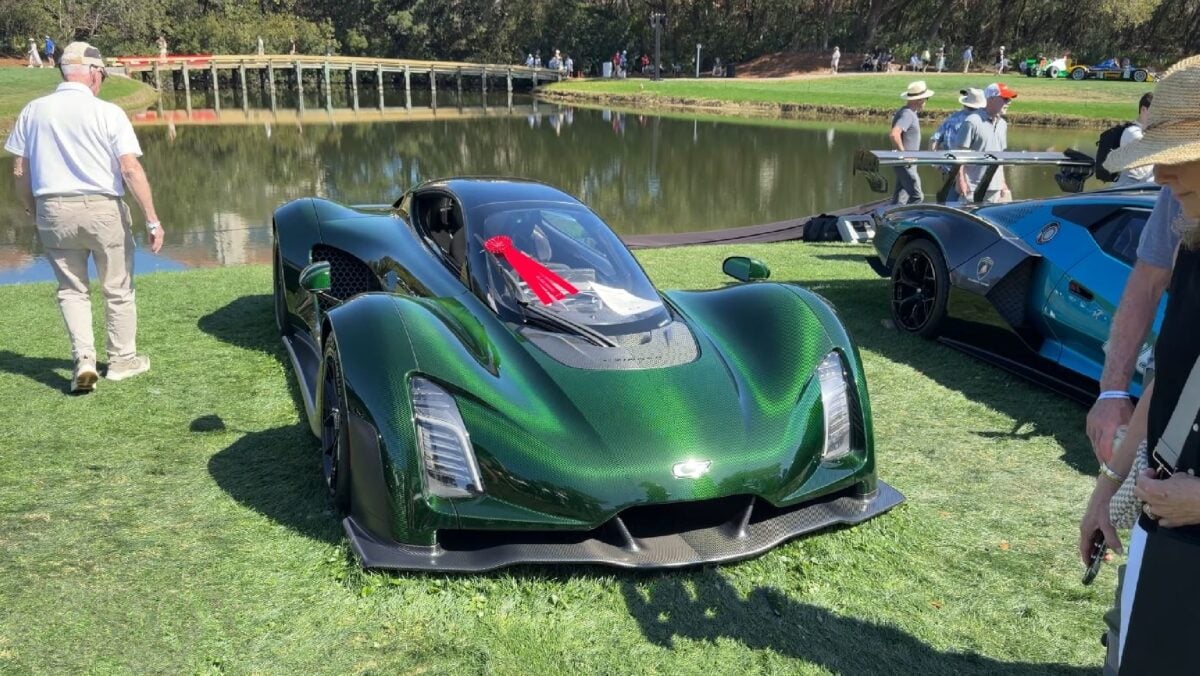
The Czinger 21C uses 3D printing and hybrid power to produce 1,250 horsepower. Its 2.88-liter twin-turbo V8 works with electric motors in a configuration that places the driver in the center with a passenger directly behind.
At $1.7 million, this American hypercar represents manufacturing technology that didn’t exist five years ago applied to problems that have existed since the first person decided normal cars weren’t fast enough.
McLaren Senna
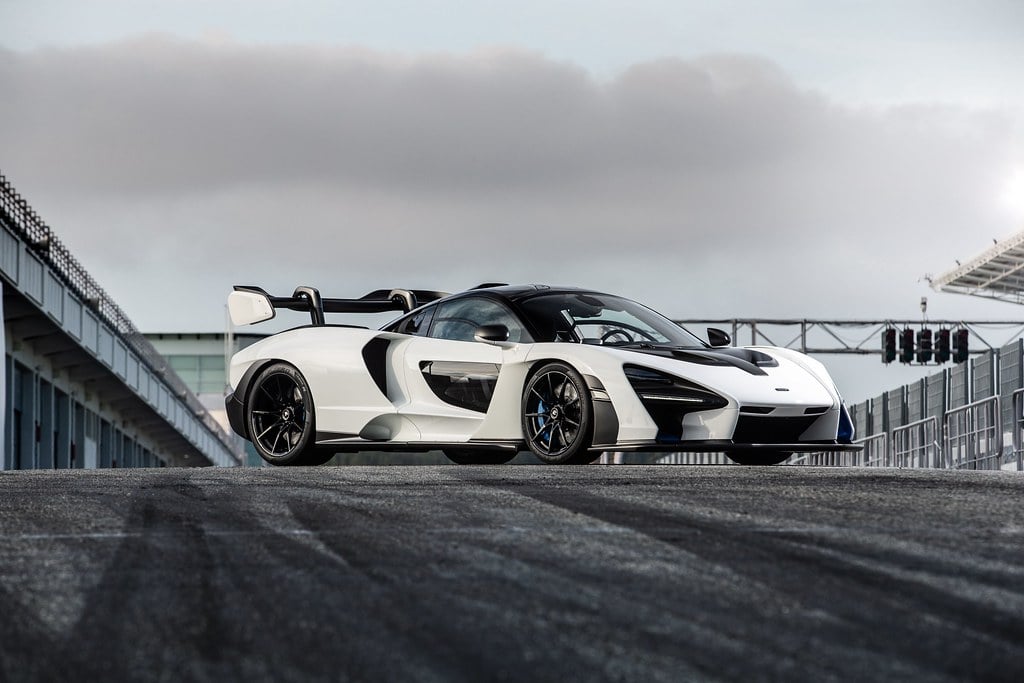
McLaren named this car after Ayrton Senna and meant it as both tribute and promise. The Senna’s twin-turbo V8 produces 789 horsepower focused entirely on track performance.
Every surface exists to make the car faster. At $1.4 million when new, it represents McLaren’s most uncompromising road car.
Comfort was not a consideration during development.
The Pursuit Never Ends
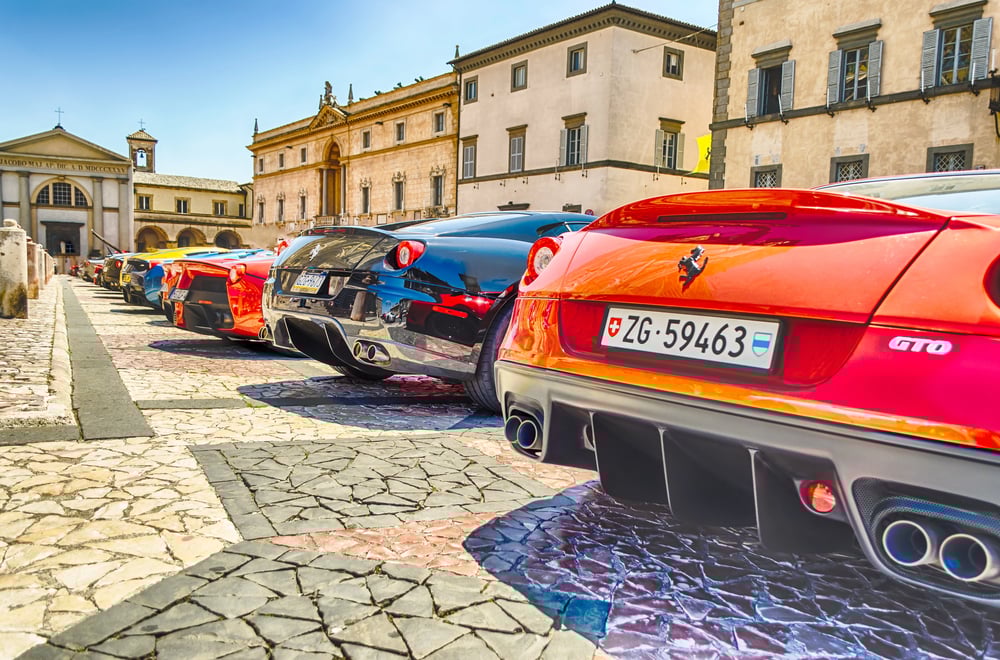
These machines exist beyond rational justification, in a space where engineering ambition meets unlimited budgets and the simple human desire to see just how fast something can actually go. Each represents a different philosophy about the relationship between power, price, and possibility — some prioritize raw numbers, others focus on the integration of technology and artistry.
What unites them is a refusal to accept that anything close to enough power already exists.
More from Go2Tutors!

- The Romanov Crown Jewels and Their Tragic Fate
- 13 Historical Mysteries That Science Still Can’t Solve
- Famous Hoaxes That Fooled the World for Years
- 15 Child Stars with Tragic Adult Lives
- 16 Famous Jewelry Pieces in History
Like Go2Tutors’s content? Follow us on MSN.



