17 Bizarre Sounds Recorded in Outer Space
Most people think space is completely silent, and technically they’re right about the vacuum between planets and stars. But when spacecraft get close enough to capture radio waves, plasma vibrations, and atmospheric sounds, the results are downright eerie.
From haunting black void ‘screams’ to the crackling of lightning on Jupiter, these recordings prove that our universe has its own twisted soundtrack. Scientists have been converting these electromagnetic signals and vibrations into audio frequencies we can actually hear, creating what they call ‘sonifications.’
Here’s a list of 17 of the most bizarre and spine-tingling sounds ever captured from the depths of space.
Perseus Galaxy Cluster Black Void
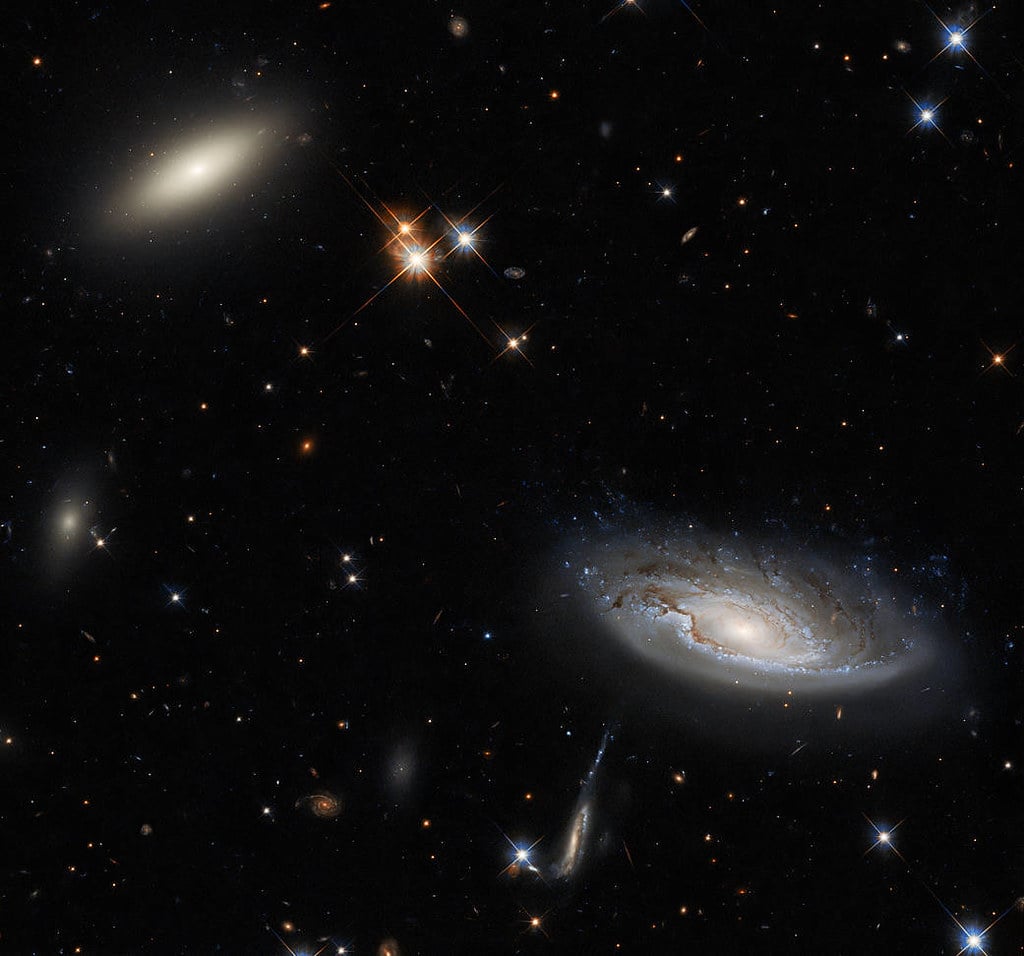
The creepiest sound in space comes from a supermassive dark object that’s been ‘singing’ the same note for millions of years. Located 250 million light-years away in the Perseus galaxy cluster, this cosmic giant creates pressure waves in the surrounding hot gas that translate to a note 57 octaves below middle C.
When NASA scientists scaled it up to human hearing range in 2022, the result sounds like an otherworldly howl that could soundtrack a horror movie.
Jupiter’s Lightning Whistlers
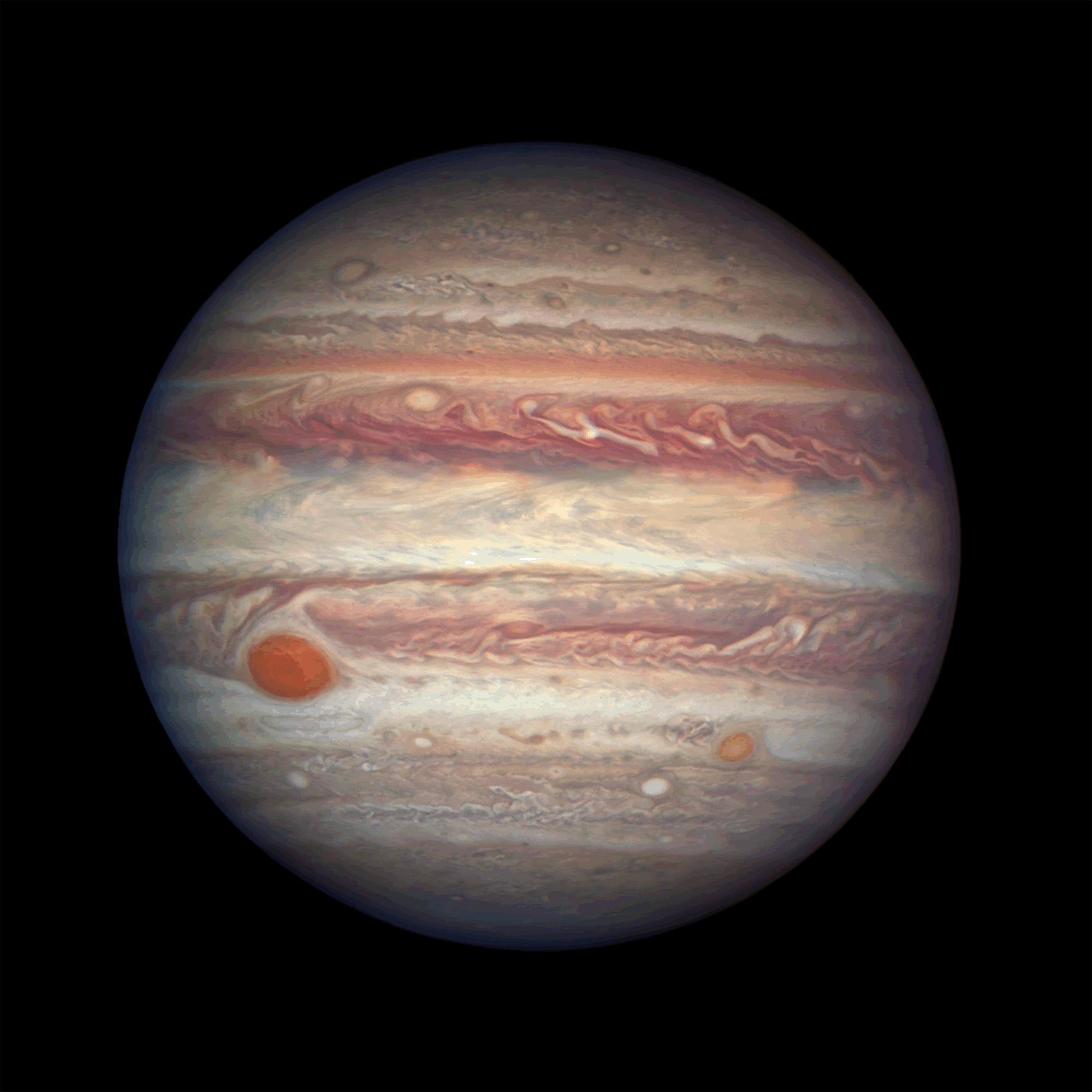
Voyager spacecraft recorded whistling emissions from Jupiter’s lightning that sound like sci-fi sound effects. The lightning moves away from the planet into the magnetized plasma above, and higher-frequency waves travel faster than lower ones, creating this distinctive whistling pattern.
It’s like listening to a cosmic slide whistle that goes on for minutes at a time.
Like Go2Tutors’s content? Follow us on MSN.
Saturn’s Radio Emissions
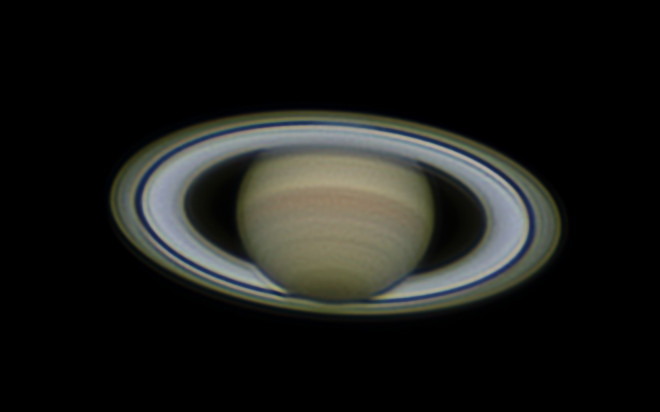
Saturn produces intense radio emissions that are related to the planet’s auroras near its poles, and they sound remarkably similar to Earth’s aurora emissions. Cassini recorded these eerie sounds that have bizarre features unlike anything heard on Earth.
The emissions change dramatically over Saturn’s seasons, creating an alien chorus that seems to shift and evolve with the planet’s weather patterns.
Mars Wind and Rover Sounds
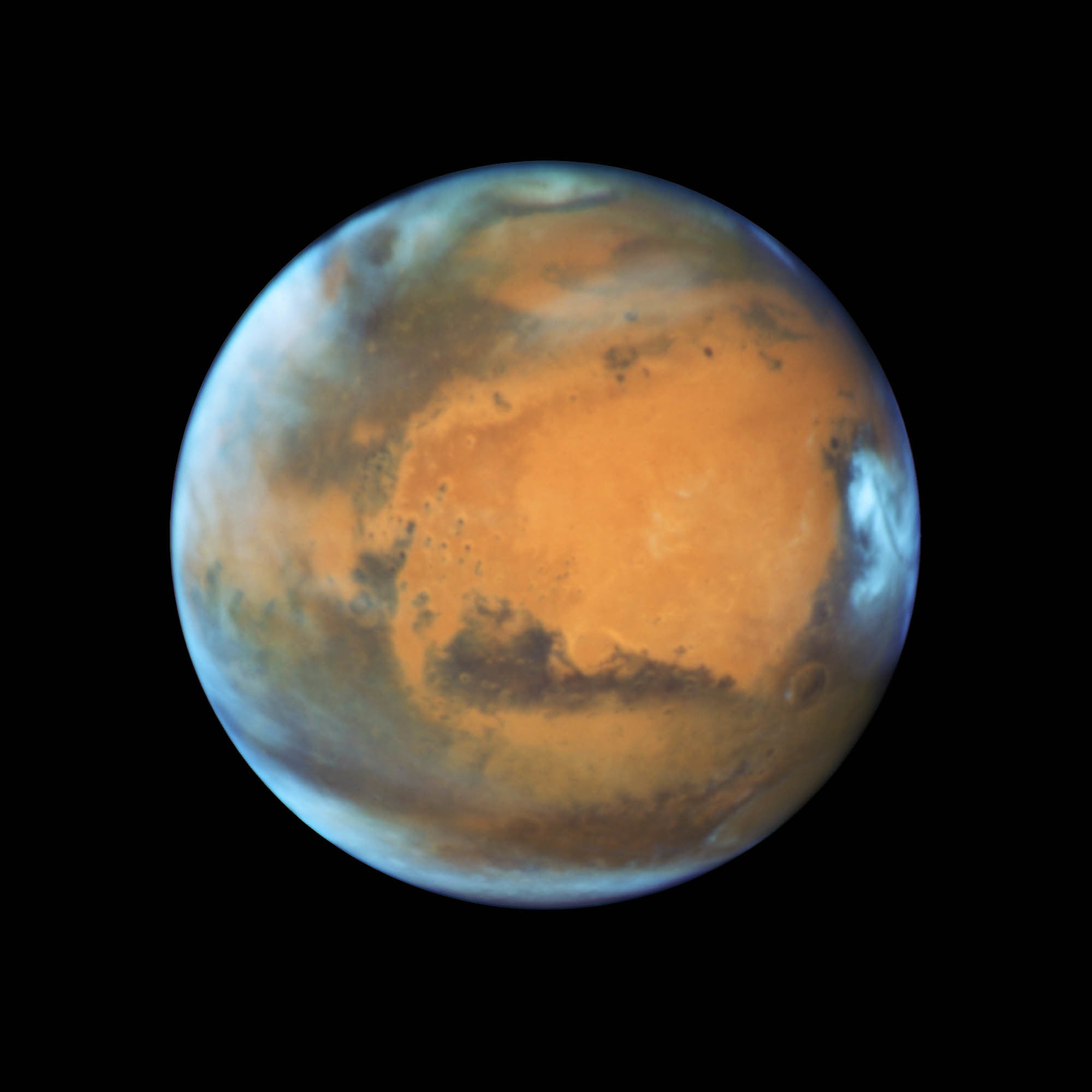
NASA’s Perseverance rover carries two microphones that have recorded nearly five hours of Martian wind gusts, rover wheels crunching over gravel, and motors whirring. The bangs, pings and rattles from the rover’s six metal wheels driving over rocks sound so alarming that one engineer joked that if he heard these sounds in his car, he’d pull over and call for a tow.
The Martian atmosphere makes everything sound muffled and distant.
Stardust Comet Bombardment
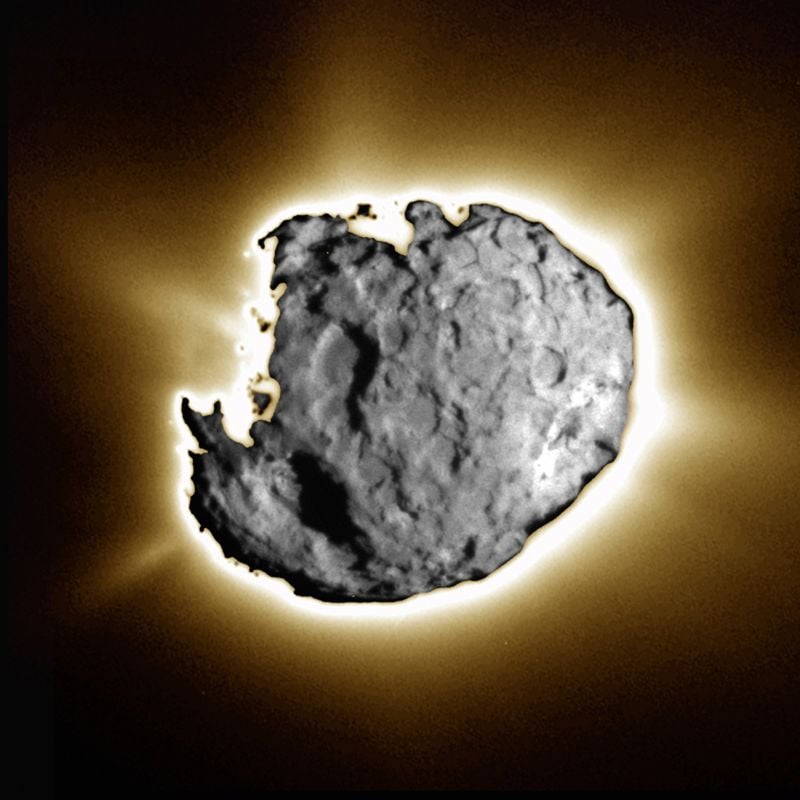
NASA’s Stardust spacecraft was bombarded with dust particles from Comet Tempel 1 in 2011, and the recording captures about 5,000 impacts of rock, ice and dust hitting the spacecraft over 11 minutes. It sounds like cosmic hail pelting a tin roof, with each particle creating its own tiny percussion note in the void.
Like Go2Tutors’s content? Follow us on MSN.
Juno Crossing Jupiter’s Magnetic Field
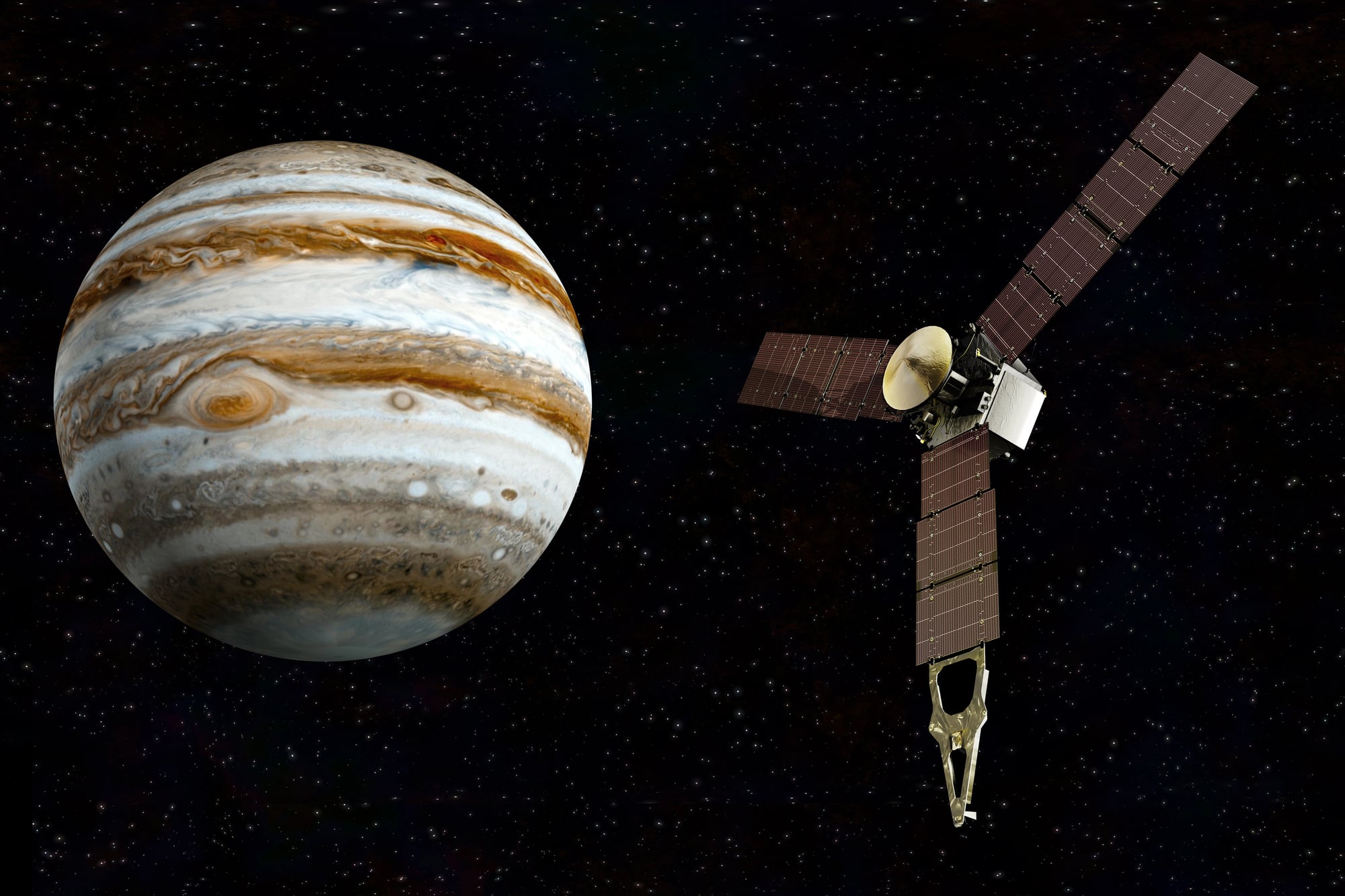
NASA’s Juno spacecraft recorded the sound of crossing Jupiter’s bow shock, where the spacecraft moves across the gas giant’s massive magnetic field. The recording captures the dramatic moment when Juno transitions from interplanetary space into Jupiter’s magnetosphere, creating a whooshing sound that builds and fades like cosmic surf.
Space Roar Mystery
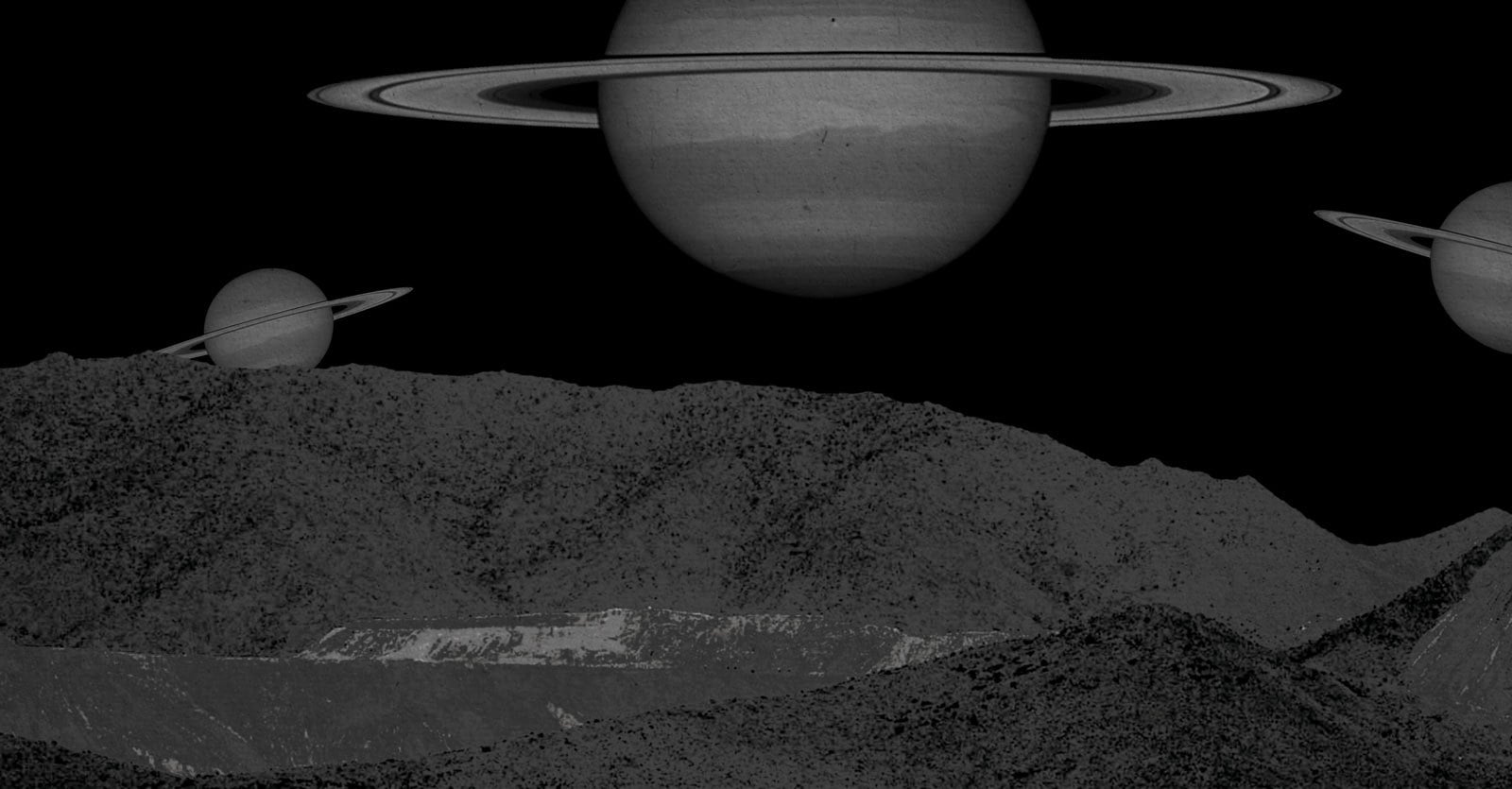
Scientists detected an epic ‘space roar’ in 2006 that remains unexplained – it’s six times louder than expected and is making it harder to detect the earliest stars in the universe. This mysterious radio signal drowns out other cosmic sounds and has scientists completely baffled about its origin.
The signal is so powerful it’s like having a cosmic radio station broadcasting static across the entire universe.
Voyager Interstellar Sounds
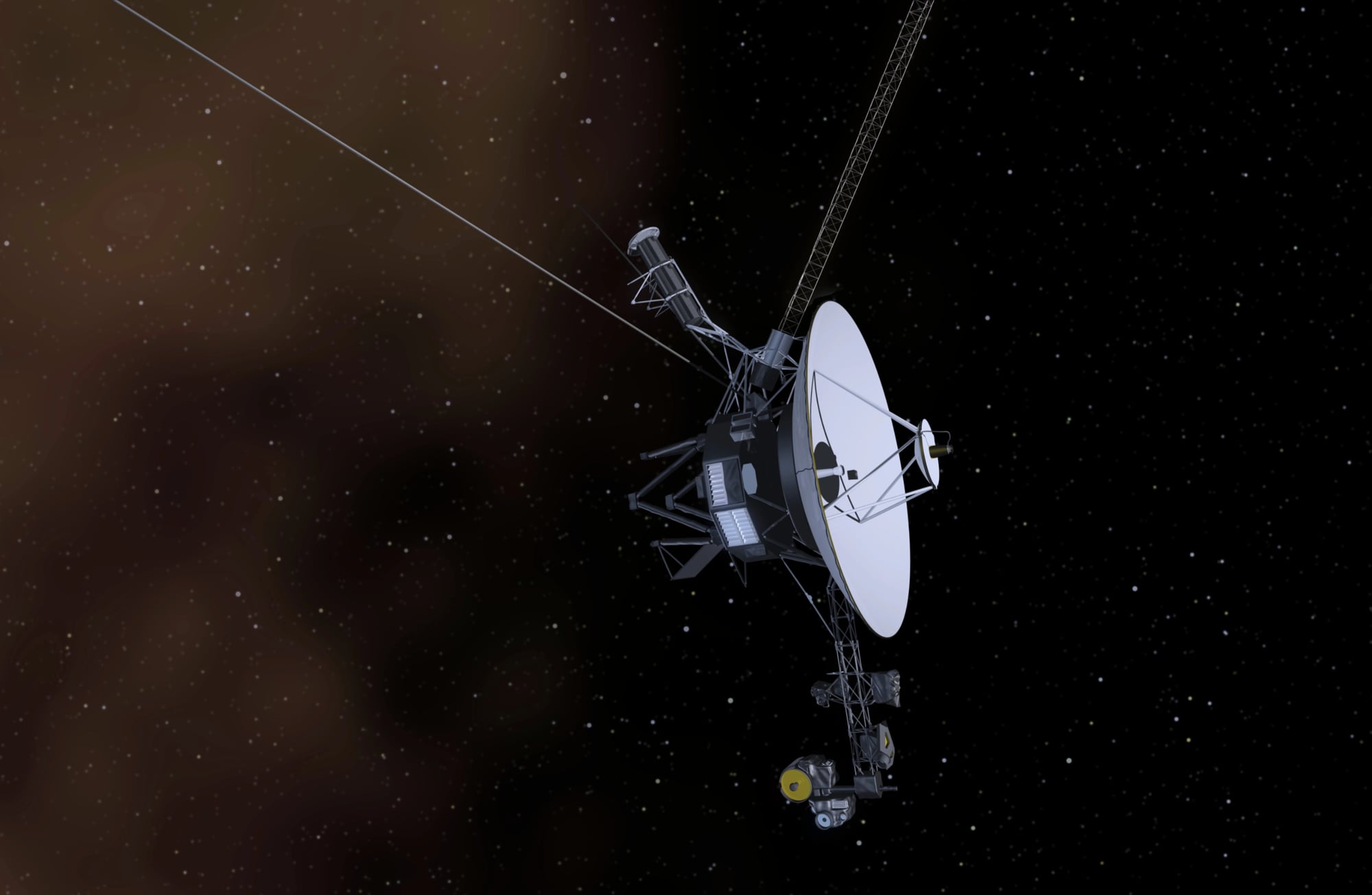
Voyager 1 has been recording plasma wave sounds at the solar wind termination shock and beyond into interstellar space. These recordings capture the moment when our solar system’s influence ends and true interstellar space begins.
The sound changes from turbulent solar wind noise to the eerily quiet hum of interstellar medium.
Like Go2Tutors’s content? Follow us on MSN.
High-Altitude Earth Atmosphere

Scientists recorded mysterious hisses and whistles 22 miles above Earth’s surface using infrasound microphones on a NASA balloon experiment. The sounds, captured at frequencies below human hearing but sped up to make them audible, sound like something from ‘The X-Files’.
These atmospheric infrasounds reveal a hidden layer of Earth’s sound environment.
M87 Dark Object Sonification
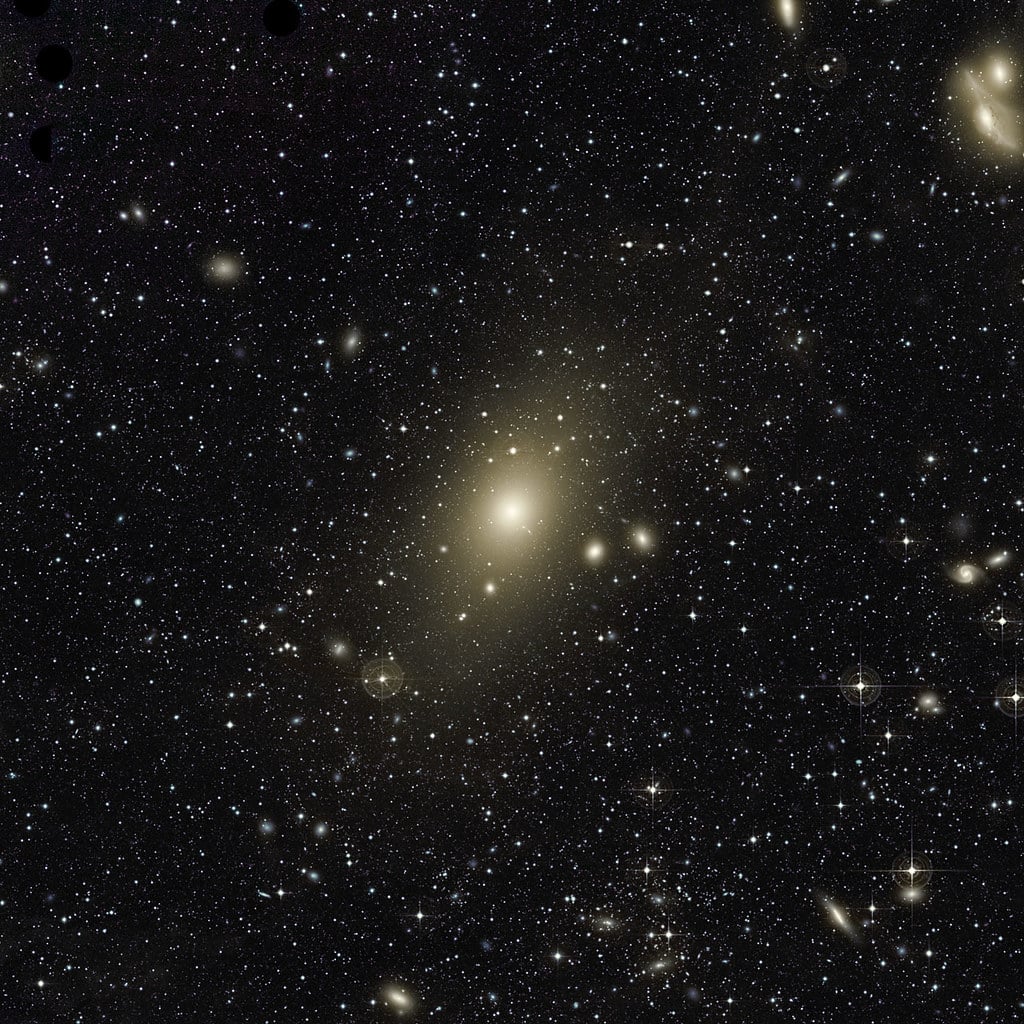
The famous dark object in Messier 87, which gained celebrity status from the Event Horizon Telescope images, has its own distinctive sound when multiple wavelengths of data are converted to audio. Unlike Perseus’s deep bass notes, M87’s sonification sounds more like ambient music with delicate chimes, created from X-ray, optical, and radio telescope data combined.
Saturn’s Moon Enceladus
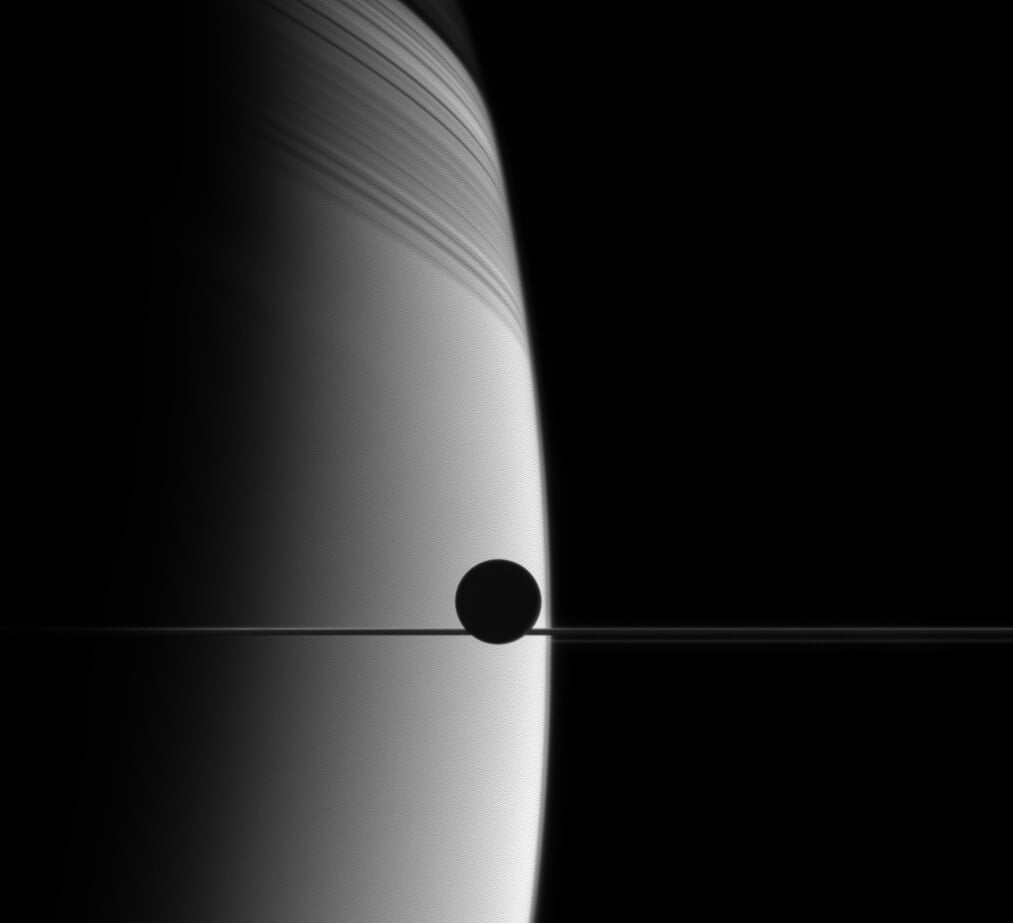
Cassini recorded plasma waves moving between Saturn and its moon Enceladus, creating a ‘whooshing’ audio file that reveals a surprisingly powerful interaction. The recording was captured just two weeks before Cassini’s deliberate dive into Saturn’s atmosphere, giving us one final cosmic performance from the ringed planet’s system.
Like Go2Tutors’s content? Follow us on MSN.
Tycho Supernova Remnant
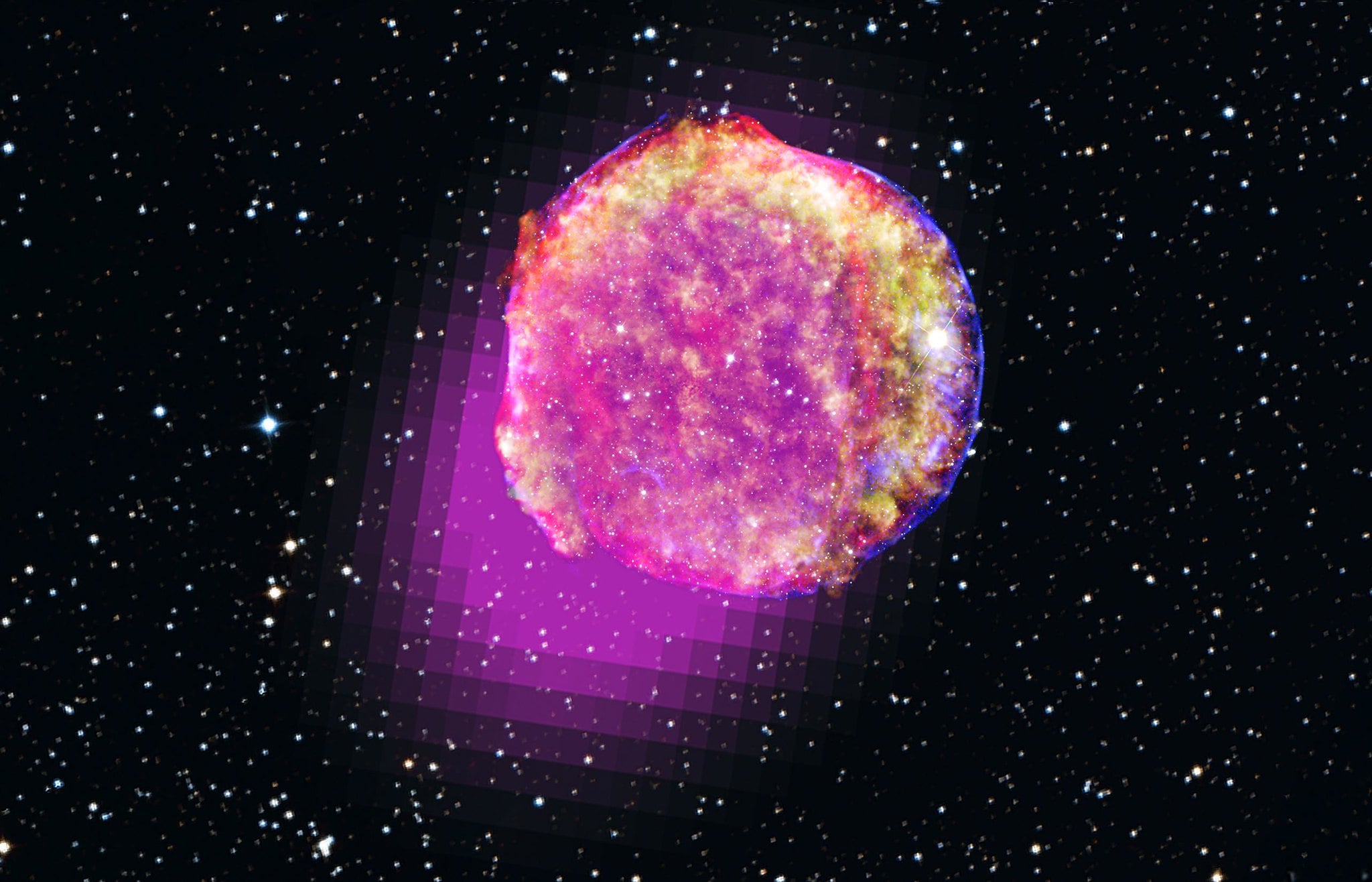
NASA converted the debris field left behind by Tycho’s exploded star into sound, with different colors representing different elements moving toward and away from Earth. Red shows iron producing the lowest notes, green silicon creates mid-range tones, and blue sulfur generates the highest pitches.
It’s like listening to the periodic table exploding in slow motion.
Westerlund 2 Star Formation
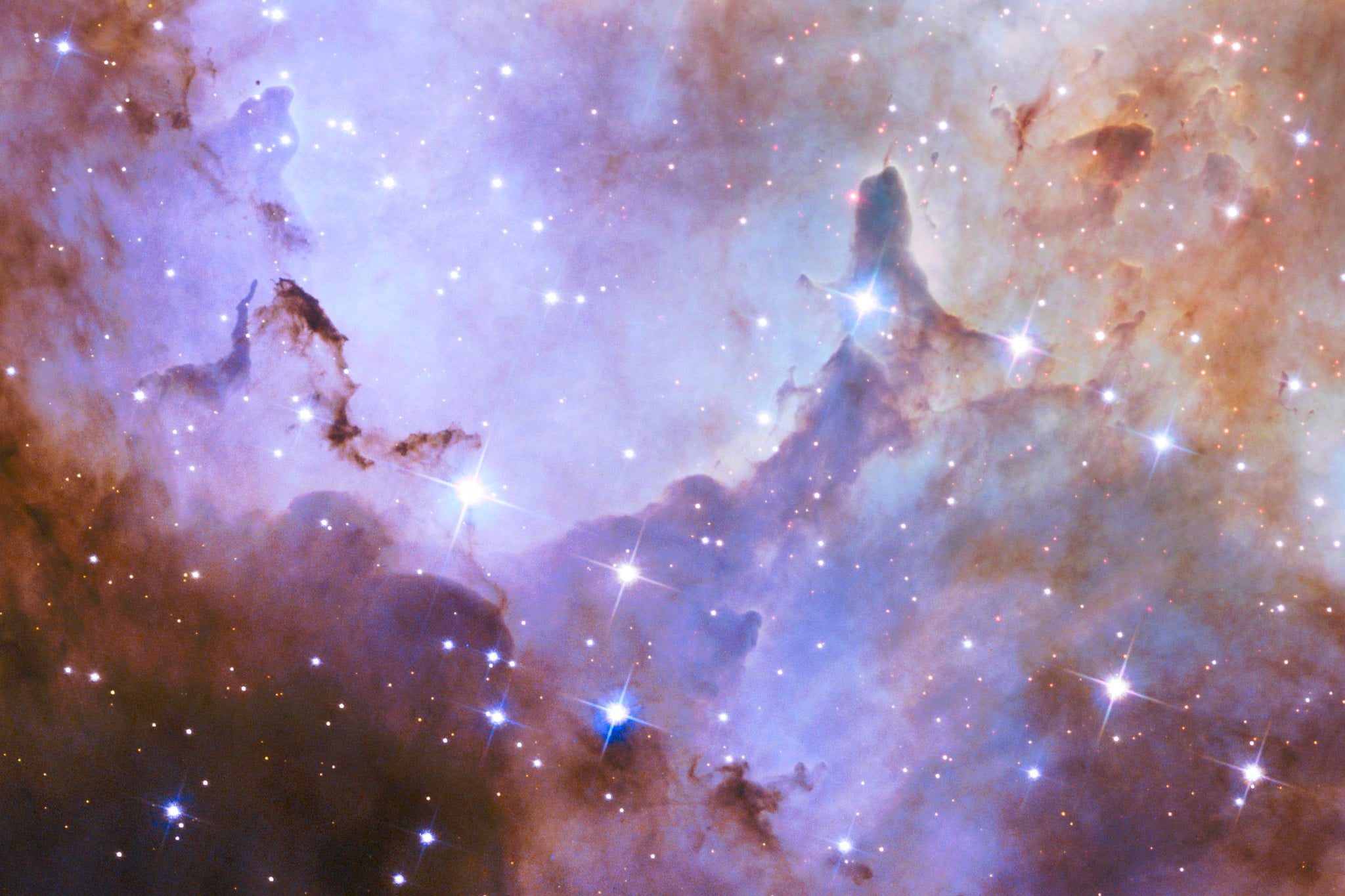
This cluster of young stars about one to two million years old creates sounds as astronomers scan from left to right across the stellar nursery. Hubble data is played by strings that are either plucked for individual stars or bowed for diffuse clouds, while X-ray data from Chandra is represented by chime sounds.
It sounds like a cosmic orchestra tuning up.
Uranus Flyby Recordings
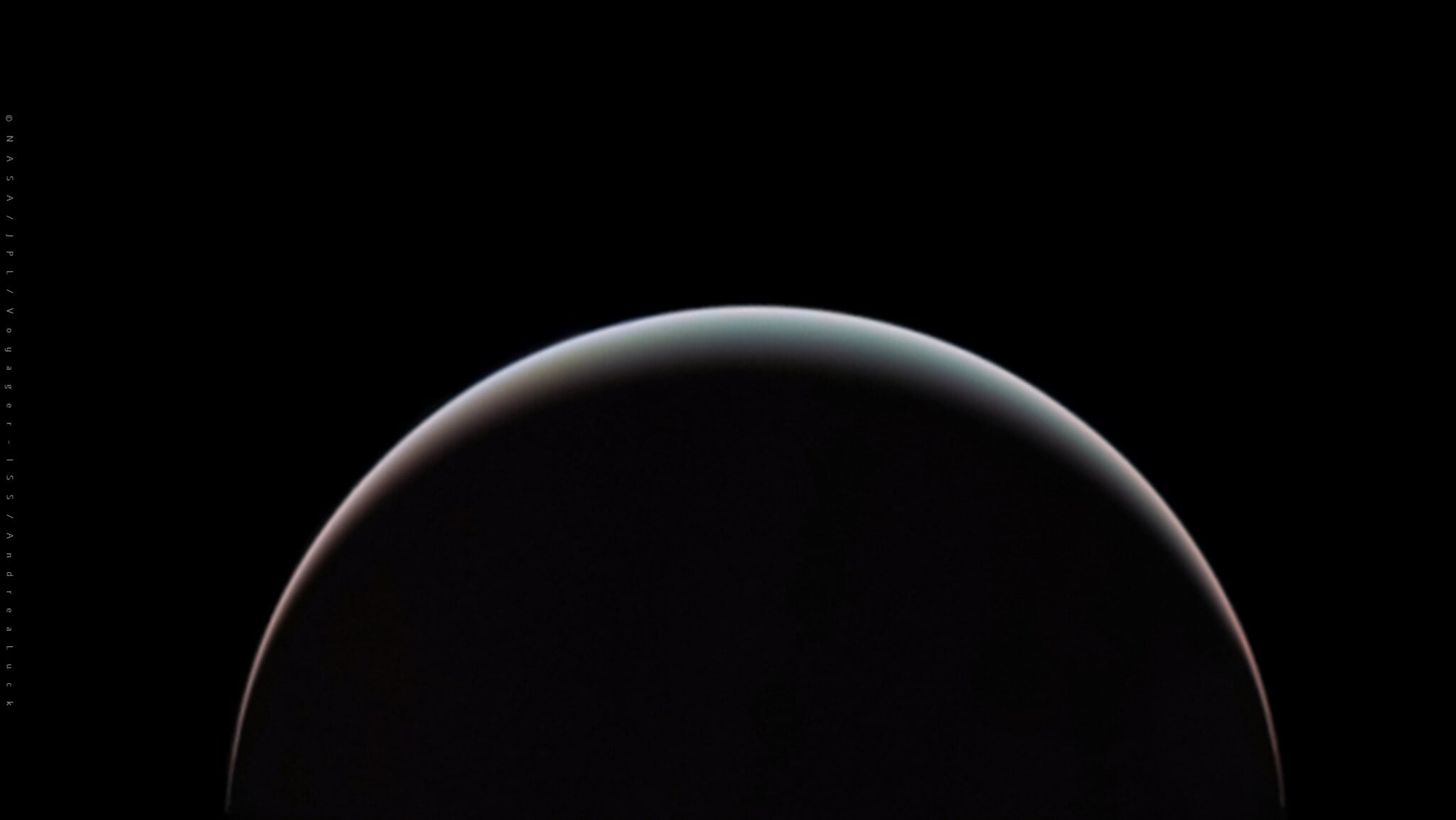
Voyager 2’s encounter with Uranus from January 23 to 29, 1986, captured unique plasma wave signatures from the tilted ice giant. Uranus rotates on its side compared to other planets, and this unusual orientation creates distinctive magnetic field interactions that produce sounds unlike any other planet in our solar system.
Like Go2Tutors’s content? Follow us on MSN.
Neptune’s Magnetic Mysteries
Voyager 2’s Neptune flyby from August 23 to 25, 1989, recorded the most distant planetary sounds in our solar system. Neptune’s complex magnetic field, offset from the planet’s center, creates unusual plasma wave patterns that sound like cosmic wind chimes mixed with electronic music from the 1980s.
Solar Wind Termination
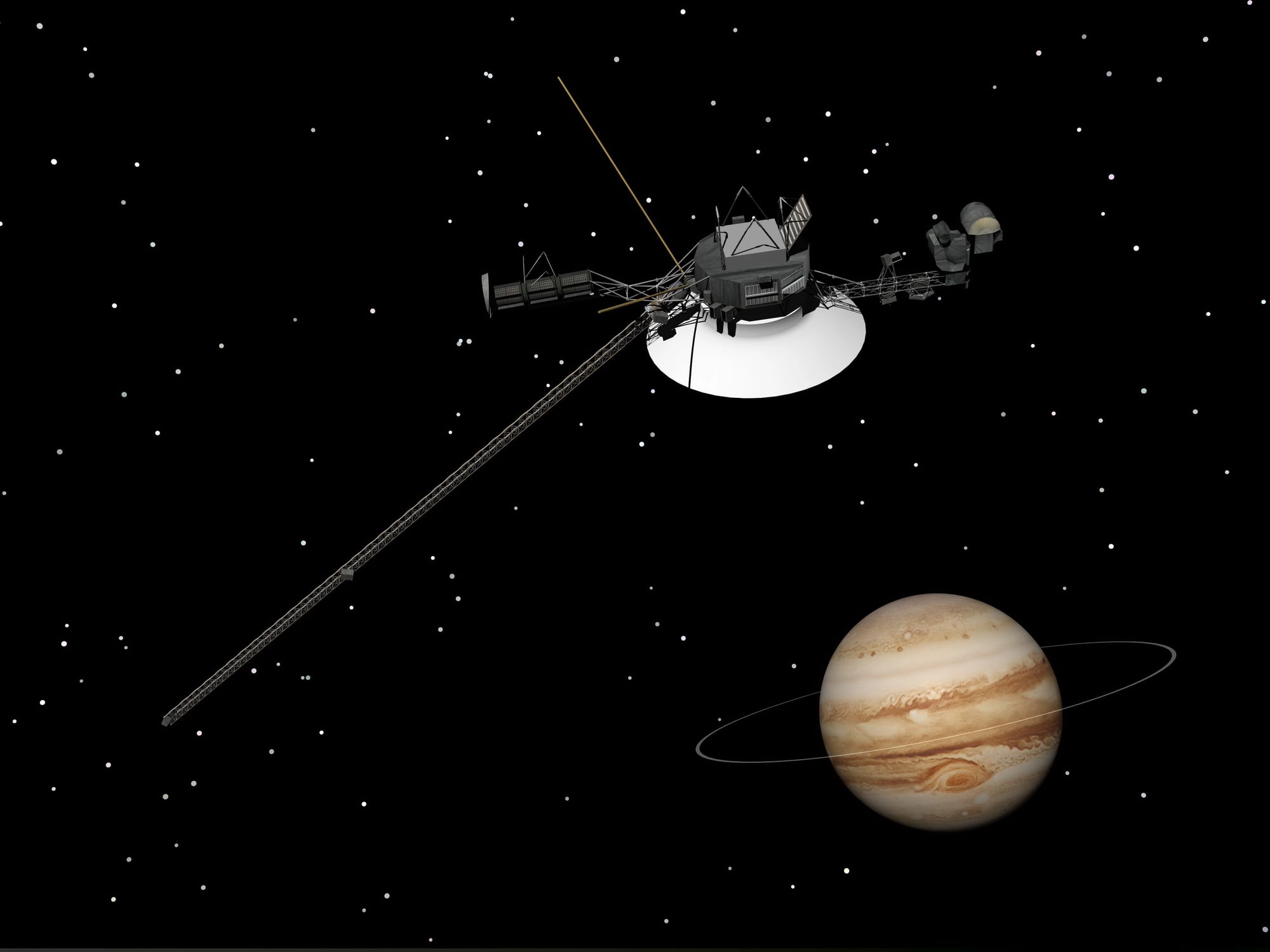
The boundary where our solar system meets interstellar space produces distinctive plasma wave sounds as recorded by Voyager spacecraft. This cosmic shoreline creates audio signatures that mark the edge of the sun’s influence, sounding like waves crashing against an invisible cosmic beach billions of miles from Earth.
Bubble Nebula Cosmic Winds
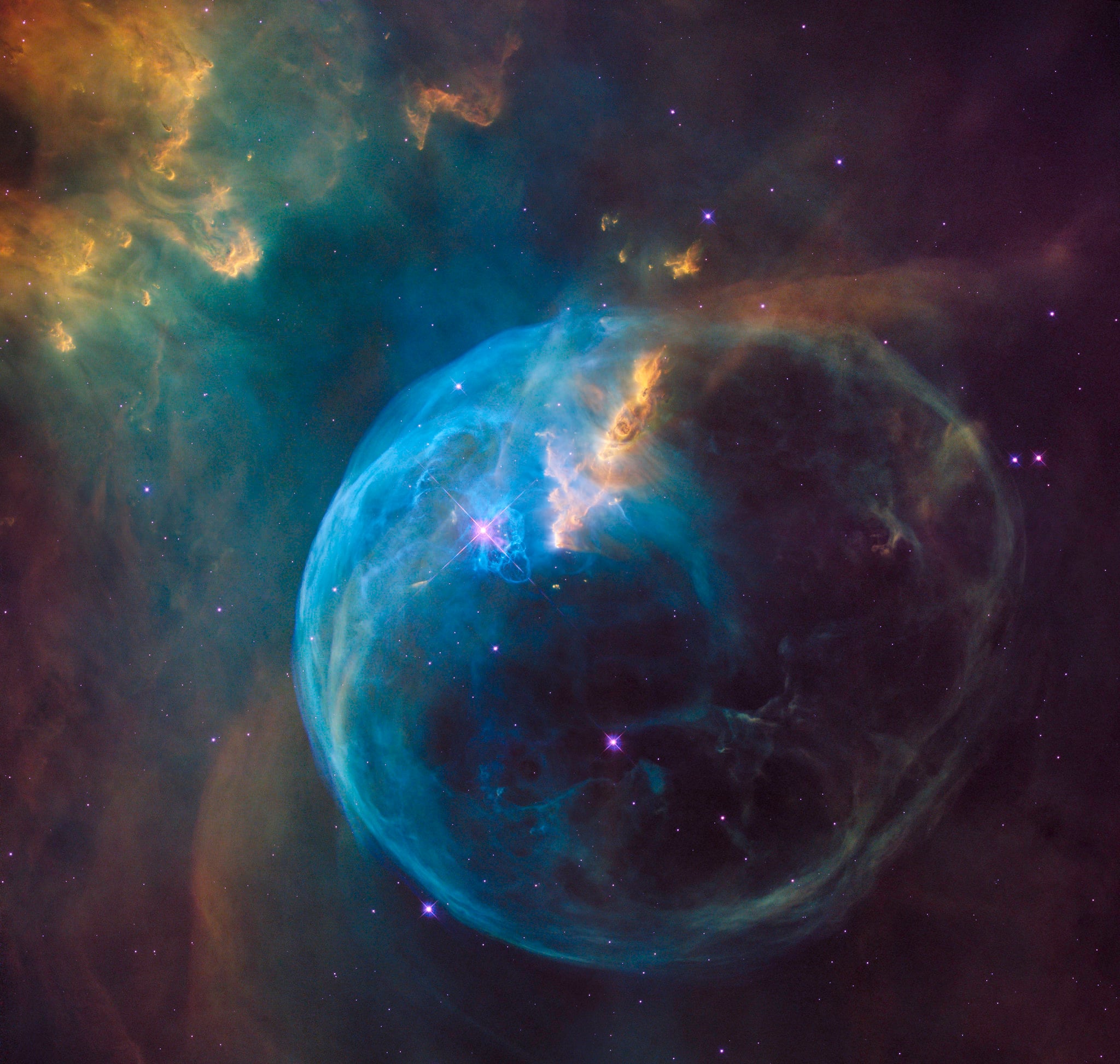
NASA’s sonification of the Bubble Nebula captures a massive star blowing an enormous bubble into space, with colors mapped to different pitches. The bright blue of the bubble creates higher pitches while red and orange regions produce lower tones, with brightness controlling volume and stars represented as chimes.
It sounds like cosmic breath creating music in the void.
Like Go2Tutors’s content? Follow us on MSN.
When Space Became Our Concert Hall
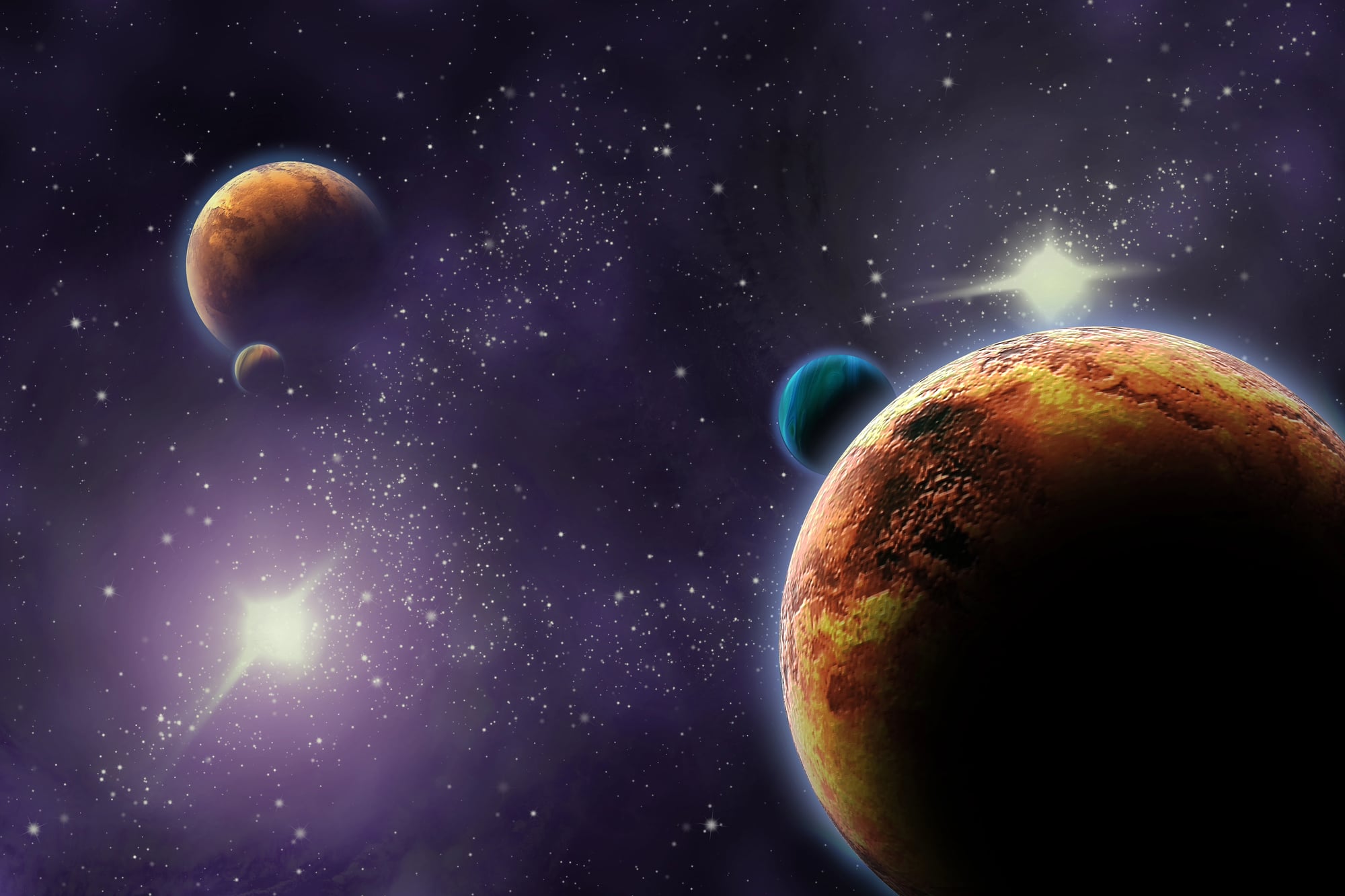
These recordings have revolutionized how we experience the cosmos, proving that our universe isn’t the silent void we once imagined. Modern sonification projects help members of the public who are blind or have low vision experience NASA data in new sensory ways, while sighted users also enjoy listening to these cosmic compositions.
From the deepest bass notes of dark cosmic objects to the delicate chimes of stellar nurseries, space has revealed itself as nature’s most avant-garde composer. The next time you look up at the night sky, remember that above the silence, there’s an entire symphony playing across the cosmos.
More from Go2Tutors!

- 16 Historical Figures Who Were Nothing Like You Think
- 12 Things Sold in the 80s That Are Now Illegal
- 15 VHS Tapes That Could Be Worth Thousands
- 17 Historical “What Ifs” That Would Have Changed Everything
- 18 TV Shows That Vanished Without a Finale
Like Go2Tutors’s content? Follow us on MSN.