Photos Of the Most Terrifying US Bridges And the Stories Behind Them
Not built for thrills, bridges do their job quietly – linking one side to another. Still, some in the U.S. turn calm trips into white-knuckle crawls.
Tension creeps in when steel towers over deep drops without warning. Roads shrink just enough to make room for doubt.
Gusts rattle windows at odd angles. Each detail piles on pressure until motion feels unsteady.
What should be routine becomes something else entirely. Not every bridge gets attention just by standing there.
A few stand out because something about their shape feels off. Others have stories – things that actually happened to them.
Some face wild weather, day after day. What ties them together isn’t beauty or size.
It’s how people feel when going across. Calm doesn’t come easily here.
Some bridges stand out because they make driving feel anything but routine. Heights loom.
Winds pick up. Roads narrow without warning. Each one tests nerves in its own way.
Not all crossings are equal when fear creeps in. These structures earn their fame by challenging instinct.
A steady hand helps. So does focus. Still, even experienced drivers hesitate before crossing.
What lies ahead often feels unpredictable. That uncertainty shapes the experience more than steel ever could.
Chesapeake Bay Bridge
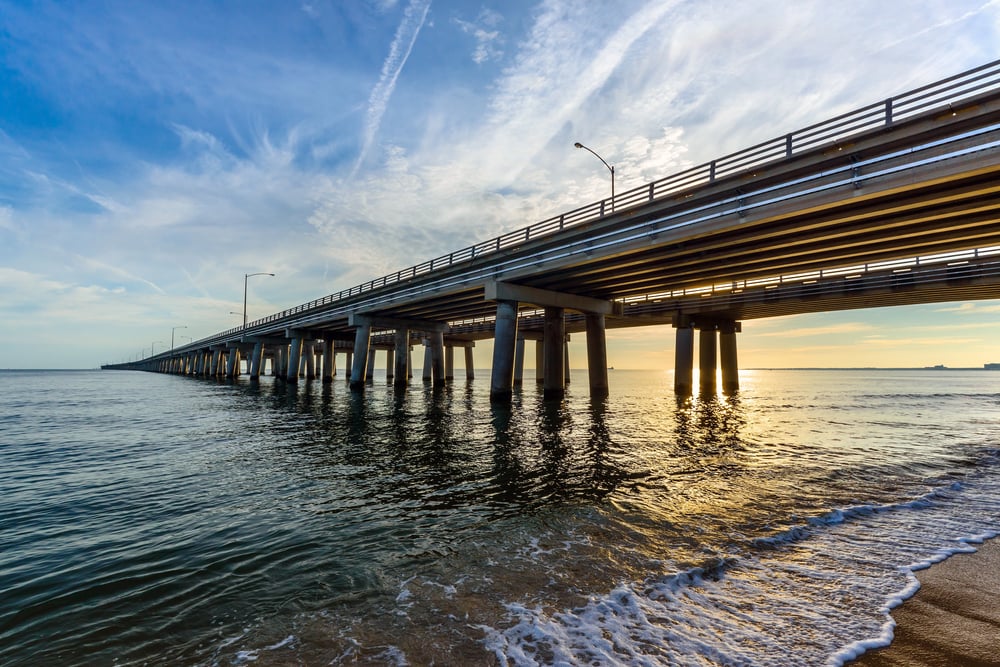
The Chesapeake Bay Bridge stretches over 4 miles across open water, linking Maryland’s eastern and western shores. On a clear day, it feels expansive and almost scenic.
When wind picks up or fog rolls in, that same openness becomes disorienting. The bridge rises high above the bay, and its long, uninterrupted spans leave drivers exposed to shifting weather conditions.
Crosswinds can push vehicles sideways, while low visibility erases any clear sense of distance. Over time, it has developed a reputation strong enough that some drivers choose to have someone else take the wheel across it.
Mackinac Bridge
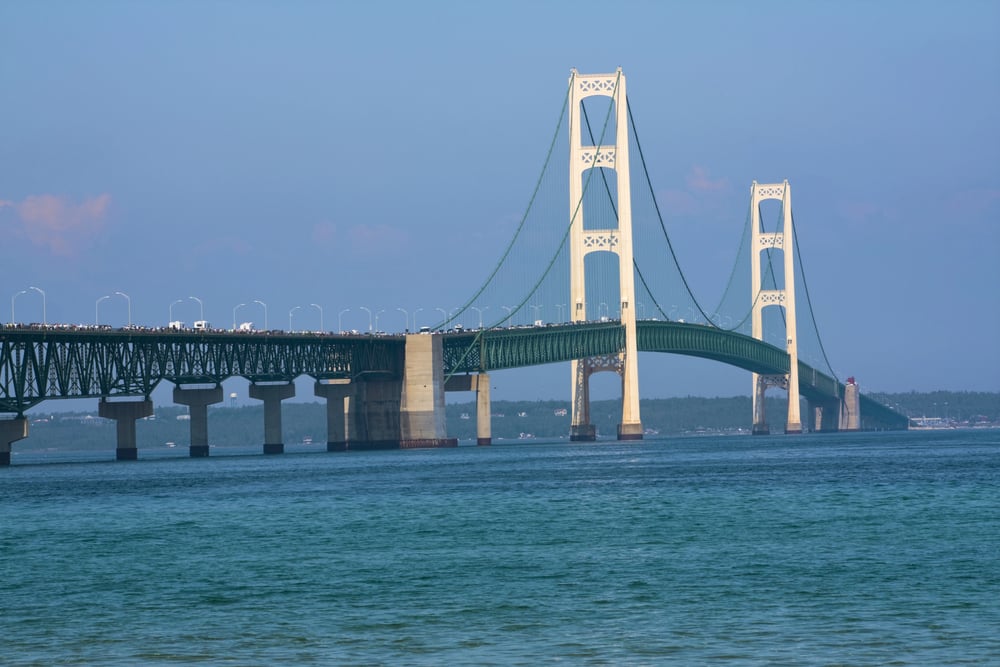
The Mackinac Bridge connects Michigan’s Upper and Lower Peninsulas, stretching roughly 5 miles across the Straits of Mackinac. Its size alone is enough to command attention, but it’s the combination of height and movement that unsettles many drivers.
Sections of the bridge use open steel grating instead of solid pavement, allowing wind to pass through. That design reduces structural stress, but it also lets drivers see straight down to the water below.
On windy days, the bridge can sway slightly, which is normal from an engineering standpoint but still unnerving when experienced firsthand.
Sunshine Skyway Bridge
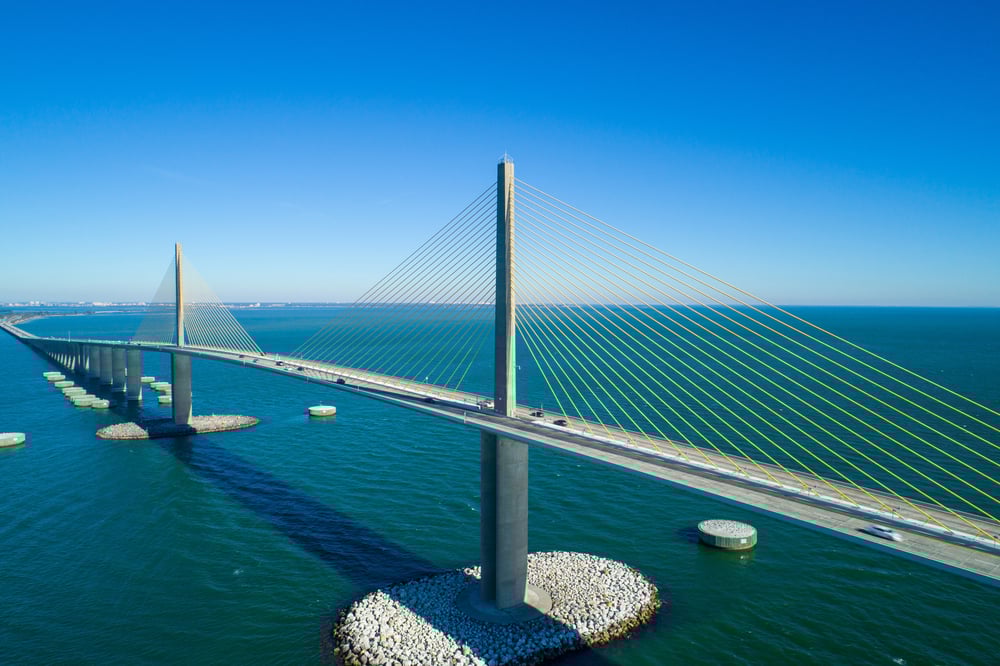
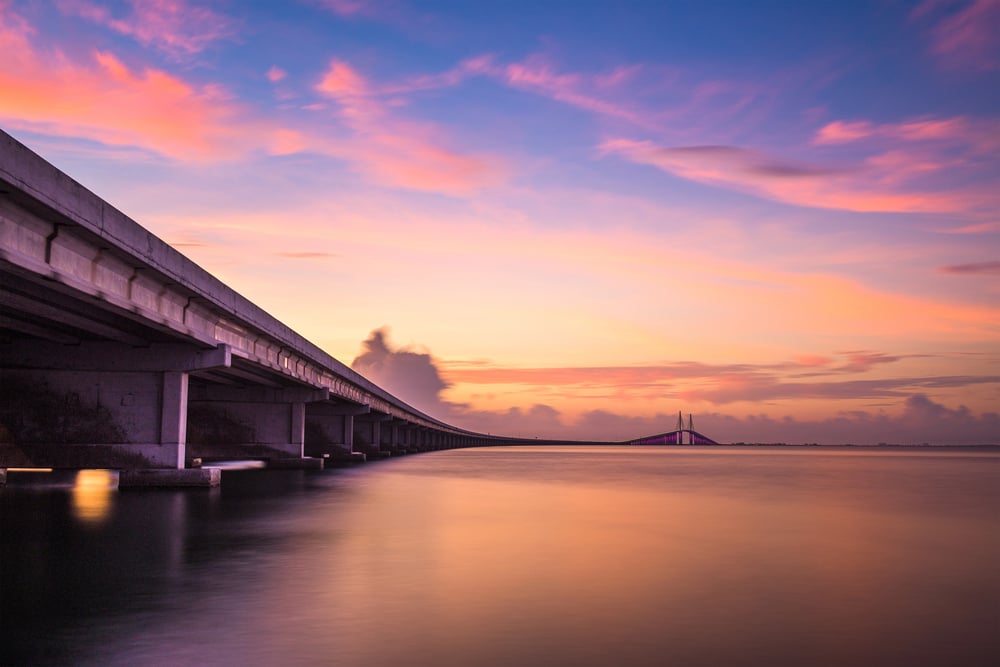
The Sunshine Skyway Bridge is known for its steep incline and striking design over Tampa Bay. The climb to its highest point feels gradual at first, then suddenly steepens, lifting drivers high above the water before dropping back down just as quickly.
Its reputation is tied not only to its height but also to its history. The current structure replaced an older bridge that collapsed after a ship collision in 1980.
That event left a lasting impression, and even today, the bridge’s dramatic rise and fall can feel intense, especially in strong coastal winds.
Royal Gorge Bridge
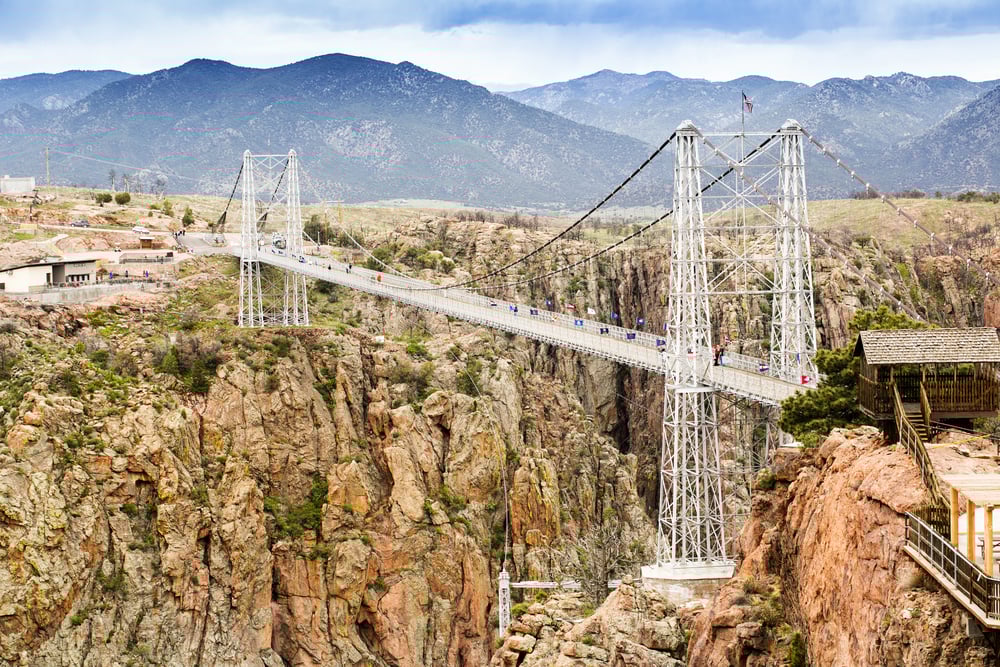
The Royal Gorge Bridge spans a deep canyon carved by the Arkansas River, standing over 950 feet above the water. It’s primarily a pedestrian bridge, but its height alone makes it one of the most intimidating crossings in the country.
Looking down from the wooden planks reveals just how narrow the gorge is compared to its depth. The bridge can sway slightly with wind or foot traffic, which adds to the sensation of exposure.
It’s less about crossing quickly and more about managing the awareness of just how far the drop extends below.
Seven Mile Bridge
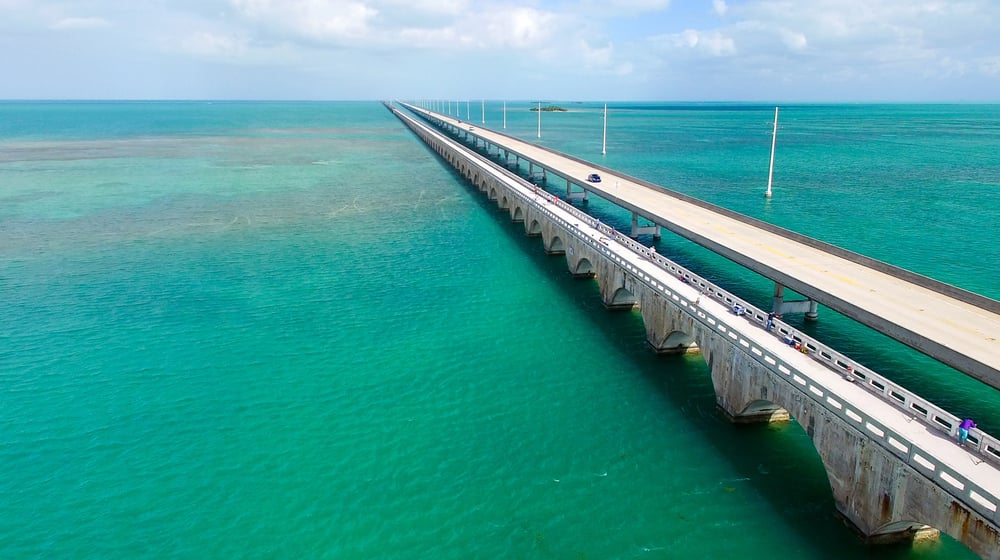
The Seven Mile Bridge lives up to its name, stretching across open ocean in the Florida Keys. The distance is part of what defines the experience—once on it, there’s no quick exit or change of scenery.
Water surrounds the roadway on all sides, often with little visual reference beyond sky and horizon. On calm days, it feels almost peaceful.
When storms roll through, the lack of shelter becomes more noticeable, and the long, straight path can feel far longer than expected.
Lake Pontchartrain Causeway
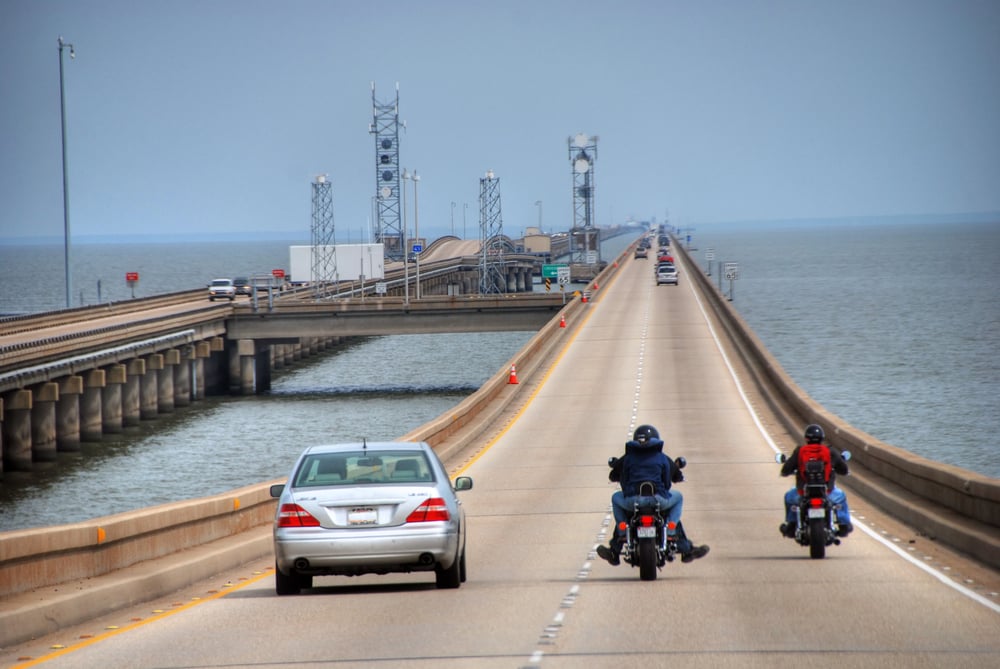
The Lake Pontchartrain Causeway holds the distinction of being one of the longest continuous bridges over water in the world, stretching nearly 24 miles. The sheer length creates a unique kind of discomfort.
At certain points, land disappears entirely from view, leaving only water in every direction. This can create a sense of isolation that builds gradually rather than all at once.
The drive becomes less about difficulty and more about endurance, with the horizon remaining unchanged for miles at a time.
Deception Pass Bridge
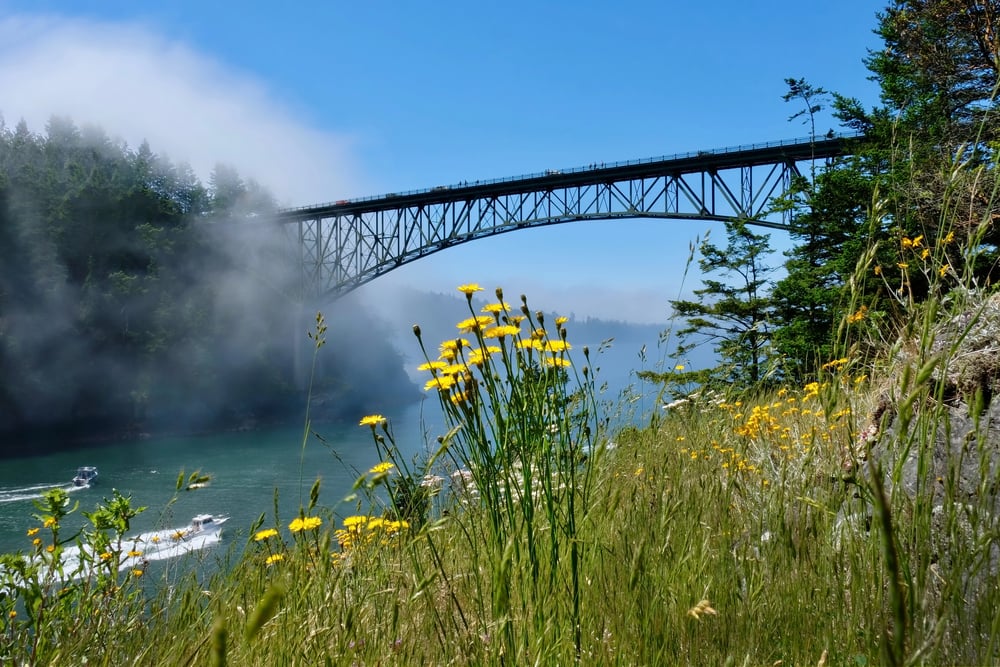
The Deception Pass Bridge connects Whidbey Island to the mainland, suspended high above fast-moving tidal waters. The bridge itself is relatively short, but its narrow lanes and minimal shoulder space make it feel tighter than expected.
Strong currents below and frequent winds add to the tension, especially for larger vehicles. The surrounding scenery is striking, but it also highlights the height and exposure.
Crossing it requires focus, particularly during busy traffic periods.
Navajo Bridge
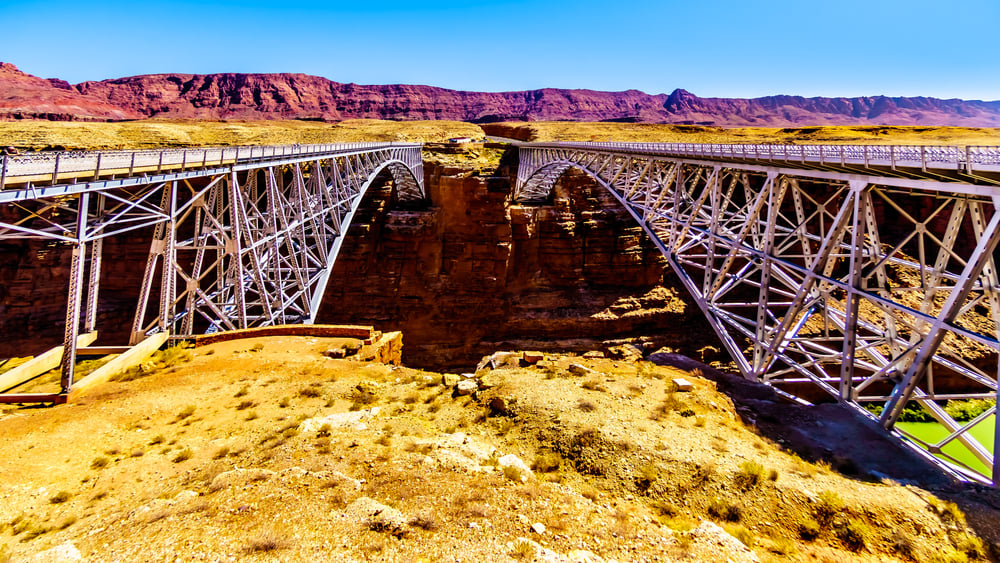
The Navajo Bridge spans the Colorado River near the Grand Canyon, offering views that are both expansive and daunting. The bridge stands high above the river, with steep canyon walls dropping sharply on either side.
While the modern bridge is wider and safer than its predecessor, the height remains a defining feature. Looking out—or down—can quickly shift the experience from scenic to intense.
It’s a reminder of how scale alone can influence perception.
Bixby Creek Bridge
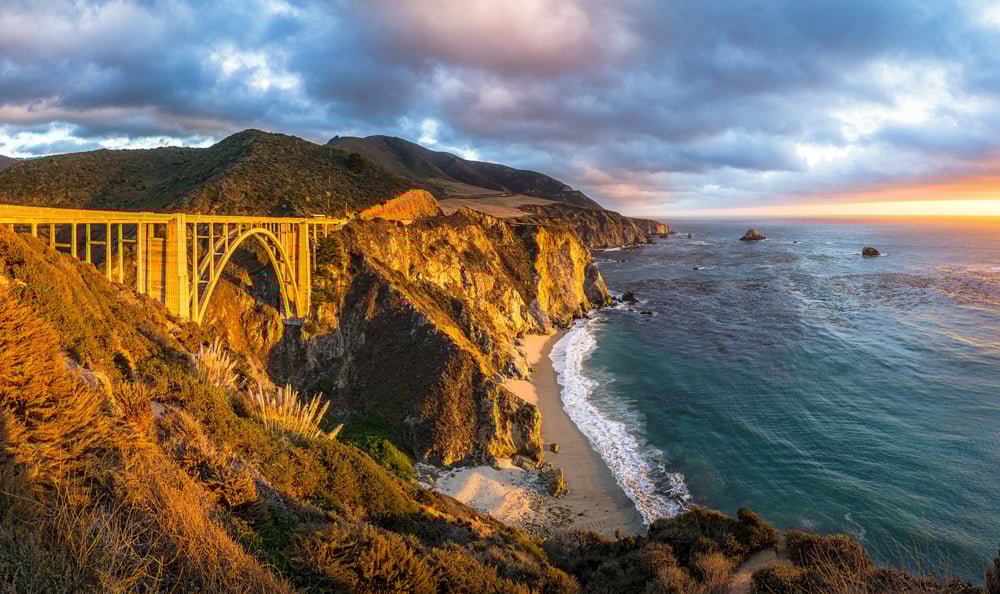
The Bixby Creek Bridge is one of the most photographed bridges along the Pacific Coast Highway. Its graceful arch and coastal setting make it visually striking, but the surrounding road adds a layer of challenge.
Sharp turns, steep cliffs, and changing weather conditions all contribute to the experience. Fog can roll in quickly, reducing visibility, while the narrow roadway demands careful attention.
It’s a place where beauty and tension exist side by side.
Huey P. Long Bridge
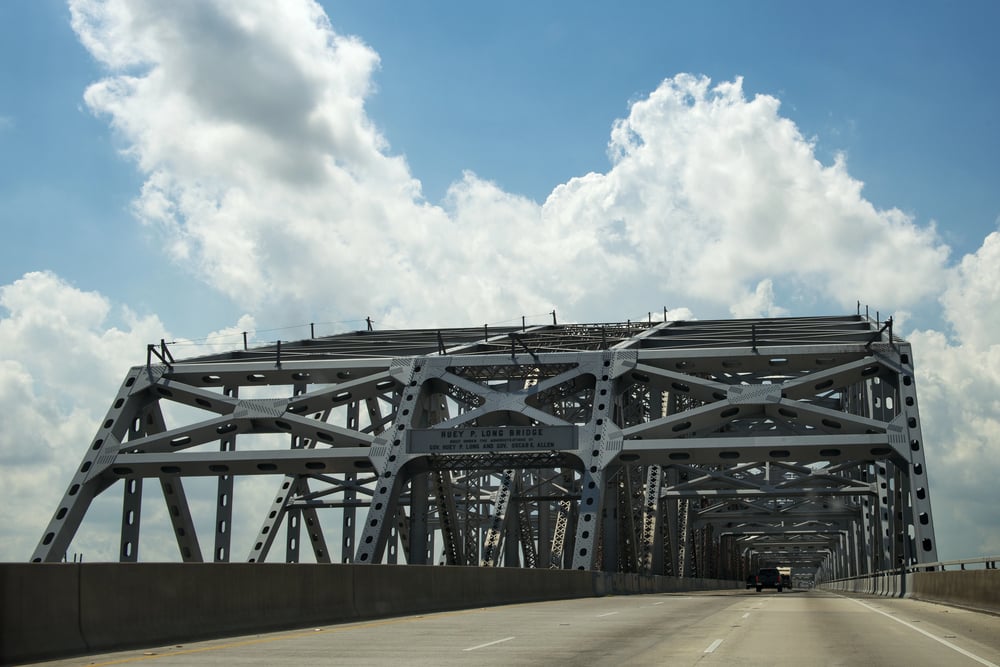
The Huey P. Long Bridge is known for its unusually narrow lanes, originally designed in a way that left little room for error. Even after widening projects, its layout still feels tight compared to modern standards.
Drivers often describe the experience as requiring full concentration, especially when larger vehicles pass nearby. The bridge’s industrial design and heavy traffic only add to the sense of pressure.
It’s less about height and more about spatial awareness.
San Mateo–Hayward Bridge
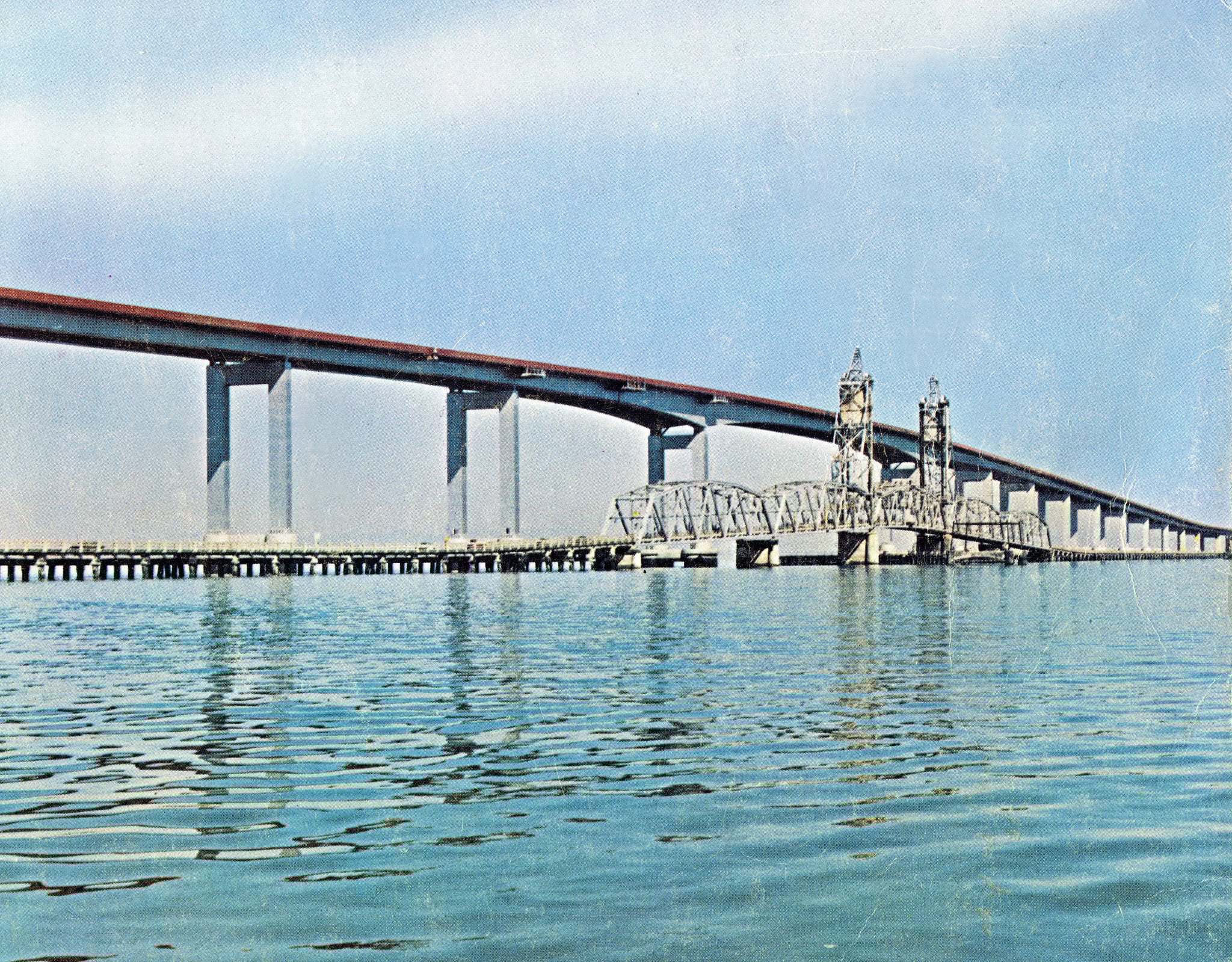
The San Mateo–Hayward Bridge crosses a wide stretch of San Francisco Bay, combining low, flat sections with a sudden elevated span. The transition between these sections can feel abrupt, especially for first-time drivers.
Long stretches of straight roadway can create a sense of monotony, while the raised portion introduces height and exposure. Wind conditions vary across the bridge, adding subtle shifts that keep drivers alert throughout the crossing.
Sunshine Skyway Fishing Pier (Old Bridge Remains)
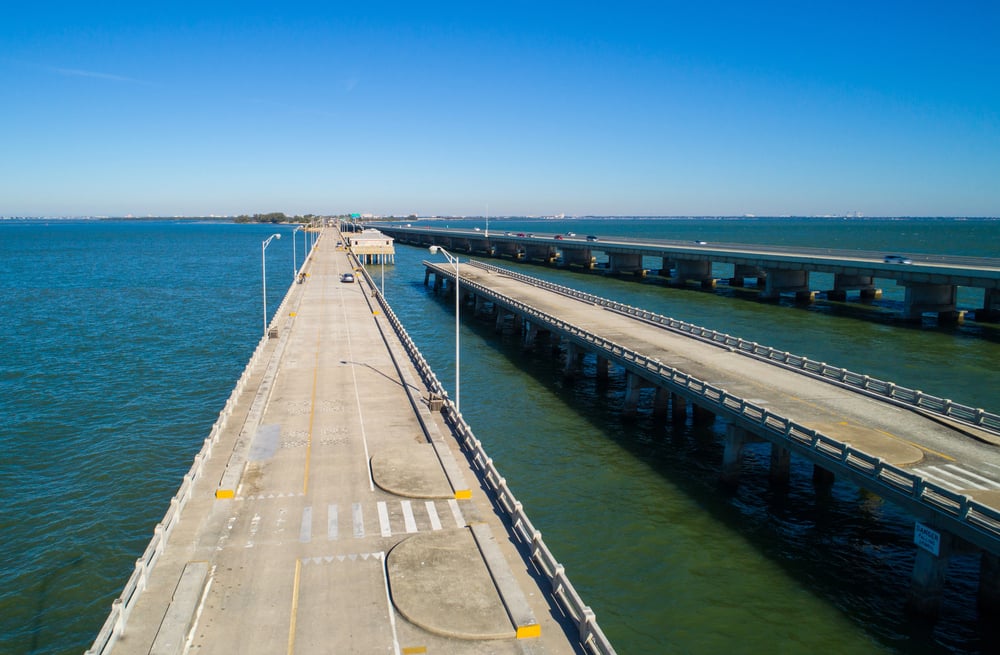
The remains of the original Sunshine Skyway Bridge still stand as fishing piers, a quiet reminder of the structure that collapsed decades ago. While no longer used for traffic, their presence adds historical weight to the area.
Seeing the old sections alongside the modern bridge creates a contrast between past and present. It’s a subtle but powerful reminder of how infrastructure evolves, often shaped by events that leave a lasting impact.
Astoria–Megler Bridge
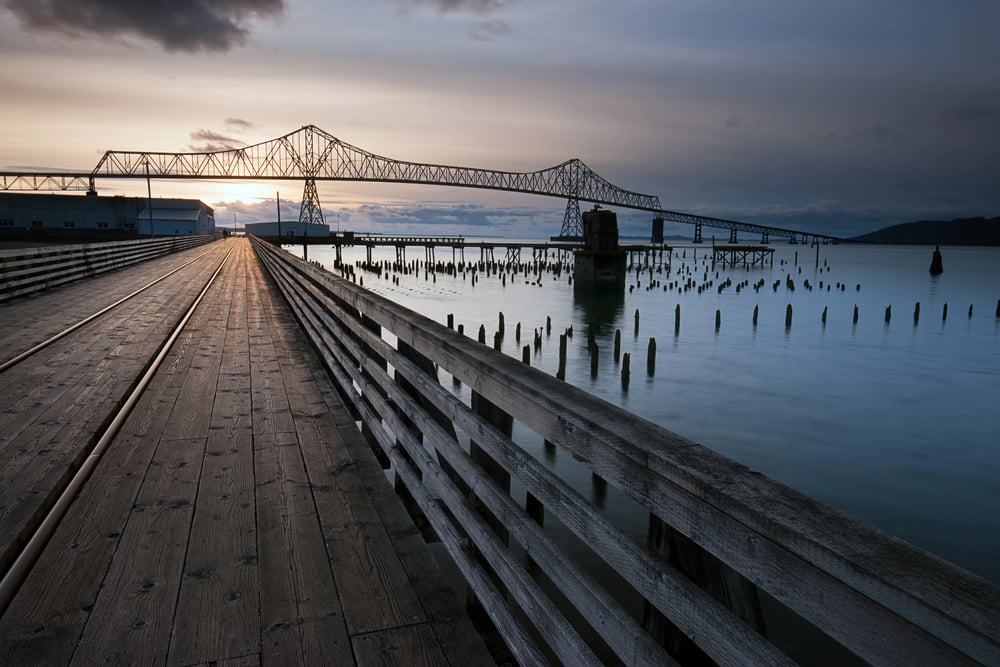
The Astoria–Megler Bridge stretches over 4 miles across the Columbia River, connecting two states. Its length and changing elevation create a varied driving experience.
Fog is common in the area, sometimes reducing visibility to a narrow corridor of road. Combined with wind and the bridge’s gradual curves, it requires steady attention.
The crossing feels longer than expected, partly due to the shifting conditions.
Tacoma Narrows Bridge
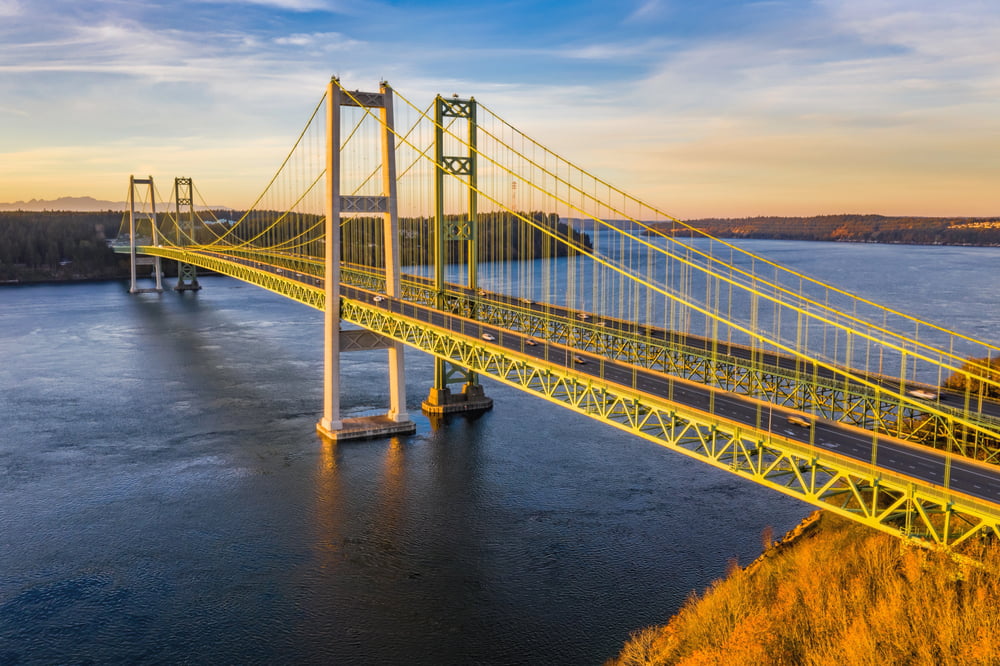
The Tacoma Narrows Bridge carries a legacy tied to one of the most famous engineering failures in U.S. history. The original bridge collapsed in 1940 due to wind-induced oscillations, earning the nickname ‘Galloping Gertie.’
The modern bridge is built with those lessons in mind, but the story still shapes its reputation. Knowing what once happened here adds a psychological layer to the crossing, even though the current structure is far more stable.
I-35W Saint Anthony Falls Bridge
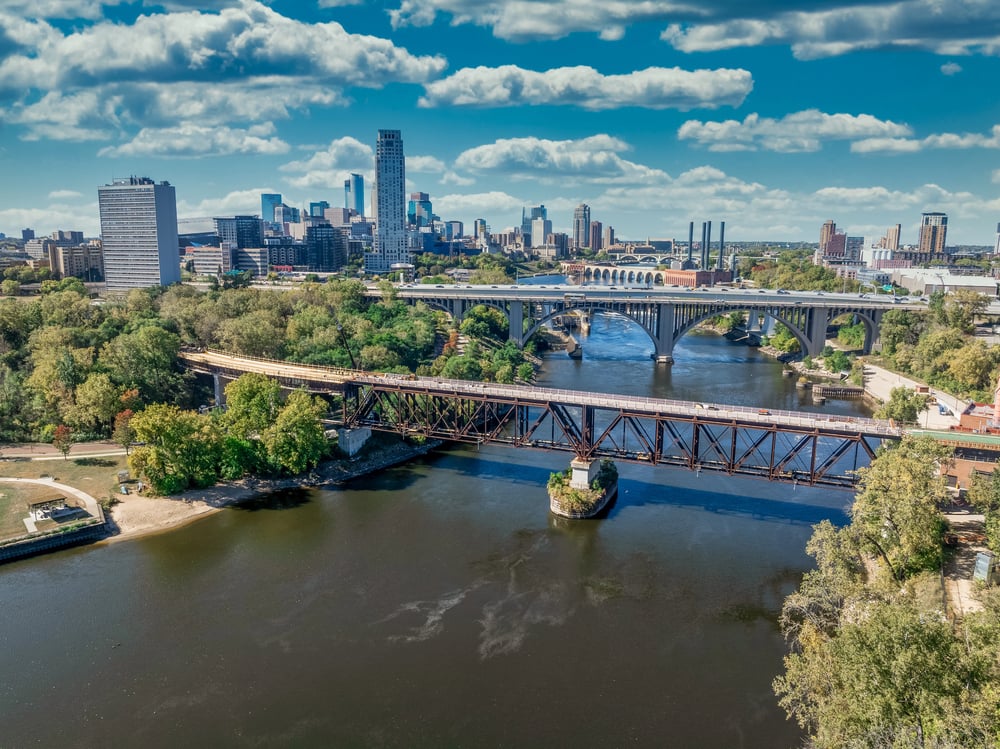
The I-35W Saint Anthony Falls Bridge stands on the site of a previous bridge collapse in 2007. The event led to a complete redesign, incorporating advanced monitoring systems and stronger materials.
Driving across it today feels routine, but the history remains close to the surface. It’s an example of how infrastructure can change dramatically in response to failure, reshaping both design and public perception.
Chesapeake Bay Bridge–Tunnel
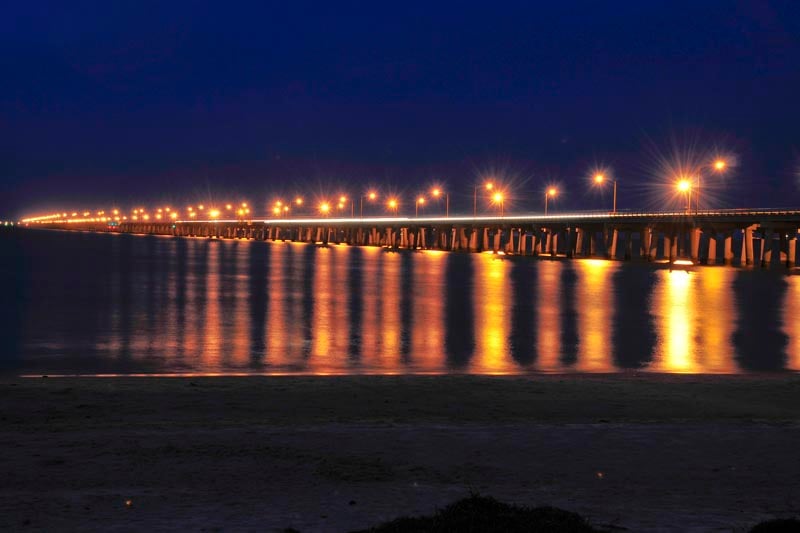
The Chesapeake Bay Bridge–Tunnel combines long bridge spans with underwater tunnels, creating a crossing that alternates between open water and enclosed space. The transition between these environments can feel abrupt.
One moment, the road stretches across the horizon; the next, it descends below the water’s surface. This shift adds an unusual rhythm to the drive, making it feel less predictable than a typical bridge crossing.
Why They Still Get Under Your Skin
What stands between two points isn’t only steel and stone – it’s layers of choice, landscape, and memory made visible. Not just altitude or span matters – each gust of wind carries echoes of decisions made decades ago.
Lives pass over them daily, yet the quiet weight of past moments lingers in their rails and cables. Even silence on a foggy morning tells part of what they truly hold.
A single beam holds weight just fine, yet fear doesn’t care about blueprints. Built right or not, height plays tricks when eyes meet empty space below.
What lingers isn’t steel or math – it’s the hush halfway across, where the body knows too much sky.
More from Go2Tutors!

- The Romanov Crown Jewels and Their Tragic Fate
- 13 Historical Mysteries That Science Still Can’t Solve
- Famous Hoaxes That Fooled the World for Years
- 15 Child Stars with Tragic Adult Lives
- 16 Famous Jewelry Pieces in History
Like Go2Tutors’s content? Follow us on MSN.



