16 “Banks” That Were Actually Massive Scams
Throughout history, criminals have discovered that nothing builds trust quite like a marble facade and the word ‘Bank’ on a brass nameplate. These fraudulent institutions fooled millions of people, from everyday savers to sophisticated investors, by masquerading as legitimate financial powerhouses. The damage they caused stretched far beyond simple theft, destroying entire communities and shaking confidence in the global banking system.
These cases show how con artists have consistently exploited the public’s faith in banking institutions. Here is a list of 16 ‘banks’ that turned out to be elaborate criminal enterprises designed to separate people from their hard-earned money.
Bernie Madoff Investment Securities

Bernie Madoff operated what became the largest Ponzi scheme in history, stealing over $50 billion from investors over decades. His company wasn’t technically a bank, but it functioned like one for wealthy clients who trusted him with their life savings.
Madoff admitted he simply deposited client money into his personal Chase Manhattan Bank account and paid withdrawals from that same account—classic ‘robbing Peter to pay Paul’ behavior.
Bank of Credit and Commerce International (BCCI)

BCCI represented the largest banking fraud in history when it collapsed, boasting $23 billion in assets worldwide and 380 offices across 72 countries. The bank handled money laundering for drug dealers and helped dictators steal from their own national treasuries.
What made BCCI particularly dangerous was its legitimate appearance—it operated for over a decade before regulators caught on to the massive fraud beneath the surface.
Franklin National Bank

Franklin National Bank was once the 20th largest bank in America before it collapsed in 1974 due to foreign exchange fraud and poor lending practices. The bank’s executives engaged in currency speculation that lost hundreds of millions, while simultaneously covering up bad loans to hide their losses.
Michele Sindona, an Italian financier connected to the Mafia, acquired control of the bank and used it to funnel money through various illegal schemes before its spectacular failure.
Home-Stake Production Company

Home-Stake masqueraded as an oil and gas investment company but functioned more like a bank for wealthy investors seeking tax shelters. The company promised huge returns from oil drilling operations that largely didn’t exist.
Instead of drilling for oil, executives used new investor money to pay returns to earlier investors, creating a classic Ponzi structure that lasted over a decade before collapsing in the 1970s.
Securities and Exchange Company

This 1920s investment firm convinced thousands of investors that it was building a financial empire through stock trading and banking services. The company’s charismatic founder promised guaranteed returns of 40% annually through a mysterious trading system.
In reality, the firm was paying old investors with new investor money while the founders lived lavishly on the stolen funds.
Caritas

Between 1991 and 1994, the Caritas scheme in Romania promised eight times the money invested in six months, attracting 400,000 depositors who invested about $1 billion before it went bankrupt. The company presented itself as a legitimate financial institution offering banking services to ordinary Romanians during the country’s economic transition.
Instead, it was a massive Ponzi scheme that destroyed the savings of nearly half a million people.
AriseBank

AriseBank claimed to be founding the world’s first ‘decentralized bank’ through cryptocurrency, but the SEC discovered it was actually a fraudulent ICO scheme. The company marketed itself as a revolutionary banking platform that would combine traditional banking services with cryptocurrency trading.
Investors poured millions into what they believed was the future of banking, only to discover the entire operation was built on lies and empty promises.
First National Bank of Keystone

This West Virginia bank appeared legitimate for years, serving local communities with standard banking services. However, investigators later discovered that bank executives had been systematically looting customer deposits to fund personal investments and extravagant lifestyles.
The bank’s collapse in the 1990s wiped out the savings of thousands of rural families who had trusted their local institution.
United Banking Corporation
United Banking Corporation operated across multiple states in the 1980s, offering high-yield certificates of deposit and savings accounts to attract deposits. The bank’s executives used sophisticated marketing to convince retirees and working families to move their money from established banks.
Instead of legitimate banking operations, the company was essentially a Ponzi scheme that used new deposits to pay interest to existing customers until it inevitably collapsed.
ESM Government Securities
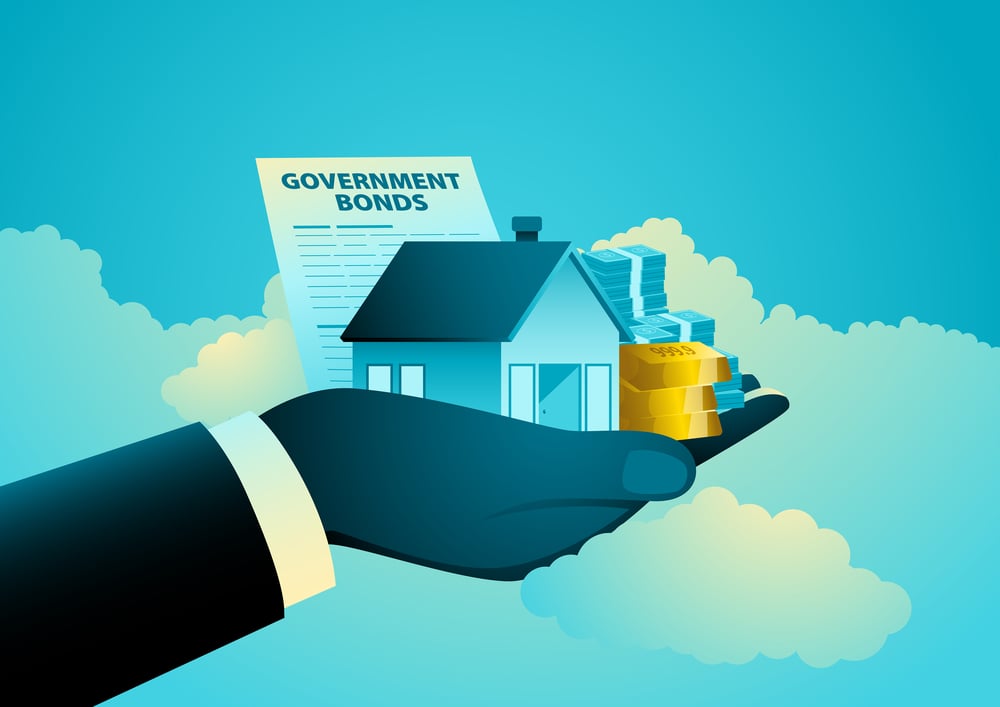
ESM presented itself as a government securities dealer and bank, attracting investments from savings and loan associations across the country. The company claimed to trade in safe government bonds and treasury securities, appealing to conservative investors seeking steady returns.
In reality, ESM was using client money to cover massive trading losses and fund the luxurious lifestyles of its executives, leading to its collapse in 1985.
Penn Square Bank

Penn Square Bank in Oklahoma became notorious for its reckless lending practices disguised as aggressive banking services. The bank sold billions of dollars in questionable energy loans to major banks across the country, including Chase Manhattan and Continental Illinois.
The bank’s executives threw lavish parties and engaged in questionable business practices that ultimately led to its failure and the near-collapse of several major financial institutions.
Lincoln Savings and Loan

Lincoln Savings and Loan Association, controlled by Charles Keating, marketed itself as a safe haven for conservative investors and retirees. The institution offered high-yield bonds and certificates of deposit while maintaining the appearance of a traditional savings bank.
However, Keating was using depositor funds for risky real estate investments and personal enrichment, ultimately costing taxpayers over $3 billion when the institution failed.
Imperial Savings Association

Imperial Savings Association in California grew rapidly in the 1980s by offering attractive interest rates and banking services to middle-class families. The institution’s executives convinced depositors they were building a financial empire through smart real estate investments and conservative lending practices.
Instead, they were engaged in fraudulent accounting practices and self-dealing that eventually led to the institution’s collapse and significant losses for depositors.
Vernon Savings and Loan

Vernon Savings and Loan in Texas exemplified the excesses of the savings and loan crisis, operating more like a personal piggy bank for its executives than a legitimate financial institution. The bank offered high-yield deposits and marketed itself as a community-focused institution serving local families and businesses.
Behind the scenes, executives were using depositor funds for extravagant personal expenses, fraudulent loans to friends, and risky investments that ultimately destroyed the institution.
Columbia Savings and Loan

Columbia Savings and Loan grew to become one of the largest savings institutions in the country by marketing itself as a leader in mortgage lending and consumer banking. The institution’s executives convinced investors and depositors that they had discovered innovative ways to generate higher returns through junk bond investments.
In reality, the bank was taking enormous risks with depositor funds, leading to massive losses and eventual government seizure.
American Continental Corporation

American Continental Corporation operated as a parent company controlling Lincoln Savings and Loan, but also marketed investment products directly to consumers through bank-like branches. The company convinced thousands of elderly investors to purchase high-risk bonds by presenting them as safe, bank-like investments backed by the corporation’s financial strength.
When the company collapsed, it took down Lincoln Savings and wiped out the retirement savings of thousands of senior citizens.
When Trust Becomes the Ultimate Currency

These fraudulent institutions succeeded because they understood a fundamental truth about human nature: people want to believe in stability and security. Each of these scams exploited the inherent trust that comes with banking terminology, official-looking documents, and promises of safety.
The criminals behind these schemes didn’t just steal money—they stole faith in the financial system itself. Today’s banking regulations exist largely because of the lessons learned from these spectacular failures, serving as expensive reminders that in finance, if something seems too good to be true, it almost certainly is.
More from Go2Tutors!

- The Romanov Crown Jewels and Their Tragic Fate
- 13 Historical Mysteries That Science Still Can’t Solve
- Famous Hoaxes That Fooled the World for Years
- 15 Child Stars with Tragic Adult Lives
- 16 Famous Jewelry Pieces in History
Like Go2Tutors’s content? Follow us on MSN.