Places Where 2-3 Countries Meet
One foot here, another there – borders play tricks on how we see space. Lines you cannot touch split lands, customs, even clocks, though they vanish under your shadow when stepped on.
Where earth shifts between three nations, something quiet happens. Places like these pull people, not for grand reasons but because standing across divides changes nothing and everything at once.
Not every meeting place between nations stands out – some hide in plain sight, tucked away like forgotten paths. You’ll find markers at certain locations, yet many go unnoticed, sitting silently where borders blur into one.
These are spots where more than two countries touch, either by a precise dot or along an edge. Each has its own story, shaped by geography and agreement.
Few people pass through them, though they exist on maps as exact points of contact.
Four Corners Monument
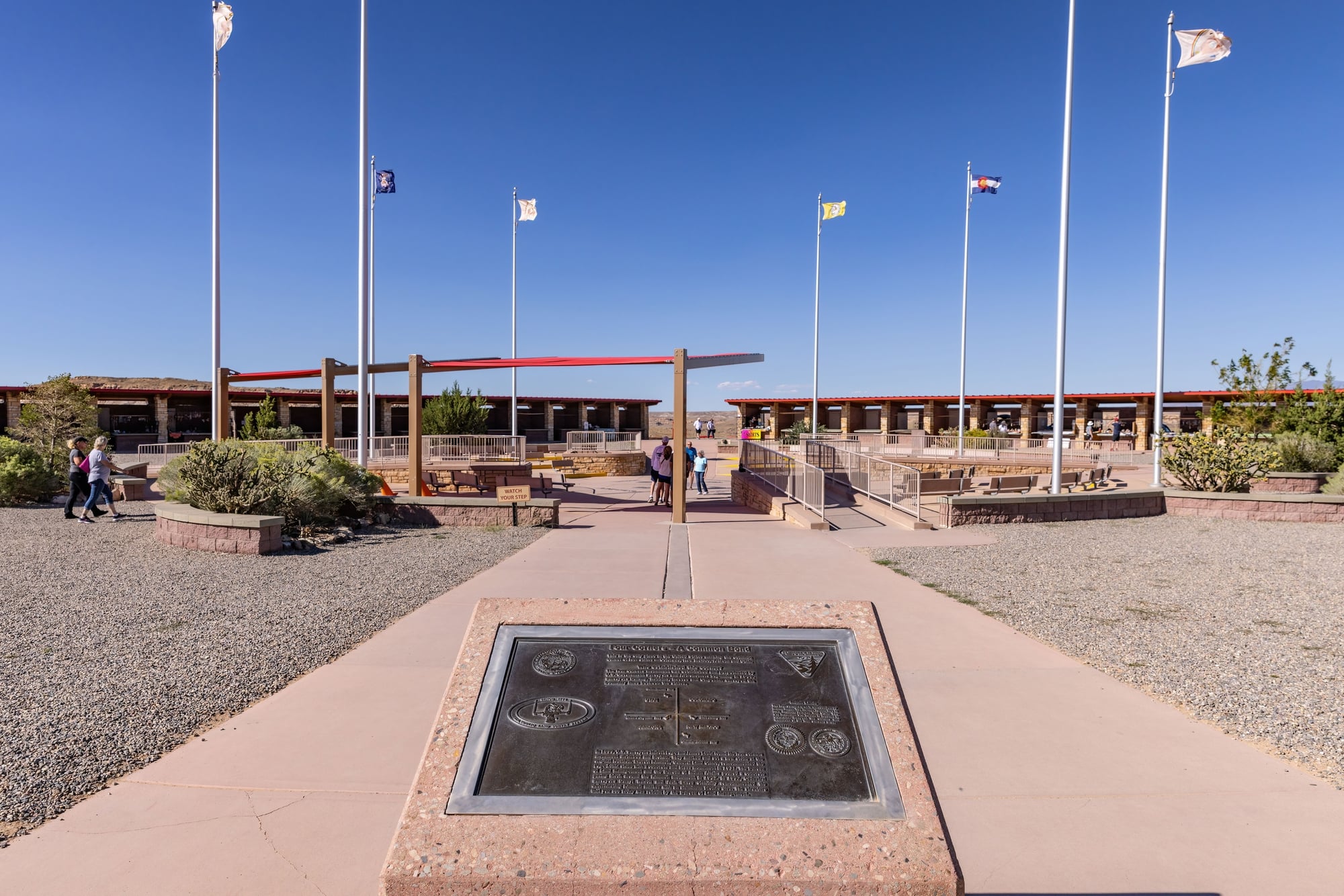
One spot in the U.S. stands out because four states touch at a single point – the Four Corners Monument, where Arizona meets New Mexico, while Utah connects above and Colorado completes the square. Standing there, people often stretch arms and legs across lines just to feel what it means to be in four places at once, capturing moments that tend to fill camera rolls.
Run by the Navajo Nation, the marker rests far from cities, tucked amid rust-colored rock and open sky. Nowhere else in the country do state borders cross exactly like this, making it unique by shape alone.
Point Nemo Near Argentina, Chile, Bolivia
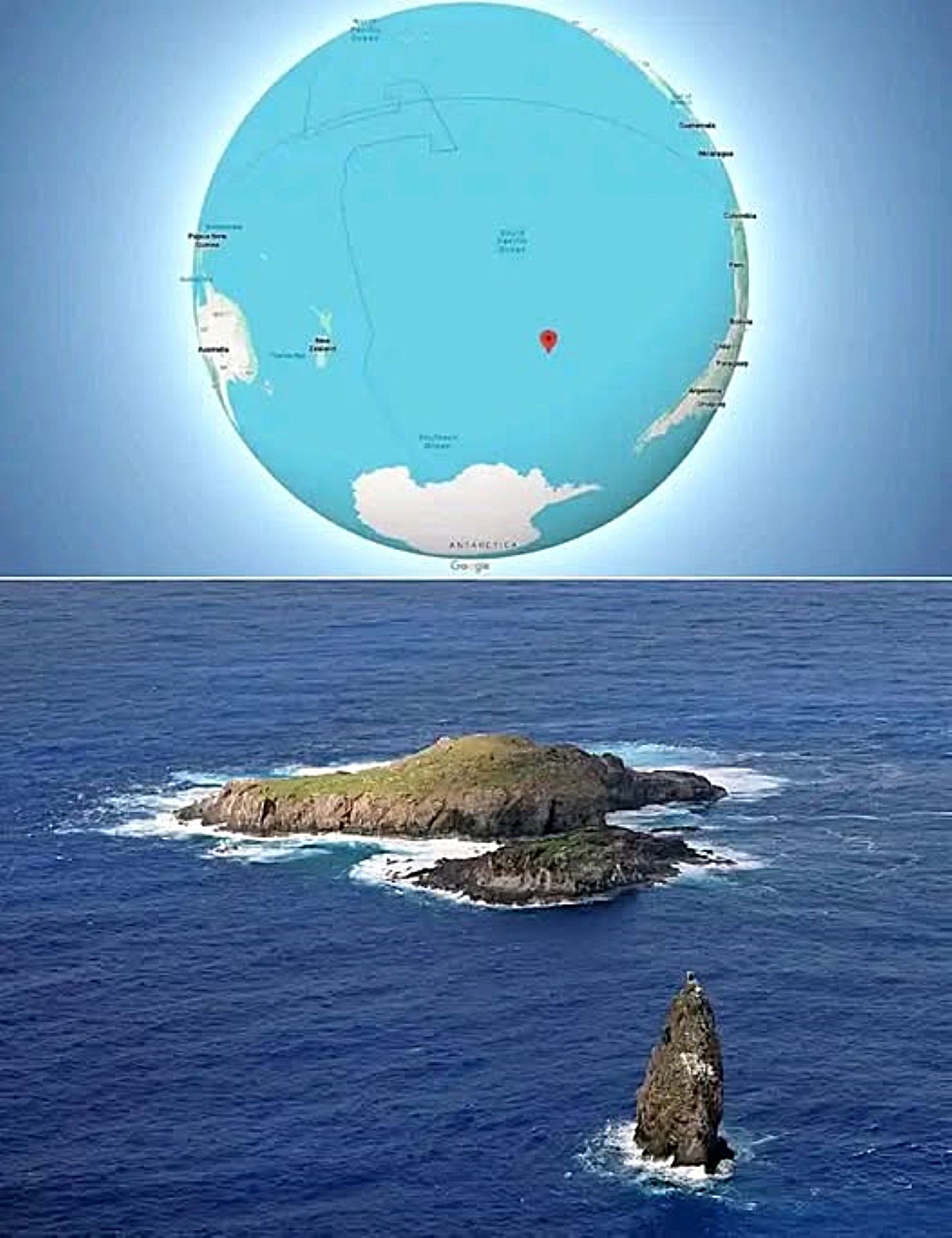
Up top in the Andes, where thin air tugs at your breath, lies a meeting spot for three nations. At more than 17,000 feet, this corner links Argentina, Chile, and Bolivia – among the loftiest such points worldwide.
Towering peaks dominate the scene, their slopes catching snow when most places warm up. Though hardly anyone travels that high, visitors find sights tough to forget.
Views stretch far, sharp, silent.
Treriksröset
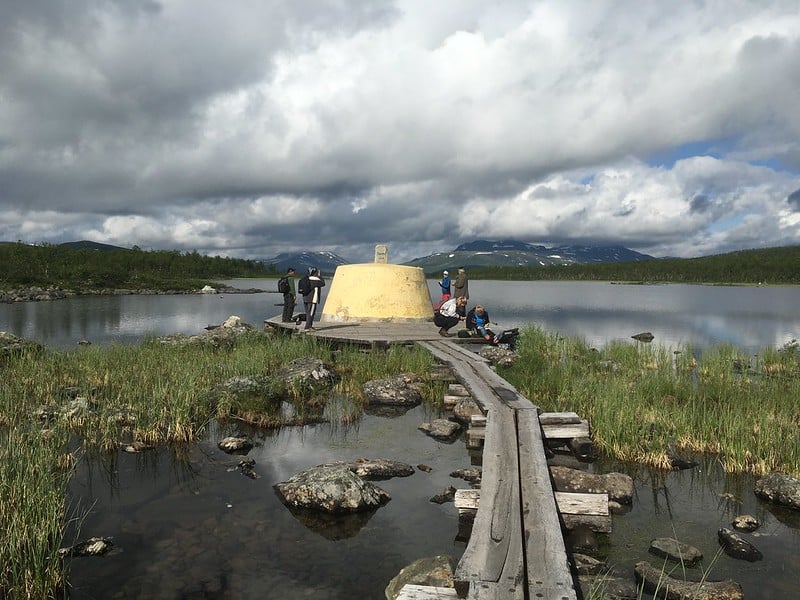
Far up in northern Scandinavia, a yellow concrete spot marks where Sweden meets Norway plus Finland. Not many people reach this place, yet those who do walk long distances across wild terrain to see it.
A small dome of pale yellow stands firm under open skies, quiet proof of borders drawn between nations. Summer brings constant daylight, lighting paths for trekkers moving through tundra without darkness.
The land along the way stays raw and bare, shaped by wind rather than human hands. Footsteps crunch on stony ground as travelers near a point few ever stand upon.
Three countries touch here, each with its own rhythm, history, speech. No signs shout directions; still, some find their way using maps plus instinct.
Even though the structure seems plain, what it means runs deeper than color or shape. Walking back feels different, somehow – heavier with memory, lighter with distance.
Basel
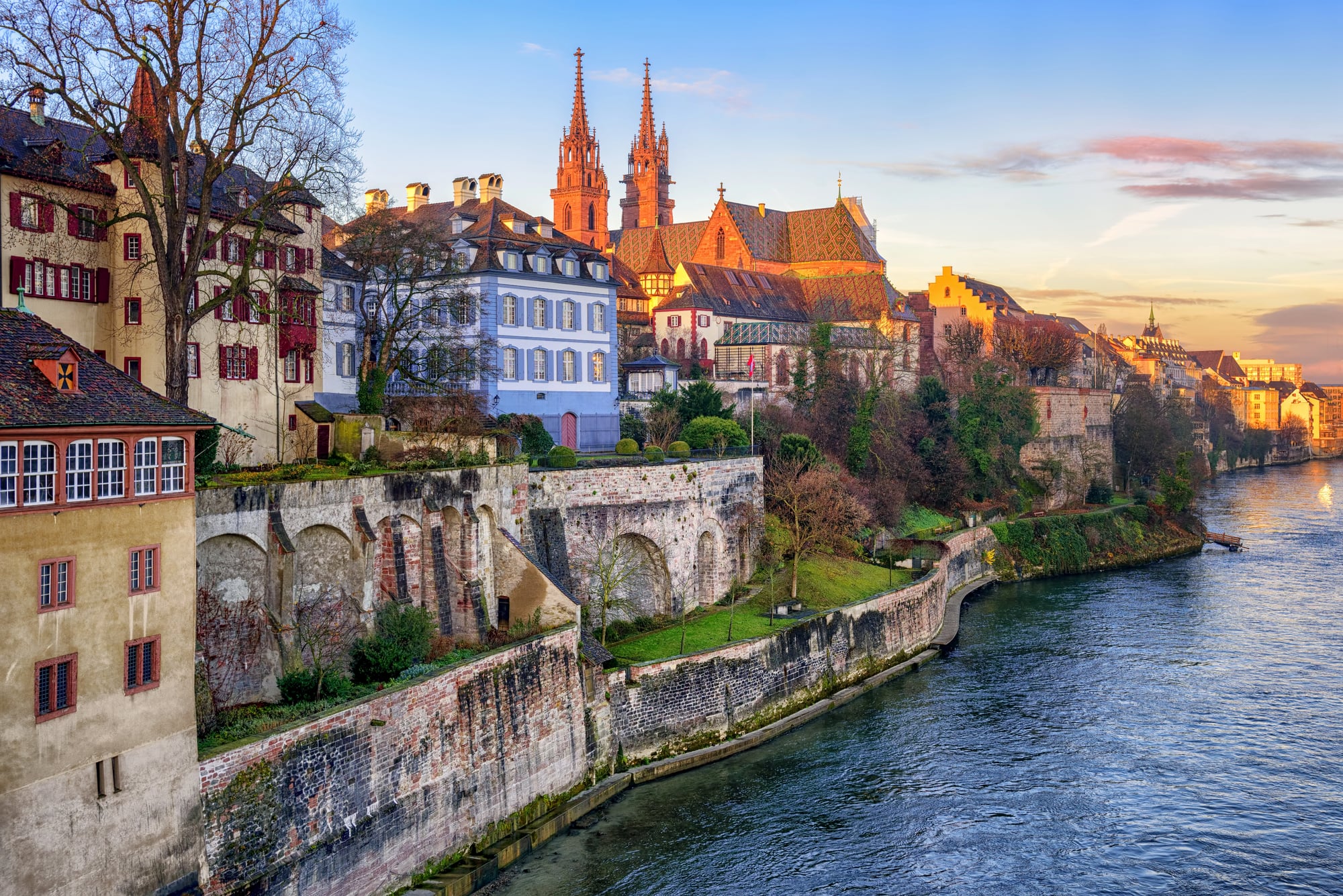
Basel rests where Swiss land meets French and German borders, making it a rare European meeting point you reach fast on foot or by bicycle. Minutes pass, then suddenly you are across a national line shaped partly by the flow of the Rhine.
At one precise corner stands a stone marker – Dreiländereck – where three countries converge physically. Not hidden in peaks or forests, this junction pulses inside city life.
Languages shift nearby without warning, culture mixing quietly at street corners. Borders here feel thin, almost like lines drawn lightly in sand.
Mount Roraima
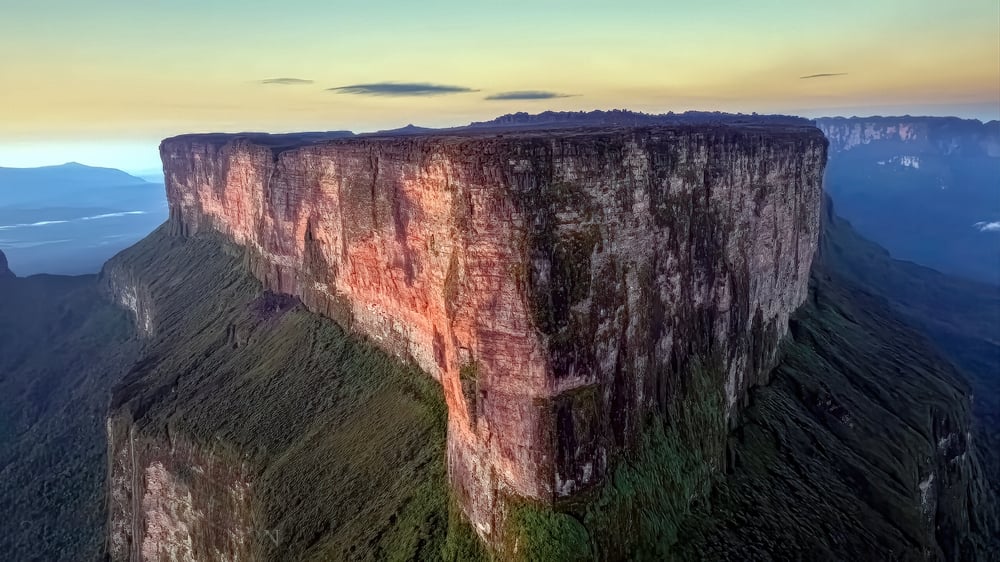
Flat on top, rising sharp from green thick below – this peak stands where Venezuela, Brazil, and Guyana meet. Clouds swallow its upper edge most days, leaving only rock walls falling straight down into mist.
Not just a sight, but holy ground, say the Pemon who have lived nearby long before maps existed. Sir Arthur Conan Doyle saw sketches once, maybe heard tales, then wrote his adventure story around such a place.
Getting there means walking far under sun and rain, boots sinking in mud one step, gripping stone the next, day after day.
Baarle
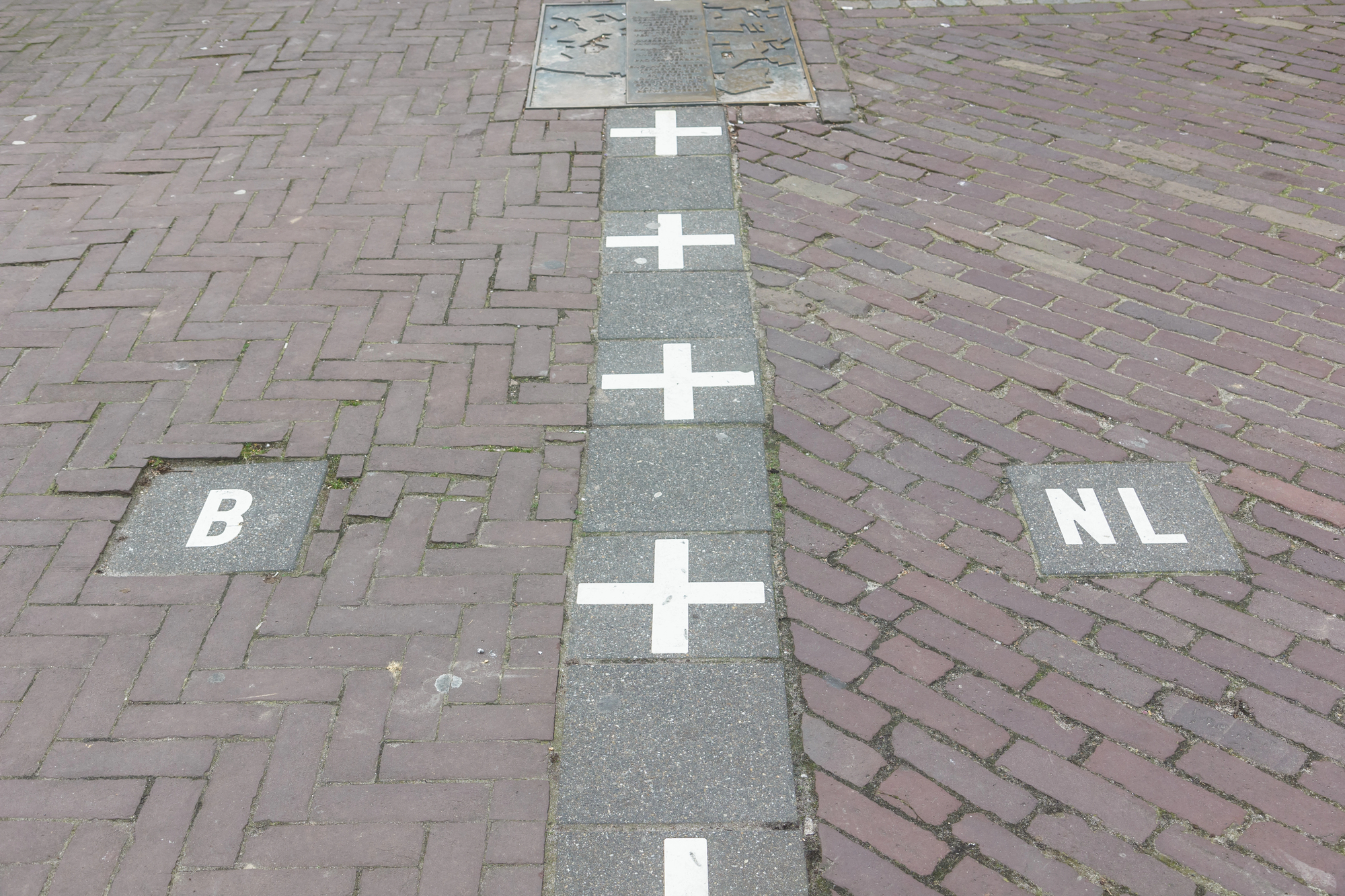
In Baarle, things twist when Belgium meets the Netherlands – not just beside each other, yet tangled like threads in cloth. Inside certain homes, national lines slice straight across rooms – enter up front in one nation, step out back into a different one.
Pavement painted with white crosses shows exactly where Dutch ground shifts to Belgian underfoot. Rules about taxes and how late shops stay open depend solely on which country claims the entrance doorway.
That detail shapes daily routines in ways that surprise even long-time residents passing by every morning.
Tumen River
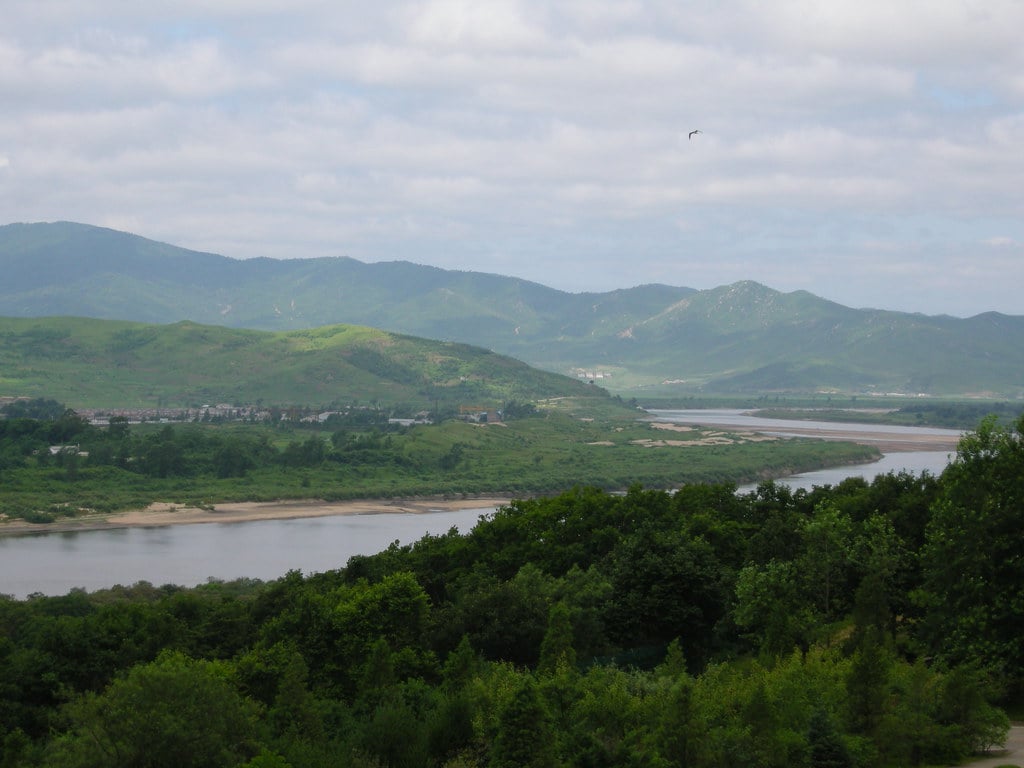
Where China, Russia, and North Korea converge lies the Tumen River, surrounded by tight security. At this junction, distinct political worlds brush against one another.
From a raised deck on Chinese land, visitors can see two neighboring countries at once. Standing there, differences unfold before the eyes – each shore tells its own story.
Development varies sharply, shaping what you notice first when looking out from that spot.
Triple Frontier
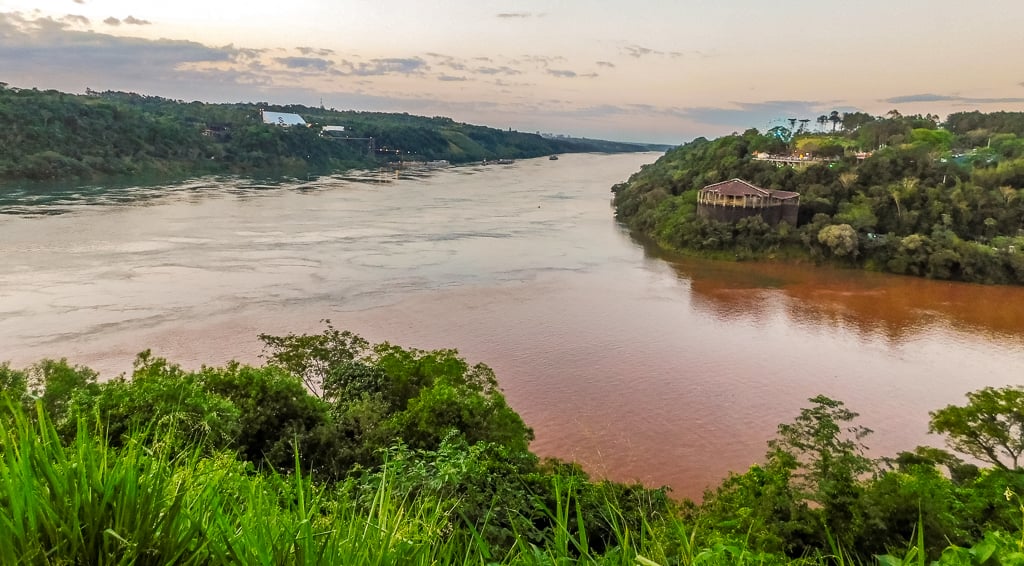
Argentina, Brazil, and Paraguay meet at the confluence of the Iguazu and Paraná rivers, creating what locals call the Triple Frontier. The Iguazu Falls, one of the world’s most impressive waterfall systems, sits just upstream from this meeting point.
Each country has built its own obelisk monument painted in national colors to mark the spot. Visitors can stand in one country and see the monuments of the other two across the water.
Muztagh Ata Region
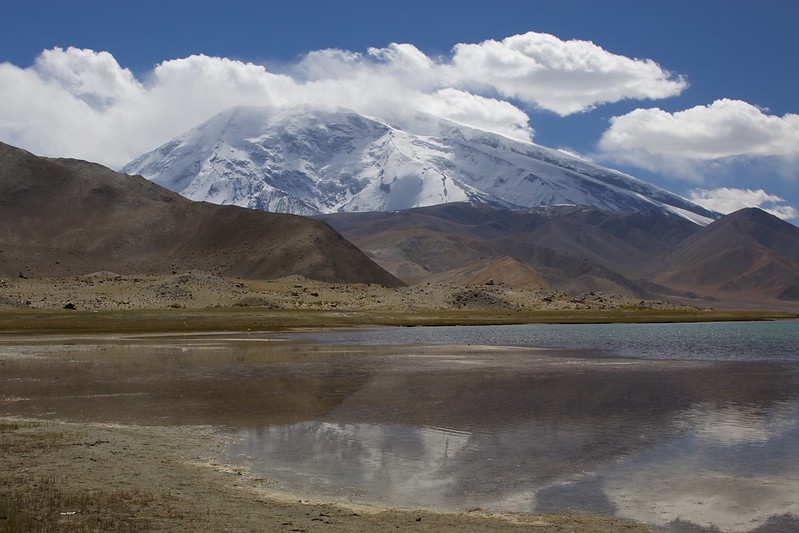
China, Pakistan, and Afghanistan come together in the Pamir Mountains at elevations that test even experienced mountaineers. This tripoint sits in one of the most rugged and isolated regions on Earth, where few roads exist and winter temperatures drop dangerously low.
The area remains largely inaccessible to casual travelers due to terrain and political restrictions. Snow-capped peaks dominate the landscape in every direction.
Vaalserberg
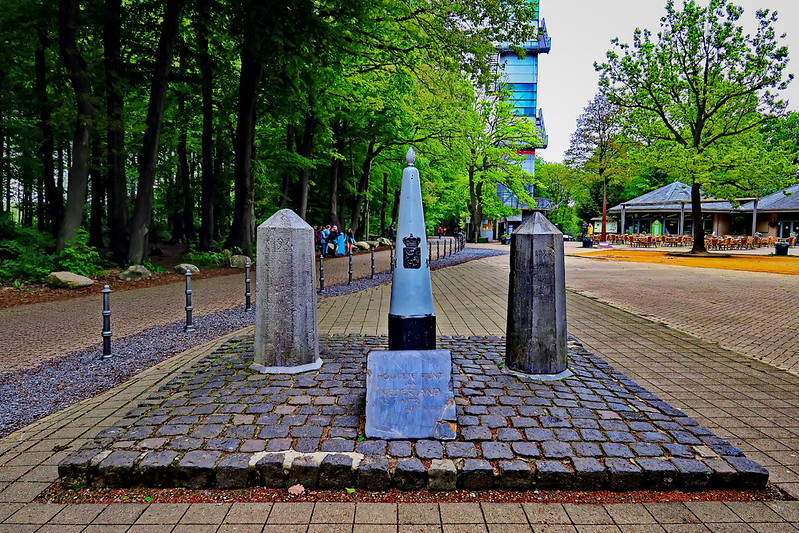
The Netherlands, Belgium, and Germany share a border at the highest point in the Netherlands, though at just 1,053 feet, it’s not exactly a towering peak. A modern labyrinth structure marks the exact tripoint, and visitors can walk through all three countries in just a few steps.
The area has become a popular spot for cyclists and day-trippers. On clear days, you can see church steeples from villages in all three nations.
Haldummulla
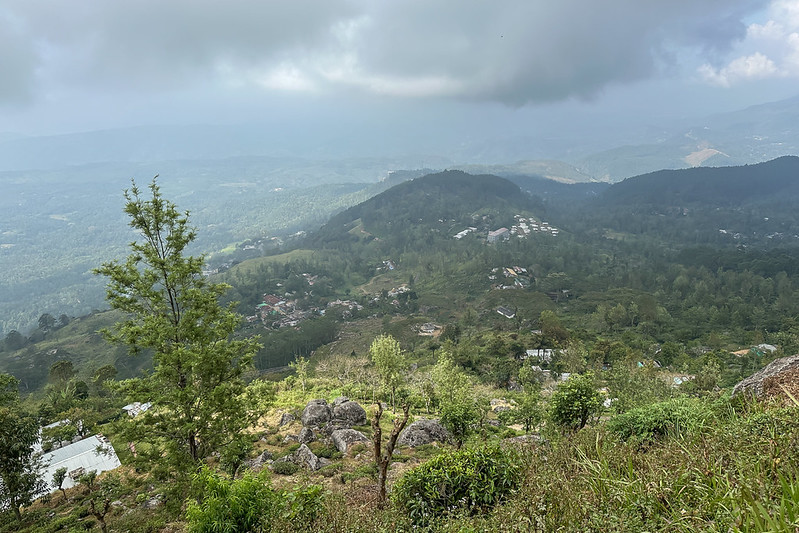
India, Sri Lanka, and the Maldives don’t actually share a land border, but their maritime boundaries meet at a point in the Indian Ocean south of India. This underwater tripoint represents where three countries’ territorial waters come together beneath the waves.
Obviously, nobody can stand at this spot unless they’re diving, and it holds more significance for maritime law than tourism. Still, it counts as a legitimate meeting point of nations.
Kufstein Region
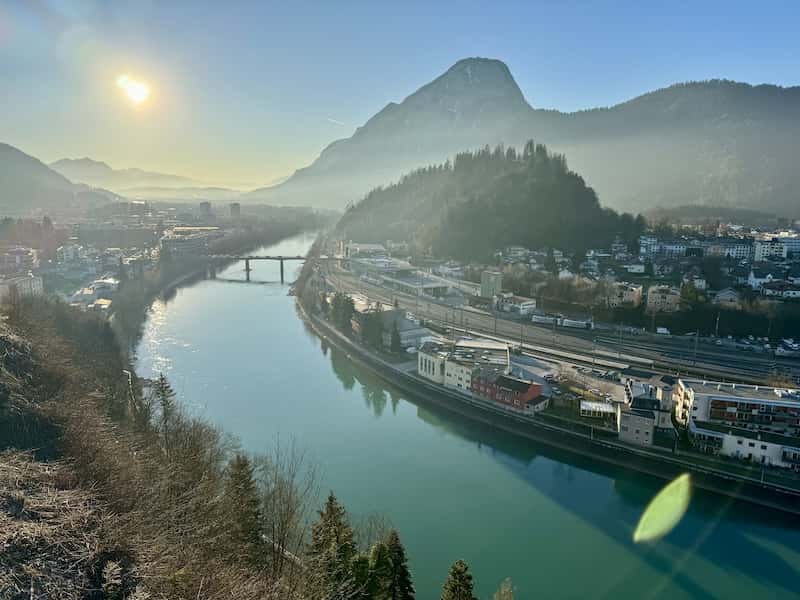
Where trees cover rolling hills, Austria touches both Germany and the Czech Republic in quiet overlap. Centuries passed here with changing lines on maps drawn by distant rulers.
At one spot, just a small stone shows where three lands come together. Paths wind through woods, slipping across modern edges like old habits.
Footsteps move easily between countries, unaware they’ve crossed into another.
Mount Everest Base
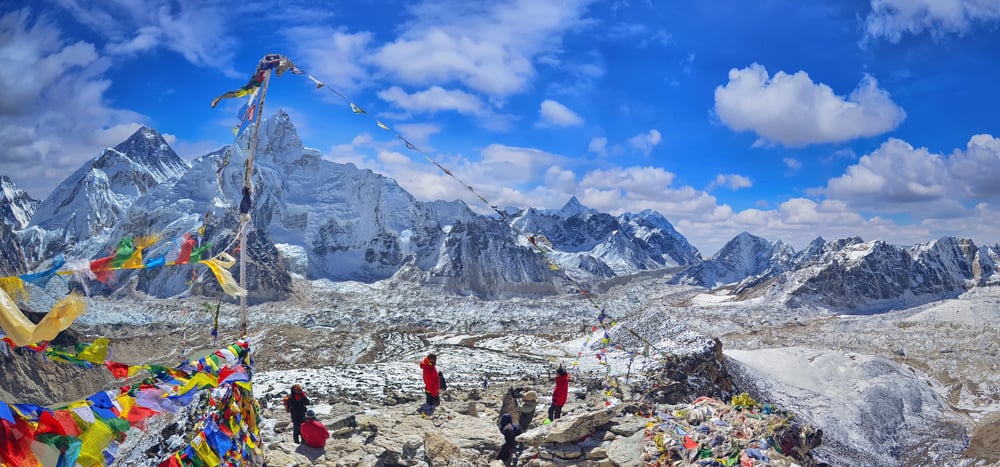
The highest peak on Earth sits exactly where Nepal meets Tibet, part of China. Reaching the top from either direction means stepping into another nation without realizing it.
Along the sharp edge of the mountain runs the boundary, drawn like a seam through rock and ice. Each country maintains its own starting point for expeditions, built on their side of the divide.
At the very peak, someone stands in two places at once – though few notice while gasping for air near collapse.
Golan Heights Region
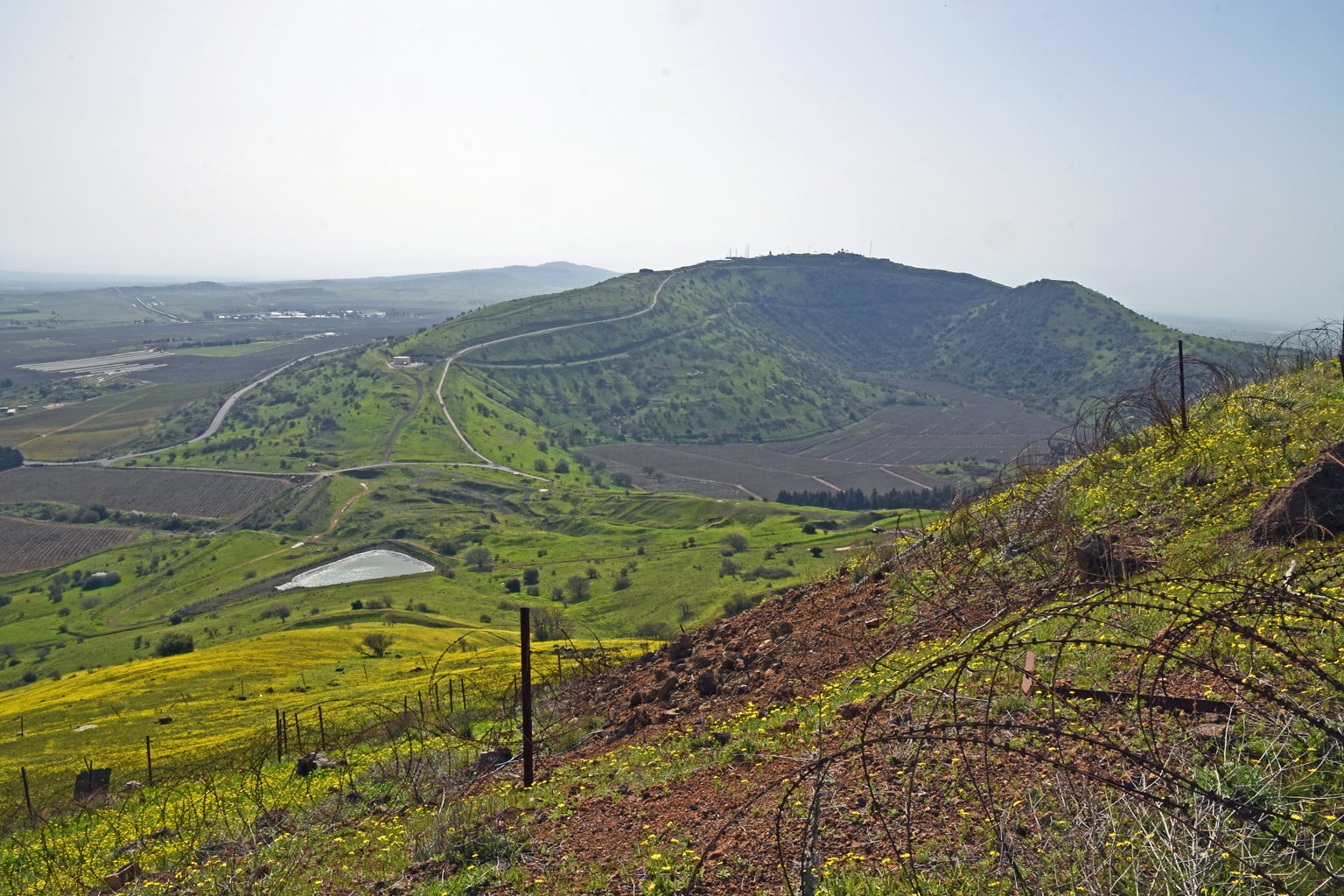
Down near the edge of what many call a restless corner of the map, Syria, Lebanon, and Israel touch at a spot that rarely stays still. Over years, war and shifting rule have nudged the meeting place around like a stone pushed by boots passing fast.
Soldiers watch closely across these lands, so few wander here without reason or clearance. Depending on whose chart you study, the precise crossing might sit a bit farther north – or south – than expected.
Lake Victoria Shores
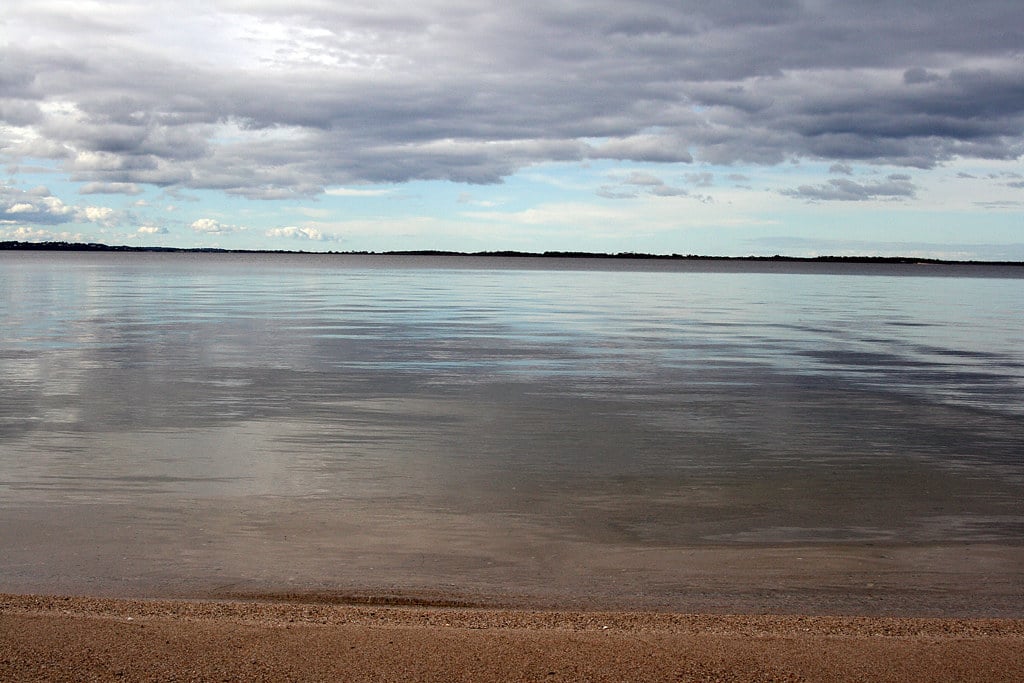
Lake Victoria touches Kenya, then stretches into Uganda before reaching Tanzania, forming Africa’s biggest inland body of water. Where these nations connect isn’t just on maps – it happens across wet shores and open waters too.
Fishing boats move between borders, following daily patterns older than modern lines drawn on charts. Water pulled from the lake feeds villages, farms, towns – life shaped by its presence year after year.
Exact spots where all three meet shift slightly depending on tides, terrain, time of year. People living nearby rely on what it offers, quietly building lives around its rhythms.
Where Borders Tell Stories
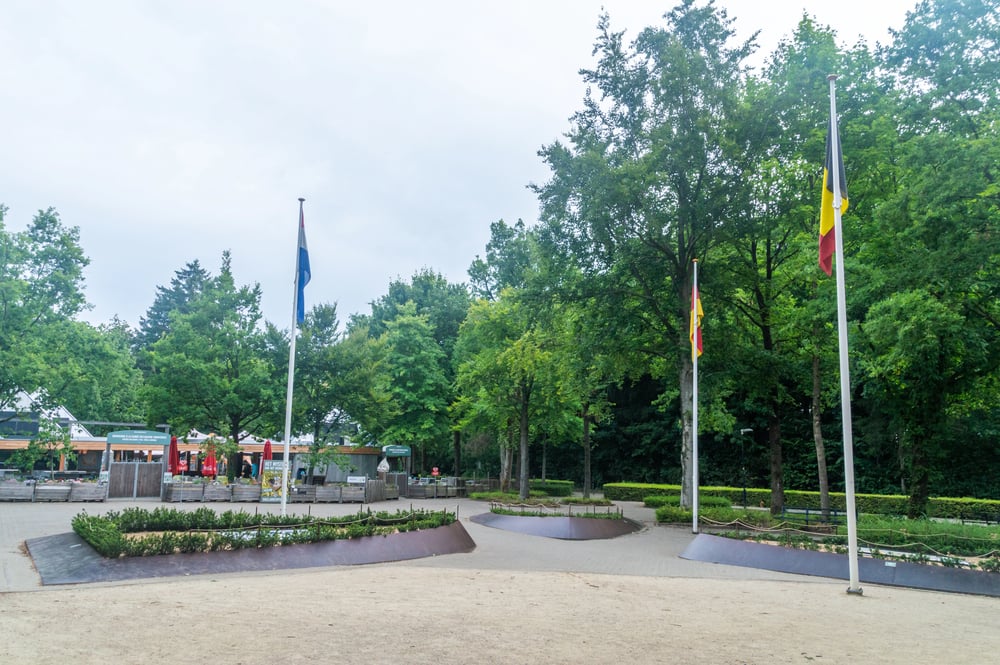
Where countries meet feels less like an edge, more like a quiet conversation. Not all boundaries stretch across wild terrain – some pass right through markets, sidewalks, rooftops.
High up on rocky summits, flags might flap above snow, yet down below, life moves without pause. What stands out isn’t the line itself but what happens near it – the mix of languages, rules, habits brushing against one another.
Peek again at maps, especially where edges knot together; stories hide in those tight spaces.
More from Go2Tutors!

- The Romanov Crown Jewels and Their Tragic Fate
- 13 Historical Mysteries That Science Still Can’t Solve
- Famous Hoaxes That Fooled the World for Years
- 15 Child Stars with Tragic Adult Lives
- 16 Famous Jewelry Pieces in History
Like Go2Tutors’s content? Follow us on MSN.



