Places Where Wildlife Rules Over Humans
Some places on Earth feel like nature took the front seat and never gave it back. These aren’t just forests or parks where animals roam freely.
These are real locations where humans have learned to step aside, slow down, and respect the rhythm of the wild. Whether it’s a tiny island or a massive reserve, animals here are the ones calling the shots.
You don’t need a map or a guide to see who’s in charge—just open your eyes and let nature show you. Let’s take a trip through places where the animals aren’t just residents… They’re the landlords.
Nara, Japan
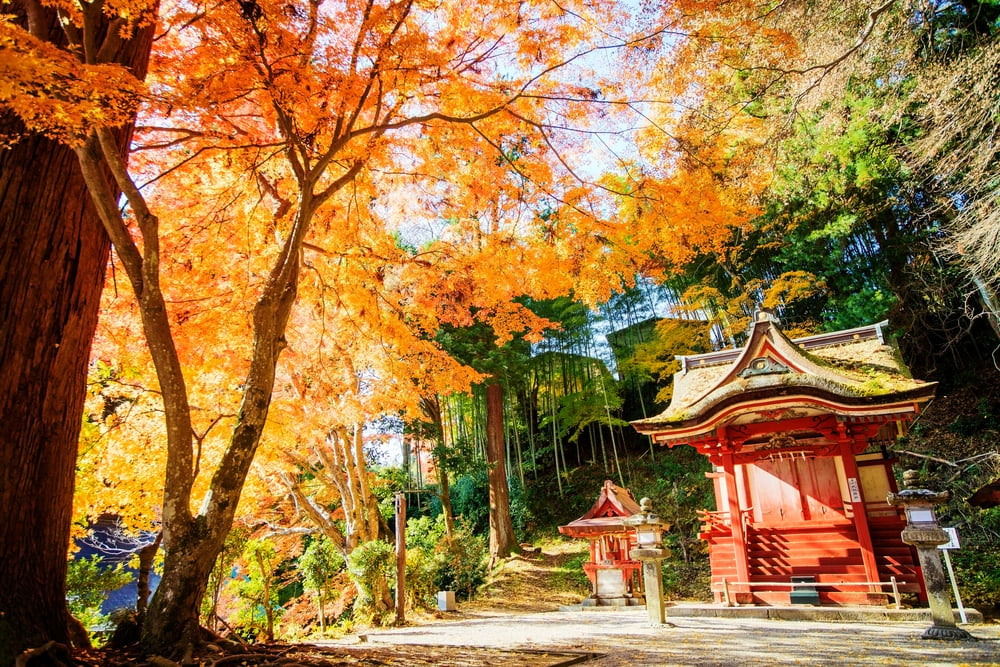
In this peaceful city, deer roam the streets like they own the place—and honestly, they kind of do. These sacred animals have free reign in Nara Park and the nearby city areas.
Locals and tourists feed them special crackers, and in return, the deer often bow politely (yes, really). They’re protected by law and treated like VIPs. Cars slow down, people give way, and the deer just keep strolling.
Okunoshima, Japan
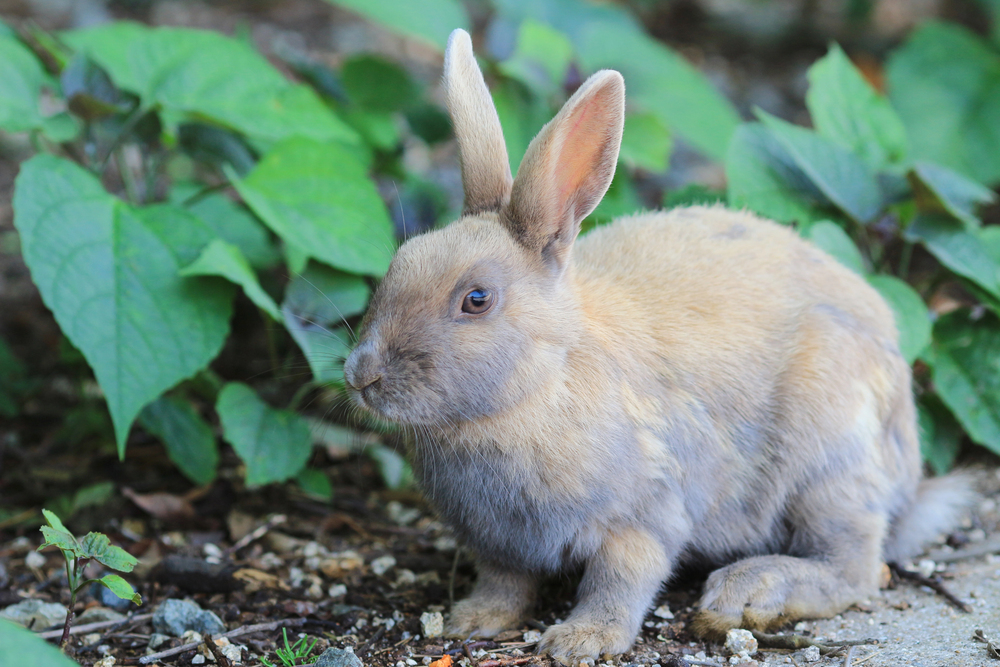
Also called Rabbit Island, this quiet spot is bursting with bunnies. Hundreds of them hop freely across paths, fields, and even beaches.
Tourists bring food and sit for hours while the rabbits approach without fear. Cars are limited, and most people walk or bike to avoid disturbing the animals. It’s calm, fluffy chaos—in the best way.
Like Go2Tutors’s content? Follow us on MSN.
Lopburi, Thailand
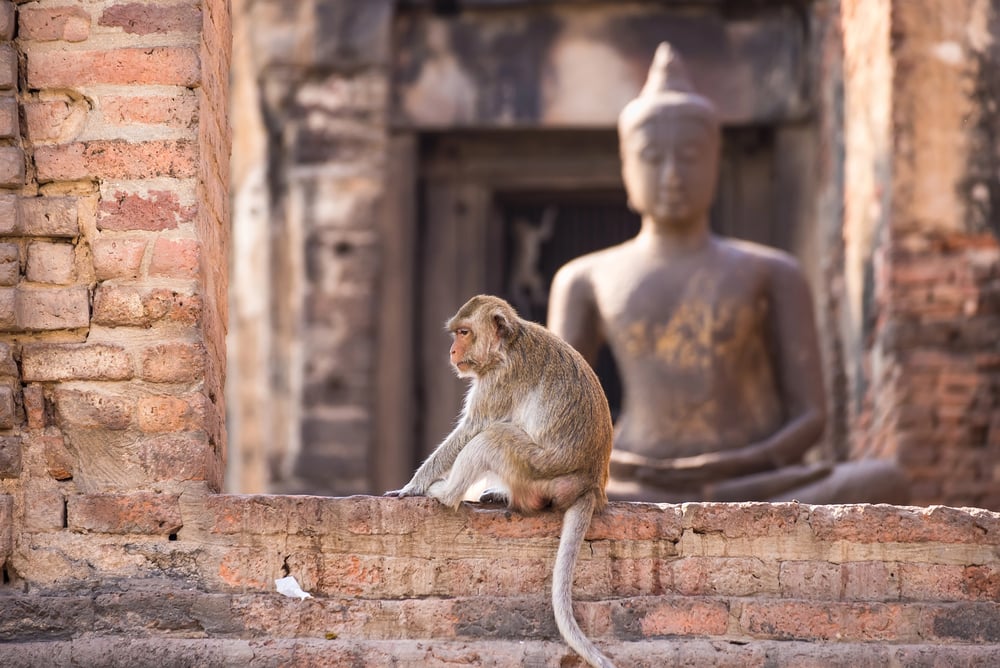
In this historic city, monkeys aren’t just around—they run the show. Especially near the old temple ruins, macaques swing from wires, steal snacks, and boldly interact with people.
There’s even a yearly festival where locals feed them fruit platters. While shopkeepers try to protect their goods, most accept the monkeys’ rule with a tired shrug.
Assateague Island, USA
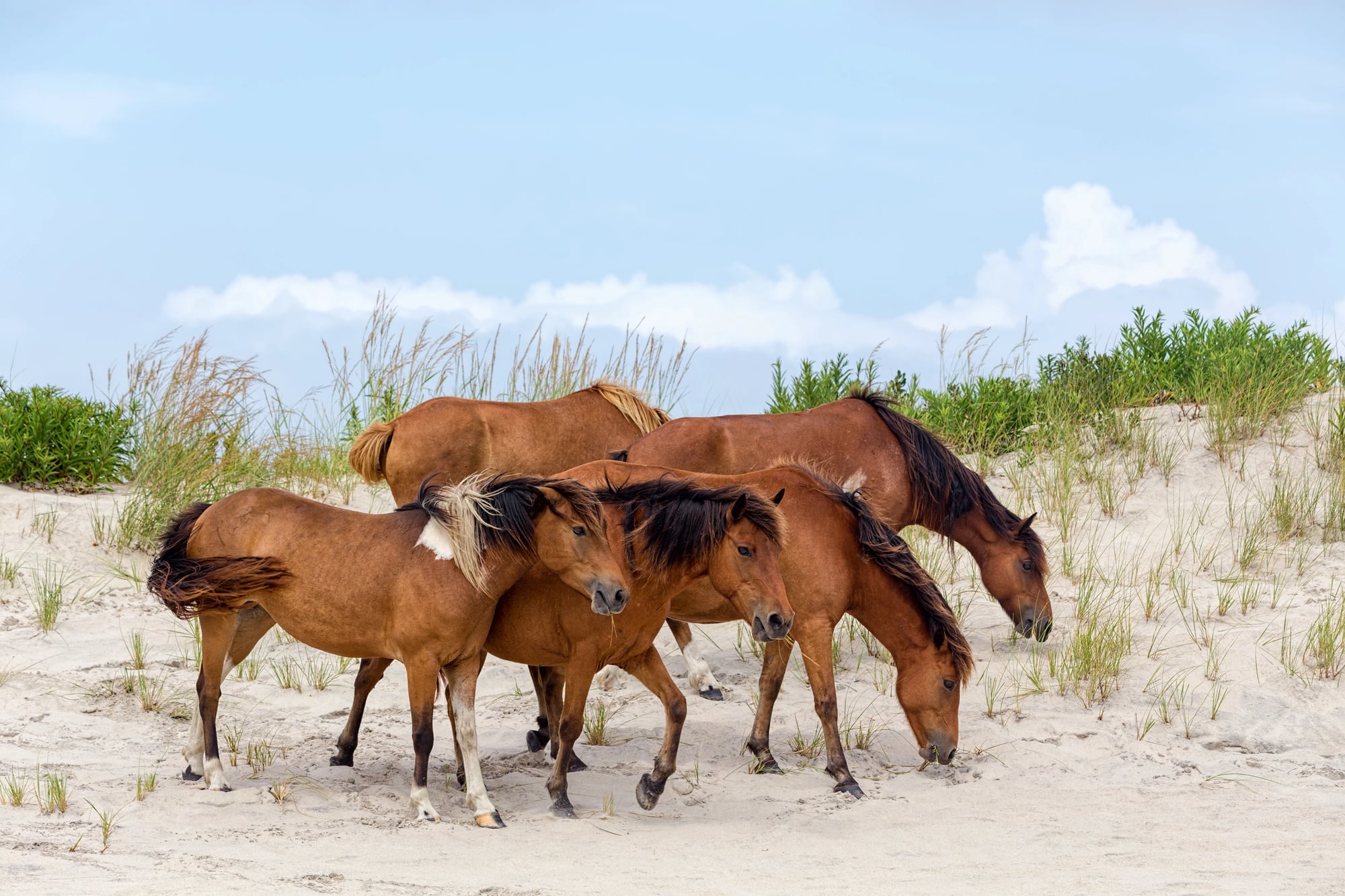
Wild horses roam the beaches here like it’s their personal resort. These sturdy ponies, called Chincoteague ponies, graze in the dunes, block traffic, and often ignore the rules posted for human visitors.
People are warned not to touch or feed them. Campers wake up to horses walking through their sites. It’s a strange and beautiful balance.
Christmas Island, Australia
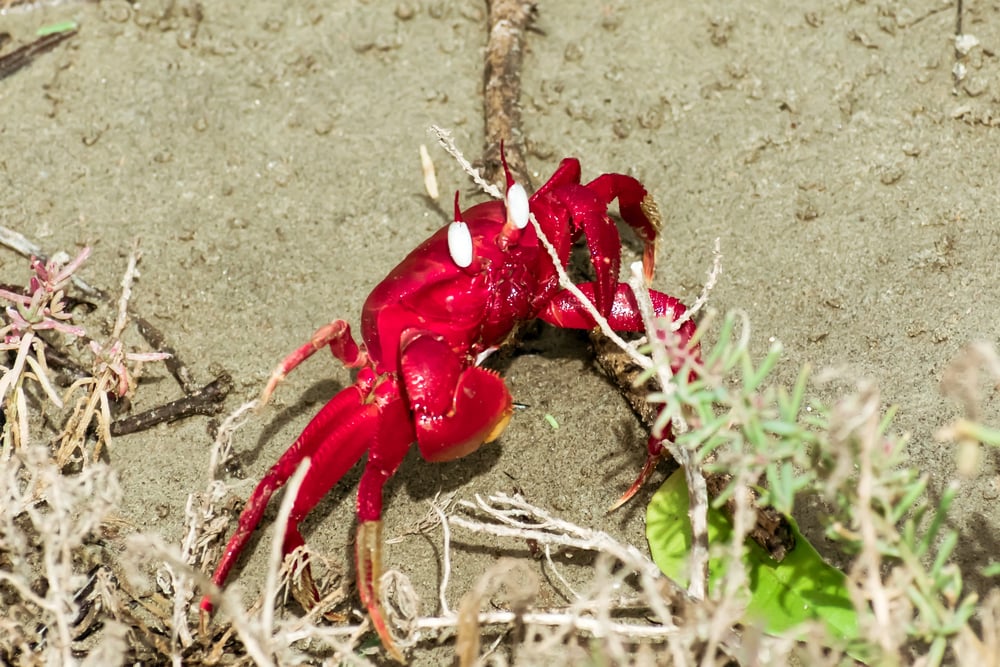
Every year, millions of red crabs take over the island in one of nature’s most unusual migrations. Roads close. Bridges and tunnels were built just for them.
Locals prepare for it like a public event—because it sort of is. The crabs don’t stop for cars or people. Everything pauses until they reach the sea.
Like Go2Tutors’s content? Follow us on MSN.
Yellowstone National Park, USA
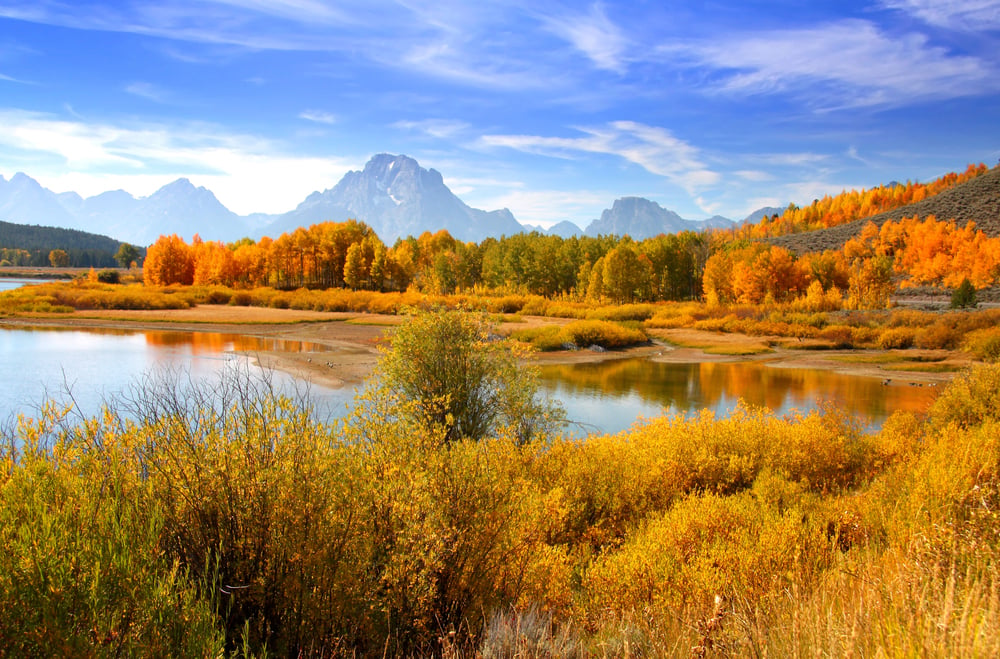
Here, bison don’t care if you’re late for dinner. Traffic jams happen often because these massive animals nap in the middle of the road.
Rangers will tell you: never honk, just wait. Elk, wolves, and bears roam freely too. Humans visit, but the park clearly belongs to the animals.
Dingle Peninsula, Ireland
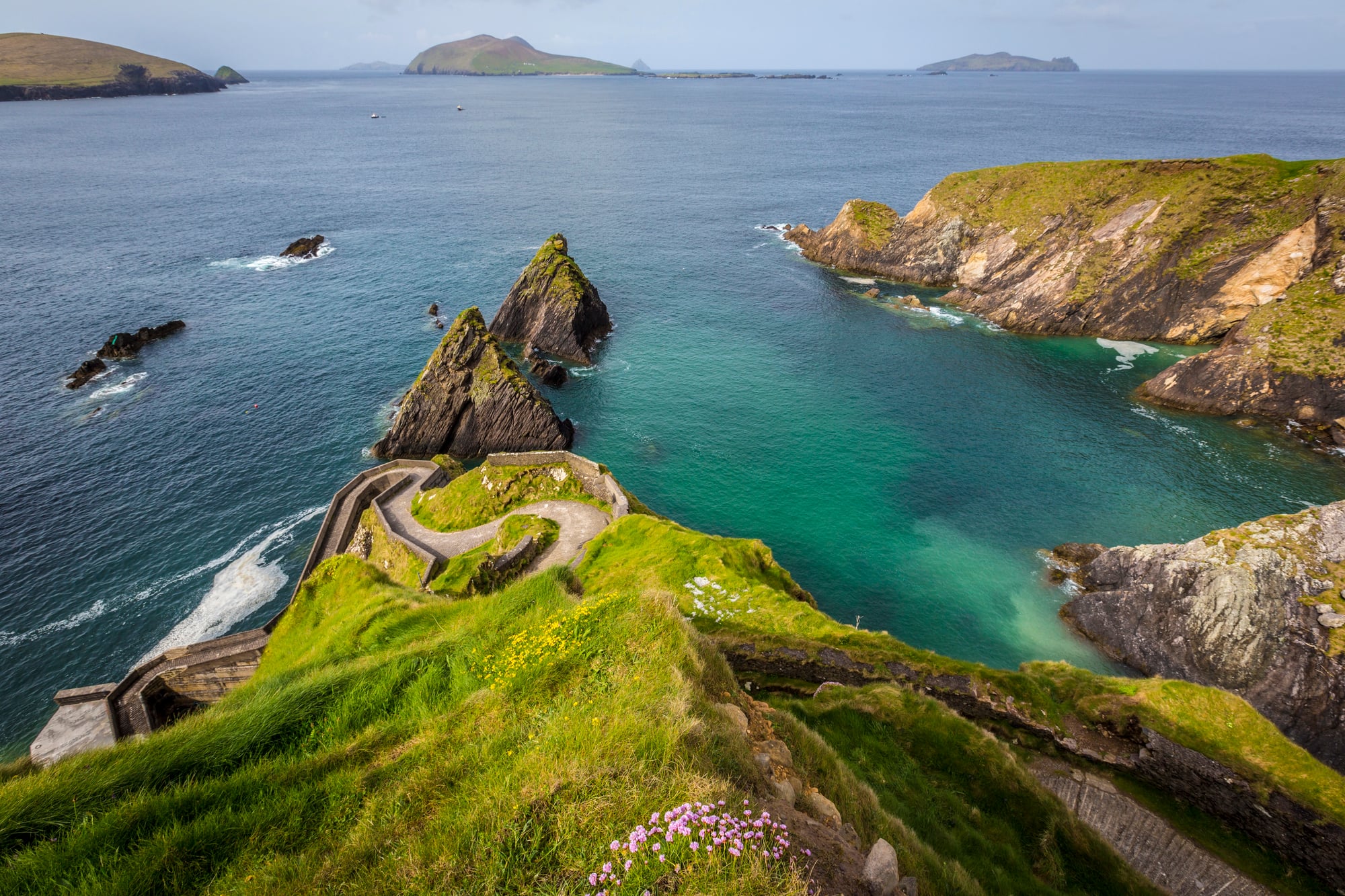
For years, a lone dolphin named Fungie made this coastal town his playground. Boats adjusted their tours around his swims.
The whole community protected and promoted him, and tourists came just to spot him. While Fungie is now gone, the memory of how one wild animal captured a town’s heart still lingers.
Isle of Rum, Scotland
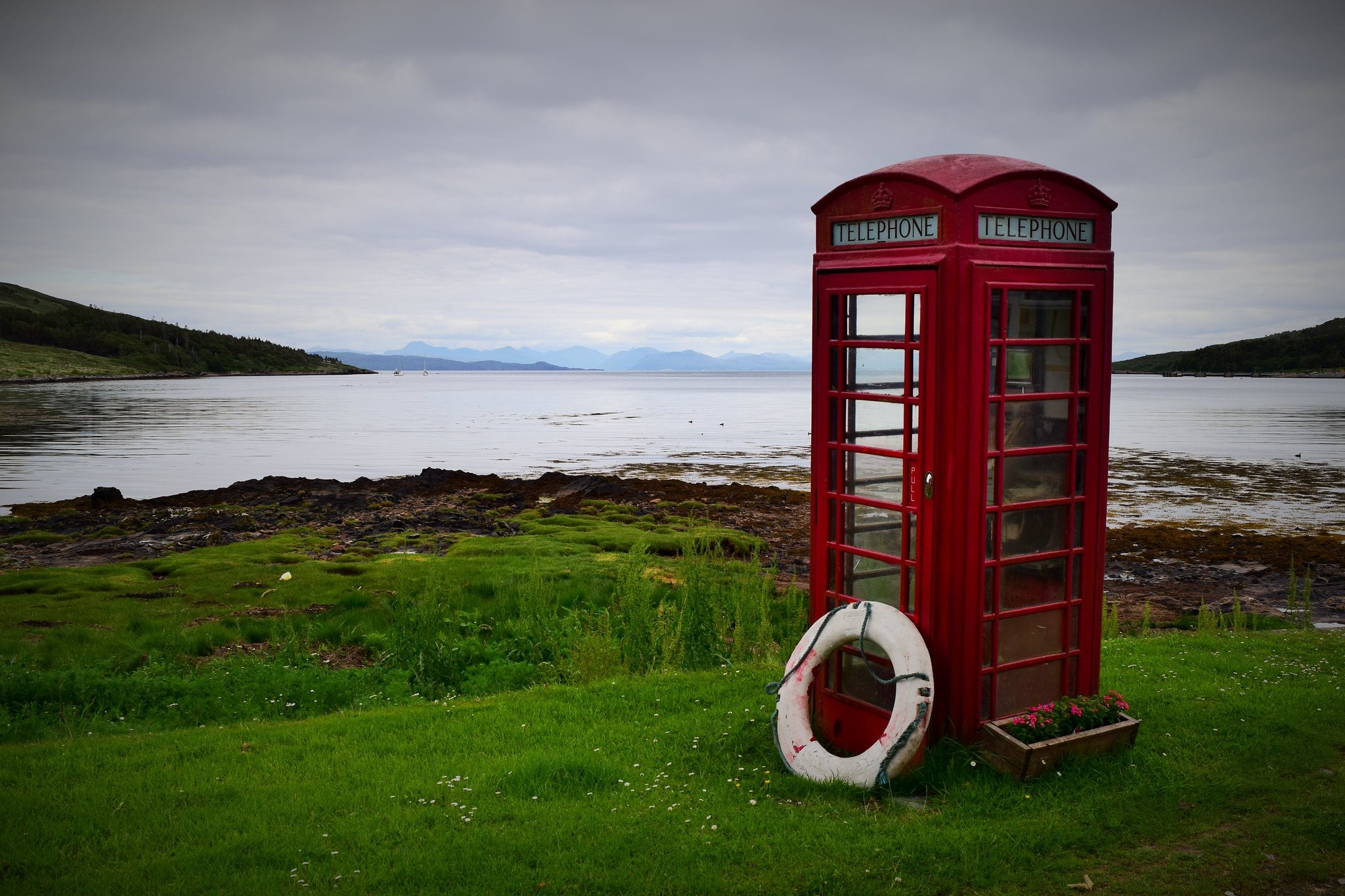
This rugged island has more deer than people. The red deer population is studied by scientists, but mostly left alone to roam.
Visitors often stumble upon antlers or hear distant calls across the hills. The few humans here adapt to the wildlife, not the other way around.
Like Go2Tutors’s content? Follow us on MSN.
Ubud, Bali
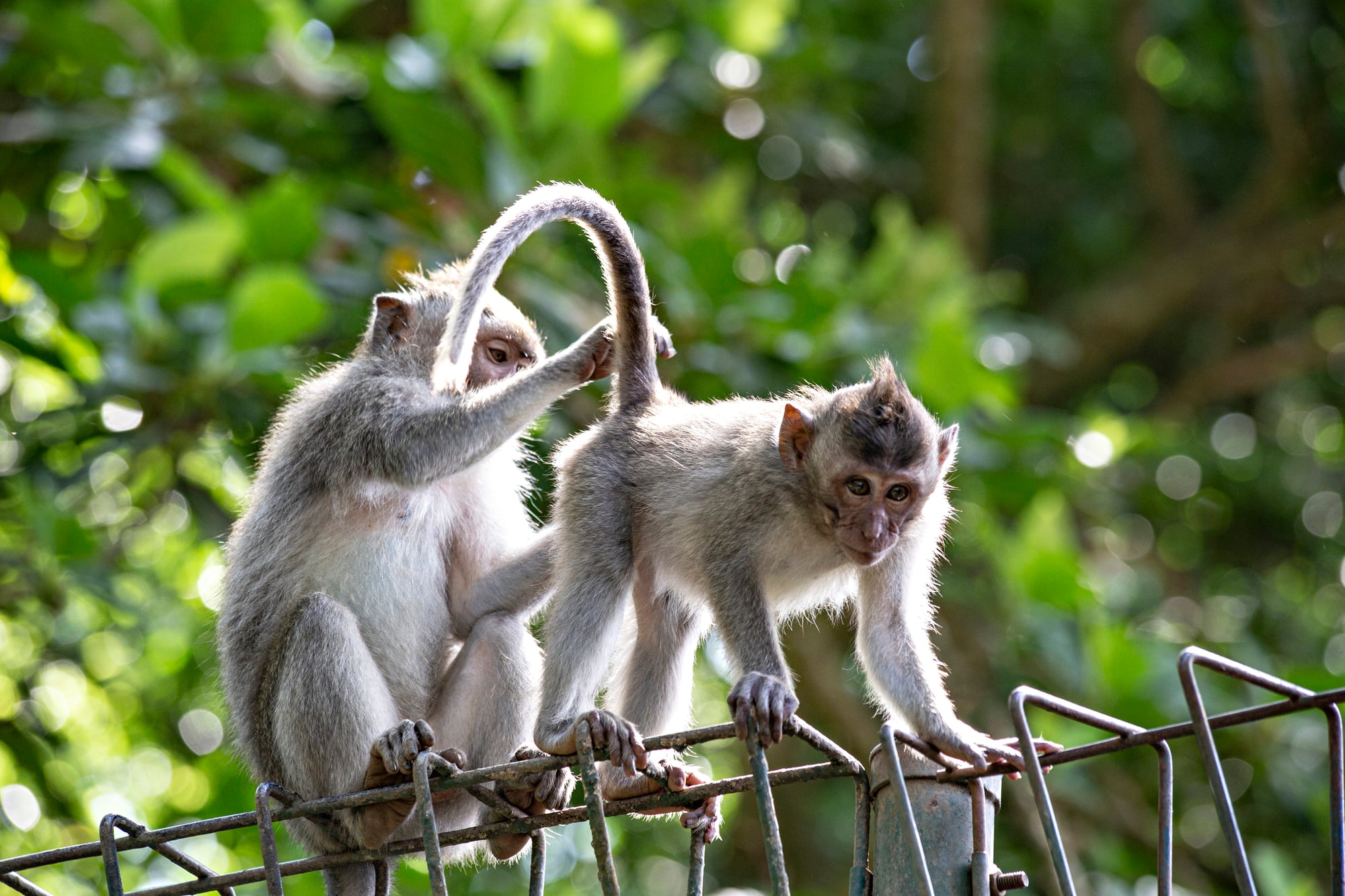
The Sacred Monkey Forest is a lush sanctuary where long-tailed macaques climb, jump, and sometimes swipe sunglasses. Locals and monks live with them in a delicate balance.
Visitors are guests in their forest. While it’s tempting to treat them like pets, these monkeys remind you quickly—they’re wild and proud of it.
Chernobyl Exclusion Zone, Ukraine
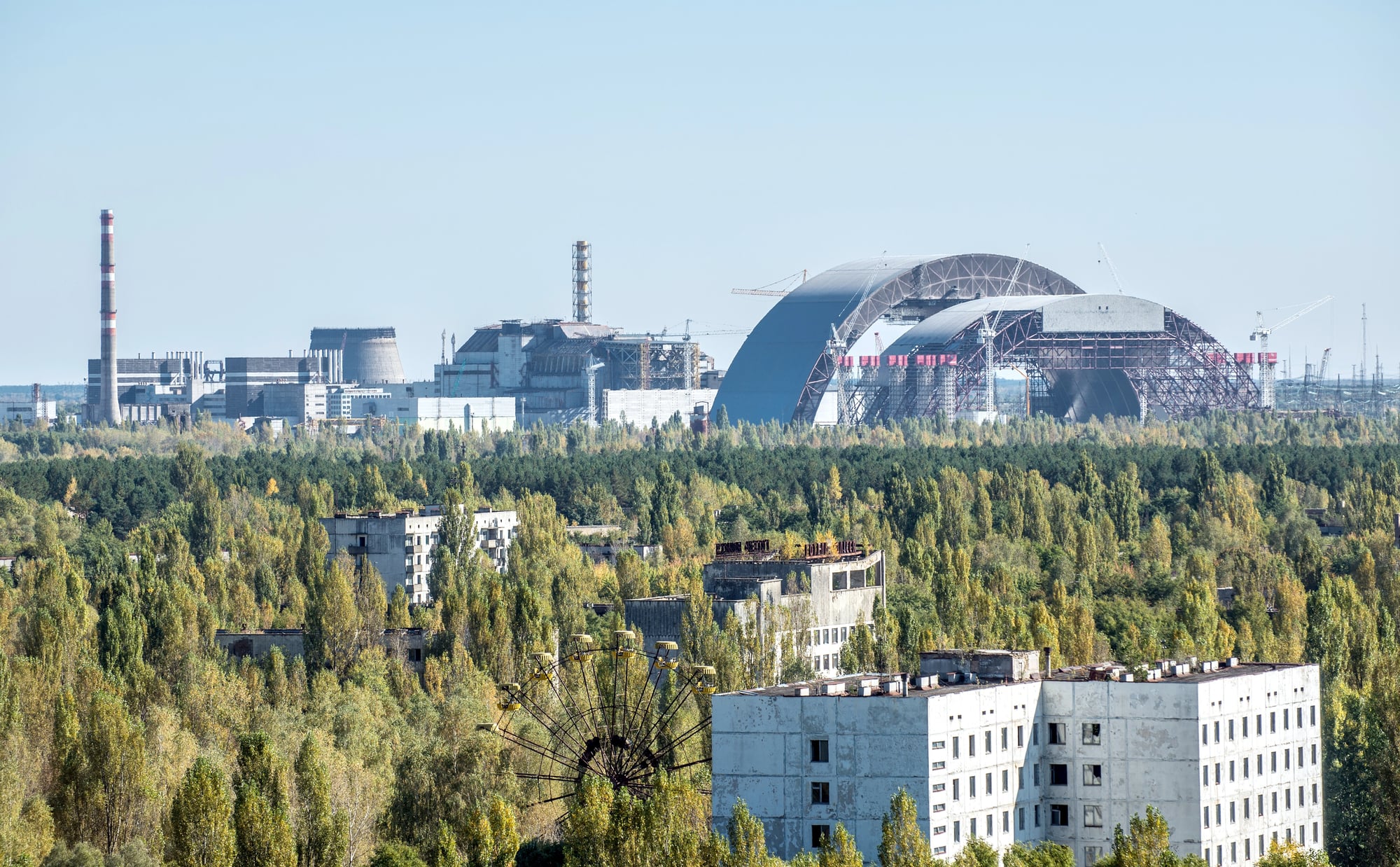
After humans left, nature took over. Wild boars, wolves, bears, and even lynx now roam the ghost towns.
With almost no people to bother them, these animals have turned a once-tragic area into a thriving wild zone. It’s quiet, eerie, and surprisingly full of life. The wildlife doesn’t just visit—it has claimed the space.
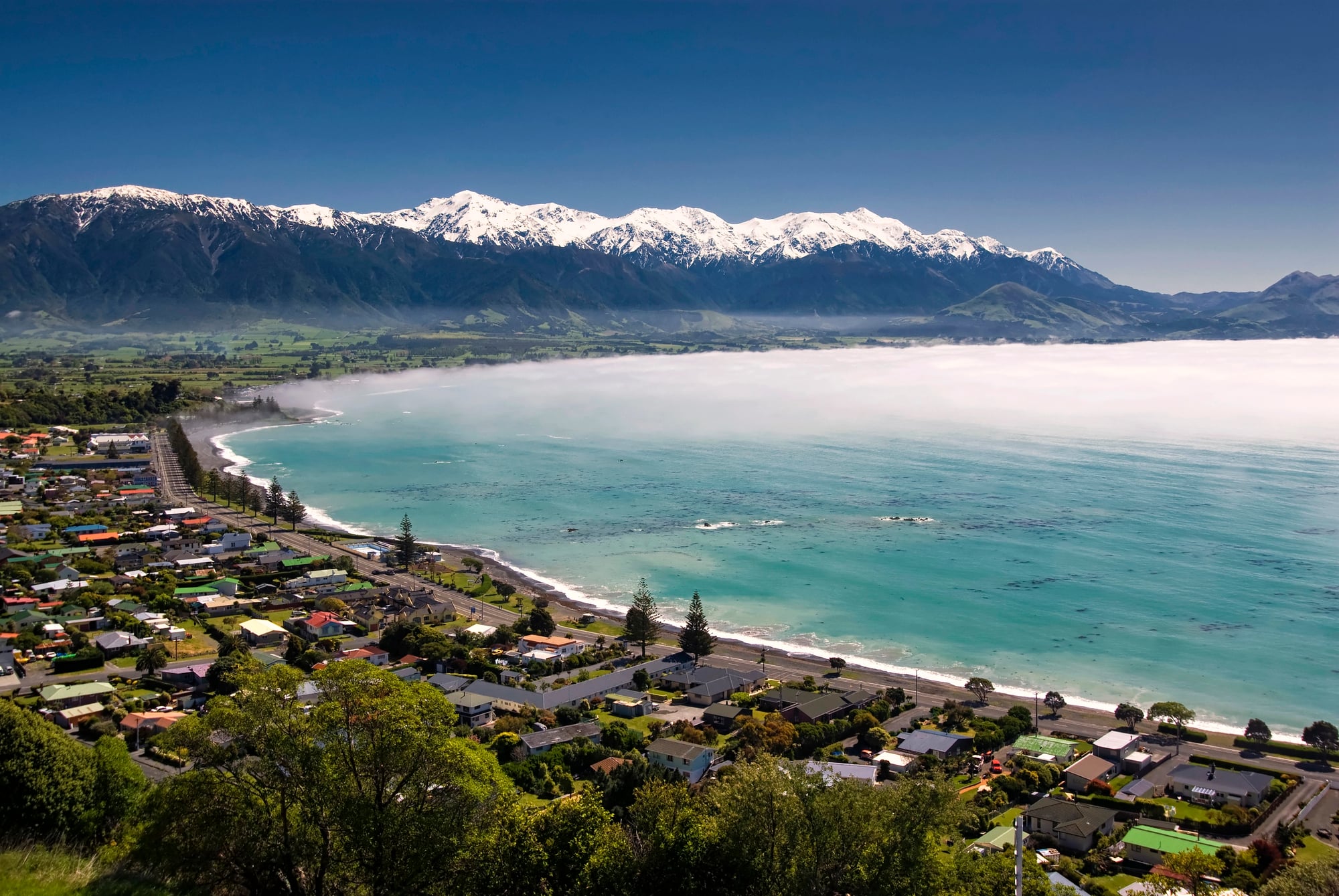
Kaikoura, New Zealand
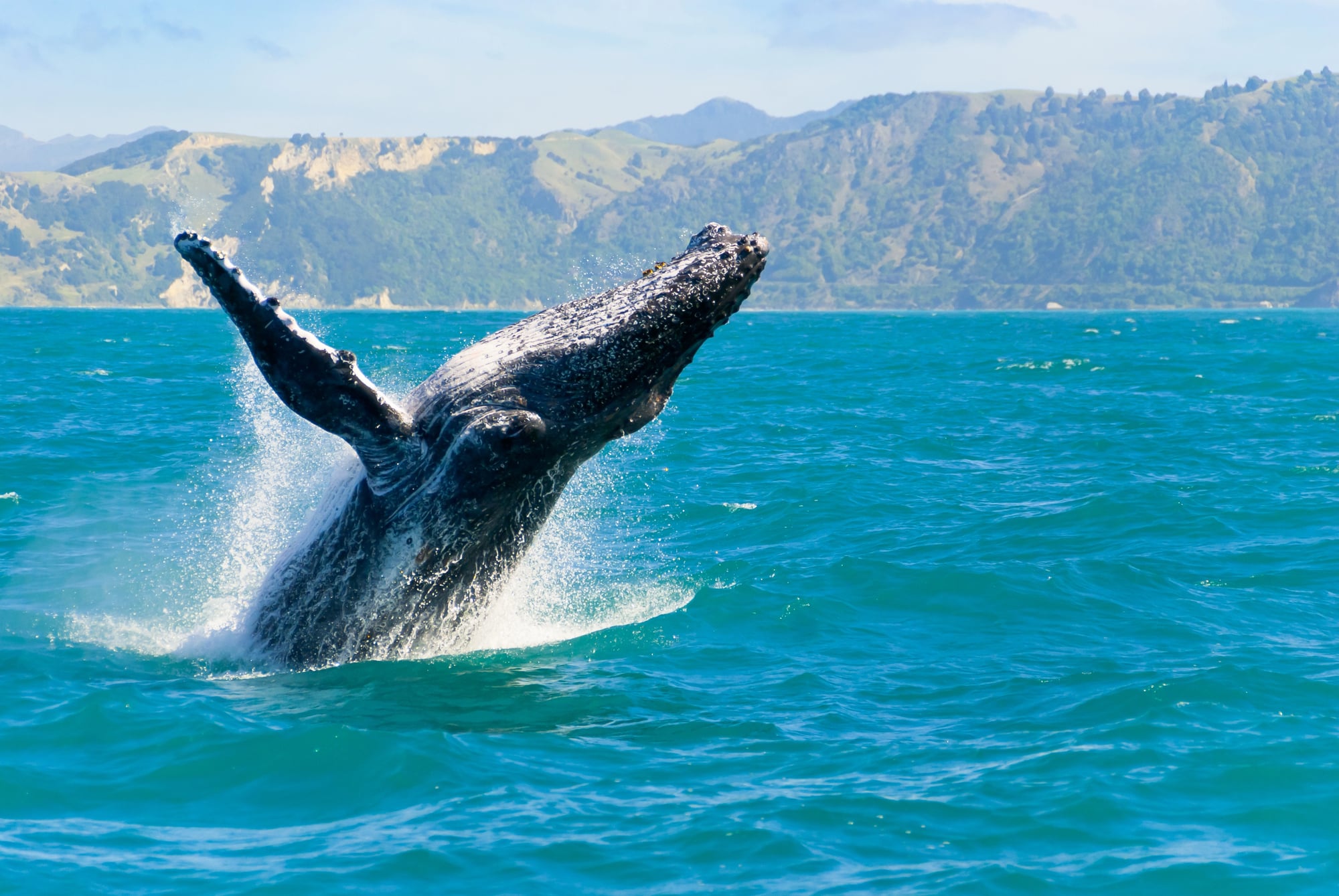
This coastal town is a paradise for marine life. Sperm whales, dolphins, and seals seem to love the waters just offshore.
Locals build their lives around them, offering tours that follow strict rules to protect the animals. On land, seals sometimes sunbathe right on sidewalks. Most people just smile and walk around.
Like Go2Tutors’s content? Follow us on MSN.
Kangaroo Island, Australia
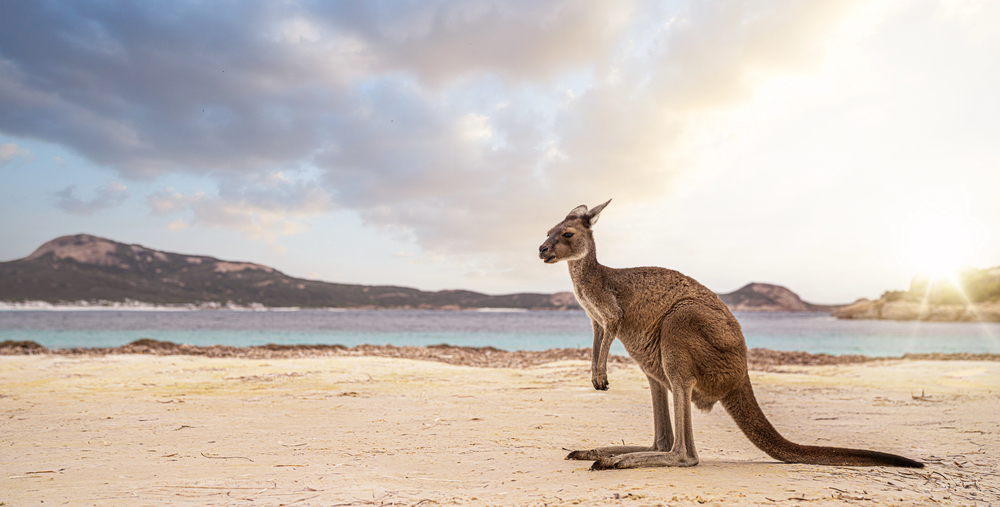
True to its name, this place is packed with kangaroos, along with koalas, echidnas, and sea lions. Wildlife is so common that locals drive slowly at night to avoid accidents.
Conservation areas are large and protected. People here respect the rhythm of the animals, often stopping to watch from a distance.
Manuel Antonio, Costa Rica
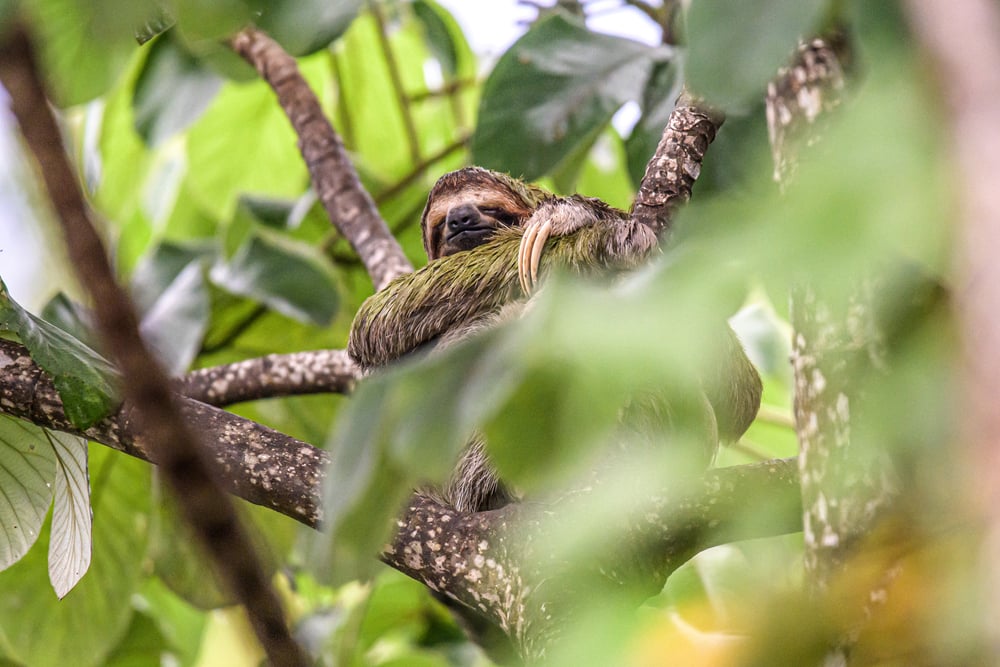
Sloths take their time crossing roads here, and nobody dares rush them. This small beach town borders a lush national park, where monkeys, toucans, and iguanas go about their day, no matter how many tourists are watching.
People adapt quickly—moving slowly, speaking softly, and keeping a respectful distance.
Bwindi Impenetrable Forest, Uganda
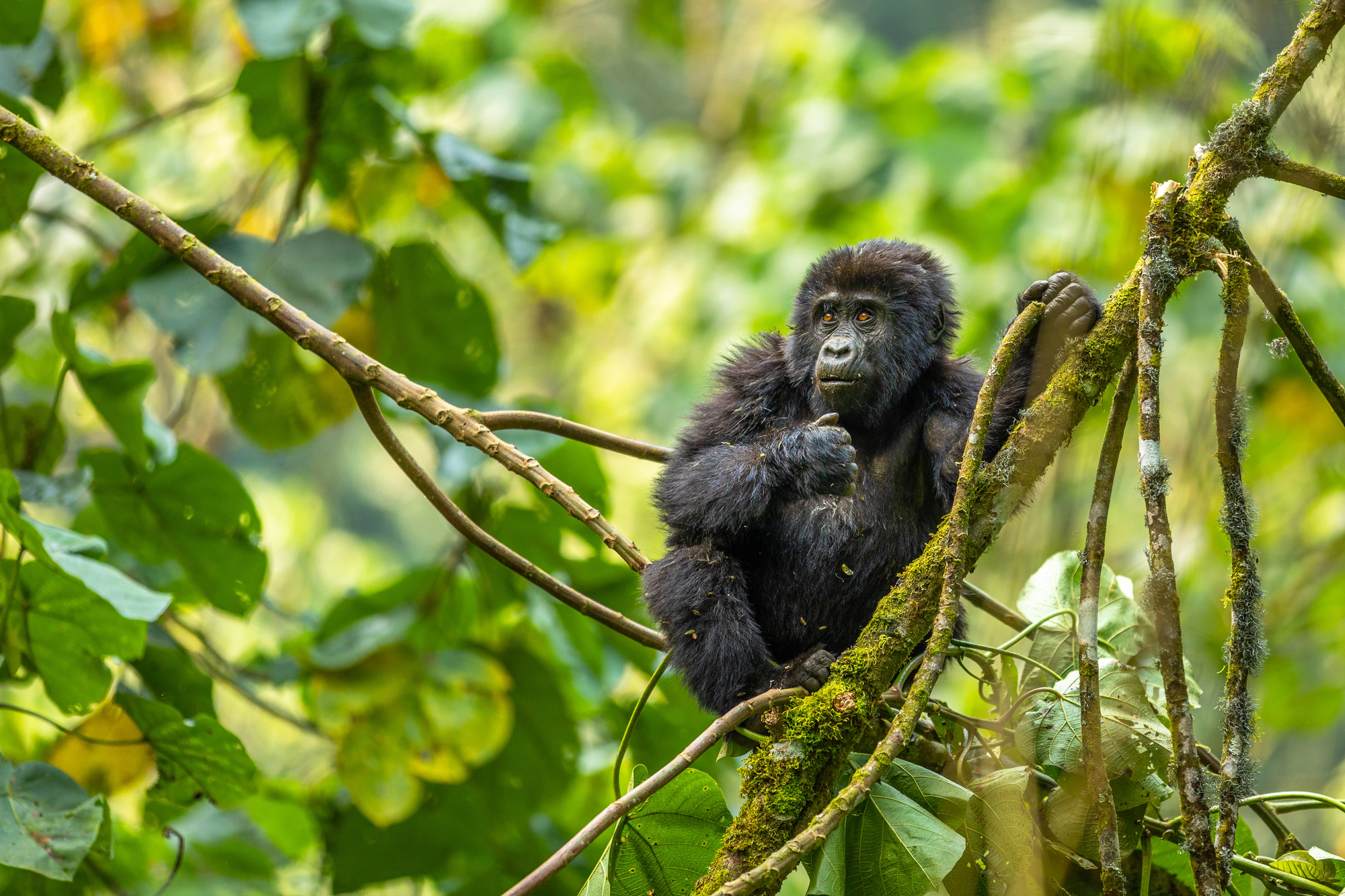
Deep in this dense jungle, mountain gorillas live almost untouched. Guided treks allow humans to observe, but the rules are strict.
No loud noise, no touching, no sudden moves. The gorillas might watch you back—but they decide if the meeting happens at all. It’s not a zoo. It’s their world.
Like Go2Tutors’s content? Follow us on MSN.
Tashirojima, Japan
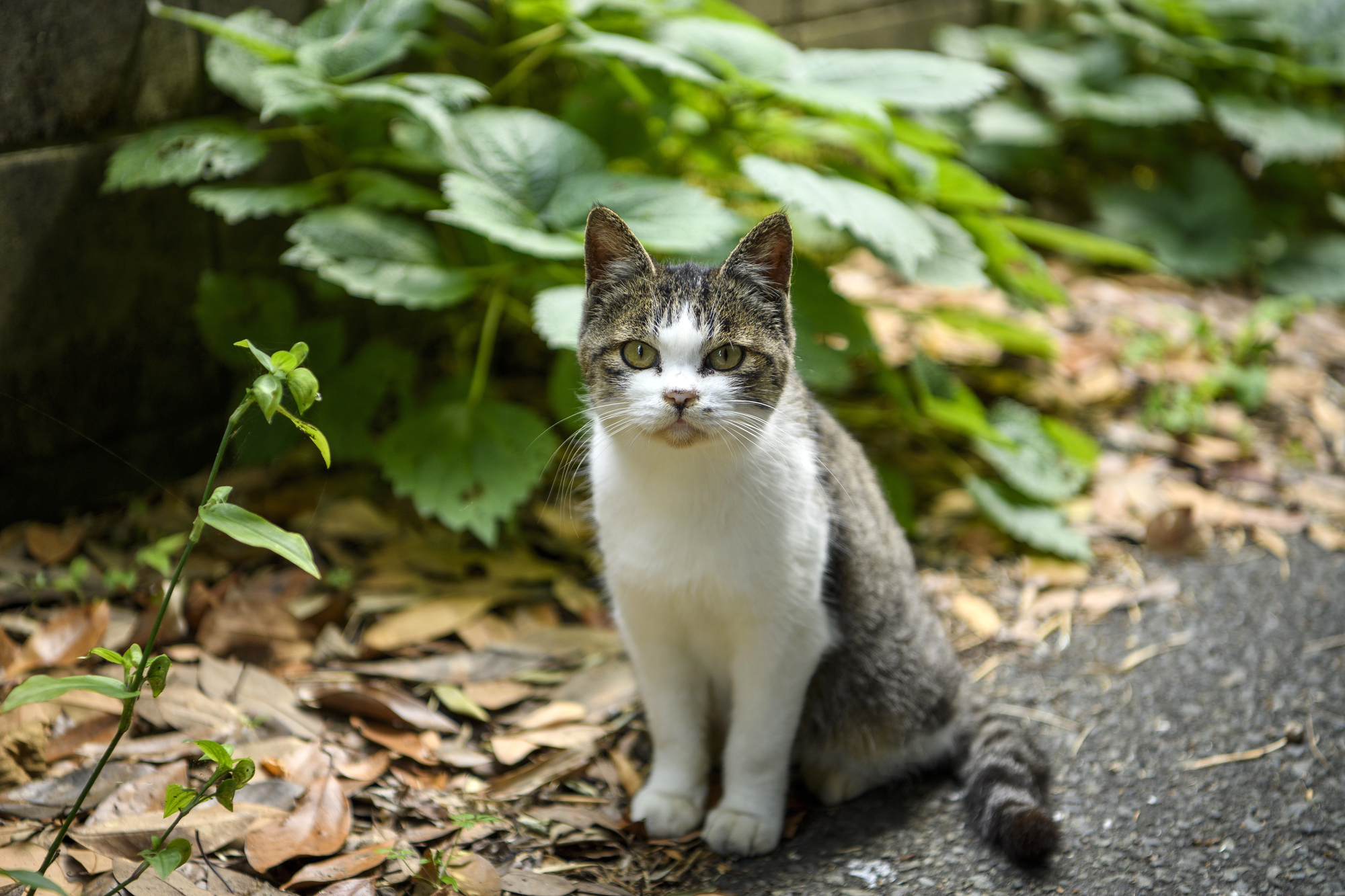
Also known as Cat Island, this tiny spot is home to more cats than people. The cats roam freely and are fed by the few locals and visitors.
Dogs aren’t even allowed. Shrines are built in the cats’ honor, and small shops sell souvenirs featuring the island’s true rulers. It’s a peaceful, furry little kingdom.
Churchill, Canada
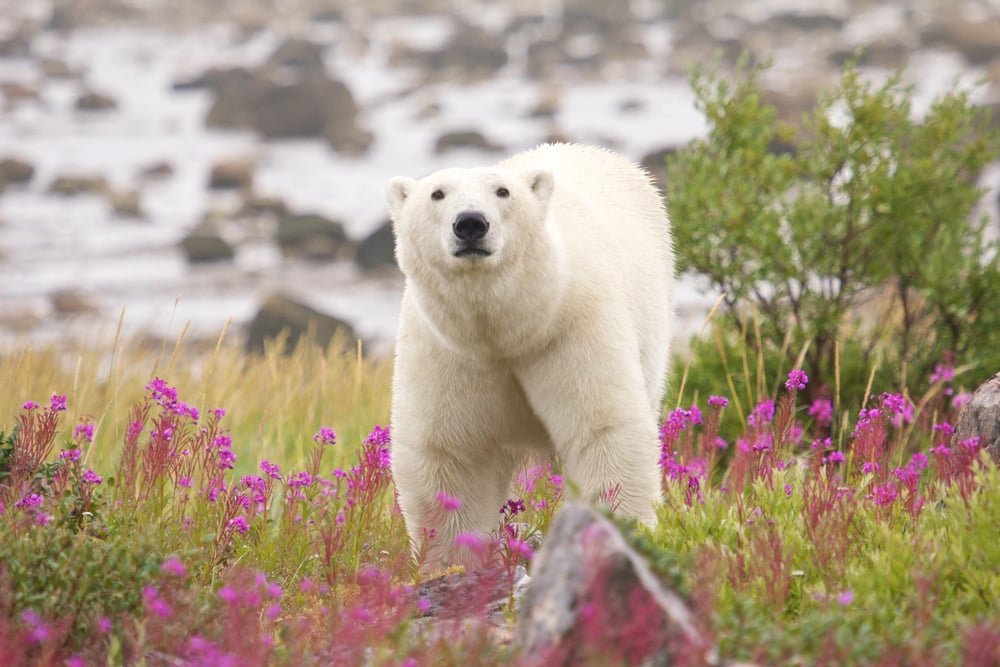
Polar bears wander into town during certain times of the year. Residents know the drill—lock up food, stay alert, and don’t panic.
Special patrols help keep both bears and people safe. Here, the animals are respected, even feared, but never hated. It’s a quiet respect for the power of the wild.
Where nature still sets the pace
In these places, animals aren’t behind fences or hiding in the shadows. They walk beside people, cross streets, take naps in parks, and sometimes steal lunch right out of someone’s hand.
The connection between humans and wildlife here isn’t about control—it’s about respect. People adjust their lives to nature, not the other way around.
Like Go2Tutors’s content? Follow us on MSN.
More from Go2Tutors!

- 16 Historical Figures Who Were Nothing Like You Think
- 12 Things Sold in the 80s That Are Now Illegal
- 15 VHS Tapes That Could Be Worth Thousands
- 17 Historical “What Ifs” That Would Have Changed Everything
- 18 TV Shows That Vanished Without a Finale
Like Go2Tutors’s content? Follow us on MSN.



