Pop Culture Trends That Started as Total Accidents and Took Over the World
Some of the most influential phenomena in pop culture weren’t planned—they emerged from mistakes, unintended consequences, and serendipitous collisions of circumstance. What began as a happenstance moment, a manufacturing error, or a failed idea transformed into global phenomena that shaped entertainment, fashion, and daily life.
These accidents remind us that cultural influence often arrives through the side door, completely unannounced and unstoppable once it gains momentum.
Post-It Notes Creating an Entire Office Supply Empire

A 3M chemist’s failed attempt to create a super-strong adhesive instead produced a weak, reusable adhesive. Rather than discarding the result, colleagues began using it to mark pages in hymnals during choir practice.
This accident led to Post-it Notes, a product that became ubiquitous in offices worldwide and generated billions in revenue. An experiment that “failed” became one of the most successful office supply innovations in history.
Velcro Inspired by Burrs Stuck to Clothing

Swiss inventor George de Mestral returned from a hunting trip to find burrs clinging to his pants and his dog’s fur. Rather than cursing the irritation, he examined the burrs’ tiny hooks under a microscope and realized they could inspire a fastening system.
This accidental observation became Velcro, revolutionizing how everything from shoes to spacecraft components are fastened.
Penicillin Discovered Through Contaminated Petri Dishes

Alexander Fleming returned from vacation to find his bacterial culture contaminated with mold. Rather than discarding the ruined experiment, he observed that the mold had killed surrounding bacteria.
This accident led to the discovery of penicillin, the first widely available antibiotic, which transformed medicine and saved millions of lives. The contamination Fleming might have cursed became humanity’s gift.
Silly Bandz Became a Playground Phenomenon by Accident

What started as a niche product—rubber bands shaped like animals—accidentally became a global phenomenon when a teacher distributed them as rewards in a classroom. Children began trading them obsessively, and the trend exploded without intentional marketing.
The craze swept playgrounds worldwide before eventually subsiding, representing pure accidental cultural virality.
Crocs’ Ugly Design Accidentally Became Fashion
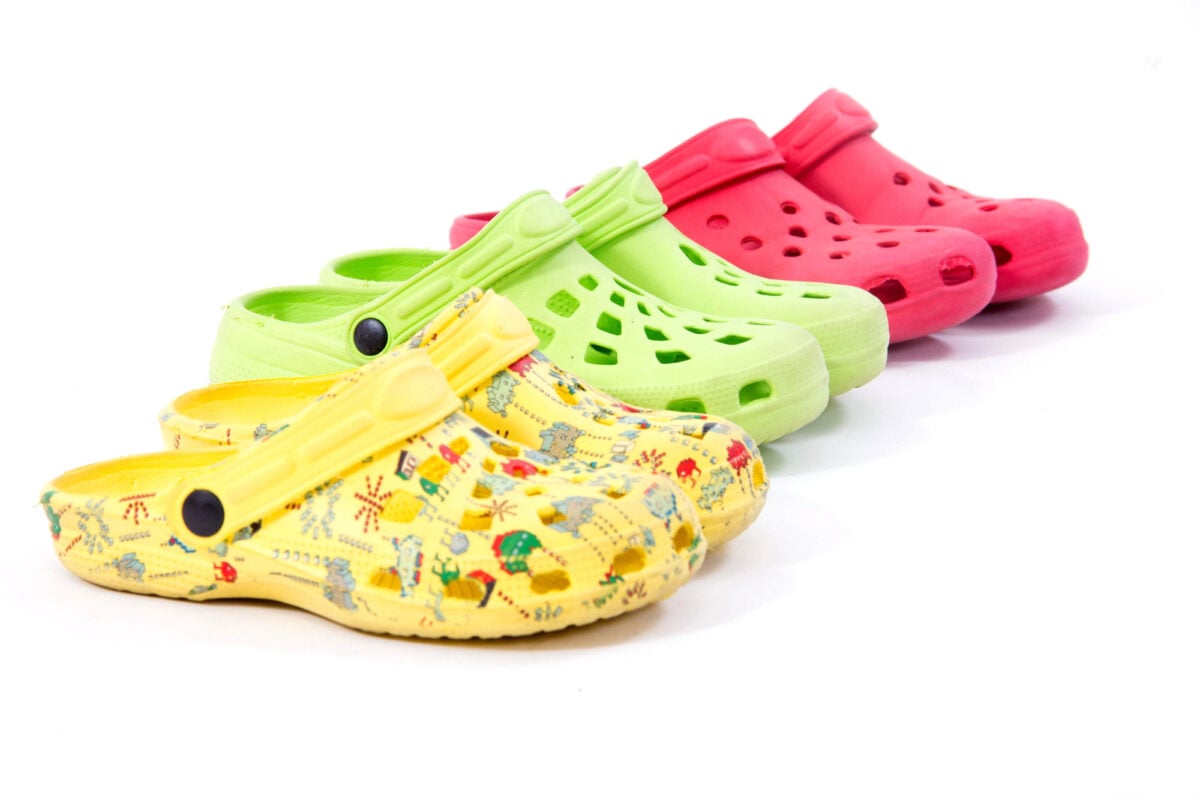
Crocs were designed as utilitarian boat shoes, not fashion statements. Their chunky, circle-covered design was purely functional.
Yet the shoes accidentally became cultural icons through celebrity adoption and word-of-mouth enthusiasm. What people ridiculed as ugly became fashionable precisely because of its anti-fashion boldness, a trajectory no designer could have predicted or planned.
Twitch Streaming Emerged From Failed Justin.tv Pivot

Justin.tv was a failed experiment in broadcasting one person’s entire life continuously. When the site was shutting down, its live-streaming technology was spun off into a new platform called Twitch.
This accident of business necessity created the foundation for gaming live-streaming culture, which became a multi-billion-dollar industry and transformed how people consume entertainment.
TikTok’s Algorithm Accidentally Conquered the World

TikTok’s recommendation algorithm wasn’t intentionally designed to be addictive or world-conquering—it was simply an extremely effective content-matching system. The algorithm’s accidental byproduct was creating an engagement mechanism so powerful that the app spread globally almost without marketing.
A technical decision became a cultural phenomenon.
The Harlem Shake Dance Started From Obscurity
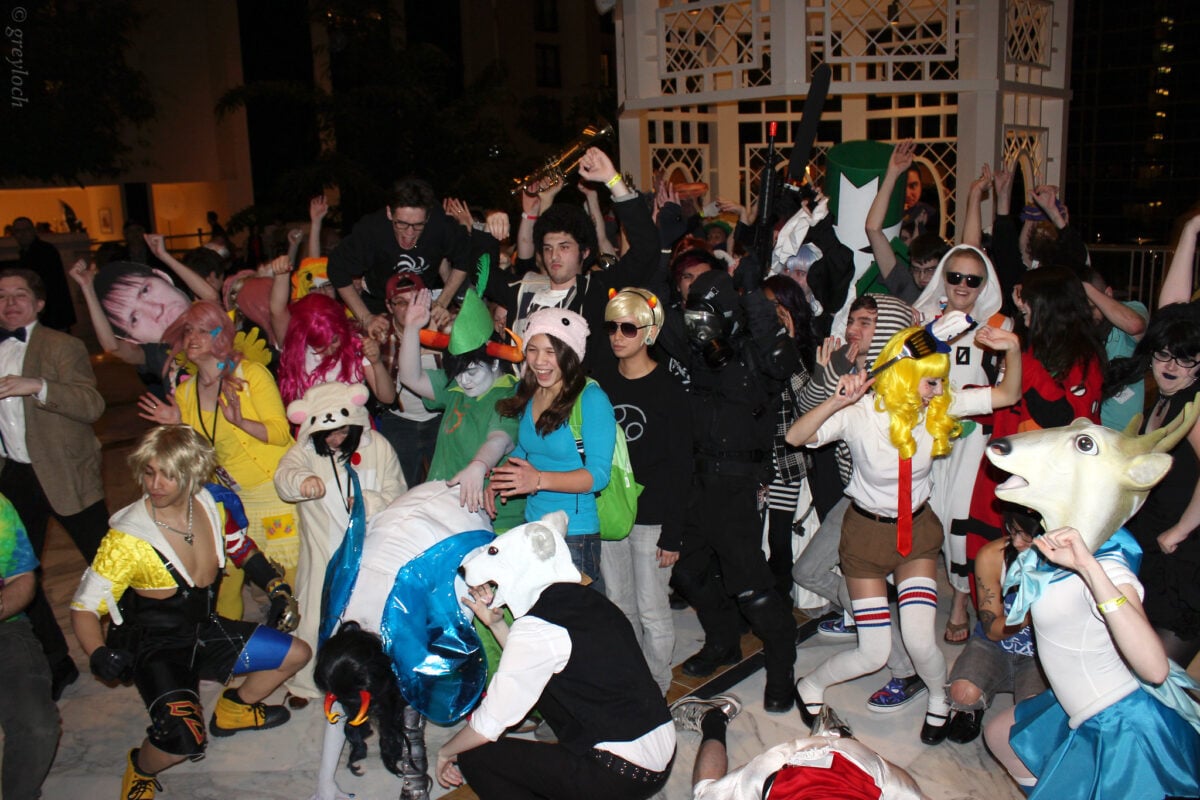
A song titled “Harlem Shake” by Baauer released in 2012 was an underground track with minimal attention. An accidental trend of people dancing to it in absurd ways transformed the song into a global meme.
Millions of variations emerged without any coordinated marketing campaign. The song went from obscurity to ubiquity through pure accident.
Face Filters Accidentally Became Social Media’s DNA

Instagram’s face filters began as playful technical experiments—distortions and beautification effects created without expectation of mass adoption. These accidental features became the reason millions download and engage with the app daily.
Face filters are now so central to social media culture that their accidental nature is completely forgotten.
Among Us Exploded From Indie Obscurity by Accident
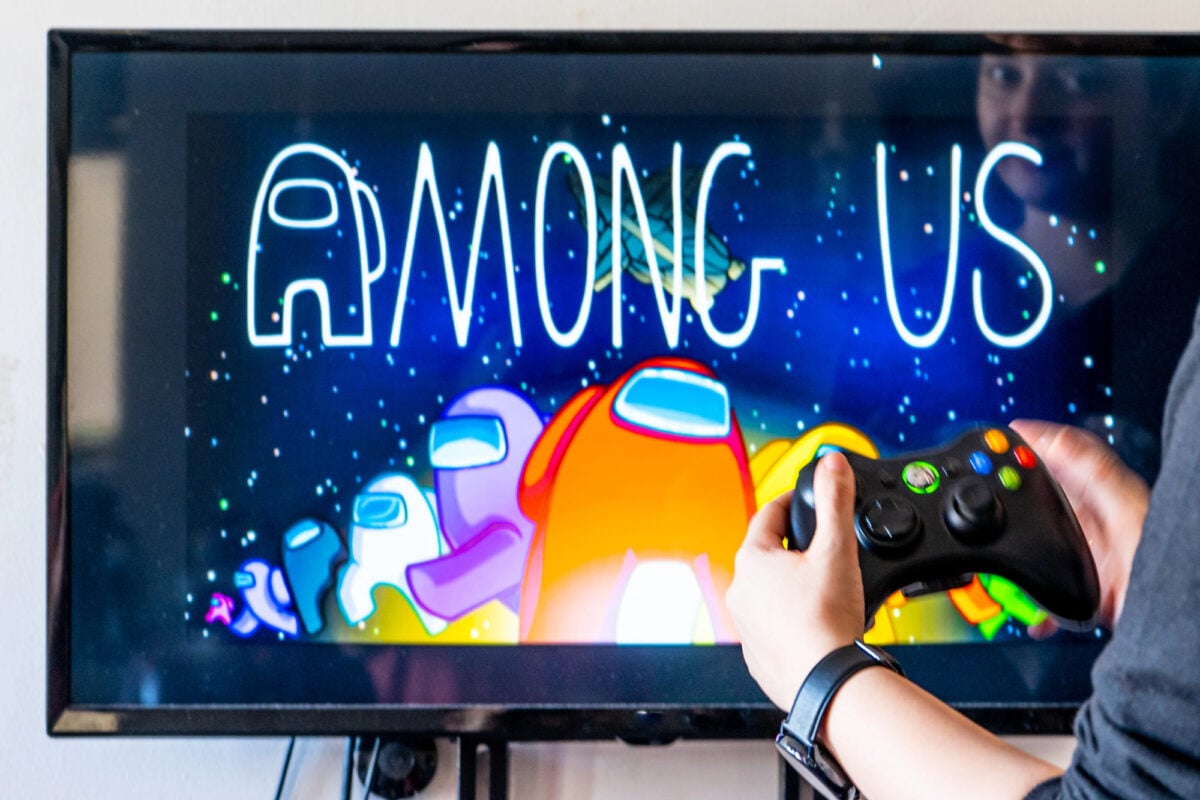
Among Us was an indie game released in 2018 with minimal player base. The game languished in obscurity until 2020 when streamers accidentally discovered it during quarantine.
This accidental discovery by popular streamers transformed it into a cultural phenomenon with billions in revenue and merchandise, despite zero intentional marketing.
Netflix’s Recommendation Algorithm Accidentally Shaped Entertainment
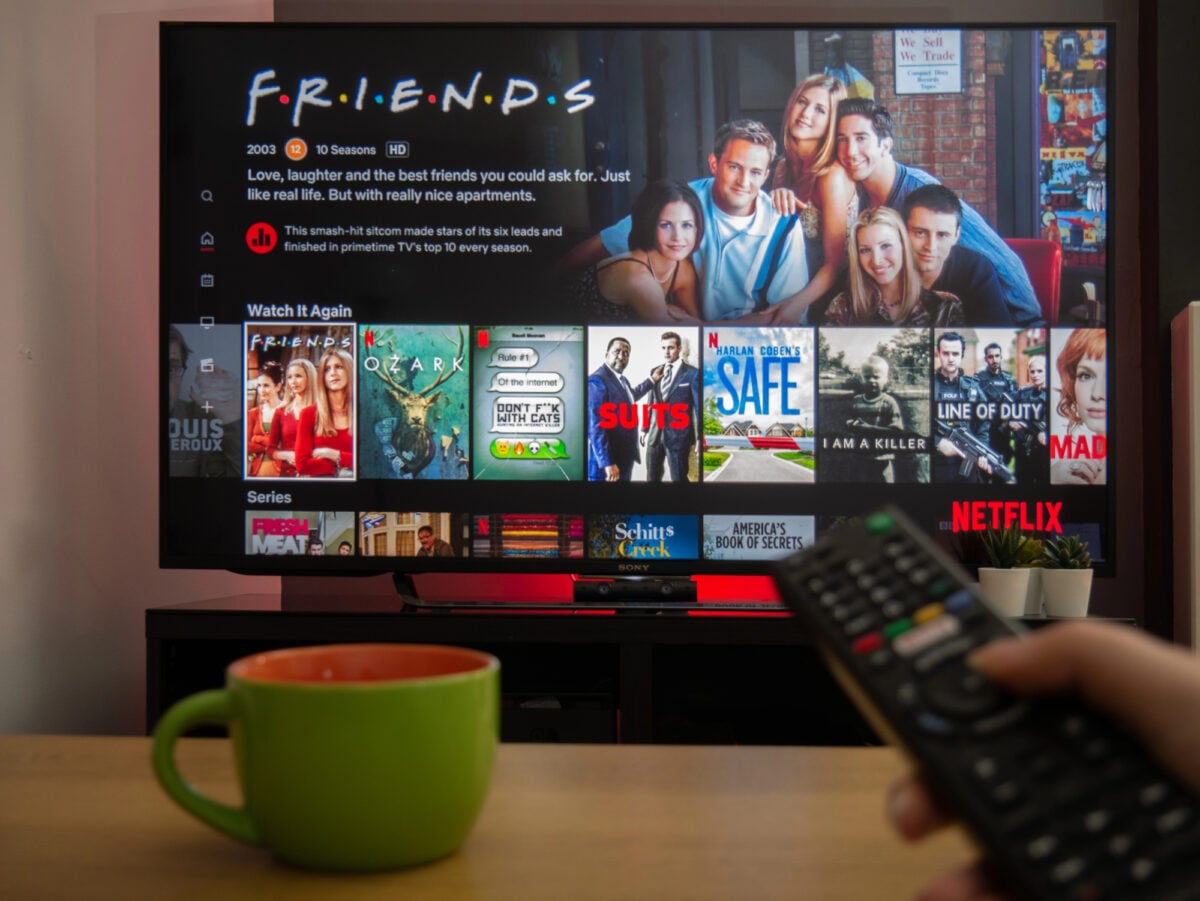
Netflix’s recommendation system wasn’t designed with cultural influence in mind—it was simply a technical tool to improve user experience. Yet this algorithm accidentally became one of the most powerful arbiters of what entertainment content succeeds, essentially curating global entertainment taste through pure accident of engineering.
Planking Accidentally Became a Global Phenomenon

The bizarre act of lying flat in unusual places and photographing it accidentally became a viral meme in 2010. Planking required no app, no algorithm, no marketing—just a ridiculous idea that somehow captured collective absurdist humor.
The trend exploded, influenced by nothing but the accident of people finding the concept hilarious.
Fidget Spinners Accidentally Conquered Playgrounds
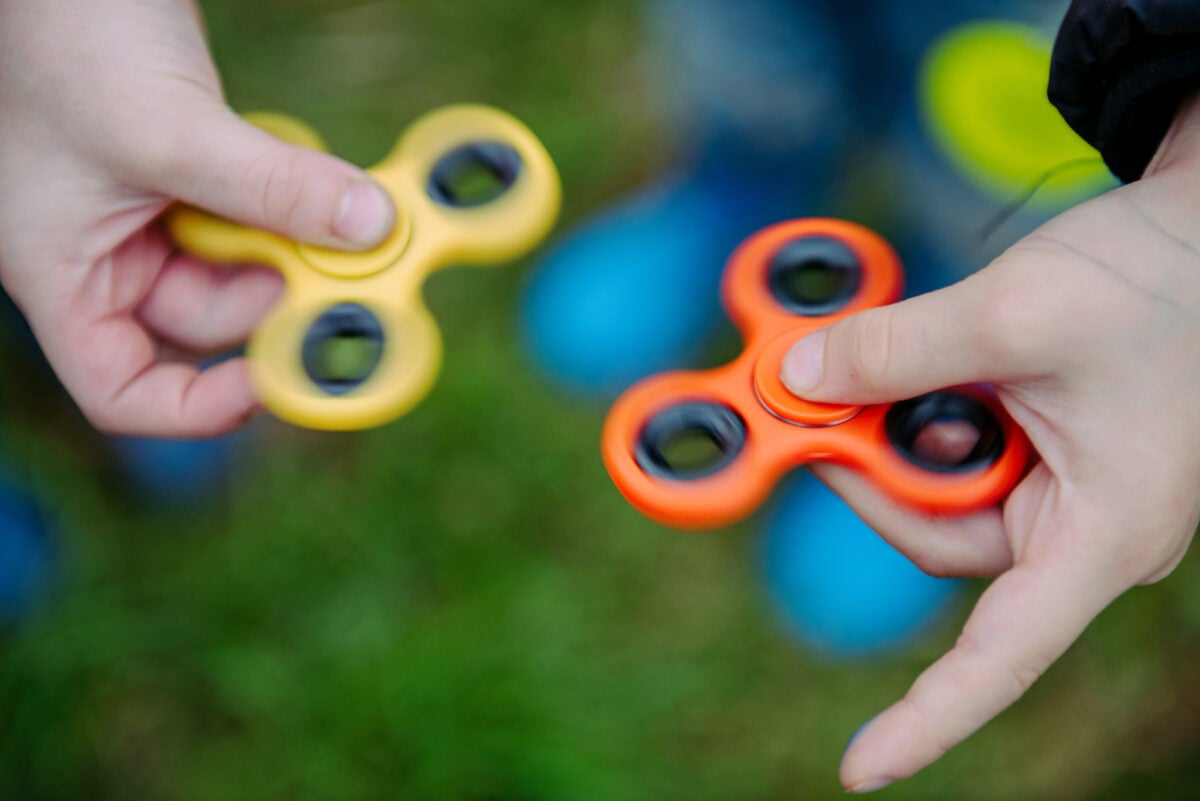
Fidget spinners were designed as anxiety-relief tools for people with ADHD. Their accidental adoption by the mainstream, particularly among children who had no attention disorder, transformed them into a cultural obsession.
Schools banned them, retailers couldn’t stock them fast enough, and the fad spread entirely through accident of playground enthusiasm.
Emoji Communication Accidentally Became a Language
Emojis were designed as decorative text additions in early Japanese phones with no intention of becoming a primary communication system. Yet their accidental adoption by users transformed them into a universal language, eventually requiring international standardization.
What began as decoration became an essential component of modern communication.
Ugly Fashion Accidentally Became Trendy

Intentionally ugly fashion—oversized silhouettes, clashing colors, deliberately sloppy construction—accidentally became fashionable through reverse psychology. Designers who intended ironic ugliness were shocked when consumers embraced it sincerely.
The accidental cultural shift challenged conventional beauty standards and proved that fashion’s arbiters had lost control of taste.
Livestreaming Accidents Accidentally Launched Careers
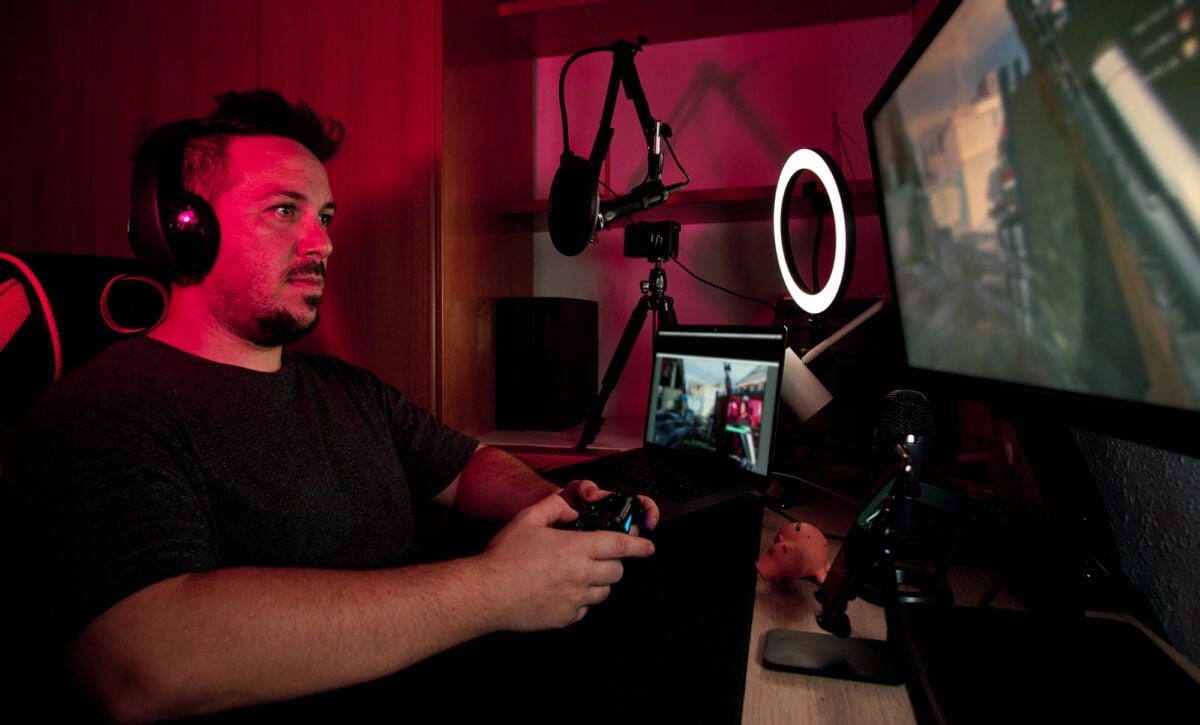
Accidental livestreams—equipment malfunctions, unintended broadcasts, unfiltered moments—occasionally catapult unknowns to internet fame. These accidents reveal raw personality in ways curated content cannot.
The accidental nature of the exposure, combined with its authenticity, transforms ordinary people into celebrities without their planning or intention.
Meme Culture Accidentally Became Communication

Internet memes evolved without central direction or planning. What began as humorous image macro experiments accidentally evolved into a parallel language that shapes how millions communicate.
The accidental virality of memes transformed them from jokes into fundamental communication tools and cultural artifacts.
The Hadron Collider Accident Created Internet Fame for Scientists

The Large Hadron Collider’s near-catastrophic failure in 2008 accidentally generated global media attention and internet virality. The accident transformed particle physics from obscure academia into pop culture discussion, accidentally inspiring a generation toward science careers through disaster.
Zorb Sport Accidentally Emerged From Engineering Experiment
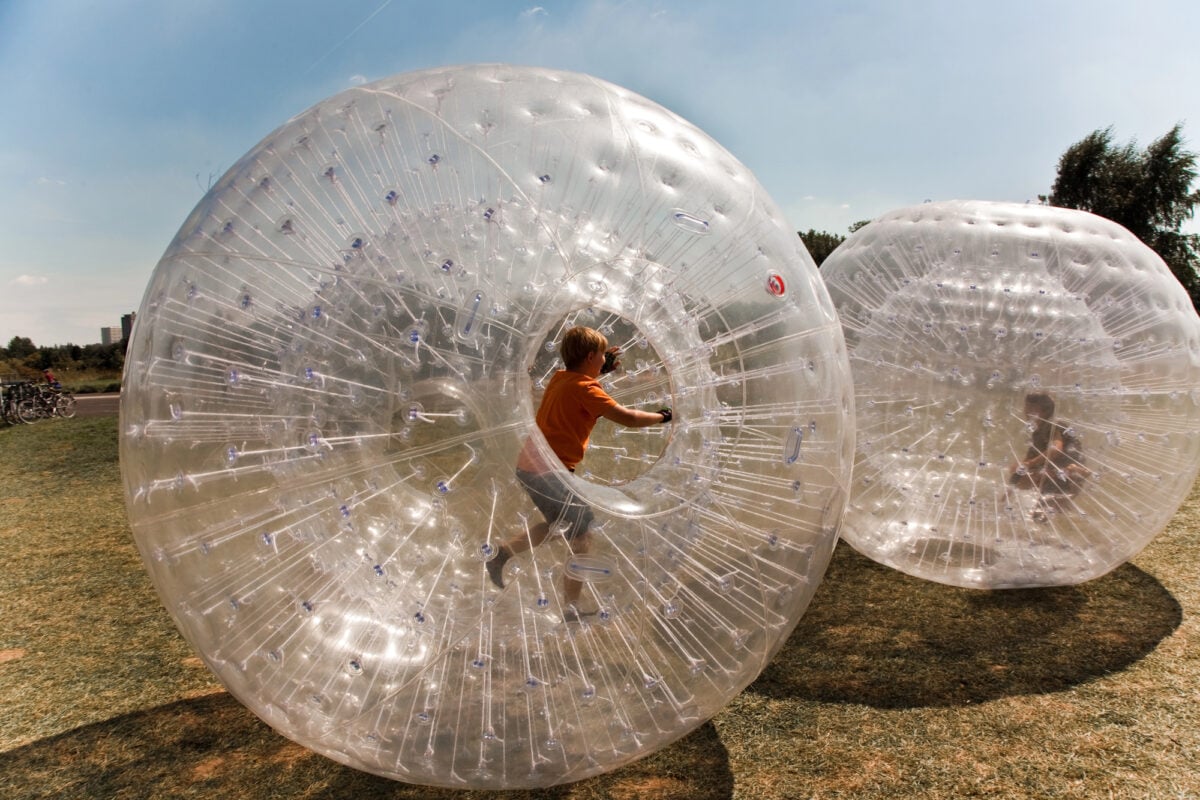
Zorbs—massive inflatable spheres people roll down hills inside—weren’t designed as a sport. They emerged accidentally from a father-son engineering project that unexpectedly proved enjoyable.
What began as an accident became a niche recreational trend that persists today without ever achieving mainstream adoption, yet succeeding through pure accidental charm.
The Unpredictability of Influence

The most viral trends often begin with accidents, mistakes, or complete chaos rather than careful planning. This reveals an uncomfortable truth about cultural influence: the most powerful forces shaping society often arrive unintentionally.
Massive corporations spend billions on marketing while accidental phenomena spread through pure enthusiasm. The world’s most influential moments frequently arrive through the back door, completely unannounced, guided by forces no one anticipated or controlled.
The accident that captures the moment proves more powerful than any deliberate strategy.
More from Go2Tutors!

- The Romanov Crown Jewels and Their Tragic Fate
- 13 Historical Mysteries That Science Still Can’t Solve
- Famous Hoaxes That Fooled the World for Years
- 15 Child Stars with Tragic Adult Lives
- 16 Famous Jewelry Pieces in History
Like Go2Tutors’s content? Follow us on MS



