Banned Books Throughout History That Everyone Still Read Anyway
The act of banning a book has always been a peculiar form of advertisement. Tell people they can’t read something, and suddenly everyone wants to know what all the fuss is about.
Throughout history, authorities have tried to suppress books that challenged power, questioned beliefs, or simply made people uncomfortable. Yet these very attempts at censorship often transformed controversial texts into underground bestsellers, passed hand to hand in defiance of those who sought to silence them.
The Canterbury Tales
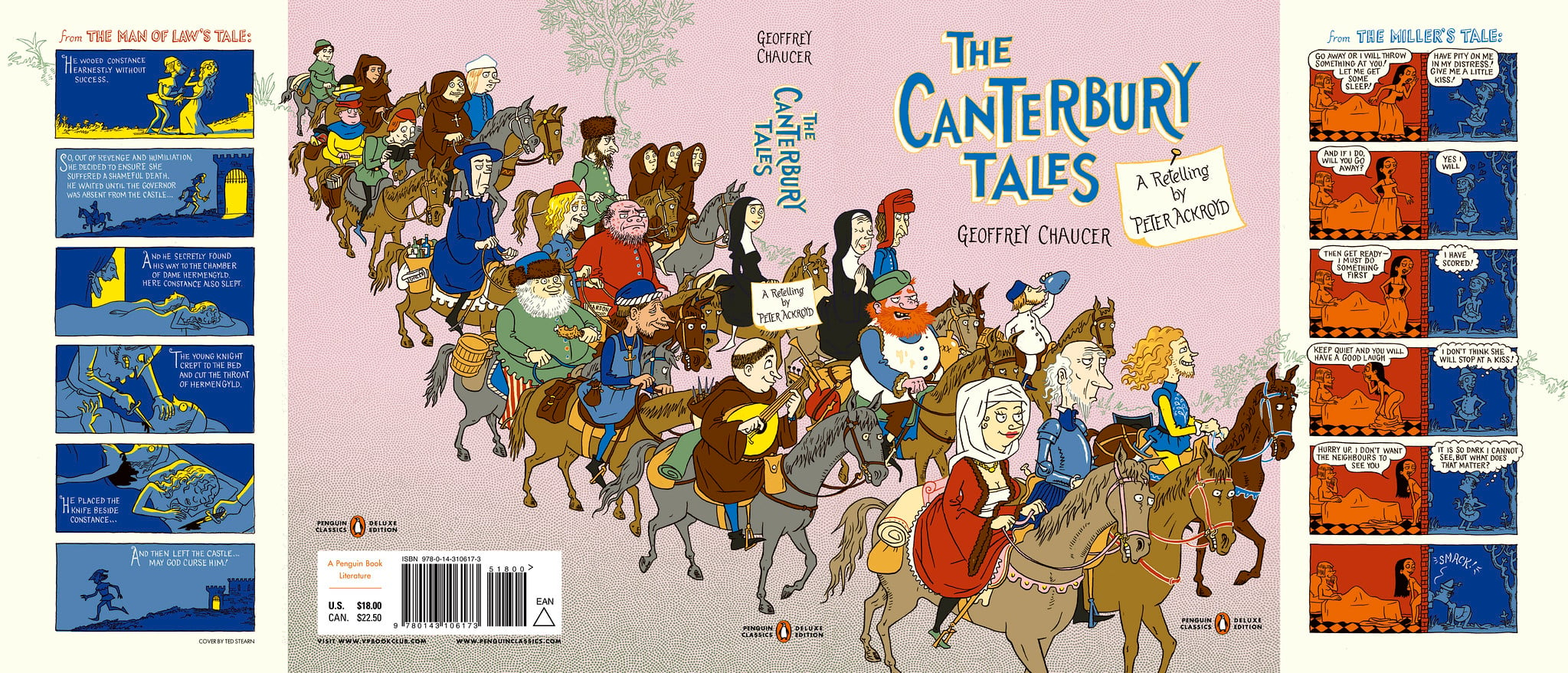
Geoffrey Chaucer’s medieval masterpiece faced censorship long before anyone coined the term “banned books.” Religious authorities took issue with its bawdy humor and satirical portrayal of clergy members behaving badly.
The tales depicted monks more interested in hunting than praying, and priests who cared more about money than salvation.
And yet (perhaps because of this irreverence rather than despite it) the work became one of the most copied texts of its era. Scribes reproduced it in monasteries — the very institutions whose corruption it exposed.
Even church libraries quietly maintained copies, filed away where curious readers could discover Chaucer’s unflattering portraits of religious hypocrisy. The ban made it irresistible.
Areopagitica
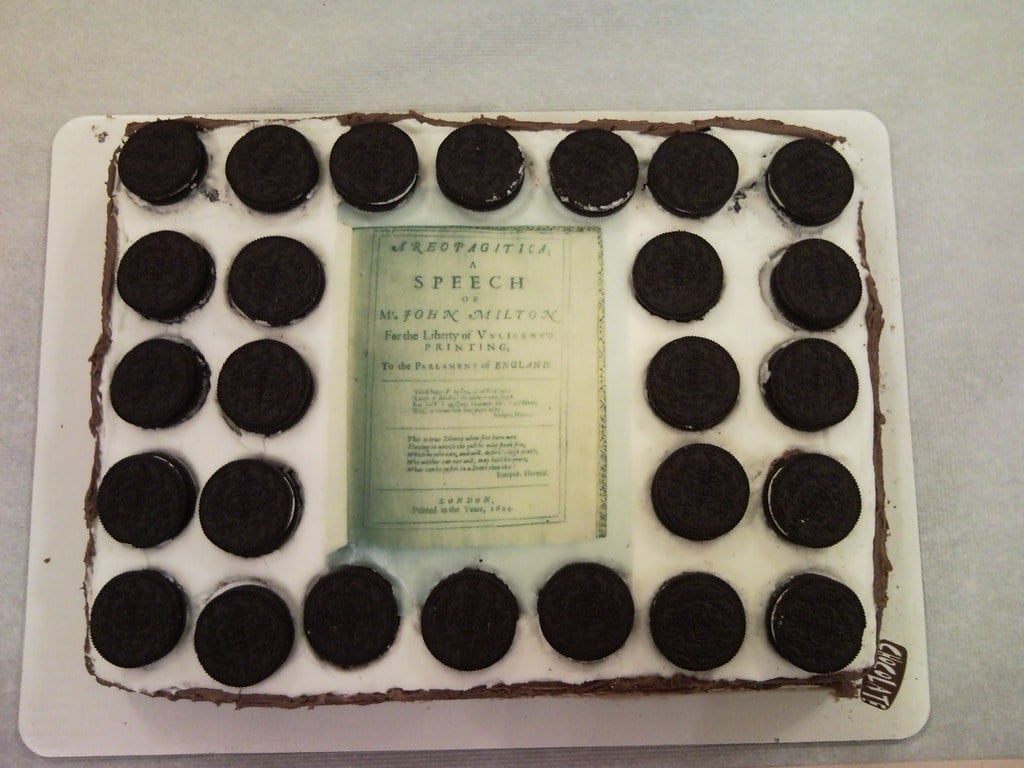
John Milton’s 1644 pamphlet arguing against government censorship was itself subject to the very censorship it criticized. English authorities didn’t appreciate Milton’s assertion that free speech was essential to discovering truth.
They particularly disliked his suggestion that licensing books before publication was both ineffective and tyrannical (which, as it happens, proved entirely correct when people kept reading banned books anyway).
The pamphlet circulated underground through networks of readers who understood that Milton was articulating something fundamental about human nature: the desire to think freely cannot be legislated away.
Booksellers sold copies from beneath their counters, and readers shared hand-copied excerpts. The government’s attempt to suppress Milton’s argument against suppression only validated his point — and ensured the work survived to become a cornerstone text on free expression, studied centuries later by people who had never heard of the officials who tried to ban it.
Don Quixote
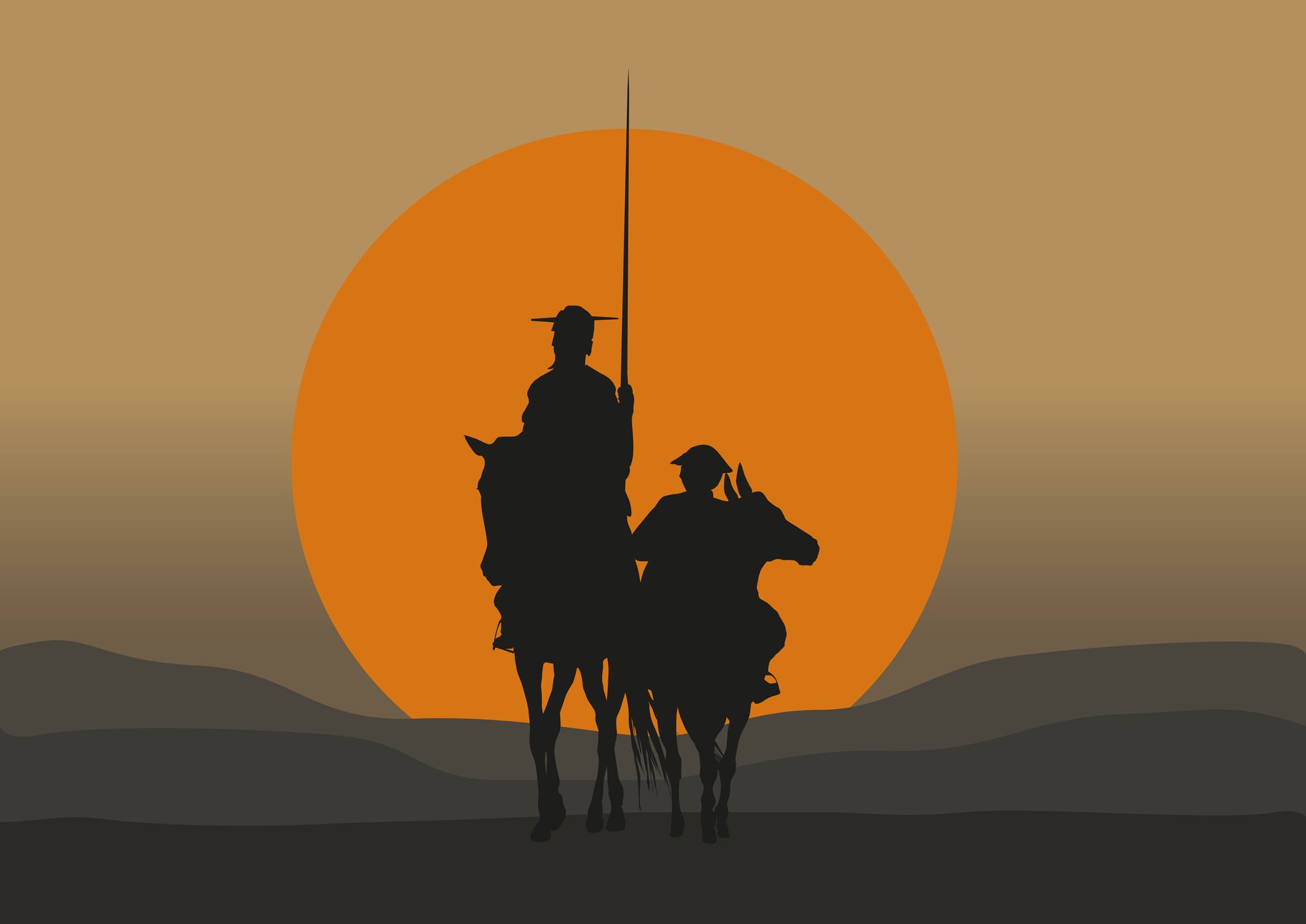
Cervantes’ novel faced an odd form of censorship — not from governments, but from the Catholic Church’s Index of Prohibited Books, which objected to certain passages they deemed irreligious.
Some editions were altered or bowdlerized to satisfy church authorities who worried about the book’s satirical edge.
Reading Don Quixote became an act of quiet rebellion in certain circles, not because the book was particularly scandalous, but because people resented being told which stories they could enjoy.
So copies passed between friends, complete and unedited. The church’s concern proved misplaced — readers were perfectly capable of distinguishing between Cervantes’ gentle mockery and genuine blasphemy.
Most found the book’s humanity more compelling than its supposed heresies.
Paradise Lost
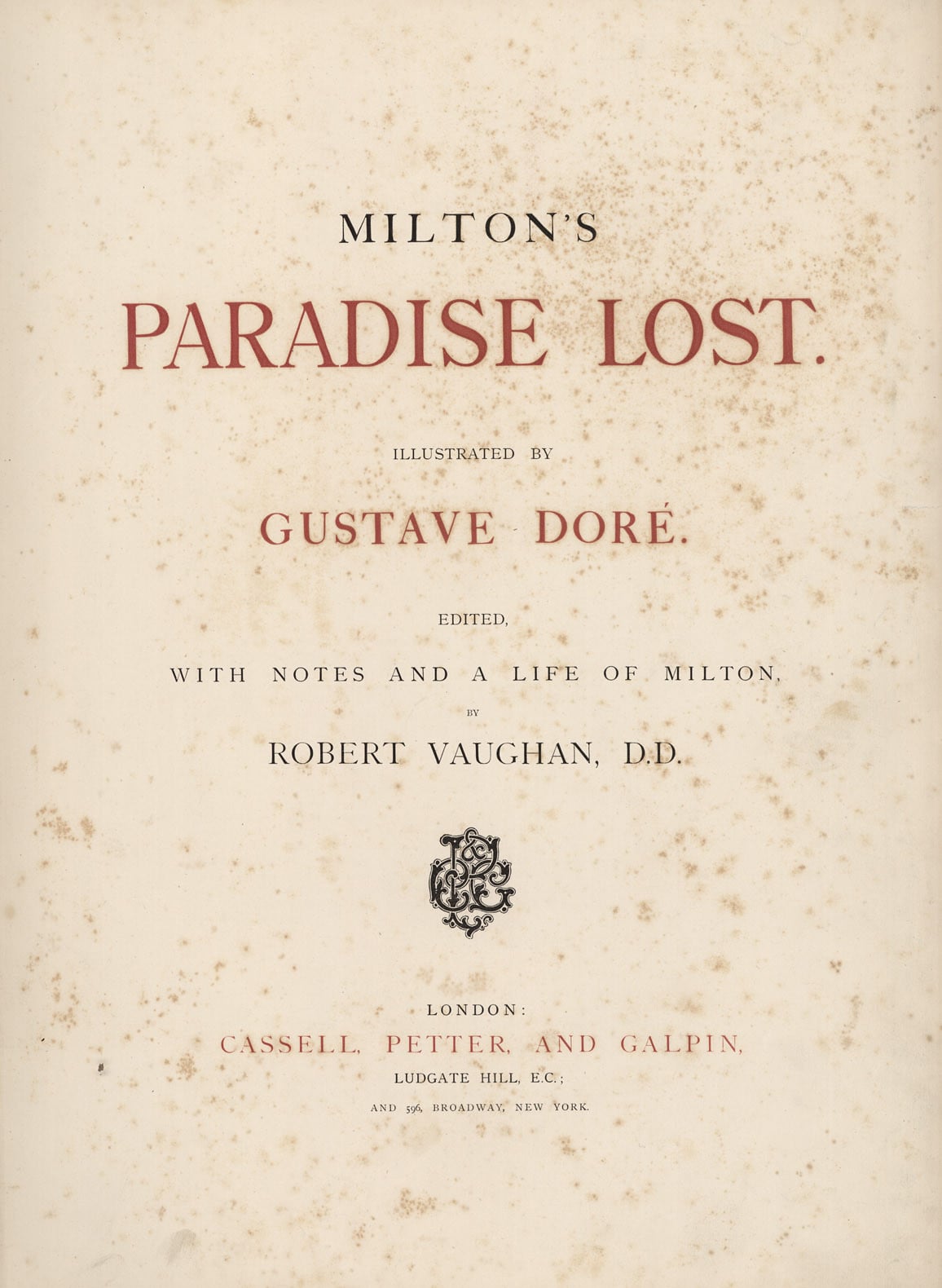
Milton strikes again. Paradise Lost faced religious censorship for making Satan too sympathetic, too eloquent, too much like a tragic hero rather than pure evil.
Church authorities worried that readers might find themselves rooting for the wrong side in the cosmic battle between good and evil.
They weren’t entirely wrong to worry. Generations of readers have indeed found Milton’s Satan more compelling than his God — the fallen angel gets the best speeches, the most complex psychology, the clearest motivations.
But rather than corrupting readers, this complexity made the poem more thoughtful, not less moral. The ban simply guaranteed that people read it with extra attention, searching for the dangerous ideas they’d been warned about.
Candide
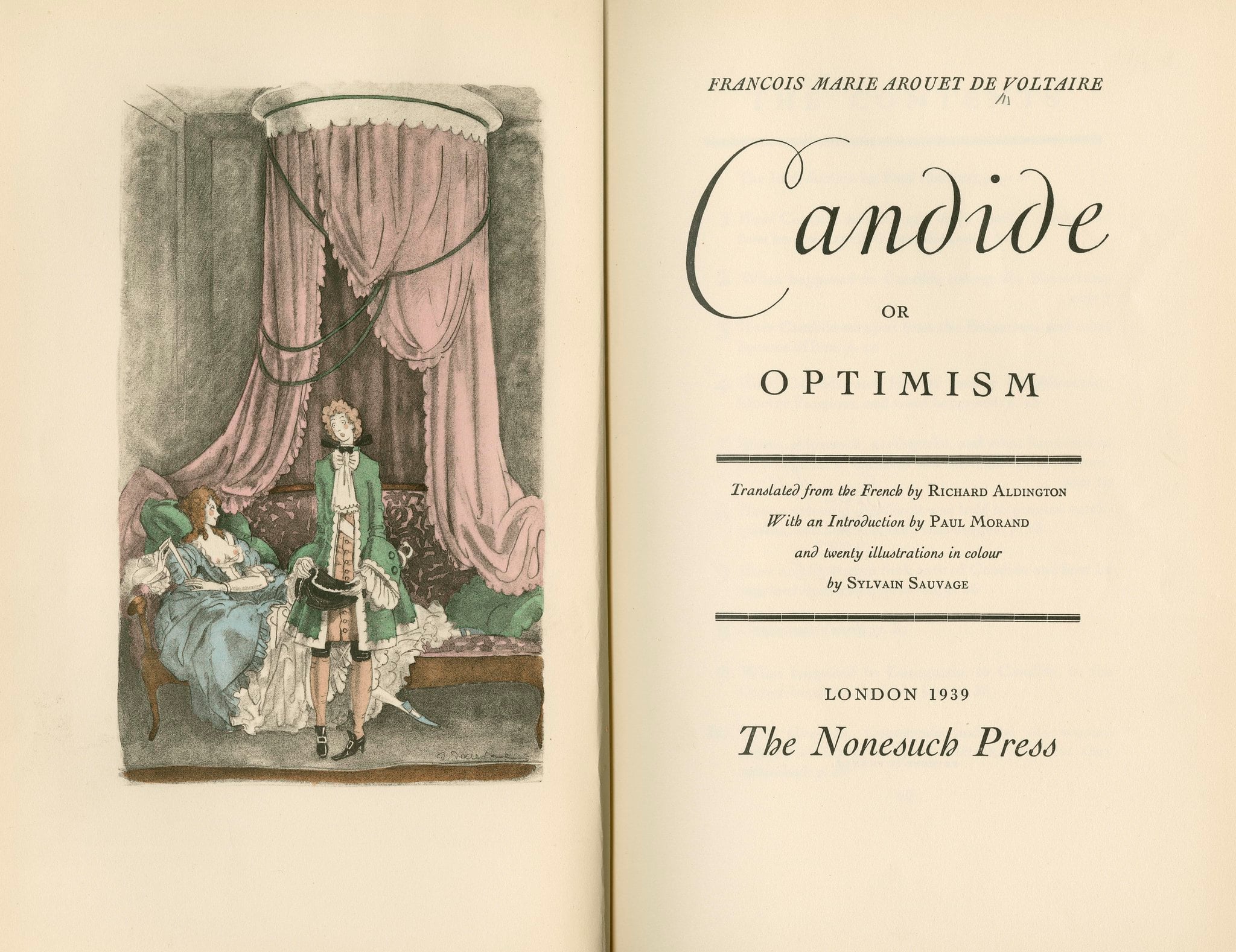
Voltaire’s satirical novella was banned across Europe for its mockery of religious and political authority. The Catholic Church placed it on the Index of Prohibited Books, while various governments prohibited its distribution for undermining social order.
Voltaire’s suggestion that this might not be “the best of all possible worlds” struck authorities as dangerously subversive.
Naturally, this made Candide one of the most widely read books of the 18th century. Readers passed copies across borders, translated it into dozens of languages, and quoted its zingers at dinner parties.
The ban turned Voltaire’s philosophical critique into a underground sensation. French authorities burned copies in public — and booksellers couldn’t keep up with demand for new ones.
The Rights Of Man
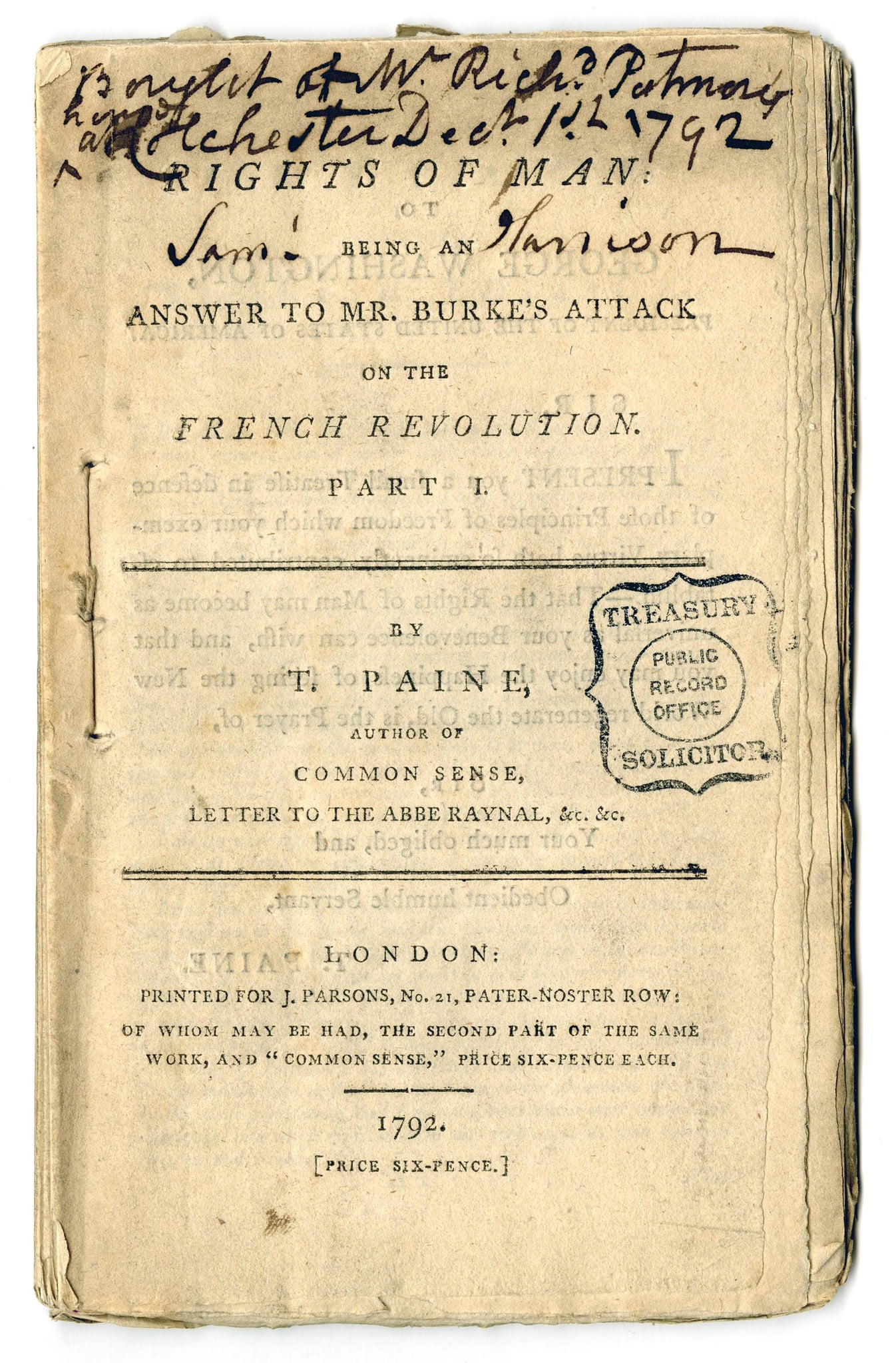
Thomas Paine’s defense of the French Revolution and critique of monarchy earned him a sedition charge in Britain and a ban on his book.
The government prosecuted booksellers who sold it and readers who distributed it. Paine himself fled to France to avoid imprisonment.
But banning The Rights of Man only amplified its message. Workers’ clubs pooled money to buy copies, which they read aloud at meetings.
Sympathetic booksellers sold it under different titles or bound it with other books to disguise its contents. The government’s heavy-handed response validated Paine’s argument about the fragility of freedom — and ensured his words reached exactly the audience authorities hoped to keep them from.
Uncle Tom’s Cabin
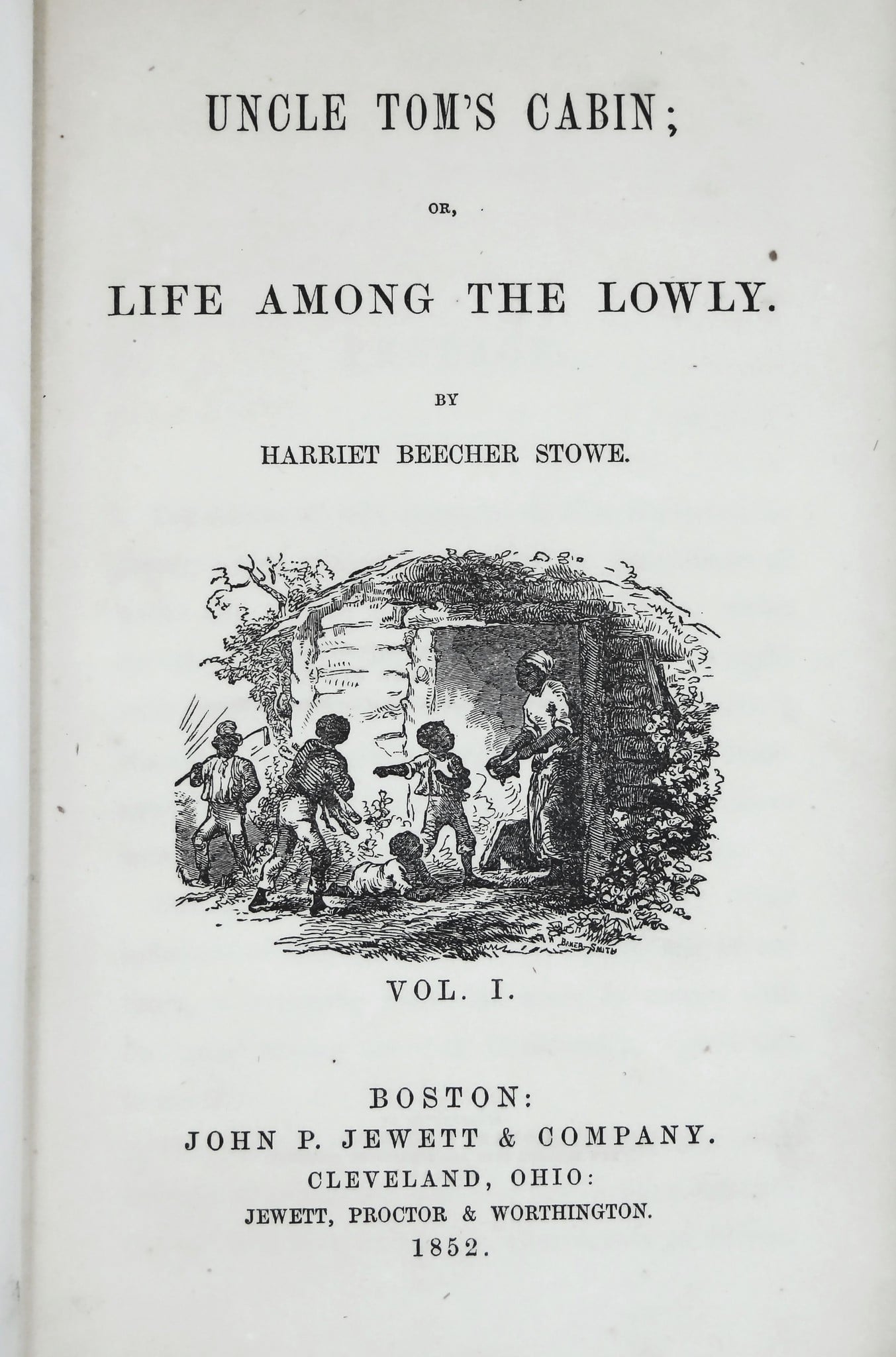
Harriet Beecher Stowe’s anti-slavery novel was banned throughout the American South, where authorities correctly identified it as a threat to the institution of slavery.
Possessing a copy could result in imprisonment or worse. Yet the book circulated anyway, passed secretly between readers who risked punishment to engage with Stowe’s portrayal of slavery’s moral horrors.
The novel’s underground circulation in the South gave it an almost mythical power. People who had never read it knew its reputation, and those who managed to obtain copies read them with the intensity reserved for forbidden knowledge.
The ban transformed what might have been simply a popular novel into a revolutionary text — which, considering its role in building anti-slavery sentiment, it essentially became.
Madame Bovary
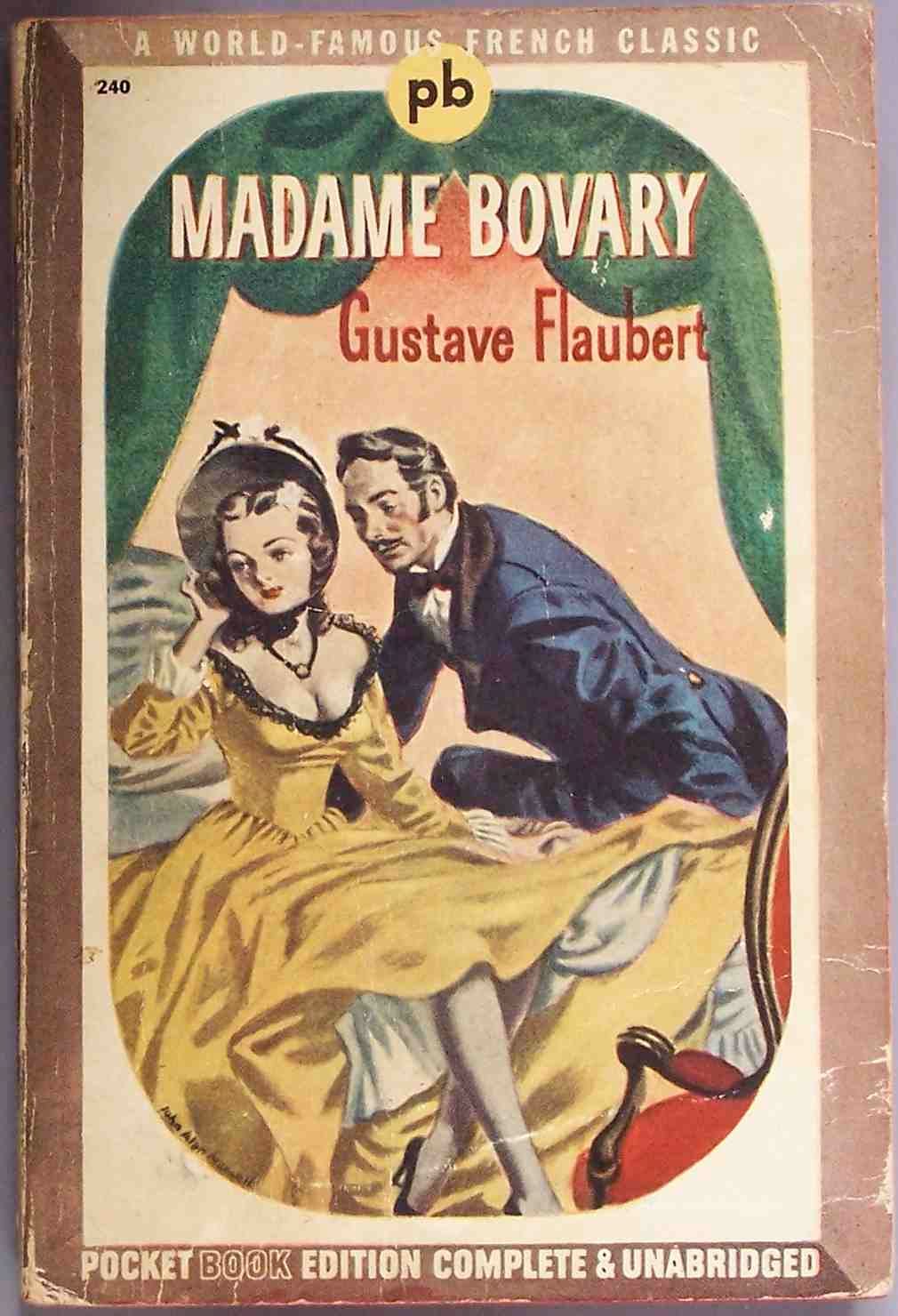
Gustave Flaubert faced prosecution for obscenity when Madame Bovary was first published. French authorities objected to the novel’s frank treatment of adultery and its unsympathetic portrayal of provincial life.
The trial itself became a cultural sensation, with newspapers covering every detail of the proceedings against this “immoral” book.
The publicity was worth more than any advertising campaign Flaubert could have purchased. Readers who might never have heard of the novel rushed to discover what all the controversy was about.
They found not the salacious content they’d been promised, but a psychologically complex portrait of a woman trapped by social expectations — which turned out to be far more subversive than simple scandal.
Leaves Of Grass
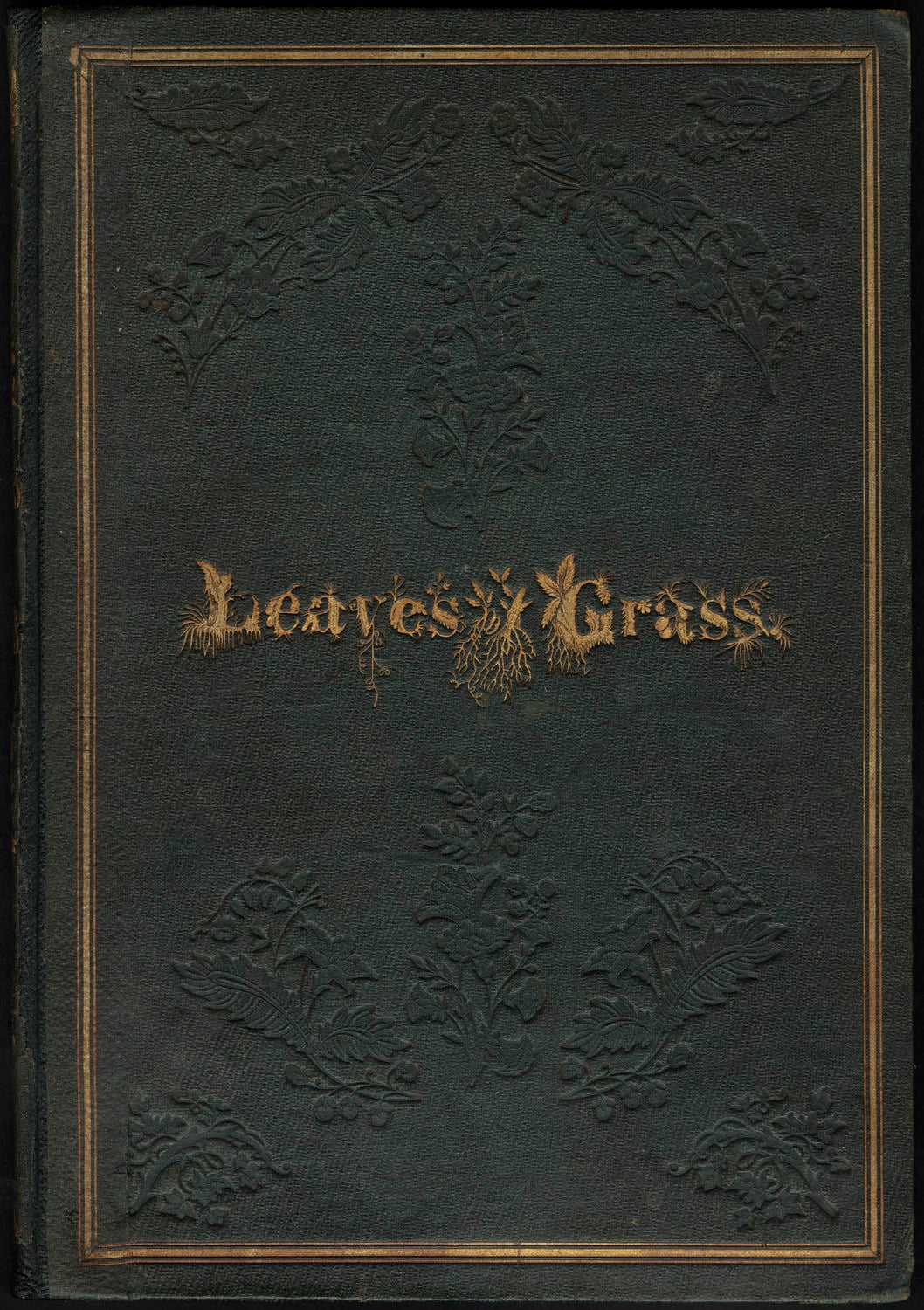
Walt Whitman’s poetry collection faced bans and censorship for its frank celebration of the human body and its unconventional approach to both poetry and spirituality.
The Boston District Attorney threatened prosecution, and many bookstores refused to carry it. Critics denounced it as crude, immoral, and un-American.
This opposition only strengthened Whitman’s resolve and his readers’ devotion. Each new edition of Leaves of Grass incorporated more poems that pushed boundaries further, as if Whitman was responding to censorship with increased boldness.
Readers treated banned editions like sacred texts, sharing them within communities of people who appreciated Whitman’s expansive vision of American democracy and human possibility.
The attempts at suppression helped establish Whitman as the revolutionary voice he intended to be.
The Adventures Of Huckleberry Finn
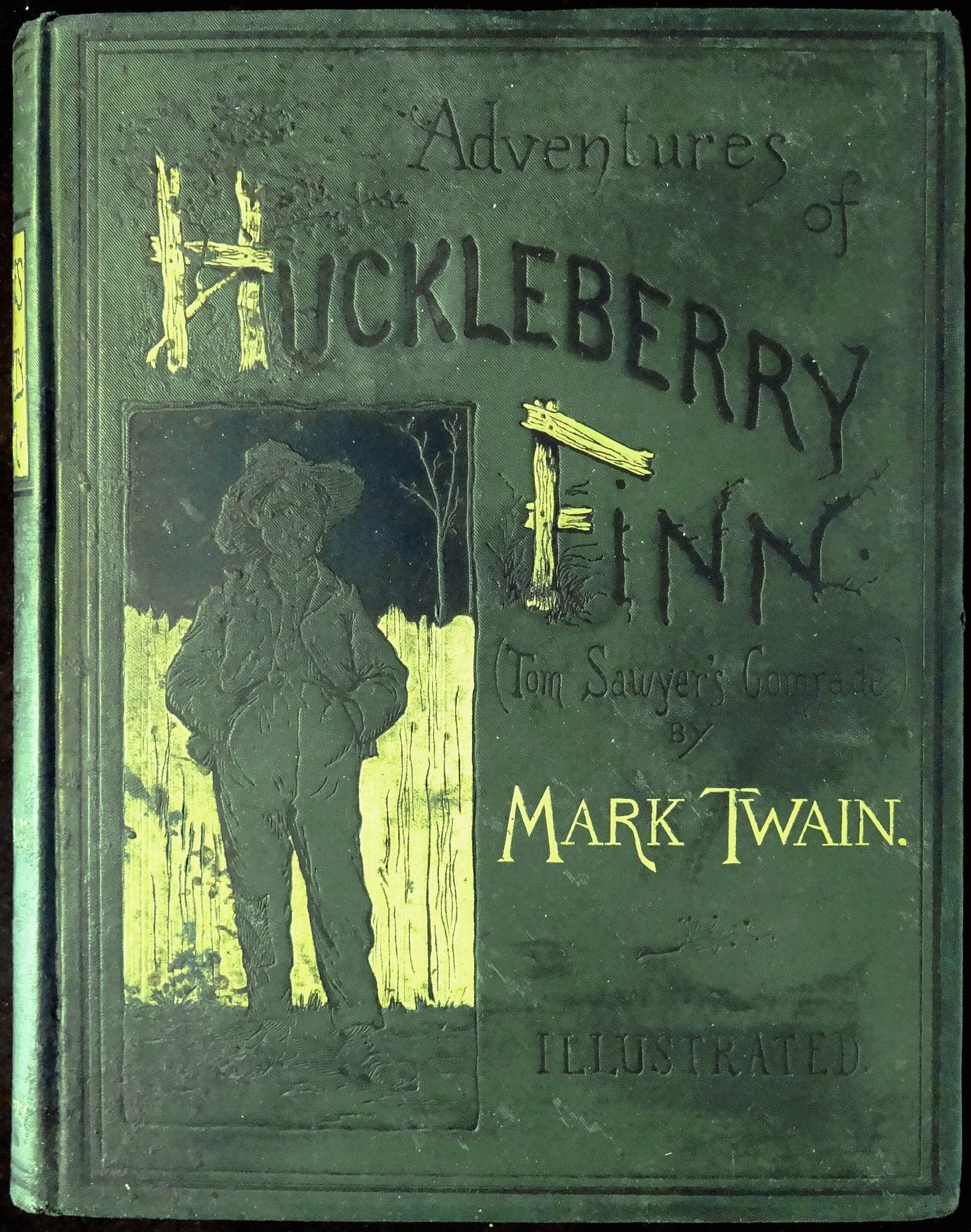
Mark Twain’s masterpiece has faced bans from its first publication to the present day, though for evolving reasons.
Initially censored for its irreverent tone and Huck’s rejection of social authority, it later faced challenges for its language and treatment of race.
Libraries removed it from shelves, schools dropped it from curricula, yet it never disappeared from American culture.
Each generation of readers has discovered Huck Finn despite — or perhaps because of — the controversies surrounding it.
The book’s complicated relationship with American ideals of freedom and equality has kept it perpetually relevant and perpetually problematic.
The ongoing debates about whether to teach it, ban it, or annotate it have only ensured that people keep reading it, searching for what makes this particular book so persistently troubling and essential.
Lady Chatterley’s Lover
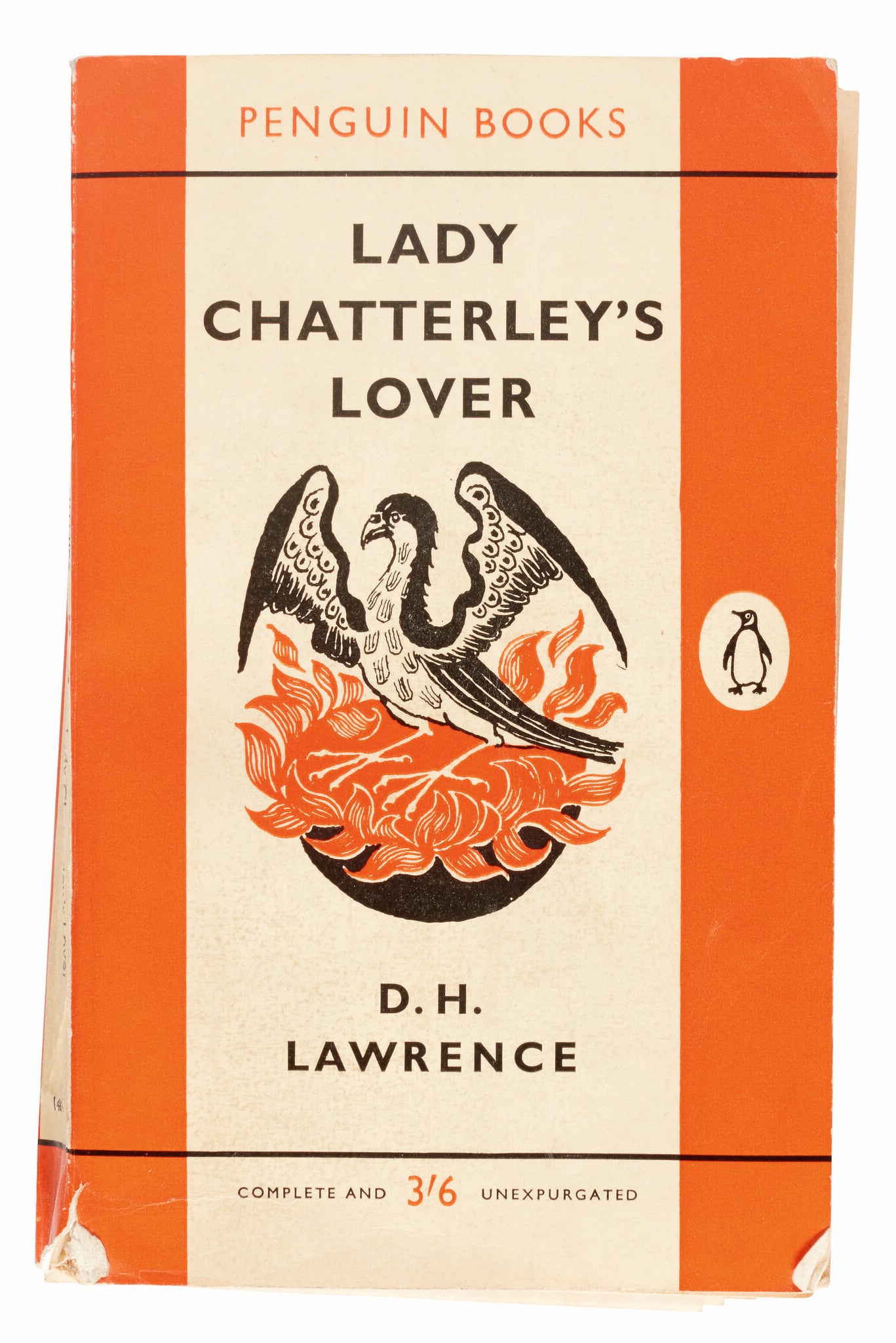
D.H. Lawrence’s final novel was banned for obscenity in Britain, the United States, and most other English-speaking countries.
The explicit relationship between an aristocratic woman and her gamekeeper violated both literary decorum and social taboos about class and gender.
For decades, readers could only obtain the book through underground networks or foreign editions smuggled past customs officials.
The thirty-year legal battle to publish Lady Chatterley’s Lover turned it into a symbol of artistic freedom versus moral censorship.
When Penguin finally won the right to publish an unexpurgated edition in Britain in 1960, readers lined up outside bookstores on publication day.
The trial proceedings, with their earnest debates about literary merit versus corrupting influence, now seem almost quaint — but they established important precedents about who gets to decide what adults can read.
Tropic Of Cancer
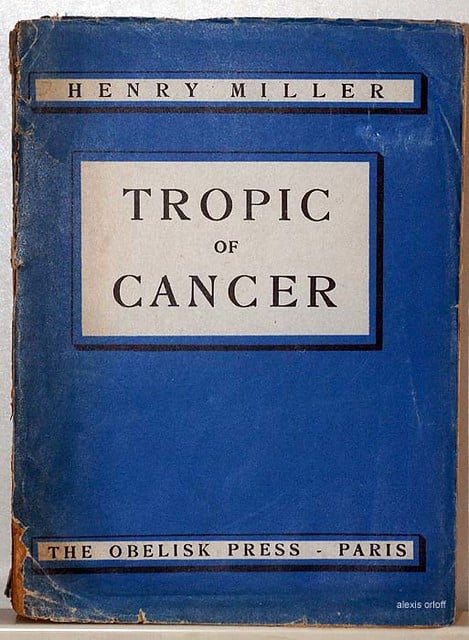
Henry Miller’s autobiographical novel faced obscenity bans that lasted for decades in the United States.
Its frank discussions of poverty, relationships, and bodily functions offended authorities who found Miller’s expatriate lifestyle and unflinching prose equally threatening to social order.
The book circulated through underground networks of readers who appreciated Miller’s unvarnished honesty about human experience.
Copies were smuggled from Paris, where the book was legally published, creating a thriving black market for Miller’s work.
When Grove Press finally won the legal battles to publish it in America in 1961, the book had already achieved legendary status among readers who had been seeking it out for thirty years.
The Grapes Of Wrath
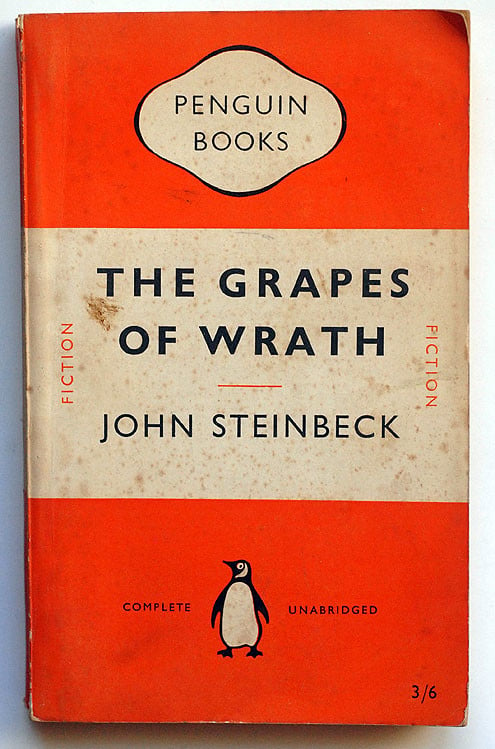
John Steinbeck’s novel about Depression-era migrant workers was banned and burned in several states, particularly California, where agricultural interests objected to its portrayal of working conditions and corporate exploitation.
Libraries removed it from shelves, school boards prohibited it from classrooms, and some communities organized public book burnings.
But The Grapes of Wrath had already found its intended audience: working-class readers who recognized their own struggles in the Joad family’s story.
Union organizers distributed copies, families passed them between households, and the book became a rallying point for labor rights.
The establishment’s hostile reaction only confirmed what readers already knew — that Steinbeck had written something powerful enough to make powerful people uncomfortable.
When The Clock Breaks

Throughout history, the pattern repeats itself with almost mechanical precision. Authorities identify a book as dangerous, ban it, prosecute those who distribute it, and inadvertently guarantee its survival and influence.
The act of censorship transforms ordinary books into symbols of resistance, ordinary readers into cultural rebels.
Perhaps the most striking thing about banned books is how unremarkable most of them seem today. The ideas that once appeared so threatening — religious tolerance, political democracy, social equality, artistic freedom — have largely been absorbed into mainstream culture.
Yet in their time, these books required courage to read, distribute, and defend. The people who kept them alive during periods of suppression weren’t necessarily radicals or revolutionaries.
They were simply readers who believed that the decision about what to read should remain their own.
More from Go2Tutors!

- The Romanov Crown Jewels and Their Tragic Fate
- 13 Historical Mysteries That Science Still Can’t Solve
- Famous Hoaxes That Fooled the World for Years
- 15 Child Stars with Tragic Adult Lives
- 16 Famous Jewelry Pieces in History
Like Go2Tutors’s content? Follow us on MSN.