Popular Phones Before the iPhone
Before touchscreens dominated your pocket, phones had physical keyboards and actual buttons you could feel. They flipped, slid, and clicked. Battery life lasted for days, not hours.
You couldn’t browse the internet comfortably, but you could play Snake for hours without draining your battery. The phones from the late 1990s through the mid-2000s occupied a strange middle ground between basic communication devices and the smartphones we know today.
They tried to do more than just make calls, but they hadn’t figured out how to do it well yet.
Nokia 3310 Could Survive Anything
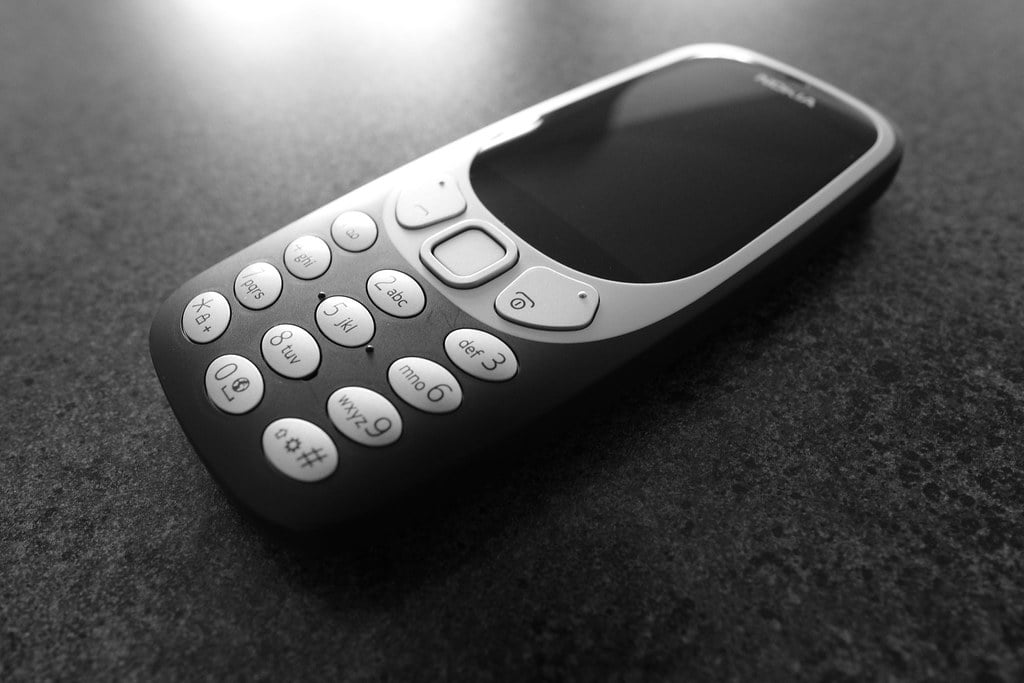
The Nokia 3310 launched in 2000 and became legendary for its durability. People dropped these phones down stairs, threw them across rooms, and ran them over with cars.
They kept working. The monochrome screen displayed just text and simple graphics, but that simplicity meant fewer things could break.
The battery lasted nearly a week on a single charge. You could go on vacation and forget your charger without panicking.
The phone came loaded with Snake II, which consumed countless hours of boredom during commutes and waiting rooms. The game had no real ending—you just played until the snake got too long to maneuver.
Ringtones were monophonic, meaning they played one note at a time. Composing custom ringtones became a hobby.
People shared note sequences online and painstakingly entered them into their phones. Nokia sold over 126 million units of the 3310.
The phone represented peak Nokia dominance before smartphones changed everything. Even today, people reference the 3310 when talking about indestructible phones.
The nostalgia runs deep enough that Nokia released an updated version in 2017, though it never captured the original’s cultural impact.
Motorola Razr Made Thin Fashionable
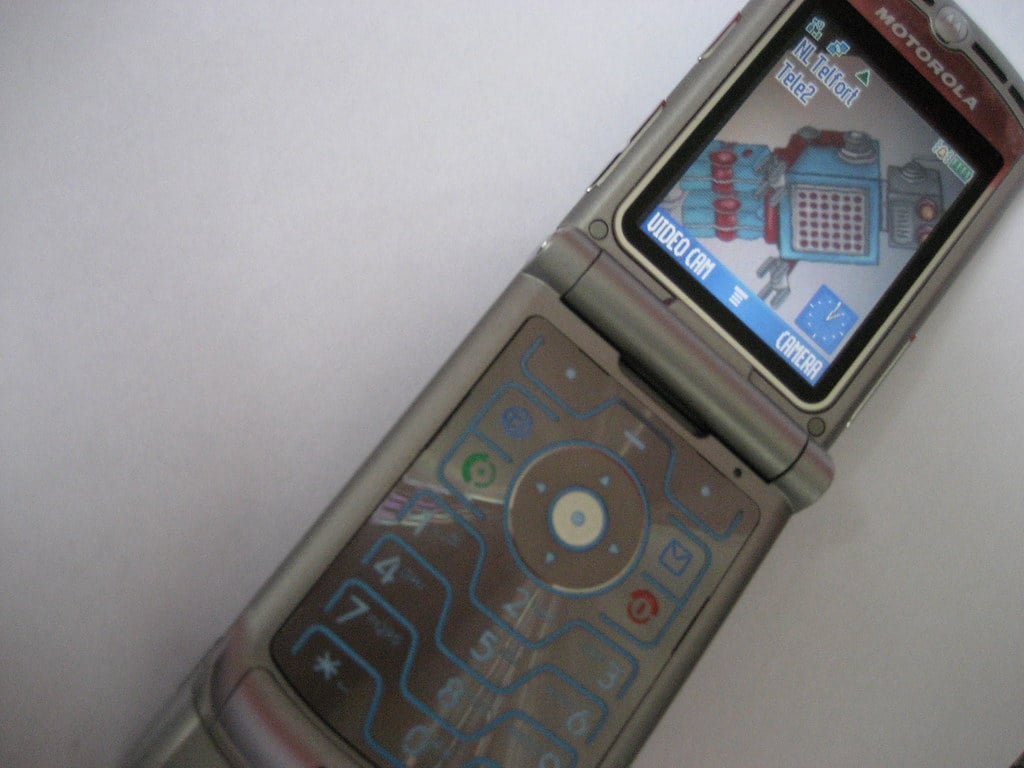
The Motorola Razr V3 arrived in 2004 and immediately became a status symbol. Its thin profile measured just 0.54 inches thick, which seemed impossibly slim compared to other phones at the time.
The phone opened with a satisfying snap. The metallic finish and backlit keypad looked expensive and felt premium.
Celebrities carried Razrs. Magazine ads featured the phone as a fashion accessory rather than just technology.
Motorola positioned the Razr as a luxury item initially, pricing it at around 500 dollars. The high cost created exclusivity.
Eventually, carrier subsidies brought the price down and the phone became widely available. By the time production ended, Motorola had sold over 130 million Razrs worldwide.
The phone had limitations. The internal screen was small and not particularly sharp.
The camera quality was mediocre even by 2004 standards. But none of that mattered because the Razr succeeded on design and coolness factor.
You bought it because of how it looked and felt, not because of what it could do.
BlackBerry Owned the Business World
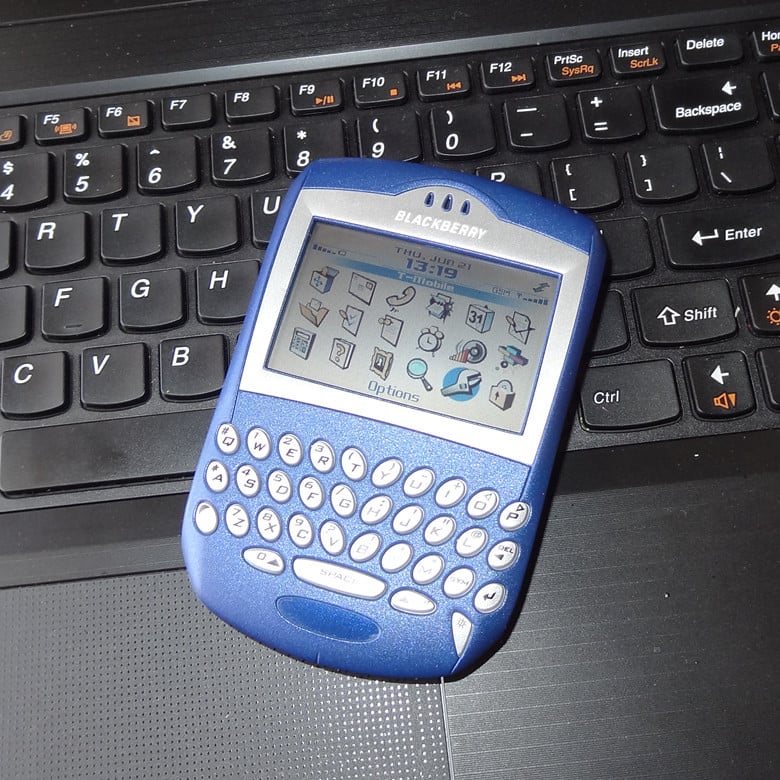
Before iPhones dominated corporate environments, BlackBerry devices ruled professional communication. The BlackBerry 7230 and later models offered email integration that actually worked.
You could receive work emails immediately and respond using the physical QWERTY keyboard. The typing experience on BlackBerry keyboards remained unmatched for years.
People became so fast at typing that “BlackBerry thumb” entered medical vocabulary as a repetitive stress injury. The phones featured a trackball or trackpad for navigation, which worked better than the early touchscreen attempts other manufacturers were making.
BlackBerry Messenger created a private messaging ecosystem that kept users locked into the platform. PIN-to-PIN messaging felt more exclusive than regular texting.
Business professionals carried BlackBerries because they needed to, then kept carrying them because the messaging experience was superior. Research In Motion, the company behind BlackBerry, focused so heavily on the corporate market that it missed the shift toward consumer-friendly smartphones.
By the time they tried to compete with touchscreen devices, the market had moved on. But in the early 2000s, seeing someone with a BlackBerry meant they were important enough to need constant email access.
Sidekick Captured the Youth Market

The T-Mobile Sidekick flipped open to reveal a full QWERTY keyboard and a screen that rotated. The design felt futuristic and different from everything else available.
T-Mobile marketed heavily to young people and positioned the Sidekick as the cool alternative to business-focused devices. The phone came in multiple colors and special editions featuring popular brands and celebrities.
The Sidekick offered genuine mobile internet access through T-Mobile’s network. You could browse websites, use AOL Instant Messenger, and check email.
The experience wasn’t great by modern standards—pages loaded slowly and many sites didn’t display properly—but it worked well enough to feel useful. The built-in camera rotated with the screen, making it easy to take photos in landscape orientation.
Celebrities like Paris Hilton and Lindsay Lohan carried Sidekicks, which boosted the phone’s cool factor among teenagers and young adults. The device peaked in popularity around 2004-2006 before falling off as smartphones improved.
A cloud service failure in 2009 wiped out customer data and severely damaged the brand’s reputation. The Sidekick never recovered from that disaster.
Nokia N-Gage Tried Gaming and Failed

Nokia attempted to combine a phone with a gaming handheld in 2003. The N-Gage looked odd—you held it sideways to make calls, earning it the nickname “taco phone” because you had to talk into the edge.
The design prioritized gaming controls over phone functionality, which doomed it from the start. Games came on small cartridges that required removing the battery to swap them out.
The N-Gage competed against the Game Boy Advance and later the Nintendo DS. It lost badly. Game developers didn’t take the platform seriously because the installed base stayed small.
Nokia sold fewer than three million N-Gage devices compared to tens of millions of Game Boys. The gaming controls were mediocre and the phone features were awkward.
The device tried to do two things but failed at both. Nokia released a revision called the N-Gage QD that fixed some issues, but the damage was done.
The platform died quietly while Nokia’s regular phones continued selling well. The N-Gage stands as a cautionary tale about trying to merge product categories before the technology can support it properly.
Sony Ericsson W800 Made Music Mobile

The Sony Ericsson Walkman phone W800 launched in 2005 as a music-focused device before the iPhone made that concept mainstream. The phone came with stereo earbuds and memory stick storage for songs.
Sony branded it with the Walkman name, connecting it to their portable music player heritage. The dedicated music playback controls meant you could change tracks without opening the phone.
The W800 sounded better than most phones because Sony actually cared about audio quality. The included earbuds were decent, and the phone supported various audio formats.
You could load several albums onto a memory stick and carry your music with you. The interface for browsing and playing music worked intuitively.
For people who wanted a combined phone and music player but didn’t want to carry an iPod separately, the W800 offered a compelling option. Sony Ericsson followed with an entire Walkman phone series, each iteration improving on the music features.
The phones sold well in Europe and Asia but never gained significant traction in the United States. The carrier-focused American market made it harder for unlocked phones to succeed.
Palm Treo Pioneered Smartphone Features
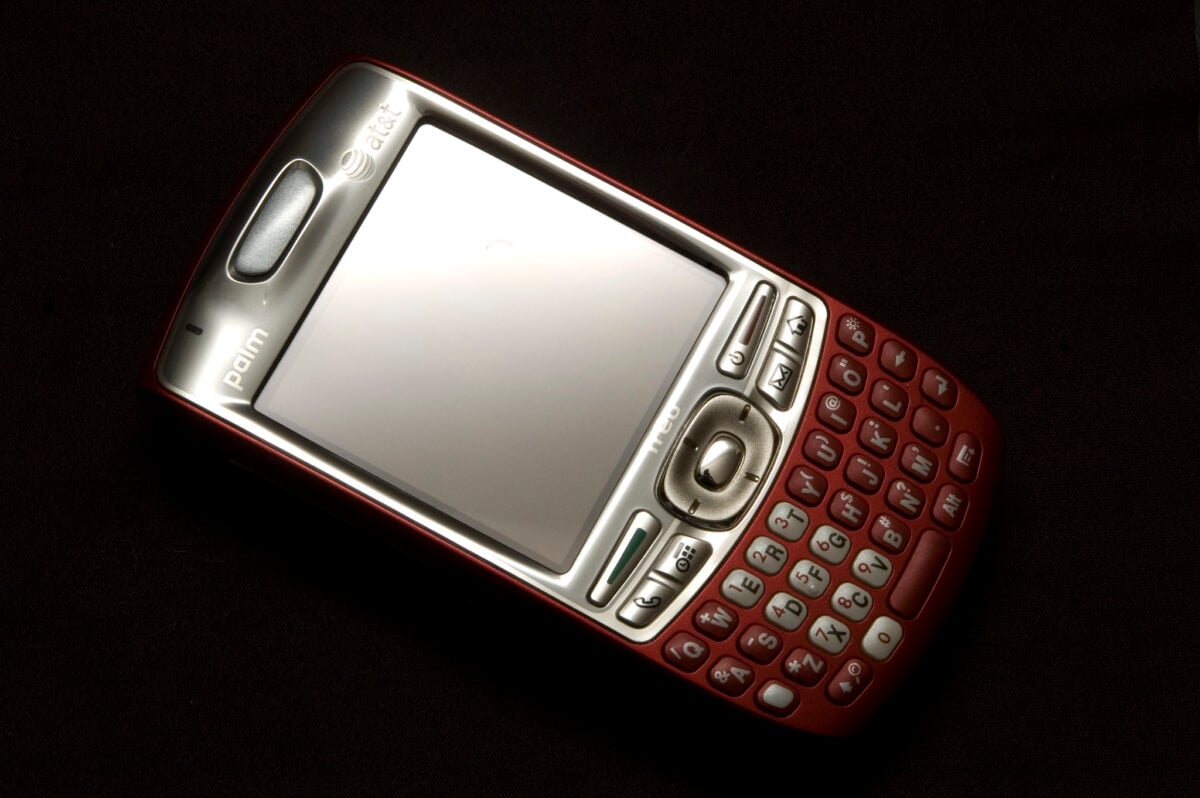
The Palm Treo line brought smartphone capabilities to a wider audience starting in 2002. These devices ran Palm OS, which had proven itself on PDAs.
The Treo combined phone functionality with email, calendaring, contacts, and basic apps. You could install third-party software to extend capabilities.
The touchscreen responded to a stylus, which worked better than finger touch on resistive screens. The Treo had a full keyboard below the screen, similar to BlackBerry but with Palm’s software approach.
You could sync with your computer to transfer data and back up information. The devices appealed to professionals who needed more than email but didn’t want to carry separate devices for phone and PDA functions.
Palm struggled to compete once larger companies entered the smartphone market. The company changed hands multiple times and eventually disappeared.
But the Treo demonstrated that people wanted devices that combined multiple functions into one pocket-sized package. The concept worked; Palm just couldn’t execute it well enough once real competition emerged.
LG Chocolate Slid Into Style

The LG Chocolate VX8500 launched in 2006 with a sliding form factor and touch-sensitive controls on the front. The glossy black finish and red accent lighting created a distinctive look that matched the name.
When closed, the front had no visible buttons—just a flat surface with hidden touch controls that lit up when you touched them. The design felt modern and minimalist.
The phone worked as a music player with dedicated controls and decent storage. Verizon marketed it heavily in the United States as a lifestyle device.
The advertising focused on aesthetics and music capabilities rather than technical specifications. The Chocolate sold well based largely on its appearance.
People wanted phones that looked good, and LG delivered. The touch controls on the front proved impractical in real use.
They didn’t provide tactile feedback and often registered accidental touches. The sliding mechanism felt solid initially but wore out with heavy use.
Despite these issues, the Chocolate succeeded commercially and spawned several sequels. The original remains memorable for its bold design choices.
Motorola Q Competed with BlackBerry
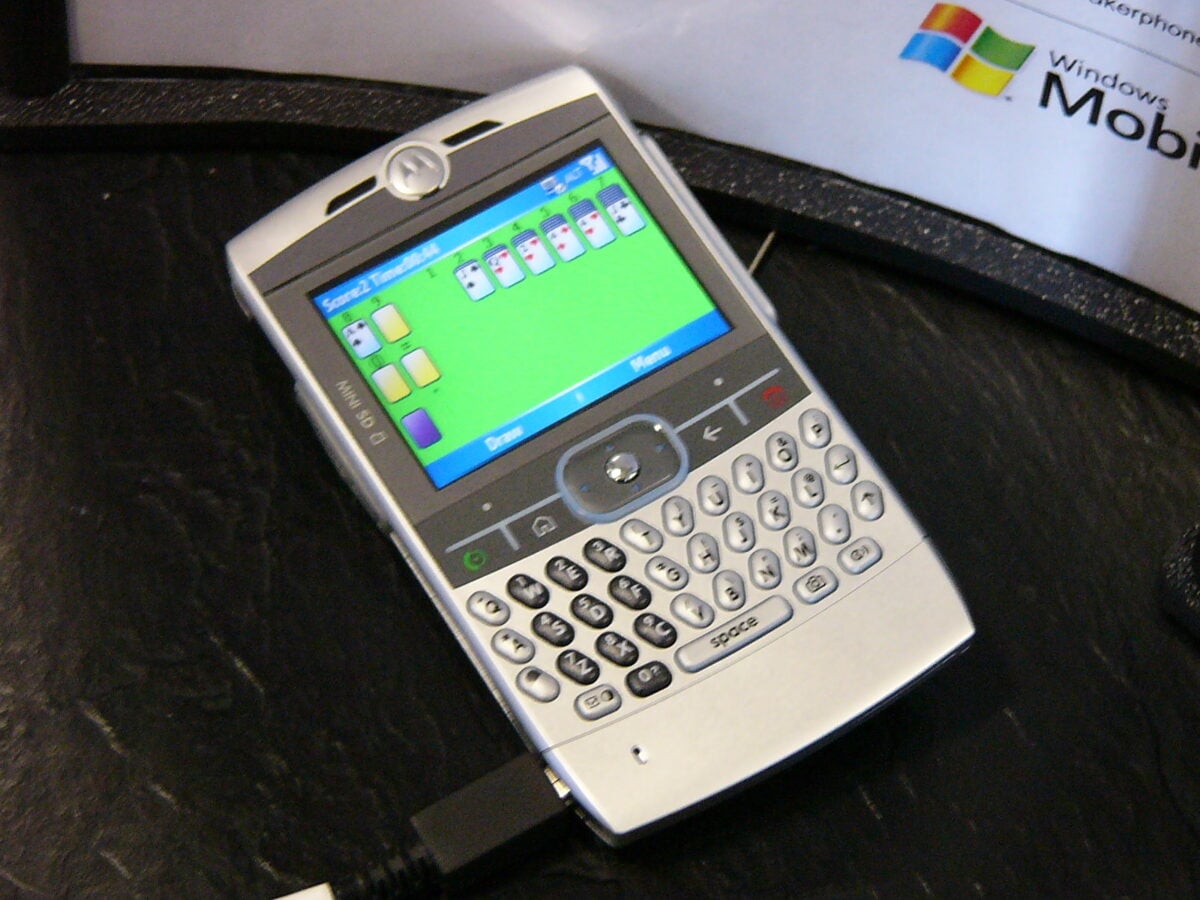
Motorola entered the business smartphone market with the Q in 2006. The device ran Windows Mobile and featured a narrow design with a full QWERTY keyboard.
Unlike BlackBerry’s square layout, the Q was long and thin, fitting comfortably in a pocket. The keyboard keys were small but usable for people with average-sized fingers.
Windows Mobile offered more flexibility than BlackBerry OS in some ways but felt less polished. You could install more software types, but the interface wasn’t as smooth.
Corporate email worked well enough to compete with BlackBerry for business users. Verizon marketed the Q as a serious alternative to BlackBerry at a lower price point.
The Q sold respectably but never threatened BlackBerry’s dominance in the enterprise market. Motorola released updated versions, but the product line faded as touchscreen smartphones took over.
The Q represented the peak of Windows Mobile phones before Microsoft’s mobile ambitions collapsed.
Samsung Instinct Tried to Beat iPhone
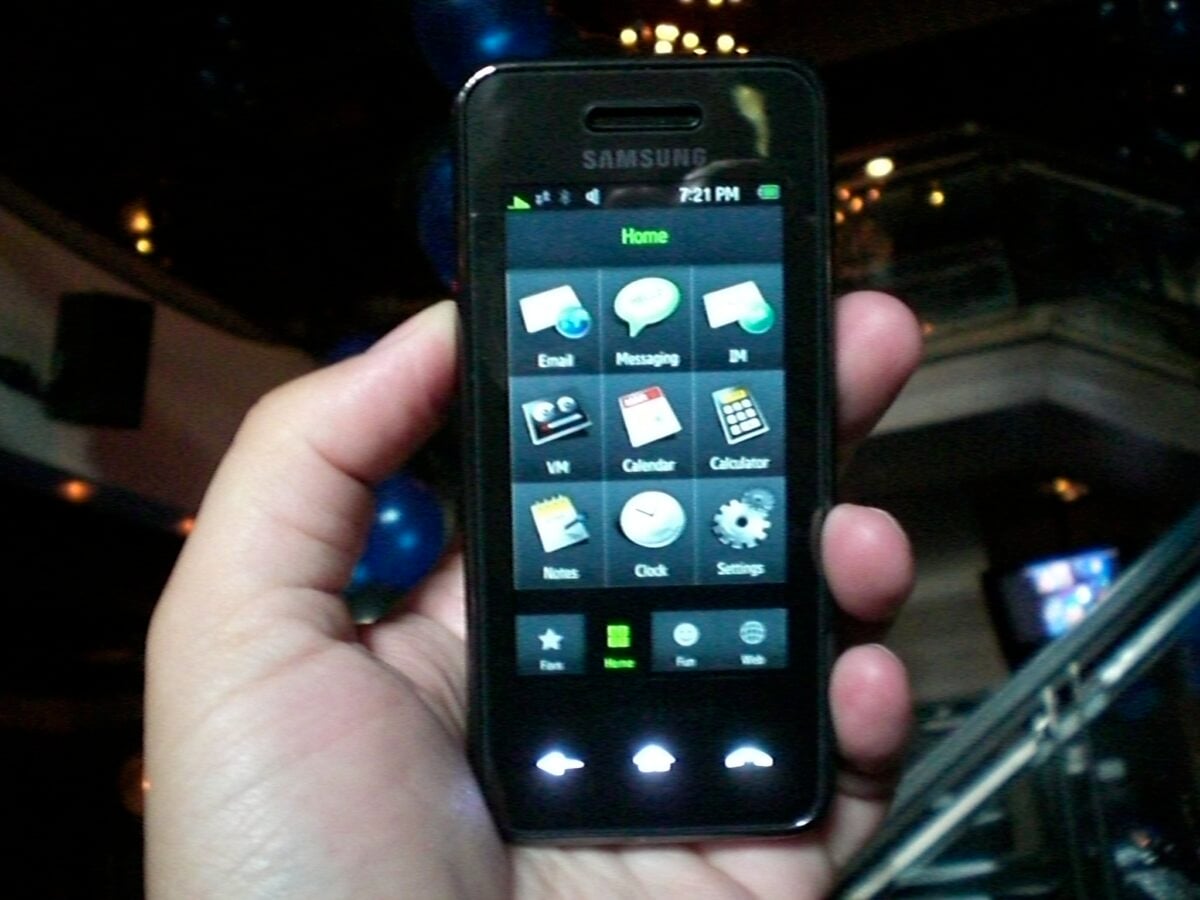
Samsung released the Instinct in 2008, a year after the iPhone, positioning it as a direct competitor. The phone had a large touchscreen, minimal physical buttons, and a similar rectangular shape to the iPhone.
Sprint marketed it aggressively as an iPhone alternative on its network. The phone cost less than an iPhone and offered some features Apple’s device lacked, like video recording and GPS navigation.
The Instinct ran a custom touch interface that attempted to mimic the iPhone experience. It failed.
The touchscreen was resistive, requiring pressure to register touches instead of the iPhone’s capacitive screen that responded to light contact. Apps were limited and poorly designed.
The interface felt sluggish. Everything that made the iPhone special—smooth scrolling, responsive touch, quality apps—worked worse on the Instinct.
Sprint sold about a million Instinct devices, which sounds impressive until you compare it to iPhone sales. The phone proved that copying the iPhone’s look wasn’t enough.
You needed the software experience to match. Samsung learned from this failure and eventually found success with Android devices that offered genuine alternatives to the iPhone rather than inferior imitations.
Nokia N95 Pushed Technical Limits
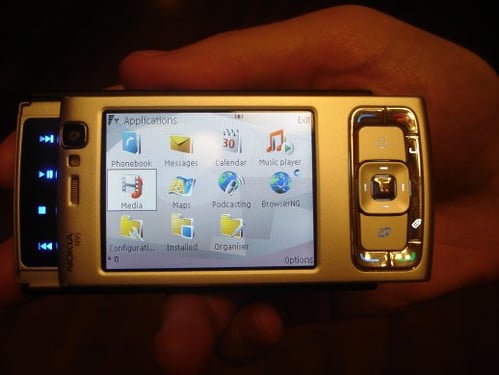
The Nokia N95 arrived in 2007 packed with features that seemed futuristic. It had a 5-megapixel camera when most phones had 2 megapixels or less.
GPS navigation was built in. The phone could play videos, browse the web, and run Symbian apps.
A dual-slide mechanism revealed either a standard numeric keypad or dedicated media controls. The specifications are impressive on paper.
In practice, the N95 suffered from poor battery life and sluggish performance. The hardware couldn’t quite handle everything Nokia crammed into it.
The phone got hot during heavy use. The battery barely lasted a day even with moderate usage. But for a brief period, the N95 represented the cutting edge of what a phone could do.
It offered features that wouldn’t become standard for years. Nokia positioned the N95 as its flagship and priced it accordingly.
The phone sold well in markets where Nokia dominated but struggled in the United States where carrier subsidies favored other brands. The N95 marked Nokia’s last major success before the iPhone changed the industry permanently.
HTC Touch Brought Windows Mobile to Touchscreens

HTC released the Touch in 2007 with a touchscreen interface layered on top of Windows Mobile. The TouchFLO interface attempted to make Windows Mobile finger-friendly, though it only partly succeeded.
You could navigate basic functions without pulling out the stylus, but deeper settings still required precision tapping. The Touch represented HTC’s attempt to modernize Windows Mobile before Microsoft could do it themselves.
The phone sold better than expected, prompting HTC to create an entire Touch series. Each version improved the software and added features.
HTC eventually transitioned to Android, using many of the same design principles they developed with the Touch line. The company became one of the early Android leaders, though it has since faded from prominence.
Sony Ericsson K750 Shot Great Photos

The K750 focused on camera quality before that became a standard smartphone priority. The 2-megapixel camera included autofocus and a flash, features usually found on digital cameras rather than phones.
Sony Ericsson marketed it heavily as a camera phone that happened to make calls. The image quality exceeded what most phones could produce in 2005.
The phone design included a dedicated camera button that worked like a real camera shutter. A sliding lens cover protected the camera when not in use and automatically activated the camera mode when opened.
Sony Ericsson understood that people wanted to replace their point-and-shoot cameras with their phones, and the K750 made a convincing case that it was possible.
The Last Generation Before Everything Changed
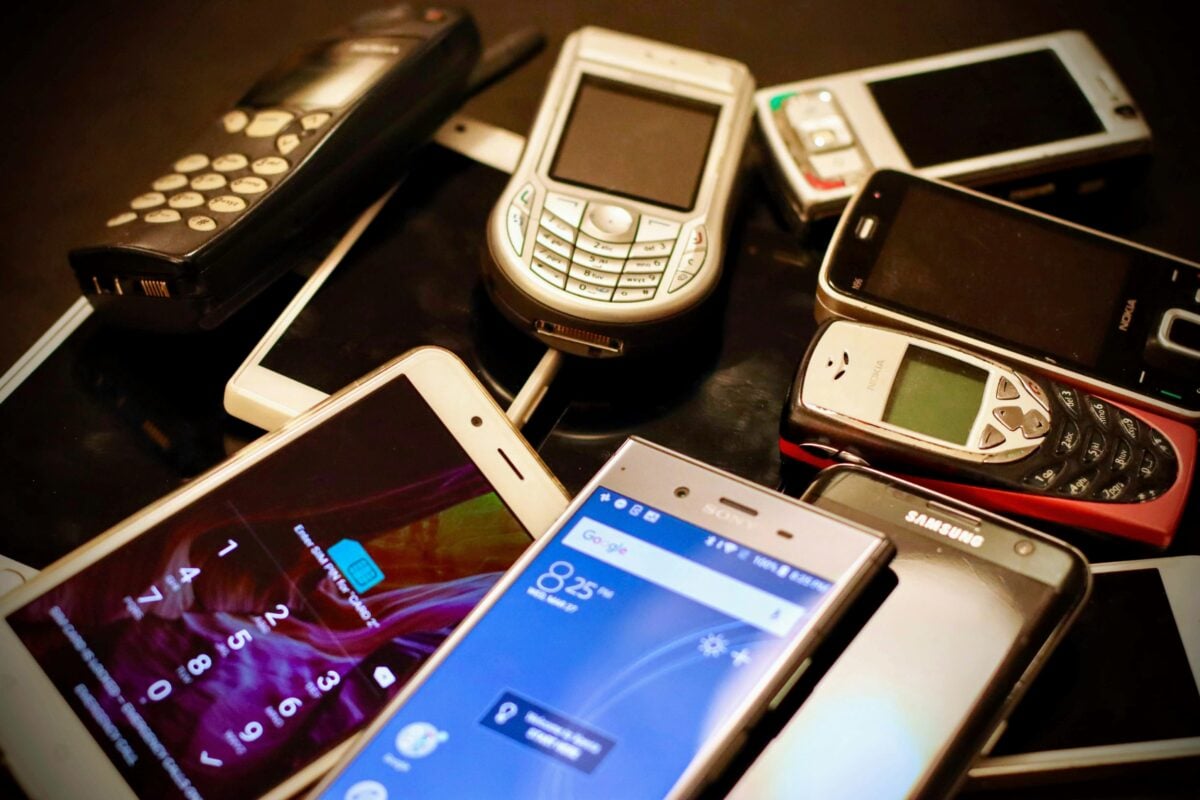
Phones like these marked the last stage before smartphones took over. Not every feature stuck – some included music, others focused on photos or typing.
One brand might push touchscreens while another bets on physical buttons. How users engaged with devices varied wildly depending on who built them.
Success depended less on imagination and more on what parts could actually be made back then. Looking back, the flaws are clear.
Chunky chips, screens that barely responded, closed-off software worlds, and almost no apps worth mentioning. Yet back then, each gadget seemed like magic.
A tiny machine doing things that once needed desks full of gear. These tools set expectations high, hinting at what was coming next, though never fully getting there.
Overnight, the 2007 iPhone arrival didn’t merely challenge old models – it wiped them out fast. A big glass screen took center stage instead of buttons; swipes moved things smoothly across it.
Later, apps arrived through a digital shop, shifting how everyone used handhelds completely. Soon after, most handsets copied its look closely – or adopted Google’s system beneath similar shells.
Wild designs once common before Apple stepped in slowly faded away altogether then.
Every so often, one turns up online or tucked away in an office somewhere.
Old, yes – yet full of stories if you know where to look. Back then, countless folks relied on them like lifelines.
Calls went through. Messages got delivered.
Tunes played. Pictures snapped. Web pages loaded, slowly but surely.
This happened long before swiping changed everything. Flaws existed, sure. Still, they worked. For years, that reality felt complete.
More from Go2Tutors!

- The Romanov Crown Jewels and Their Tragic Fate
- 13 Historical Mysteries That Science Still Can’t Solve
- Famous Hoaxes That Fooled the World for Years
- 15 Child Stars with Tragic Adult Lives
- 16 Famous Jewelry Pieces in History
Like Go2Tutors’s content? Follow us on MSN.



