Photos Of Unusual Shoes Worn In Different Cultures
Every culture has its own way of protecting, decorating, and expressing identity through footwear. While Western sneakers and dress shoes dominate global fashion today, traditional footwear tells stories that stretch back centuries.
These aren’t just functional items — they’re artifacts of climate adaptation, social status, spiritual beliefs, and artistic expression. Some might look impractical to modern eyes, but each design solved specific problems or fulfilled cultural purposes that made perfect sense in their original context.
Japanese Geta
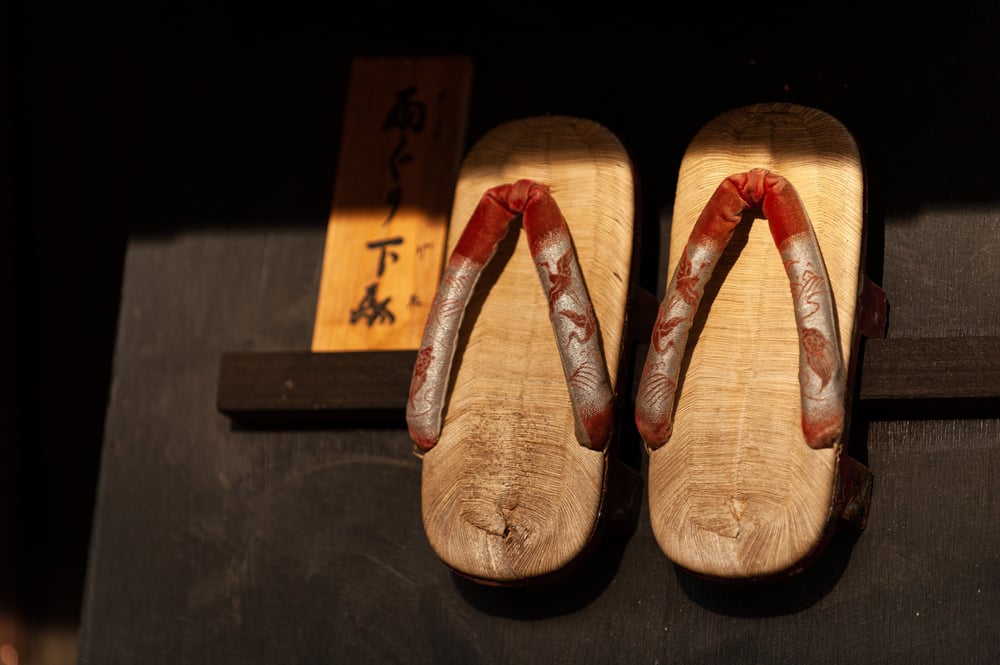
Wooden platforms with teeth underneath. That’s it.
No cushioning, no arch support, just wood and fabric straps. The clicking sound they make on pavement announces your presence three blocks away.
Geta served a practical purpose in a country where removing shoes indoors was sacred. Easy on, easy off.
The raised platform kept feet dry during Japan’s rainy seasons, and the gap between the wooden teeth allowed air circulation that prevented the foot problems common with enclosed footwear in humid climates.
Dutch Wooden Clogs
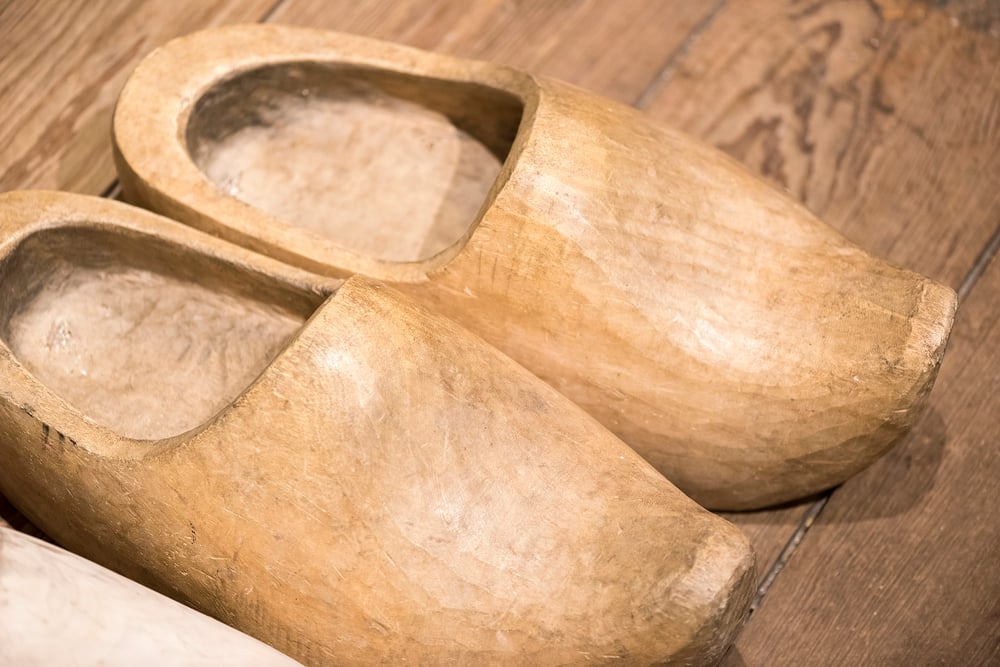
The Netherlands built an entire working-class identity around wooden shoes, and for good reason (wet clay soil that would destroy leather boots within weeks, plus the fact that a skilled clog-maker could carve a pair that lasted for years). These weren’t fashion statements — they were industrial equipment for people whose livelihoods depended on working in perpetually damp conditions.
But here’s what’s interesting about clogs, and what most people miss when they see them hanging in tourist shops: the wood actually molds to your foot over time, creating a custom fit that modern orthopedic inserts try to replicate. And the sound they made on cobblestones?
That wasn’t an accident — it was an early workplace safety feature, ensuring that workers in busy areas could hear each other approaching.
Native American Moccasins
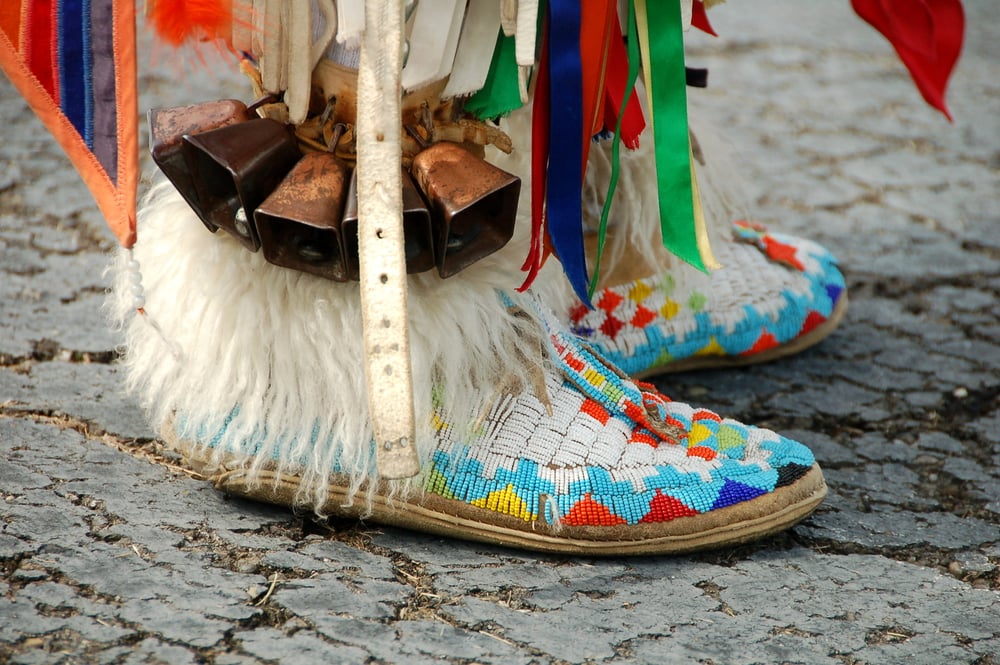
There’s something almost stubborn about moccasins — the way they refuse to announce themselves, the way they let you feel every pebble and root through their thin leather soles. They’re shoes that insist you pay attention to the ground beneath your feet, rather than bulldozing across it.
Different tribes developed distinct styles based on their environments and available materials. Plains tribes created hard-soled versions for rocky terrain, while woodland tribes preferred soft soles that moved silently through forests.
The beadwork and decorative elements weren’t just ornamental — patterns often held spiritual significance or indicated tribal affiliation, clan membership, or personal achievements.
Chinese Lotus Shoes
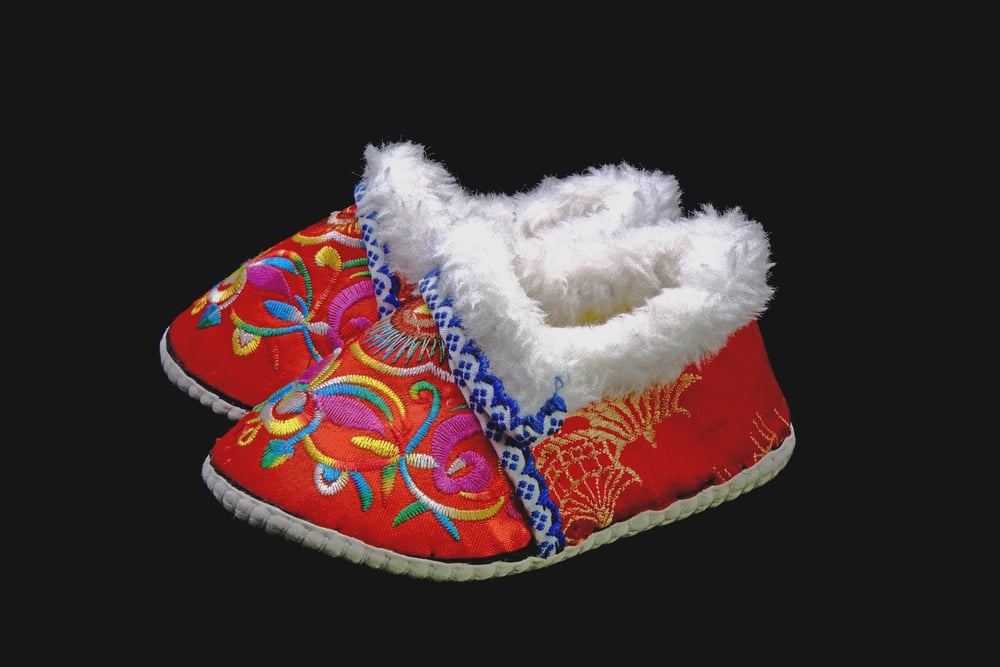
Lotus shoes represent one of the most controversial footwear traditions in history. These tiny, ornate slippers were designed for bound feet — a practice that deliberately broke and reshaped women’s feet from childhood.
The shoes themselves were masterpieces of embroidery and craftsmanship, often taking months to complete. They measured just 3-4 inches in length and required extraordinary skill to create.
While the practice of foot binding was ultimately recognized as harmful and was banned in the early 20th century, the artistry of lotus shoes remains a testament to the complex intersection of beauty standards, social status, and women’s lives in imperial China.
Inuit Mukluks
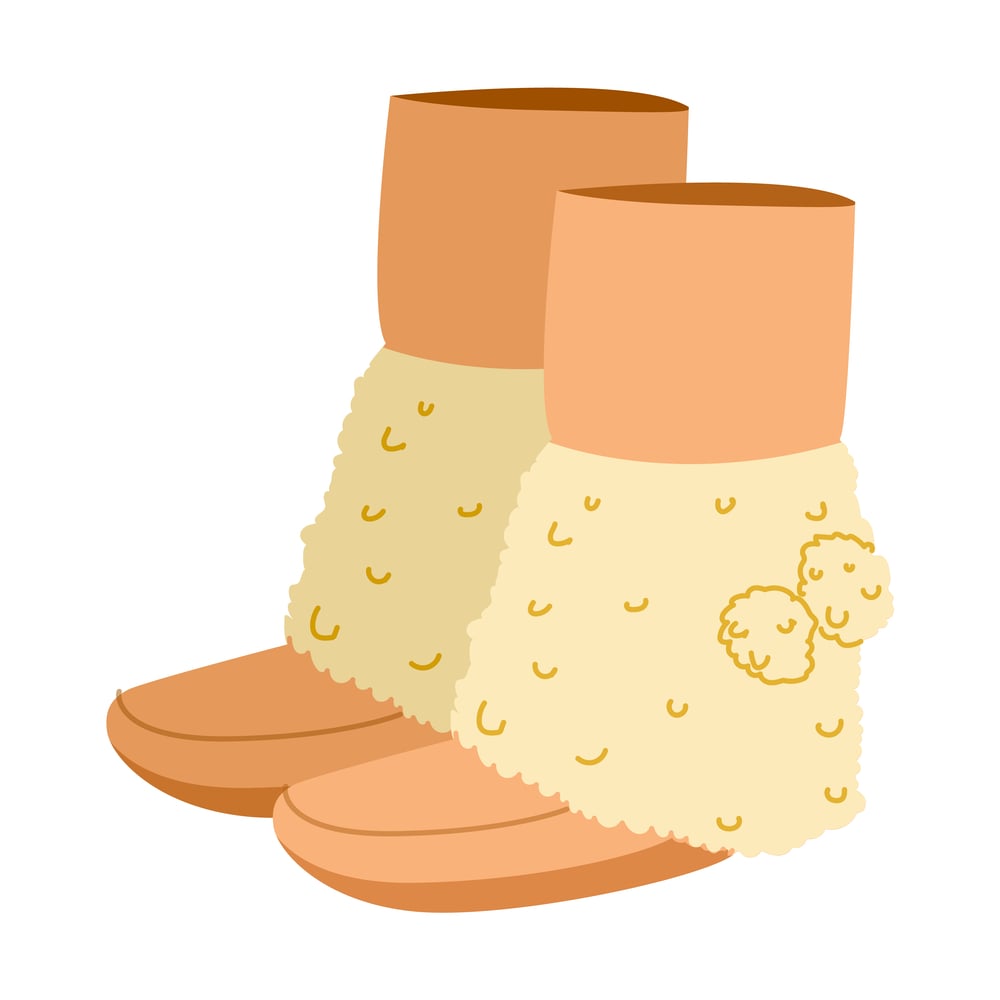
Surviving Arctic temperatures requires footwear that treats warmth as a life-or-death matter, and mukluks approach this challenge with the seriousness it deserves (multiple layers of fur, sealskin, and caribou hide, each serving a specific function in the battle against frostbite). The outer layer repels moisture while the inner layers trap body heat, creating a microenvironment that can keep feet warm in temperatures that would otherwise cause immediate tissue damage.
But what’s remarkable about traditional mukluks isn’t just their effectiveness — it’s their adaptability. Different Arctic communities developed variations based on available animals and specific climate challenges: some featured extra-long tops for deep snow, others incorporated waterproof sealskin for wet conditions, and many included removable inner booties that could be dried separately.
And the craftsmanship required to sew these complex, multi-layered boots using only traditional tools represents a level of technical skill that modern manufacturing struggles to replicate.
Indian Mojari
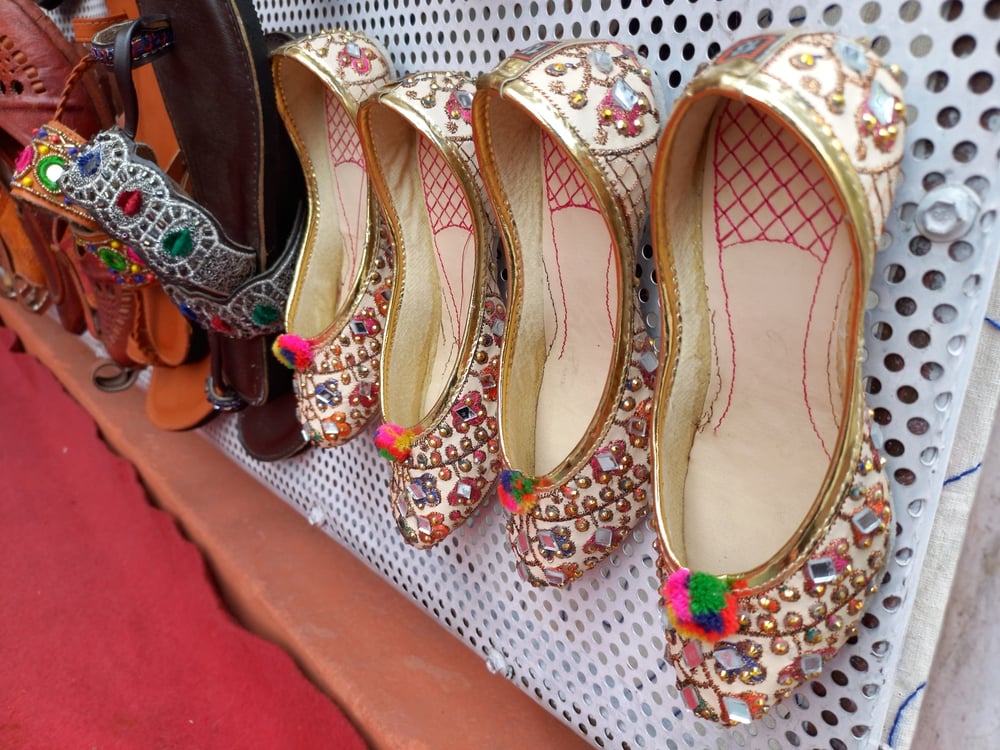
Mojari shoes curl upward at the toe like something from a fairy tale, their pointed tips reaching toward the sky with an optimism that seems to defy gravity. The embroidery that covers them tells stories in thread — peacocks and paisleys, flowers and geometric patterns that shimmer with gold and silver threads.
Traditional mojari were handcrafted by skilled artisans who learned their techniques through generations of family tradition. The upturned toe wasn’t merely decorative — it prevented the shoe from catching on the loose folds of traditional Indian garments while walking.
The leather was often treated with natural oils and dyes, creating shoes that grew more beautiful with age and wear.
Turkish Yemeni Shoes
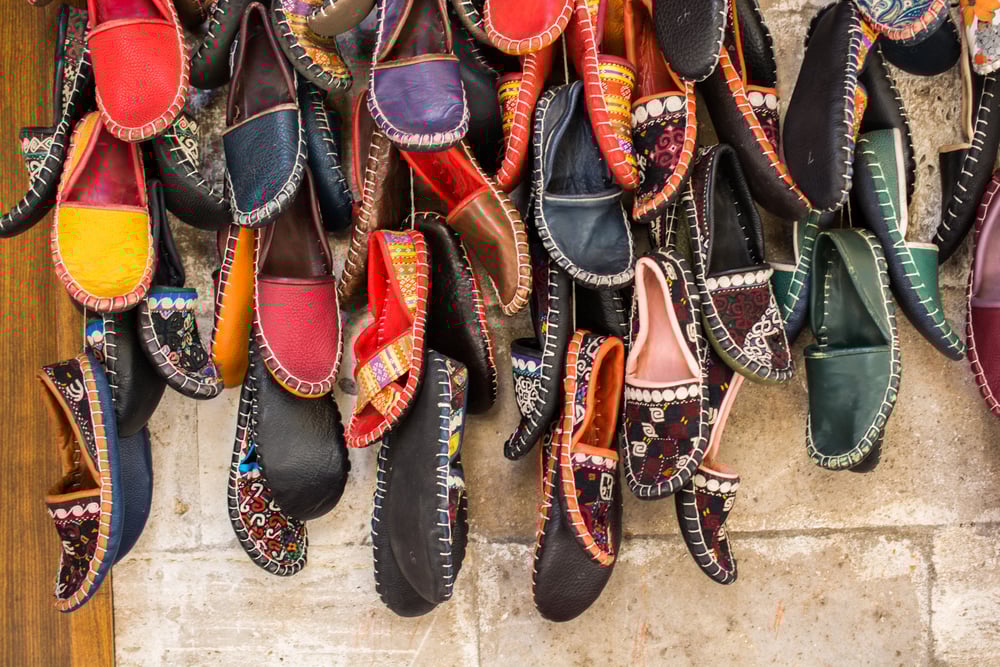
Yemeni shoes are proof that comfort and style don’t have to be mutually exclusive. These soft leather slippers were designed for a culture that valued both hospitality and practicality — shoes that could be slipped off quickly when entering homes or mosques, but sturdy enough for walking on cobblestone streets.
The pointed toe and minimal sole made them ideal for the prayer positions required in Islamic worship, while the soft leather allowed for natural foot movement. Artisans in different regions developed their own distinctive styles, with some featuring intricate tooled leather patterns and others remaining elegantly plain.
Russian Valenki
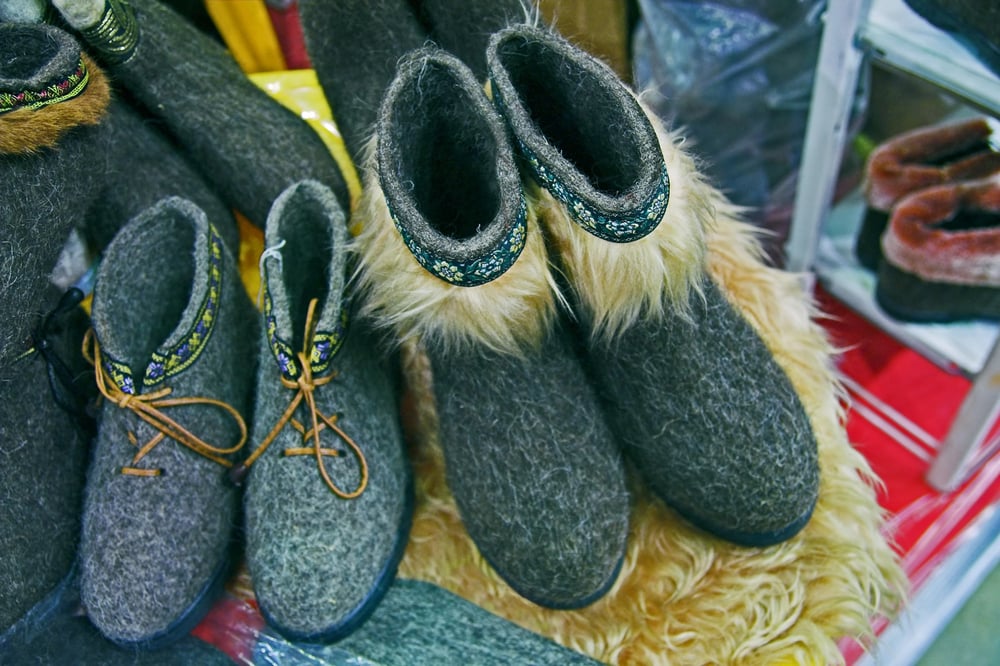
Felt boots that look like they were designed by someone who understood that Russian winters don’t negotiate. Valenki are made from pressed wool felt, created through a process that involves rolling, steaming, and shaping the material until it becomes dense enough to repel moisture while maintaining insulation properties.
These boots became so essential to Russian life that they appeared in folk songs, literature, and cultural traditions. The best valenki were made from sheep’s wool and could last for decades with proper care.
During Soviet times, they became a symbol of practical Russian ingenuity — footwear that prioritized survival over style and delivered on that promise reliably, year after year.
Mexican Huaraches
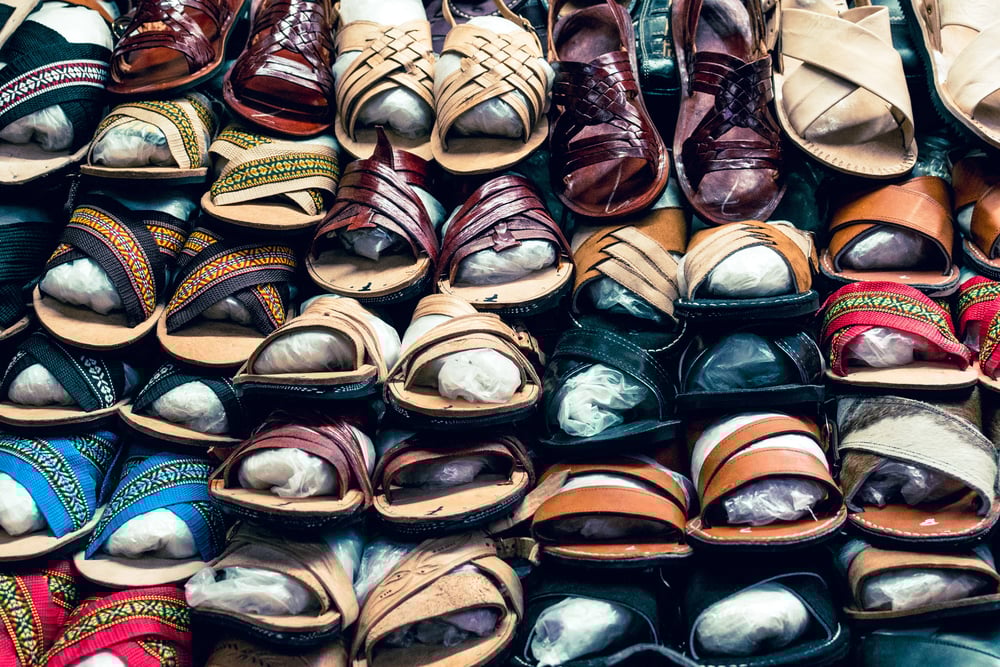
Huaraches turn the concept of a shoe into something more like a suggestion — strips of leather woven together in patterns that cover just enough of the foot to provide protection while leaving everything else open to air and movement. They’re shoes for people who understand that sometimes less really is more.
The weaving patterns varied by region and artisan, with some creating geometric designs and others following more organic, flowing lines. The leather strips were traditionally cut from a single piece of cowhide, with skilled craftsmen able to create an entire shoe from one carefully planned pattern.
The result was footwear that molded to the wearer’s foot over time, creating a custom fit that mass-produced shoes can’t match.
Scottish Ghillie Brogues
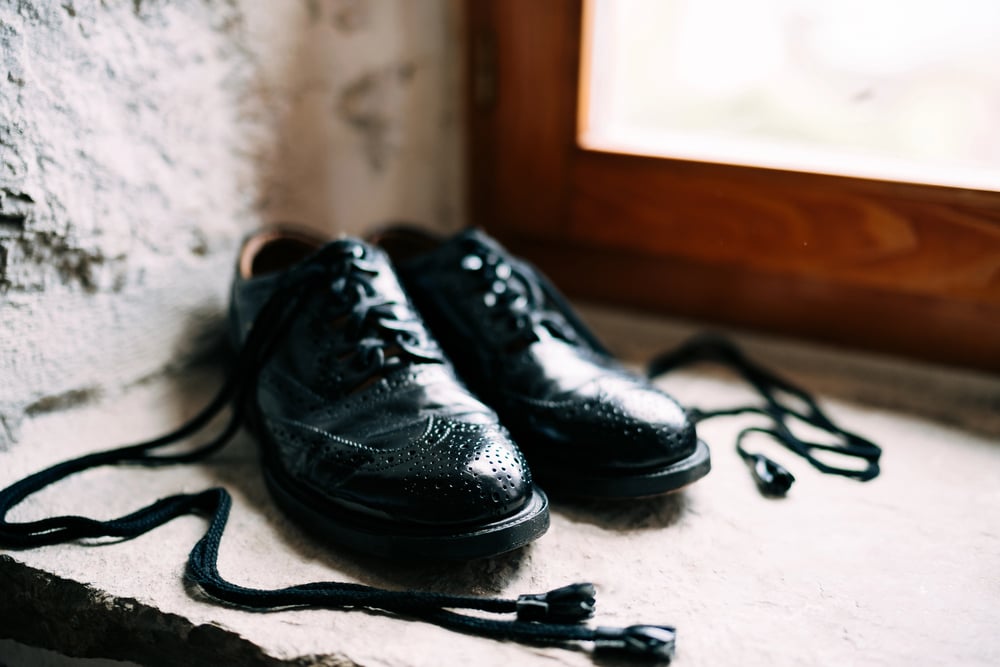
Ghillie brogues are shoes with an attitude problem — they refuse to use eyelets for their laces, instead threading the leather cords through punched openings in a way that takes twice as long to tie but looks infinitely more interesting. They’re footwear that insists on doing things the hard way because the hard way has character.
These shoes were originally designed for Scottish Highland dancing and military dress, with the long laces wrapping around the ankle and calf for security during energetic movement. The perforated leather allowed water to drain quickly after crossing streams or walking through wet Highland terrain, while the lack of eyelets prevented damage from rocks or rough use.
Ethiopian Tire Sandals
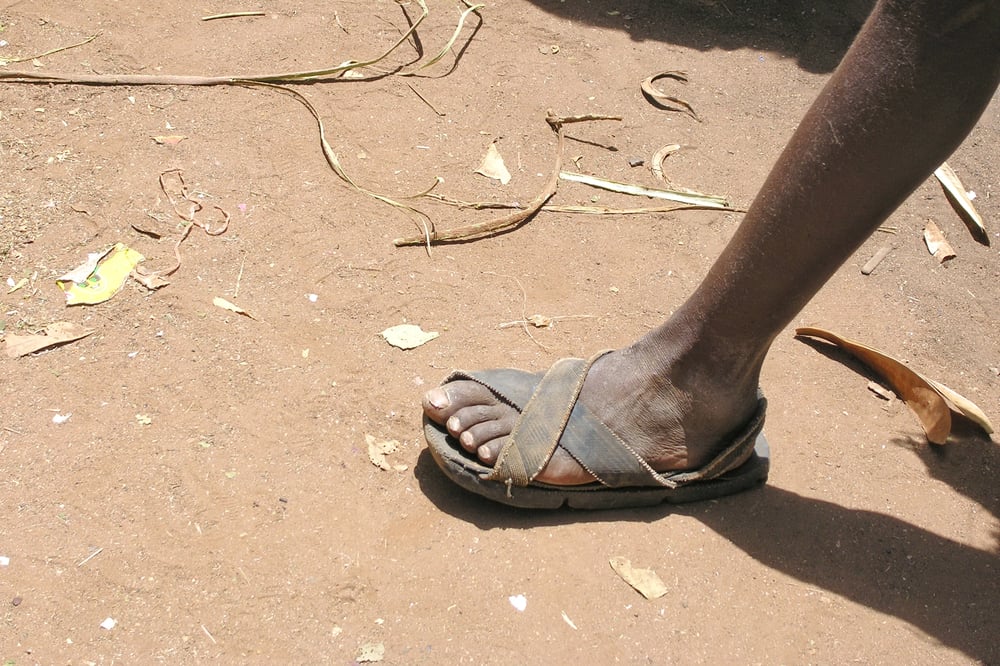
Innovation born from necessity produces some of the world’s most ingenious solutions, and Ethiopian tire sandals represent resourcefulness elevated to an art form. Craftsmen take discarded vehicle tires and transform them into durable, weather-resistant soles, then add leather straps to create footwear that can withstand harsh terrain and extreme weather conditions.
These sandals aren’t just recycling — they’re an improvement on traditional materials. Tire rubber provides better traction and longer wear than leather soles, while the thick tread patterns offer superior grip on rocky or uneven surfaces.
The result is footwear that costs a fraction of manufactured shoes while often outlasting them by years.
Korean Kkotsin
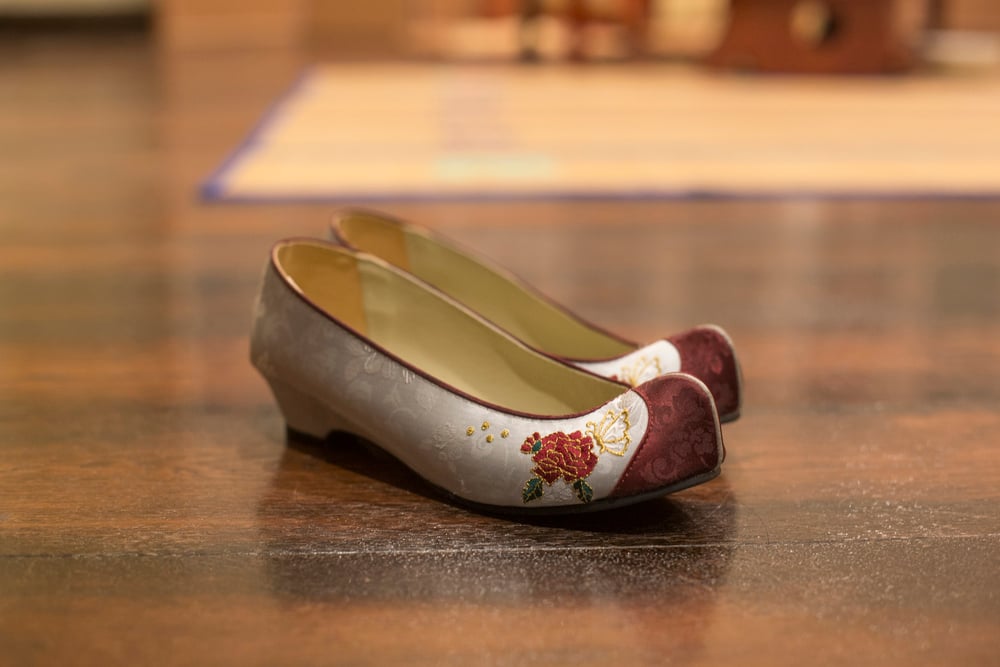
Kkotsin translates to “flower shoes,” and they live up to their name with embroidered designs that transform footwear into wearable gardens. These traditional Korean shoes feature upturned toes and are decorated with intricate floral patterns, birds, and butterflies that seem ready to flutter away from the silk fabric.
The shoes were traditionally worn by women of the upper classes during the Joseon Dynasty, with different colors and patterns indicating social status, marital situation, and age. The embroidery work was often done by the women themselves or by skilled needleworkers who specialized in this particular art form.
Each pair was unique, reflecting the personal taste and skill of its creator.
Moroccan Babouches
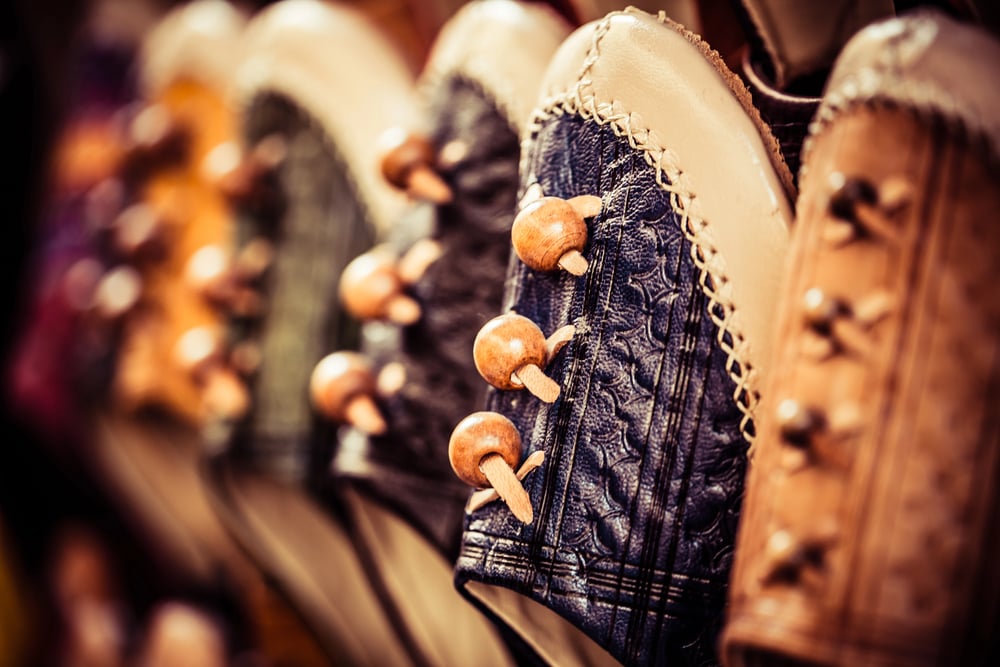
Babouches approach the question of heel support with characteristic North African pragmatism: they simply eliminate it entirely. These backless slippers can be worn as shoes or slippers depending on whether you step down the heel, making them perhaps the most adaptable footwear ever designed.
The pointed toe and soft leather construction made them ideal for the intricate tile floors and carpeted interiors common in Moroccan architecture. Artisans in cities like Fez developed distinctive regional styles, with some featuring geometric patterns tooled into the leather and others remaining plain except for their vibrant colors.
The leather was often dyed using traditional methods that created rich, deep hues that improved with age.
Walking Through Time
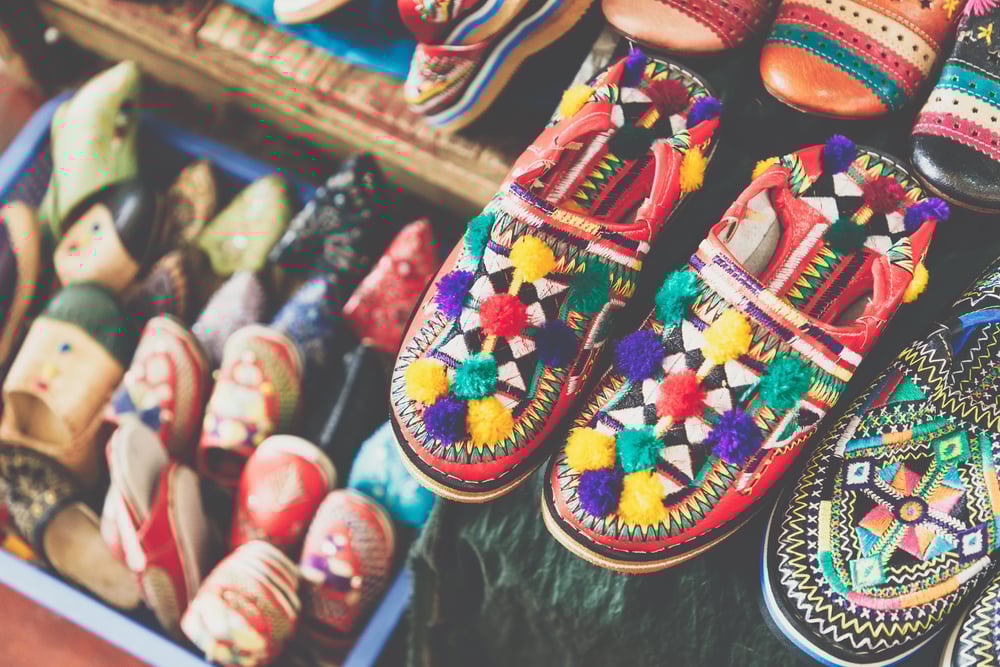
Shoes tell the story of human ingenuity in miniature — each design a solution to specific challenges of climate, terrain, culture, and daily life. These traditional styles remind us that there’s no single “right” way to protect and adorn our feet.
What looks strange to one culture makes perfect sense to another, shaped by centuries of practical wisdom and aesthetic preference. In our increasingly homogenized world, these distinctive footwear traditions preserve something irreplaceable: the understanding that form and function can dance together in ways that are both beautiful and deeply practical.
More from Go2Tutors!

- The Romanov Crown Jewels and Their Tragic Fate
- 13 Historical Mysteries That Science Still Can’t Solve
- Famous Hoaxes That Fooled the World for Years
- 15 Child Stars with Tragic Adult Lives
- 16 Famous Jewelry Pieces in History
Like Go2Tutors’s content? Follow us on MSN.



