Priciest Movie Props Ever Auctioned to Devoted Fans
Movie props carry something no amount of digital wizardry can replicate — the weight of being real. These objects existed in the same space as legendary actors, absorbed the chaos of film sets, and helped create moments that shaped entire generations.
When they surface at auction, collectors don’t just bid on pieces of wood, metal, or fabric. They’re buying fragments of dreams made tangible.
The Ruby Slippers from The Wizard of Oz
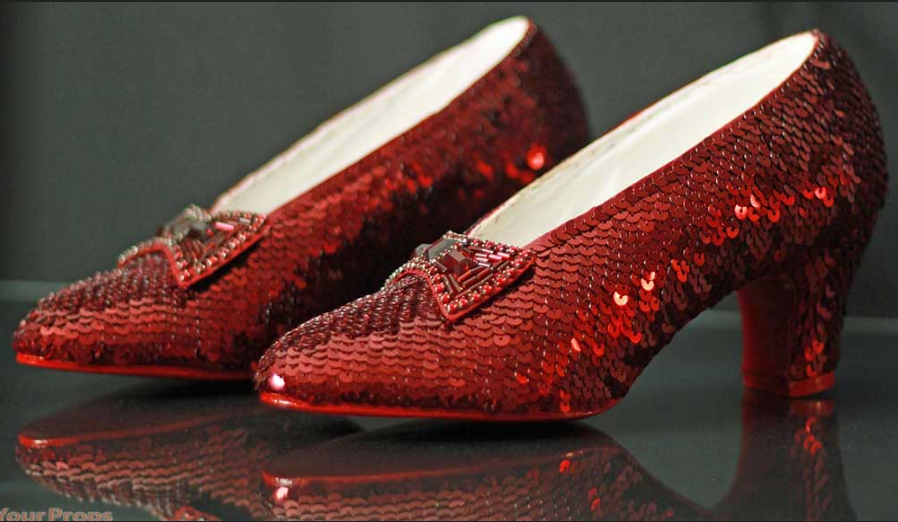
Dorothy’s ruby slippers sold for $666,000 in 2000, though their story runs deeper than any price tag suggests. These weren’t just shoes — they were the physical manifestation of hope itself, clicked together by a young woman desperate to return home.
The fact that multiple pairs exist (because filming is practical that way) somehow makes each one more precious rather than less, as if the magic had to be distributed across several vessels to contain it all.
Marilyn Monroe’s Subway Dress from The Seven Year Itch
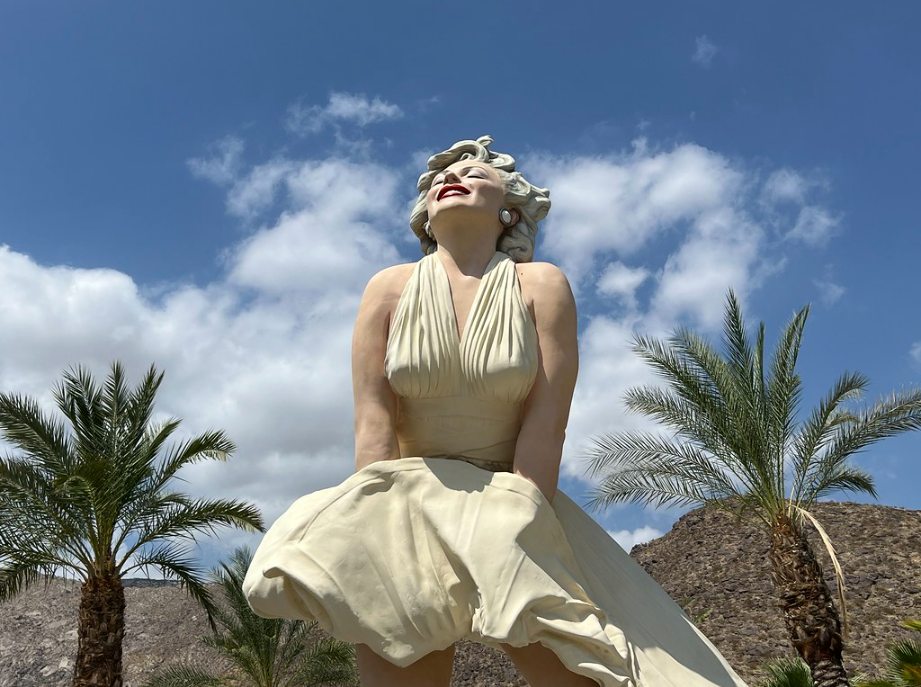
The white halter dress that billowed over Monroe’s subway grate became cinema’s most famous wardrobe malfunction. It fetched $4.6 million in 2011 (and here’s where it gets interesting, because auctions tend to reveal what we collectively value): this piece of fabric commanded more money than most people’s houses.
The dress represents that precise moment when Hollywood figured out how to bottle sensuality and sell it back to the world. But here’s the thing about Monroe’s dress that makes it different from other costume pieces — it witnessed the end of her marriage to Joe DiMaggio, who reportedly stormed off the set that night, furious about the crowd’s reaction.
So you’re not just buying a dress; you’re buying a front-row seat to heartbreak.
James Bond’s Aston Martin DB5
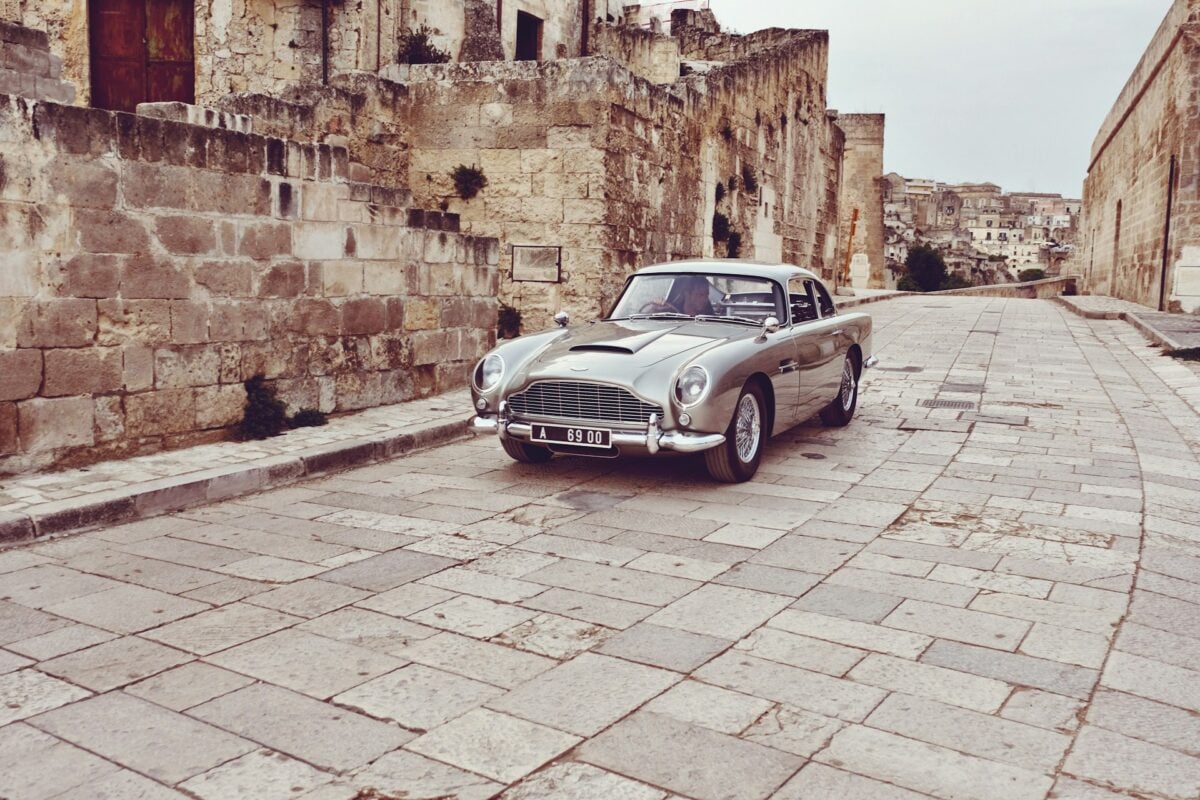
The car that taught a generation of moviegoers to expect ejector seats and tire slashers brought in $4.1 million when it crossed the auction block. This wasn’t just automotive eye candy — it was the moment when gadgets became as important as the spy wielding them.
Every subsequent action hero would have to measure up to a car that could turn bulletproof and shoot down helicopters.
C-3PO’s Head from Star Wars
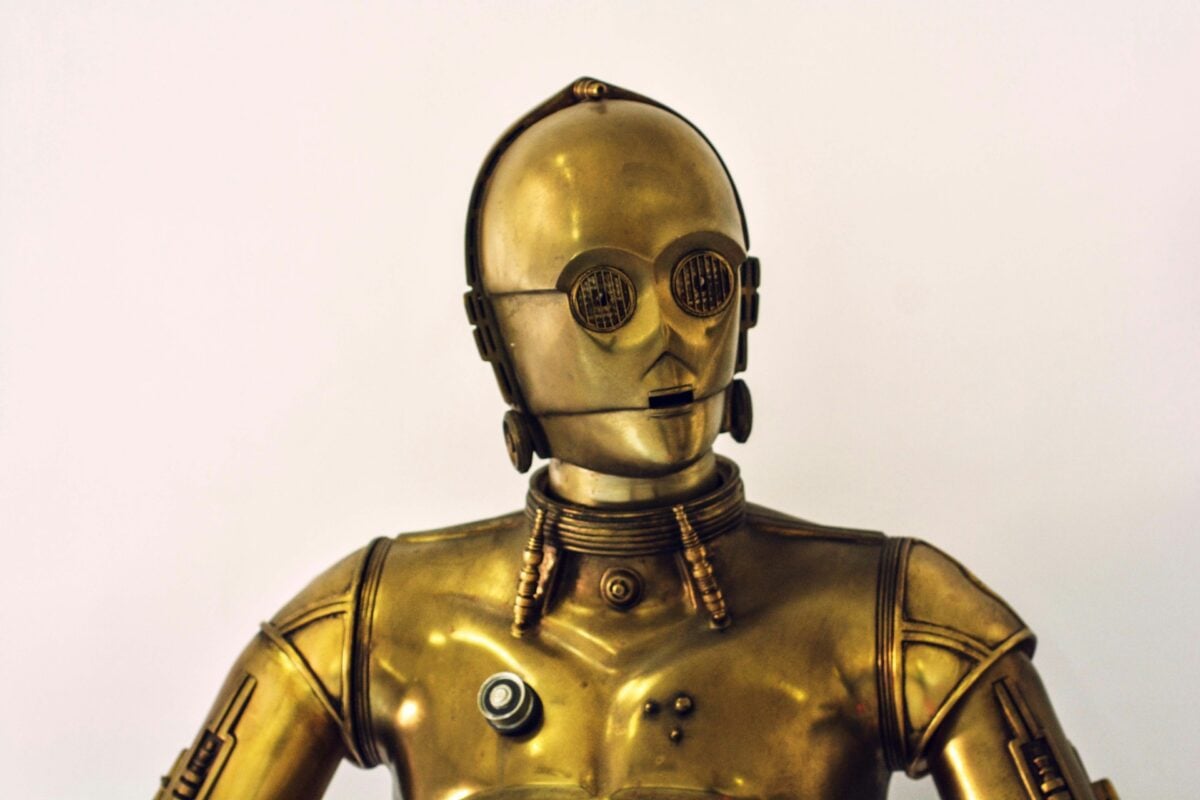
Anthony Daniels spent years sweating inside this golden dome, and collectors paid $245,000 for the privilege of owning it. The head represents something oddly touching about movie magic — here’s this sophisticated piece of costume design that created one of cinema’s most neurotic characters, and it’s essentially a very expensive helmet with limited visibility.
Daniels couldn’t see much while wearing it, which explains why C-3PO always seemed slightly confused about his surroundings.
The Cowardly Lion Costume
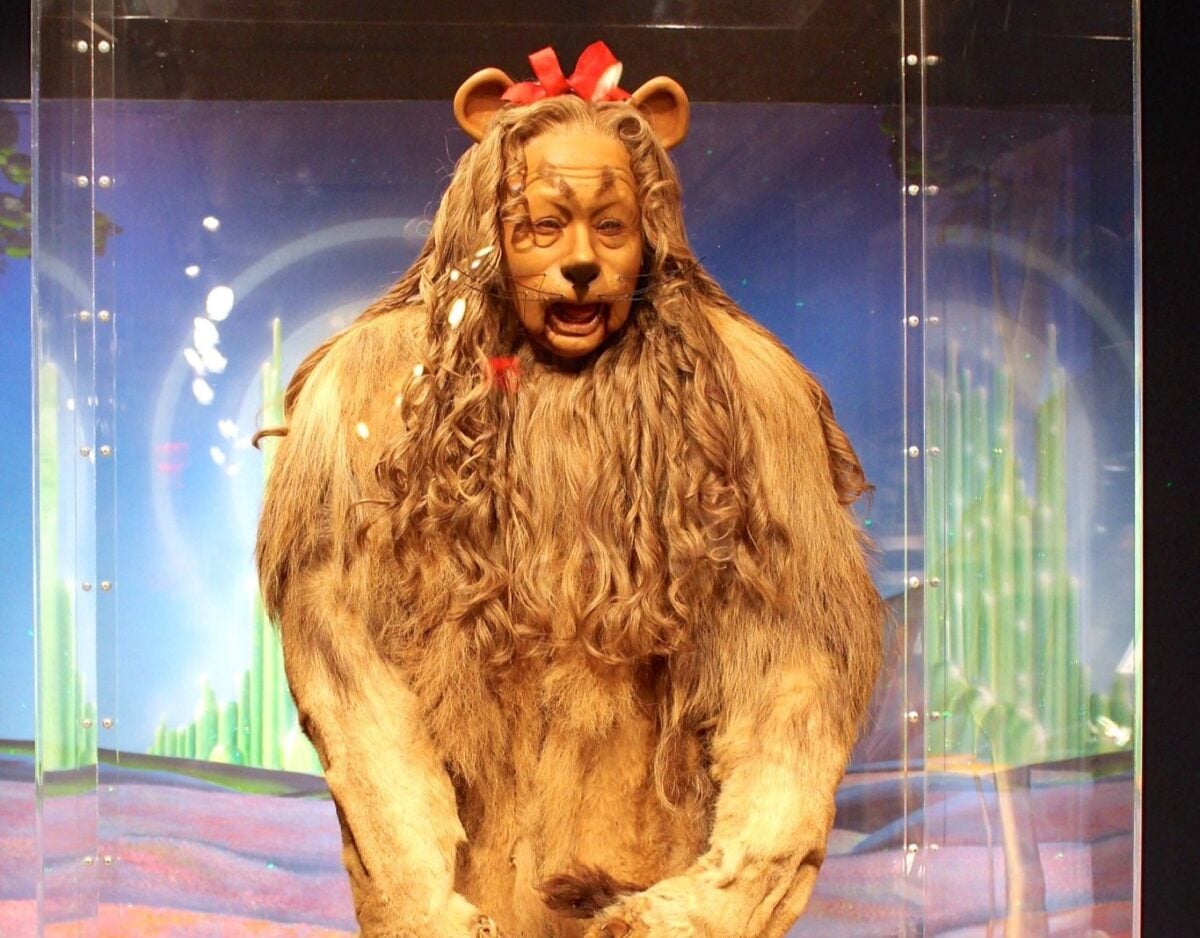
Bert Lahr’s Lion costume from The Wizard of Oz commanded $805,000, and touching this piece means connecting with one of film’s most unexpectedly profound performances. The costume weighs about 50 pounds (because real lion pelts don’t compromise), and Lahr had to endure hours in that sweltering outfit to deliver a performance about finding courage you already possess.
The irony writes itself — it took genuine bravery to wear the Cowardly Lion’s skin. Consider the strange intimacy of owning someone else’s sweat-soaked costume, especially one worn during the creation of art that has comforted children for eight decades.
The Lion’s outfit isn’t just fabric and fur; it’s a meditation on vulnerability made tangible, a reminder that admitting fear often requires more strength than pretending fearlessness.
Robby the Robot
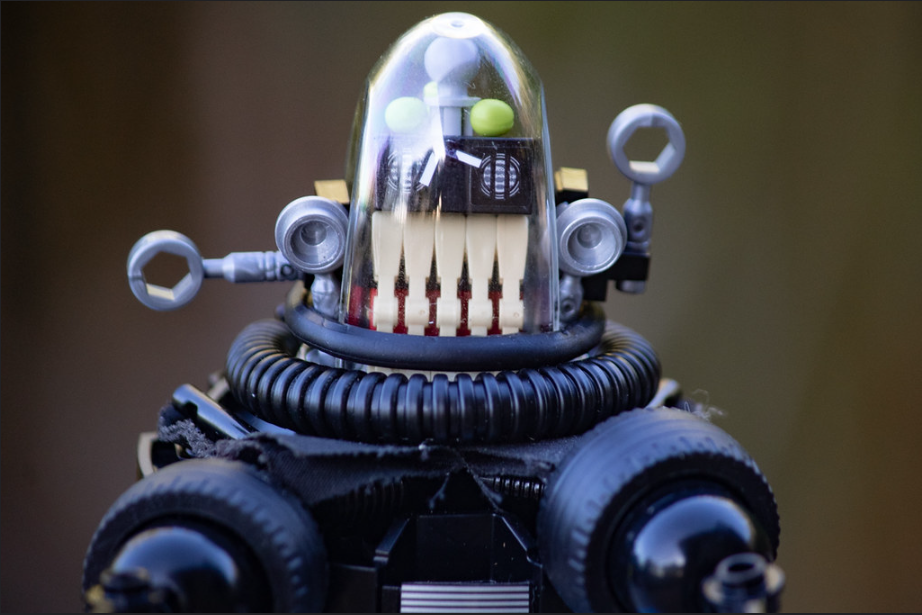
This mechanical marvel from Forbidden Planet sold for $5.375 million, making it one of the most expensive movie props ever auctioned. Robby wasn’t just ahead of his time — he helped define what movie audiences would expect from robots for the next 70 years.
Every droid, android, and artificial being in cinema owes something to this walking jukebox of whirs and clicks.
The Maltese Falcon
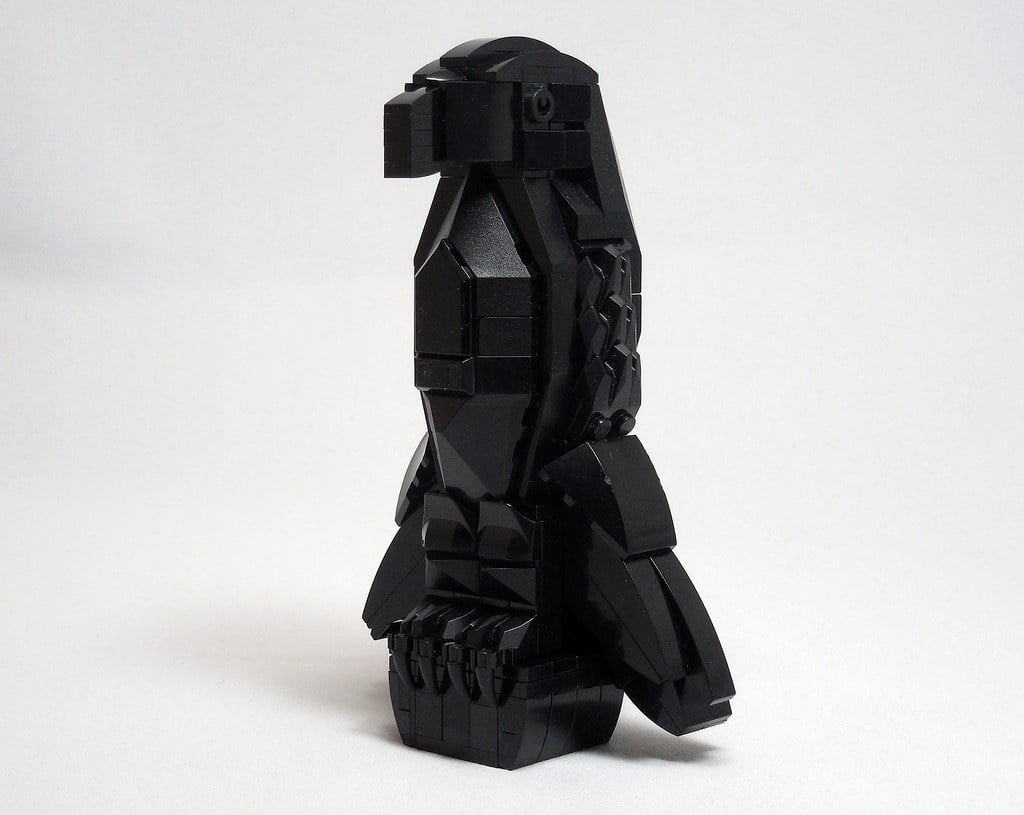
The black bird that launched a thousand film noir imitations brought in $4.1 million at auction. This chunk of resin and lead created the template for every MacGuffin that followed — the object everyone wants but nobody really needs.
Dashiell Hammett invented the concept, but the physical prop made it real enough to kill for. The falcon sits heavy in your hands, which seems appropriate for something that represents the weight of human greed.
Holding it means understanding why Sam Spade and company lost their minds chasing after what amounts to an expensive doorstop.
Dorothy’s Dress from The Wizard of Oz
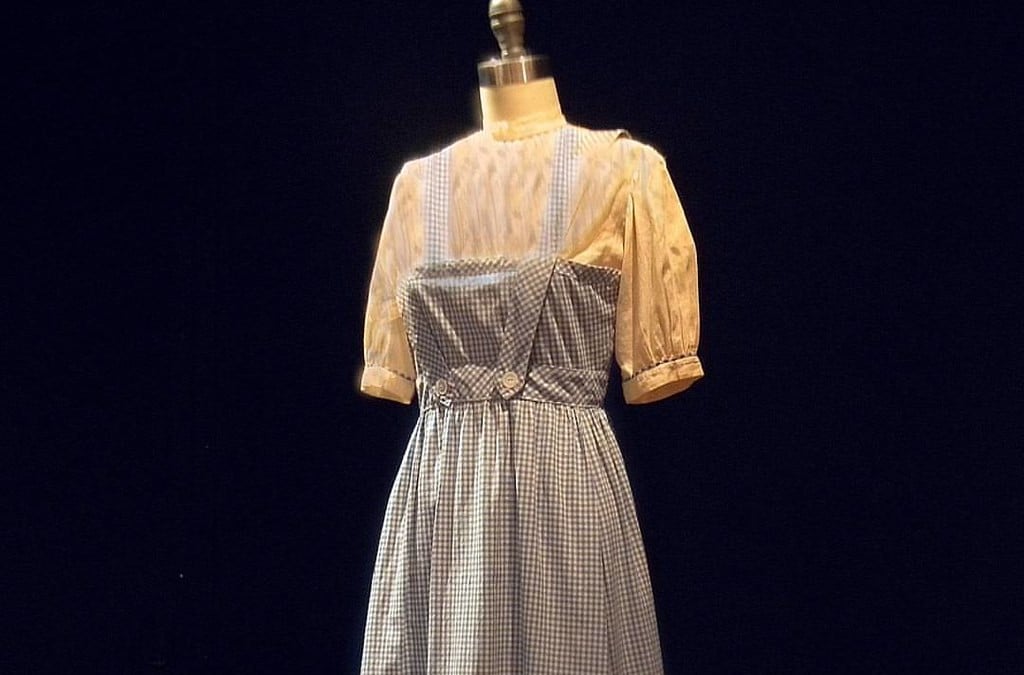
The blue gingham dress that defined innocence for generations sold for $1.5 million in 2015. This simple farm girl’s outfit somehow convinced the world that Kansas represented everything pure and honest about America, which is quite a burden for a piece of checkered fabric to carry.
Indiana Jones’ Fedora
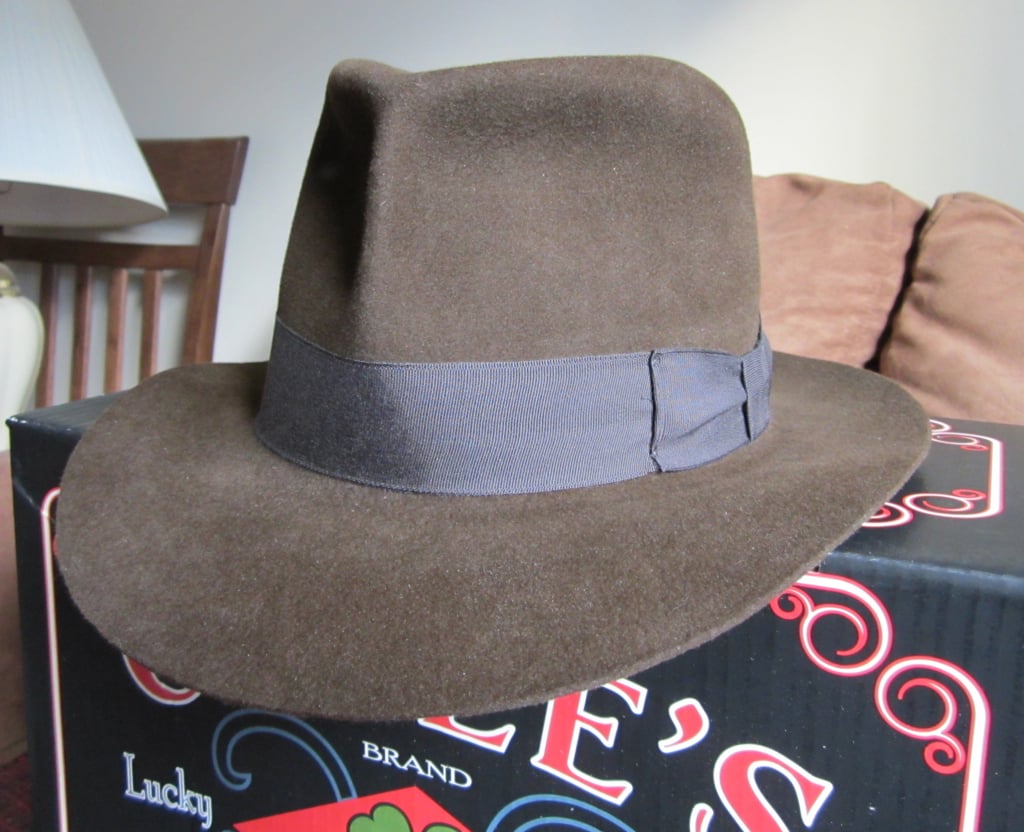
Harrison Ford’s hat from Raiders of the Lost Ark fetched $570,000, proving that sometimes the simplest props carry the most weight. This brown felt fedora transformed an actor into an icon and convinced millions of moviegoers that archaeology was the most exciting profession on Earth.
University archaeology departments still deal with students who show up expecting whips and booby traps instead of dental picks and paperwork. The hat’s power lies in its ordinariness — strip away the adventures, and Indiana Jones is just a professor with decent headwear.
But put that fedora on Ford’s head, and suddenly you believe a college instructor could outrun boulders and survive snake pits.
The Time Machine from the 1960 Film
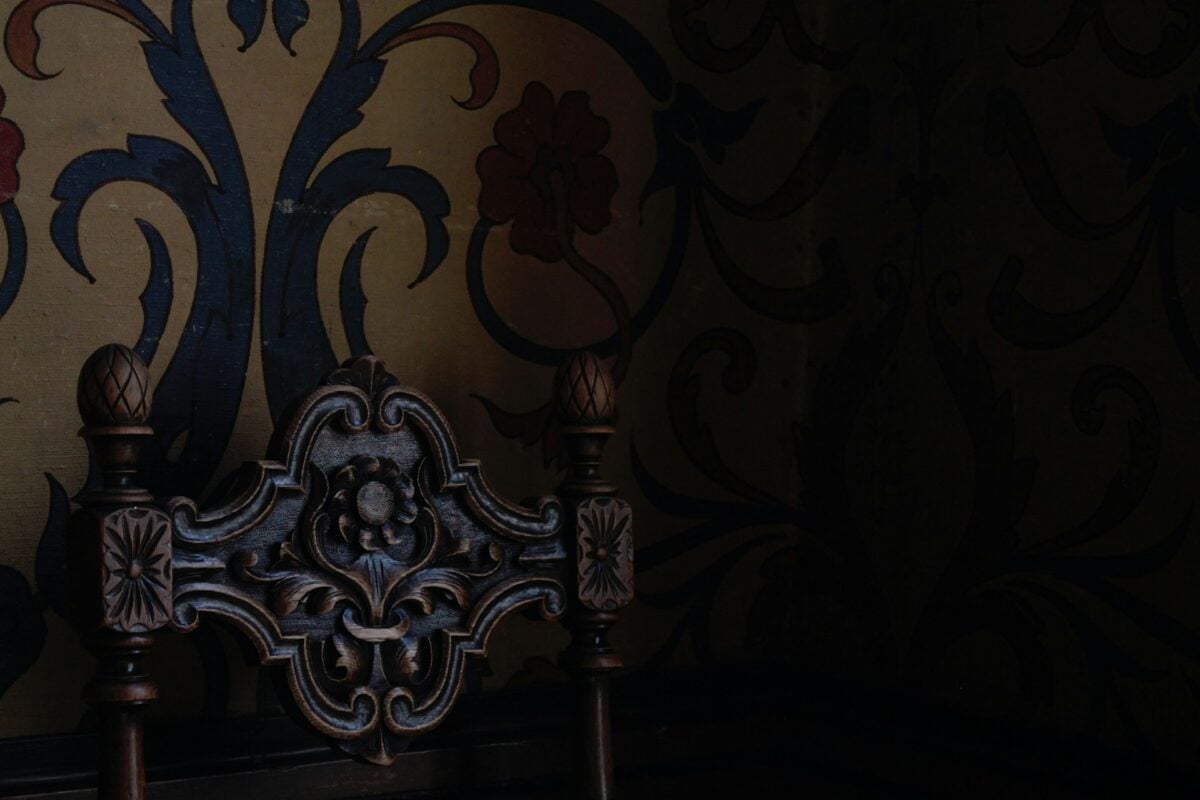
H.G. Wells’ vision made physical sold for $1.2 million, and owning this prop means possessing humanity’s most persistent fantasy — the ability to correct mistakes or peek around time’s corner. The machine itself looks deceptively simple, like an ornate Victorian chair that someone attached brass fittings to, which makes its $1.2 million price tag seem either completely reasonable or utterly insane, depending on how you feel about time travel.
Luke Skywalker’s Lightsaber
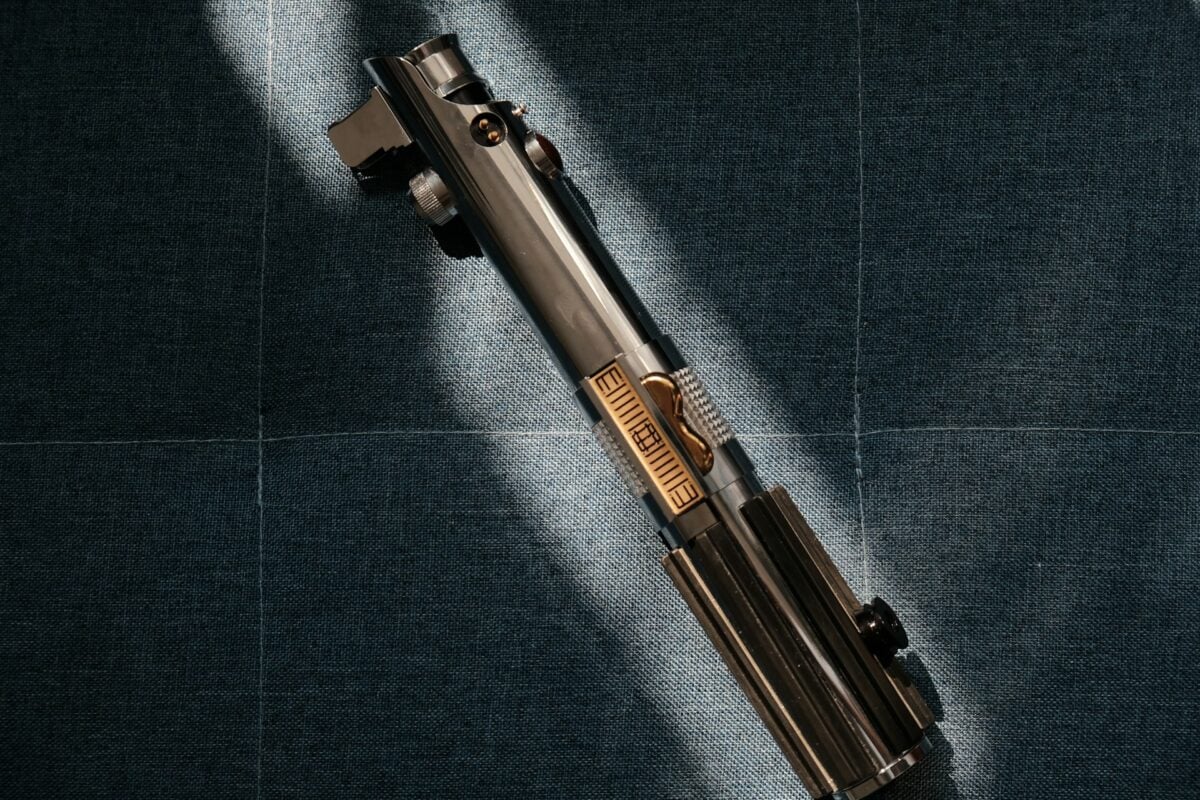
The weapon that launched a thousand playground battles brought in $450,000 at auction. This elegant weapon for a more civilized age started life as camera flash handles and random plumbing parts, proving that movie magic often begins in hardware stores.
The lightsaber taught an entire generation that the most powerful weapons hum instead of bang.
The Batmobile from Batman Returns
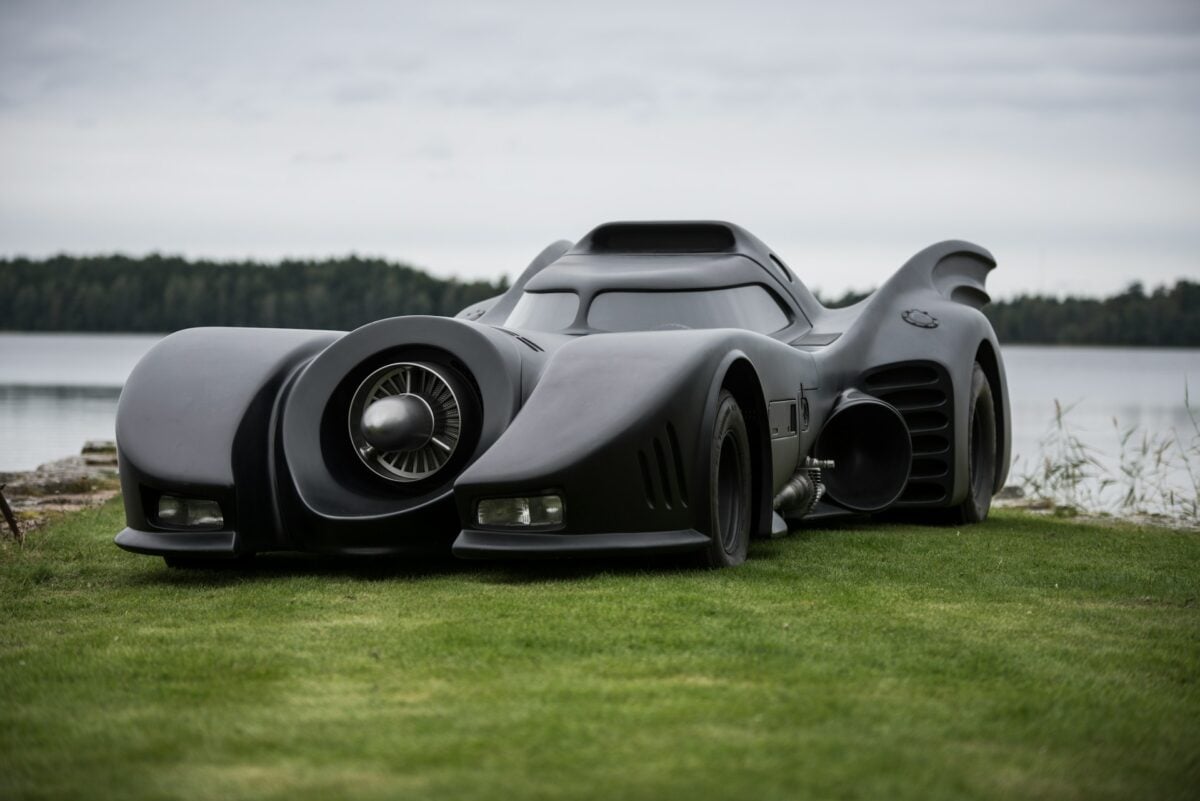
Tim Burton’s Gothic interpretation of Batman’s ride commanded $4.2 million from collectors who understood that this wasn’t just a car — it was a mobile piece of architecture. Burton reimagined Gotham as a city where gargoyles could come to life, and the Batmobile fit that world perfectly: sleek, mysterious, and vaguely threatening even when parked.
Superman’s Cape from Superman: The Movie
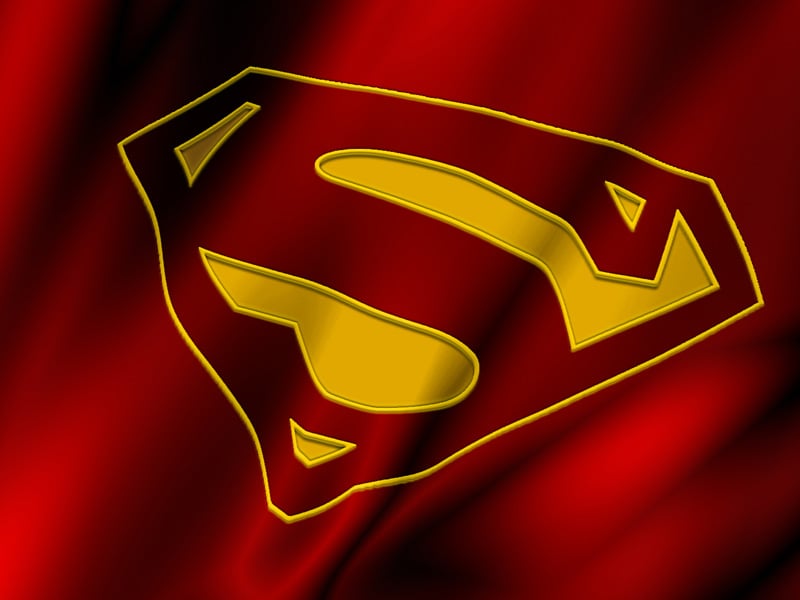
Christopher Reeve’s red cape sold for $193,750, carrying with it the weight of being cinema’s first convincing superhero. This piece of fabric had to make audiences believe a man could fly, which seems like an impossible task until you remember how Reeve made it look effortless.
The cape moved like it had a mind of its own, flowing and billowing in ways that suggested actual superpowers rather than wind machines and careful choreography. The cape represents that brief moment in cinema when earnestness was fashionable, when a superhero could save cats from trees without ironic commentary.
Reeve wore it like he genuinely believed in what Superman stood for, and somehow that sincerity transferred to the fabric itself.
The Lasting Power of Physical Magic
These prices reveal something touching about human nature — we still crave connection to the tangible, even in an increasingly digital world. A prop carries the fingerprints of actors, the scuffs of multiple takes, the wear patterns of repeated use.
Computer-generated effects can create anything imaginable, but they can’t leave physical evidence of their existence. These auctioned treasures prove that sometimes the most valuable magic is the kind you can actually touch.
More from Go2Tutors!

- The Romanov Crown Jewels and Their Tragic Fate
- 13 Historical Mysteries That Science Still Can’t Solve
- Famous Hoaxes That Fooled the World for Years
- 15 Child Stars with Tragic Adult Lives
- 16 Famous Jewelry Pieces in History
Like Go2Tutors’s content? Follow us on MSN.



