Products Pulled from Shelves After Warnings Came too Late
Numerous consumer products reached mass distribution before safety issues generated sufficient complaints to warrant withdrawal. By then, millions had purchased and used them.
The pattern repeats across decades and industries: products released without adequate testing, safety concerns emerging only after widespread distribution, and withdrawal occurring years after hazards were first documented. By the time removal came, the damage was already done.
Asbestos-Containing Products (Widespread Through 1970s-1980s)

Asbestos in brake pads, insulation, ceiling tiles, and countless other building materials remained on shelves and in use for decades after health effects were thoroughly documented in medical literature and scientific studies. Despite mounting evidence of carcinogenic effects and mesothelioma risk dating back to the 1920s, products continued to be sold, installed, and used throughout homes and buildings.
Gradual phase-outs rather than immediate recalls meant that exposure continued through the 1970s and 1980s, with millions still encountering asbestos in their environments years after dangers were conclusively proven.
Lead Paint Products (1970s-1980s)

Products containing lead paint remained available through much of the 1970s and 1980s despite well-established neurotoxicity evidence documented since the early twentieth century. Rather than immediate bans, paint manufacturers faced a slow regulatory phase-out that allowed continued sales and renovation use.
Children in millions of homes continued exposure to lead paint dust and chips years after the hazard was definitively established.
PCB-Containing Electrical Equipment

Transformers and electrical products containing polychlorinated biphenyls remained in use and production for decades despite known contamination and bioaccumulation risks documented from the 1960s onward. The chemicals persisted in the environment indefinitely and accumulated in human tissue, yet equipment continued to operate in buildings and infrastructure through the 1980s and beyond.
Regulatory phase-outs took years to implement despite scientific consensus about persistent toxicity.
Thalidomide Medications

Medications containing thalidomide for pregnancy-related nausea remained available for years after birth defect risks were conclusively documented in some countries, while continuing in others with inadequate warning labels. The drug was marketed in Europe and other regions even after American regulators had restricted it, with women of childbearing age continuing exposure.
Thousands of children worldwide were born with severe limb malformations before the medication was finally withdrawn from most markets in the 1960s.
Fen-Phen Diet Pills

Weight loss medications combining fenfluramine and phentermine were sold extensively throughout the mid-1990s before cardiovascular risks prompted rapid withdrawal in September 1997. In July 1997, Mayo Clinic researchers identified 24 previously healthy women who developed serious heart valve disease after approximately one year of use, yet the drug had been marketed to an estimated 18 million Americans by 1996.
The medications remained available during the two-month gap between the Mayo Clinic report and withdrawal, exposing additional patients to potentially fatal cardiac complications.
Vioxx Pain Medication
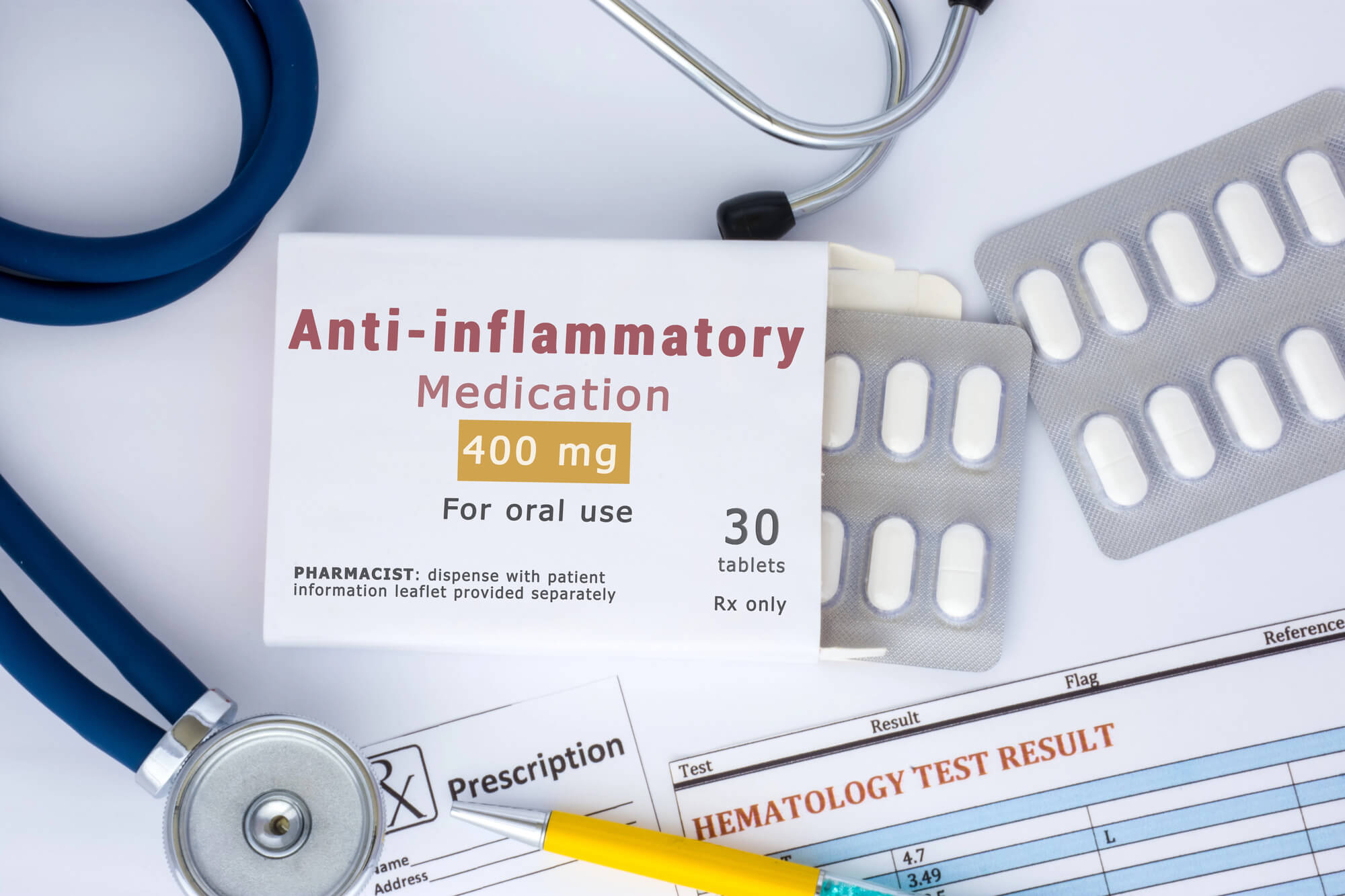
The arthritis painkiller remained on the market from its FDA approval in May 1999 through September 2004—five years of widespread use—despite mounting cardiovascular risk evidence. The manufacturer received an FDA warning letter in 2001 for “false and misleading” promotional claims about safety, yet the drug continued distribution with only label modifications.
By the time the drug was withdrawn, approximately 20 million Americans had taken Vioxx, and research published in The Lancet estimated 88,000 Americans had heart attacks from the medication, with 38,000 deaths.
Talc Products With Asbestos Contamination
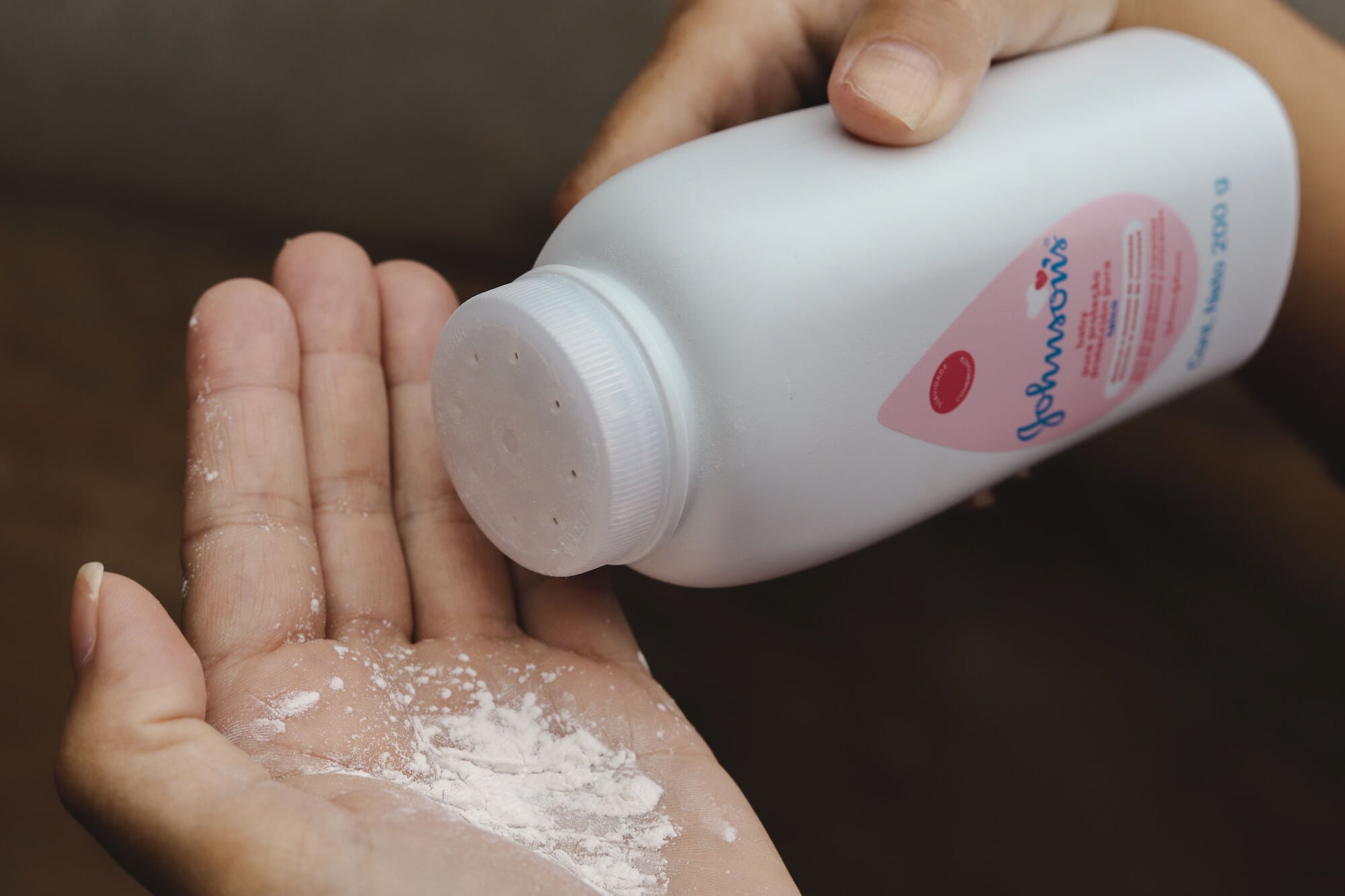
Talc products including baby powder and cosmetics remained on shelves despite documented asbestos contamination and established links to ovarian cancer. The talc industry knew of asbestos contamination in their raw materials for decades but continued distribution with minimal warning labels.
Millions of women used contaminated talc products throughout their lifetimes, only learning of cancer risks after diagnoses emerged and litigation revealed internal company knowledge.
CFC-Based Refrigerants

Refrigeration products and air conditioning systems continued using CFCs (chlorofluorocarbons) for years after ozone depletion effects were thoroughly documented in scientific literature. Despite clear evidence of stratospheric ozone damage accumulating from the 1970s onward, manufacturers continued producing and distributing CFC-based systems through the 1980s.
The persistent chemicals continued damaging the ozone layer for decades after release, with no immediate withdrawal of existing products.
Radium-Containing Products

Radium-infused products ranging from toothpaste and cosmetics to vaginal suppositories and water treatment systems remained available long after radiation dangers were well-known to medical professionals. Companies marketed these products as health-promoting despite understanding their radioactive nature, with some products remaining on shelves into the 1940s-1950s.
Consumers unknowingly ingested, inhaled, and absorbed radioactive material for years based on marketing claims rather than health warnings.
DDT Pesticide Products

Pesticide products containing DDT remained in consumer use years after environmental persistence and bioaccumulation effects were firmly established in the scientific literature. Despite growing evidence of eggshell thinning in birds, biomagnification in food chains, and human tissue accumulation, DDT products continued to be sprayed in residential areas, applied to crops, and sold for home use.
The pesticide wasn’t banned until 1972 in the United States, despite clear hazard documentation a decade earlier.
Formaldehyde-Containing Insulation
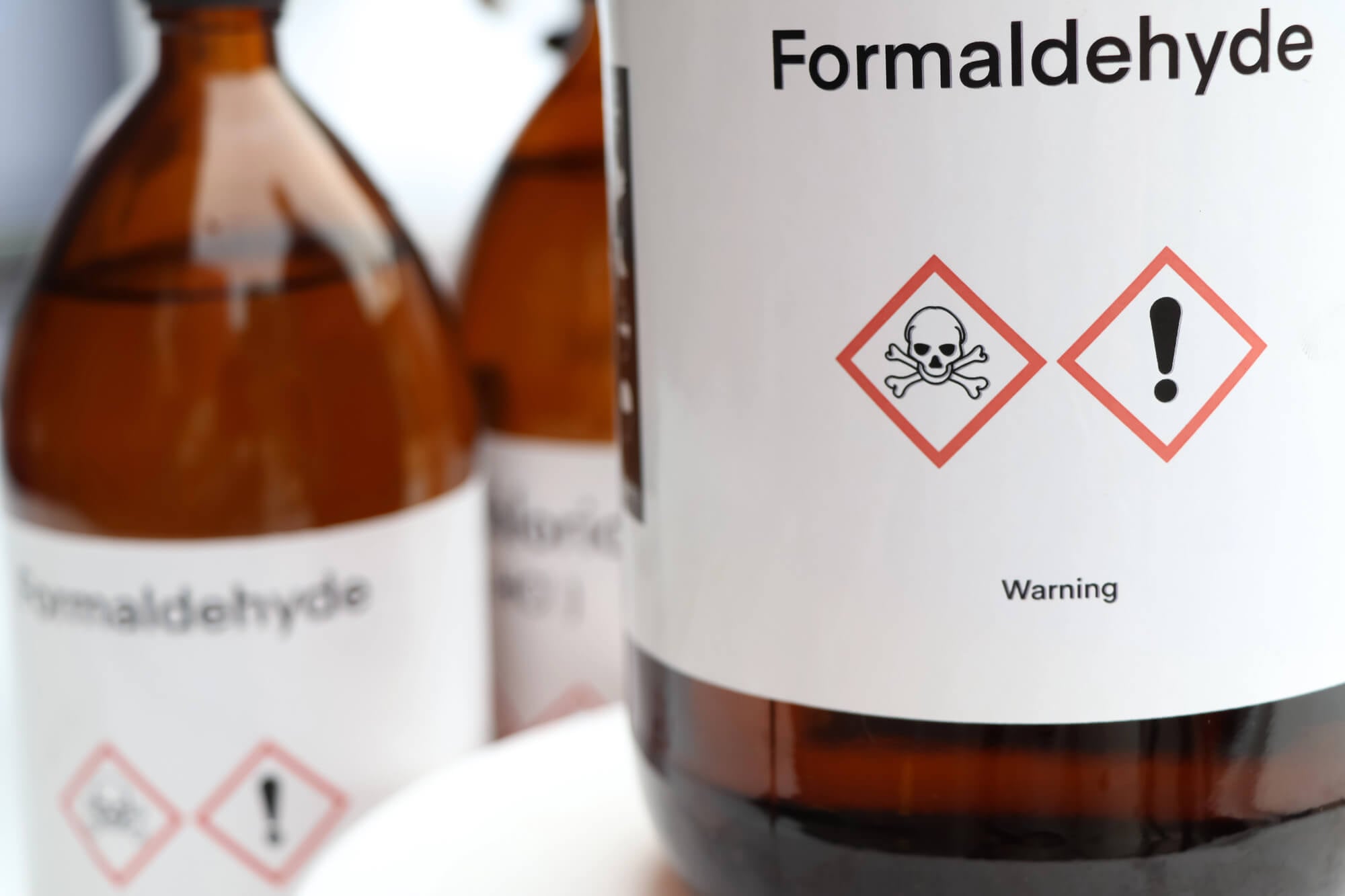
Urea-formaldehyde foam insulation remained installed in millions of homes despite off-gassing health concerns documented before the material gained widespread use in the 1970s. The material was marketed aggressively as energy-efficient despite evidence of toxic formaldehyde release into indoor air causing respiratory problems, allergic reactions, and possible carcinogenic exposure.
Homeowners lived with contaminated insulation for years, sometimes without knowledge of the health risks.
Cigarettes (Throughout Twentieth Century)

Despite well-documented health effects established by the 1950s and definitively confirmed by the 1964 Surgeon General’s Report, cigarettes remained freely available and aggressively marketed for decades. The tobacco industry suppressed research about addiction and health risks while continuing to sell products to millions, including children.
Marketing claims about “safer” cigarettes persisted even after government warning labels were mandated, with continued aggressive advertising normalizing their use.
Surgical Mesh Implants
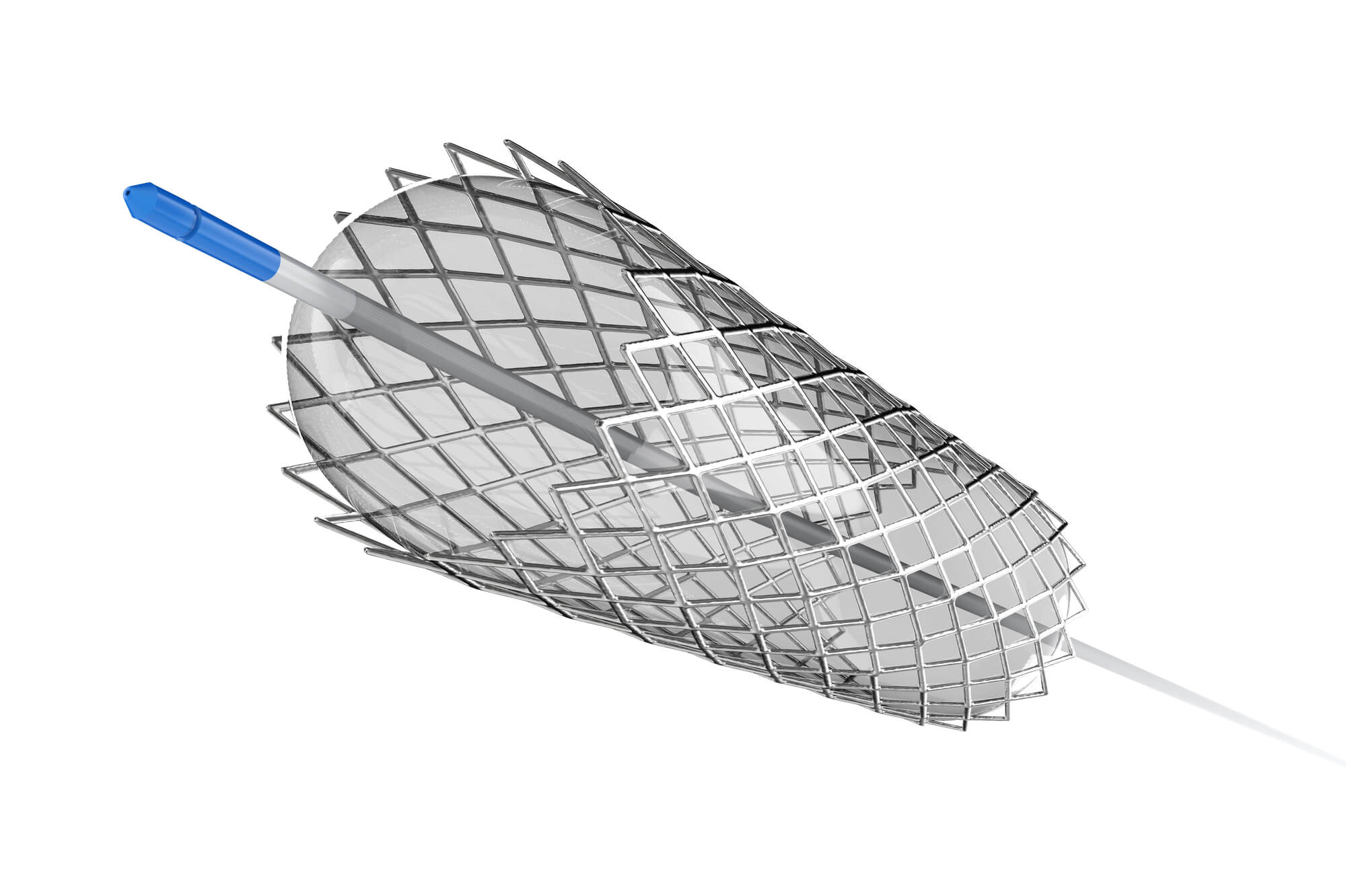
Medical devices implanted to reinforce hernia repairs and pelvic floor treatments remained in widespread use despite accumulating reports of complications, material degradation, and severe tissue reactions. Surgeons continued implanting mesh despite mounting evidence of chronic pain, erosion, and organ damage requiring revision surgery.
The devices remained available long after complications became clear, with regulatory warnings coming years after widespread implantation.
Certain Antiarrhythmic Drugs

Cardiac medications for abnormal heart rhythm remained prescribed for decades despite studies showing increased mortality in certain patient populations with specific heart conditions. Physicians continued recommending the drugs despite clinical trial data demonstrating they worsened outcomes for specific cardiac patients.
Withdrawal from these indications came slowly despite clear evidence of harm, with some patients suffering fatal arrhythmias while taking medications meant to prevent them.
Hormone Replacement Therapy (Later Formulations)

Hormone therapies remained widely prescribed to millions of women despite accumulating evidence of increased disease risk, particularly for certain cancer and cardiovascular events. The Women’s Health Initiative study halted early in 2002 due to safety concerns, yet many women continued use after temporary cessation as manufacturers and physicians downplayed findings.
Years of widespread prescription preceded the full acceptance of cardiovascular and cancer risks.
Propylene Glycol Antifreeze

Products containing propylene glycol remained readily available despite poisoning risks and documented toxicity cases in children and animals. Manufacturers resisted warning labels and child-resistant packaging for years despite accumulating poisoning incidents.
The sweet-tasting liquid continued to be stored in accessible locations in homes and garages, resulting in unintentional ingestion deaths before adequate warnings became standard.
Benzene-Containing Consumer Products

Numerous household products contained benzene long after leukemia risk and hematologic effects were thoroughly documented in occupational and medical literature. Solvents, adhesives, and cleaning products continued containing benzene despite clear carcinogenic risk, with consumer exposure occurring through skin contact and inhalation.
Products remained on shelves with minimal warnings about benzene content and associated cancer risk.
Polyurethane Foam Cushioning

Foam products in furniture, bedding, and vehicles remained in use despite known flammability dangers and toxic smoke generation during fires. The foam degraded over time, releasing volatile organic compounds and particulates into indoor air.
Despite documented fire hazards and smoke toxicity, manufacturers resisted flame-retardant requirements and safer foam alternatives for years.
Certain Anti-Inflammatory Medications (NSAIDs)
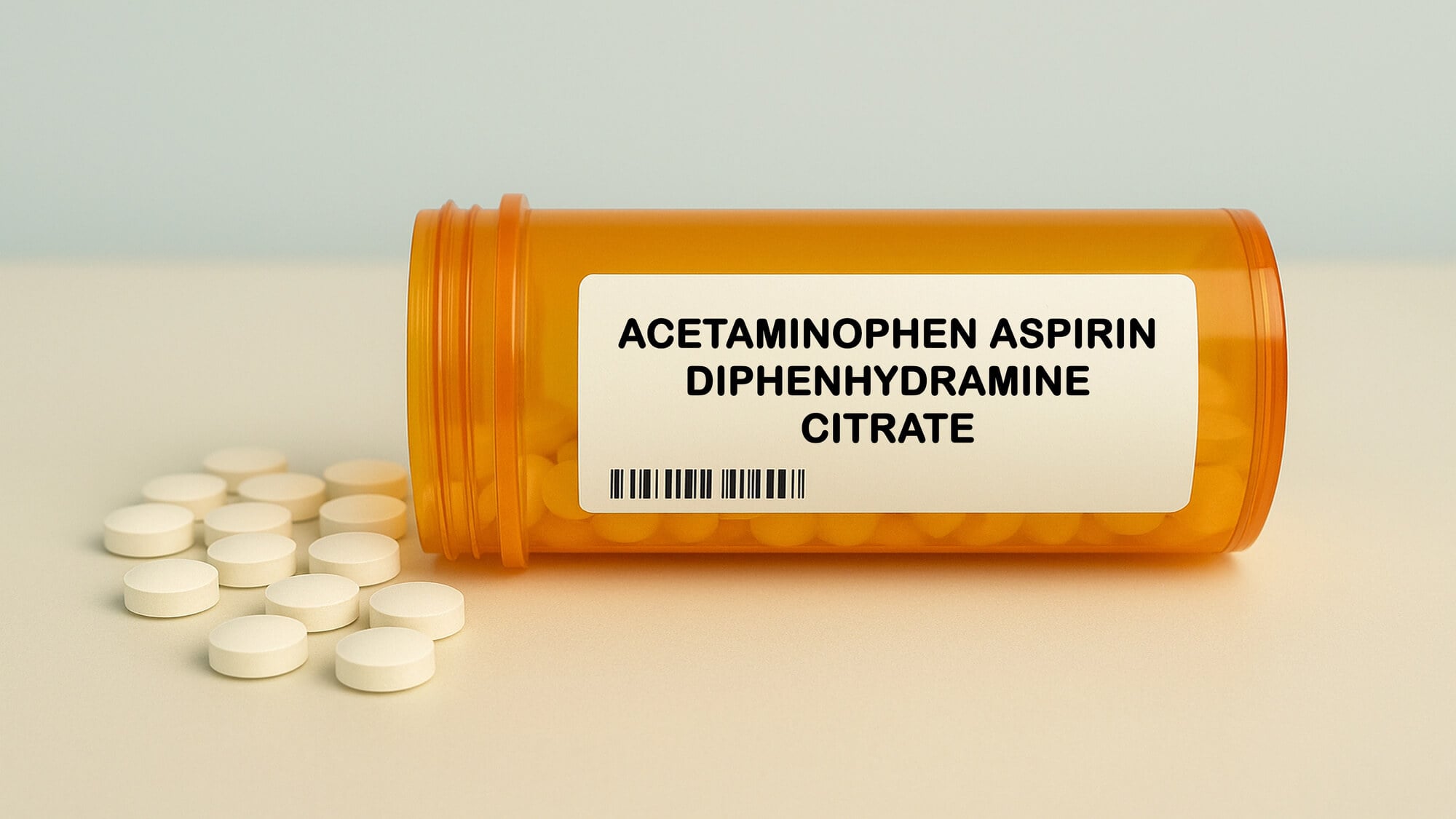
NSAIDs remained freely available over-the-counter and by prescription despite documented gastrointestinal and cardiovascular risks requiring eventual warning label changes. Medical professionals and consumers remained unaware of bleeding and ulcer risks for years after data emerged, with thousands of hospitalizations and deaths occurring before adequate warnings reached the market.
Regulatory changes to labeling lagged substantially behind medical evidence.
Methylmercury-Containing Products

Products containing mercury derivatives remained available despite documented neurotoxicity effects on developing fetuses and children. Teething powders, diaper rash creams, and other topical products contained mercury-based compounds that were absorbed through skin.
Neurological damage from prenatal and childhood mercury exposure occurred in thousands before products were finally withdrawn.
Certain Anticancer Drugs (Early Formulations)
Chemotherapy drugs remained in use despite inadequate safety data and accumulating reports of severe side effects beyond intended cytotoxic actions. Patients received treatments with limited understanding of long-term complications, secondary cancers, and organ damage that would emerge years later.
Drug protocols continued unchanged despite mounting evidence of unacceptable toxicity profiles in patient populations.
BPA-Containing Products

Polycarbonate bottles and canned goods lined with BPA remained on shelves despite animal studies suggesting endocrine disruption effects. Despite evidence of estrogenic activity and developmental effects from laboratory research, products continued to be marketed as safe, with industry disputing findings.
Consumers unknowingly exposed infants and children to BPA through bottles and food storage containers for years.
Certain Sleep Aids (Benzodiazepines at High Doses)

Sleeping medications remained prescribed at dangerous dosages despite accumulating evidence of addiction, tolerance, and overdose risk. Physicians prescribed benzodiazepines for chronic insomnia despite guidelines recommending short-term use only.
Long-term users developed severe dependencies and faced dangerous withdrawal effects years after prescriptions began, with regulatory warnings coming too late for millions of exposed patients.
Phthalate-Containing Plastic Products

Children’s toys and consumer products continued containing phthalates despite research documenting developmental and reproductive effects. Teething toys, soft plastic dolls, and pacifiers exposed infants and young children to chemicals known to affect reproductive development.
Product bans came years after scientific documentation of harm, with millions of children already exposed through everyday products.
The Calculus of Delayed Protection

The systematic pattern of products remaining available years after documented hazards reveals a regulatory framework optimized for industry convenience rather than public protection. Withdrawal requires sufficient public awareness, litigation pressure, or regulatory intervention—each of which typically takes years to mobilize after safety risks first emerge.
The gap between scientific documentation of harm and market withdrawal represents institutionalized delay that prioritizes continued sales over immediate risk elimination. The responsibility for this gap distributed across multiple actors prevents accountability.
Manufacturers argue for time to verify findings; regulators delay action pending additional studies; physicians maintain prescriptions based on outdated training; and consumers lack access to emerging safety information. By the time a product finally leaves the market, millions have already been exposed, with damage that no withdrawal can undo or remedy.
The pattern will persist until withdrawal timelines are compressed from years to months, and industry bears the burden of proof rather than regulators bearing the burden of action.
More from Go2Tutors!

- The Romanov Crown Jewels and Their Tragic Fate
- 13 Historical Mysteries That Science Still Can’t Solve
- Famous Hoaxes That Fooled the World for Years
- 15 Child Stars with Tragic Adult Lives
- 16 Famous Jewelry Pieces in History
Like Go2Tutors’s content? Follow us on MSN.



