Eyesight Facts That Defy Common Sense
Most people think they understand how vision works. After all, eyes seem simple enough—open them, and the world appears.
But the human eye is far stranger than anyone might expect. From the way it processes color to the tricks it plays on perception, there’s a lot hiding beneath the surface that challenges everything most folks assume about seeing.
Let’s dive into some surprising truths that might completely change how anyone thinks about their own vision.
The brain fills in a blind spot that everyone has

Every single person walks around with a blank patch in their vision, and most never notice it. This happens because the optic nerve connects to the back of the eye in a spot where no light receptors exist.
The brain simply invents what should be there based on surrounding information. It’s so convincing that people go their entire lives without realizing they’re technically missing a piece of every scene they look at.
Reading in dim light doesn’t actually damage eyes

Parents and teachers have warned generations of children about ruining their eyesight by reading under the covers with a flashlight. The truth is that low light only causes temporary eye strain and fatigue.
Once someone rests or moves to better lighting, everything goes back to normal. The myth persists because squinting and discomfort feel harmful, even though no lasting damage occurs.
Like Go2Tutors’s content? Follow us on MSN.
Eyes can get sunburned just like skin
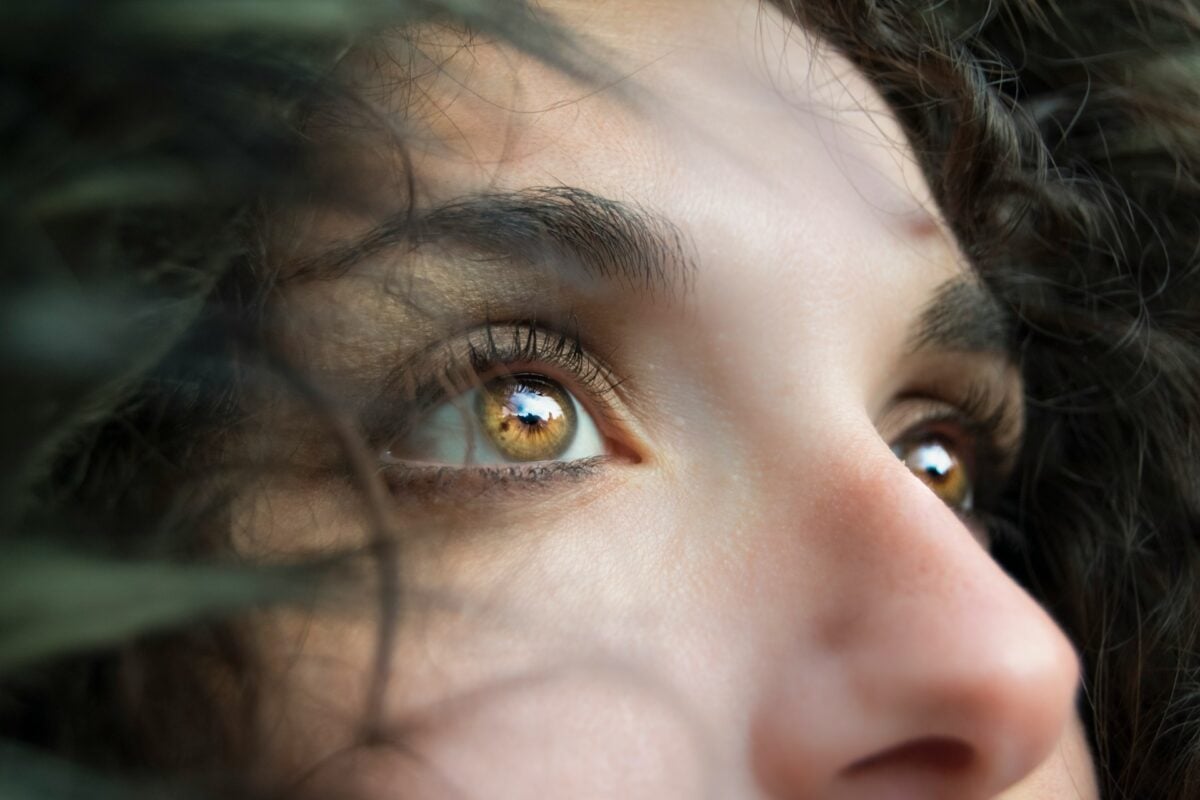
Most people slather sunscreen on their body but never think twice about their eyes. Yet the surface of the eye can actually burn from too much ultraviolet exposure.
This condition, called photokeratitis, causes pain, redness, and temporary vision problems. Snow, water, and sand reflect sunlight in ways that make the risk even higher.
Sunglasses aren’t just a fashion choice—they’re legitimate protection.
Babies aren’t born with full color vision

Newborns enter the world seeing mostly in shades of gray with some ability to detect high contrast. Their eyes can’t process the full spectrum of colors until they’re several months old.
The structures in the eye that detect color, called cones, need time to develop fully. By around five months, most babies see colors as vividly as adults do.
Carrots don’t actually improve eyesight in people with normal vision

This widespread belief started as British propaganda during World War II. The military wanted to hide their use of radar technology, so they spread rumors that pilots had excellent night vision from eating carrots
While vitamin A is essential for eye health, eating extra won’t make someone see better if they already get enough. It’s like putting extra gas in a full tank.
Like Go2Tutors’s content? Follow us on MSN.
The eye heals faster than almost any other body part

A scratched cornea—the clear front surface of the eye—can heal completely in just 24 to 48 hours. That’s remarkably quick compared to cuts or bruises on other parts of the body.
The cells on the cornea regenerate at an impressive rate, which explains why someone can have significant eye irritation one day and feel fine the next. This speed matters because the eye needs to stay clear and functional to work properly.
People blink less when looking at screens

The average person blinks about 15 to 20 times per minute during normal activities. That number drops to just 5 to 7 times per minute when staring at a computer or phone.
Blinking spreads tears across the eye’s surface to keep it moist and comfortable. Reduced blinking leads to dry, irritated eyes, which is why so many office workers complain about eye strain by the end of the day.
Brown eyes are actually blue underneath

The brown color in eyes comes from melanin in the outer layer of the iris. If that layer were removed, blue would show through because of how light scatters in the eye’s structure.
This is the same reason the sky looks blue. There’s even a laser procedure that removes the brown pigment to permanently reveal blue eyes underneath, though it remains controversial and isn’t widely available.
Like Go2Tutors’s content? Follow us on MSN.
The eye can distinguish about 10 million different colors

Human color vision is astonishingly detailed. While most people can name maybe a few dozen colors, the eye can actually detect millions of subtle variations.
This happens because three types of color-detecting cells work together, each sensitive to different wavelengths of light. Their combined signals create the rich, detailed palette that people experience every day.
Eyes stay mostly the same size from birth

A baby’s eyes are already about 70% of their adult size when they’re born. They grow very little compared to the rest of the body.
This explains why babies often look like they have disproportionately large eyes. The nose and other facial features grow much more dramatically, which changes the overall appearance of the face as someone ages.
Heterochromia can develop later in life

Most people with two different colored eyes are born that way, but the condition can also appear after injury, disease, or even certain medications. The iris contains pigment cells that can change over time due to various factors.
Someone might go decades with matching eyes only to notice a color shift after trauma or inflammation. It’s rare but not impossible.
Like Go2Tutors’s content? Follow us on MSN.
The eye’s lens never stops growing

Unlike most body parts that reach a certain size and stop, the lens inside the eye keeps adding layers throughout life. It grows thicker and less flexible as new cells form on the outside and push older cells toward the center.
This is why nearly everyone eventually needs reading glasses. The lens loses its ability to change shape and focus on close objects, a condition called presbyopia.
Eyes move in tiny jumps called saccades

Vision feels smooth and continuous, but eyes actually move in rapid, jerky motions several times per second. These movements, called saccades, happen so quickly that the brain suppresses the blurry images they create.
People only perceive the clear snapshots between movements. This explains why it’s impossible to watch your own eyes move when looking in a mirror—the brain edits out the motion itself.
Tears have three distinct layers

A tear isn’t just salty water. It’s a complex mixture with three separate layers working together.
The outer oily layer prevents evaporation, the middle watery layer provides moisture and oxygen, and the inner mucus layer helps tears stick to the eye’s surface. When any layer is off balance, people experience dry or watery eyes even though the problem isn’t about quantity.
Like Go2Tutors’s content? Follow us on MSN.
Red eye in photos reveals healthy retinas

That annoying red glow in flash photography actually shows that someone’s retinas are reflecting light properly. The red color comes from blood vessels at the back of the eye.
When the red eye effect doesn’t appear, it can sometimes indicate a problem like cataracts or retinal detachment. Pet photos show different colors because animal eyes have a reflective layer behind the retina that humans lack.
Peripheral vision detects motion better than central vision

The edges of vision aren’t great at seeing fine details or colors, but they’re extremely sensitive to movement. This served an important survival function for early humans who needed to spot predators approaching from the side.
The retina has different types of cells distributed across its surface, with the ones on the edges specialized for detecting changes rather than sharp images.
Eyes use more brain power than any other body part
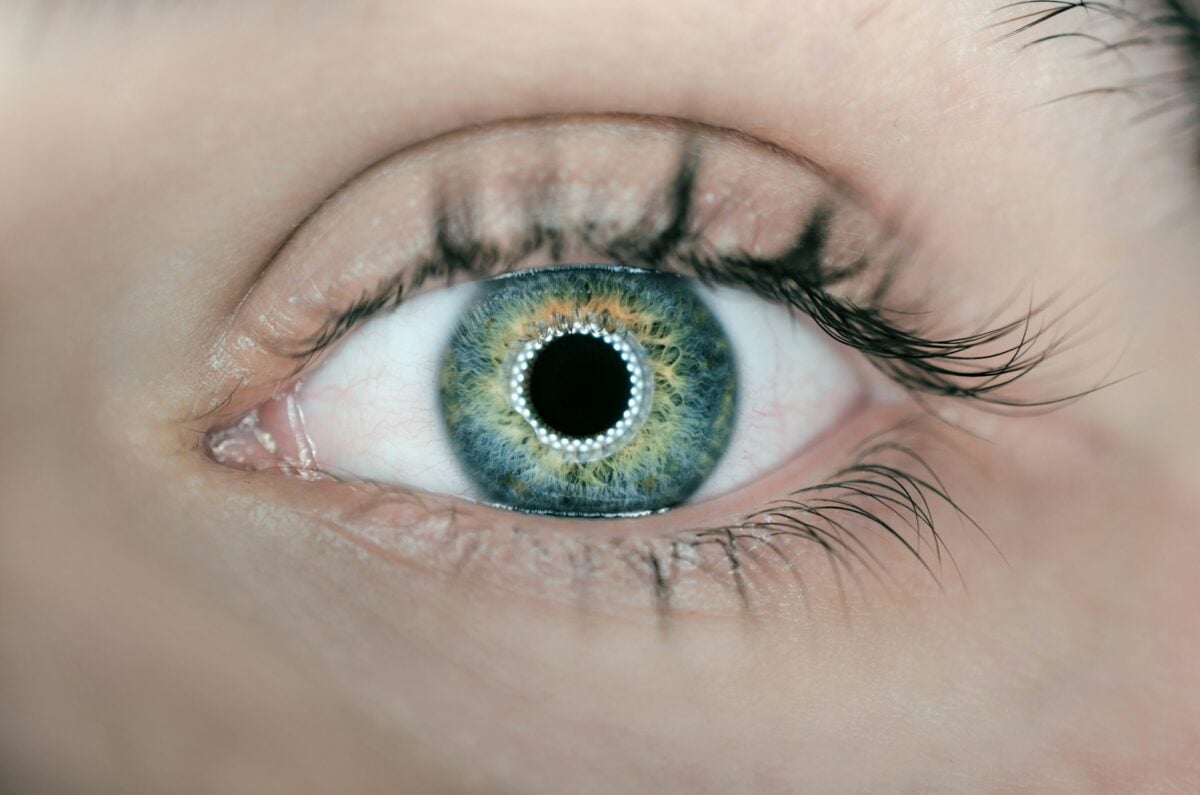
About 30% of the brain’s cortex is involved in processing visual information. That’s more than any other sense by a huge margin.
The eye itself does some processing, but most of the work happens in the brain as it interprets signals, constructs a three-dimensional understanding, and fills in missing information. Vision feels effortless, but it requires massive computational resources running constantly in the background.
Like Go2Tutors’s content? Follow us on MSN.
Some people can see ultraviolet light

After cataract surgery where the natural lens is removed, some people report being able to see into the ultraviolet spectrum. The lens normally filters out UV light, so removing it allows those wavelengths to reach the retina.
Flowers and patterns that are invisible to most people become visible. The artist Claude Monet reportedly experienced this after his cataract surgery, which may have influenced his later paintings.
Looking back at what we thought we knew

Understanding vision has changed dramatically over the centuries. Ancient Greeks thought eyes emitted beams of light that touched objects, while others believed tiny copies of things flew into the eye.
Modern science reveals a system far more complex and strange than anyone imagined. The eye doesn’t just passively receive information like a camera—it actively processes, predicts, and sometimes invents what people see. Every glance involves countless cells, chemicals, and brain regions working together in ways that still aren’t fully understood.
These facts barely scratch the surface of how strange and remarkable human vision truly is.
More from Go2Tutors!

- 16 Historical Figures Who Were Nothing Like You Think
- 12 Things Sold in the 80s That Are Now Illegal
- 15 VHS Tapes That Could Be Worth Thousands
- 17 Historical “What Ifs” That Would Have Changed Everything
- 18 TV Shows That Vanished Without a Finale
Like Go2Tutors’s content? Follow us on MSN.