Public Challenges That Made Headlines
The modern era has seen an explosion of public challenges that capture global attention, transforming from simple stunts into worldwide phenomena overnight. These viral sensations often start with a single person’s idea before spreading across continents through social media, sometimes raising awareness for important causes while others simply entertain millions.
The perfect combination of shareability, simplicity, and sometimes a touch of absurdity has turned these challenges into defining cultural moments. Here is a list of 15 public challenges that truly captured global headlines and took the internet by storm.
Ice Bucket Challenge
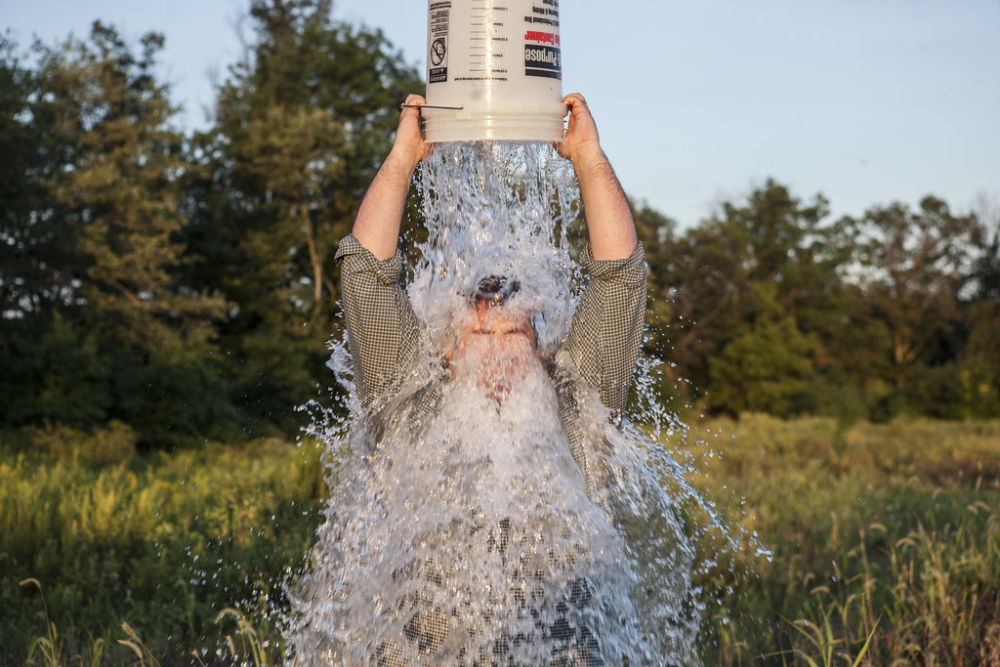
The Ice Bucket Challenge became a global sensation in 2014, with participants dumping ice-cold water over their heads to raise awareness for ALS (Amyotrophic Lateral Sclerosis). What began as a modest fundraising campaign transformed into a viral phenomenon when celebrities like Bill Gates, Oprah Winfrey, and countless others joined in.
The challenge ultimately raised over $220 million worldwide for ALS research, demonstrating how social media could be harnessed for meaningful impact.
Mannequin Challenge
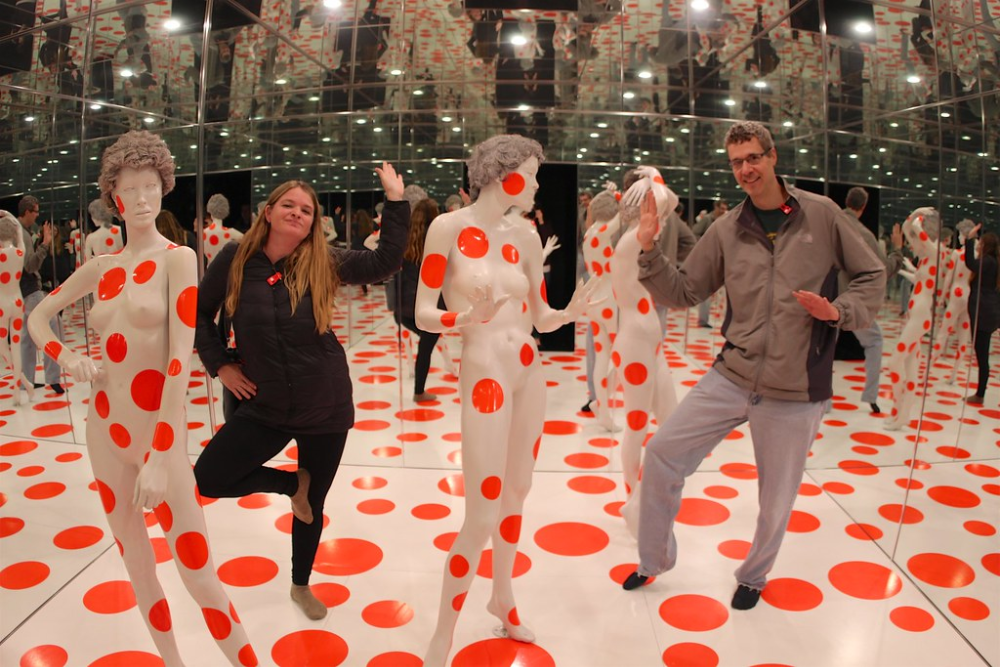
In late 2016, people worldwide began freezing in place like department store mannequins while someone filmed them, typically set to the song ‘Black Beatles’ by Rae Sremmurd. The challenge spread from high school hallways to professional sports teams and even reached the White House when the Obama administration participated.
Its appeal lay in its simplicity and the creative ways groups found to pose in increasingly elaborate frozen tableaus.
Like Go2Tutors’s content? Follow us on MSN.
10-Year Challenge
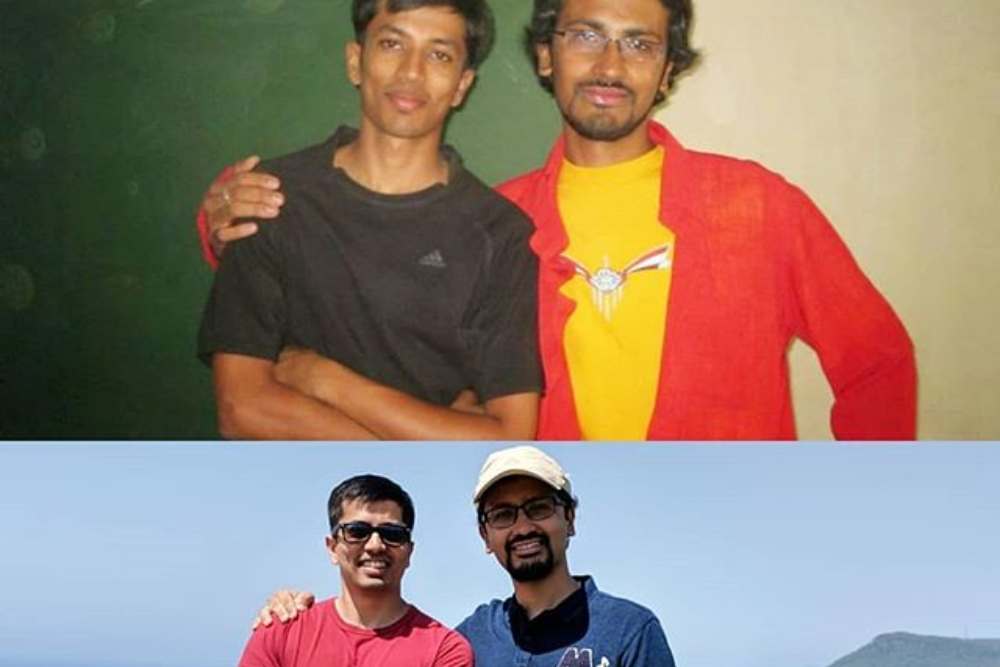
Social media feeds were flooded with side-by-side photos showing users’ appearances a decade apart when the 10-Year Challenge went viral in early 2019. What seemed like innocent nostalgia sparked debates about facial recognition technology and data collection.
The challenge provided an interesting time capsule of changing fashion trends and aging, while inadvertently revealing our willingness to share personal visual data.
Cinnamon Challenge

This notoriously difficult challenge involved attempting to swallow a spoonful of ground cinnamon without water in under 60 seconds. The challenge gained massive popularity around 2012, with participants inevitably coughing, choking, and creating dust clouds of spice.
Health professionals eventually warned against it due to potential respiratory issues and choking hazards, making it one of the first viral challenges to raise serious safety concerns.
Bottle Flip Challenge

This surprisingly addictive challenge required participants to flip a partially filled water bottle and land it upright. School administrators across America banned the practice as classrooms were disrupted by the sound of plastic bottles hitting desks and floors throughout 2016.
The challenge’s appeal lay in its accessibility—anyone with a bottle could participate—and the satisfaction of successfully landing the flip after numerous attempts.
Like Go2Tutors’s content? Follow us on MSN.
Kiki Challenge

Based on Drake’s hit song ‘In My Feelings,’ this 2018 dance challenge involved people exiting moving vehicles to dance alongside them. Originally created by comedian Shiggy, the challenge evolved dangerously when participants began jumping out of slowly moving cars.
Police departments worldwide issued warnings about the hazards, yet celebrities from Will Smith to the cast of ‘Queer Eye’ created their own versions, cementing its place in viral challenge history.
Harlem Shake
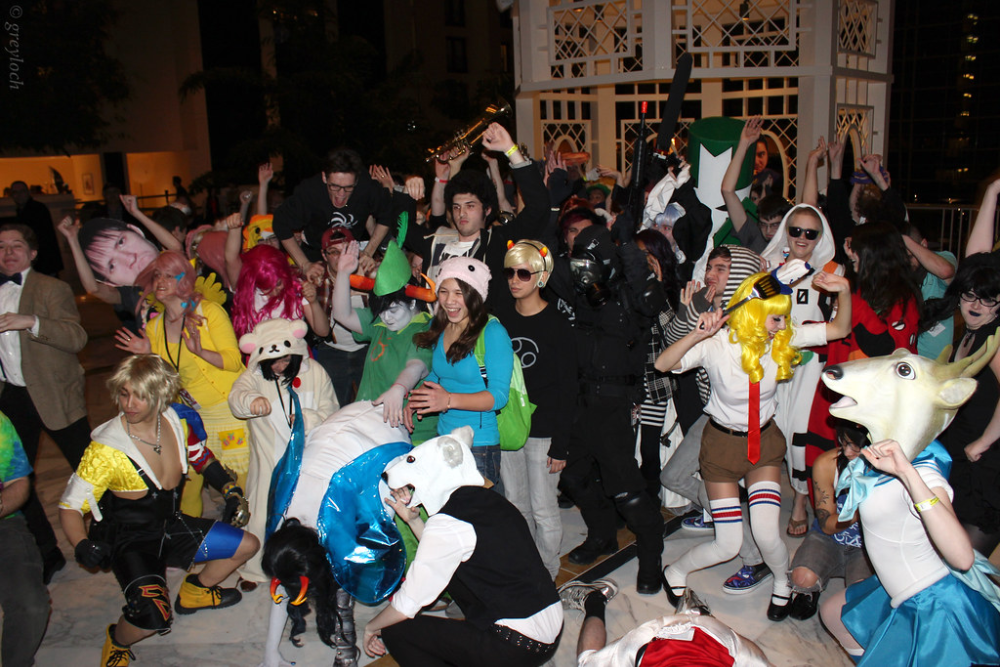
In early 2013, the Harlem Shake took over the internet with its formula of one person dancing alone in a group before the bass dropped and everyone erupted into wild, costumed dancing. The videos typically lasted only 30 seconds but generated billions of views collectively.
From office workers to military units, virtually every type of group created their version, making it one of the most participated-in viral phenomena of its time.
Bird Box Challenge

Following the release of Netflix’s thriller ‘Bird Box’ in 2018, people began attempting everyday activities while blindfolded, mimicking the film’s characters who had to navigate a post-apocalyptic world without sight. The challenge became so dangerous—with reports of people driving blindfolded—that Netflix issued official warnings against it.
It demonstrated the powerful influence of streaming content on internet culture and behavior.
Like Go2Tutors’s content? Follow us on MSN.
Tide Pod Challenge
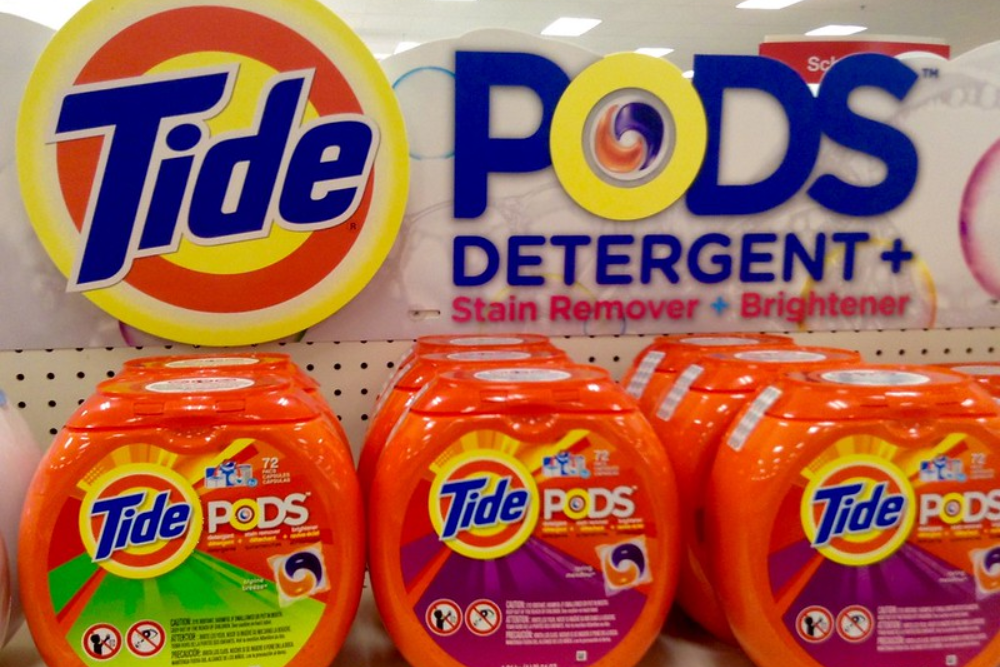
Perhaps one of the most notorious viral challenges, the Tide Pod Challenge in early 2018 involved people pretending to eat—and in some alarming cases actually consuming—laundry detergent pods. The colorful appearance of the pods led to dangerous imitation, resulting in poison control centers reporting spikes in calls related to detergent exposure.
Manufacturers eventually changed packaging and ran safety campaigns in response.
Trashtag Challenge

Unlike many viral challenges, the Trashtag Challenge had an overwhelmingly positive impact when it went viral in 2019. Participants shared before-and-after photos of public spaces they had cleaned up, from beaches to parks and roadsides.
The challenge inspired environmental cleanup efforts across six continents and showed how social media could mobilize global action for environmental good.
Hot Pepper Challenge

This fiery challenge involved eating extremely spicy peppers—often ghost peppers or Carolina Reapers—and filming the inevitable suffering that followed. The challenge gained mainstream attention when it was adopted as a charity fundraiser similar to the Ice Bucket Challenge.
Even news anchors and talk show hosts participated on live television, with their reactions ranging from mild discomfort to complete physical breakdown.
Like Go2Tutors’s content? Follow us on MSN.
Running Man Challenge

In 2016, two Maryland basketball players created a dance to Ghost Town DJ’s 1996 song ‘My Boo,’ which quickly spread through college athletics before reaching police departments worldwide. Unlike many dance challenges, this one involved a specific series of steps reminiscent of 80s dance moves.
Police departments from New Zealand to Miami created increasingly elaborate videos, using the challenge as a surprisingly effective community outreach tool.
Invisible Box Challenge

This challenge created the illusion of stepping onto an invisible box, requiring impressive balance and core strength. What seemed like a simple trick actually demonstrated the power of physical challenges to go viral, as gymnasts and athletes competed to create the most convincing ‘invisible box step.’
The challenge showcased how internet phenomena could highlight genuine skill rather than just absurdity or risk-taking behavior.
In My Feelings Challenge

When comedian Shiggy created a dance to Drake’s ‘In My Feelings’ in 2018, he unintentionally launched a global phenomenon. The challenge evolved from simple dancing to people jumping out of moving vehicles to perform the choreography.
Despite safety concerns, the challenge helped propel the song to the top of the charts worldwide, demonstrating how viral challenges could directly impact commercial success in the music industry.
Like Go2Tutors’s content? Follow us on MSN.
Bottle Cap Challenge

In 2019, participants attempted to unscrew bottle caps with perfectly executed roundhouse kicks without knocking over the bottle. Started by taekwondo champion Farabi Davletchin, the challenge quickly attracted martial artists, celebrities, and athletes eager to showcase their precision and skill.
Jason Statham and John Mayer helped popularize it, while creative variations—including some impressive attempts from pets—kept the challenge fresh for months.
The Digital Ripple Effect

These viral challenges represent a fascinating intersection of technology, culture, and human behavior in our interconnected world. What once might have remained local phenomena now spreads globally within hours, creating shared experiences across vastly different cultures and communities.
The evolution of these challenges—from purely entertainment-based to cause-oriented movements—demonstrates the maturing relationship between social media and collective action. Whether raising millions for charity or simply providing a moment of levity during difficult times, these challenges remind us of our fundamental desire for connection and participation in something larger than ourselves.
As new platforms emerge and attention spans evolve, the nature of viral challenges will undoubtedly transform—but their ability to momentarily unite the global conversation seems certain to endure.
More from Go2Tutors!

- 18 Unexpectedly Valuable Collectibles You Might Have Lying Around
- 15 Things Every Teenager in the ’70s Did That Teens Today Wouldn’t Understand
- 15 Strange Things People Have Tried to Ban (And Failed)
- 15 Inventions That Were Immediately Banned After Being Created
- 20 Actors Who Were Almost Cast in Iconic Roles
Like Go2Tutors’s content? Follow us on MSN.