Public Statues and Myths You Didn’t Know
Every city has them. Bronze figures standing tall in parks, stone heroes frozen mid-stride on busy corners, and marble monuments that people walk past every single day without a second glance.
These statues become part of the background noise of urban life, but behind each one lies a story that’s often far stranger than anyone realizes. The tales carved into their pedestals rarely tell the whole truth, and the legends surrounding them have taken on lives of their own.
Let’s pull back the curtain on some of the most fascinating secrets hiding in plain sight. You’ll never look at these familiar figures the same way again.
The Statue of Liberty wasn’t always green

That iconic green color everyone associates with Lady Liberty? She wasn’t born that way. When France gifted the statue to America in 1886, she gleamed with the bright, shiny copper color of a new penny.
The green patina developed over about 30 years as the copper oxidized in the salty harbor air. By 1906, the transformation was complete, and officials actually considered stripping away the green layer to restore her original appearance, but public outcry stopped them because people had already fallen in love with the green version.
The Little Mermaid in Copenhagen has been attacked repeatedly

Denmark’s famous bronze mermaid sitting on her rock has suffered more abuse than almost any statue in the world. Since 1964, vandals have beheaded her twice, sawed off her arm, doused her in paint multiple times, and even draped her in controversial political messages.
The city keeps molds on hand specifically to repair her when these incidents happen. Despite all this, she remains one of the most photographed statues on Earth, drawing visitors who expect to see something grand but find a surprisingly small figure just over four feet tall.
The Charging Bull was placed illegally

Wall Street’s famous bronze bull didn’t start as an official city monument at all. Artist Arturo Di Modica created it after the 1987 stock market crash and, without permission, dropped the 7,000-pound sculpture in front of the New York Stock Exchange in December 1989.
Police impounded it immediately, but public demand was so strong that officials relocated it to Bowling Green park, where it still stands today. The guerrilla installation became one of the most recognizable symbols of American capitalism, all because one artist decided rules didn’t apply to his vision.
Mount Rushmore was never finished

The four presidential faces carved into South Dakota’s Black Hills look complete, but sculptor Gutzon Borglum had much bigger plans. His original design included the presidents down to their waists, with detailed clothing and even a massive panel describing American history.
Work stopped abruptly when Borglum died in 1941, and his son tried to continue for a few months before funding ran out. The monument we see today represents only about half of what was intended, leaving those famous faces looking oddly like they’re peering over a stone wall.
Christ the Redeemer stands on a hidden chapel
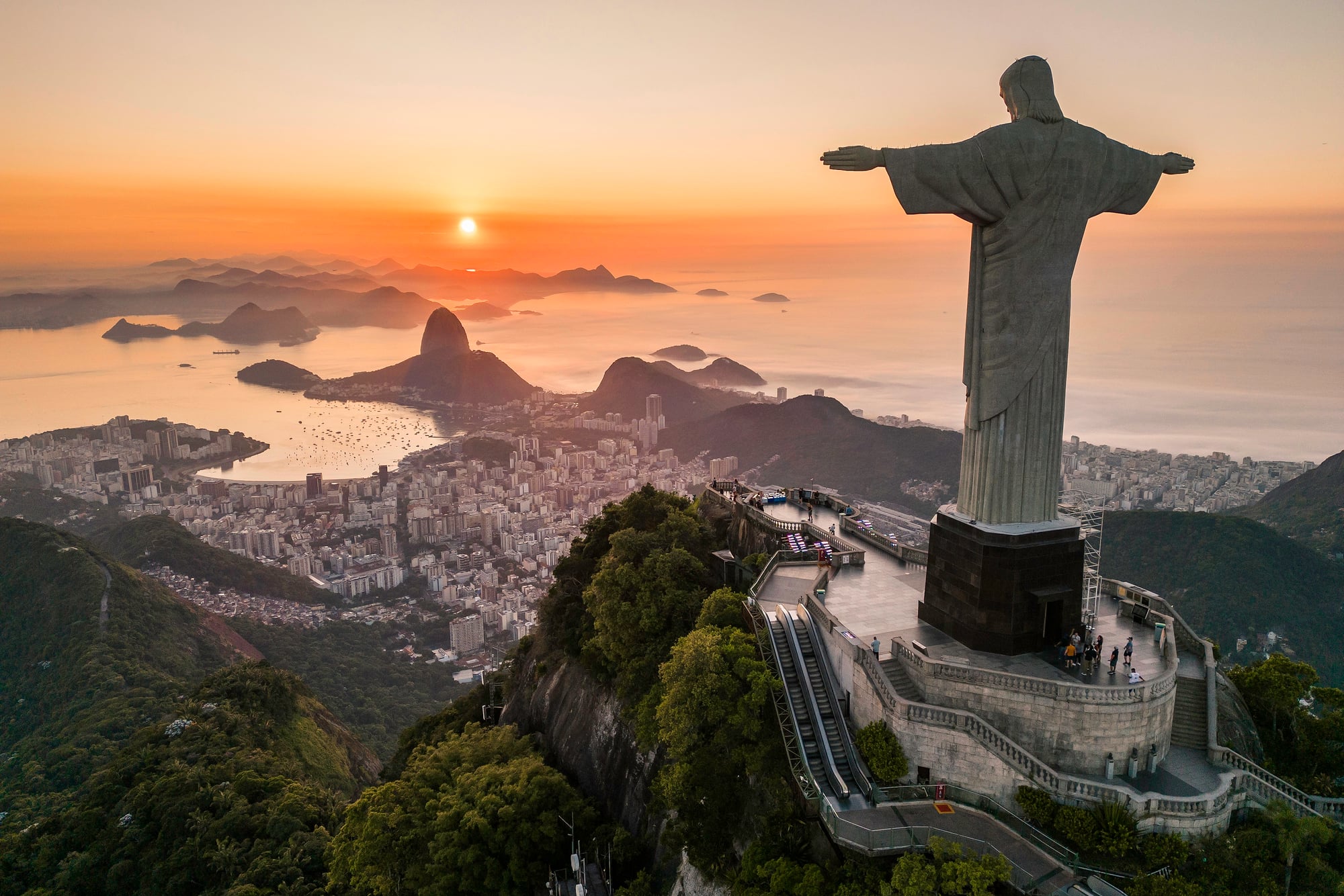
Rio de Janeiro’s towering Christ statue contains a secret that most tourists never discover. Inside the pedestal, tucked beneath those outstretched arms, sits a small chapel where about 150 people can gather for weddings and baptisms.
The chapel was added in 2006, turning the monument into an actual place of worship rather than just a symbol. Couples who marry there get one of the most unusual ceremony locations imaginable, standing inside one of the world’s most famous statues with the entire city spread below them.
The Sphinx lost its nose long before Napoleon
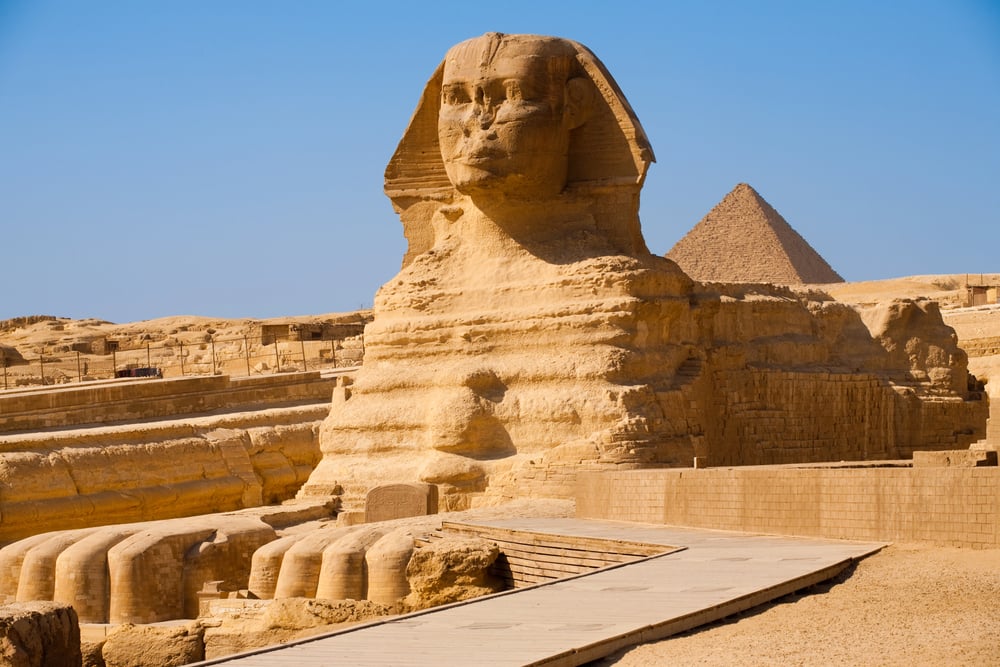
Popular myth blames Napoleon’s troops for shooting off the Great Sphinx’s nose during target practice in 1798, but drawings from the 1700s show the nose already missing. Evidence actually points to a 14th-century Muslim cleric named Muhammad Sa’im al-Dahr, who reportedly destroyed the nose because local farmers were making offerings to the Sphinx for better harvests.
He considered this idol worship and took a chisel to the face, which got him executed for vandalism. The beard also fell off centuries ago and now sits in the British Museum, separated from its original home.
David was meant for a rooftop

Michelangelo’s masterpiece wasn’t originally planned to stand at eye level where people could admire every detail. The massive marble statue was commissioned to sit high up on the roofline of Florence Cathedral, which explains why David’s head and hands are slightly oversized.
When officials saw the finished work in 1504, they realized it was too magnificent to hide on a roof and decided to place it in a public square instead. Those exaggerated proportions that would have looked correct from below now make David seem a bit odd when viewed up close, though nobody seems to mind.
Easter Island heads have bodies
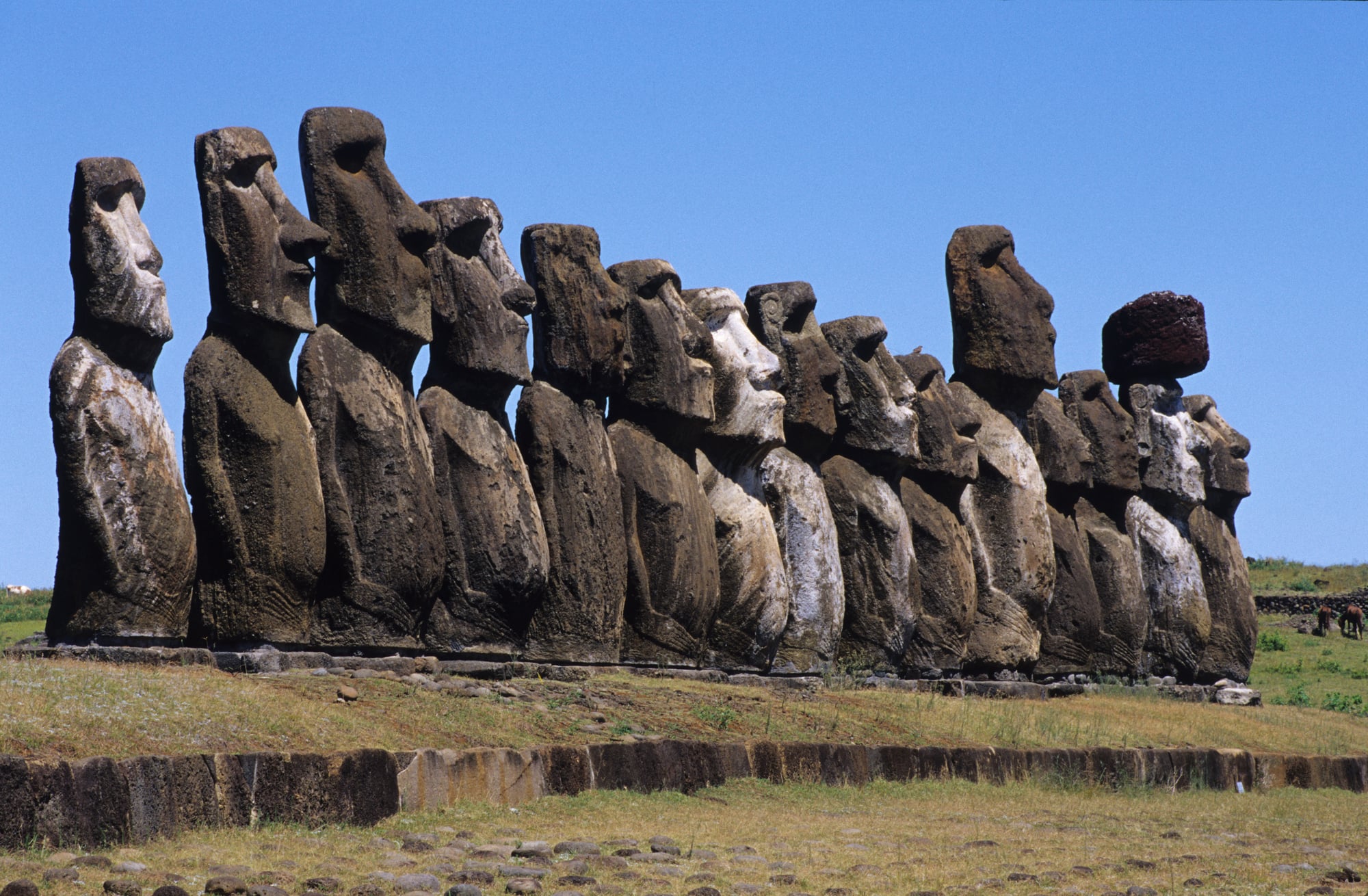
Those famous stone heads scattered across Easter Island aren’t just heads at all. Archaeologists discovered that most of them have full torsos buried underground, some extending more than 30 feet down.
The moai were carved from volcanic rock and transported across the island through methods still debated today, with some theories suggesting they were ‘walked’ upright using ropes. Over centuries, erosion and soil movement buried the bodies, leaving only the heads visible and creating one of history’s most persistent misconceptions about what these monuments actually look like.
The Lincoln Memorial includes a hidden face

Look closely at the back of Abraham Lincoln’s head in his memorial, and some people swear they can see Robert E. Lee’s face carved into the hair. The National Park Service insists this is just pareidolia, the human tendency to see faces in random patterns, but the legend persists.
What’s definitely real is the typo on the north wall, where the word ‘FUTURE’ was accidentally carved as ‘EUTURE’ and later filled in with cement. Even America’s most solemn monuments aren’t immune to human error and the wild stories people invent about them.
The Thinker was originally much smaller

Auguste Rodin’s famous pondering figure started life as a mere six inches tall, part of a larger work called ‘The Gates of Hell’. The small figure represented the poet Dante surveying the scenes of hell below him.
Rodin liked it so much he created a full-size version in 1904, and it became his most recognized work, completely overshadowing its original context. Most people who admire The Thinker today have no idea he was supposed to be contemplating eternal damnation, not just having deep thoughts on a random Tuesday.
Manneken Pis has an enormous wardrobe

Brussels’ tiny bronze statue of a urinating boy owns more than 1,000 outfits, making him possibly the best-dressed statue in the world. Various organizations, visiting dignitaries, and foreign governments have gifted him costumes since the 1600s, and he gets changed into different outfits several times a week.
The wardrobe includes everything from an Elvis costume to a samurai outfit to various superhero capes. This bizarre tradition started as a way to honor the statue after he was stolen and recovered multiple times, transforming a simple fountain into an international fashion icon.
The Motherland Calls is taller than the Statue of Liberty
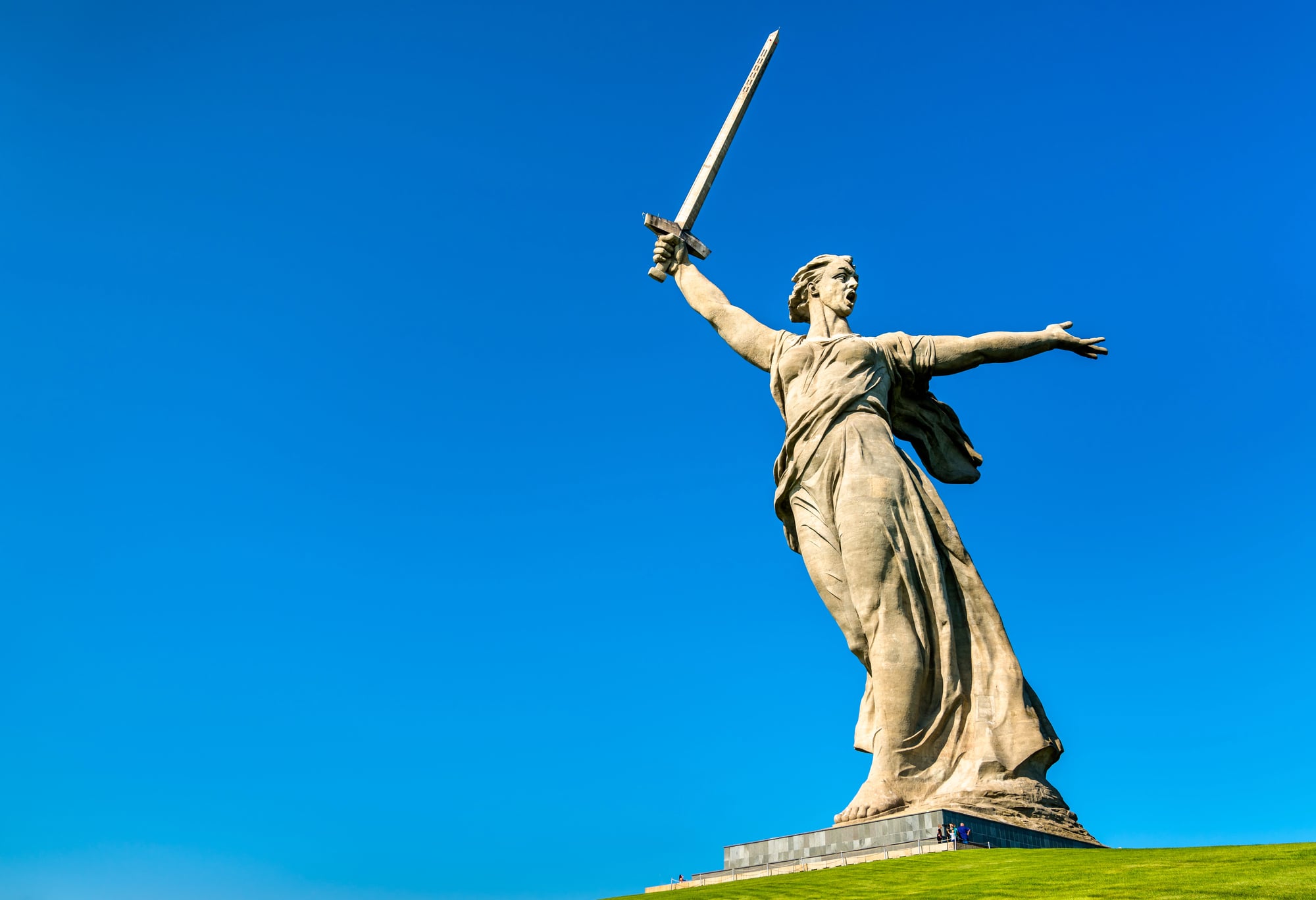
Russia’s giant woman brandishing a sword in Volgograd stands 279 feet tall, making her significantly larger than Lady Liberty’s 151 feet. When you include both statues’ pedestals, Liberty edges ahead, but the actual figure in Russia dominates.
The sword alone weighs 31 tons and is so massive it sways in strong winds, causing engineers constant worry. Built to commemorate the Battle of Stalingrad, the statue used enough concrete to build a two-lane highway from Moscow to Volgograd, proving that Soviet ambitions for size knew no limits.
Blarney Stone kissing is a Victorian invention
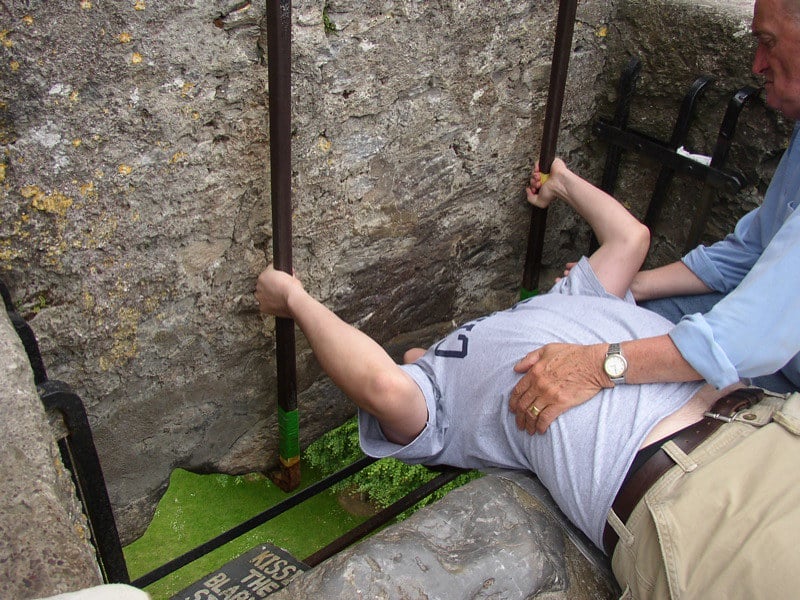
The tradition of kissing Ireland’s Blarney Stone to gain eloquence only dates back to the mid-1800s, not to ancient Celtic times as many believe. The stone itself is real and old, part of Blarney Castle’s 15th-century construction, but the kissing ritual was likely cooked up to attract tourists during the Victorian era’s fascination with Irish folklore.
Now thousands of people each year lean backward over a sheer drop to kiss a stone that’s probably been touched by millions of lips, all hoping for the ‘gift of gab’ from what amounts to really good marketing.
Hollywood sign originally said something else
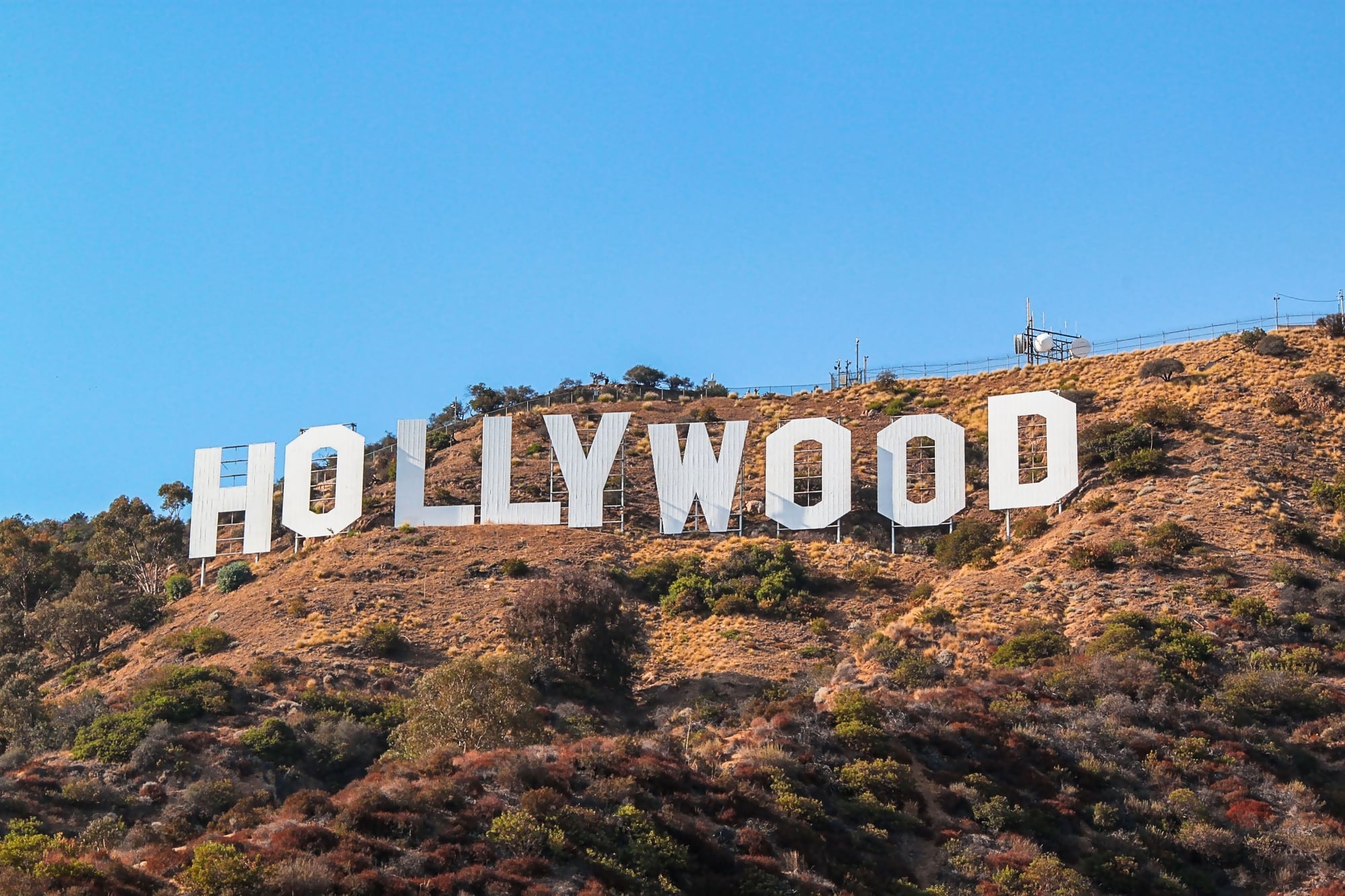
Los Angeles’s famous landmark wasn’t always promoting the entertainment industry. When erected in 1923, it read ‘HOLLYWOODLAND’ and advertised a housing development in the hills.
Each letter stood 45 feet tall and was covered in thousands of light bulbs that blinked in sequence. The last four letters were removed in 1949 when the sign was refurbished, and it became the symbol of moviemaking only after the fact. The whole thing nearly got demolished multiple times before celebrities like Hugh Hefner helped fund its restoration in the 1970s.
Angel of the North has foundation piles deeper than it is tall

England’s massive rust-colored angel sculpture stands 66 feet high with a 177-foot wingspan, but what’s really impressive lies underground. The foundation required concrete piles driven 70 feet deep into old mine shafts to anchor the 200-ton structure against winds that can reach 100 miles per hour.
Engineers calculated the angel could withstand forces equivalent to a jumbo jet crashing into it. When it was first erected in 1998, locals hated it and wanted it removed, but now it’s become a beloved landmark that greets travelers approaching Newcastle.
Fearless Girl was a corporate marketing stunt

The defiant bronze girl staring down Wall Street’s Charging Bull wasn’t a grassroots artistic statement but a commissioned piece by State Street Global Advisors investment firm. They installed her on International Women’s Day 2017 to promote an index fund that focused on companies with women in leadership roles.
The plaque at her feet originally included the company’s name and ticker symbol before public backlash forced its removal. What many see as a powerful symbol of female empowerment was literally an advertisement, though that doesn’t make the image any less striking or the message less important.
Statue of Zeus at Olympia disappeared without a trace
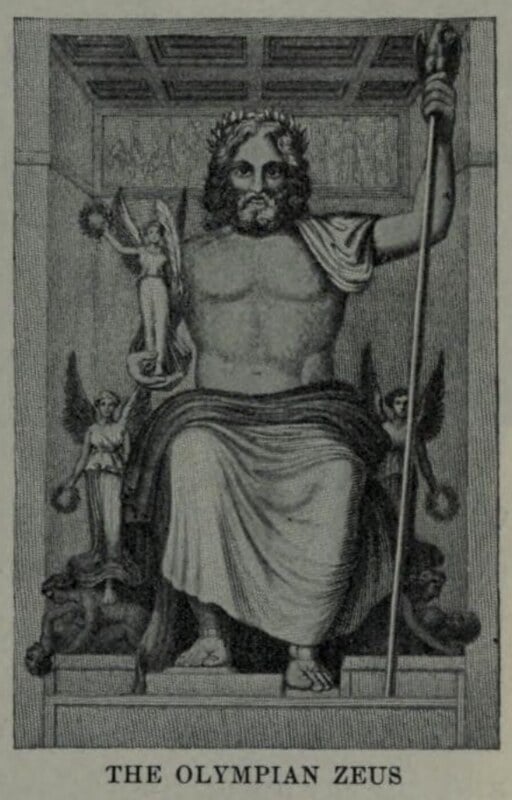
One of the Seven Wonders of the Ancient World, the massive gold-and-ivory seated Zeus stood 40 feet tall in his Greek temple but vanished completely from history. No one knows exactly what happened to it.
Some accounts say it was destroyed in a fire at the temple in 425 AD, while others claim it was transported to Constantinople and burned there. Not a single piece has ever been found. We only know what it looked like from ancient descriptions and images on coins, making it the most famous statue that nobody can actually prove ever existed in the form described.
Confederate monuments mostly went up during Jim Crow

Despite claims that Confederate statues honor Civil War history, the majority weren’t erected immediately after the war. Two major waves of construction happened: one during the 1900s-1920s when Jim Crow laws were being established, and another during the 1950s-1960s Civil Rights movement.
These monuments served as statements of white supremacy rather than historical remembrance, placed deliberately in front of courthouses and public buildings to intimidate. The timing of their installation reveals their true purpose, which had little to do with honoring fallen soldiers and everything to do with enforcing racial hierarchy decades after the war ended.
Moai weren’t just ceremonial

Recent studies of Easter Island’s moai suggest they served a practical purpose beyond religious ceremony. Analysis shows the platforms where they stood often marked freshwater sources, essentially acting as giant signposts for the island’s most precious resource.
The stones used to build the platforms leached minerals that helped keep the water clean and drinkable. This doesn’t diminish their spiritual significance, but it shows the islanders were incredibly practical, combining their engineering skills with their beliefs to solve real survival problems in one of the most remote places on Earth.
Bronze that connects centuries
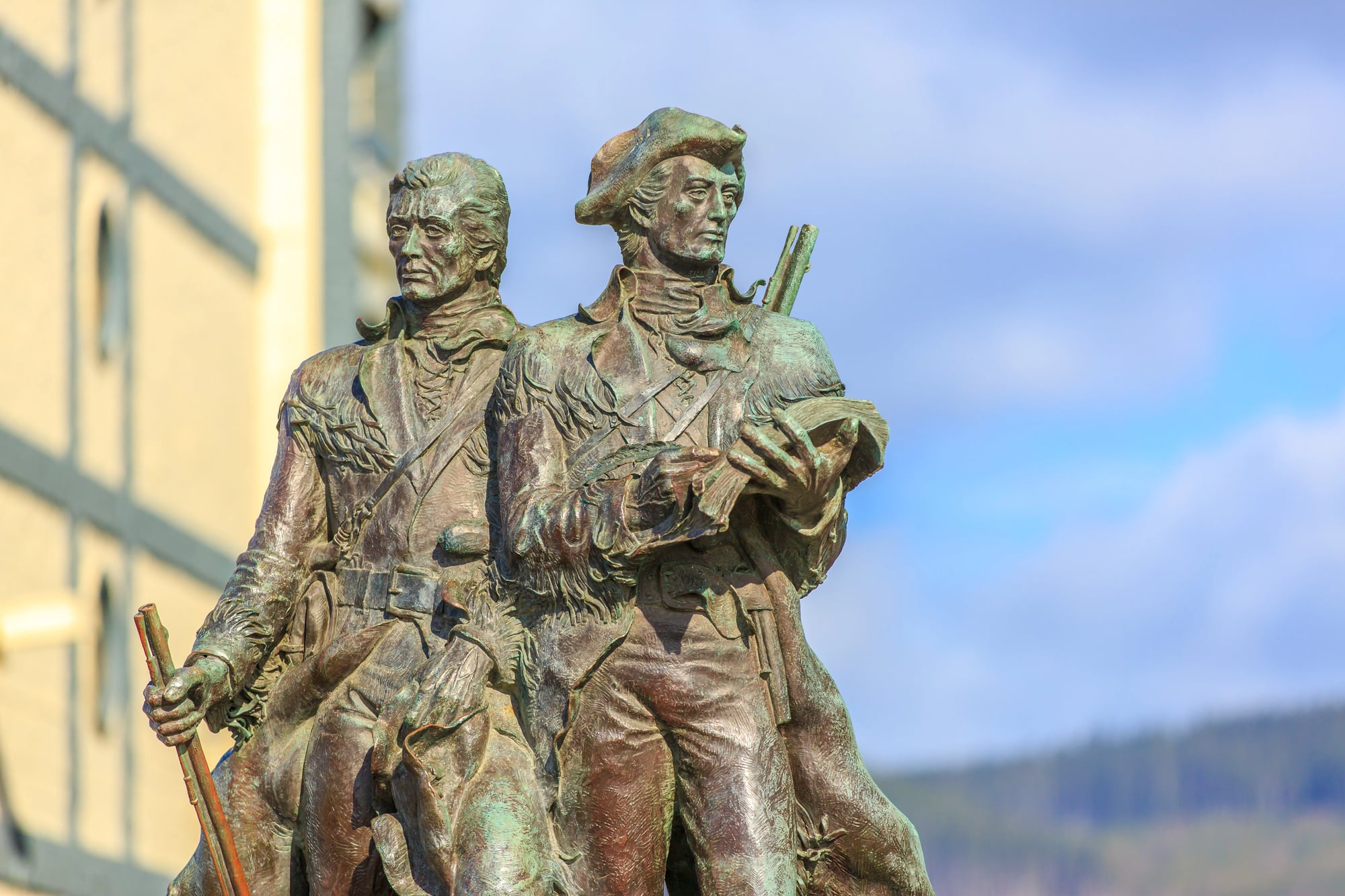
The statues standing in our cities today carry more than just artistic vision or political messages. They’re time capsules made of stone and metal, preserving not just the image of what we wanted to honor but also revealing what we chose to hide, embellish, or completely make up.
Every scratch, every layer of pigeon droppings, every act of vandalism or restoration adds another chapter to their stories. These monuments keep evolving even as they stand perfectly still, taking on new meanings with each generation that walks past them, proving that history is never really set in stone, even when it’s literally carved there.
More from Go2Tutors!

- The Romanov Crown Jewels and Their Tragic Fate
- 13 Historical Mysteries That Science Still Can’t Solve
- Famous Hoaxes That Fooled the World for Years
- 15 Child Stars with Tragic Adult Lives
- 16 Famous Jewelry Pieces in History
Like Go2Tutors’s content? Follow us on MSN.



