Unexpected Facts About WW1 Aviation
When we think about World War I, images of muddy trenches and barbed wire usually come to mind.
High above the chaos, a completely different kind of warfare was taking shape.
Aviation was barely a decade old when the war broke out.
What happened in those four years changed everything about how humans would fight in the sky.
The pilots, the machines, and the methods they used were often as strange as they were groundbreaking.
Here is a list of unexpected facts about WW1 aviation that reveal just how wild and experimental those early days of aerial combat really were.
British Commanders Deliberately Denied Pilots Parachutes

Parachutes existed during WW1 and were issued to balloon observers.
British and American pilots were explicitly denied them.
The official reason given was that parachutes were too bulky for the cramped cockpits and would affect aircraft performance.
The real reason, revealed in unpublished reports, was far darker.
Military leaders believed that having a parachute would make pilots more likely to abandon their aircraft instead of fighting to bring them home.
This policy remained in place despite pilots pleading for the life-saving equipment.
Castor Oil Engines Made Pilots Sick

Most WW1 aircraft engines, especially rotary designs, used castor oil as lubricant because it wouldn’t ignite with the fuel.
These engines burned through enormous quantities of the stuff and sprayed it out the exhaust in a fine mist that coated everything, including the pilot.
Castor oil is a powerful laxative.
Pilots breathing it in for hours would suffer from nausea and digestive distress.
Eddie Rickenbacker, America’s top ace, was famous for running around buildings to vomit after landing.
Pilots Threw Bricks and Grenades at Each Other
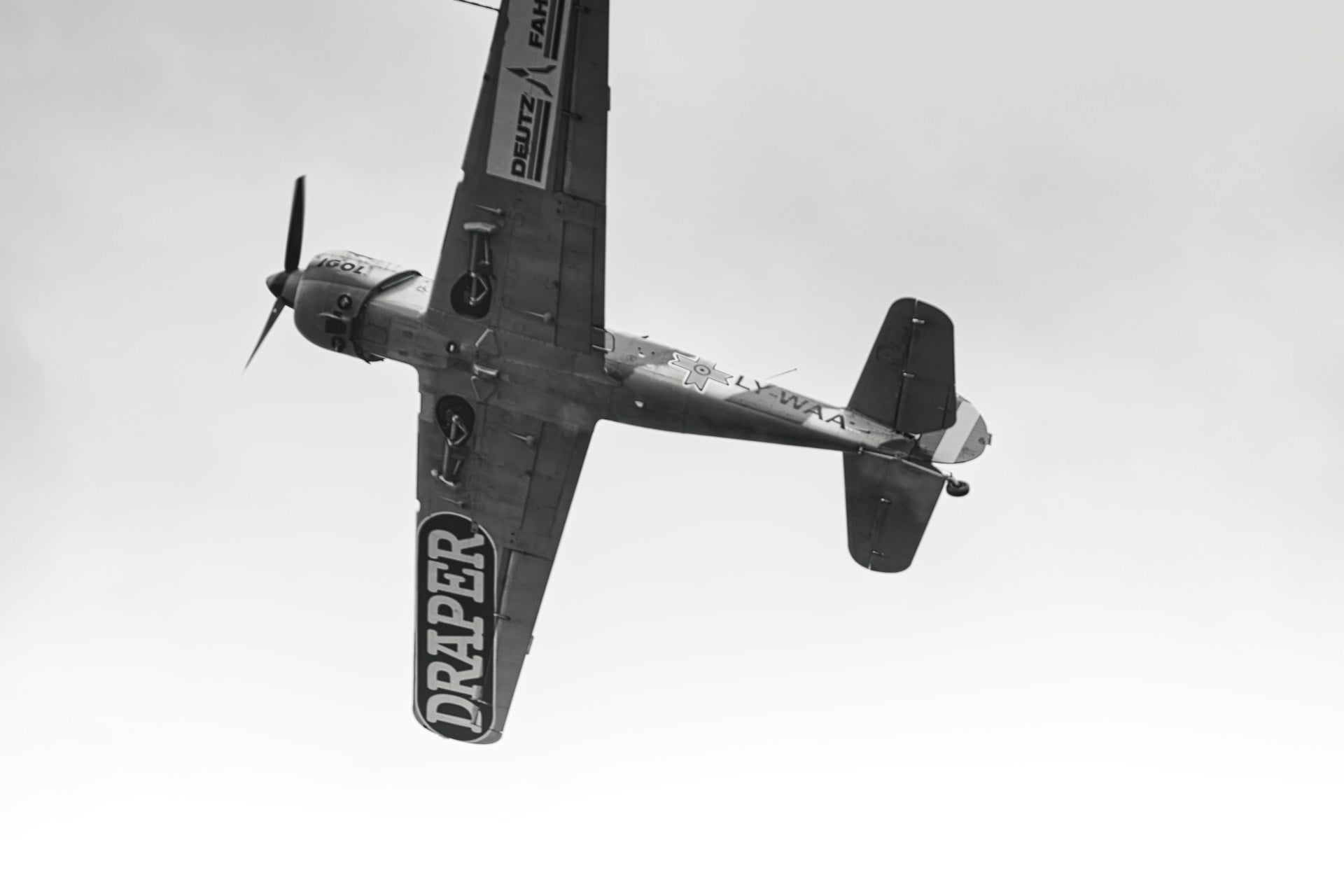
Before machine guns became standard, pilots got creative with their weapons.
They would throw bricks, hand grenades, chains, and even grappling hooks at enemy aircraft.
Russian pilot Aleksandr Kozakov experimented with using a grappling hook to literally pull enemy planes apart in mid-air.
Records suggest that at least two German planes were brought down by well-aimed bricks.
The practice was quickly abandoned once everyone realized how ineffective it was.
Propeller Blades Were Reinforced with Tape

Before synchronization gear was perfected, some British pilots would fire their machine guns straight through the propeller arc and just hope for the best.
The propeller blades were reinforced with tape to hold the wood together when bullets inevitably struck them.
Pilots relied on statistics showing that less than five percent of bullets would hit the blades.
Short bursts of fire were relatively safe.
It was a terrifyingly imprecise solution to a very real problem.
Rotary Engines Consumed Two Gallons of Oil Per Hour

The spinning rotary engines that powered many WW1 fighters used a total-loss oil system, meaning the oil was burned and expelled rather than recirculated.
A single aircraft could consume up to two gallons of castor oil every hour of flight.
Keeping a squadron of rotary-powered planes in the air required massive logistical efforts just to supply the oil.
This incredible consumption was one of the main reasons rotary engines disappeared immediately after the war.
Pilots Navigated Using Road Maps and School Atlases

Cockpits had almost no instruments and absolutely no navigational aids.
Pilots would fly with ordinary road maps or even school atlases, trying to match what they saw on the ground with the paper in their laps.
Getting lost was extremely common.
Pilots sometimes had to land and ask for directions from people on the ground.
The idea of sophisticated navigation equipment was still decades away.
More British Pilots Died in Training Than in Combat

Flying was so dangerous and aircraft so unreliable that roughly half of all British pilots died during training rather than in actual combat.
British flying instructors nicknamed trainee pilots “Huns” because they were as deadly as the German enemy.
German pilots fared somewhat better, losing only about a quarter of their pilots in training.
Even in peacetime during this era, flying was notoriously lethal.
Enemy Aces Showed Remarkable Chivalry
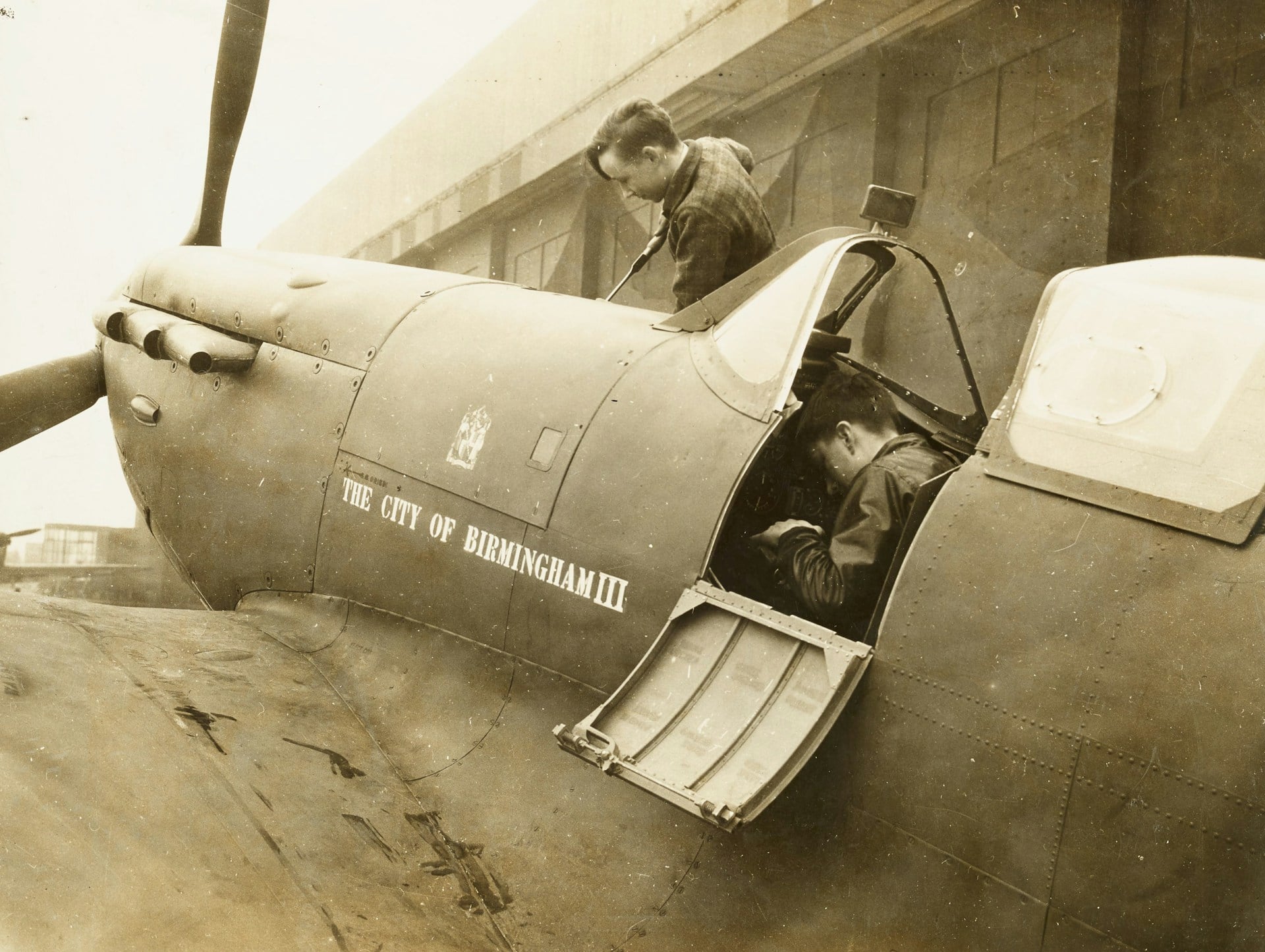
Despite the brutal nature of the war, pilots often showed extraordinary respect for their opponents.
When British crew members Justin McKenna and Sydney Sutcliffe were shot down after destroying four German planes, a German pilot risked his life to fly over British lines and deliver a note confirming their deaths.
The Germans then held a funeral with full military honors.
This wasn’t unusual, as both sides routinely treated fallen enemy pilots with great respect.
Quadruplanes Were Actually Built and Flown

Biplanes and triplanes are well known, but both Britain and Germany experimented with quadruplanes that had four sets of wings stacked on top of each other.
These odd aircraft were designed specifically for hunting airships, as the increased wing surface area helped them fly at the slow speeds needed to attack these lumbering targets.
Despite the creative engineering, quadruplanes generally underperformed and never caught on.
Germany Built the First All-Metal Aircraft in 1915
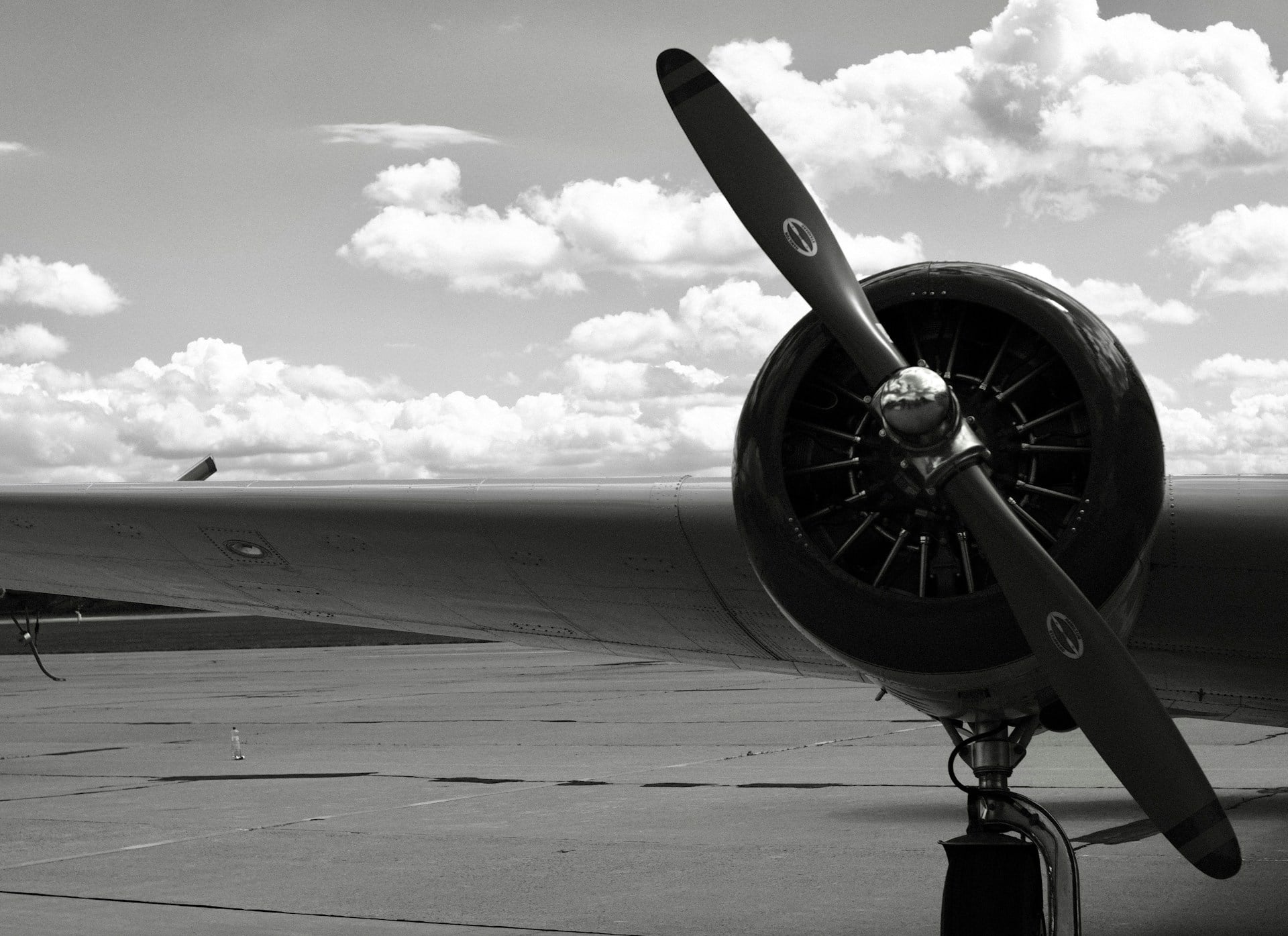
While most planes were made of wood and fabric, Germany developed the Junkers J1 in 1915, the world’s first all-metal aircraft.
This was revolutionary at a time when sheet metal was viewed with skepticism by aeronautical engineers.
The metal construction challenged conventional thinking about aircraft design.
It would be several more decades before metal aircraft consistently outperformed wooden ones.
The Synchronization Gear Changed Everything

The invention that allowed machine guns to fire through spinning propeller blades without hitting them was called synchronization gear.
Dutch designer Anthony Fokker perfected it for the Germans in 1915, giving them a massive advantage that became known as the Fokker Scourge.
The system used cams and rods connected to the engine to trigger the gun only when the propeller blades were clear.
German generals were so skeptical that they demanded Fokker personally shoot down an enemy plane to prove it worked.
Pilots Carried Pistols for a Grim Purpose
Since pilots weren’t issued parachutes and aircraft were extremely flammable, many carried service pistols for a terrible reason.
Pilots preferred to shoot themselves rather than burn to death in a flaming aircraft.
British ace Mick Mannock openly stated he carried his revolver “to finish myself as soon as I see the first signs of flames.”
This haunting reality was one of the many arguments pilots made for being issued parachutes.
Top Speeds Barely Exceeded 100 Miles Per Hour

The aircraft that seem so romantic and daring today were actually incredibly slow.
Most WW1 fighters had top speeds of just over 100 miles per hour.
Bombers like the Handley Page topped out at about 97 miles per hour.
These speeds made pilots vulnerable to ground fire and limited how far they could travel.
Compared to modern fighter jets that exceed 1,500 miles per hour, these early warplanes were practically crawling through the sky.
The First Aerial Kill Involved Ramming

The very first time one aircraft brought down another in combat didn’t involve guns at all.
On September 8, 1914, Russian pilot Pyotr Nesterov deliberately rammed his plane into an Austrian reconnaissance aircraft over the Eastern Front.
Both aircrews were killed in the collision.
This suicidal tactic demonstrated just how desperate and experimental early aerial combat was.
Pilots literally made up the rules as they went along.
From Knights to Legends

The pilots who climbed into those fragile wood-and-canvas machines weren’t just fighting a war.
They were inventing an entirely new form of combat with each flight.
They learned through trial and error what worked and what would get them killed.
Their courage is made even more remarkable when you consider the casual oil sprays, absent safety equipment, and frankly experimental nature of everything they did.
These aviators laid the groundwork for modern air warfare.
They proved that control of the skies could change the outcome of battles on the ground below.
More from Go2Tutors!

- The Romanov Crown Jewels and Their Tragic Fate
- 17 Halloween Costumes Once Considered Taboo
- Famous Hoaxes That Fooled the World for Years
- 15 Child Stars with Tragic Adult Lives
- 16 Famous Jewelry Pieces in History
Like Go2Tutors’s content? Follow us on MSN.



