16 Reasons Classic Arcade Games Beat Modern Video Games
The bright lights and electronic beeps of an old arcade hall hold something modern gaming has lost along the way. There’s an immediacy to dropping quarters into a machine, knowing each life matters because it costs actual money.
No save files, no second chances, no complicated tutorials that take longer to finish than some entire arcade games. Just pure, distilled challenge that gets under your skin and stays there. Classic arcade games weren’t trying to be everything to everyone.
They had one job: keep you coming back for more. And they did it with a clarity and focus that makes today’s sprawling, feature-packed games feel almost wasteful by comparison.
Instant Gratification

Drop a quarter, start playing. No updates, no account creation, no privacy agreements to scroll through.
The game boots instantly because it has to — arcade owners needed fast turnover to make money. Modern games make you wait through company logos, day-one patches, and tutorial sequences before you even touch the controls.
Pure Skill-Based Gameplay
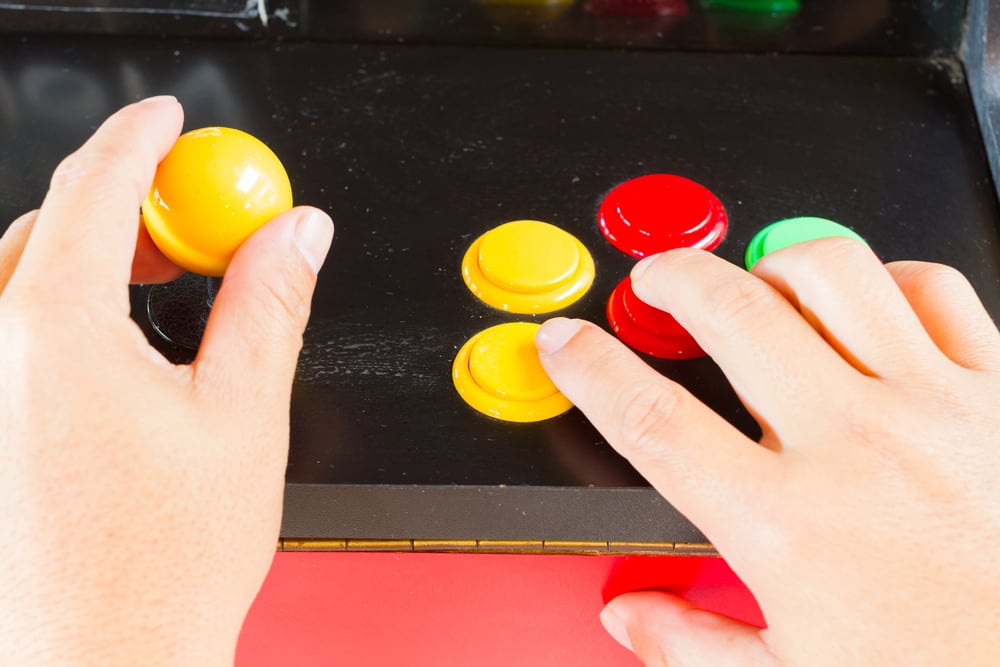
Arcade games stripped away everything except what mattered: can you dodge, can you shoot, can you time your jumps. No character builds, no equipment upgrades, no skill trees to navigate.
Your success depended entirely on your reflexes and pattern recognition, not how many hours you’d invested in grinding for better gear.
The Quarter System Created Perfect Difficulty

Here’s the thing about arcade difficulty (and this might sound counterintuitive at first, but stay with me): it was calibrated to human psychology in a way that modern games, for all their sophisticated analytics and user testing, still haven’t matched. Arcade operators needed games that were challenging enough to eat quarters but fair enough that players wouldn’t walk away in frustration — because an angry customer was a customer who stopped feeding the machine, and that was the end of the relationship right there.
So they found this sweet spot, this perfect tension between challenge and reward, where failure felt like a learning opportunity rather than a punishment, and where each quarter felt like it delivered just enough progress to justify the next one. Modern games either hold your hand too much or throw difficulty spikes at you that feel cheap rather than earned.
No Bloated Feature Lists

Pac-Man does one thing. Galaga does one thing.
Street Fighter II does one thing. They do that thing perfectly.
Modern games try to be action-RPG-racing-puzzle-dating-simulation-base-building experiences all at once, and most of the time they end up being mediocre at everything instead of excellent at something specific.
Arcade Cabinets Were Honest About What They Were
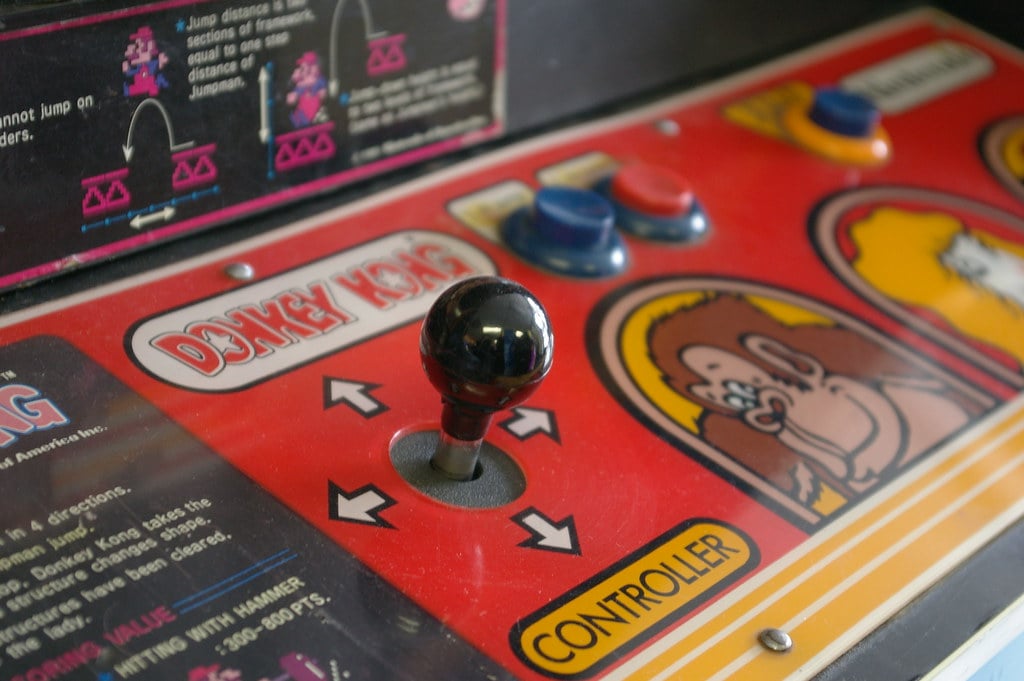
Walking up to a Donkey Kong machine felt like approaching a piece of sculpture — the artwork, the joystick worn smooth by thousands of hands, the screen that had been displaying the same pixels for years. There was something beautiful about the physical honesty of it all, the way the machine announced exactly what it was without pretense.
You knew what you were getting into before you even touched the controls, and there was comfort in that certainty, the way there’s comfort in ordering the same coffee every morning or taking the same route home from work. Modern gaming hardware hides behind sleek minimalism that could be anything — a router, a streaming device, a small appliance.
The mystery is supposed to be exciting, but sometimes mystery just feels like distance.
High Score Culture Meant Something

Getting your initials on a high score list meant the entire neighborhood knew you were the best at Galaga. Your three-letter signature stayed there until someone better came along.
No online leaderboards with millions of entries where your best effort disappears into statistical noise. Just local legends and bragging rights that actually meant something in your community.
Perfect Control Response
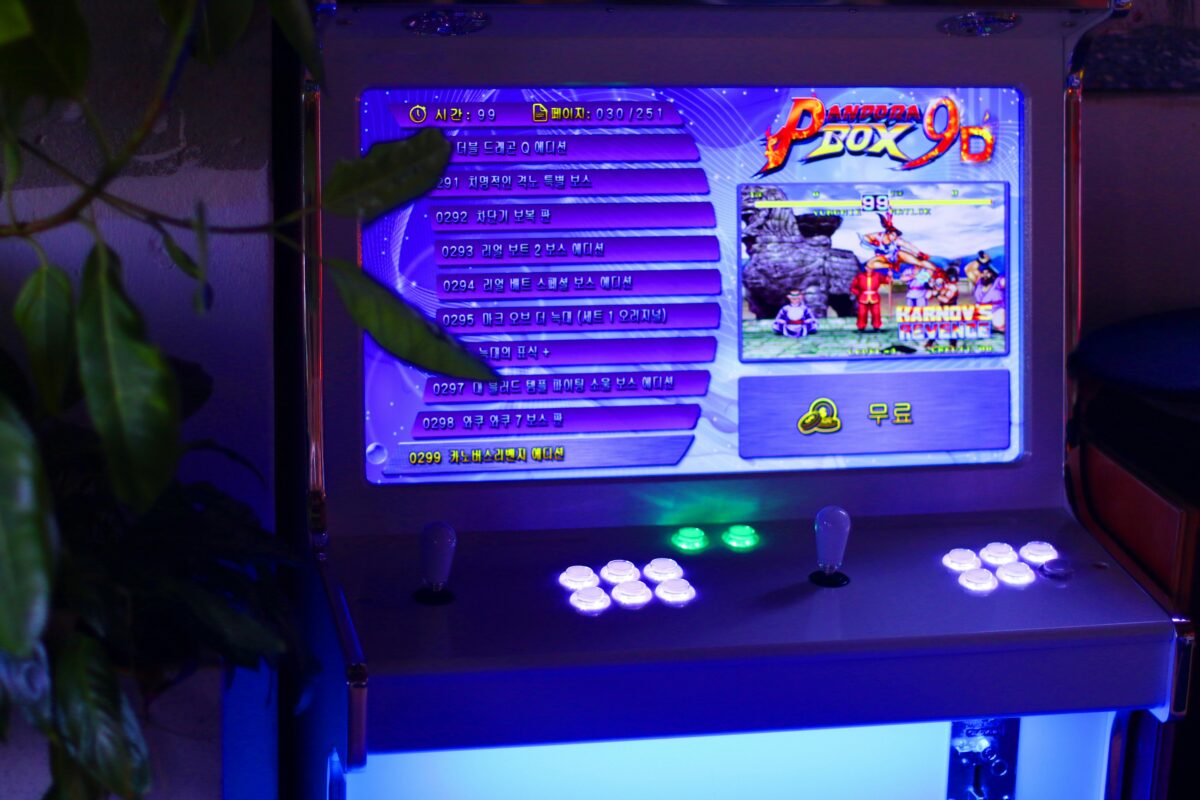
Arcade sticks and buttons were built to last and respond instantly. No input lag, no wireless connection drops, no batteries dying mid-game.
The hardware was as reliable as the games themselves, because broken controls meant lost revenue. Every press registered exactly when and how you intended it.
Games That Respected Your Time

Most arcade games could be learned in thirty seconds and mastered over months. No forty-hour campaigns with padding, no fetch quests designed to artificially extend playtime.
Every moment was meaningful because every moment cost money.
Social Gaming Done Right

Arcades were naturally social spaces where you’d gather around the best players to watch them work. You’d learn by observation, make friends through shared frustration, and celebrate victories together.
Modern online gaming tries to recreate this, but there’s something irreplaceable about physical presence and shared space.
The Beauty of Constraints
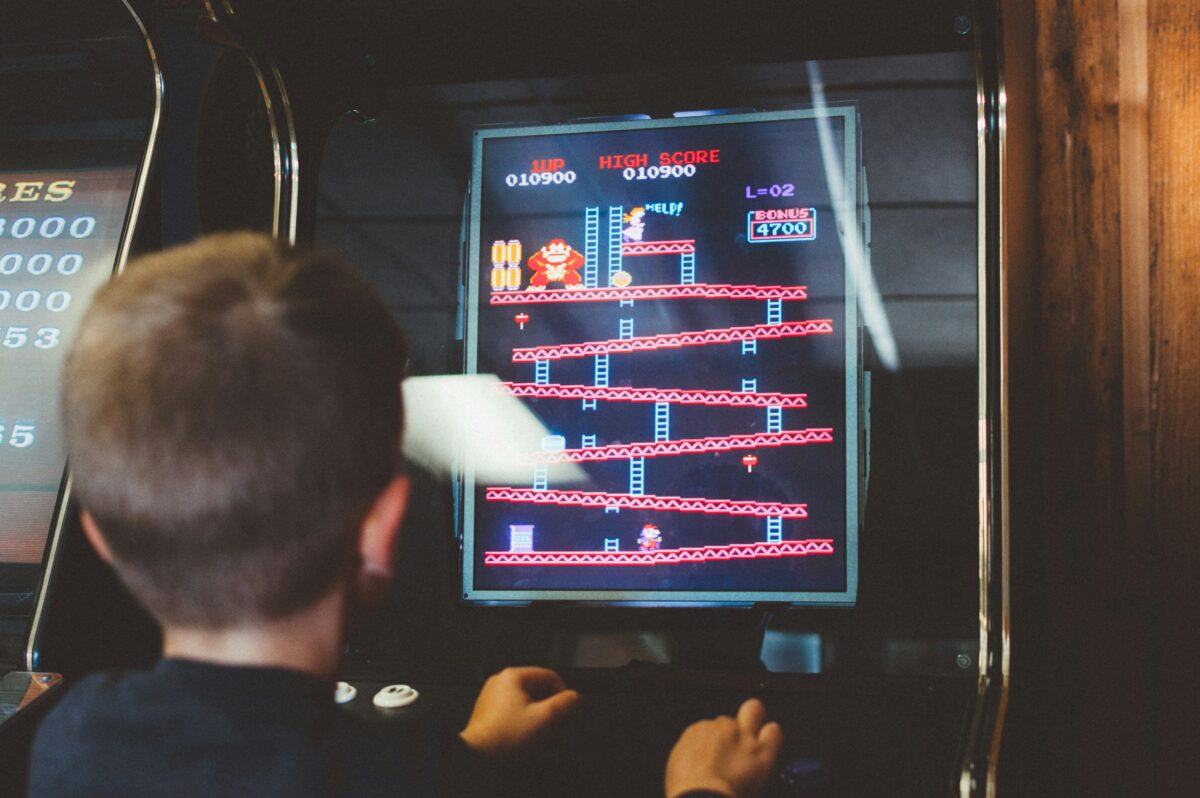
Limited memory and processing power forced developers to focus on what truly mattered. Every sprite, every sound effect, every animation frame had to earn its place.
This constraint-driven creativity produced games that felt lean and purposeful in ways that unlimited resources rarely achieve.
Immediate Consequences

Death meant something when it cost you a quarter. No infinite respawns, no checkpoint systems that let you retry indefinitely.
Risk and reward were perfectly balanced because real money was on the line. This created genuine tension that modern games struggle to recreate.
Visual Clarity Was Essential

Arcade games had to be readable from across a crowded, dimly lit room while someone was walking by deciding whether to play. Every visual element was designed for maximum clarity and instant recognition.
Modern games often prioritize visual complexity over readability, making them harder to parse at a glance.
No Artificial Progression Systems

You got better at arcade games by actually getting better, not by accumulating experience points or unlocking abilities. Progression was personal and internal rather than systemic.
Your improvement came from understanding patterns, developing muscle memory, and learning timing — skills that transferred between games and sessions.
The Perfectionist’s Paradise

Arcade games were built around the concept of perfect play. Every enemy movement was predictable, every pattern could be learned, every optimal strategy could be discovered through practice.
This created a pure skill ceiling that dedicated players could spend years approaching. Modern games often introduce random elements that make perfect play impossible.
Built-In Tournament Structure
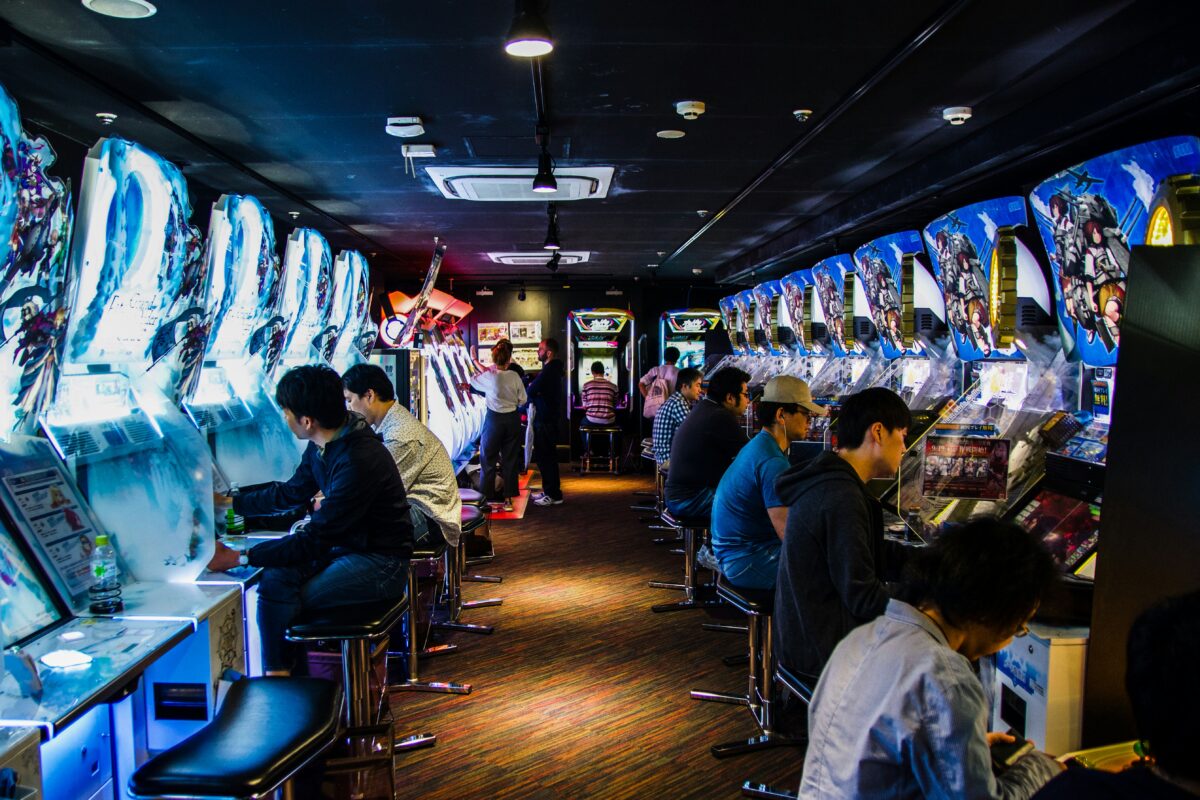
The high score system automatically created ongoing tournaments in every location. Players competed against each other asynchronously, with the machine itself serving as judge and scoreboard.
This competitive structure was elegant and required no external organization or maintenance.
The Magic of Physical Presence

Standing in front of an arcade cabinet created a different relationship with the game than sitting on a couch with a controller. The machine demanded your full attention and physical engagement in a way that modern gaming setups rarely match.
You weren’t just playing a game — you were operating a piece of specialized equipment designed for that exact experience.
When Games Knew Their Place

Classic arcade games understood something that modern gaming has forgotten: not every experience needs to be epic. Sometimes the most memorable moments come from simple pleasures executed flawlessly — the satisfaction of a perfect Tetris line clear, the rhythm of jumping barrels in Donkey Kong, the zen-like focus required for a high score run in Robotron.
These games didn’t try to change your life or tell profound stories. They just wanted to give you something worthwhile to do for a few minutes, and they succeeded completely.
More from Go2Tutors!

- The Romanov Crown Jewels and Their Tragic Fate
- 13 Historical Mysteries That Science Still Can’t Solve
- Famous Hoaxes That Fooled the World for Years
- 15 Child Stars with Tragic Adult Lives
- 16 Famous Jewelry Pieces in History
Like Go2Tutors’s content? Follow us on MSN.