Unusual Ways People Used Candles in History
Fire was never only about brightness. Long before electric power changed daily life, candles did way more than push back the night.
Folks found clever ways to use those basic items – wax and a string core. Certain uses fit perfectly with old routines.
Meanwhile, some ideas sound totally odd today.
Telling Time Without Clocks
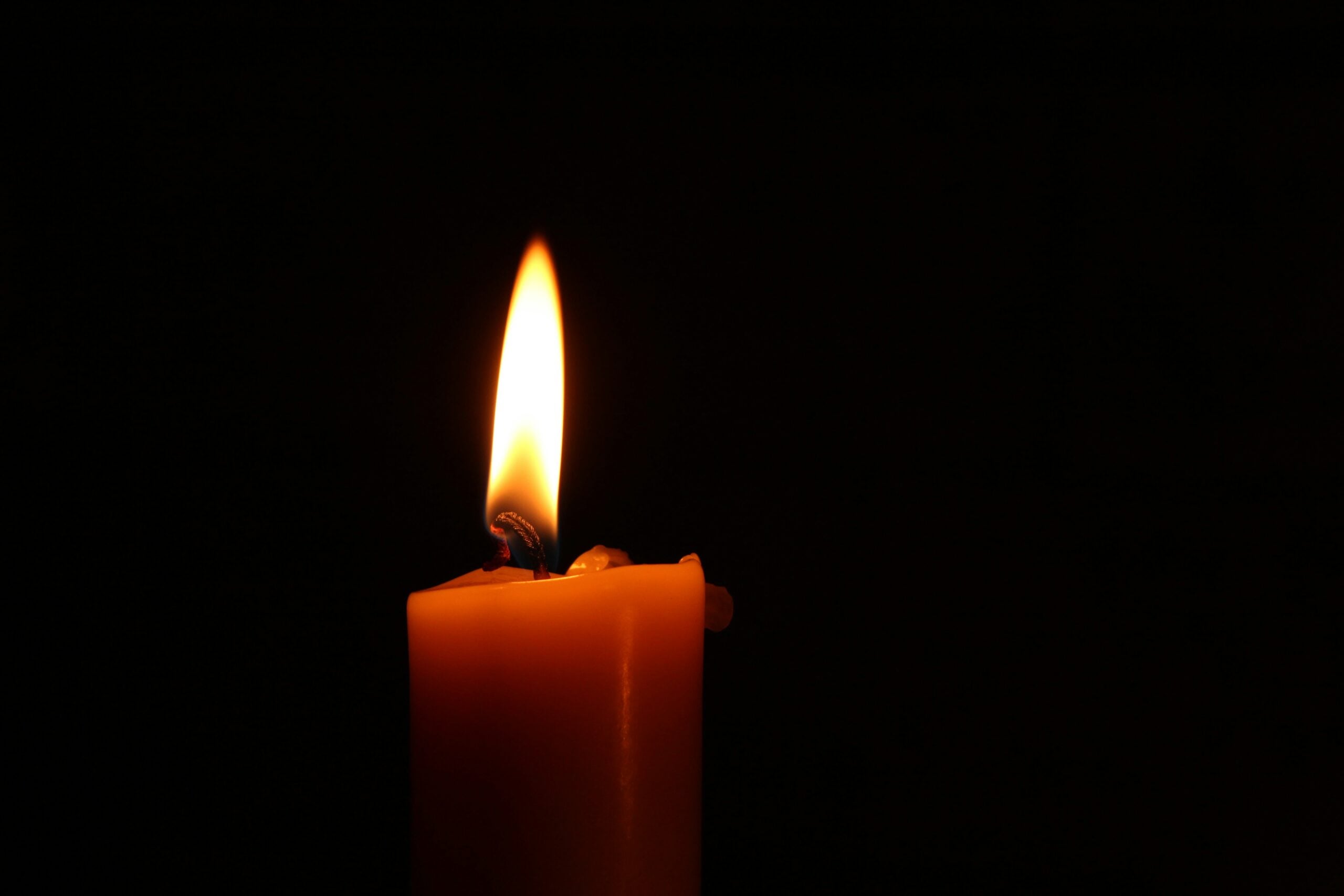
Candles marked the passage of hours long before watches became common. People would carve horizontal lines into the wax at measured intervals.
As the candle burned down past each line, another hour had passed. The practice worked well enough that medieval monasteries relied on these candle clocks to wake monks for nighttime prayers.
King Alfred the Great of England used six candles marked in sections to divide his day into equal parts for studying, ruling, and resting. Each candle was 12 inches tall and marked at one-inch intervals.
Each candle burned for four hours, and all six together measured a full day and night. He kept them in lanterns with transparent horn panels to protect the flames from wind.
Auction Deadlines That Burned Down
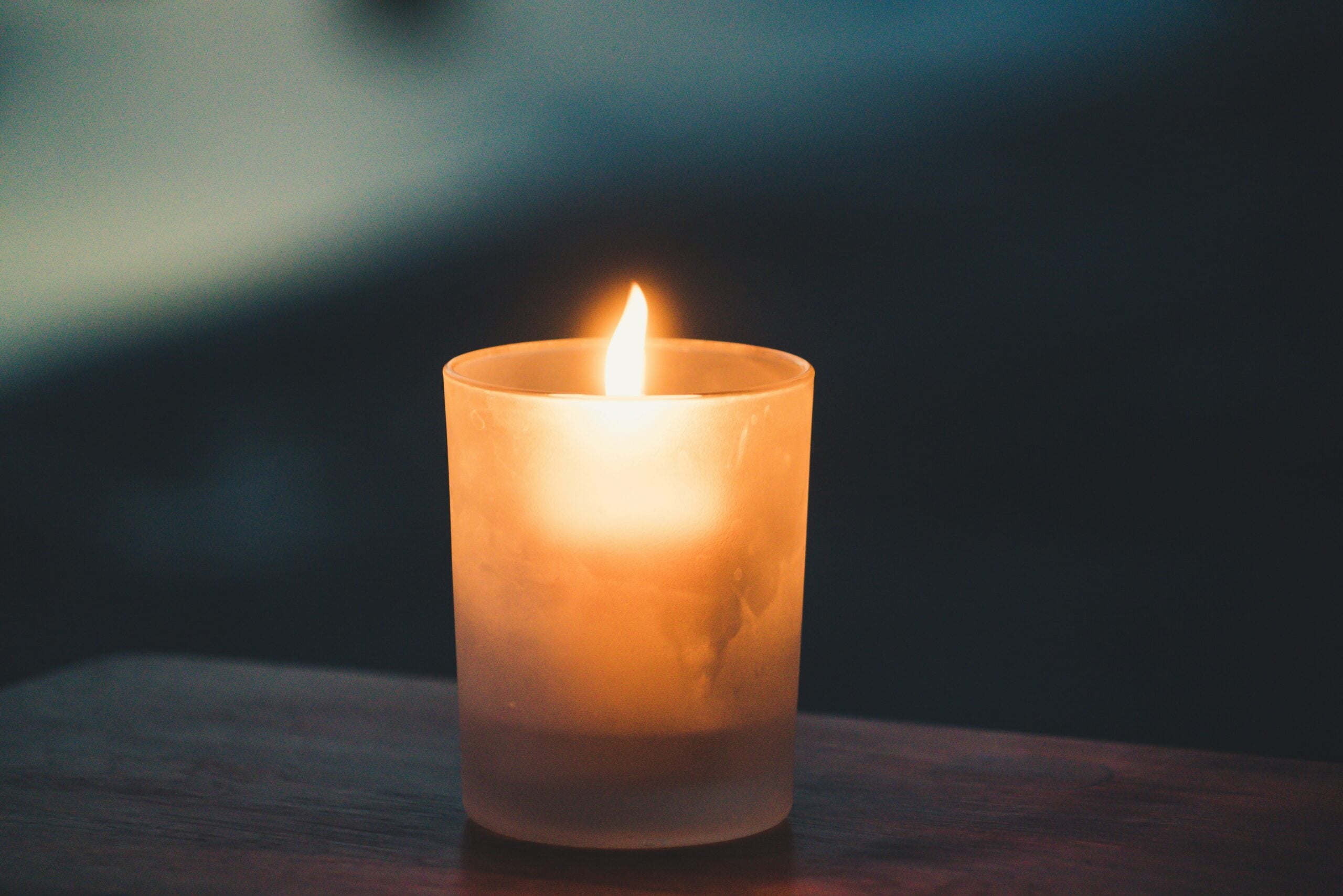
Pin auctions created urgency in a way that still feels clever. An auctioneer would stick a pin into a candle about one inch below the wick, then light it.
Bidders would compete as the flame crept closer to the pin. When the wax melted enough, the pin would drop and clang against a metal plate.
That sound ended the bidding immediately. The last person to call out a price before the pin fell won the item.
This method prevented endless haggling and kept auctions moving. It also made things unpredictable since no one knew exactly when the pin would drop.
The practice became common in England by the mid-1600s and continued into the 1800s, particularly for selling ships and land.
Warming Treatments With Melted Wax
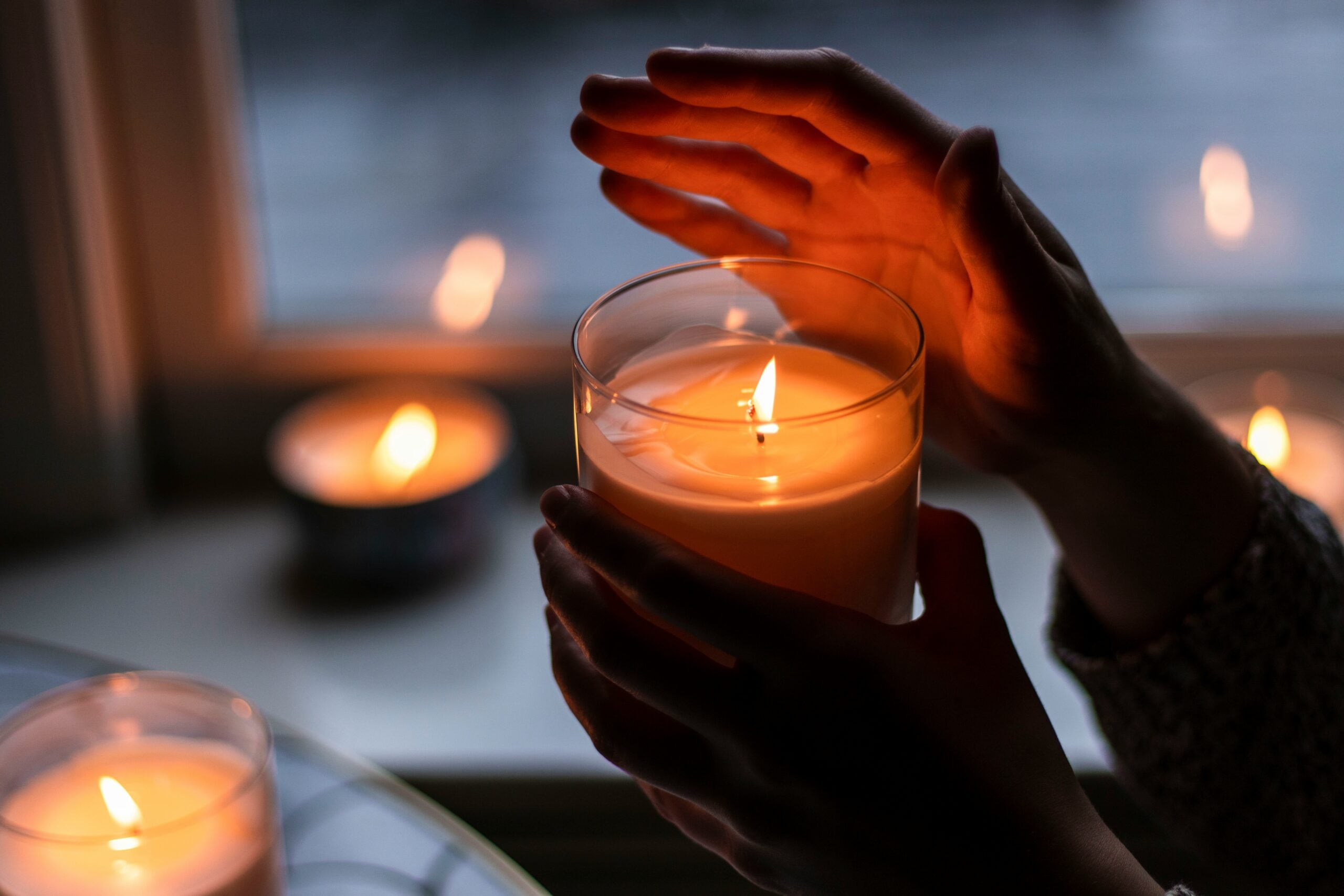
People applied heated wax to the skin for relief from joint pain and muscle stiffness. Practitioners would melt the wax, let it cool slightly, then brush layers onto the affected area.
The warmth penetrated tissues while the wax held heat in place. Modern paraffin wax therapy continues this tradition in physical therapy settings.
The technique works by increasing blood flow and relaxing muscles. While the exact origins remain unclear, heat treatments using various materials have ancient roots across many cultures.
Warning Signs in Mine Shafts
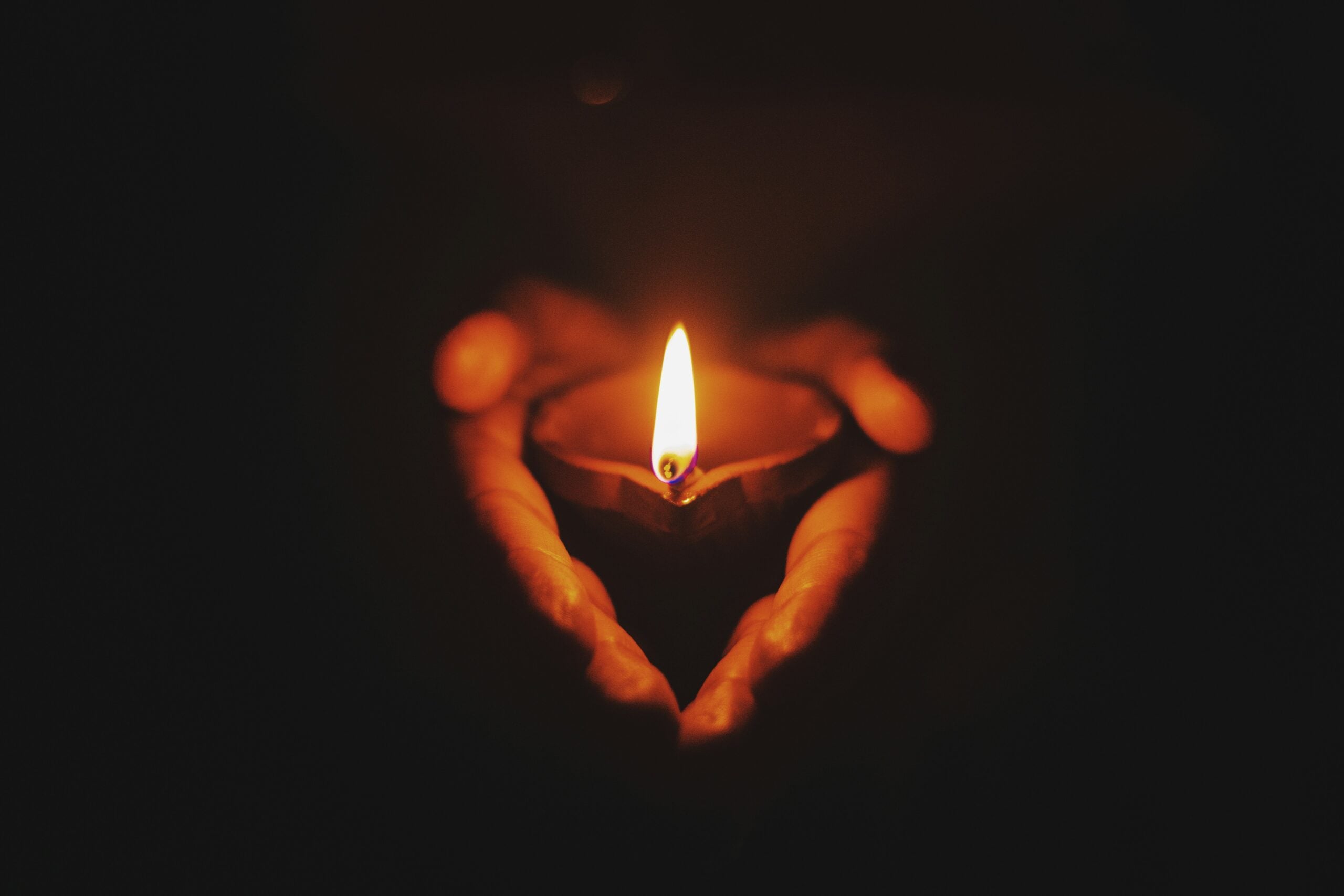
Coal miners used candles and later flame safety lamps to detect dangerous gases underground. Open candles showed when methane or carbon dioxide accumulated in shafts.
A flame that stretched tall and thin signaled methane presence. If the flame guttered out completely, carbon dioxide had displaced too much oxygen.
After frequent explosions from open flames, safety lamps were invented in the early 1800s. These enclosed the flame in wire mesh or glass, preventing ignition of surrounding gases while still allowing miners to read the flame for danger signs.
The height and color of the flame inside the lamp indicated gas concentrations. Miners watched their lights constantly, reading these signs to know when to evacuate.
Sealing Important Documents
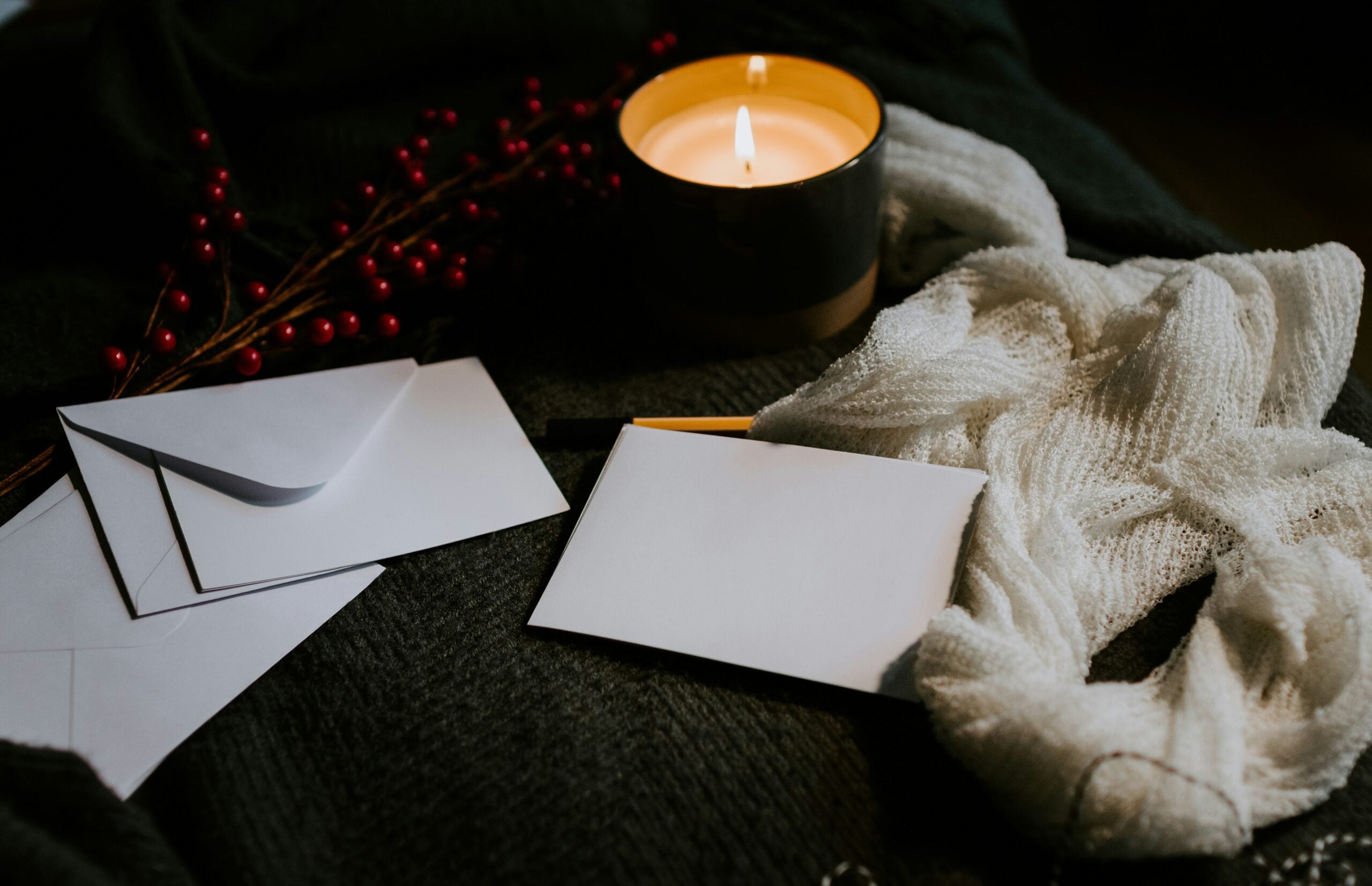
Wax seals turned candles into security devices. People would drip hot wax onto folded letters or legal documents, then press a signet ring into the soft material.
The hardened wax showed any tampering since breaking the seal to read the contents left obvious damage. Royal decrees, business contracts, and private correspondence all got this treatment.
Different colored waxes conveyed different meanings, with red reserved for the most important matters. The practice required skill since the wax had to be hot enough to stick but cool enough not to smudge the impression.
Reading Flames for Future Weather
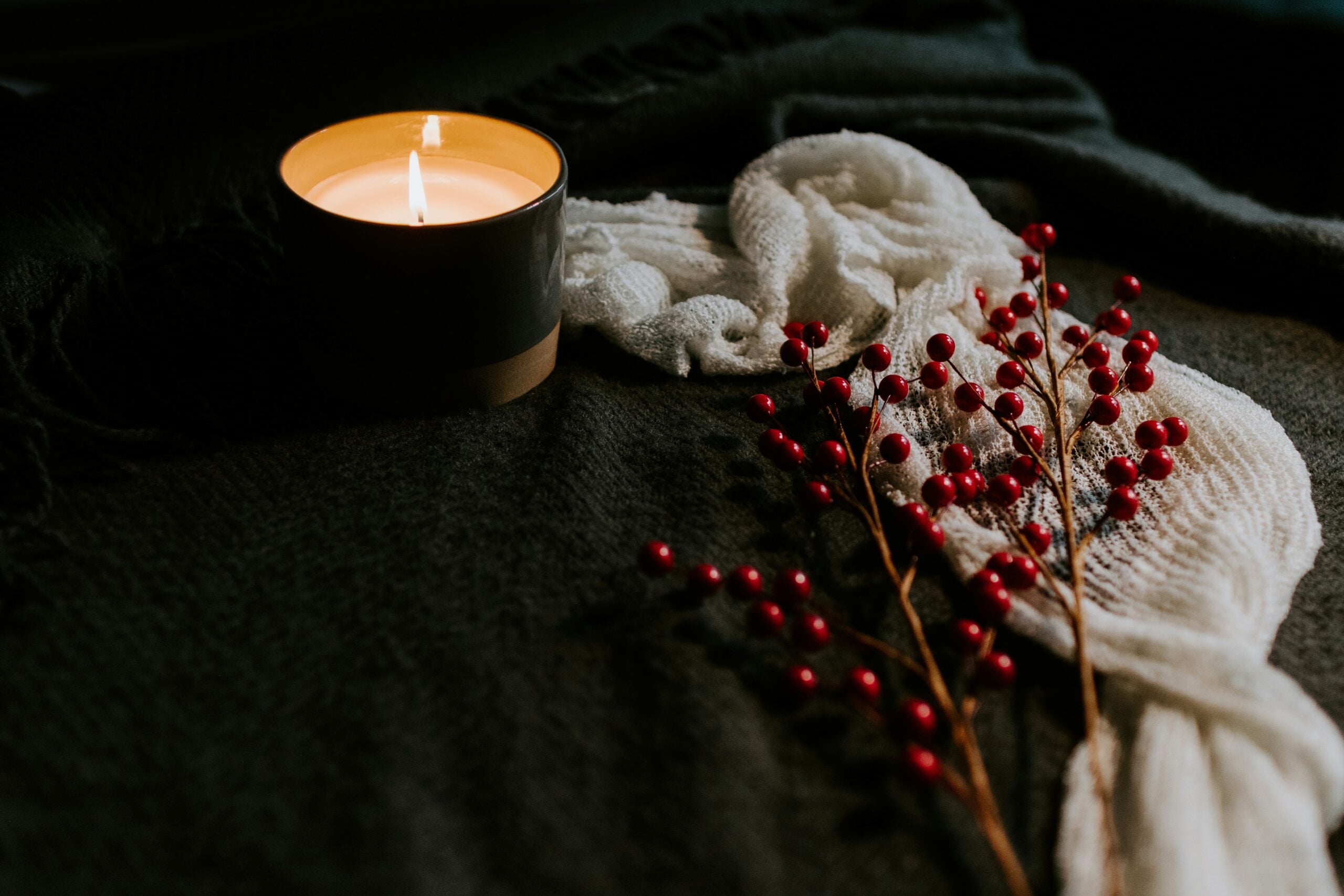
Farmers and sailors believed candle flames could predict coming weather, though these were folk beliefs rather than reliable methods. A steady, bright flame supposedly suggested clear conditions ahead.
If the flame flickered wildly without wind, rain was approaching according to tradition. A flame that sparked and crackled pointed to storms on the horizon.
People watched for these signs because they lacked better forecasting tools. The belief held that changes in air pressure and humidity affected how flames behaved, which does have some basis in physics.
Still, candles never proved reliable for actual weather forecasting.
Heating Irons for Pressing Clothes
Laundresses used candles to heat small pressing irons before electric versions existed. These miniature irons, called Italian irons or tally irons, had hollow centers.
You’d light a candle, place it inside the iron, and let the metal warm up. The device worked well for detailed pressing work on collars, cuffs, and delicate fabrics.
It gave more control than the large flat irons heated on stoves. Wealthy households often owned several of these candle-powered irons in different sizes.
Deterring Insects From Food Storage
People discovered that certain scented candles kept pests away from food stores. Bay leaf and rosemary candles burned near grain stores and pantries.
The smoke and scent discouraged moths, weevils, and other insects from infesting supplies. This practice worked better than many realize.
Some essential oils in these plants actually do repel insects. Households would keep these special candles burning continuously during harvest season when storage areas filled with grain and dried goods.
Softening Leather for Shoemaking

Cobblers warmed leather with candle flames to make it more pliable. They’d move the flame back and forth under the material, heating it just enough to soften the fibers without burning them.
This technique allowed shoemakers to shape leather around wooden forms more easily. It also helped work thick leather that would crack if bent cold.
The method required a delicate touch and years of practice to master. Too much heat ruined expensive materials.
Creating Invisible Messages
Spies and secret societies wrote messages with candle wax dissolved in spirits. The liquid dried clear on paper, invisible to anyone who didn’t know to look for it.
Heating the paper over a candle flame made the message appear as the wax melted and darkened. This simple form of invisible ink worked surprisingly well.
Even if someone suspected hidden writing, finding it without burning the paper took effort. Revolutionary groups and wartime agents both employed this technique.
Purifying Air in Sickrooms
Medical practitioners burned candles continuously in rooms where sick people stayed. They believed the flame consumed bad air that caused disease.
This miasma theory of illness dominated medicine for centuries. While the underlying reasoning was wrong, the practice did have some benefits.
Burning candles reduced humidity and changed air circulation patterns. Some scented candles made rooms smell less unpleasant, which mattered when caring for patients with limited hygiene options.
Removing Splinters and Small Objects
Parents used candle wax to extract splinters from children’s fingers. They’d drip hot wax over the affected area, let it cool and harden around the splinter, then peel it off quickly.
The wax gripped the protruding end and pulled the splinter out as it came away. This technique worked better than trying to grasp tiny splinters with tweezers.
It hurt less than digging around with needles. People also used the method to remove thorns from fruit before eating it.
Waterproofing Boots and Clothing
Rubbing candles over fabric created a water-resistant coating. People would warm the wax slightly to make it spread more easily, then work it into the fibers of canvas, cotton, and wool.
Sailors waterproofed their gear this way before heading to sea. Hunters treated their boots and outer layers.
The wax filled the gaps between threads, preventing water from soaking through. The treatment needed regular renewal since the wax wore away with use, but it cost almost nothing and worked reasonably well.
Testing If Someone Was Really Dead
Doctors held lit candles near the lips and noses of unconscious patients. If the flame flickered, breath was moving and the person still lived.
If the flame stayed completely steady, the patient had stopped breathing. This crude test happened frequently before stethoscopes became standard equipment.
It seems morbid now, but distinguishing between deep unconsciousness and death challenged physicians for most of human history. The candle test provided a simple visual indicator anyone could interpret.
Fire That Taught and Warned
Candles set the pace of daily life for ages. They told time, warned of threats, kept hidden things safe – useful in more ways than just lighting up dark rooms.
Every odd job they did came from real need and sharp thinking. Folks saw how fire acted around them, then used that behavior somehow.
Electric bulbs made nearly all of this obsolete, yet the smart ideas still count for something. These folks weren’t stuck with old-school gear.
Instead, they cracked tough issues by knowing exactly what their stuff could do – then using it in smart, clever ways.
More from Go2Tutors!

- The Romanov Crown Jewels and Their Tragic Fate
- 13 Historical Mysteries That Science Still Can’t Solve
- Famous Hoaxes That Fooled the World for Years
- 15 Child Stars with Tragic Adult Lives
- 16 Famous Jewelry Pieces in History
Like Go2Tutors’s content? Follow us on MSN.